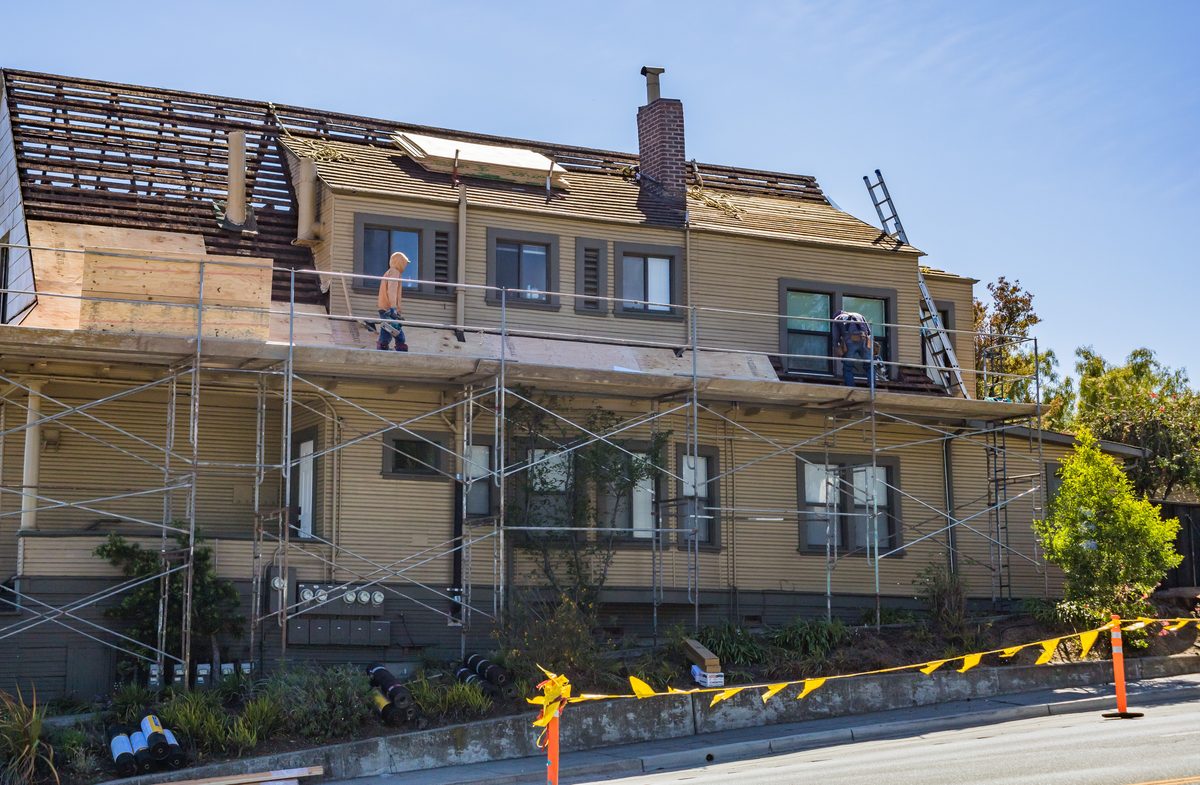
Illinois homeowners face unique challenges planning roof replacements due to the state's humid continental climate and limited installation windows. Understanding the best time for roof replacement can occur requires analyzing seasonal weather patterns, contractor availability, and material performance during temperature fluctuations. Spring 2026 presents optimal conditions for roofing projects, but successful execution demands early planning and strategic scheduling.
The Illinois roofing industry supports 4,377 businesses and 8,872 employees with projected revenue reaching $3.7 billion in 2026. Homeowners who schedule projects during the narrow spring window benefit from moderate temperatures and contractor efficiency before peak summer demand. This guide provides comprehensive insights into timing for new roof installations, material selection, and scheduling strategies specific to Illinois conditions.
Key Takeaways
- Spring offers optimal 60-75°F temperatures for asphalt shingle installation between May and early June
- Book contractors 1-3 months in advance to secure prime spring scheduling slots
- Asphalt shingles dominate 80% of Illinois installations due to affordability and climate suitability
- Standard roof replacements take 1-2 days, but require flexibility for spring weather delays
- Professional estimates must include detailed material breakdowns, labor costs, and warranty terms
What Factors Define the Illinois Residential Roofing Market?
The Illinois residential roofing market operates within a $3.7 billion state industry experiencing 3.9% annual growth between 2021 and 2026. Regional climate extremes and homeowner preferences for durability shape contractor offerings and material availability. The residential sector captures 58.1% of total market activity, with replacement projects accounting for 79.2% of installations.
Illinois contractors navigate seasonal limitations that compress the active roofing season into approximately six months annually. Winter conditions halt most installations, while spring and fall create concentrated demand periods requiring advanced booking. Understanding these market dynamics helps homeowners anticipate contractor availability and the best roofing materials for Illinois climate performance requirements.
How Does Illinois Climate Impact Roofing Projects?
Illinois experiences a humid continental climate with hot summers and cold, snowy winters that directly affect roofing installation feasibility. Spring temperatures typically range between 60-75°F, creating ideal conditions for asphalt shingle adhesive activation and worker productivity. Winter months effectively pause the roofing season when temperatures drop below 50°F, making asphalt shingles stiff and preventing proper sealant bonding.
The roofing season runs from late spring through early fall in Illinois, concentrating contractor availability into a narrow timeframe. Asphalt shingles become difficult to install below 50°F because the material loses flexibility and adhesive strips fail to activate. Cold installations increase wind damage risk as shingles cannot properly seal to the roof deck.
What Are Homeowners' Priorities When Choosing Roofing Services?
Durability ranks as the top priority for 95% of homeowners when selecting roofing materials and contractors. Cost remains important to 85% of consumers, but buyers increasingly weigh initial expenses against expected lifespan and performance. Contractor reputation influences 34% of homeowners as the most important factor, while 41% prioritize professional licensing verification.
Price transparency has become critical, with 78% of homeowners more likely to call contractors offering online pricing information in 2025. This represents a significant increase from 66% in 2023, reflecting growing consumer demand for upfront cost visibility. Millennial homeowners show the strongest preference for online pricing, with 85% seeking this information before initiating contact.
What Roofing Materials Are Popular in Illinois and How Do They Compare?
Material selection significantly impacts installation timelines, total project costs, and long-term performance in Illinois weather. Asphalt shingles dominate the residential market due to affordability and proven performance in Midwest temperature fluctuations.
Understanding material characteristics helps homeowners balance upfront costs against maintenance requirements and replacement frequency. Each roofing category performs differently in Illinois freeze-thaw cycles and summer heat. Material choice also influences contractor availability, as roofing season planning depends on temperature requirements specific to each product type.
Which Roofing Materials Have the Largest Market Share?
Asphalt shingles account for approximately 80% of all residential roof installations nationwide and maintain similar dominance in Illinois. Tile and composite materials make up roughly 7% of installations, while other specialty materials account for the remaining 3%.
This market distribution reflects consumer preferences for proven, cost-effective solutions that perform reliably in Midwest climate conditions. Asphalt shingles offer the widest selection of colors and styles while requiring minimal specialized installation equipment. Tile markets continue growing among homeowners seeking extended lifespans that justify premium pricing through reduced replacement frequency.
What Are the Pros and Cons of Common Roofing Materials?
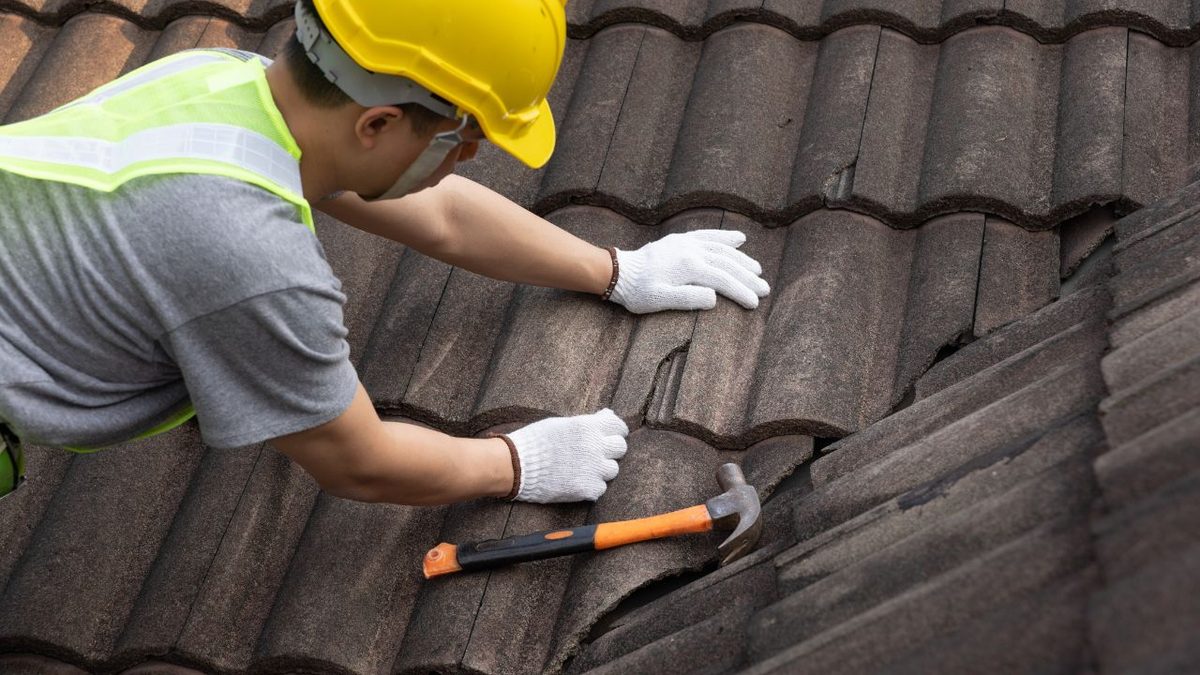
Tile roofing is brittle and can crack if walked on during maintenance, requiring careful handling throughout its lifespan. Heavy tile installations require structural reinforcement to support additional weight, potentially adding thousands to project costs. Flat roofs remain prone to pooling water and leaks if not properly drained, making them less suitable for Illinois snow accumulation.
How Do Pricing and Lifespan Vary Among Roofing Options?
Asphalt shingles typically last 15-30 years, depending on quality grade and installation conditions. Tile roofing offers the longest performance at 50-100+ years, though initial costs significantly exceed other options. National average roof replacement costs range from $5,867 to $13,211, with typical projects averaging $9,513 before regional adjustments.
Flat roofs have shorter lifespans of 10-20 years due to membrane vulnerability and drainage challenges. Cost comparisons must account for both initial installation expenses and expected replacement frequency over 30-50 year ownership periods. Premium materials deliver better long-term value when homeowners plan extended property ownership rather than selling within five years.
How Does Illinois Seasonal Weather Affect Roof Replacement Timing?
Illinois weather patterns create distinct windows when roofing installations can proceed safely without material performance compromises. Temperature requirements for asphalt shingle installation limit projects to months when daytime highs consistently exceed 50°F. Understanding these seasonal constraints helps homeowners identify optimal scheduling periods and how long premium roof replacement takes during different times of the year.
Spring and fall emerge as preferred installation periods, but each season presents unique scheduling considerations. Weather unpredictability during transitional seasons requires flexible planning and backup scheduling arrangements with contractors. Homeowners benefit from understanding these patterns when determining the best time for roof replacement to occur without unnecessary delays.
When Is the Illinois Roofing Season and Why?
Temperatures below 50°F make asphalt shingle installation unsuitable because the material becomes stiff and difficult to handle properly. Adhesive sealant may not activate correctly in cold weather, preventing shingles from bonding to the roof deck. This creates increased wind damage risk during winter storms when improperly sealed shingles can lift or blow off.
The primary roofing season extends from late spring through early fall when consistent temperatures support proper material installation. Illinois winters effectively halt most roofing projects, concentrating demand into the six-month window between April and October. Contractors maintain full schedules during this period, making early booking essential for homeowners seeking specific project dates.
How Do Spring and Fall Compare as Roof Replacement Periods?
Spring offers moderate temperatures between 60-75°F that create optimal conditions for shingle installation and crew efficiency during May and June. However, spring rainstorms can cause scheduling delays as contractors cannot install roofing materials on wet surfaces or during active precipitation. Fall generally provides cool and dry weather between September and mid-October, making it the most popular replacement period before winter arrives.
High fall demand causes significant contractor booking challenges as homeowners rush to complete projects before temperatures drop. Many contractors fill their fall schedules by midsummer, leaving limited availability for urgent replacements. Spring scheduling typically offers more flexibility and contractor availability compared to the compressed fall window.
What Weather Challenges Should Homeowners Expect in Spring?
Spring rainstorms can cause unexpected scheduling delays when precipitation prevents safe roof access or material installation. Unpredictable spring weather affects project timelines, requiring homeowners to maintain flexible schedules for crew arrivals and completion dates. Contractors typically monitor multi-day weather forecasts and may reschedule start dates if significant precipitation appears likely during the planned work window.
Weather delays require timeline flexibility, with homeowners understanding that spring projects may extend beyond initial estimates. Professional contractors communicate proactively about weather-related schedule adjustments rather than attempting installations during unsuitable conditions. Building 2-3 buffer days into project expectations helps manage disappointment when atmospheric conditions force reasonable delays.
How Should Homeowners Plan and Schedule Roof Replacement for Spring 2026?
Successful Spring 2026 roof replacement requires strategic planning beginning several months before desired installation dates to secure contractor availability. Early scheduling ensures access to preferred contractors during prime weather windows when temperature and precipitation conditions optimize installation success. Homeowners who delay planning risk limited contractor availability or project postponement until late summer or fall.
Proactive preparation includes completing roof inspection checklists during the winter months to identify necessary repairs and material requirements. Understanding the current roof condition helps contractors provide accurate estimates and schedule appropriate crew sizes. Spring 2026 planning should begin in late winter 2025 to maximize scheduling options.
When Should Inspections and Contractor Contacts Begin?
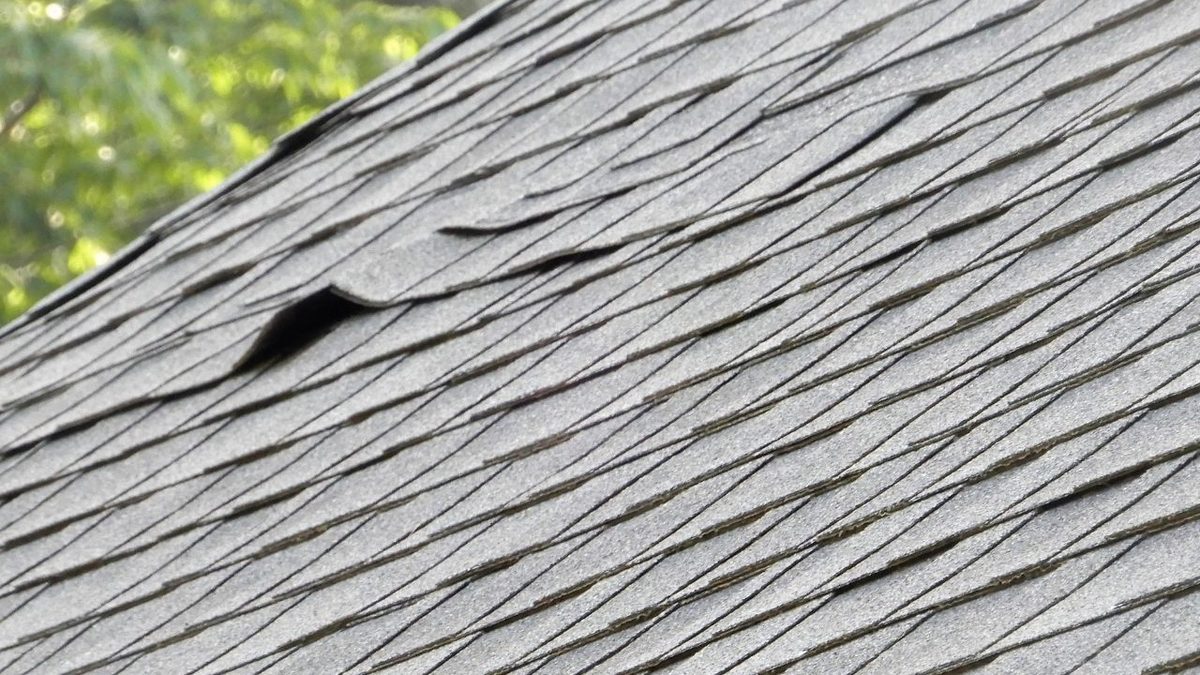
Contact contractors in late February or early March 2026 for post-winter inspections that identify damage from ice dams and freeze-thaw cycles. Schedule inspections early for Spring 2026 planning to allow sufficient time for estimate reviews and contractor selection. Winter roof inspections reveal signs that tell it is time for roof replacement, including missing shingles, damaged flashing, and interior water stains.
Early inspections provide contractors time to order materials and secure necessary permits before the spring rush begins. Homeowners benefit from comparative estimates obtained during the slower winter months when contractors offer more detailed consultations. February and March inspections also allow time to address any emergency repairs before they worsen during spring storms.
Why Is Early Booking Essential for Spring Projects?
Book contractors 1-3 months in advance to secure spots during the prime May and June installation window. Securing contractor availability during peak season requires deposits and signed contracts that commit both parties to planned timelines. Delays in booking risk losing preferred contractors to other homeowners who planned earlier and secured limited scheduling slots.
Spring represents the first opportunity for installations after winter weather restrictions lift. Contractors fill calendars quickly as multiple homeowners simultaneously seek post-winter replacements. Advanced booking also provides contractors sufficient time to order specialized materials and coordinate crew scheduling for complex projects.
How Can Homeowners Prepare for Potential Weather Delays?
Maintain flexible schedules that accommodate 2-3 day weather-related delays without creating conflicts with other commitments. Establish clear communication channels with contractors to receive timely updates about forecast changes and revised start dates. Understanding that spring weather remains unpredictable helps homeowners manage expectations during reasonable postponements.
Prepare properties for quick project starts by moving vehicles from driveways and securing outdoor furniture near work areas. Keep interior preparations minimal since crews provide protective coverings for landscaping and exterior features. Weather flexibility combined with advance preparation enables projects to proceed quickly once favorable conditions arrive.
What Is the Typical Roof Replacement Timeline in Illinois?
Standard asphalt shingle replacements on average-sized homes typically require 1-2 days of active installation labor under favorable weather conditions. The complete project timeline extends beyond installation days to include pre-work inspections, permitting, material ordering, and final cleanup phases. Understanding each phase helps homeowners plan accordingly and recognize when project timelines exceed typical expectations.
Project duration varies significantly based on roof size, pitch steepness, architectural complexity, and material selection. Contractors provide estimated timelines during the estimate phase, but actual completion depends on weather cooperation and unexpected repairs discovered during the tear-off. Premium roof replacement in Illinois may require extended timelines for specialized materials and installation techniques.
What Are the Phases from Inspection to Completion?
Pre-inspection and permitting take 1-3 days to finalize contracts, order materials, and secure necessary local building permits. The tear-off and preparation phase removes old materials and inspects the deck for rot or structural damage requiring repair. Installation involves applying new underlayment, flashing around penetrations, and securing roofing materials according to manufacturer specifications and building codes.
Cleanup includes magnetic nail sweeps across the property to remove metal debris. Tear-off and preparation typically takes 2-4 hours for standard residential projects, depending on existing shingle layers. The installation phase takes 5-10 hours for standard roofs, with final inspection confirming quality standards and proper material application.
How Does Roof Complexity Affect Project Duration?
Complex roofs can take 3-7 days when steep pitches, multiple valleys, or numerous penetrations slow installation progress and require additional safety measures. Steep pitches extend installation time because crews must work more carefully to maintain footing and proper shingle alignment. Multiple valleys increase project complexity by requiring precise flashing installation and careful shingle weaving to prevent future leaks.
Architectural features like dormers, skylights, and chimneys demand extra attention during flashing installation to ensure waterproof seals. Each additional complexity factor adds labor hours and extends the overall project duration. Contractors account for these factors during estimate preparation, providing realistic completion expectations based on specific roof characteristics.
How Do Different Materials Influence Installation Time?
Standard asphalt shingle replacement takes 1-2 days because materials install quickly and require minimal specialized tools. Tile installations proceed slowly because individual pieces require careful handling to prevent cracking and precise alignment for proper water channeling.
The installation phase duration increases significantly when transitioning from standard asphalt shingles to premium materials requiring specialized expertise. Material weight also affects timeline, as heavier products like tile require additional crew members and slower handling procedures. Contractors experienced with specific material types complete installations more efficiently.
How Can Homeowners Effectively Read and Understand a Roofing Estimate?
Professional roofing estimates should provide transparent, detailed breakdowns of all materials, labor, and associated costs rather than single lump-sum figures. Understanding estimate components helps homeowners compare contractor proposals accurately and identify potential hidden costs or missing elements. Vague estimates lacking detailed line items often indicate contractors attempting to maintain pricing flexibility or hide inferior material selections.
Comprehensive estimates demonstrate contractor professionalism and commitment to transparent business practices. Detailed documentation also provides reference points for addressing questions during the project and verifying completed work matches original agreements. Homeowners benefit from requesting clarification on any unclear estimate sections before signing contracts.
What Line Items Should a Transparent Estimate Include?
Materials include shingles, underlayment, flashing, ventilation components, and fasteners with specific brand names and product specifications. Each material category should list quantities, unit costs, and total line item expenses to enable verification against independent pricing research. Detailed material specifications allow homeowners to research product quality and compare contractor selections.
Labor costs should separate the tear-off, installation, and cleanup phases with explanations of crew size and estimated hours per phase. Permit fees and disposal costs require separate line items rather than being buried in general overhead charges. Comprehensive estimates also include project timelines, payment schedules, and warranty details covering both materials and workmanship.
How Are Materials, Labor, and Fees Broken Down?
Material breakdowns specify shingle quantities measured in squares, where one square equals 100 square feet of roof coverage. Underlayment specifications identify synthetic felt or ice and water shield applications with coverage areas and attachment methods. Flashing details describe valley, chimney, and vent materials with installation techniques ensuring waterproof seals.
Labor breakdowns separate demolition costs from installation expenses, reflecting different skill requirements and time investments for each phase. Disposal fees account for dumpster rental and landfill charges based on estimated debris volume from tear-off activities. Permit costs reflect local building department requirements and vary by municipality based on project scope.
What Warranties and Payment Terms Matter?
Manufacturer warranties covering material defects typically range from 25-50 years, depending on shingle quality and product tier. Workmanship warranties provided by contractors guarantee installation quality for periods ranging from 1 to 10 years based on contractor confidence and industry standards. Understanding warranty limitations helps homeowners recognize what protections exist if problems develop after completion.
Payment terms typically require deposits of 10-30% upon contract signing, with final balances due upon project completion and homeowner satisfaction. Some contractors request progress payments during multi-day projects, particularly for large or premium residential projects. Clear payment schedules prevent misunderstandings and establish expectations for both parties throughout the project timeline.
Spring 2026 Roof Replacement Planning in Illinois: Combining Market Insights and Seasonal Best Practices
The Illinois roofing contractor industry is projected to reach $3.7 billion in 2026, reflecting sustained growth in residential replacement demand. Illinois supports 4,377 roofing businesses and 8,872 employees maintaining industry infrastructure and service capacity. The industry growth rate of 3.9% between 2021 and 2026 demonstrates consistent demand driven by aging housing stock and weather-related damage.
The residential sector captures 58.1% of the total US roofing market share, with replacement and renovation projects representing 79.2% of all installations. These statistics confirm that most homeowners' spending focuses on replacing existing roofs rather than new construction. Understanding market conditions helps homeowners recognize the competitive landscape and the importance of early contractor engagement for prime scheduling windows.
Spring 2026 presents optimal conditions for Illinois roof replacement when homeowners combine climate understanding with proactive scheduling strategies. Successful projects begin with winter inspections, advance contractor booking, and realistic timeline expectations that accommodate spring weather unpredictability. Homeowners who prioritize durability and contractor reputation over the lowest price achieve better long-term outcomes and fewer post-installation problems.
Roofing safety codes compliance ensures installations meet building standards and provide expected protection throughout material lifespans. Illinois homeowners benefit from working with experienced contractors who understand regional climate challenges and material performance requirements specific to Midwest conditions. Strategic planning combined with quality-focused contractor selection delivers roof replacements that protect homes for decades.
For homeowners ready to schedule Spring 2026 roof replacements, partnering with experienced professionals ensures projects proceed smoothly from inspection through completion. Advanced Roofing Inc. has served Chicagoland communities for over 30 years with master-level craftsmanship and transparent project management.
Reserve Your Spring 2026 Roofing Slot With Advanced Roofing Inc.
Spring scheduling fills fast in Illinois, and the installation window is short. Advanced Roofing Inc. has served Fox Valley and the greater Chicagoland area since 1994, helping homeowners in Naperville, Aurora, Geneva, Batavia, Oswego, and St. Charles plan replacements before peak summer demand. As a GAF Master Elite® and CertainTeed ShingleMaster™ contractor with a BBB A+ rating, we match your material choice to Illinois climate conditions and give you a written estimate with full material, labor, and warranty details up front. Book your spring slot now to lock in moderate-temperature installation dates. Contact us to request your free quote.