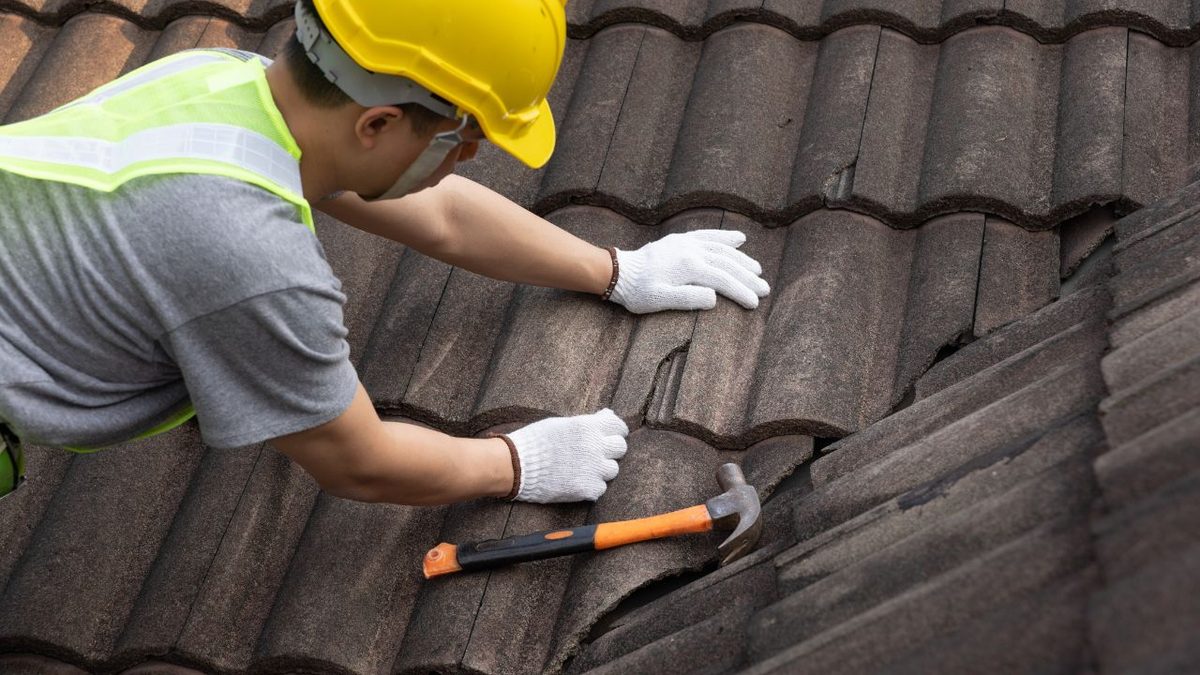
A professional roofing estimate serves as your blueprint for a successful roof replacement project. Reading roofing estimate documents carefully protects you from unexpected costs and ensures both parties understand project expectations. Illinois homeowners face unique challenges when evaluating roofing proposals due to extreme seasonal temperature swings and diverse material requirements. This guide breaks down every component of a roofing estimate so you can make informed decisions.
Understanding each line item in your estimate helps you compare contractor offers and identify potential issues. A transparent estimate demonstrates contractor professionalism and builds trust before work begins. Illinois homeowners should expect detailed documentation that accounts for local climate conditions and building code requirements.
Key Takeaways
- Roofing estimates must detail materials, labor, permits, and warranties to prevent disputes
- Material choices directly affect upfront costs and long-term durability of your roof
- Illinois weather conditions require specific seasonal scheduling and material considerations
- Transparent line-item breakdowns help homeowners compare contractor offers accurately
- Understanding estimate components empowers homeowners to ask informed questions before signing
What Is a Roofing Estimate and Why Is It Important?
A roofing estimate is a detailed written document outlining all costs and specifications for your project. This document protects both the homeowner and contractor by establishing clear expectations before work begins. Key information every roof estimate should include creates accountability and prevents misunderstandings during the replacement process.
Professional estimates demonstrate contractor credibility and help homeowners budget for the full project scope. Detailed documentation allows you to compare multiple bids objectively using standardized information across all proposals.
What Key Information Should a Roofing Estimate Include?
Every comprehensive estimate must specify materials by brand, style, color, and quantity measured in squares. A clear scope of work outlines which tasks the contractor will perform, and an estimate number lets you reference the document during phone calls and follow-up questions. Labor costs should separate the tear-off work from the installation to show where your money goes. Many contractors build figures from a standard price list, and complete estimates also detail underlayment type, flashing materials, ventilation systems, and fastener specifications for full transparency.
Payment terms, project timelines, and roof warranty information must appear clearly in professional estimates. The line-by-line estimate explanation helps homeowners understand exactly what they're purchasing before signing contracts.
How Do Roofing Estimates Reflect Local Illinois Conditions?
Illinois experiences a humid continental climate with hot, humid summers and cold, snowy winters. Estimates should account for ice and water shield requirements in valleys and eaves to limit water damage during freeze-thaw cycles. Illinois contractors must factor in storm damage risks and seasonal installation constraints that affect project scheduling and material selection.
Local building codes and permit requirements vary by municipality throughout Illinois. After severe weather, professional contractors offer post-storm inspections and include permit fees and compliance costs in their estimates to prevent surprises.
Why Transparency Matters in Roofing Estimates
Vague estimates can lead to unexpected costs and disputes during or after installation. Homeowners deserve clear documentation showing how contractors calculated their pricing for materials and labor. Transparent estimates build trust and demonstrate contractor confidence in their pricing structure and quality standards.
Detailed line items allow homeowners to verify fair market pricing against industry benchmarks. This transparency helps identify contractors who inflate costs or cut corners with inferior materials.
What Are the Main Components of a Roofing Estimate?
A comprehensive cost breakdown of roof replacement includes materials, labor, disposal fees, permits, and warranties. Each component serves a specific function in protecting your home and ensuring proper installation standards. Professional contractors separate these elements to show homeowners exactly what they're paying for.
Understanding each component helps you evaluate whether contractors are including all necessary elements. Missing line items may indicate incomplete estimates that will result in change orders later.
How Are Materials Detailed in an Estimate?
Materials should list the manufacturer's name, product line, color selection, and total quantity required. Contractors measure roofing materials in squares, where 1 square equals 100 square feet of coverage. Best roofing materials for Illinois climate should match your home's architectural style and local weather demands.
Underlayment, flashing, ventilation components, and fasteners must appear as separate line items. Quality contractors specify ice and water shield for vulnerable areas prone to winter ice dam formation.
How Are Labor and Tear-Off Costs Presented?
Labor costs typically separate into tear-off preparation and new material installation phases. Tear-off includes removing old shingles down to the roof deck and disposing of debris. Professional estimates detail crew size, estimated hours, and any structural repairs discovered during removal.
Installation labor covers underlayment application, flashing installation, shingle placement, and ventilation integration. Contractors may charge hourly rates or per-square pricing depending on their business model.
What Permits, Fees, and Warranties Should Homeowners Expect?
Most Illinois municipalities require building permits for complete roof replacements with associated inspection fees. Contractors should include these costs in estimates rather than surprise homeowners later with additional charges. Illinois roofing permits vary by location and project scope, so verify local requirements early.
Warranty coverage should specify manufacturer material warranties and contractor workmanship guarantees separately. When storm damage repair is involved, your insurance estimate may list the replacement cost value of the roof based on its roof age, so confirm whether your policy provides comprehensive coverage before work begins. Premium contractors offer extended workmanship warranties demonstrating confidence in their installation quality and long-term commitment.
How Do Roofing Materials Impact Your Estimate?
Material selection represents the largest variable in roofing estimates beyond labor costs. Each material type offers distinct advantages in durability, appearance, and weather resistance for Illinois homes. Understanding material differences helps homeowners balance upfront investment against long-term value and maintenance requirements.
Material choices affect installation complexity, project duration, and structural considerations for your home. Heavier materials like tile may require additional structural support beyond standard framing specifications.
What Are the Most Common Roofing Materials in Illinois?
Asphalt shingles account for 80% of residential roofing installations due to affordability and versatility. Metal roofing holds 10% of the market share among homeowners seeking longevity and energy efficiency. Tile and composite materials make up 7% of the market, while other materials account for the remaining 3%.
Illinois homeowners prefer asphalt shingles because they perform well in variable climate conditions. Architectural shingles offer enhanced durability over basic three-tab options with improved wind resistance ratings.
How Do Material Choices Affect Cost and Lifespan?
Asphalt shingles cost $3-$7 per square foot with a lifespan of 15-30 years. Metal roofing ranges from $7-$14 per square foot but lasts 40-70 years with minimal maintenance. Tile roofing costs $8-$16 per square foot and can last 50-100 years under proper conditions.
Flat roofing systems such as modified bitumen cost $4-$8 per square foot but require more frequent inspection and maintenance. Factors that determine roof replacement cost extend beyond material selection to include roof pitch, complexity, and accessibility challenges.
How to Evaluate Material Market Share and Popularity
Market share reflects homeowner confidence in material performance and contractor familiarity with installation techniques. Popular materials benefit from competitive pricing due to high supply chain volumes and installer expertise. Illinois contractors maintain strong relationships with major manufacturers, ensuring material availability and warranty support.
Material popularity indicates proven performance in local climate conditions over decades of installations. Homeowners can leverage market data to select materials with established track records in Illinois.
When Is the Best Time to Schedule a Roof Replacement in Illinois?
Seasonal timing affects installation quality, contractor availability, and project costs in Illinois. Best times to schedule roofing work balance optimal weather conditions against contractor demand and pricing pressures. Strategic scheduling ensures proper material adhesion and reduces weather-related delays during your replacement project.
Understanding Illinois seasonal patterns helps homeowners plan inspection timing and contractor booking strategies. Proactive scheduling prevents emergency replacements during unfavorable winter conditions when quality suffers.
What Seasonal Factors Impact Roofing Projects in Illinois?
Roofing season runs from late spring through early fall in Illinois when temperatures support proper installation. Asphalt shingles become stiff and difficult to install when temperatures drop below 50°F (10°C). Adhesive sealant may not activate properly below 50°F, compromising wind resistance and waterproofing performance.
Increased risk of wind damage occurs with improper cold-weather installation when sealant strips fail to bond. Roofing season effectively pauses during the winter months in Illinois, creating spring scheduling competition among homeowners.
How Does Spring Scheduling Affect Your Roofing Estimate?
Spring offers mild temperatures but unpredictable rainstorms that can delay project timelines. Spring rainstorms cause scheduling delays requiring flexible homeowner availability and contractor communication throughout the project. Spring temperatures typically range 60-75°F in Illinois, providing ideal conditions for proper shingle adhesion.
Schedule inspections in late February or early March for post-winter damage assessment and planning. Book contractor spot 1-3 months in advance for the May/June window before peak summer demand increases.
What Should Illinois Homeowners Know About Fall Roof Replacements?
Fall provides cool, dry weather, but high contractor demand from homeowners preparing for winter. High fall demand makes contractor booking difficult without advance scheduling during the summer months. September through mid-October offers optimal working conditions before temperatures drop below installation thresholds.
Contractors often maintain full schedules during the fall, limiting flexibility for urgent projects or changes. Early booking ensures your project completes before winter weather arrives and installation becomes impossible.
How Long Will My Roof Replacement Take?
Project duration depends on roof size, complexity, material selection, and crew efficiency. Standard asphalt shingle replacement on an average-sized home takes 1-2 days of active labor. How long premium roof replacement takes varies based on architectural features like dormers, valleys, and chimney integration.
Complex roofs with premium materials may require 3-7 days or more for proper installation. Understanding the roofing bids Illinois contractors provide includes realistic timeline expectations, accounting for weather contingencies.
What Are the Phases of a Roof Replacement Timeline?
Pre-Inspection and Permitting takes 1-3 days for final contract approval and material ordering. Tear-Off and Preparation takes 2-4 hours to remove old materials and inspect the decking. Installation takes 5-10 hours for standard roofs with straightforward designs and asphalt shingle materials.
Cleanup and final inspection occur throughout and on the final day with magnetic sweeps for nails. Professional contractors maintain organized work sites and remove debris continuously during the project.
How Does Roof Complexity Affect Project Duration?
Standard asphalt shingle replacement requires 1-2 days for simple gable or hip roof designs. Complex roofs with premium materials need 3-7 days or more, depending on architectural challenges. Steep pitches, multiple roof planes, and specialized flashing increase both labor hours and safety requirements.
Homes with multiple chimneys, skylights, or dormers require additional waterproofing detail work. Experienced contractors estimate accurately by assessing complexity during initial inspection visits before submitting proposals.
What Should Homeowners Expect During Cleanup and Final Inspection?
Professional crews remove debris continuously throughout installation to maintain safe working conditions. Magnetic nail sweeps ensure property safety for children, pets, and vehicles after project completion. Final inspection verifies proper installation according to manufacturer specifications and local building codes.
Contractors should walk homeowners through completed work, explaining warranty coverage and maintenance recommendations. Quality contractors leave your property cleaner than they found it with thorough cleanup procedures.
How Can Homeowners Compare and Understand Different Roofing Estimates?
Comparing multiple estimates requires standardized evaluation criteria across all contractor proposals. Line-item detail allows objective comparison of materials, labor costs, and warranty coverage between contractors. Homeowners should request at least three estimates to establish fair market pricing benchmarks.
Understanding estimate variations helps identify contractors offering genuine value versus those cutting corners. Price differences may reflect material quality, warranty coverage, or contractor experience levels worth considering.
What Red Flags to Watch for in Roofing Estimates?
Beware contractors requiring large upfront deposits exceeding 10-15% of the total project cost. Vague single-line estimates without material specifications or labor breakdowns indicate unprofessional practices. Bad contractor warning signs include pressure tactics, missing license information, and reluctance to provide references.
Significantly low bids may indicate inferior materials or unlicensed labor that voids manufacturer warranties. Missing permit costs or disposal fees suggest incomplete estimates that will require change orders later.
How to Use Line-Item Details to Compare Contractor Offers
Compare material specifications across estimates, verifying contractors' quotes for equivalent product quality and coverage. Labor rates should align with local market standards adjusted for contractor experience and reputation. Warranty terms vary significantly between contractors, affecting long-term value beyond initial installation costs.
Disposal fees, permit costs, and timeline estimates reveal the contractor's thoroughness in project planning. Professional contractors provide detailed written estimates allowing side-by-side comparison without ambiguity.
When to Ask Questions and Request Clarifications
Contact contractors immediately when estimate line items lack clear descriptions or specifications. Ask about material alternatives if estimates exceed your budget without sacrificing critical quality standards. Verify warranty coverage details, including manufacturer and workmanship guarantees, before making the final contractor selection.
Request contractor licensing verification and insurance certificates before signing contracts or making deposits. Professional contractors welcome questions and provide thorough explanations demonstrating their expertise and transparency.
How Do Illinois Market Trends Influence Roofing Estimates?
Economic conditions and material costs fluctuate based on supply chain dynamics and regional demand. Illinois's roofing market growth reflects aging housing stock requiring systematic replacement over the coming years. Understanding market context helps homeowners set realistic budget expectations for quality replacement projects.
Contractor pricing reflects local labor costs, insurance expenses, and business overhead unique to Illinois. Regional competition among contractors balances market rates while maintaining quality standards and proper installation practices.
What Economic and Climatic Factors Shape Roofing Costs in Illinois?
The US roofing market, valued at $32.66 billion in 2025, reflects steady residential sector growth. Illinois roofing contractor industry projected to reach $3.7 billion in 2026, driven by replacement demand. Illinois has 4,377 roofing businesses and 8,872 employees supporting a robust, competitive marketplace.
Illinois industry experienced 3.9% annualized growth rate between 2021 and 2026, indicating healthy demand. The national average roof replacement cost ranges from $5,867 to $13,211, depending on materials and complexity.
How Do Consumer Priorities Affect Estimate Components?
95% of homeowners prioritize durability when selecting roofing materials and contractors for replacement projects. 85% of homeowners consider cost a significant factor, but balance it against longevity. 78% of homeowners prefer contractors with pricing information on websites in 2025 for transparency.
85% of Millennials seek online pricing before making contact with contractors for estimates. The mean age of roofing project homeowners is 56 years old, reflecting established homeowner demographics.
What Is the Role of Contractor Reputation and Licensing in Pricing?
34% of homeowners list contractor reputation as the most important factor in hiring decisions. 41% of homeowners prioritize professional licensing, demonstrating contractor legitimacy and accountability standards. Established contractors with strong reputations command fair pricing reflecting quality workmanship and reliable service.
Licensed contractors maintain proper insurance coverage protecting homeowners from liability during installation projects. Premium pricing often reflects contractor investment in training, certifications, and customer service excellence.
Reading and Understanding Your Roofing Estimate for Informed Decisions
Mastering estimate evaluation empowers Illinois homeowners to make confident roofing replacement decisions. A detailed understanding of materials, labor, warranties, and timelines prevents costly mistakes and disputes during projects. Knowledge of market conditions and seasonal factors helps homeowners schedule strategically for optimal results.
Professional contractors provide transparent documentation demonstrating their commitment to customer education and satisfaction. Homeowners who invest time reading estimates line-by-line protect their homes and budgets effectively.
Advanced Roofing Inc. has served Chicagoland homeowners for over 30 years with transparent estimates and exceptional craftsmanship. Our GAF Master Elite certification and CertainTeed ShingleMaster status reflect our commitment to proper installation and long-term customer satisfaction.
Get a Clear, Transparent Roofing Estimate from Advanced Roofing Inc.
Advanced Roofing Inc. has helped Chicagoland homeowners read, compare, and trust their roofing estimates since 1994. As a GAF Master Elite® and CertainTeed ShingleMaster™ contractor with a BBB A+ rating, we provide written, line-by-line estimates that explain every material, labor charge, and roof warranty before you sign. Whether you are planning a replacement or need storm damage repair, our team walks you through the full scope of work and answers your questions directly. Contact us today for a free inspection and an estimate you can understand and trust.