Key Takeaways:
- 1. Plan for 7-10 days total project time. Illinois roof replacement typically requires one to two weeks from start to finish, with preparation consuming most of the timeline.
- 2. Schedule during late spring or early fall. Late April through July offers ideal conditions, while September-October provides excellent alternatives. Avoid winter and mid-summer installations.
- 3. Preparation takes longer than installation. Expect 3-10 days for permits, scheduling, and material delivery, but only 1-3 days for actual roof installation.
- 4. Always add weather buffer days. Illinois weather unpredictability requires 1-2 extra days built into your timeline for rain, wind, snow, or extreme temperatures.
- 5. Finalize all decisions before the project starts. Change orders for materials, colors, or upgrades during installation cause significant delays and cost increases. Complete planning during the estimate phase.
Roof replacement timing affects your budget, planning, and peace of mind. Illinois homeowners need realistic timelines to coordinate contractors, materials, and family schedules effectively.
Multiple variables control project duration beyond simple installation time. Weather, roof complexity, material selection, and contractor experience create significant timeline differences. Understanding these factors prevents unrealistic expectations and project frustration.
This guide breaks down each phase of premium roof replacement in Illinois. Learn specific timeframes for preparation, installation, and completion. Discover how to minimize delays and accelerate your project through smart planning and decision-making.
Factors that Influence the Duration of Roof Replacement in Illinois
Multiple variables control your roof replacement timeline. Roof size, complexity, and design features directly impact project duration. Understanding these factors helps set realistic expectations.
How Roof Size Impacts the Time Required for Replacement
Your roof size plays a major role in determining how long your replacement project will take. Larger roofs require more labor, materials, and disposal time. Here’s how it affects your project:
- Tear-off time: Average homes (2,000-3,000 sq ft) require one full day for tear-off alone.
- Labor hours: Industry standards show 1.5 labor hours per 100 sq ft for removal and disposal.
- Cost and size correlation:
- 1,000 sq ft homes: Average cost of $7,308
- 3,000 sq ft homes: Average cost of $11,626
- Timeline impact: Each additional 500 sq ft adds roughly half a day to your timeline.
Understanding how roof size impacts both cost and timeline helps you plan more effectively for your roof replacement.
Why do Roof Complexity and Design Affect the Overall Replacement Time?
Steep pitches and slow installation. Contractors need extra safety equipment and move cautiously on steep slopes. Installation time increases significantly above 6:12 pitch ratios.
Multiple roof levels, dormers, and valleys create complexity. Each dormer adds 2-4 hours. Chimneys, solar panels, and skylights require careful work around penetrations. Complex designs can double installation time compared to simple gable roofs.
How Does the Weather in Illinois Affect Roof Replacement Timeframes?
Illinois weather directly controls project scheduling and completion speed. Seasonal timing affects material performance and installation quality. Smart scheduling prevents delays and ensures proper installation.
How do Seasonal Variations in Weather Affect Roofing Projects?
- Late April through July offers ideal conditions: Optimal temperatures allow proper asphalt shingle installation and self-sealing adhesive activation. September through October provides excellent alternative timing with moderate temperatures and stable weather patterns.
- Winter creates significant challenges: Asphalt shingles become brittle below 40-45°F, risking installation damage. Shorter daylight hours extend project timelines. Self-sealing adhesive won't activate until spring warmth returns. Mid-summer brings opposite problems - extreme heat makes shingles excessively soft and sticky, causing bruising from foot traffic.
How does Extreme Weather Impact the Schedule of Roof Replacement?
- The weather stops work immediately: Rain, lightning, high winds, snow accumulation, ice, and extreme heat force a complete work stoppage. Illinois's weather unpredictability requires strategic planning.
- Always add buffer days: Build 1-2 extra days into your timeline for weather delays. Pop-up thunderstorms frequently disrupt summer projects. Harsh winters and stormy summers push roofs to their limits, making replacement timing critical for project success.
What Roofing Materials Are Used in Illinois, and How Do They Affect Replacement Time?
Material choice dramatically impacts installation speed and project duration. Illinois contractors work with five primary materials, each requiring different installation methods and timeframes. Material complexity directly correlates with labor hours.
How Different Roofing Materials Affect Installation Time
The material you choose for your roof plays a significant role in determining how long the installation will take. Here's how various materials impact installation time:
- Asphalt shingles: The fastest to install, covering 75% of Illinois homes, at $4.70/sq ft.
- Metal roofing: Costs $8.77/sq ft and offers excellent durability for severe weather and snow loads.
- Premium materials:
- Cedar shake: $14.00/sq ft, requiring specialized installation techniques.
- Clay tile: $15.33/sq ft, requiring structural reinforcement due to weight.
- Slate: $15.41/sq ft, needing additional reinforcement, which extends project timelines.
Choosing the right material not only affects your budget but also your installation schedule. Be prepared for longer timelines with premium materials.
Are Some Roofing Materials Faster to Install in Illinois than Others?
Asphalt shingles beat all alternatives for speed. Installation time increases substantially with tile or slate materials. Metal roofs and architectural shingles provide better returns but require additional installation time.
Material selection directly affects project duration. Choose asphalt for fastest completion, metal for durability, or premium materials for longevity. Each step up in material quality adds installation complexity and timeline length.
How Do the Roofing Contractor's Experience and Crew Size Influence the Duration?
Contractor selection directly impacts project speed and quality. Crew size and experience level determine installation efficiency. Illinois offers many options, but experience varies dramatically across companies.
How does a Larger Crew Reduce the Time Required for Roof Replacement?
More workers complete jobs faster. Crew size directly affects installation duration through parallel work streams. Larger crews handle tear-off, installation, and cleanup simultaneously.
Additional crew members reduce project timelines by dividing complex tasks. While material costs remain constant, labor efficiency increases substantially with proper crew sizing for your roof's square footage and complexity.
Why does an Experienced Contractor Complete the Job Faster than One with Less Experience?
Experience creates efficiency. Illinois has over 1,000 roofing companies, but only 12% have operated for 10+ years. Established contractors develop streamlined processes and avoid common delays.
Experienced contractors charge premium rates but work more efficiently. Their reputation depends on quality and speed. Seasoned crews anticipate problems, handle complications quickly, and complete installations with fewer mistakes requiring rework.
What Are the Key Phases of a Premium Roof Replacement, and How Long Do They Take?
Roof replacement or roof repair follows distinct phases with predictable timeframes. Each phase has specific requirements and a duration. Understanding the sequence helps homeowners plan accordingly and set realistic expectations.
What is the Typical Duration for Roof Removal and Preparation?
- Preparation takes 3-10 days total: Phase 1 (Inspection and Estimate) requires 1-3 days for condition assessment and estimate delivery within 24-72 hours. Phase 2 (Permits and Scheduling) spans 2-7 days, depending on municipality approval speed.
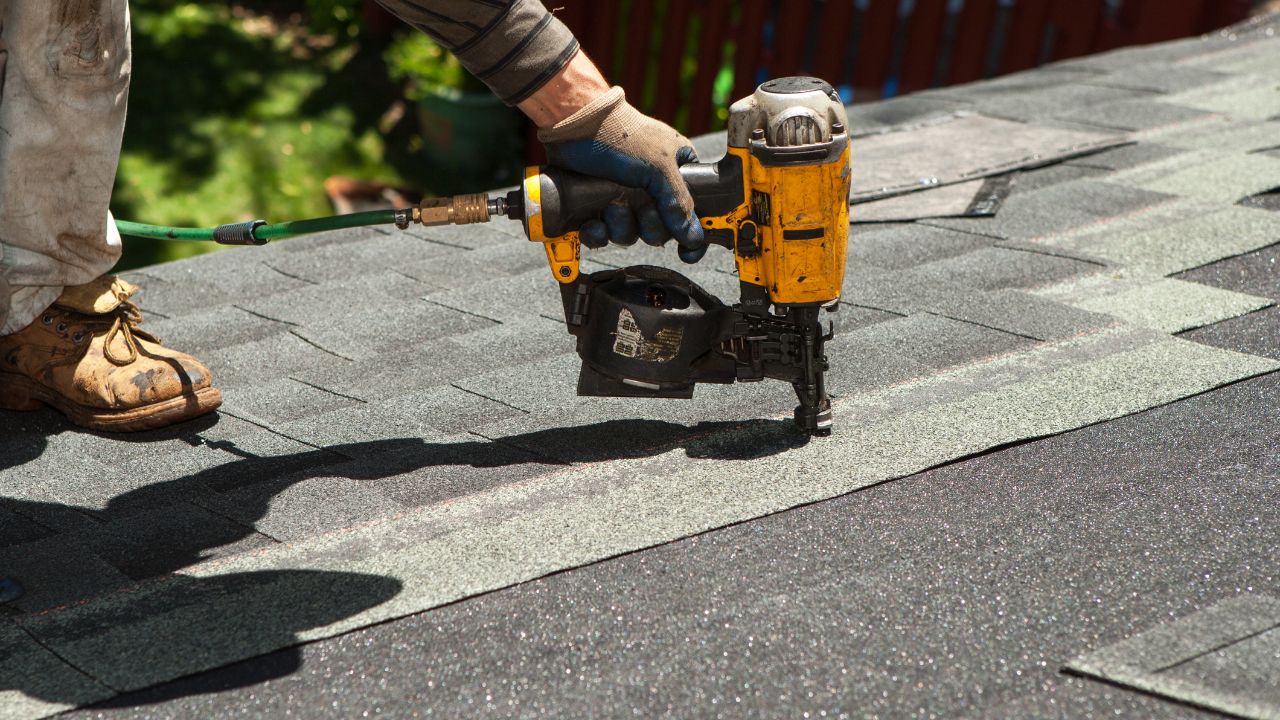
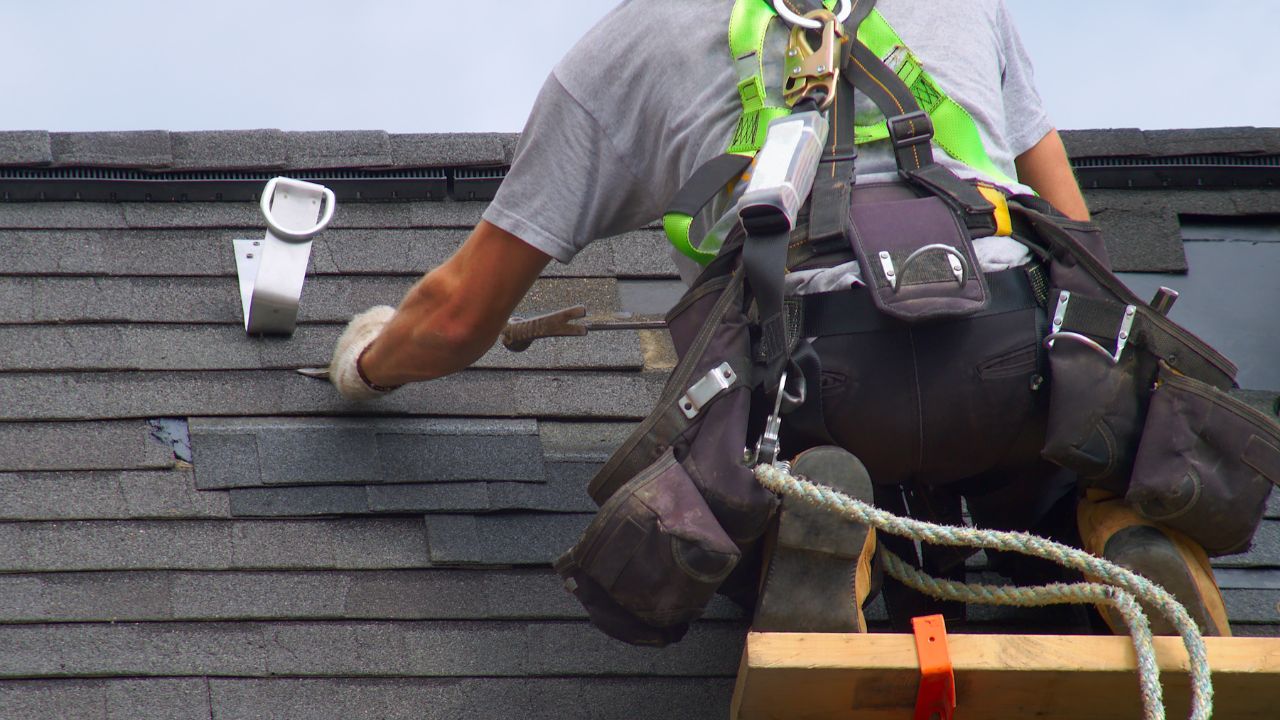
- Material delivery and tear-off complete preparation: Phase 3 delivers materials 1-2 days before installation begins. Phase 4 (Tear-Off) takes one full day to remove old shingles, tiles, underlayment, and flashing. This preparation phase cannot be rushed without compromising quality.
How Long Does the Installation Phase Take for a Premium Roof Replacement
The installation phase for a roof replacement generally spans 1-3 days for standard homes. However, the overall installation, including all related activities, typically extends 2-5 days. Here’s how different factors affect the timeline:
- Standard homes: Installation usually takes 1-3 days.
- Complex designs and premium materials: Can extend the timeline, especially with intricate details or heavy materials.
- Factors affecting speed:
- Roof size
- Material type
- Weather conditions
Contractors follow a systematic approach to ensure weather protection at each stage, ensuring your roof is installed properly and securely.
What Role do Inspections and Final Cleanup Play in the Overall Timeline?
Final inspection takes half a day. Professional inspection ensures compliance with building codes and manufacturer specifications. Most Illinois cities require permits and final approval before project completion.
Inspection timing affects project closure and warranty activation. Schedule inspections promptly to avoid delays. Cleanup and final walkthrough complete the process, ensuring customer satisfaction and proper site restoration.
How Does the Condition of Your Existing Roof Affect the Replacement Timeline?
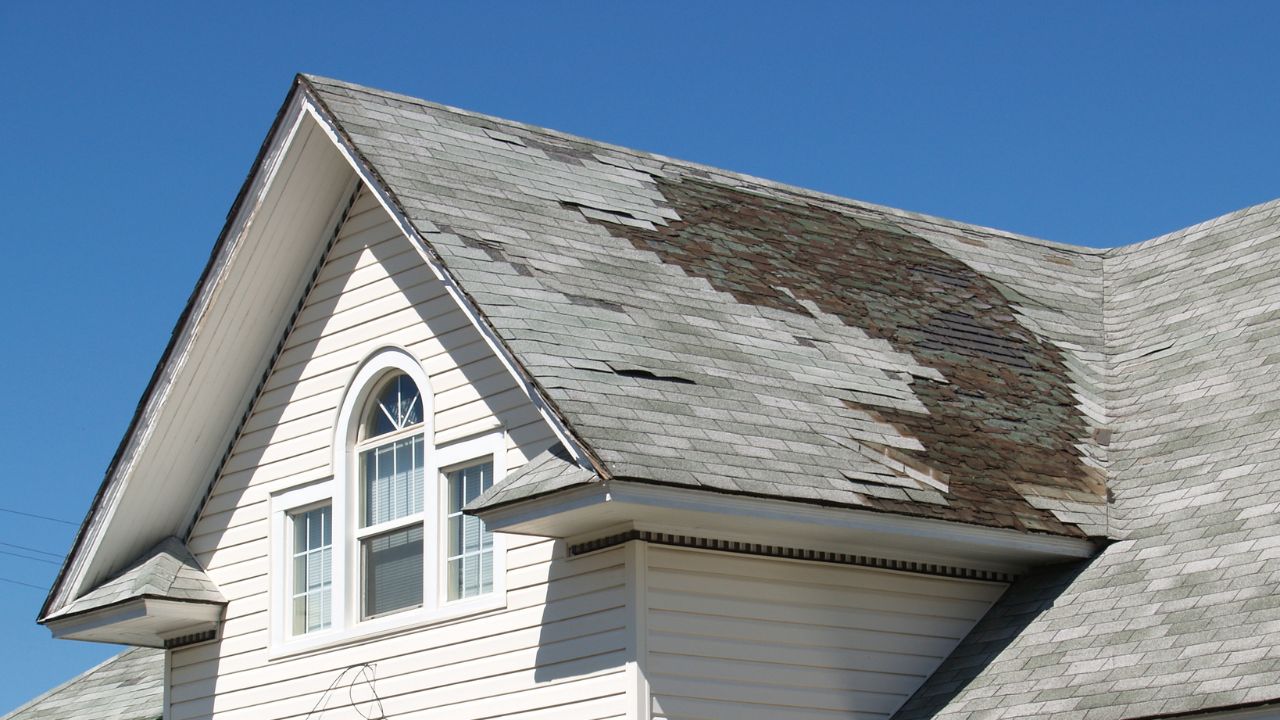
The existing roof condition creates the biggest timeline variables. Hidden damage emerges during tear-off, extending planned schedules. Illinois' climate accelerates deterioration, making thorough inspection critical for accurate timeline estimates.
How does Removing Old Roofing Materials and Addressing Hidden Damage Impact Project Duration?
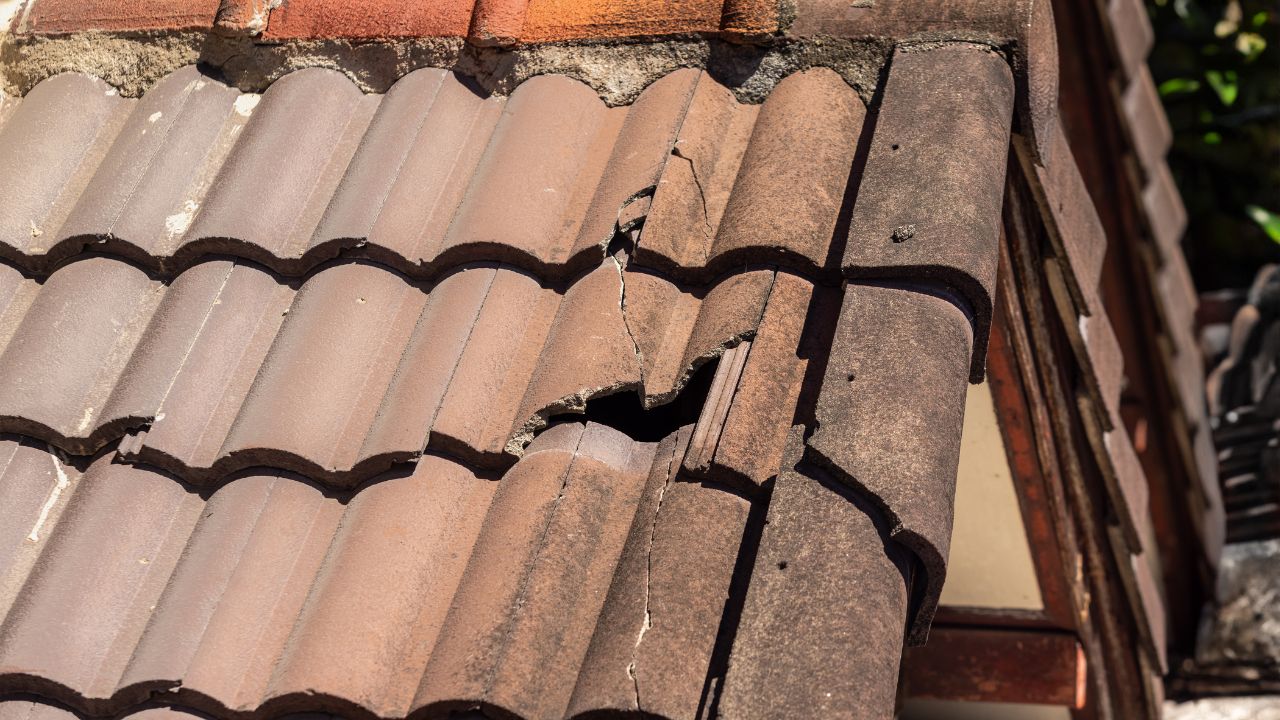
Hidden damage appears during tear-off. Structural damage, rotten decking, and framing issues extend project timelines significantly. Mold, pests, and structural problems require immediate attention before new installation begins.
The existing roof condition directly impacts the total project duration. Contractors cannot assess hidden damage until removal starts. Illinois homes face accelerated deterioration from harsh weather cycles, making surprises common during replacement projects.
How Additional Repairs Like Decking and Structural Fixes Impact the Timeline
Decking repairs add 0.5-1 full day. Minor repairs require half-day extensions, while extensive damage demands full additional days. Any compromised decking must be repaired or replaced before the new roofing installation proceeds.
Illinois' climate creates specific challenges. Freeze-thaw cycles damage roof decking systematically. Humid summers increase rot risk, requiring additional repair time. These repairs cannot be postponed - proper substrate ensures warranty coverage and installation integrity.
How Can Homeowners Help Speed Up the Roof Replacement Process?
Homeowner preparation directly impacts project efficiency and timeline. Strategic planning and decision-making prevent common delays. Smart homeowners control variables within their influence to accelerate completion.
How Homeowners Can Prepare to Help Roofing Crews Work More Efficiently
Proper preparation can significantly speed up the roofing process and improve efficiency. Here’s how you can help:
- Clear access routes: Ensure roofing crews have easy access to the work area.
- Move vehicles: Relocate vehicles to avoid blocking the crew’s workspace.
- Protect landscaping: Take steps to shield your plants and landscaping from damage.
- Plan ahead:
- Peak season: Book 4-6 weeks in advance during spring and summer to avoid delays.
- Winter: Planning ahead allows for better contractor selection and preferred scheduling.
By preparing your property and scheduling ahead, you’ll help the roofing crew work more efficiently and keep your project on track.
Pre-Scheduling Materials and Avoiding Delays in Decision-Making
Finalize decisions before the project starts. Change orders switching materials mid-project cause significant timeline extensions. Material delivery occurs 1-2 days before installation - changes after delivery create expensive delays.
Insurance claim processing creates the longest delays. Storm damage claims extend timelines weeks or months, depending on adjuster availability and approval speed. Complete all material selections, color choices, and upgrade decisions during initial planning phases to maintain schedule momentum.
Plan Your Roof Replacement with Confidence: Know What to Expect in Illinois
When replacing your roof in Illinois, plan for a 7-10 day project timeline. This typical timeframe covers inspection, permits, scheduling, material delivery, and the installation itself. Preparation will take 3-10 days, while the actual installation generally takes just 1-3 days.
Factors like weather, roof size, material complexity, and existing damage can impact your specific timeline, so it's essential to build weather buffers into your schedule. Understanding these variables ensures you’re prepared and minimizes frustration.
Get in touch with Advance Roofing Inc. today to schedule your roof replacement with a trusted contractor that understands the Illinois climate and timeline complexities.