Illinois ranks 4th nationally for hail damage claims—Class 4 impact-resistant materials withstand 2-inch hailstones and qualify for insurance discounts reaching 35%.
Material lifespans vary dramatically by Illinois region—northern zones reduce longevity 20-30% compared to southern areas due to severe freeze-thaw cycles and heavy snow loads.
Metal roofing delivers optimal Illinois performance—40-70 year lifespans with 70% solar reflectance, 10-25% cooling cost reduction, and year-round installation without temperature restrictions.
Total cost analysis reveals synthetic polymer roofing provides the lowest annual costs at $200-$400 yearly, despite higher upfront investment—premium materials often cost less long-term than budget options.
GAF Master Elite and manufacturer-certified contractors unlock enhanced warranties worth $2,000-$5,000. Proper installation timing and certification determine whether materials achieve rated performance.
Illinois roofs endure extreme weather conditions that destroy inadequate materials prematurely. The state's position creates unique challenges—brutal winters meet scorching summers while hail and wind assault surfaces year-round. Material selection determines whether roofs last decades or fail within years, making informed choices essential for protection and cost management.
What are the unique weather challenges that Illinois roofs face in 2025?
Illinois roofs battle some of the nation's most extreme and varied weather conditions. Temperature ranges span from typical lows of -10°F to highs of 95°F, with historical extremes reaching -36°F in Congerville and Mount Carroll (1999, 2019) and 117°F in East St. Louis (1954). The humid continental climate delivers 32-48 inches of precipitation annually, including a 40% increase in 2-inch extreme rainfall events since 1900.
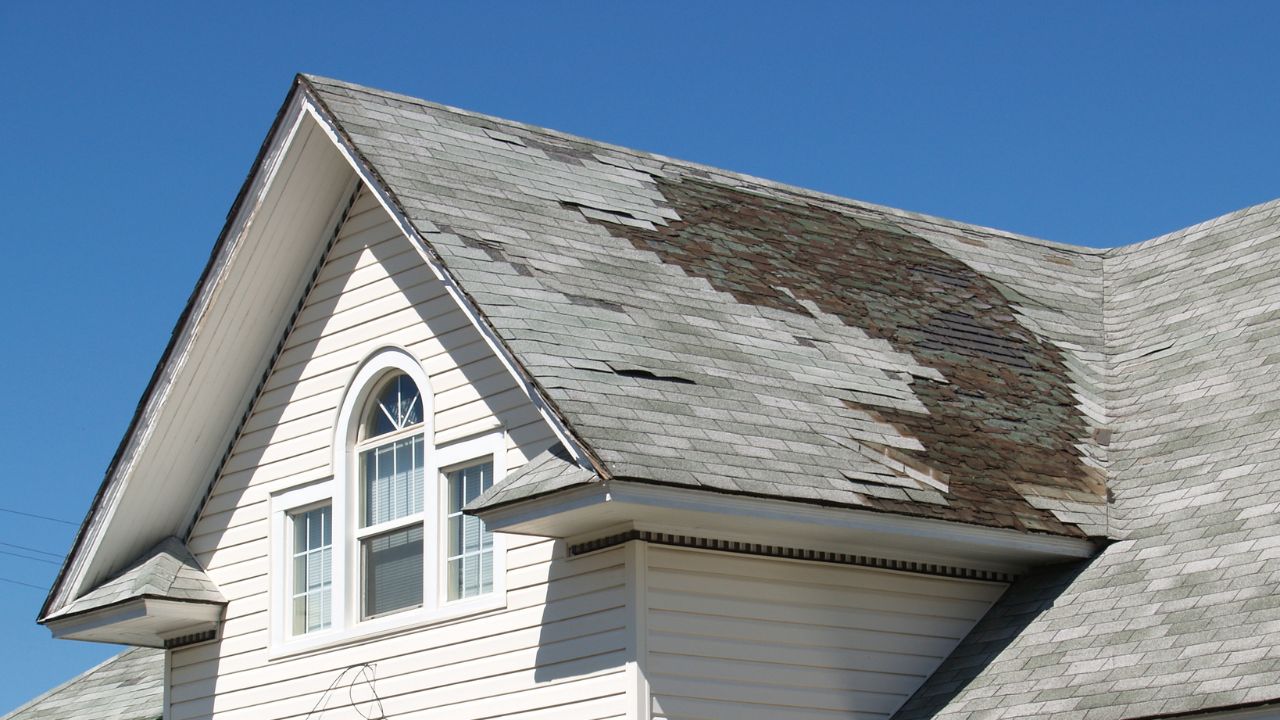
Illinois ranks 4th nationally for hail damage insurance claims, with 2024 proving particularly severe for hail incidents. Wind presents constant threats—Chicago averages 60 mph gusts while tornadoes occur regularly in the "shifting Tornado Alley" pattern. Snow loads vary dramatically by region, with Chicago receiving 38+ inches annually while southern Illinois sees less than 14 inches. This combination of temperature extremes, heavy precipitation, hail frequency, high winds, and variable snow loads creates punishing conditions that few roofing materials withstand without degradation.
How does Illinois' four-season climate impact roofing material performance?
Freeze-thaw cycles and thermal stress reduce roof lifespans by 20-30% in northern Illinois zones compared to milder climates. Repeated freezing and thawing exploits microscopic cracks in materials, rapidly expanding them into major structural problems requiring expensive repairs. Temperature fluctuations cause continuous expansion and contraction—thermal cycling stress that weakens material bonds and fastener integrity over time.
Material brittleness changes dramatically with temperature shifts. Asphalt shingles become brittle below 40°F, making them vulnerable to cracking during cold-weather handling and wind events. This temperature-dependent performance means installation timing and material selection must account for seasonal extremes. Materials performing well in moderate climates often fail prematurely under Illinois' four-season assault, making climate-specific selection critical for long-term durability.
What are the primary concerns when selecting roofing materials for Illinois homes?
Wind resistance capabilities top the priority list—materials must withstand 60+ mph gusts common throughout Illinois. Hail resistance ratings prove equally critical given the state's 4th-place national ranking for hail damage claims. Energy efficiency and solar reflectance directly impact cooling costs during hot summers, while material lifespan in extreme conditions determines long-term value.
Cost-benefit analysis for Illinois-specific climate stresses separates smart investments from expensive mistakes. Materials rated for moderate climates fail quickly under Illinois' temperature extremes, hail impacts, and freeze-thaw cycles. Homeowners must evaluate upfront costs against expected lifespan, maintenance requirements, insurance discounts, and energy savings. Materials surviving 30+ years in California may last only 15-20 years in northern Illinois without proper climate-appropriate selection.
What are the Best Roofing Materials for Illinois Homes in 2025?
Five roofing materials dominate Illinois installations—each offering distinct advantages for the state's punishing climate. Material selection balances upfront cost against longevity, weather resistance, and energy efficiency. Understanding performance differences enables homeowners to match materials with specific needs and budgets while maximizing protection against Illinois' extreme conditions.
Why are asphalt shingles a popular choice for Illinois homeowners in 2025?
Asphalt shingles command 75% national market share due to affordability, availability, and improving technology. Standard 3-tab shingles cost $3.43-$4.65 per square foot installed with 15-20 year lifespans—adequate for budget-conscious homeowners but requiring frequent replacement (Illinois Suitability: ★★☆☆☆). Architectural dimensional shingles at $4.11-$5.95 installed offer better value with 25-30 year lifespans, 110 mph wind warranties, and algae-resistant coatings (Illinois Suitability: ★★★☆☆).
Premium Class 4 impact-resistant shingles represent the optimal asphalt choice for Illinois. At $1.70-$2.10 per square foot material cost plus premium labor, these shingles use SBS-modified asphalt with polymer-based mesh backing (Owens Corning Duration FLEX, GAF ArmorShield II), delivering 30-50 year lifespans. They withstand 2-inch steel balls dropped from 20 feet without cracking per UL 2218 Class 4 standards—critical given Illinois' 4th-place national ranking for hail damage. Insurance discounts reach 35%, offsetting higher initial costs (Illinois Suitability: ★★★★☆). Recent innovations include GAF's StainGuard Plus PRO™ with 30-year algae warranties, CertainTeed's ClimateFlex® rubberized polymers for extreme temperature flexibility, and TAMKO Titan XT installing at 25°F versus standard 40°F minimums.
How do metal roofs perform in Illinois' diverse climate?
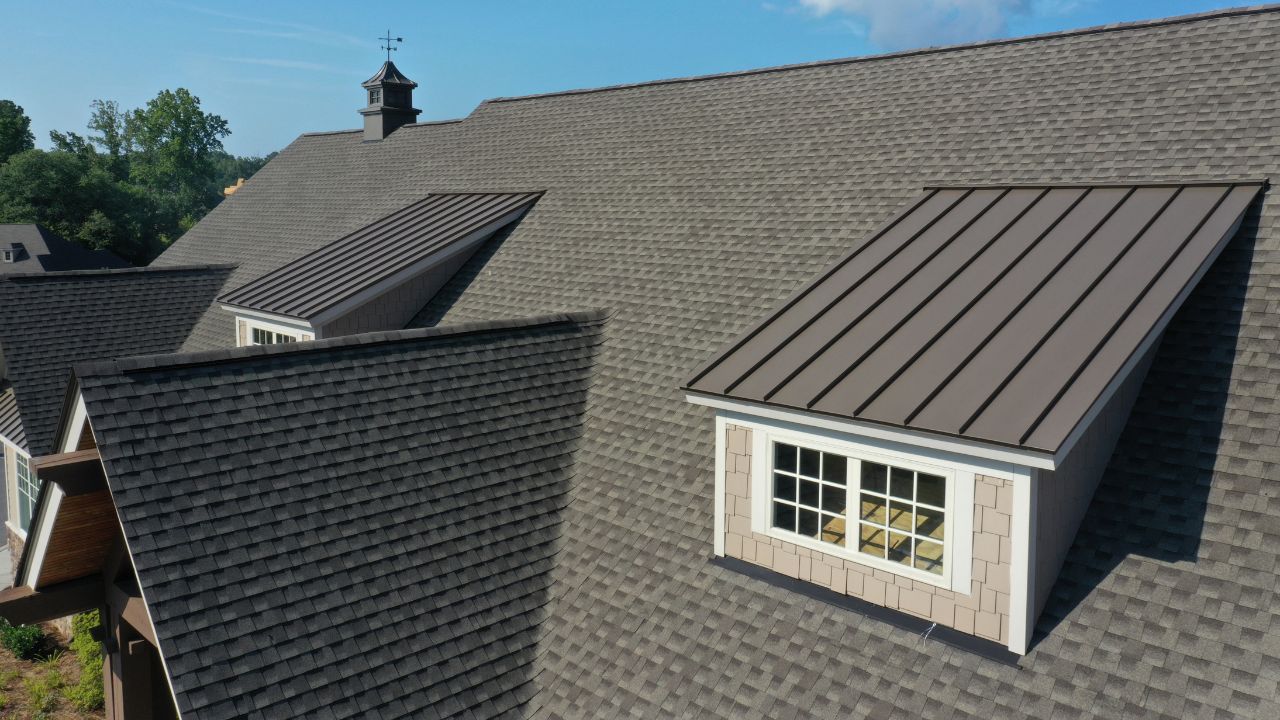
Metal roofing excels in Illinois' extreme conditions—handling temperature swings, shedding snow, and withstanding severe weather better than any alternative. Standing seam steel costs $18.11-$24.50 installed but delivers 40-70 year lifespans while reflecting 70% solar energy, reducing attic temperatures 10-12°F and cutting cooling costs 10-25%. Smooth surfaces prevent ice dam formation critical for Illinois winters. Miami-Dade approval and 130+ mph wind ratings ensure storm protection. Installation occurs year-round without temperature restrictions (Illinois Suitability: ★★★★★).
Stone-coated steel (DECRA, Boral) at $14.03-$24.00 installed mimics slate or shake aesthetics while maintaining metal performance. These roofs withstand 3-4 inch hailstones per NBS Series 23 testing, carry 120 mph wind coverage with 50-year material warranties, and provide 6% property value increases with 60-70% cost recovery at resale (Illinois Suitability: ★★★★★). Corrugated aluminum represents the most affordable metal option at $6.03-$8.15 installed, weighing just 40-80 pounds per square—the lightest roofing available—though cosmetic denting remains possible.
What benefits do clay and concrete tiles offer Illinois homes?
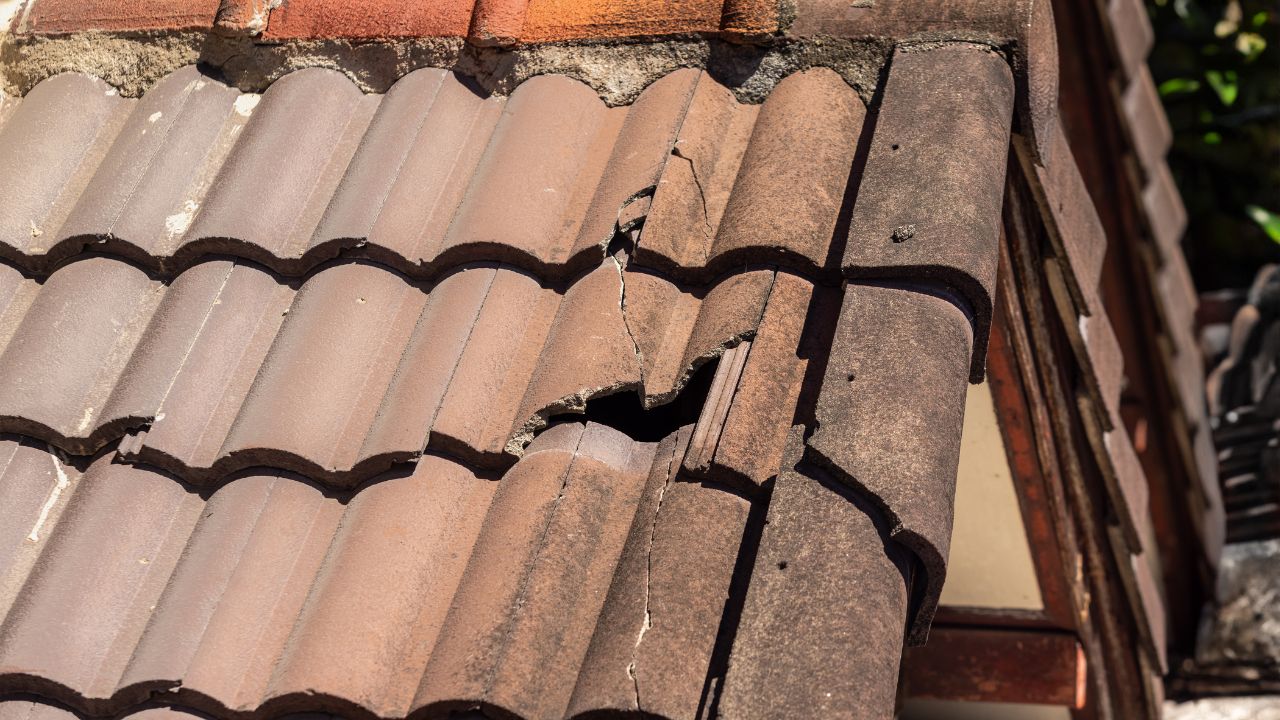
Clay and concrete tiles excel in southern Illinois, where thermal mass properties provide natural cooling during hot summers. These materials cost $10-$18 per square foot installed but deliver exceptional 50-100+ year lifespans, often outlasting the buildings beneath them. They withstand 150+ mph winds and achieve Class 3-4 hail ratings for superior storm protection.
Weight limitations restrict tile applications significantly. At 800-1100 pounds per square foot, tiles require a structural assessment before installation—many Illinois homes need reinforcement to support the load safely. This weight factor, combined with higher costs, limits northern Illinois' use where extreme freeze-thaw cycles and heavy snow loads add stress (Illinois Suitability: ★★★☆☆). Southern Illinois homeowners benefit most from tile's thermal mass and longevity without severe northern weather complications.
Why are slate roofs becoming a top choice for Illinois homes in 2025?
Slate roofs offer unmatched longevity—75-150 years, frequently outlasting the homes they protect—but require substantial upfront investment. Costs range $15-$30 per square foot or $1,000-$3,000 per square installed. High thermal emittance releases heat effectively, though solar reflectance remains lower than metal alternatives. Slate withstands 150+ mph winds and achieves Class 4 hail ratings for maximum impact protection.
Structural requirements limit slate adoption despite performance advantages. Weight ranges from 800-1500 pounds per square foot—reinforcement is usually necessary before installation. This weight, combined with prohibitive costs, restricts slate to premium applications where century-plus lifespans justify investment (Illinois Suitability: ★★★☆☆). Homeowners planning multi-generational ownership or seeking prestige materials choose slate; budget-focused buyers select alternatives offering better cost-to-lifespan ratios.
How do synthetic roofing materials compare for Illinois homeowners?
Synthetic roofing materials emerge as excellent Illinois options—combining durability, cold-weather flexibility, and year-round installation capability. Composed of recycled plastics and rubber polymers, these eco-friendly materials cost $5.00-$8.00 installed while delivering 40-50 year lifespans. Class 4 impact options withstand severe hail, 110-130 mph wind ratings handle storms, and fire-resistant properties ensure safety (Illinois Suitability: ★★★★☆).
Temperature tolerance provides critical advantages over asphalt. Polymer materials remain flexible in cold weather—installations proceed year-round without the 40°F minimum limiting asphalt work. This flexibility eliminates weather delays and enables winter projects when contractor availability increases and pricing improves. As emerging technology with proven performance, synthetics offer compelling value for homeowners seeking modern materials that balance cost, durability, and installation convenience for Illinois conditions.
What Key Factors Should Homeowners Consider When Choosing a Roofing Material for Illinois?
Four critical factors determine roofing material success in Illinois: temperature tolerance, moisture resistance, snow load capacity, and energy efficiency. Geographic location within the state dramatically impacts performance expectations and material longevity. Understanding these factors prevents costly mistakes and ensures materials survive Illinois' demanding conditions throughout their expected lifespans.
Roofing Material Lifespan by Illinois Region: How Long Will Your Roof Actually Last?
Illinois' climate doesn't treat all roofing materials equally — and where you live within the state matters significantly. Northern Illinois endures brutal freeze-thaw cycles, heavy snow loads, and extreme wind that shorten material lifespans by 20–30% compared to the milder south. Use the table below to set realistic expectations for your specific region.
Material
N. Illinois Lifespan
C. Illinois Lifespan
S. Illinois Lifespan
Lifespan Notes
3-Tab Asphalt
15–18 yrs
17–20 yrs
18–22 yrs
Brittle below 40°F; most vulnerable to IL freeze-thaw cycles
Architectural Asphalt
22–25 yrs
25–28 yrs
28–30 yrs
Meaningful upgrade over 3-tab for IL conditions
Class 4 Impact Asphalt
30–40 yrs
35–45 yrs
40–50 yrs
SBS-modified asphalt resists cracking in extreme cold
Metal (All Types)
50+ yrs
50–70 yrs
60–70 yrs
No minimum install temp; snow-shedding prevents ice dams
Clay / Concrete Tile
75+ yrs
85+ yrs
100+ yrs
Weight limits restrict northern IL use
Slate
75–100 yrs
85–120 yrs
100–150 yrs
Often outlasts the structure beneath it
Synthetic Polymer
40–50 yrs
40–50 yrs
40–50 yrs
Flexible in cold weather; consistent performance statewide
Lifespan estimates reflect Illinois-specific climate conditions. Proper installation, ventilation, and regular maintenance can extend these ranges; neglect or improper installation may reduce them.
If you're in the Chicago metro or Fox Valley corridor, standard 3-tab shingles may need replacement within 15 years — a costly surprise for homeowners expecting 25. Metal roofing is the only material that maintains consistent 50+ year performance throughout northern Illinois without significant degradation from freeze-thaw stress. Synthetic polymer offers statewide consistency that no other material can match at its price point.
Roofing Material Warranty Comparison: What's Actually Covered — and What Isn't
A roofing warranty is only as strong as the contractor who installs the system. Non-certified installation typically reduces coverage to materials only — eliminating the workmanship protection that matters most when a leak develops years later. GAF Master Elite® certified contractors like Advanced Roofing Inc. unlock the highest tier of warranty protection available, including system warranties worth $2,000–$5,000 in additional coverage value.
Material
Manufacturer Warranty
With Certified Contractor
Workmanship Warranty
Warranty Notes
3-Tab Asphalt
25 yrs (prorated)
Limited enhancement
1–2 yrs typical
Fewest warranty benefits; non-certified install = materials only
Architectural Asphalt
30 yrs (prorated)
Enhanced coverage
1–5 yrs typical
Certification unlocks $2,000–$5,000 in added warranty value
Class 4 Impact Asphalt
30–50 yrs
System warranty available
Up to 10 yrs
GAF ArmorShield II & OC Duration FLEX offer enhanced coverage
Metal (Standing Seam)
40–50 yr material
Lifetime system warranty
Up to 10 yrs
GAF Master Elite unlocks Golden Pledge® lifetime coverage
Stone-Coated Steel
50 yr material
Extended system warranty
Up to 10 yrs
Includes wind and impact coverage beyond standard policies
Clay / Concrete Tile
50 yr material
Standard manufacturer
1–5 yrs typical
Structural reinforcement required before warranty is valid
Slate
Lifetime (natural)
N/A (natural product)
1–5 yrs typical
Natural material warranty covers defects only; labor separate
Synthetic Polymer
40–50 yr material
Enhanced w/ certified install
Up to 10 yrs
Emerging product class; verify specific manufacturer terms
Warranty terms vary by manufacturer, product tier, and installation certification level. Always request written documentation of all coverage prior to project commencement. Non-certified installation typically voids enhanced warranty options.
Contractor certification is as important as material selection when it comes to warranty protection. Homeowners who choose a GAF Master Elite® certified contractor gain access to system warranties that cover both materials and workmanship — the combination that provides genuine long-term protection. Ask your contractor specifically what warranty tier their certification unlocks before signing any agreement.
How does Illinois' temperature variation affect the lifespan of different roofing materials?
Geographic location within Illinois creates dramatic lifespan differences—northern zones reduce material longevity 20-30% compared to southern regions. Northern Illinois (Chicago area) experiences the harshest conditions: 3-tab shingles last 15-18 years, architectural 22-25 years, Class 4 impact-resistant 30-40 years, metal 50+ years, and tile/slate 75+ years. Central Illinois sees moderate improvement: 3-tab 17-20 years, architectural 25-28 years, Class 4 35-45 years, metal 50-70 years, tile/slate 85+ years.
Southern Illinois delivers maximum material longevity with milder freeze-thaw cycles: 3-tab shingles reach 18-22 years, architectural 28-30 years, Class 4 40-50 years, metal 60-70 years, and tile/slate exceed 100 years. Temperature extremes ranging from typical -10°F to 95°F (historical -36°F to 117°F) create expansion-contraction stress throughout the state. Northern zones endure relentless freeze-thaw cycles and heavy snow loads, accelerating degradation—material selection must account for location-specific climate severity to achieve expected performance.
Why is moisture resistance essential in roofing materials for Illinois homes?
Illinois receives 32-48 inches of precipitation annually, with 40% more extreme 2-inch rainfall events since 1900. Moisture resistance determines material survival. Inadequate moisture protection allows water infiltration, accelerating material deterioration through rot, mold, and structural damage. Ice dam prevention proves critical for Illinois winters when melting snow refreezes at roof edges, creating water backup under shingles.
Proper drainage design works alongside material selection, ensuring water moves off roofs efficiently. Materials with superior moisture barriers—metal's continuous panels, synthetic's integrated waterproofing, Class 4 shingles' enhanced sealants—prevent the infiltration, destroying lesser materials. Standing water from inadequate drainage or ice dams penetrates even quality materials eventually. Homeowners must evaluate both material moisture resistance and roof design, ensuring precipitation channels away before accumulation causes damage.
How does snow and ice accumulation impact roofing material durability?
Snow loads vary dramatically across Illinois—Chicago receives 38+ inches annually, while southern regions see less than 14 inches, creating different material requirements. Metal roofing's smooth surface prevents ice dam formation through efficient snow shedding—critical for Illinois winters when trapped ice forces water under shingles, causing interior damage. Heavy materials like tile and slate (800-1500 pounds per square) require structural assessment before installation, ensuring buildings support combined material and snow weight.
Freeze-thaw cycles create continuous expansion-contraction stress as accumulated snow melts and refreezes. This cycling exploits material weaknesses—cracking shingles, loosening fasteners, and separating sealants over time. Snow shedding capabilities vary significantly: metal releases snow naturally, asphalt retains accumulation, and textured materials like synthetic and architectural shingles provide intermediate performance. Northern Illinois homeowners prioritize materials handling heavy snow loads and resisting ice dam formation; southern homeowners focus less on snow capacity and more on other climate factors.
Why is energy efficiency important when choosing roofing materials in Illinois?
Solar Reflectance Index (SRI) measures roofing heat rejection on a 0-100 scale—higher values reduce cooling costs during Illinois' hot summers. Light-colored metal achieves SRI 60-80, cool asphalt shingles 25-40, and standard dark asphalt only 5-15. Metal roofing delivers optimal performance—reflecting 70% solar energy while reducing attic temperatures 10-12°F and cutting cooling costs 10-25%.
Energy efficiency generates immediate financial returns and long-term savings. Metal roofing's superior reflectance lowers HVAC demands significantly during summer peaks. Federal incentives enhance value—the Inflation Reduction Act provides up to $1,200 in cool roofing tax credits for ENERGY STAR qualified materials. Homeowners balancing upfront costs against operational expenses find energy-efficient materials paying dividends through reduced utility bills and tax benefits while maintaining cooler, more comfortable homes during Illinois' extreme temperature swings.
Roofing Material Cost Comparison: What Illinois Homeowners Can Expect to Pay
Not all roofing budgets are equal — and in Illinois, the cheapest option upfront often becomes the most expensive choice over time. The table below breaks down the installed cost per square foot, estimated total cost for a typical 2,000 sq ft home, and the projected annual cost over the material's rated lifespan in Illinois conditions.
Material
Installed Cost/sq ft
Typical Home Total*
Annual Cost (est.)
Cost Notes
3-Tab Asphalt
$3.43–$4.65
$6,860–$9,300
$400–$620/yr
Lowest upfront; highest replacement frequency in IL
Architectural Asphalt
$4.11–$5.95
$8,220–$11,900
$320–$440/yr
Best mid-range value; widely available
Class 4 Impact Asphalt
$5.50–$7.00 (est.)
$9,400–$12,200
$240–$410/yr
Insurance discounts up to 35% offset higher cost
Metal (Standing Seam)
$18.11–$24.50
$28,060–$49,000
$520–$980/yr
Lowest maintenance; highest long-term ROI
Stone-Coated Steel
$14.03–$24.00
$22,000–$38,000
$440–$760/yr
6% property value increase; 60–70% cost recovery at resale
Clay / Concrete Tile
$10.00–$18.00
$16,000–$28,800
$160–$290/yr
Structural reinforcement often required; best in southern IL
Slate
$15.00–$30.00
$24,000–$48,000
$160–$320/yr
Century-plus lifespan justifies investment for multi-gen ownership
Synthetic Polymer
$5.00–$8.00
$10,000–$16,000
$200–$400/yr
Lowest annual cost over full lifespan; best cost-to-performance ratio
Based on a 2,000 sq ft home. Actual totals vary by roof complexity, pitch, and local labor rates. Annual cost calculated over rated IL lifespan, including periodic maintenance.
Synthetic polymer delivers the lowest annual ownership cost at $200–$400/year, while Class 4 impact-resistant asphalt offers the strongest value for budget-conscious homeowners who want insurance savings and improved storm protection. Metal roofing carries the highest upfront investment but rewards owners with minimal maintenance, superior energy efficiency, and a lifespan that can outlast two or three asphalt re-roofs combined.
What are the Advantages and Disadvantages of Each Roofing Material for Illinois Homes?
Every roofing material presents trade-offs between cost, performance, and longevity. Illinois' extreme climate amplifies both strengths and weaknesses—materials excelling elsewhere may fail prematurely while specialized options deliver exceptional value. Understanding these trade-offs enables informed decisions matching homeowner priorities with material capabilities.
What are the pros and cons of asphalt shingles in Illinois' climate?
Asphalt shingles dominate with 75% market share due to the lowest upfront costs—$3.43-$4.65 per square foot for 3-tab options—and widespread availability, enabling easy repairs. Class 4 impact-resistant varieties provide insurance discounts reaching 35%, offsetting higher material costs. Architectural types offer an optimal middle ground, balancing cost-effectiveness with improved performance and aesthetics compared to basic 3-tab versions.
Significant disadvantages limit asphalt performance in Illinois. Standard 3-tab shingles deliver the shortest lifespans at 15-20 years while suffering granule loss during hail events. Materials become brittle below 40°F, complicating cold-weather installation and increasing winter damage vulnerability. Standard types remain vulnerable to hail damage without Class 4 upgrades. Thermal cycling stress from Illinois' extreme temperature swings accelerates deterioration—expansion and contraction weakening sealant bonds and fastener integrity throughout repeated seasonal transitions, reducing expected lifespans compared to milder climates.
What advantages do metal roofs provide for Illinois homeowners in winter and summer?
Metal roofing delivers unmatched all-season performance—40-70 year lifespans with superior energy efficiency reflecting 70% solar energy, reducing attic temperatures 10-12°F and cutting cooling costs 10-25%. Snow shedding prevents ice dam formation critical for Illinois winters. Materials withstand 130+ mph winds and achieve Class 4 hail resistance, protecting against the state's severe weather. No minimum installation temperature enables year-round installation while materials remain flexible, avoiding cold-weather brittleness plaguing asphalt alternatives.
Higher upfront costs represent the primary disadvantage—standing seam installations run $18.11-$24.50 per square foot, totaling $28,060-$49,000 for typical 2,000 square foot homes. Corrugated aluminum options risk cosmetic denting from severe hail, though functionality remains intact. Minimal inherent insulation (R-value ~0.01 versus asphalt's ~0.4) requires proper attic insulation upgrades, maximizing energy efficiency benefits. Despite higher initial investment, exceptional longevity, minimal maintenance, energy savings, and insurance discounts deliver superior long-term value, offsetting upfront premiums.
Why do clay and concrete tiles excel in Illinois' weather conditions?
Clay and concrete tiles deliver exceptional 50-100+ year lifespans, often outlasting the buildings beneath them while providing natural cooling through thermal mass properties—excellent for southern Illinois heat. Materials withstand 150+ mph winds and achieve Class 3-4 hail resistance, ensuring storm protection. Thermal mass moderates temperature fluctuations, reducing cooling demands during summer peaks.
Weight limitations create significant disadvantages restricting tile applications. At 800-1100 pounds per square foot, tiles require structural assessments before installation—many Illinois homes need reinforcement to support the load safely. Costs ranging $10-$18 per square foot installed, combined with weight factors, limit northern Illinois use where extreme freeze-thaw cycles and heavy snow loads compound structural stress. Tiles excel in southern regions where milder winters and hot summers maximize thermal mass benefits without severe northern weather complications or excessive structural requirements.
What are the downsides of using slate roofs in Illinois homes?
Slate offers unmatched longevity—75-150 years, frequently outlasting homes—with high thermal emittance releasing heat effectively, 150+ mph wind resistance, and Class 4 hail ratings providing maximum impact protection. These performance advantages make slate attractive for multi-generational ownership where century-plus lifespans justify substantial investment. Premium aesthetics and prestige further appeal to high-end applications.
Prohibitive costs and structural requirements severely limit slate adoption. Installation runs $15-$30 per square foot or $1,000-$3,000 per square—among the highest roofing expenses available. A weight ranging from 800-1500 pounds per square foot usually requires structural reinforcement before installation, adding significant project costs. Lower solar reflectance compared to metal alternatives reduces energy efficiency benefits. These weight and cost limitations restrict slate to premium applications where homeowners prioritize longevity and aesthetics over budget considerations—most Illinois homeowners find better cost-to-performance ratios with alternative materials.
Are synthetic materials worth considering for Illinois roofing in 2025?
Synthetic materials present compelling value—40-50 year lifespans with Class 4 impact options, 110-130 mph wind resistance, and fire-resistant properties at cost-effective $5.00-$8.00 per square foot installed pricing. Eco-friendly composition using recycled plastics and rubber polymers appeals to environmentally conscious homeowners. Polymer materials remain flexible in cold weather, enabling installations year-round without the 40°F minimum restricting asphalt work—eliminating weather delays and enabling winter projects when contractor availability and pricing improve.
Limited long-term field data represents the primary concern—synthetics remain an emerging technology without decades of proven Illinois performance history like established materials provide. Recycling infrastructure remains limited as of 2025, complicating end-of-life disposal despite recyclable composition. However, proven laboratory testing, growing adoption rates, and superior cold-weather flexibility make synthetics excellent choices for homeowners seeking modern materials that balance performance, cost, and installation convenience. Year-round installation capability alone provides significant scheduling and cost advantages unavailable with temperature-sensitive alternatives.
How Can Homeowners Ensure Their Roof Performs Well in Illinois' 2025 Climate?
Material selection alone doesn't guarantee roof performance—proper maintenance, professional installation, and winter preparation determine whether roofs achieve expected lifespans. Illinois' extreme weather punishes inadequately maintained systems while rewarding proactive care. Four critical practices separate roofs lasting decades from premature failures requiring expensive replacements.
Why is regular roof maintenance critical for Illinois homes?
Proper ventilation extends roof life 20-30% while preventing ice dams—the major problem destroying Illinois roofs during winter months. Most manufacturer warranties require adequate ventilation as a condition for coverage validity. Illinois' extreme weather accelerates wear exponentially without maintenance—minor issues becoming catastrophic failures within single seasons under temperature extremes, hail impacts, and freeze-thaw cycling.
Regular inspections identify problems before they escalate into emergencies requiring expensive repairs. Small leaks detected early cost hundreds to fix; ignored until interior damage appears, repairs reach thousands. Seasonal maintenance removes debris blocking drainage, verifies sealant integrity around penetrations, and confirms shingles remain properly fastened. Proactive care maximizes material investment—a $15,000 roof lasting 40 years with maintenance versus 25 years without demonstrates maintenance ROI exceeding $6,000 through extended service life alone.
What role does proper installation play in the effectiveness of Illinois roofing?
Installation timing and contractor certification determine whether materials achieve rated performance—improper installation voids warranties and causes premature failure regardless of material quality. Asphalt shingles install ideally May-September, acceptably in April and early October, but should be avoided November-March and late October when temperatures drop below the optimal 40-85°F range. Below 40°F, shingles become brittle, requiring hand-sealing, adding $200-$500 costs. Metal and synthetic materials install year-round without temperature restrictions, providing scheduling flexibility.
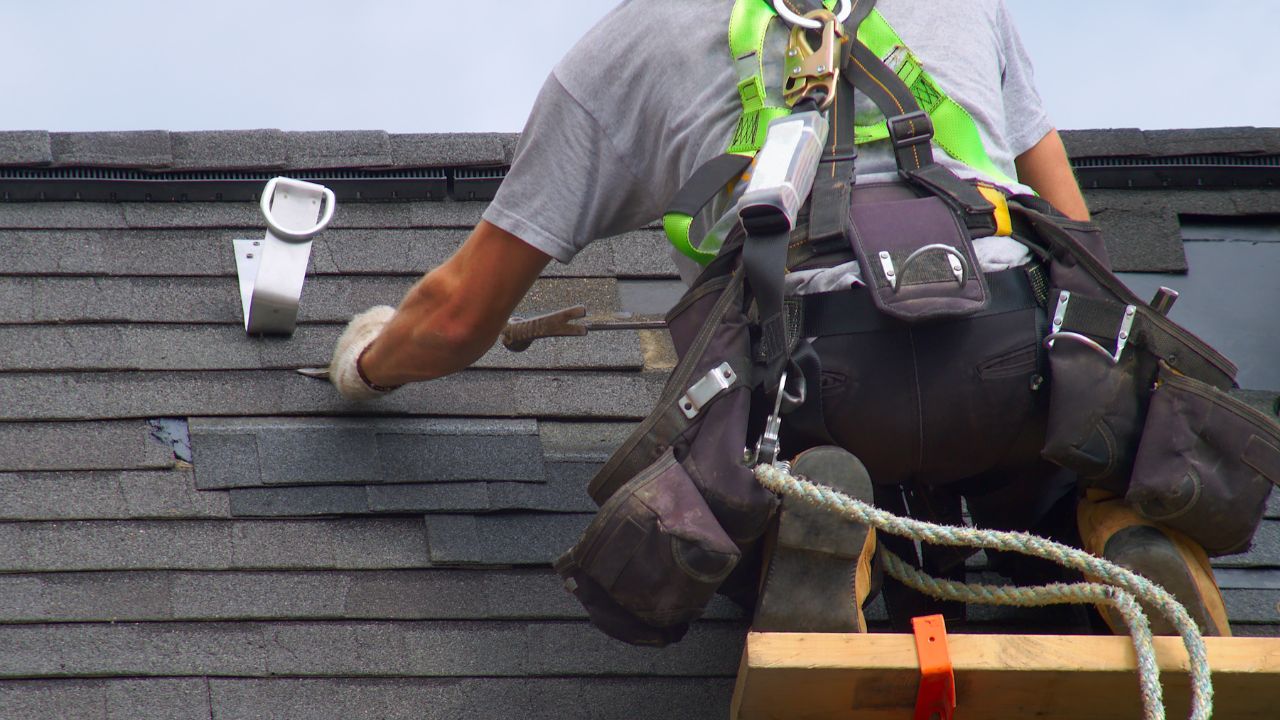
Contractor certification unlocks enhanced warranties worth $2,000-$5,000 in value. GAF Master Elite, CertainTeed Select, and Owens Corning Platinum contractors represent the top 3% achieving rigorous training and performance standards. These certifications provide extended warranty coverage, including workmanship guarantees; non-certified installation reduces coverage to materials only with shorter periods. Proper installation following manufacturer specifications ensures materials perform as designed—cutting corners during installation eliminates performance advantages even premium materials provide, making contractor selection as critical as material choice.
How can homeowners prepare their roofs for Illinois' winter weather?
Ice and water shield installation prevents devastating winter damage—minimum coverage includes the first 3 feet from the roof edges (eaves) where ice dams form most frequently. Better protection extends 2 feet beyond interior wall lines; optimal coverage includes entire valleys plus 6 inches on either side and complete perimeters around all penetrations. Proper attic insulation meeting R-38 minimum per Illinois code (effective January 1, 2025), combined with adequate ventilation (1 square foot per 150 square feet attic area), prevents ice dam formation through temperature regulation.
Hand-sealing asphalt installations completed below 50°F prevents winter blow-offs when adhesive strips fail to activate in cold temperatures. This precaution adds modest costs but eliminates emergency repairs during storms when shingles separate. Winter preparation investments ranging $500-$1,500 prevent damage averaging $3,000-$8,000 from ice dams, blown shingles, and moisture infiltration. Proactive winterization delivers exceptional returns—protecting both roof integrity and interior spaces from Illinois' harshest seasonal conditions.
How can professional roof inspections help homeowners identify potential issues?
Illinois licensing requirements effective January 1, 2025 (Public Act 103-0510) mandate contractors carry minimum $250,000 property damage and $500,000 liability insurance, plus workers' compensation coverage ensuring homeowner protection. Limited Roofing Licenses ($10,000 surety bond) cover residential properties with 8 or fewer units; Unlimited Licenses ($25,000 bond) handle all property types. Building permits costing $100-$500 are required for complete replacements, structural repairs, and work exceeding 25% roof area—all projects must meet IRC/IBC structural minimums.
Professional inspections identify problems invisible to untrained eyes—subtle granule loss indicating hail damage, microscopic sealant failures enabling water infiltration, and ventilation inadequacies causing premature aging. Professionals verify manufacturer warranty compliance through proper installation documentation and provide enhanced workmanship warranties ranging from 1-10 years, typically. This expertise prevents costly mistakes—incorrectly diagnosed problems leading to unnecessary replacements or missed issues causing extensive damage. Professional assessments costing $200-$500 regularly save thousands by catching problems early and ensuring repair solutions address root causes rather than symptoms.
Choosing the Best Roofing Materials for Illinois Homes in 2025
Illinois homeowners face critical roofing decisions impacting decades of protection and thousands in costs. Material selection balances upfront investment against longevity, weather resistance, maintenance requirements, and energy efficiency. Understanding the total cost of ownership rather than the installation price alone reveals true value—transforming seemingly expensive options into cost-effective solutions while exposing budget choices as expensive mistakes.
What are the best roofing material options based on Illinois' 2025 weather trends?
Standing seam metal or stone-coated steel delivers the best overall performance (★★★★★)—handling Illinois' extreme temperatures, severe hail, heavy snow loads, and high winds while providing 40-70 year lifespans and superior energy efficiency. Architectural asphalt with Class 4 upgrades offers the best value (★★★★☆), balancing moderate costs with excellent performance and insurance discounts reaching 35%. Budget-conscious homeowners should choose architectural asphalt (★★★☆☆), avoiding 3-tab varieties with inadequate 15-20 year lifespans for Illinois conditions.
Geographic location within Illinois determines optimal material selection. Northern Illinois demands metal or Class 4 asphalt handling severe freeze-thaw cycles and heavy snow loads without premature failure. Central Illinois accommodates all materials with proper installation, given moderate climate conditions. Southern Illinois benefits particularly from tile options where thermal mass provides natural cooling during extended summer heat, while milder winters eliminate extreme northern weather stresses. Material performance varies dramatically by region—selections ignoring location-specific climate severity waste money through shortened lifespans and increased maintenance.
How can homeowners select the most durable and cost-effective roofing material for their needs?
Total cost analysis reveals synthetic polymer roofing delivers the lowest annual costs at $200-$400 yearly over 40-50 year lifespans, despite $10,000-$16,000 upfront investment for typical 2,000 square foot homes. Class 4 asphalt follows at $240-$410 annually (30-50 years, $9,400-$12,200 total) while architectural asphalt costs $320-$440 yearly (25-30 years, $8,000-$11,100 total). Metal roofing ranges $520-$980 annually but lasts 50-70 years with minimal maintenance, offsetting $36,220-$49,000 initial costs through longevity.
Insurance discounts significantly impact long-term economics. Class 4 and metal products qualify for 15-35% premium discounts—homeowners paying $2,000 annually save $300-$700 yearly. Over 30 years, these savings reach $9,000-$21,000, substantially offsetting higher material costs. Stone-coated steel provides 6% property value increase with 60-70% cost recovery at resale, adding thousands in home equity. Installation timing affects costs 10-15%—scheduling off-peak (November-April for metal/synthetic) reduces expenses while peak season (May-October) commands premium pricing. Homeowners evaluating total ownership costs, including installation, maintenance, insurance savings, energy efficiency, and replacement frequency, discover that premium materials often cost less annually than budget options requiring frequent replacement under Illinois' punishing climate conditions.
Don't Let Illinois Weather Destroy Your Investment—Partner With Advanced Roofing Today
Illinois' extreme climate demands expert material selection and professional installation—mistakes cost thousands in premature failures and emergency repairs. Advanced Roofing brings decades of Illinois-specific experience, matching homeowners with optimal materials for their location, budget, and performance requirements. Their certified installers hold manufacturer elite certifications, unlocking enhanced warranties worth $2,000-$5,000 while ensuring installations meet stringent quality standards, protecting your investment. From Class 4 hail-resistant shingles qualifying for 35% insurance discounts to metal roofing delivering 40-70 year lifespans with superior energy efficiency, Advanced Roofing guides selection decisions maximizing value and longevity.
Contact Advanced Roofing today for comprehensive roof assessments and material consultations tailored to Illinois' 2025 climate challenges. Their expertise prevents costly mistakes—identifying structural requirements for heavy materials, optimizing installation timing for weather conditions, and ensuring proper ventilation and ice dam prevention critical for Illinois winters. Don't gamble with inexperienced contractors or inappropriate materials that fail prematurely under temperature extremes, hail impacts, and freeze-thaw cycling. Advanced Roofing delivers proven solutions protecting homes throughout northern, central, and southern Illinois—backed by manufacturer certifications, proper licensing, comprehensive insurance, and workmanship warranties ensuring your roof performs as designed for decades. Schedule your consultation now before peak season drives up costs and extends wait times.
At Advanced Roofing Inc., we put our customers’ needs first by providing trained installers, high-quality materials and reliable service that can’t be matched by other roofing companies.
We're dedicated to providing exceptional service and ensuring your satisfaction. Please don't hesitate to reach out to us with any questions, inquiries, or to schedule a consultation.
At Advanced Roofing Inc., we put our customers’ needs first by providing trained installers, high-quality materials and reliable service that can’t be matched by other roofing companies.
We're dedicated to providing exceptional service and ensuring your satisfaction. Please don't hesitate to reach out to us with any questions, inquiries, or to schedule a consultation.