Roof replacement represents one of the most significant investments Illinois homeowners make, typically costing between $8,000 and $25,000 depending on material selection and property size. Understanding the first-time roof replacement process helps property owners make informed decisions that maximize long-term value while protecting homes from Illinois's demanding climate. The U.S. roofing contractors industry reached $92.5 billion in 2026, with the Midwest accounting for 22% of the national market.
This Illinois homeowners' guide provides comprehensive information on material options, cost structures, contractor selection, and return on investment considerations. Armed with roof replacement basics and a clear new homeowner roofing checklist, first-time buyers can navigate this complex decision confidently and avoid costly mistakes.
Key Takeaways
- Illinois homeowners recoup 60% to 70% of roof replacement costs in added home value, with metal roofs delivering the highest returns
- Asphalt shingles dominate 80% of residential projects, while metal roofing accounts for 10% and offers superior longevity
- Average roof replacement costs range from $8,000 for basic shingles to $25,000 for premium metal on standard 1,700-square-foot homes
- Homes with roofs under five years old sell 17% faster, making timely replacement a strategic investment
- Modern energy-efficient roofing materials reduce energy consumption by up to 20%, offsetting replacement costs over time
What Is Roof Replacement and Why Is It Necessary?
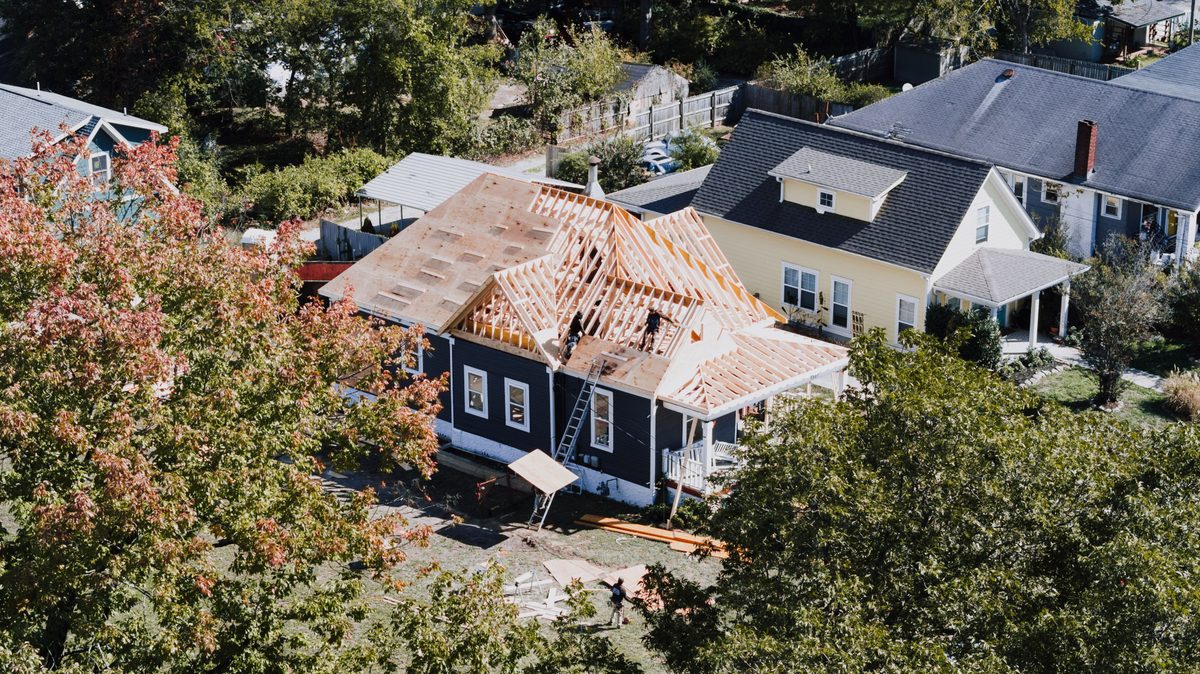
Roof replacement involves removing existing materials down to the decking and installing a completely new system with fresh underlayment, flashing, and surface materials. This comprehensive process addresses structural deterioration, persistent leaks, and aging materials that repairs cannot resolve. Illinois climate creates unique challenges with temperature extremes from below-zero winters to hot, humid summers that accelerate material breakdown.
Homeowners typically replace roofs when systems reach their functional lifespan or after severe weather damage. Active leaking motivates 33% of replacements, storm damage accounts for 33%, and anticipated failure drives 25%. Only 3% replace roofs purely for aesthetics.
When Should You Repair Vs. Replace Your Roof?
Replacement becomes necessary when roofs exceed 20 years, exhibit structural issues like sagging or widespread decking damage, or when homeowners plan to sell within two years. Structural damage affecting decking, rafters, or trusses requires immediate replacement regardless of surface material age.
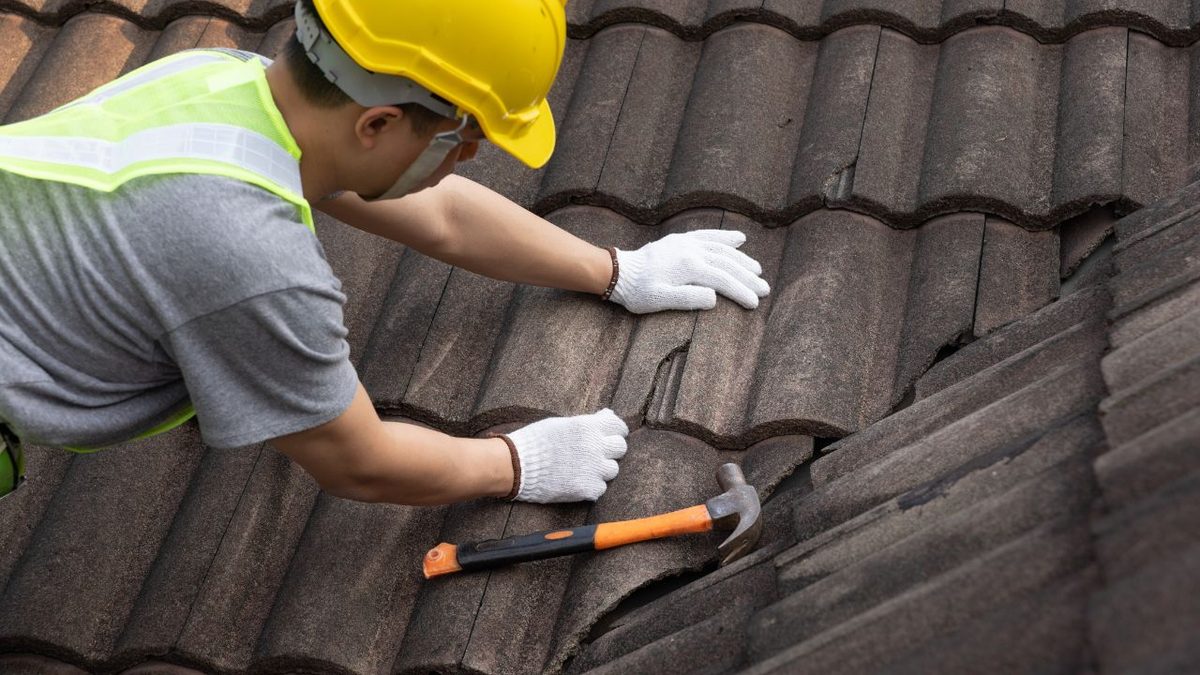
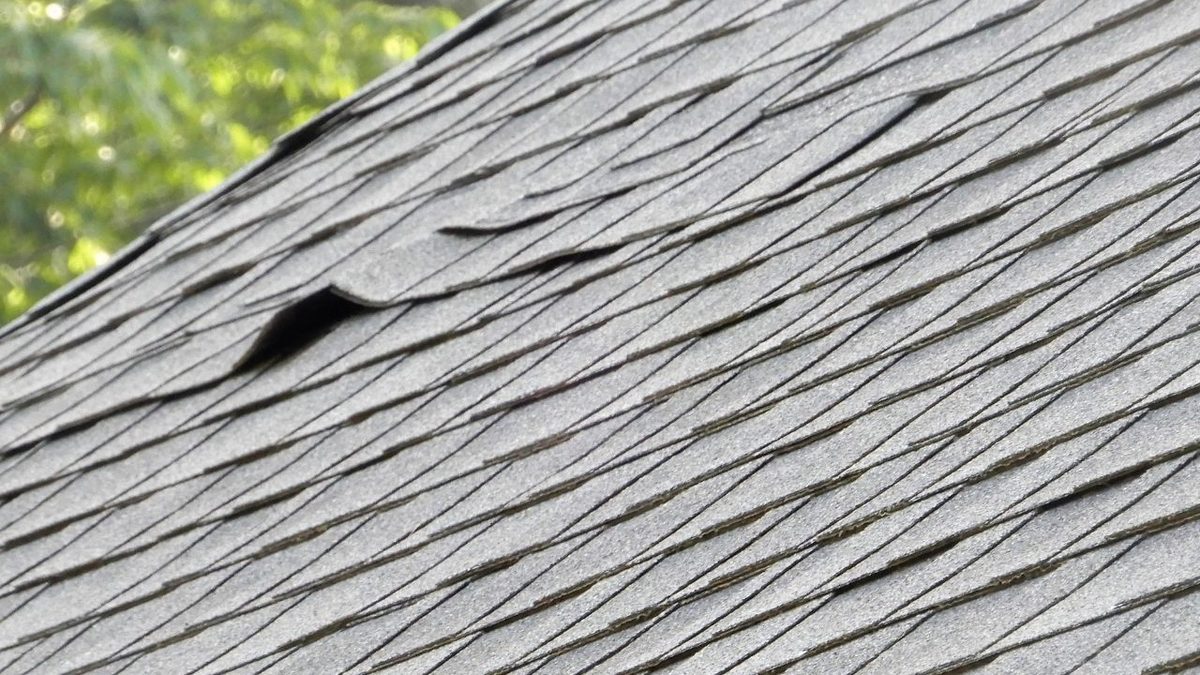
Repairs remain appropriate for newer roofs experiencing isolated damage from fallen branches, missing shingles, or localized leaks. Minor issues on roofs under 10 years typically respond well to targeted repairs. However, 7 factors that determine your Illinois roof replacement cost must be evaluated when damage becomes widespread.
What Are the Pros and Cons of Popular Roofing Materials?
Basic 3-tab asphalt shingles offer the lowest upfront costs at $4.25 to $4.95 per square foot installed, but deliver the shortest lifespan of 15-20 years. Architectural asphalt shingles cost $4.50 to $8.25 per square foot and last 20-30 years, representing an optimal balance between investment and long-term value.
Metal roofing requires higher upfront costs of $10.00 to $17.05 per square foot but delivers exceptional longevity, superior energy efficiency, and the highest resale returns. Standing seam metal systems resist severe weather, require minimal maintenance, and often last 50+ years. Premium slate and copper roofs last 75 to over 100 years, though costs exceeding $20.00 per square foot limit adoption.
What Materials Are Commonly Used in Illinois Roof Replacements?
Asphalt shingles dominate Illinois residential roofing, used in approximately 80% of replacement projects due to proven performance, contractor familiarity, and competitive pricing. Metal roofing has captured roughly 10% of the residential market as homeowners increasingly prioritize longevity and energy efficiency.
The remaining 10% utilize tile, slate, synthetic composites, and sustainable materials. Basic 3-tab asphalt shingles represent the most cost-effective option, but continue losing market share. Architectural asphalt shingles have become the preferred choice for homeowners seeking enhanced durability, improved aesthetics, and stronger warranty protection.
How Does Illinois Climate Affect Roof Replacement Needs?
Illinois experiences dramatic seasonal temperature swings from below-zero winters to summer heat exceeding 90 degrees, creating expansion and contraction cycles that stress roofing materials. This thermal cycling accelerates aging in asphalt shingles and causes granule loss, cracking, and seal failure faster than in moderate climates. Heavy snow loads, ice dams, and freeze-thaw cycles further compromise roof integrity.
Severe thunderstorms with high winds, large hail, and occasional tornadoes represent immediate replacement triggers. Storm damage accounts for 33% of replacement decisions as hail impacts crack shingles, winds tear materials loose, and flying debris punctures roof surfaces. Understanding the best roofing materials for the Illinois climate in 2025 helps homeowners select systems engineered to withstand regional weather patterns.
What Are the Main Roofing Material Options for Illinois Homeowners?
Illinois property owners choose from four primary categories: asphalt shingles, metal roofing, premium natural materials, and sustainable alternatives. Each category offers distinct advantages in durability, aesthetics, energy efficiency, and lifecycle costs.
The residential market maintains a strong preference for asphalt-based products that deliver proven performance at accessible price points. However, younger homeowners aged 25-44 increasingly favor metal roofing and sustainable materials, reflecting growing environmental consciousness and willingness to invest in longer-lasting systems.
How Do Asphalt Shingles Compare to Metal and Premium Materials?
Basic asphalt shingle systems deliver 15-20 year lifespans at the lowest installed costs but require more frequent replacement. Architectural shingle lifespans extend to 20-30 years with enhanced wind resistance and dimensional styling.
Metal roofing systems substantially outlast asphalt alternatives with typical lifespans exceeding 50 years and premium installations lasting 75+ years. Standing seam metal roofs reflect solar radiation, reducing cooling costs by up to 20% compared to dark asphalt shingles. Slate and copper roofs represent ultimate longevity with lifespans of 75 to over 100 years.
How Do Demographics Influence Material Preferences?
Older homeowners aged 55 and above favor traditional asphalt shingles offering proven performance, lower initial costs, and familiar aesthetics. This demographic typically plans shorter ownership periods and prioritizes immediate value. Younger demographics aged 25-44 demonstrate higher interest in metal roofing and sustainable materials, driven by environmental concerns and willingness to invest in long-term savings.
Geographic location within Illinois influences choices, as urban areas predominantly feature asphalt shingles due to cost sensitivity and homeowner association restrictions. Rural and suburban areas show higher metal roof adoption.
How Much Does Roof Replacement Cost in Illinois?
The national average cost for residential roof replacement reached $9,526 in 2026, though Illinois homeowners experience considerable variation based on material selection, property characteristics, and contractor qualifications. Understanding how much does a new roof cost in Illinois 2026 pricing guide information helps homeowners establish realistic budgets.
Illinois ranks as the second-highest paying state for roofing professionals with average annual salaries of $70,110, reflecting strong labor demand. These elevated labor costs directly impact total project pricing.
What Are the Budget, Mid-Range, and Premium Price Tiers?
Basic 3-tab asphalt shingles represent the budget tier at $4.25 to $4.95 per square foot installed. Total installed costs for basic shingles on average 1,700-square-foot homes range from $8,000 to $12,000, including tear-off, disposal, and standard flashing replacement.
Architectural asphalt shingles occupy the mid-range tier at $4.50 to $8.25 per square foot, delivering enhanced durability, dimensional styling, and longer warranties. Standing seam metal roofs define the premium tier at $10.00 to $17.05 per square foot, offering superior longevity, energy efficiency, and maximum resale returns.
How Do Roof Size and Complexity Affect Pricing?
Average 1,700-square-foot homes with basic asphalt shingle installations cost $8,000 to $12,000 for complete replacement. Identical homes upgraded to architectural asphalt shingles require $10,000 to $15,000. Metal roof installations on comparable properties range from $15,000 to $25,000.
Roof complexity factors, including pitch steepness, multiple valleys, dormers, skylights, and chimney penetrations, increase labor requirements and material waste substantially. Simple gable roofs install faster than complex designs with multiple roof planes. Properties exceeding 2,500 square feet or featuring steep pitches above 8:12 require additional safety equipment, elevating per-square-foot costs by 20-35%.
What Additional Costs Should Homeowners Expect?
Decking replacement represents the most significant additional expense when water damage compromises existing plywood sheathing. Partial decking repairs add $2,000 to $5,000, while complete replacement can increase costs by $8,000 or more. Underlayment upgrades to synthetic materials add $500 to $1,500 but provide superior leak protection.
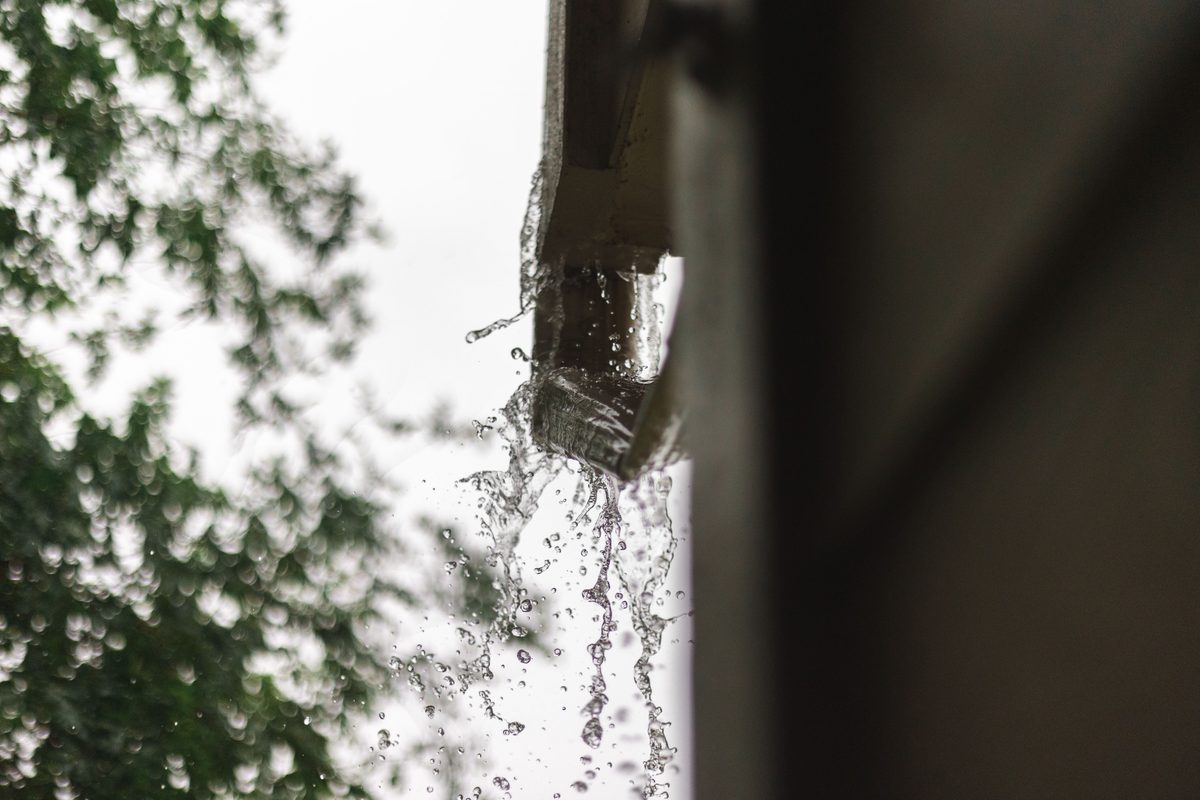
Permit fees, dumpster rental, and disposal charges typically total $500 to $1,000. Upgrading ventilation systems with ridge vents or powered attic fans adds $800 to $2,500 but significantly improves attic airflow. Gutter replacement performed concurrently adds $1,000 to $3,000.
How Does Roof Replacement Affect Home Value and Long-Term Savings?
New roof installations consistently rank among the highest-returning exterior improvements, with Illinois homeowners recovering 60% to 70% of replacement costs through increased property values. Properties featuring recently installed roofing command premium pricing.
Beyond direct resale value increases, modern roofing systems deliver substantial financial benefits through reduced energy consumption, lower insurance premiums, and eliminated emergency repair costs. Homeowners planning to remain in properties for 5-10 years typically recover full replacement costs through combined resale value, energy savings, and avoided maintenance.
What Is the Return on Investment by Material Type?
Illinois homeowners installing basic asphalt shingles add approximately $7,000 to property sale prices, representing roughly 60% of the $10,000 average installation cost. Architectural shingles generate stronger returns by adding $9,000 or more to sale prices. Metal roofs deliver the highest resale returns by adding $12,000 or more.
Chicago suburbs experience particularly strong returns, with new asphalt shingle roofs increasing resale values by $12,000 to $18,000 in competitive markets. Understanding how premium roof replacement increases Illinois home values helps homeowners select materials that align with ownership timelines.
How Can New Roofs Impact Home Resale Speed?
Properties featuring roofs under five years old sell 17% faster than comparable homes with aging roofing systems. This accelerated timeline reflects buyer reluctance to assume immediate major expenses and lender hesitancy to approve financing for properties with obvious deferred maintenance.
Real estate professionals consistently identify roofing condition as a primary factor influencing buyer decisions. Homes presenting well-maintained exteriors with recently installed roofs generate more showing requests and competitive offers.
What Hidden Financial Benefits Come With Modern Roofs?
Modern energy-efficient roofing materials reduce energy consumption by up to 20% through improved insulation values, reflective coatings, and enhanced ventilation integration. These savings accumulate to $200-$400 annually for typical Illinois homes. Cool roof technologies that reflect sunlight generate 34% energy savings during daytime hours.
Impact-resistant roofing systems qualify homeowners for insurance premium discounts ranging from 10% to 28%. The combination of energy savings, insurance discounts, and eliminated emergency repairs creates hidden financial returns that significantly improve actual replacement costs.
How Do Homeowners Choose the Right Roofing Contractor?
Contractor selection represents the most critical decision in the roof replacement process, directly impacting installation quality, warranty validity, and long-term performance. Homeowners should prioritize contractors with strong local reputations, manufacturer certifications, and comprehensive warranties. Industry surveys reveal 78% of homeowners cite reviews and reputation as the most critical factor.
The Illinois roofing market includes approximately 2,300 licensed contractors ranging from sole proprietors to established companies. Learning how to choose the best roofing contractor for your Illinois roof replacement protects homeowners from common pitfalls.
What Contractor Qualities and Certifications Matter Most?
Manufacturer certifications like GAF Master Elite or CertainTeed ShingleMaster distinguish contractors who meet rigorous standards for training, insurance coverage, and customer satisfaction. These elite designations represent the top 2% of roofing companies nationwide and guarantee access to extended warranty options.
Local reputation built through decades of consistent service provides stronger reliability indicators than advertising claims. Established contractors with BBB accreditation, positive online reviews, and community recognition demonstrate commitment to quality workmanship. Comprehensive warranty offerings covering both materials and labor for 10+ years signal contractor confidence.
How Has Technology Changed the Contractor Landscape?
Technology adoption has transformed contractor operations through end-to-end software platforms managing lead response, project scheduling, and customer communication. Currently, 47% of contractors prioritize comprehensive software solutions, reflecting industry recognition that operational efficiency impacts profitability. These investments enable faster response times, with 67% now replying within four hours.
Drone inspections utilizing AI damage detection have become standard practice for 40% of contractors, up from 29% in 2024. These aerial assessments provide high-resolution imagery identifying hail impacts, wind damage, and structural issues.
What Are Common Homeowner Concerns When Hiring?
High upfront costs remain the primary objection for consumers evaluating roof replacement proposals that frequently exceed $10,000. This price sensitivity creates vulnerability to low-ball estimates from unqualified contractors. Homeowners benefit from obtaining three detailed written estimates specifying material brands, warranty terms, and project timelines.
Communication quality and project transparency rank among the top priorities when selecting contractors. References from recent customers, online reviews, and initial responsiveness during estimates provide valuable insights into contractor reliability.
What Are Emerging Trends and Technologies in Roof Replacement?
The roofing industry continues evolving through technological innovation focused on sustainability, energy efficiency, and installation efficiency. Digital transformation has accelerated with contractors investing in software platforms, drone technology, and AI-powered assessment tools.
Market projections indicate the U.S. roofing industry will exceed $120 billion by 2031, driven partly by innovation adoption. Residential roofing constitutes 65% of the market share, while commercial segments, representing 35%, grow faster at 5.8% annually.
How Are Solar Integration and Cool Roofs Shaping the Market?
Solar-integrated roofing has transitioned from niche applications to mainstream options as installation costs decline and building codes increasingly mandate renewable energy capabilities. GAF Materials leads innovation through comprehensive product lines integrating photovoltaic panels with traditional roofing materials.
Cool roof technology reflects sunlight to reduce heat absorption, lowering attic temperatures and decreasing cooling demands during summer. These reflective systems generate 34% energy savings during daytime hours compared to dark asphalt shingles. Commercial building codes increasingly mandate cool roof specifications, with residential adoption growing among environmentally conscious homeowners.
What Digital Tools Are Contractors Using Today?
End-to-end software platforms have become essential for competitive roofing contractors managing customer relationships, project scheduling, and crew coordination. These comprehensive systems integrate lead management, estimate generation, material ordering, and customer communication into unified workflows.
Drone inspections equipped with AI damage detection algorithms provide detailed roof assessments in minutes. These aerial surveys generate high-resolution imagery identifying subtle hail impacts, granule loss patterns, and structural anomalies. Insurance companies increasingly accept drone documentation as primary evidence for claim approvals.
How Do Innovations Improve Efficiency and Sustainability?
Owens Corning's sustainability initiatives demonstrate industry leadership through recycling programs, reduced manufacturing emissions, and product development focused on extended lifecycles. The company controls approximately 20% of the U.S. asphalt shingle market.
Manufacturing innovations in synthetic underlayments, advanced granule adhesives, and impact-resistant formulations extend roof lifespans while reducing material consumption. Technologies 5 technologies that make traditional roofs obsolete represent the cutting edge of product development.
How Do Consumer Behaviors Influence Roof Replacement Decisions?
Consumer decision-making patterns reveal that necessity rather than preference drives the majority of roof replacement projects. Active leaking accounts for 33% of replacements as homeowners respond to immediate water damage. Storm damage triggers another 33% following severe weather events, compromising roof integrity.
Anticipated failure motivates 25% of replacements as observant homeowners recognize advanced deterioration indicators. Only 3% of replacement decisions stem from purely aesthetic motivations.
What Common Motivations Trigger Roof Replacement?
Emergency situations dominate replacement motivations with 66% of projects triggered by either active leaking or documented storm damage. These reactive decisions often occur during peak construction seasons when contractor availability tightens, and material costs rise.
Anticipated failure scenarios allow homeowners to plan replacements strategically during favorable market conditions. Property owners scheduling replacements 6-12 months before anticipated failure secure better pricing, preferred installation dates, and a comprehensive contractor vetting process.
How Do Reviews and Reputation Affect Contractor Selection?
Online reviews have become the primary research tool for 78% of homeowners evaluating roofing contractors, with Google Business profiles, Yelp listings, and social media presence heavily influencing shortlist decisions. Detailed reviews describing communication quality, project management, and problem resolution provide valuable insights beyond star ratings.
An established local reputation built through decades of community service carries substantial weight among homeowners seeking reliability guarantees. Contractors operating in markets for 30+ years with BBB accreditation and consistent positive feedback demonstrate financial stability.
What Financing Options Help Overcome Cost Objections?
High upfront costs create barriers for homeowners facing unexpected replacement needs without available savings to cover the $10,000-$25,000 project expenses. Contractor-facilitated financing through specialized lenders enables immediate project completion while spreading costs across 60-120 month payment periods.
Insurance claim assistance represents another financial pathway for homeowners whose replacements qualify for storm damage coverage. Experienced contractors familiar with claim processes help document damage, communicate with adjusters, and advocate for appropriate settlements. Understanding roof replacement made easy, choosing the right roofing contractor in Illinois includes evaluating contractor expertise in insurance navigation.
First-Time Roof Replacement in Illinois: Navigating Costs, Materials, and Contractor Choices for Maximum Value
Roof replacement decisions require careful evaluation of material performance characteristics, cost implications, contractor qualifications, and long-term financial returns. The U.S. roofing contractors industry valuation of $92.5 billion in 2026 reflects consistent replacement demand driven by aging housing stock and severe weather impacts. Market projections exceeding $120 billion by 2031 confirm sustained growth opportunities.
The Midwest region accounts for 22% of the national roofing market activity, with Illinois representing a significant portion due to population density and challenging climate conditions.
First-time roof replacement requires understanding both immediate project requirements and strategic considerations. Following the complete roof replacement process step-by-step guide for Illinois homeowners ensures proper planning, contractor selection, and project oversight.
Successfully navigating first-time roof replacement requires balancing immediate budget constraints against long-term value considerations, including energy efficiency, durability, and resale returns. Illinois homeowners benefit from working with established contractors who provide transparent pricing, comprehensive warranties, and proven track records.
Advanced Roofing Inc. has served Chicagoland area homeowners for over 30 years, earning recognition as a GAF Master Elite Contractor and CertainTeed ShingleMaster with an A+ BBB rating. Our family-owned business prioritizes quality craftsmanship and transparent communication throughout every project.
Get Expert Roof Replacement Guidance From Advanced Roofing Inc.
Your first roof replacement is a major decision, and the right contractor makes all the difference. Advanced Roofing Inc. has served Illinois homeowners across the Fox Valley and greater Chicagoland area since 1994, bringing decades of hands-on experience to every project. As a GAF Master Elite® and CertainTeed ShingleMaster™ contractor with a BBB A+ rating, we install roofing systems built to handle Illinois weather and protect your home for decades.
We start with a free, no-obligation consultation and a detailed written estimate, so you know exactly what your project involves and what it costs. No surprises, no pressure | just honest advice and quality workmanship backed by strong warranties. Contact our team today for a comprehensive assessment and detailed proposal tailored to your home's specific needs.