Fox Valley homeowners face increasing hail damage risks due to severe convective storms affecting Illinois. Understanding damage identification, repair costs, and insurance processes protects your property investment and ensures timely restoration.
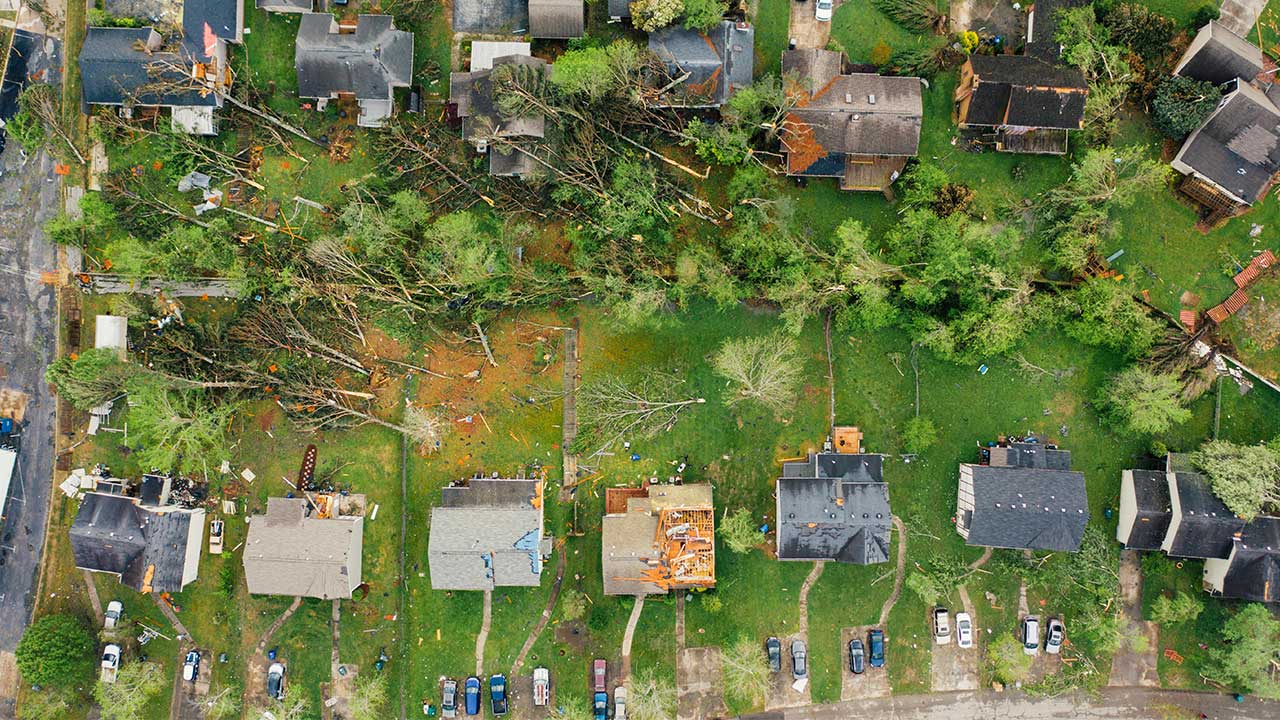
Illinois ranks 15th nationally in annual property damage per capita at $93.49 per 100 residents. Between 2012 and 2021, the state recorded 37 major hailstorms causing $118.5 million in total damage.
Key Takeaways
- Hail damage roof repair costs range from $380 for minor fixes to $25,000+ for full replacement
- Illinois experiences 37 major hailstorms annually, with $118.5 million in total recorded damage
- Professional inspection is required for hail 1 inch or larger to assess hidden structural damage
- Insurance claims hail processing requires comprehensive photo documentation and immediate reporting
- Emergency tarping within 24 hours prevents secondary water damage and preserves insurance coverage
What Is Hail Damage and How Does It Affect Roofs?
Hail damage occurs when ice pellets impact roofing materials at high velocity, compromising protective layers. Damage severity depends on hail size, composition, roof age, and the material type used.
What Types of Roof Damage Are Caused by Hail?
Golf ball-sized hail creates punctures and cracks that expose the underlying roof deck to moisture infiltration. Repeated small hail impacts cause cumulative granule loss, reducing shingle lifespan and UV protection significantly.
Missing shingles during storms reveal structural components vulnerable to water damage and decay. Wind-driven hail creates diagonal impact patterns concentrated on roof slopes facing the prevailing storm direction.
How Does Hail Size Influence Roof Damage Severity?
Asphalt shingles become vulnerable to significant damage when hail reaches 1-inch diameter or larger. Professional storm damage assessment is required for accurate insurance documentation and repair planning at this threshold.
Hail measuring 1.75 inches (golf ball size) typically requires full roof replacement due to extensive cracking. Tennis ball-sized hail at 2.5+ inches causes catastrophic damage requiring immediate emergency tarping services.
How Does Illinois' Climate Impact Roof Longevity?
Illinois recorded 37 major hailstorms between 2012 and 2021, creating cumulative damage patterns across the state. The average asphalt shingle roof lifespan in hail-prone states reduces to 15 years compared to 22.
Fox Valley hail costs continue rising as storm frequency increases and material prices escalate annually. Western states experience significantly longer roof lifespans due to reduced severe weather exposure and lower humidity.
What Are the Common Signs of Hail Damage on a Roof?
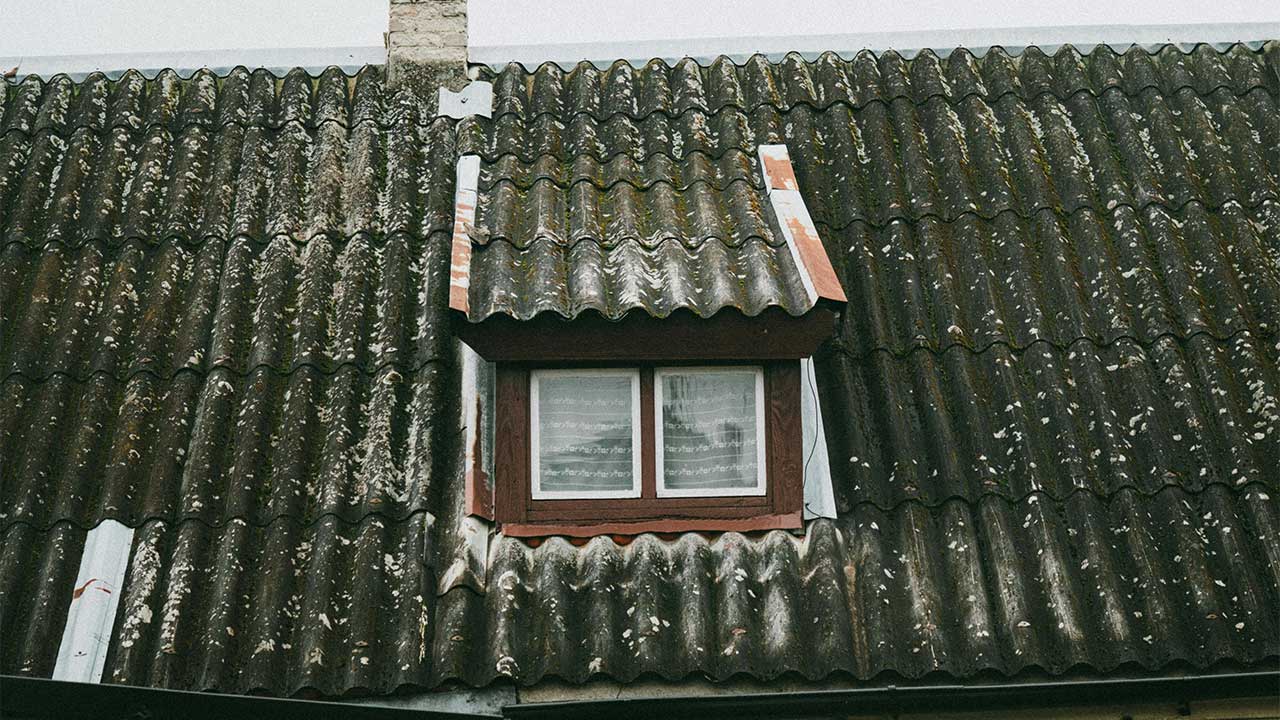
Visible indicators include dented metal flashing, displaced shingles, and granule accumulation in gutters and downspouts. Circular impact marks on shingles appear as dark spots where protective granules are missing.
How to Identify Visible Roof Damage from the Ground
Perform visual inspections from ground level using binoculars to examine roof surfaces without climbing. Look for hail, wind, and your premium roof damage indicators, including displaced ridge caps and bent gutters.
Check downspouts for excessive granule accumulation, indicating significant shingle surface deterioration from repeated impacts. Inspect siding and window frames for dents suggesting hail size and potential roof damage severity.
When Should You Call a Professional for Inspection?
Schedule a professional inspection within 48 hours after any storm producing hail 1 inch or larger. Delaying inspection allows hidden damage to worsen and may complicate insurance claims and hail documentation requirements.
Contact certified roofing contractors who provide comprehensive photo documentation for insurance processing and damage verification. Professional inspectors identify subtle damage invisible from ground level, including underlayment compromise and decking issues.
What Are Emergency Indicators Requiring Immediate Repair?
Active leaks, missing shingles, and structural exposure demand a same-day emergency response to prevent secondary damage. Water stains on interior ceilings signal active penetration requiring immediate temporary protection measures before permanent repairs.
Sagging roof sections or visible decking indicate severe structural compromise needing emergency roof protection and professional assessment. Deploy emergency tarping within 24 hours to preserve insurance coverage and minimize interior damage costs.
How Much Does Hail Damage Roof Repair Typically Cost?
Hail damage roof repair costs vary based on damage extent, material selection, and service urgency required. Emergency repairs cost $500-$3,000 versus non-emergency repairs ranging $380-$1,500 for localized fixes.
What Are the Pricing Tiers for Different Repair Services?
Budget tier repairs ($380-$1,500) address minor shingle replacement and small leak patches for localized damage. Mid-range services ($1,500-$5,000) include moderate tarping, flashing repairs, and partial section replacement for standard claims.
Premium repairs ($5,000-$25,000+) involve full roof replacement, structural repair, and impact-resistant upgrades for severe damage. Emergency repairs command higher rates due to rapid response requirements and after-hours service availability needs.
How Do Roofing Materials Affect Repair Costs and Durability?
Asphalt shingles cost $5,900-$12,900 for replacement, with an expected lifespan of 20-30 years in Illinois. Metal roofing lasts 40-60+ years versus asphalt's 20-30 years, justifying the higher initial investment.
Tile roofing costs $20,000+ with a 50+ year lifespan, but requires structural reinforcement due to weight. Metal roofing costs 2-3 times more than asphalt, yet the best roofing materials for the Illinois climate offer superior hail resistance and energy efficiency.
Asphalt shingles maintain 80% market share due to affordability and straightforward installation processes. Class 4 impact-resistant materials provide enhanced protection, reducing future repair frequency and insurance premium costs.
How Does Insurance Influence Repair Expenses?
Severe convective storms account for 70% of global insured losses, driving coverage adjustments and deductible changes. Comprehensive documentation, including professional inspection reports, strengthens insurance claims for roof repair approval and reimbursement amounts.
Insurance typically covers storm-related damage minus deductibles ranging from $1,000 to $5,000, depending on policy terms. Upgrading to impact-resistant materials during replacement may qualify for premium discounts, offsetting higher material costs.
How Do Consumer Preferences and Demographics Affect Repair Decisions?
Consumer preferences shape contractor selection, material choices, and communication expectations throughout the repair process. Demographic factors, including age, location, and income, influence decision-making priorities and service requirements significantly.
What Are Generational Differences in Contractor Selection?
Millennials represent 16% of the roofing market, with 85% preferring contractors offering transparent online pricing. Generation X represents 40% of the market, balancing digital research with traditional referral verification methods.
Baby Boomers represent 43% of the market, with 79% relying primarily on word-of-mouth referrals. Despite digital growth, 60% of Baby Boomers still prefer phone communication over email or text.
How Do Urban and Rural Preferences Differ in Roofing Materials?
Urban homeowners prefer low-maintenance materials, minimizing long-term care requirements and service call frequency. The urban heat island effect drives preference for reflective cool roofing, reducing energy consumption costs.
Rural homeowners prioritize durability against severe weather over maintenance convenience and aesthetic considerations alone. Rural properties often select metal or tile roofing despite higher costs due to extended replacement intervals.
What Factors Do Consumers Prioritize When Hiring Contractors?
Contractor experience and reputation represent the top priority for 51% of homeowners evaluating service providers. Companies offering online pricing attract 78% more consumer contacts than competitors requiring phone inquiries.
Communication quality serves as the deciding factor for 67% of homeowners choosing between comparable contractors. Transparent estimates, detailed scope explanations, and responsive project updates build trust essential for high-value investments.
What Are the Steps to Take After Your Roof Is Damaged by Hail?
Immediate action following hailstorms protects property and preserves insurance coverage for roof repair after hail. Systematic response procedures minimize secondary damage while documenting conditions for accurate claim processing and contractor quotes.
How to Ensure Safety Before Roof Inspection
Never inspect damaged roofs during active storm conditions or within hours of severe weather events. Wait for safe conditions, including clear skies, dry surfaces, and stable weather forecasts, before inspection.
Perform initial assessments from ground level using binoculars to identify obvious damage without climbing risks. Professional inspectors use safety equipment and training to access roofs safely during post-storm evaluation procedures.
What Are the Best Practices for Emergency Roof Repair?
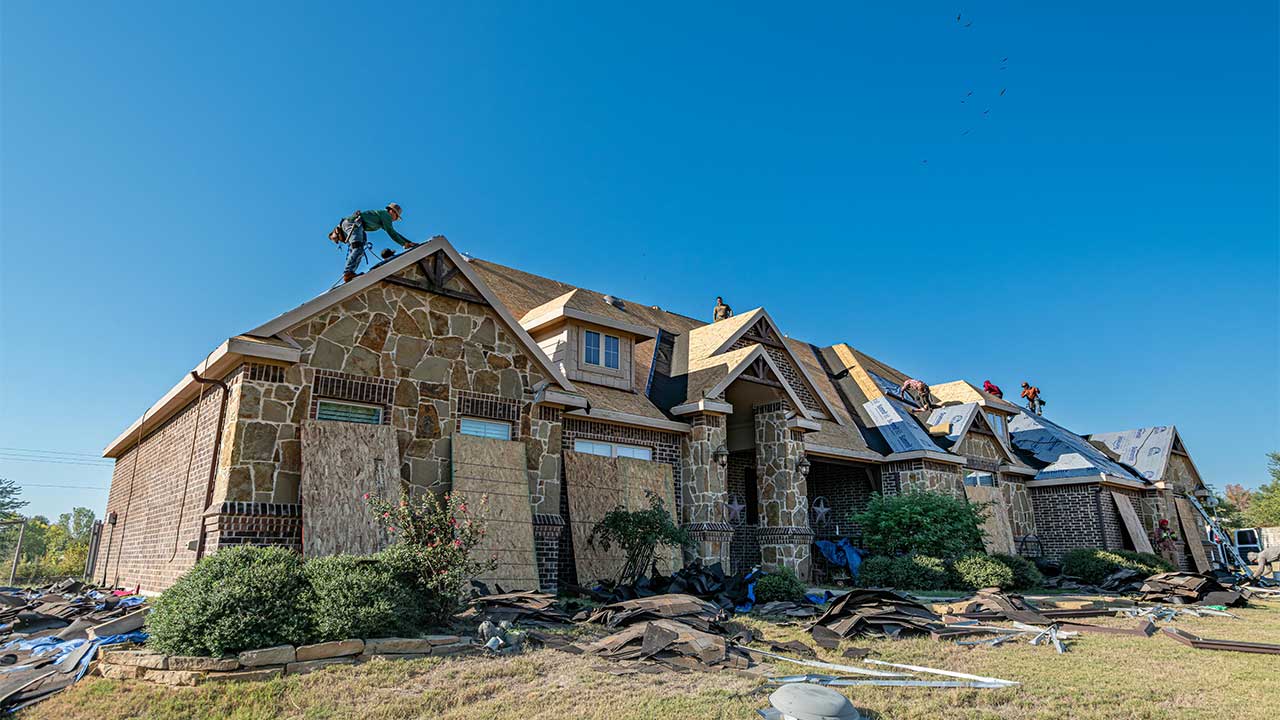
Deploy emergency tarping within 24 hours of severe damage to prevent water intrusion and interior destruction. Temporary protection measures remain effective for up to 90 days while awaiting insurance approval or permanent repairs.
Emergency tarping and board-up services provide rapid response, stabilizing active leaks and structural exposure immediately. Document all storm damage to your roof through photographs before temporary repairs obscure the original damage extent for insurance purposes.
How to Navigate the Insurance Claims Process Effectively
Utilize contractors providing comprehensive photo documentation supporting accurate damage assessment and claim substantiation requirements. Detailed inspection reports, including measurements, material specifications, and cost breakdowns, streamline insurance processing and approval timelines.
Contact insurance carriers immediately after damage discovery to initiate claims before the inspection deadline expiration. Maintain records of all communications, repair estimates, and contractor correspondence for claim documentation and potential dispute resolution.
What Types of Roofing Services Are Available for Hail Damage?
Multiple specialized services address different stages of storm recovery from emergency stabilization to permanent restoration. Service categories range from immediate protective measures to comprehensive replacement solutions based on damage severity assessment.
What Constitutes Emergency Roof Repair Services?
Emergency roof repair holds 22% market share, providing 24/7 rapid response to stabilize active leaks. Same-day service expectations include temporary tarping, board-up installation, and leak containment, preventing secondary water damage.
Emergency contractors prioritize structural exposure risks and active penetration over cosmetic damage requiring scheduled repairs. Rapid response teams deploy within hours of contact, using temporary materials to protect property until permanent solutions.
How Do Storm Damage Inspections Support Repairs?
Storm damage inspection services hold 18% market share, providing professional documentation for insurance claims processing. Certified inspectors identify hidden damage, including underlayment compromise, decking deterioration, and flashing failures invisible from ground level.
Comprehensive inspection reports include detailed photographs, damage measurements, and material condition assessments supporting accurate repair estimates. Many contractors provide free inspections when bundled with repair contracts, reducing homeowner out-of-pocket assessment costs.
What Preventative and Temporary Measures Can Be Taken?
Protective and preparatory measures hold 16% market share, focusing on pre-storm reinforcement and vulnerability reduction. Class 4 impact-resistant materials provide enhanced protection against hail damage, reducing future repair frequency significantly.
Temporary repair and tarping services hold 16% market share, providing interim solutions during insurance processing delays. These services prevent damage progression while homeowners evaluate whether to replace or repair based on professional assessment recommendations and insurance adjuster determinations.
When and How Does Seasonal Weather Affect Roof Repair Demand?
Seasonal patterns drive repair demand fluctuations as storm frequency concentrates during specific months annually. Understanding timing dynamics helps homeowners plan repairs during optimal weather windows and contractor availability periods.
Which Seasons Drive Peak Demand for Hail Damage Repairs?
Yorkville and Fox Valley experience significant seasonal storm activity concentrated in the spring and summer months. April through May represents peak hailstorm season, driving maximum demand for emergency inspections and temporary protection.
June through August continues severe convective storm patterns, creating sustained high demand for full replacements. Fall and winter shift focus toward wind damage from late-season storms and ice dam issues.
How Do Seasonal Patterns Influence Repair Urgency?
Spring storm damage requires immediate attention before summer heat exacerbates granule loss and shingle deterioration. Delaying repairs until fall increases secondary damage risks, including water penetration and interior mold development.
Best times to schedule roofing work in Illinois include late spring and early fall for optimal weather conditions. Winter repairs face temperature limitations affecting material installation and adhesive performance, requiring specialized cold-weather techniques.
What Are Emerging Trends in Roof Damage and Repair Costs?
Roof repair and replacement costs reached $31 billion in 2024, representing a 30% increase since 2022. Storm damage restoration services market valued at $33.5 billion in 2025 projects growth to $53 billion by 2033.
Non-catastrophic wind and hail claims grew from 17% in 2022 to 25% in 2024, indicating increasing frequency. Smaller, more frequent storms cause cumulative damage, eventually requiring professional intervention despite individual storm severity appearing minor.
Hail Damage Roof Repair in Fox Valley, IL: Integrated Approach to Signs, Costs, and Next Steps
Protecting your Fox Valley home from hail damage requires understanding identification methods, cost factors, and response procedures. Selecting experienced contractors who prioritize quality workmanship and transparent communication ensures long-term protection and investment preservation.
Advanced Roofing Inc. has served Chicagoland communities for over 30 years with master-level craftsmanship and honest assessments. Their GAF Master Elite® certification and CertainTeed ShingleMaster™ status demonstrate commitment to industry-leading installation standards and material expertise.
How to choose the best roofing contractor involves verifying credentials, reviewing warranties, and assessing communication quality throughout the project. Established reputation and proven track records provide confidence during major home repair decisions requiring significant investments.
Don't Wait for the Next Storm - Call Advanced Roofing Inc. Today
Hail damage doesn't get better on its own. Every day without a proper inspection is another day your home is exposed to hidden leaks, structural deterioration, and mounting repair costs. Advanced Roofing Inc. has protected Chicagoland homes for over 30 years with GAF Master Elite® certified craftsmanship, honest assessments, and rapid storm response you can count on. Schedule your free hail damage inspection today and get the documentation you need to move fast on your insurance claim.