Illinois homeowners face strict deadlines when filing roof damage claims after severe weather events. Most insurance policies establish a one-year filing window from the date of storm occurrence. Missing this roof storm claim deadline can result in complete loss of coverage regardless of damage severity.
The Illinois filing window varies slightly by carrier but rarely exceeds 12 months. Prompt action following hail or wind events protects claim eligibility and prevents secondary damage. Understanding policy-specific deadlines ensures homeowners preserve their right to full compensation.
Key Takeaways
- Illinois homeowners generally must file storm damage claims within one year of the weather event
- Proper documentation from ground level and professional inspection increases claim approval rates
- Nearly half of all property claims are closed without payment by major insurers
- Direct Repair Programs can reduce repair completion time by over two weeks
- Public adjusters charge 10-20% contingency fees, but often recover significantly higher settlements
What Is a Roof Storm Damage Claim and Why Does Timing Matter?
A roof storm damage claim is a formal request for insurance coverage following weather-related roof damage. Timing directly affects claim approval because policies contain specific filing deadlines, and damage must be documented promptly. Delays allow hidden damage to worsen and make proving storm causation harder.
The claim time limit roofing policies impose prevents fraud and ensures timely damage assessment. Carriers require evidence linking damage to specific weather events within reasonable timeframes. Filing roof insurance claims in Illinois requires understanding these deadlines before significant weather occurs.
What Types of Storm Damage Qualify for Claims?
The March 10, 2026, storm produced golf-ball to tennis-ball-sized hail across Fox Valley communities. Shingle granules in downspouts serve as visible indicators of impact damage requiring professional assessment. Dented gutters and siding damage provide ground-level evidence supporting claims for concurrent roof damage.
Bruised shingles and compromised flashing represent hidden damage types often missed during initial inspections. These conditions may not leak immediately, but shorten the roof's lifespan significantly. Qualified contractors identify subtle damage invisible to untrained observers.
How Does Timing Affect Claim Approval?
Filing claims within one year of documented storm events preserves eligibility under standard Illinois policies. Carriers can deny claims when damage reporting exceeds the storm damage claim period specified in contracts. Earlier filing strengthens causation evidence by reducing the time between weather events and damage documentation.
Delayed claims face increased scrutiny regarding damage origin and pre-existing condition arguments. Insurance adjusters question whether damage resulted from covered storms or normal wear when months elapse. Immediate documentation following severe weather creates clear timelines supporting claim approval.
What Are Typical Policy Deadlines in Illinois?
Most Illinois policies establish strict one-year deadlines for filing storm damage claims following weather events. Some carriers specify shorter notification periods requiring initial contact within 30-60 days of discovery. Policy language determines exact timeframes, making contract review essential before storms occur.
The one-year standard applies to most homeowner's policies, but commercial coverage may differ. Reading policy declarations and endorsements reveals specific filing requirements. Understanding these deadlines before damage occurs prevents costly mistakes during stressful post-storm periods.
How Do Illinois Homeowners Document and File Roof Storm Damage Claims?
Illinois homeowners begin claim documentation by photographing visible damage from safe ground-level positions. Professional roofing contractors then conduct thorough inspections, identifying hidden damage requiring specialized expertise. This approach combines homeowner diligence with contractor knowledge for comprehensive documentation.
Digital filing through insurer apps or portals expedites First Notice of Loss submission. Most carriers now accept smartphone photos and electronic forms, reducing initial processing time. Combining immediate digital notification with professional inspection creates optimal documentation supporting claim approval.
What Are the Preferred Methods for Initial Damage Documentation?
Never climb a damaged roof, as safety risks outweigh any documentation benefits. Document visible damage from ground level, including dented gutters and displaced shingles, using smartphones. Research shows 79.8% of policyholders use smartphones to photograph property damage following weather events.
Over 80% of homeowners aged 60 and above willingly photograph damage to themselves despite limited technical experience. Ground-level documentation captures gutter dents, siding impacts, and shingle granule accumulation in downspouts. These photos establish initial damage evidence before professional contractors conduct detailed inspections.
When Should You Engage a Professional Contractor or Public Adjuster?
Hire specialized storm damage roofing contractors immediately following suspected hail or wind damage. Standard contractors lack the expertise storm damage specialists possess in identifying subtle hail impacts. Understanding what to look for when hiring roofing experts ensures proper damage assessment.
Public adjusters reduce final payouts by 10-20% through contingency fees, but often recover significantly larger settlements. These professionals handle all insurer negotiations and documentation, strengthening complex or disputed claims. Engaging public adjusters makes sense when damage exceeds $15,000 or initial denials occur.
How Can Digital Tools Expedite the Filing Process?
Using your insurer's app or portal for First Notice of Loss submission accelerates initial claim processing. Digital submissions bypass mail delays and provide immediate confirmation of claim receipt and assignment. However, 22% of consumers avoid filing claims due to frustrating digital processes.
Research indicates 64% would switch insurers for more seamless digital claim experiences. Mobile apps accepting photos and damage descriptions reduce filing time from days to minutes. Combining digital submission with professional contractor documentation remains the most effective approach.
What Regional and Demographic Factors Impact Filing Deadlines in Illinois?
Regional variations across Illinois affect both insurance claim timing and contractor availability following major storms. Urban Chicago areas benefit from numerous contractors, while rural downstate regions face longer wait times. Proper roof maintenance timing varies by location, affecting damage prevention and claim frequency.
Demographic factors, including age and technology adoption, significantly influence how homeowners approach claim filing. Younger generations prefer digital-first interactions while older homeowners value traditional communication. Understanding these patterns helps insurers and contractors serve diverse Illinois populations effectively.
How Do Filing Practices Vary Across Illinois Regions?
Urban Chicago residents pay average annual premiums of $2,665 and enjoy the fastest digital adoption rates. Suburban Fox Valley homeowners pay $2,000-$2,400 annually, with high contractor availability for storm damage. Rural downstate areas average $1,945-$2,065 premiums but experience longer contractor response times following widespread storms.
Fox Valley communities, including Naperville, Aurora, and Downers Grove, sit in hail-prone corridors requiring specialized services. Premium differences reflect claim frequency and regional risk profiles. Urban areas process claims faster due to higher adjuster concentrations and contractor density.
How Do Different Age Groups Approach Claim Filing?
Gen Z demonstrates 65% adoption of AI for insurance research, but only 32% satisfaction with insurers. This generation prioritizes climate preparedness, with 86% considering weather risks when purchasing homes. Their tech-forward approach contrasts with older demographic preferences for traditional processes.
Millennials report 40% feel policies lack transparency, affecting their claim-filing confidence. Baby Boomers show 47-88% satisfaction depending on specific metrics, with only 24% likely to use AI. These generational differences require insurers to offer multiple filing options accommodating varied comfort levels.
What Are the Common Challenges in Hail-Prone Areas Like Fox Valley?
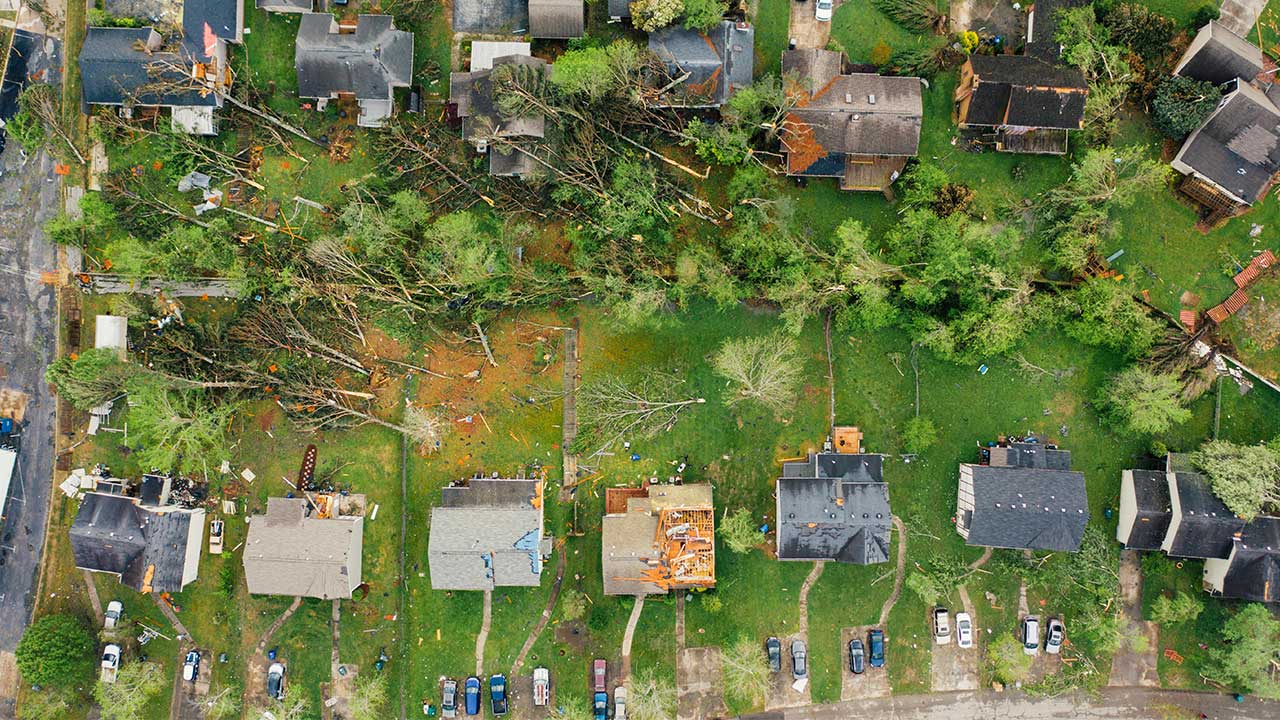
Illinois ranks second nationally for hail claims behind only Texas, creating unique regional challenges. Communities like Naperville, Aurora, and Downers Grove occupy hail-prone corridors experiencing frequent severe weather. The March 2024 storm caused over $6 billion in Midwest damage.
State Farm alone paid over $600 million to Illinois customers following the March 2024 storm. High claim volumes overwhelm local contractors and adjusters, creating processing delays during peak seasons. Preparing for hail and wind damage helps Fox Valley homeowners minimize damage and expedite claims.
What Are the Common Reasons for Claim Denials or Delays in Illinois?
Claims face denial primarily due to insufficient documentation or failure to prove storm causation. Missing evidence of hidden damage, like bruised shingles or compromised flashing, leads to underpayment. Nearly 48% of claims submitted to large insurers close without payment.
Documentation issues arise when homeowners rely solely on visual inspection, missing subtle damage indicators. Professional contractors identify damage invisible to untrained observers, preventing denial based on incomplete evidence. Knowing what to do after storm damage reduces denial risk through proper initial response.
Why Are Claims Often Denied Due to Documentation Issues?
Missing hidden damage, like bruised shingles or compromised flashing, causes most documentation-related denials. Homeowners often photograph obvious damage while overlooking subtle indicators requiring trained identification. Hail damage frequently remains invisible to untrained observers despite causing significant structural compromise.
Claim denial due to lack of evidence frustrates homeowners who know damage occurred. Insurers require clear proof connecting visible damage to specific covered weather events. Professional documentation from qualified contractors provides detailed evidence supporting legitimate claims.
How Can Re-Inspection or Additional Evidence Influence Outcomes?
Request a second inspection if your initial claim faces denial or insufficient settlement offers. Having your chosen roofing contractor present during re-inspection ensures damage receives proper identification. Contractors familiar with storm damage patterns advocate effectively for accurate damage assessment.
Additional evidence, including neighbor claims and weather service reports, strengthens re-inspection outcomes. Documented storm patterns affecting entire neighborhoods support individual claim legitimacy when adjusters question the damage origin. Re-inspection success rates improve dramatically when professional contractors participate.
When Should You Consider Legal or Professional Assistance?
Attorney hourly rates range from $150 to over $500, making legal help appropriate for high-value disputes. Legal support becomes necessary when insurers deny legitimate claims or offer settlements below documented damage costs. Attorneys working on contingency bases charge percentages of final settlements rather than hourly fees.
Given that 48% of claims close without payment in 2024 for large insurers, professional assistance proves valuable. Legal representation makes economic sense when claim values exceed $25,000 or multiple denial appeals fail. Public adjusters offer alternatives to attorneys for many disputes at lower percentage costs.
How Can Policyholders Navigate Filing Deadlines to Maximize Claim Success?
Policyholders maximize claim success by submitting complete documentation within days of storm events. Ensuring contractors provide high-resolution photos and detailed damage descriptions before filing strengthens initial submissions. Clear estimates from qualified contractors establish an accurate damage scope, preventing lowball settlement offers.
Timely submission combined with thorough professional documentation creates optimal conditions for fair settlements. Understanding insurance claim timing requirements and preparing documentation accordingly prevents deadline-related denials. Maximizing insurance coverage requires a strategic approach combining speed with documentation quality.
What Are Best Practices for Timely Claim Submission?
Ensure your contractor provides high-resolution photos documenting all visible and hidden damage types. Obtain detailed damage descriptions identifying specific impacts, measurements, and affected roof components. Get clear written estimates before filing claims, establishing expected repair costs, and scope.
Professional documentation submitted within 72 hours of storms demonstrates diligence and preserves evidence freshness. Combining immediate digital notification with detailed contractor reports creates comprehensive claim packages. This dual approach satisfies insurer requirements while protecting homeowner interests.
How Can Utilizing Direct Repair Programs Affect Timing?
Research shows 41% of customers utilize Direct Repair Programs, reducing overall satisfaction with claim experiences. DRP participation reduces repair cycle times by over two weeks compared to independent contractor selection. Insurers prefer approved contractors who understand their documentation requirements and pricing expectations.
However, homeowners sacrifice contractor choice when accepting DRP participation in exchange for speed. Independent contractors may identify additional damage that DRP participants overlook due to insurer relationships. Weighing speed benefits against thorough documentation requires careful consideration of individual claim circumstances.
What Steps Should Be Taken If a Claim Is Denied or Disputed?
Review denial letters carefully, identifying specific reasons insurers cite for rejecting claims. Request detailed explanations of denial rationale and policy provisions supporting insurer positions. Gather additional evidence, including weather service data, neighbor claims, and independent contractor assessments.
File formal appeals within the timeframes specified in denial notices, preserving all claim rights. Consider engaging public adjusters or attorneys when initial appeals fail, or denial reasoning appears questionable. Document all communications with insurers, creating paper trails supporting potential legal action if necessary.
What Are the Key Differences Between DIY Filing and Professional Claim Assistance?
DIY filing eliminates professional fees but increases the risk of missing hidden damage, reducing settlement amounts. Professional assistance through public adjusters or attorneys costs 10-20% of settlements but often recovers significantly more. The choice depends on damage complexity, claim value, and the homeowner's confidence in documentation abilities.
Most homeowners benefit from hybrid approaches combining DIY initial documentation with professional contractor inspections. This strategy captures immediate evidence while ensuring comprehensive damage identification by qualified experts. Balancing cost savings against claim maximization requires an honest assessment of individual technical knowledge.
What Are the Benefits and Risks of DIY Documentation?
DIY documentation costs nothing but carries a substantial risk of missing hidden damage like compromised flashing. Homeowners lacking roofing expertise often photograph obvious damage while overlooking subtle indicators requiring professional identification. Free approaches save money only when damage assessment proves accurate and complete.
Missing damage leads to underpayment or denial, costing far more than professional documentation fees. Smartphone cameras capture surface conditions but cannot assess structural integrity or hidden moisture damage. DIY works for minor obvious damage, but fails for complex hail impacts.
How Do Public Adjusters Charge and What Value Do They Offer?
Public adjusters charge 10-20% contingency fees based on final settlement amounts rather than hourly rates. This fee structure aligns adjuster interests with maximizing homeowner settlements through aggressive advocacy. Public adjusters typically charge between 10-20% of total settlement values for comprehensive claim services.
Despite reducing net proceeds, public adjusters often recover 40-60% more than DIY filings justify their fees. They handle all insurer communications, documentation, and negotiations, removing homeowner stress. Value proposition depends on claim complexity, with high-value or disputed claims benefiting most.
When Is Legal Support Recommended for Storm Damage Claims?
Legal support becomes appropriate when insurers deny legitimate claims or settlement offers fall significantly below documented costs. Attorneys provide necessary expertise for bad faith insurance practices and policy interpretation disputes beyond the adjuster's scope. Hourly rates ranging from $150 to $500+ make legal help economically viable only for substantial disputes.
Consider attorneys when claim values exceed $30,000 and multiple appeal attempts fail to resolve disputes. Bad faith denial patterns or unreasonable delay tactics justify legal intervention to protect homeowner rights. Many attorneys offer free consultations, helping homeowners determine whether legal action makes economic sense.
How Do Filing Deadlines Relate to Insurance Premiums and Market Trends in Illinois?
Filing deadlines interact with premium increases as insurers tighten claim requirements amid rising costs. Illinois experienced 50% premium increases between 2021 and 2024, driven by severe weather frequency. Higher premiums correlate with stricter documentation requirements and shorter filing windows.
Market trends show insurers closing 48% of claims without payment, creating adversarial claim environments. Premium increases fund growing claim costs while tighter deadlines reduce insurer exposure. Understanding these market dynamics helps homeowners navigate increasingly complex claim processes.
How Have Premiums Changed Due to Storm Frequency and Claim Costs?
Illinois homeowners' insurance premiums increased 50% between 2021 and 2024, representing the second-highest national growth. U.S. roof repair and replacement costs reached $31 billion in 2024, reflecting 30% increases since 2022. These escalating costs drive premium growth as insurers adjust pricing to maintain profitability.
Roof-related costs comprise 68% of all property claim expenses, creating significant insurer financial pressure. Storm frequency in Illinois particularly affects the Fox Valley regions experiencing multiple severe weather events annually. Premium increases directly correlate with regional claim history, making hail-prone areas most expensive.
What Are the Trends in Claim Processing Times and Approval Rates?
Large insurers closed 48% of claims without payment in 2024, reflecting increasingly strict approval standards. Allstate and USAA show denial rates hovering around 50%, creating challenges for legitimate claimants. Despite high denial rates, approved claims now complete repairs in an average of 29.6 days in 2026.
Average time to receive final payment decreased to 40.7 days in 2026, showing processing efficiency improvements. Faster processing benefits homeowners with approved claims, but high denial rates offset these gains. Understanding approval trends helps homeowners prepare stronger initial submissions.
How Does Market Growth Affect Consumer Claim Behavior?
The claims adjusting industry reached market sizes between $10.8 billion and $14.6 billion by 2025-2026. Industry CAGR ranges from 1.5% to 9.6% depending on the service sector and market segment. Over 37,000 businesses now operate in claims adjusting, creating a competitive professional assistance marketplace.
Market growth reflects increasing claim complexity and homeowner demand for professional representation. Growing adjuster availability provides homeowners with more options for professional claim assistance. This competitive marketplace benefits consumers through improved service quality and more reasonable fee structures.
The Filing Timeline and Process for Roof Storm Damage Claims in Illinois
Understanding the complete filing timeline helps Illinois homeowners protect their coverage rights after storms. The process begins immediately after weather events with ground-level documentation and professional contractor engagement. Knowing when to replace roof flashings prevents future damage and reduces claim frequency.
Successful claims require coordination between homeowners, contractors, and insurers within strict policy-specified timeframes. Missing any deadline component can result in denial regardless of the damage to legitimacy. Proactive preparation before storm seasons ensures homeowners understand processes and can act quickly when damage occurs.
Illinois homeowners navigating storm damage claims benefit from understanding both legal requirements and practical strategies. The one-year filing window demands prompt action following severe weather events. Professional documentation combined with timely submission maximizes approval likelihood despite increasingly strict insurer standards.
Advanced Roofing Inc. helps Fox Valley homeowners document storm damage and navigate complex claim processes effectively. Their three decades of experience in Chicagoland provide the expertise needed for accurate damage assessment. Proper roof ventilation maintains roof integrity, reducing damage susceptibility during severe weather.
Schedule Your Storm Damage Inspection with Advanced Roofing Inc.
Illinois's one-year filing window moves fast — especially when contractors are in high demand after a major storm. Advanced Roofing Inc. has served Fox Valley homeowners for over 30 years, and our team knows exactly what insurance adjusters look for. We document visible and hidden damage thoroughly, provide detailed written assessments, and work alongside you through every step of the claims process.
Don't risk a denial over missed damage or incomplete documentation. Contact Advanced Roofing Inc. to request a free inspection online and protect your claim before the deadline passes.