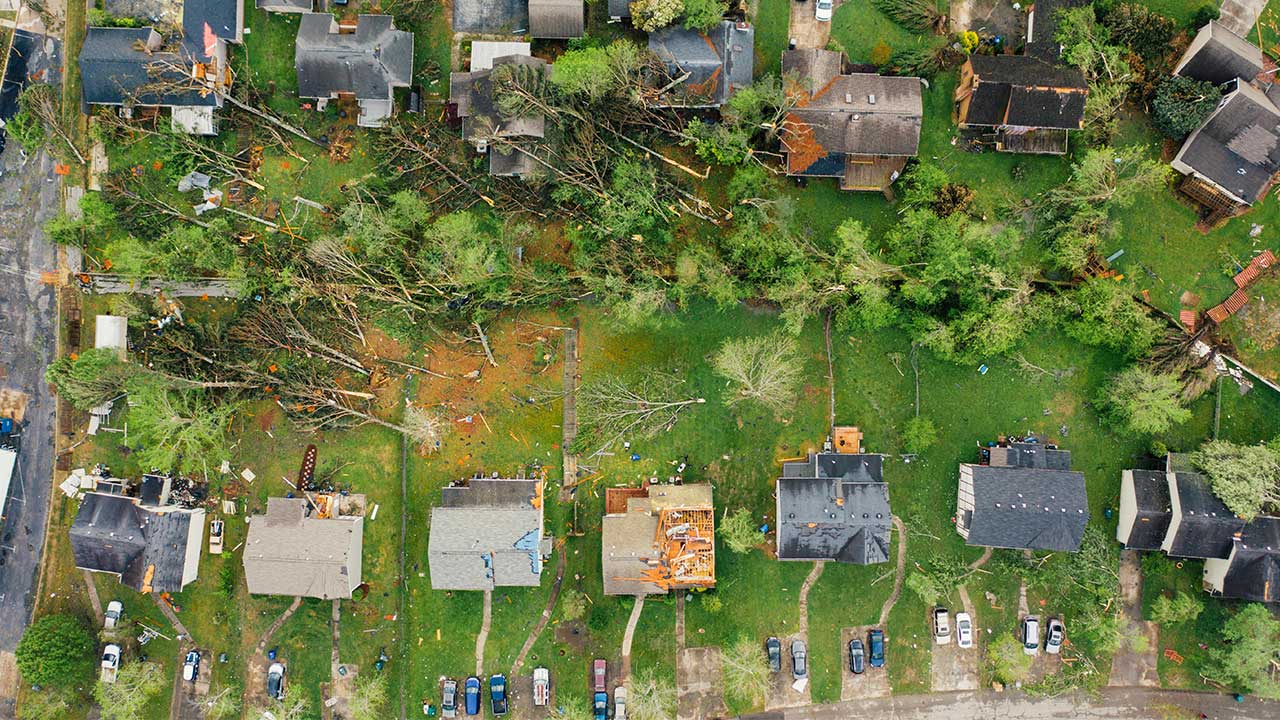
Severe weather patterns across Illinois have intensified the frequency and severity of hail events. Roof repair costs reached $31 billion in 2024, reflecting the growing impact of convective storms. Understanding how to identify hail damage protects your home from progressive deterioration and ensures timely insurance claims. Quick assessment following storm events prevents minor damage from escalating into costly structural problems.
Key Takeaways
- Hail damage accounts for 35% of storm-related roofing incidents in Illinois
- Quarter-sized hail (1 inch) represents the critical threshold for asphalt shingle damage
- Professional inspection within 24 hours prevents secondary water damage to interior spaces
- Impact-resistant Class 4 materials significantly reduce future hail damage vulnerability
- Illinois experiences 37 major hailstorms per decade, with $118.5 million in total damage
What Is Hail Damage and How Does It Affect Roofs?
Hail damage occurs when ice pellets strike roofing materials at high velocity. The impact creates distinct patterns that compromise shingle integrity and reduce protective capabilities. Wind damage represents 40% of storm-related incidents, while hail accounts for 35%. Water intrusion follows at 20%, often resulting from undetected hail impacts.
How Does Hail Damage Differ from Other Storm-Related Roof Issues?
Hail creates circular indentations and granule displacement distinct from wind-caused tears. Storm damage symptoms vary significantly based on the force applied to roofing materials. Wind typically lifts or tears shingles, while hail produces compression damage without displacement. Each damage type requires different repair approaches and insurance documentation methods.
What Are Common Materials Used in Illinois Roofing and Their Vulnerabilities?
Asphalt shingles dominate Illinois installations with 80% market share due to affordability. Standard three-tab and architectural shingles become vulnerable when exposed to 1-inch hail. Best roofing materials for the Illinois climate vary based on budget and storm exposure. Illinois asphalt roofs average 15-year lifespans compared to 22 years in western states.
How Does Hail Size Correlate to Roof Damage Severity?
Quarter-sized hail at 1 inch diameter marks the critical threshold for standard shingles. A golf ball hail measuring 1.75 inches causes severe cracking requiring full replacement. Tennis ball hail exceeding 2.5 inches creates catastrophic damage, demanding emergency tarping. Smaller hail below 1 inch accumulates granule loss gradually over multiple seasons.
What Are the Signs of Hail Damage to Look for on Your Roof?
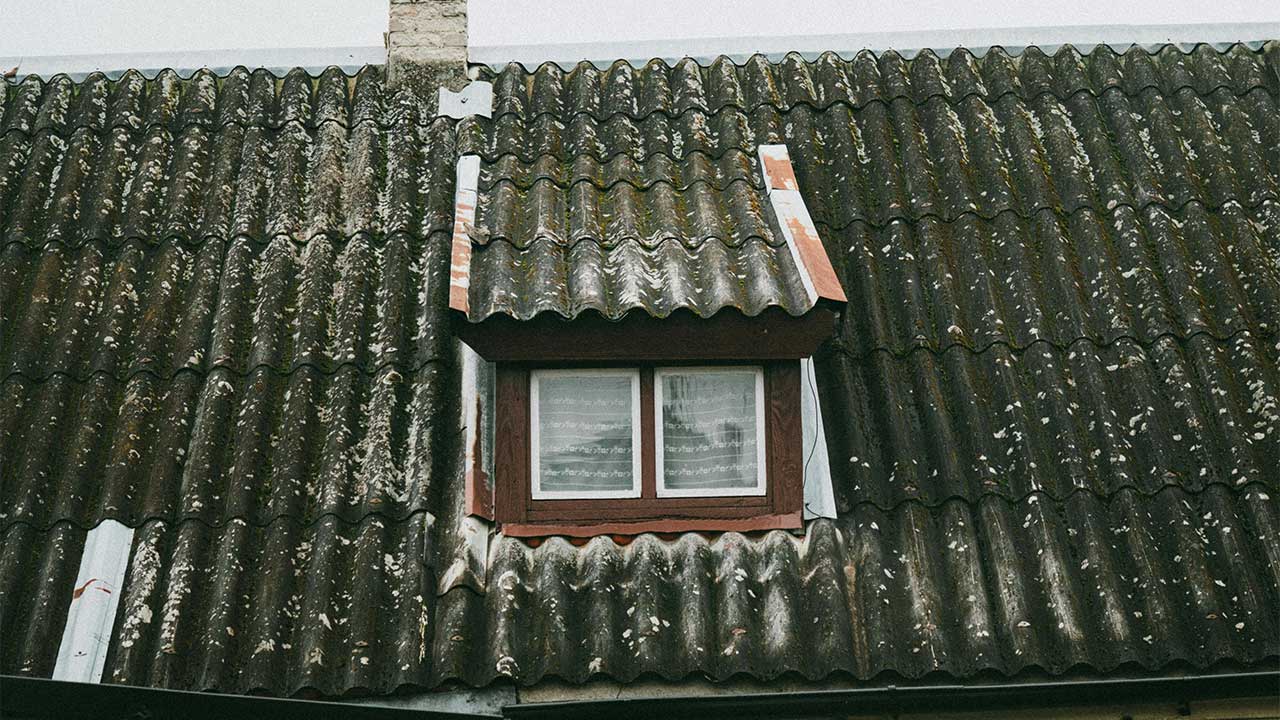
Visible indicators include random patterns of dark spots where granules have dislodged. Illinois storm hail marks appear as circular depressions with exposed fiberglass matting underneath. Shingle corners may curl upward, and metal flashing shows distinctive denting patterns. Gutters and downspouts accumulate granule debris following significant hail events.
How to Inspect Your Roof Safely After a Storm
Never attempt roof access during active weather or unstable atmospheric conditions. Ground-level inspections using binoculars reveal damage patterns without safety risks. Check horizontal surfaces like air conditioning units and window sills for impact marks. Professional contractors possess proper equipment and training for comprehensive elevated assessments.
What Visible Indicators Suggest Hail Has Impacted Shingles?
Dark circular spots indicate granule loss, exposing the asphalt layer beneath. Shingle edges show irregular patterns different from normal weathering or aging. To detect roof hail damage, examine soft metal components like vents and caps. Consistent impact patterns across multiple roof planes confirm hail rather than isolated issues.
When Does Damage Warrant Professional Assessment?
Emergency situations involve active leaks, missing shingles, or structural material exposure. Non-emergency concerns include minor granule loss, isolated damage spots, or aging-related wear. Any visible hail marks following documented storm events justify insurance-backed inspections. Delaying professional evaluation allows progressive water infiltration and mold development.
How Does Illinois' Climate Influence Roof Hail Damage?
Severe convective storms account for 70% of global insured losses annually. Illinois ranks 15th nationally with $93.49 property damage per 100 residents. Geographic position within Tornado Alley exposes structures to frequent supercell formations. Temperature fluctuations between seasons accelerate material degradation, compounding hail impact effects.
What Are the Seasonal Patterns for Storms in Illinois?
Spring months from April through May represent peak hailstorm season statewide. Emergency inspection demand surges following these concentrated weather events and seasonal transitions. Summer continues severe activity from June through August with peak replacement scheduling. Contractors experience the highest workload during these months, processing insurance claims and coordinating projects.
Which Illinois Regions Are Most Prone to Hail Damage?
Yorkville and Fox Valley communities experience significant seasonal storm concentrations annually. Illinois recorded 37 major hailstorms between 2012 and 2021, causing substantial damage. Total recorded hail losses reached $118.5 million during this ten-year period. Northern and western suburbs face an elevated risk compared to southeastern counties.
How Does Local Weather Affect Roof Material Longevity?
Climate change intensifies storm frequency and severity, reducing expected material lifespans. Aging housing infrastructure throughout Chicagoland increases structural vulnerability to weather impacts. Freeze-thaw cycles unique to Illinois accelerate shingle deterioration between storm seasons. UV exposure combined with moisture infiltration compounds damage from hail events.
When Should You Call a Roofing Contractor for Hail Damage?
Immediate contact becomes necessary when interior ceiling stains or active dripping occur. A comprehensive roof inspection checklist in Illinois guides decision-making after storms. Visible exterior damage following documented hail requires professional documentation for insurance purposes. Contractors provide expertise in determining repair necessity versus preventative monitoring approaches.
What Criteria Define Emergency Vs. Non-Emergency Roof Repairs?
Emergency repairs address active leaks, missing shingles, and exposed structural decking. Response times within 24 hours prevent secondary interior water damage to ceilings. Non-emergency situations involve minor granule loss, isolated damage, or general aging. Scheduled assessments allow proper planning without rushed decision-making or premium pricing.
How Do Insurance Claims Relate to Hail Damage Inspections?
Professional documentation establishes damage timelines connecting impacts to specific storm dates. Comprehensive photo evidence supports claim validity during adjuster reviews and settlement negotiations. Understanding Illinois insurance claims for roof damage maximizes coverage outcomes. Contractors familiar with insurance processes streamline approval and payment timelines significantly.
What Consumer Preferences Affect Contractor Selection in Illinois?
Baby Boomers represent 43% of the market, prioritizing reputation and referrals. Generation X comprises 40% preferring detailed comparison shopping across multiple estimates. Millennials account for 16%, favoring digital pricing transparency and online reviews. Contractor experience and reputation remain the chief concern for 51% of homeowners.
How Do Roofing Professionals Assess and Document Hail Damage?
Professional inspections follow systematic roof assessment checklist protocols, ensuring thorough coverage. Contractors photograph damage from multiple angles, documenting granule loss and impact patterns. Measurements record hail strike density across different roof sections and planes. Written reports detail findings with recommendations for repair or replacement approaches.
What Procedures Are Used for Damage Inspection and Reporting?
Inspectors examine all roof planes, valleys, and penetrations for impact evidence. Documentation includes close-up photography showing granule displacement and substrate exposure. Measurements note strike frequency per square foot, indicating damage severity levels. Contractors who provide comprehensive photo documentation strengthen insurance claim submissions substantially.
How Is Photo Documentation Incorporated into Insurance Claims?
High-resolution images establish visible damage connecting events to specific storm dates. Annotated photographs highlight granule loss, bruising, and fracture patterns for adjusters. Time-stamped documentation creates verifiable damage timelines supporting claim validity and approval. Digital files facilitate rapid submission and review, reducing processing delays significantly.
What Role Do Material Upgrades Play in Repair Recommendations?
Class 4 impact-resistant materials provide enhanced protection against future hail events. These upgraded shingles resist impacts from larger hail sizes, reducing replacement frequency. Insurance providers often offer premium discounts for impact-resistant installations, motivating upgrades. Long-term cost analysis frequently favors premium materials despite higher initial investments.
What Are the Available Repair Options After Hail Damage?
Response strategies range from emergency tarping to complete roof replacement systems. Cost variations depend on damage extent, material selection, and structural requirements. Should you replace or repair your roof after hail damage depends on the severity assessment. Professional evaluation determines the most cost-effective and protective solution approach.
What Emergency Measures Should Be Taken Immediately?
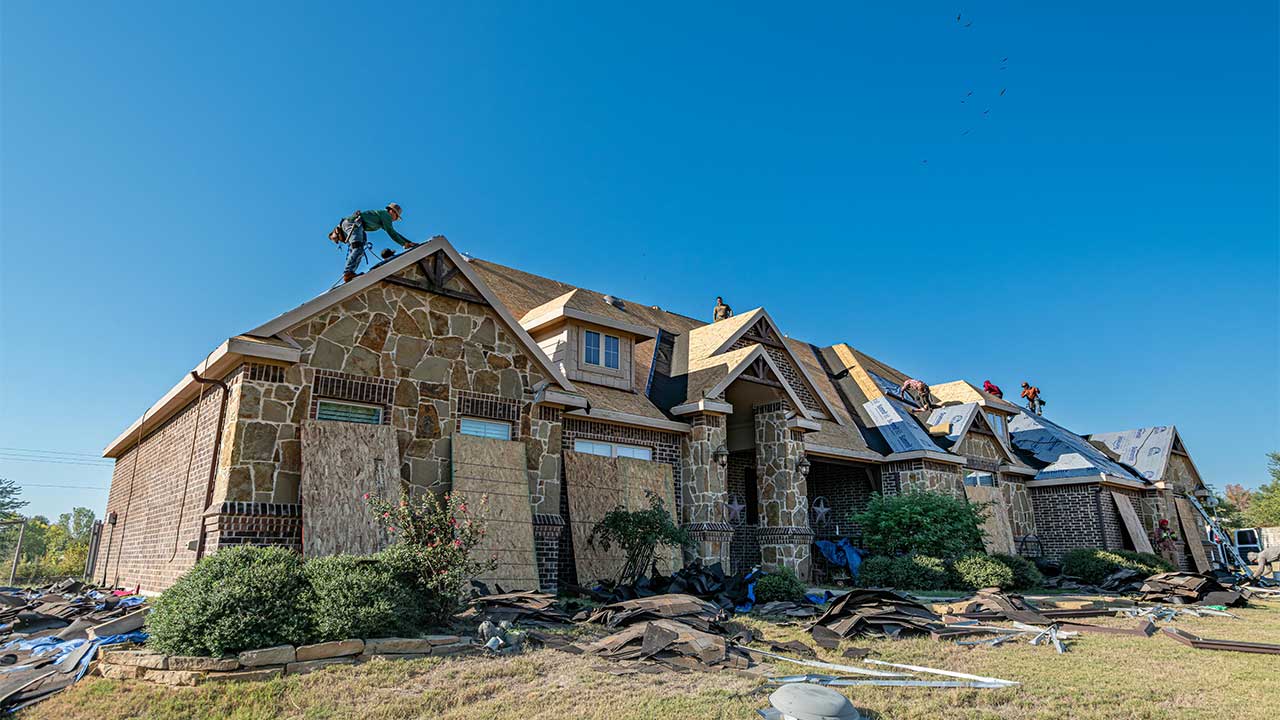
Deploy emergency tarping services within 24 hours following severe damage events. Temporary protection lasts up to 90 days while awaiting insurance approval processes. Without emergency tarping, secondary interior water damage escalates repair costs substantially. Emergency roof repair in Illinois requires immediate professional response capabilities.
How Do Repair Costs Vary by Damage Severity and Material?
Emergency repairs range from $500 to $3,000 compared to non-emergency costs. Budget tier services span $380 to $1,500 for minor localized repairs. Mid-range projects cost $1,500 to $5,000 for moderate section replacements. Premium replacements exceed $5,000, reaching $25,000 for complete high-end installations.
Asphalt shingle replacement costs $5,900 to $12,900 for standard residential structures. Metal roofing costs 2-3 times more but lasts 40-60 years. Tile installations exceed $20,000 with 50-plus year lifespans and exceptional durability. Material selection balances upfront investment against long-term value and replacement frequency.
What Are the Benefits of Upgrading to Impact-Resistant Roofing?
Impact-resistant shingles significantly reduce damage from future hail events and storms. Insurance premium reductions often offset higher material costs over the roof's lifespan. Enhanced durability extends replacement intervals, reducing long-term ownership costs substantially. Upgraded materials provide peace of mind in hail-prone Illinois communities.
How Can Homeowners Prevent Future Hail Damage?
Protective measures represent 16% of the roofing services market, emphasizing prevention. Regular maintenance identifies minor issues before they escalate into major problems. Material selection significantly influences storm resilience and long-term performance capabilities. Proactive approaches reduce emergency repairs and extend overall roof system lifespans.
What Protective and Preparatory Measures Are Most Effective?
Regular professional inspections identify vulnerabilities before the severe weather season arrives. Clearing debris from gutters and valleys prevents water accumulation after impacts. Tree trimming eliminates branches that could compound hail damage during storms. Attic ventilation maintenance prevents moisture buildup, accelerating material deterioration between weather events.
How Does Roofing Material Choice Influence Storm Resilience?
Metal roofing installation requires specialized batten systems ensuring proper attachment strength. These systems withstand high winds while resisting hail impacts better than standard systems. Tile roofing requires structural reinforcement to accommodate significant weight loads safely. Understanding the ultimate guide to roofing services helps homeowners make informed decisions.
What Maintenance Practices Help Extend Roof Lifespan in Hail Zones?
Annual hail damage roof inspection schedules identify cumulative damage requiring attention. Prompt minor repairs prevent small issues from becoming costly emergency situations. Shingle replacement in isolated damaged areas maintains overall system integrity effectively. Professional maintenance programs track roof condition over time, documenting changes systematically.
Roof Hail Damage in Illinois: Identification, Response, and Prevention
Non-catastrophic wind and hail claims grew from 17% in 2022 to 25%. This trend reflects the increasing frequency of smaller but damaging storm events. Severe convective storms remain the secondary peril with the most significant financial impact. Climate patterns continue to intensify, requiring proactive approaches to protect property investments effectively.
Illinois homeowners must balance immediate response needs with long-term protection strategies. Quick identification of damage following storms prevents progressive deterioration and interior impacts. Professional assessment ensures proper documentation supporting insurance claims and repair decisions. Material upgrades and regular maintenance reduce vulnerability to future weather events.
Advanced Roofing Inc. has served Chicagoland communities for over 30 years with expertise. Our experience helps homeowners navigate storm damage assessment and recovery processes confidently. We understand the unique challenges Illinois weather presents to residential roofing systems. Quality workmanship and transparent communication guide every project from inspection through completion.
Protecting your home from hail damage requires knowledge, preparation, and trusted professional partnerships. Immediate response following storms minimizes damage while proper material selection reduces future risk. Regular maintenance and professional inspections provide ongoing protection for your investment. Taking action now prevents costly emergency repairs when severe weather strikes.
Schedule Your Free Hail Damage Inspection with Advanced Roofing Inc.
Illinois storms don't wait — and neither should you. If your roof took a hit this season, Advanced Roofing Inc. is ready to assess the damage, document everything for your insurance claim, and walk you through your repair options. With over 30 years of serving the Fox Valley and Chicagoland area, we know what Illinois hail does to roofs — and exactly how to fix it. Contact our team to schedule a comprehensive roof assessment and discuss protection options for your home.