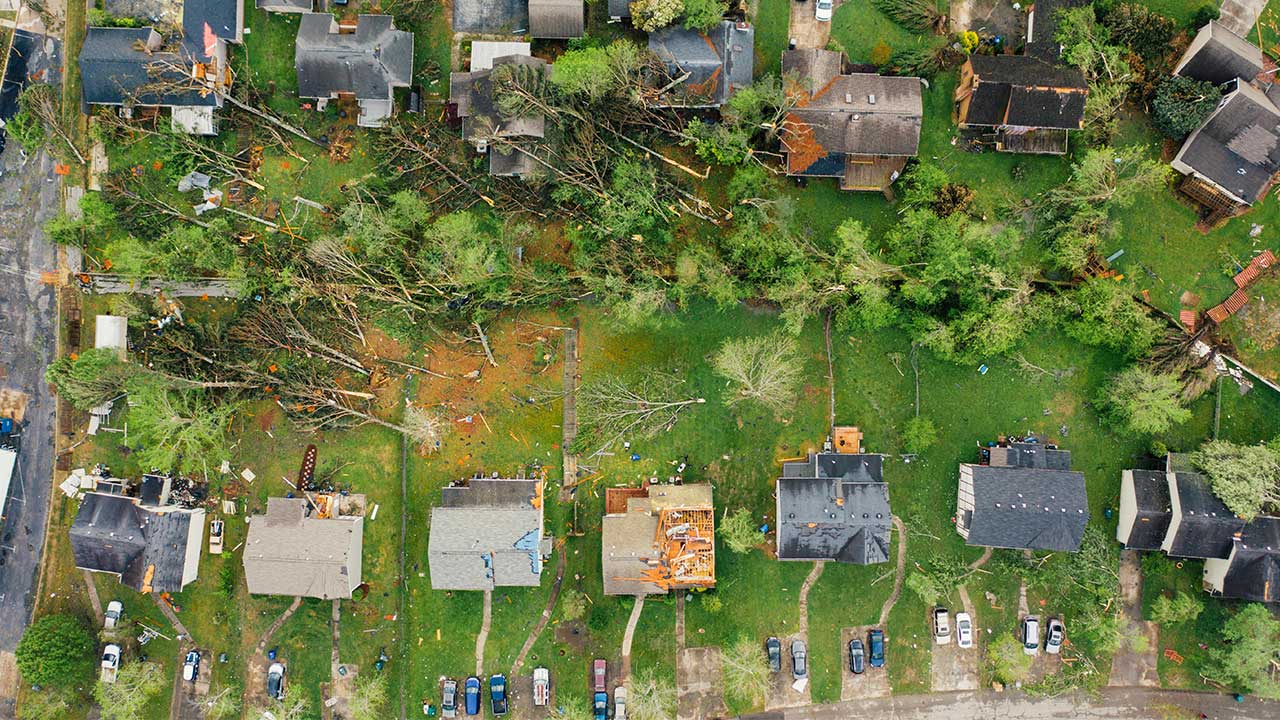
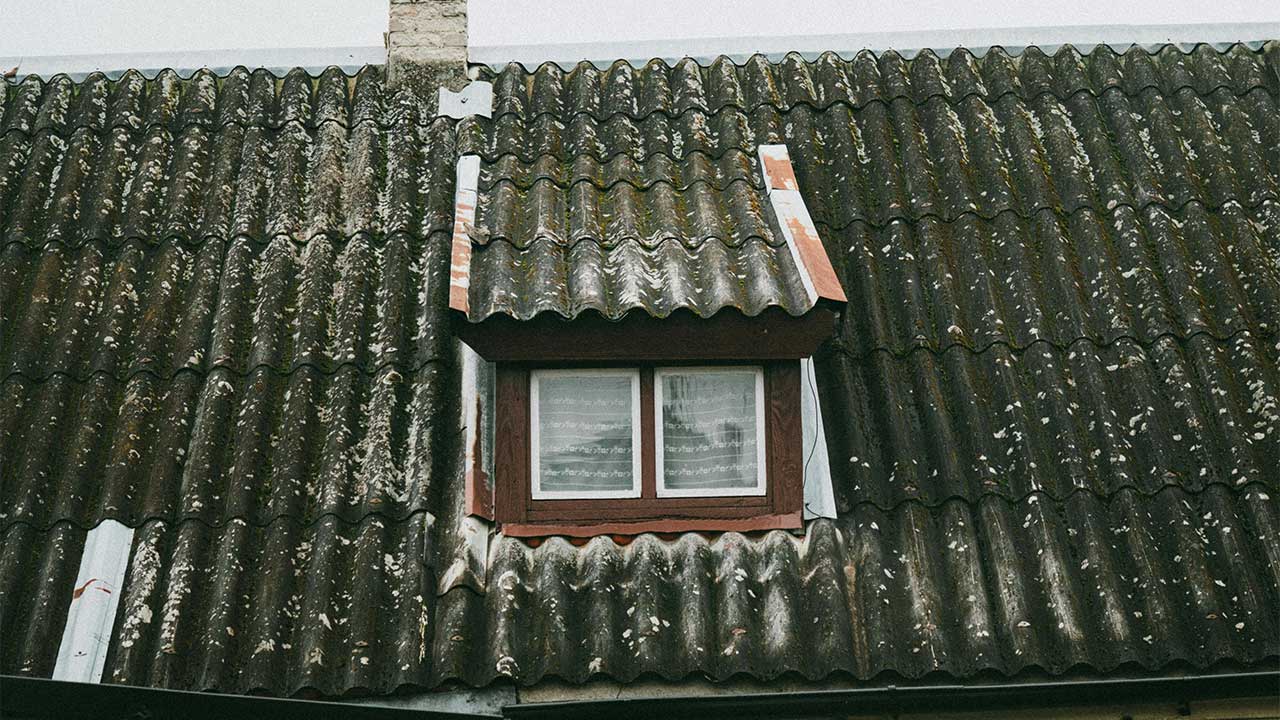
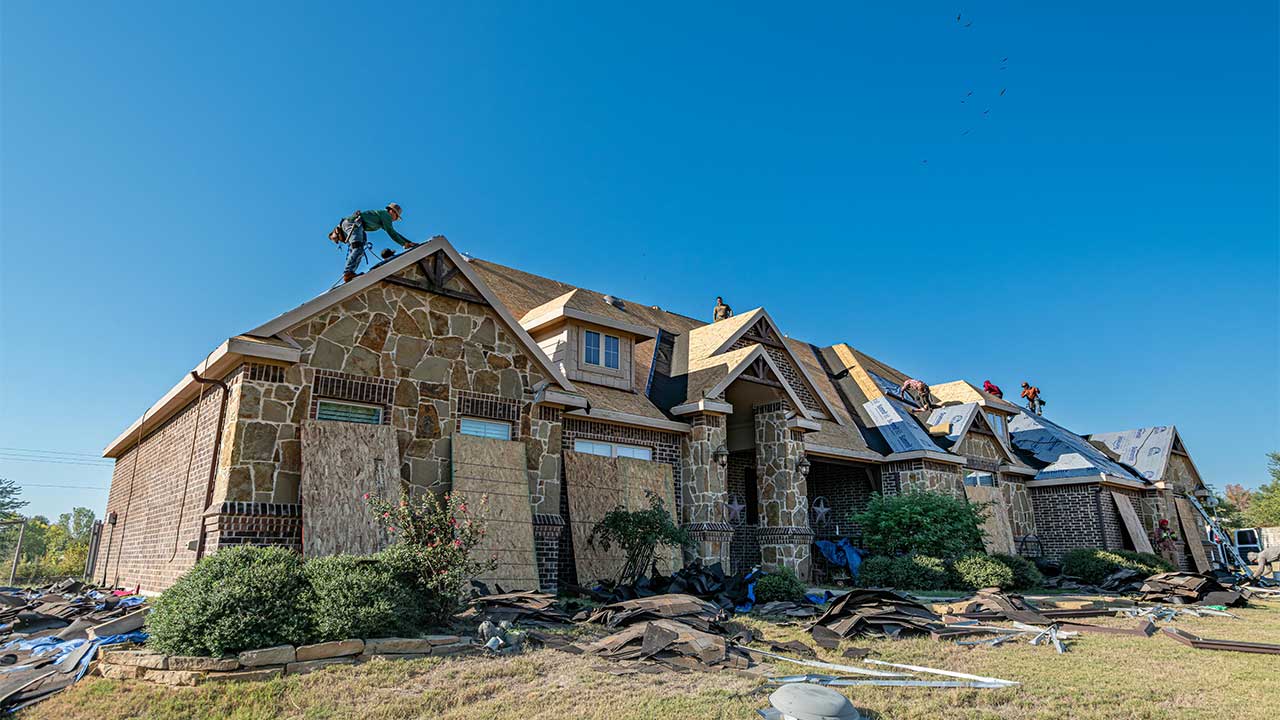
Hail size roof damage begins at surprisingly small dimensions for most Illinois homes. Standard asphalt shingles, which cover 80% of residential roofs, sustain significant damage from hail measuring just 1 inch in diameter.
Illinois experiences frequent hailstorms that create cumulative roof deterioration over time. Between 2012 and 2021, the state recorded 37 major hailstorms with total damage reaching $118.5 million across affected communities.
Key Takeaways
- Standard asphalt shingles sustain damage from hail measuring just 1 inch in diameter
- Illinois recorded 37 major hailstorms and $118.5 million in total hail damage between 2012 and 2021
- Emergency tarping should be deployed within 24 hours to prevent secondary water damage
- Class 4 impact-resistant materials significantly reduce future hail damage risk
- Professional assessment with photo documentation is essential for successful insurance claims
What Types of Roofs Are Common in Illinois and How Do They Respond to Hail?
Asphalt shingles dominate Illinois roofing due to affordability and ease of installation. Metal and tile alternatives offer superior hail resistance but require substantially higher upfront investment.
Homeowners in hail-prone regions face reduced roof lifespan regardless of material quality. Average asphalt shingle roofs last only 15 years in hail-prone Illinois areas compared to 22 years in western states with fewer severe weather events.
Asphalt Shingles and Their Vulnerability
Asphalt shingles account for 80% of residential roofing installations across Illinois. These materials typically last 20-30 years under normal conditions but degrade rapidly when exposed to repeated hail impacts.
Standard asphalt shingles show visible damage from 1-inch hail events. Replacement costs range from $5,900 to $12,900, depending on roof size and shingle grade.
Metal and Tile Roofing Durability
Metal roofing carries Class 3-4 hail ratings and resists impacts that destroy asphalt alternatives. These systems last 40-60+ years and cost 2-3 times more than standard asphalt installations.
Tile roofing exceeds 50 years of service life with exceptional durability against severe weather. Premium tile installations require a $20,000+ investment and structural reinforcement to support additional weight.
Urban Vs. Rural Roofing Material Preferences
Urban homeowners prefer asphalt or composite shingles for lower maintenance requirements and reflective properties. Rural property owners prioritize metal, tile, or slate materials that withstand severe weather without frequent replacement.
City dwellers seek cool roofing systems that reduce energy costs through solar heat reflection. Rural areas experience more direct storm exposure and select materials based on long-term durability rather than aesthetic trends.
What Are the Typical Sizes of Hail and How Do They Impact Roof Damage?
Understanding Illinois hail thresholds helps homeowners recognize when a professional assessment becomes necessary. Hail diameter directly correlates with damage severity and repair urgency across different roofing materials.
Small hailstones create gradual deterioration while larger ice spheres cause immediate structural compromise. Roof damage by hail progresses from surface granule loss to complete puncturing depending on stone size and impact velocity.
Minor Impact: Hail Smaller than 1 Inch
Hailstones smaller than 1 inch produce minimal visible damage during single storm events. Cumulative granule loss from multiple smaller storms gradually reduces shingle effectiveness and accelerates aging.
Pea-sized and nickel-sized hail typically causes surface impacts without penetrating protective layers. These minor impacts become problematic after years of repeated exposure in high-frequency storm zones.
Critical Threshold: 1-Inch Hail Damage on Asphalt Shingles
Quarter-sized hail at 1 inch in diameter represents the critical damage threshold for standard asphalt shingles. This size creates visible bruising, cracking, and granule displacement that warrants professional inspection.
Insurance claims become viable once hail reaches a 1-inch diameter with documented damage patterns. Homeowners should schedule assessments after any confirmed 1-inch hail event, regardless of visible ground-level damage.
Severe and Catastrophic Damage from Larger Hail
Golf ball-sized hail at 1.75 inches causes severe cracking, puncturing, and complete shingle failure. Structural damage occurs when hailstones exceed this size and penetrate multiple roof layers.
Tennis ball-sized hail and larger creates catastrophic damage requiring immediate emergency tarping. These extreme events necessitate a rapid response to prevent extensive interior water damage and mold growth from the exposed roof deck.
How Do Homeowners Identify and Assess Hail Damage on Their Roofs?
Post-storm inspection reveals damage patterns that indicate repair urgency and insurance claim viability. Ground-level visual assessment provides initial damage evaluation without risking personal safety on unstable surfaces.
Professional contractors provide comprehensive documentation through detailed photography and measurement protocols. These assessments establish damage extent for insurance adjusters and determine whether repair or replacement becomes necessary.
Visual Inspection Guidelines and Safety Tips
Never inspect damaged roofs during active storm conditions or immediately afterward when surfaces remain wet. Safe conditions include dry weather, stable temperatures, and daylight visibility for accurate damage assessment.
Ground-level inspections using binoculars identify obvious damage without climbing risks. Property owners should examine gutters, downspouts, and ground areas for granule accumulation and shingle fragments.
Signs of Cumulative Damage and Granule Loss
Granule loss appears as dark spots or exposed asphalt backing on shingle surfaces. Excessive granules accumulating in gutters and downspouts indicate accelerated weathering from repeated hail impacts.
Shingle edges showing curling or lifting suggest moisture infiltration beneath protective layers. These signs often develop gradually after multiple storm seasons rather than single catastrophic events.
When to Call a Professional for Assessment
Professional inspection becomes essential after any hailstorm producing 1-inch or larger stones. Contractors using comprehensive photo documentation provide evidence supporting insurance claims and repair recommendations.
Certified inspectors identify subtle damage invisible from ground level through close examination. A thorough roof inspection checklist documents all affected areas and provides detailed repair cost estimates.
What Emergency and Repair Services Are Common for Hail-Damaged Roofs?
Emergency response services prevent secondary damage following severe hail events across Illinois communities. Immediate tarping and temporary waterproofing protect home interiors until permanent repairs can be completed.
Long-term repair strategies include material upgrades to impact-resistant products that reduce future damage risk. Understanding Illinois insurance claims for roof damage helps homeowners maximize coverage benefits during restoration projects.
Immediate Response: Tarping and Temporary Repairs
Emergency tarping deployed within 24 hours prevents secondary interior water damage after severe hail events. Professional installation secures waterproof barriers over compromised roof sections until permanent repairs commence.
Temporary repairs last up to 90 days maximum before requiring permanent solutions or replacement. Emergency service costs range from $500 to $3,000, depending on damage extent and roof accessibility.
Hail Damage Repair and Insurance Claim Processes
Non-emergency repairs address isolated damage through targeted shingle replacement and flashing correction. These services cost $380 to $1,500 for localized repairs without full roof replacement.
Successful storm damage insurance claims require detailed documentation showing hail impact patterns and measurement data. Contractors experienced in insurance processes provide photo evidence and written assessments supporting claim approval.
Preventative Upgrades to Impact-Resistant Materials
Class 4 impact-resistant shingles withstand severe weather impacts that destroy standard asphalt products. These materials, rated for severe weather resistance, reduce future damage and may lower insurance premiums.
Upgrading to impact-resistant materials during hail damage repair provides long-term protection in high-frequency storm zones. Premium materials add initial cost but eliminate repeated repair expenses from subsequent hail events.
How Does Seasonality Affect Hail Damage Incidence and Roof Repair Demand in Illinois?
Spring and summer months bring peak hailstorm activity across Illinois communities. April through August represents the highest-risk period for severe convective storms producing damaging hail.
Seasonal demand fluctuations affect contractor availability and emergency response capacity during peak storm months. Storm safety standards require immediate assessment following confirmed hail events, regardless of seasonal timing.
Peak Hailstorm Months and Emergency Needs
Illinois experienced 37 major hailstorms between 2012 and 2021, with total recorded damage reaching $118.5 million. Spring months from April through May represent peak hailstorm season with maximum emergency inspection demand.
Summer continuation from June through August maintains an elevated severe weather risk requiring sustained emergency response capacity. Contractor scheduling becomes challenging during peak seasons when multiple communities experience simultaneous storm damage.
Seasonal Trends in Repair and Replacement
Non-catastrophic wind and hail claims grew from 17% in 2022 to 25% in 2024. This trend indicates an increasing frequency of moderate storms causing cumulative damage requiring professional intervention.
Fall transitions bring reduced hail risk but continued wind damage from late-season storms. Winter months shift focus toward ice dam prevention and wind damage repair in northern Illinois regions.
Long-Term Effects of Frequent Storms on Roof Lifespan
Repeated hail exposure significantly reduces expected roof lifespan even without catastrophic single events. Standard asphalt roofs in Illinois average 15 years compared to 22 years in western states with lower storm frequency.
Proactive roof maintenance between storm seasons identifies developing issues before they escalate into major failures. Regular inspection cycles help homeowners track cumulative damage and plan replacement timing strategically.
What Consumer Factors Influence Roofing Contractor Selection After Hail Damage?
Contractor experience and communication quality dominate homeowner selection criteria following storm damage. Trust and reputation outweigh price considerations when homeowners face major roofing investments after hail events.
Demographic preferences shape how different age groups research contractors and evaluate service options. Hurricane vs hail damage assessment requires specialized knowledge that experienced contractors demonstrate through consistent communication and transparent processes.
Importance of Trust, Reputation, and Communication
Contractor experience ranks as the chief concern for 51% of homeowners selecting repair services. Quality communication determines final contractor selection for 67% of homeowners, compared to similar companies.
Baby Boomers, representing 43% of the market, rely heavily on word-of-mouth referrals at 79%. These traditional referral patterns emphasize the importance of community reputation and long-term presence.
Role of Price Transparency and Online Information
Online pricing transparency attracts 85% of millennials, who represent 16% of the roofing market. Generation X homeowners, at 40% of the market, prefer online pricing at 78%, but compare multiple estimates before deciding.
Baby Boomers appreciate online pricing at 74%, but 60% still prefer phone communication for detailed discussions. Overall, 78% of consumers show an increased likelihood to contact companies providing transparent online pricing.
Demographic Preferences in Illinois Homeowners
Millennials comprise 16% of Illinois homeowners seeking roofing services with strong digital-first preferences. Generation X represents 40% of the market and values detailed comparison shopping across multiple contractors.
Baby Boomers account for 43% of roofing customers and maintain traditional communication preferences. Understanding these demographic splits helps contractors tailor communication strategies to diverse client expectations.
What Are the Cost Ranges and Material Considerations for Repairing Hail Damage?
Repair costs vary significantly based on the extent of damage and material selection during restoration. Budget-tier services address localized damage while premium options include complete replacement with upgraded materials.
Material selection affects both immediate repair costs and long-term protection against future storms. Insurance coverage helps offset replacement expenses that reached $31 billion nationally in 2024.
Budget to Premium Service Tiers
Budget-tier services ranging from $380 to $1,500 handle minor shingle replacement and small leak patches. Mid-range repairs from $1,500 to $5,000 address moderate damage through partial section replacement and flashing corrections.
Premium services exceeding $5,000 to $25,000+ include full roof replacement and structural repairs with upgraded materials. These comprehensive projects suit severe damage cases and property owners seeking long-term impact-resistant roofing solutions.
Material Lifespan and Impact Resistance
Asphalt shingles provide a 20-30 year lifespan at the lowest initial cost, but require replacement after severe hail damage. Metal roofing lasting 40-60+ years costs 2-3 times more but offers Class 3-4 hail resistance.
Tile roofing exceeds 50 years of service with premium durability at a $20,000+ installation cost. Material selection balances upfront investment against expected lifespan and frequency of future storm events.
Insurance Coverage and Replacement Costs
Roof repair and replacement costs reached $31 billion nationally in 2024, representing a 30% increase since 2022. Insurance claims processing requires detailed documentation showing damage patterns and the necessity.
Coverage maximization depends on thorough damage assessment and proper claim submission procedures. Experienced contractors guide homeowners through complex insurance requirements, ensuring full benefit recovery for covered damages.
Hail Size Thresholds and Roof Damage Implications in Illinois
Illinois homeowners face a consistent hail damage risk requiring informed preparation and rapid response strategies. One-inch hail represents the critical threshold where standard asphalt shingles sustain damage, warranting professional assessment and potential insurance claims.
Material selection significantly affects long-term damage resistance and total ownership costs across multiple storm seasons. Impact-resistant upgrades provide measurable protection, reducing future repair frequency and associated expenses.
Recognizing damage patterns and acting promptly prevents minor impacts from escalating into major structural failures. Professional documentation supports successful insurance claims while ensuring repairs meet manufacturer specifications for warranty protection.
Advanced Roofing Inc. has served Chicagoland communities for over 30 years, providing expert hail damage assessment and quality repair solutions. Our GAF Master Elite® certification demonstrates commitment to installation excellence and customer satisfaction across residential and commercial projects.
Hail Damage on Your Illinois Roof? Advanced Roofing Inc. Is Ready to Help.
If your home took a hit this storm season, don't wait for small damage to become a costly problem. Advanced Roofing Inc. has been inspecting and repairing hail-damaged roofs across Chicagoland for over 30 years. Our GAF Master Elite® certified team provides thorough assessments, photo documentation for insurance claims, and quality repairs backed by strong warranties. Protect your home from Illinois storm damage with expert assessment and proven repair solutions. Contact our team for a comprehensive roof evaluation and detailed restoration planning at Advanced Roofing Inc. today.