Key Takeaways
- Illinois averages 50 thunderstorm days and 35 tornadoes annually with August 2025 storms producing 3-inch diameter hail and 70 mph winds across Chicago metro, Rockford, and Champaign—emergency tarps provide 30-90 days temporary protection requiring prompt professional evaluation before failure.
- Class 4 impact-resistant shingles withstand 2-inch diameter hailstones without damage—insurance providers offer 10-30% premium reductions with discount paying for material upgrade within 5-8 years while delivering lifetime protection against Illinois' frequent severe weather.
- Emergency roof kits should include heavy-duty polyethylene tarps (minimum 12'x16'), galvanized fasteners, 2x4 lumber, safety equipment including harness and non-slip boots, and tools enabling immediate response, preventing thousands in additional water damage during critical post-storm hours.
- Illinois storm damage claims vary by type: wind damage averages $8,500-$12,000 (78% approval, 30-45 days processing), hail damage $6,000-$15,000 (82% approval, 45-60 days), ice dam $4,000-$8,000 (71% approval), and snow load $10,000-$25,000 (85% approval, 60-90 days).
- Emergency tarping typically costs $500-$2,000 depending on damage extent—obtain a minimum of three quotes comparing scope, materials, and credentials while avoiding storm chasers requiring full payment upfront who disappear after collecting deposits leaving substandard work and no recourse.
Illinois roofs face triple threats—violent spring and summer storms delivering catastrophic hail and wind, winter freeze-thaw cycles creating ice dams and structural stress, and year-round flood risks from extreme precipitation events. Understanding these regional hazards enables targeted emergency preparation preventing minor damage from escalating into total roof failure. Recent storm data reveals increasing intensity and frequency demanding proactive protection strategies.
How do hail, wind, and heavy rainstorms commonly damage Illinois roofing systems?
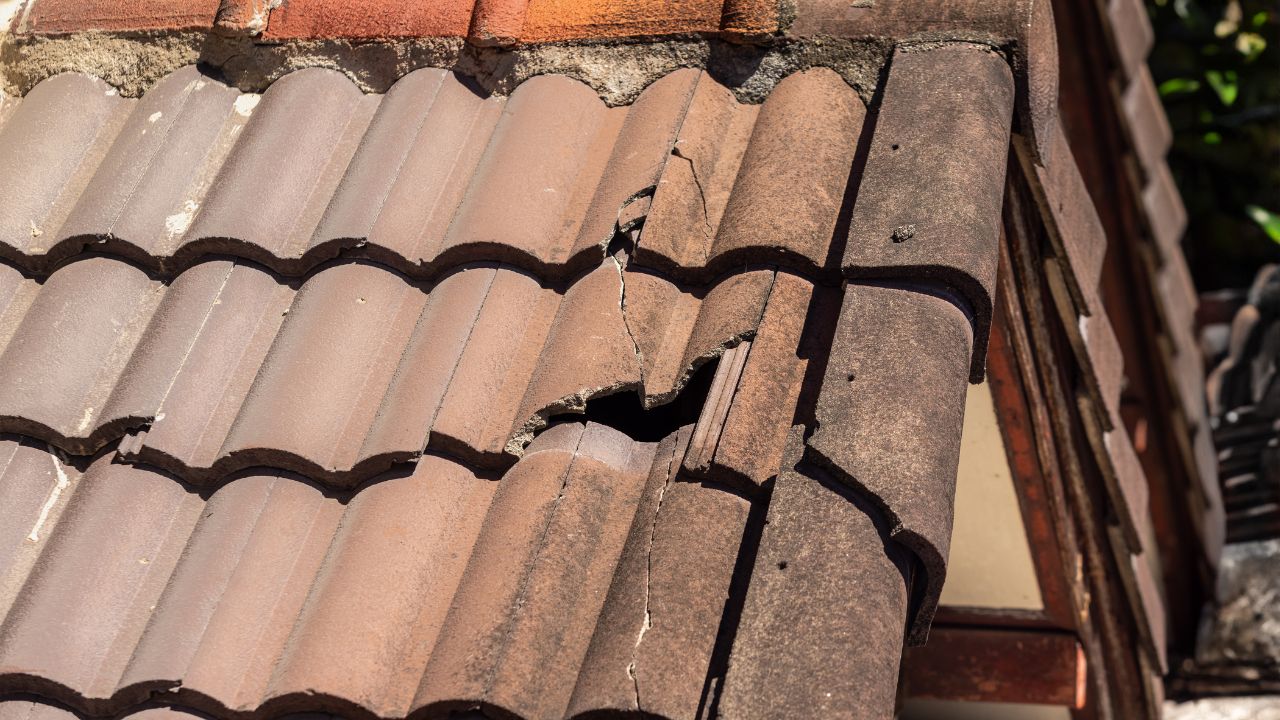
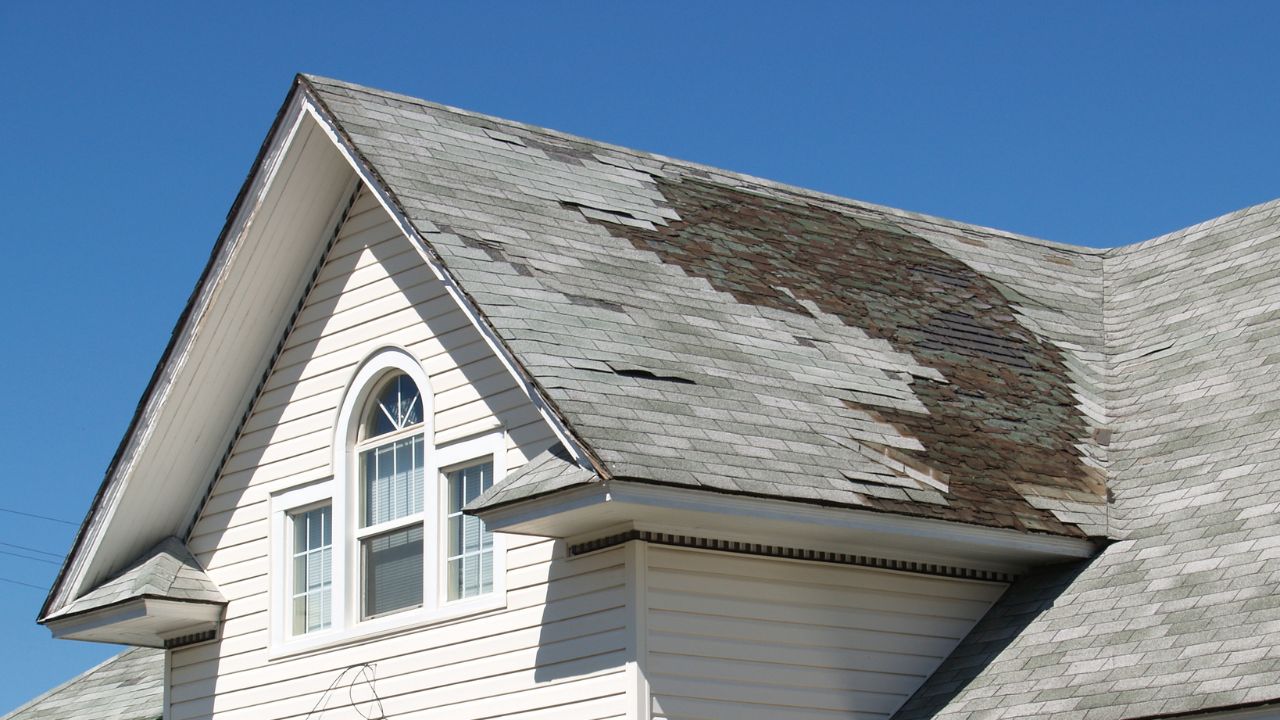
August 2025 storms produced 3-inch diameter hail and 70 mph winds across Chicago metro, Rockford, and Champaign—softball-sized hailstones cracked shingles, dented metal roofs, and created immediate leak pathways while wind gusts 62-85 mph caused wholesale shingle loss and structural damage from airborne debris. Wind uplift tears inadequately fastened shingles starting at edges and ridges where forces concentrate, with progressive peeling accelerating across entire roof planes. Combined hail-wind events prove most destructive: hail compromises waterproofing while simultaneous winds force water through fresh damage before temporary repairs possible—tornado touchdowns during August 2025 delivered both threats creating catastrophic failures requiring complete emergency tarping and expedited replacement.
Why do seasonal freeze–thaw cycles and snow loads cause long-term roof stress?
Ice dams form when under-roof temperatures exceed 30°F while outdoor air drops below 22°F—temperature differential melts snow on upper sections with runoff refreezing at cold eaves forcing water beneath shingles damaging ceilings, walls, structure, and insulation. Heat waves exceeding 90°F cause asphalt shingles expanding and contracting creating thermal stress, cracks, and premature wear over 15-20 year lifespans. Snow load weight stresses roof framing and fastener connections—prolonged accumulation can exceed structural design limits particularly on low-pitch sections. Ice dam prevention requires controlling heat loss through proper insulation and ventilation eliminating temperature differentials—reactive snow removal provides temporary relief but doesn't address underlying thermal management causing persistent formation.
Which Illinois regions face higher exposure to tornadoes, hail, or ice storms?
Illinois averages 50 thunderstorm days and 35 tornadoes annually—peak tornado activity concentrates April through June with northern and central Illinois experiencing highest hail frequencies during spring storm season. Flooding constitutes Illinois' single most damaging weather hazard causing $257 million annual losses ranking third nationally. Northern Illinois faces combined Great Lakes moisture and continental storm systems producing intense spring hailstorms, central Illinois sits in tornado alley where Gulf moisture meets Canadian air masses spawning severe thunderstorms, while southern Illinois experiences longer warm seasons extending exposure windows with higher precipitation totals increasing flood risks and moisture-related deterioration.
How Should Homeowners Assess Roof Vulnerability Before Storm Season?
Pre-storm vulnerability assessment identifies weaknesses before weather strikes—understanding material limitations, age-related deterioration, and hidden structural problems enables targeted reinforcement preventing catastrophic failures. Systematic inspection of exterior surfaces, attic conditions, and critical waterproofing components reveals repair priorities maximizing storm survival. Annual pre-season evaluation costs nothing but delivers early warning preventing emergency repairs costing thousands.
What materials and roof ages are most susceptible to wind uplift or impact damage?
New slate resists high winds exceptionally while roofs exceeding 50 years rarely survive severe hailstorms—age determines vulnerability as weathering weakens bonding and freeze-thaw cycles create micro-fractures reducing impact resistance. Metal roofs lasting 40-70 years offer superior protection versus wood but require fastener inspections as thermal expansion loosens connections. Asphalt shingles become brittle after 15-20 years losing flexibility necessary for absorbing hail impacts—curling, granule loss, and edge lifting signal replacement urgency. Assess material condition honestly: cosmetic aging indicates underlying structural weakness—proactive replacement costs less than emergency repairs plus interior water damage remediation.
How can an attic inspection reveal hidden water intrusion or ventilation issues?
Inspect ceilings and walls for water stains indicating roof leaks—attic access reveals active leaks as damp insulation, water staining on rafters, or visible daylight through penetrations impossible detecting from exterior inspections. Check attic insulation adequacy preventing heat loss causing ice dam formation. Inadequate ventilation creates condensation saturating insulation, promotes mold growth, and accelerates decking deterioration—look for soffit vent blockages, verify ridge vent functionality, and ensure balanced intake-exhaust airflow. Pre-storm attic inspection enables structural assessment—sagging rafters, split decking, or compromised framing signal immediate professional evaluation before additional storm loading causes catastrophic failures.
Why should flashing, gutters, and sealants be checked ahead of severe weather?
Flashing and seals around chimneys, vents, and skylights constitute primary leak pathways when compromised—failed flashing allows water bypassing shingle protection directly contacting underlayment turning minor seepage into torrential intrusion during storms. Clean gutters ensure proper drainage—debris accumulation causes water backing onto roof edges infiltrating beneath starter courses. Clogged gutters increase ice dam severity by preventing meltwater drainage forcing pooling until freeze point reached. Spring pre-storm inspection enables repair completion before April-June severe weather season peaks, while fall inspection addresses summer heat damage and prepares drainage systems for snow melt management—this twice-yearly rhythm aligns maintenance with Illinois' seasonal threat profiles.
What Preventive Measures Strengthen Roofs Before Severe Weather Strikes?
Proactive reinforcement prevents storm damage more effectively and economically than emergency repairs—strengthening vulnerable components before weather arrives protects investments and prevents cascading failures. Three critical upgrades deliver maximum protection: enhanced fastening systems resisting wind uplift, impact-rated materials surviving hail bombardment, and optimized drainage preventing water intrusion. Strategic pre-season improvements cost less than single emergency repair while providing decades of protection.
How do improved fasteners, ridge caps, and seal strips enhance wind resistance?
Enhanced fastening substitutes standard 4-nail shingle attachment with 6-nail patterns increasing pull-through resistance by 40-50%—especially critical on roof edges, ridges, and hip sections where wind forces concentrate highest. Ridge cap reinforcement using premium starter strips and specialized adhesives prevents progressive peeling beginning at peaks cascading downslope. Seal strips applied beneath shingle tabs provide backup adhesion when factory sealant proves insufficient—particularly important for fall installations lacking warm weather necessary activating thermal adhesives before winter storms.
Consider hurricane straps and structural clips connecting roof framing to walls—these reinforcements prove invaluable during tornado-force winds and severe thunderstorm downbursts increasingly common across Illinois.
When should homeowners install impact-rated shingles or ice-and-water barriers?
Class 4 impact-resistant shingles withstand 2-inch diameter hailstones without damage—insurance providers offer 10-30% premium reductions for Class 4 installations with discount paying for material upgrade within 5-8 years while delivering lifetime protection. Install impact-rated materials before storm season when replacement becomes necessary—don't downgrade to conventional shingles saving $500-$1,000 upfront only facing $8,000-$15,000 hail damage claims. Ice-and-water barrier installation proves critical along eaves, valleys, and penetrations extending minimum 3 feet beyond interior wall line preventing ice dam infiltration. Barrier application during any roof work costs minimally but delivers maximum insurance—skipping this protection saves $200-$400 upfront risking $5,000-$15,000 interior water damage when ice dams form.
Why is gutter cleaning and drainage setup critical before the spring and fall storm cycles?
Clean gutters and downspouts ensure proper drainage preventing water backups—debris accumulation blocks flow causing overflow onto fascia boards, beneath shingle edges, and against foundations creating multiple failure points during heavy precipitation. Spring cleaning removes winter accumulation before April-June tornado and hail season when drainage capacity proves most critical. Fall cleaning prepares systems for winter snow melt and ice dam prevention—clear gutters enable proper drainage during warming periods preventing backup causing ice dam formation. Quarterly gutter maintenance costs $100-$200 annually preventing thousands in water damage—this simple preventive measure protects roof edges, foundations, and interior spaces from moisture intrusion during Illinois' year-round precipitation challenges.
How Can Homeowners Build an Illinois-Specific Roof Emergency Kit?
Pre-assembled emergency kits enable immediate response when storms strike—having materials, tools, and documentation readily accessible prevents delays worsening damage during critical first hours after weather events. Illinois' unpredictable severe weather demands preparation spanning tornado season through winter ice storms. Complete emergency kits cost $300-$500 but prevent thousands in additional damage when deployed quickly.
What should every emergency roof kit include—tarps, cap nails, sealant, and safety gear?
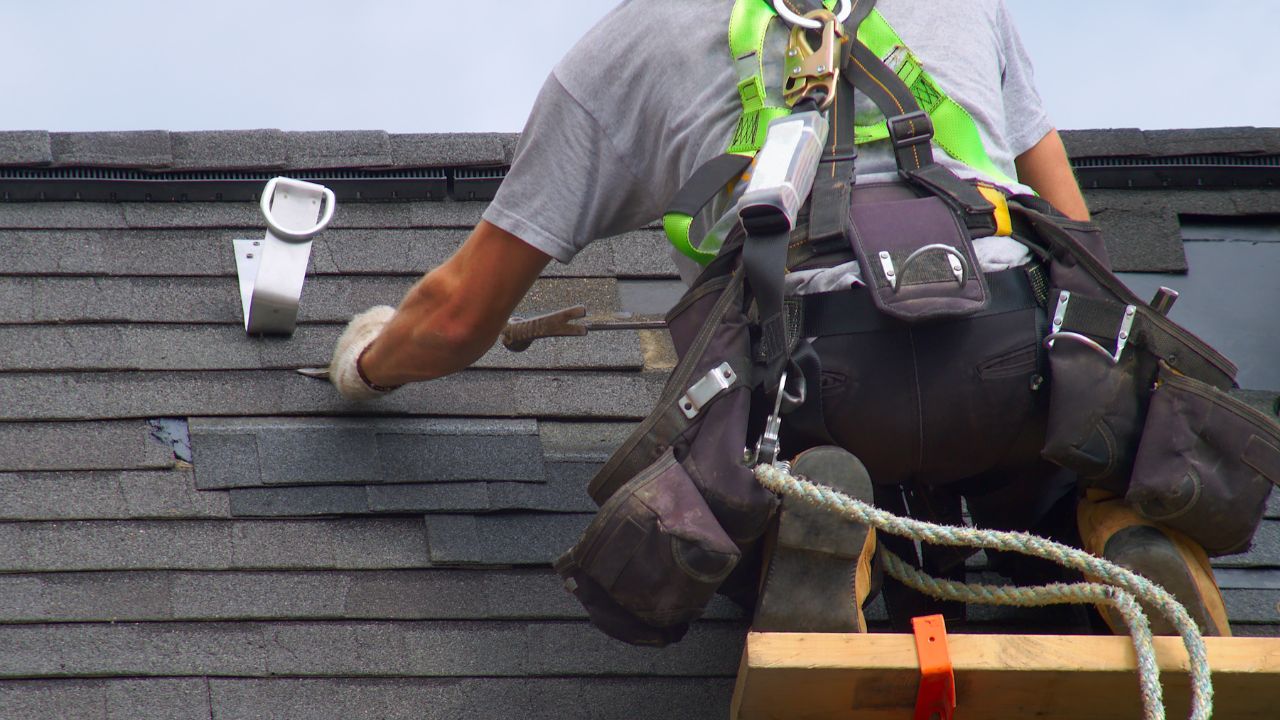
Essential materials include heavy-duty polyethylene tarps (minimum 12'x16'), 2x4 lumber boards, galvanized roofing nails/screws, sandbags or water weights, rope or bungee cords, and safety equipment including harness and non-slip boots. Required tools complete emergency response capability: roof rake, hammer and cordless drill, utility knife, properly-rated ladder, flashlight or headlamp, and measuring tape. Store a complete kit in an accessible location—garage or basement storage prevents searching during emergency conditions. Check kit annually replacing degraded tarps, corroded fasteners, or depleted consumables. Safety equipment proves non-negotiable: harness prevents falls, non-slip boots maintain traction on wet surfaces, and work gloves protect hands during high-stress deployment.
Which digital tools and documents should be backed up for insurance and claims?
Take clear time-stamped photos and videos documenting storm damage—focus on missing shingles, water leaks, and debris impacts providing evidence supporting claims and establishing pre-repair conditions. Document undamaged roof condition before storm season—pre-event photography establishes baseline proving damage resulted from specific weather event versus pre-existing deterioration. Backup essential documents to cloud storage: insurance policy declarations, contractor estimates, prior inspection reports, warranty certificates, and property purchase documentation. Store contractor licenses, insurance certificates, and prior work documentation refuting insurer arguments attributing damage to poor workmanship or deferred maintenance. Time-stamp all documentation—verify smartphone settings enabled before storm season ensuring proof when damage occurred relative to weather events and claim filing deadlines.
Why does keeping contractor and insurance contacts on hand speed emergency response?
Pre-identified contractor and insurance contacts eliminate critical delays during post-storm chaos—emergency response windows measure in hours not days when roofs compromised during afternoon storms require tarping before overnight rain arrives 6-12 hours later. Pre-vetted contractor list prevents hiring storm-chasing scammers appearing immediately after disasters—established relationships with licensed insured contractors ensure quality emergency work. Insurance contact readiness includes policy numbers, agent direct lines, 24-hour claims hotlines, and adjuster assignment procedures—many insurers impose strict 48-72 hour reporting deadlines risking claim denials for late notice. Program contacts into multiple phones and write physical backup lists stored with emergency kit—cellular networks often overload during widespread disasters preventing smartphone access.
How Should You Perform Emergency Roof Protection Safely?
Emergency roof protection requires a systematic approach balancing immediate water intrusion prevention against worker safety—rushing repairs during dangerous conditions causes injuries while delaying response allows escalating damage. Five critical steps transform chaos into controlled response minimizing loss until permanent repairs are possible. Proper sequencing ensures each action builds upon previous creating comprehensive temporary protection.
Step 1 – How should you identify active leaks and contain indoor water intrusion?
When water flows into house structure during an emergency, create channels through ice dams allowing trapped water draining off roof—use buckets and towels preventing water spreading while roof-level drainage solutions address source. Locate active leak points by tracing ceiling stains to highest concentration—water travels along rafters and decking before dripping making visible damage offset from actual breach location. Interior water management proves critical during active storms when exterior work is impossible—position collection containers beneath all drip points, use plastic sheeting channeling water toward containers, and relocate valuables from affected areas. Monitor attic during rainfall identifying multiple breach points requiring separate tarp coverage—single visible ceiling leak may result from several roof penetrations with water converging during travel through structure.
Step 2 – How do you safely install temporary tarps or covers during clear weather?
Begin tarp installation at roof peak rolling over damaged area ensuring minimum 4-foot extension past leak or hole on all sides—secure upper edge using wood strips nailed through tarp into roof creating weathertight seal at highest point. Lay tarps ensuring complete coverage without gaps or sagging where water pools—stretch tight and secure remaining sides with additional wood strips spaced 12-18 inches apart preventing wind-driven flapping. Weighted anchors work best for flat or low-slope roofs where penetrating fasteners risk creating additional leak points—space weights evenly every 3-4 feet. Eliminate wrinkles and flaps catching wind—smooth tarp working from center outward before final fastening ensures wind forces distribute across the entire surface. Install only during clear weather with dry surfaces—wet conditions create slip hazards while moisture beneath tarps promotes mold growth.
Step 3 – When should you secure loose shingles or flashing using temporary sealant?
Apply temporary sealant to loose shingles and lifted flashing immediately after storm when conditions permit safe roof access—use roofing cement or polyurethane sealant applying generous beads beneath lifted shingle tabs and along separated flashing edges. Focus on critical areas: roof edges where wind uplift concentrates, valleys channeling concentrated water flow, and penetrations including vents and chimneys where flashing failures cause disproportionate leakage. Avoid over-reliance on sealant alone for major damage—large missing sections, structural failures, or extensive shingle loss require tarping regardless of sealant application. Document all temporary repairs with photos showing extent and methods—insurance adjusters need a clear record of emergency measures taken demonstrating policyholder's duty mitigating loss after initial event.
Step 4 – How do you reinforce gutters, vents, and exposed areas to prevent further damage?
Reinforce damaged gutters using temporary brackets preventing complete detachment—secure loose gutter hangers, add supplemental support using wire or rope tied to stable components, and clear debris ensuring whatever flow capacity remains functions optimally. Cover damaged vents and exposed penetrations using tarp material and sealant—these openings admit wind-driven rain even when field shingles remain intact. Inspect roof edges for lifted drip edge or fascia separation—wind-damaged edge components compromise water shedding allowing infiltration behind gutters. Check exposed decking where shingles completely removed—cover with tarp material even if underlayment appears intact as prolonged UV and moisture exposure rapidly degrades felt or synthetic barriers. Prioritize areas receiving direct weather exposure—south and west faces, upper roof sections, and anywhere trees or structures provide insufficient protection.
Step 5 – What steps should you take to ensure temporary repairs meet insurance standards?
Emergency roof tarping constitutes a temporary protective measure preventing further damage until permanent repairs—document all emergency work with photos before, during, and after installation supporting insurance claims and demonstrating damage mitigation efforts. Never complete permanent repairs before insurer approval—completing work before adjuster inspection may result in reimbursement denial as the insurer cannot verify damage extent after completion. Photograph tarp installation showing coverage extent, fastening methods, and overlap dimensions—detailed documentation proves reasonable emergency response. Save receipts for all materials purchased—tarps, fasteners, lumber, and sealants constitute recoverable expenses under most policies. Contact insurance provider immediately after emergency work completion describing temporary measures taken, estimated costs incurred, and permanent repair needs identified maintaining claim momentum.
What Temporary Roofing Materials Are Best for Illinois Weather Conditions?
Material selection determines temporary protection effectiveness—inferior products fail within days while quality materials withstand weeks of exposure enabling orderly permanent repair scheduling. Illinois' extreme weather spanning summer heat, winter cold, and year-round high winds demands materials exceeding minimum standards. Proper material choice prevents emergency tarps becoming secondary damage sources through failures during subsequent storms.
How do reinforced polyethylene tarps perform under high wind or rain conditions?
Choose UV-resistant waterproof heavy-duty polyethylene tarps extending minimum 3 feet beyond damaged areas—heavy-duty UV-resistant materials maintain integrity 30-90 days while standard lightweight tarps disintegrate within 7-14 days under Illinois sun exposure. Hurricane Barrier Mesh Tarps offer superior wind protection with 95% shade closure weave allowing controlled air and rain passage while blocking debris—mesh technology proves valuable for large damaged areas where solid tarps create dangerous wind sails risking detachment. Reinforced edge grommets spaced 18-24 inches enable secure fastening distributing stress across the entire perimeter. Quality tarps cost $50-$150 more than bargain alternatives but eliminate repeated installation labor and prevent additional damage from mid-term failures.
Why is it important to use non-corrosive fasteners and UV-resistant sheeting?
Galvanized roofing nails and screws resist corrosion during prolonged moisture exposure—standard fasteners rust within days creating staining, structural weakness, and eventual failure requiring tarp repositioning. UV-stabilized tarps maintain flexibility and tear resistance throughout 60-90 day typical protection periods while untreated polyethylene becomes brittle under sunlight cracking along stress lines. Thickness specifications matter: minimum 12-mil material for short-term 30-day protection, 16-20 mil for extended 90-day installations. False economy purchasing cheap tarps guarantees replacement costs, additional labor, and potential property damage from failures—specify commercial-grade materials accepting higher upfront costs for reliable performance throughout entire temporary protection period.
When should ice-and-water shield membranes be used instead of standard tarps?
Shrink wrap protection offers catastrophic water damage prevention—large plastic membranes shrink tightly conforming to roof contours using heat application with seams heat-welded creating a water-tight seal, with some installations guaranteed year or longer costing $3.50-$6.00 per square foot. Use ice-and-water shield membranes instead of tarps when damage concentrates in valleys, eaves, or penetration zones where conventional tarps prove difficult securing—self-adhering membranes conform to irregular surfaces creating watertight barriers without mechanical fasteners. Consider membrane solutions for winter damage requiring protection through spring when permanent repairs are impossible due to temperature limitations—adhesive-backed shields maintain bond integrity through freeze-thaw cycling better than mechanically-attached tarps. Professional shrink wrap installation justifies premium costs $1,500-$3,000 when permanent repairs are delayed months.
When Should Homeowners Call an Emergency Roofing Contractor?
Professional intervention becomes necessary when damage severity, weather conditions, or safety limitations exceed homeowner capabilities—attempting repairs beyond skill level or during dangerous conditions causes injuries and worsens damage. Understanding decision triggers enables appropriate contractor engagement balancing DIY savings against professional expertise requirements. Post-storm contractor demand surges quickly—early calls secure services before qualified contractors fully booked addressing widespread damage.
How soon after a storm should a certified Illinois roofer inspect the property?
Schedule professional roof inspection immediately after severe weather events—call contractors within 24 hours securing inspection appointments before overwhelming demand creates week-long waits, as roof tarps provide temporary solutions lasting typically 30 days requiring prompt professional evaluation and permanent repair scheduling. Always call a professional roofing contractor when conditions make DIY tarping unsafe: damage severity creates fall hazards, deteriorating weather threatens worker safety, or lack of proper safety equipment prevents secure operations. Severe damage including structural compromise, large breach areas exceeding 100 square feet, or multi-plane failures demand immediate professional response. Contact emergency roofing services for after-hours storm response when active leaks threaten property—premium emergency rates prove economical versus ruined ceilings, flooring, and furnishings from overnight exposure.
What credentials, licenses, and insurance coverage should you verify?
Verify Illinois contractor licenses, liability insurance certificates, and workers compensation coverage before authorizing emergency work—unlicensed or uninsured contractors create liability exposing homeowners to injury lawsuits and substandard work requiring expensive corrections. Request contractor license numbers checking status through Illinois Department of Financial and Professional Regulation—active licenses indicate minimum competency while suspended licenses signal illegal operations. Liability insurance protects homeowners when contractor errors cause additional property damage with minimum $1 million coverage standard. Check contractor reviews through Better Business Bureau, Google, and industry association listings. Post-storm environments attract unlicensed "storm chasers" offering suspiciously low prices—these operators disappear after collecting deposits. Prefer established local contractors with physical addresses and documented project histories.
How can you compare quotes to ensure you're not overpaying for temporary service?
Obtain minimum three quotes for emergency tarping services comparing scope, materials, labor rates, and response timing—emergency tarping typically costs $500-$2,000 depending on damage extent and roof accessibility with prices exceeding this range requiring justification. Detailed quotes specify tarp square footage, material specifications (mil thickness, UV rating), fastening methods, and labor hours—vague estimates indicate unprofessional operations. Beware quotes requiring full payment upfront—legitimate contractors accept deposits (typically 25-50%) with balance due upon completion. Compare material specifications across quotes—contractors substituting lightweight tarps create failures requiring repeated service calls costing more than quality initial installation. Balance cost against credentials and reviews—cheapest quote from unlicensed contractor proves expensive when work fails or creates legal liabilities.
How Do You File and Track a Storm Damage Insurance Claim in Illinois?
Insurance claims processing determines financial recovery from storm damage—proper documentation, timely filing, and understanding adjuster evaluation criteria maximize reimbursement while preventing denial. Illinois processes over 32,000 annual storm-related roof claims averaging $4,000-$25,000 depending on damage type. Systematic approach to claims management ensures fair settlement covering both emergency protection and permanent repairs.
What documents and photos should you submit to support your claim?
Take clear time-stamped photos and videos documenting storm damage—focus on missing shingles, water leaks, and debris impacts providing visual evidence supporting claim amount before repairs begin. Photograph systematically: wide shots establishing overall damage extent, close-ups showing specific failures, interior water staining proving infiltration, and debris field correlating damage to weather events. Submit complete documentation package including: incident date and weather event description, comprehensive photo and video evidence, professional inspection reports, emergency repair receipts, contractor estimates for permanent repairs, and prior roof condition documentation. Illinois storm damage claims data reveals approval rates and timelines varying by damage type: wind damage (15,200 annual claims, $8,500-$12,000 average, 78% approval, 30-45 day processing), hail damage (12,800 claims, $6,000-$15,000, 82% approval, 45-60 days), ice dam (3,400 claims, $4,000-$8,000, 71% approval, 30-45 days), and snow load (1,200 claims, $10,000-$25,000, 85% approval, 60-90 days).
How do adjusters evaluate hail and wind damage during on-site inspections?
Adjusters assess damage patterns, extent, and proportionality—hail damage appears as gun-shot holes in slate tiles directly proportional to wind speed and hail size, while wind damage concentrates on high-wind sides though the entire roof likely sustained trauma. Insurance companies typically don't discriminate against older slate roofs—adjusters rarely depreciate slate tile roofs during claims processing recognizing 100+ year service life means minimal depreciation even for 50+ year installations. Provide adjusters with maintenance records, prior inspection reports, and installation documentation supporting proper care—demonstrated maintenance counters arguments attributing damage to neglect versus covered weather events. Accompany adjusters during inspection pointing out all damage areas including less obvious failures—items not documented during initial inspection become difficult adding to claims later.
When can homeowners request code-compliance upgrades under Illinois law?
Illinois building codes evolve requiring upgraded materials and methods exceeding standards applicable when original roofs installed—homeowners can request code-compliance upgrades during storm damage repairs when existing systems fail meeting current requirements. Many insurance policies include code upgrade coverage (also called "ordinance or law coverage") paying additional costs bringing repairs into current compliance. Common upgrades include enhanced ice-and-water barrier coverage, improved ventilation systems, upgraded fastening patterns, and impact-resistant materials. Review policy declarations identifying ordinance or law coverage limits—typical policies provide 10-25% of dwelling coverage for code upgrades. Request code compliance reviews when damage extent triggers substantial repair or replacement—repairs affecting 50%+ of roof area may require bringing the entire system to current code. Include upgrade costs in initial claim estimates preventing homeowner surprise expenses when code upgrades prove mandatory for permit approval.
How Can You Protect Roofs from Future Severe Weather Events?
Long-term protection requires transitioning from reactive emergency response to proactive prevention—consistent maintenance habits, seasonal inspection protocols, and environmental controls eliminate vulnerabilities before weather exploits weaknesses. Understanding roof-specific requirements and Illinois' unique climate challenges enables targeted interventions delivering decades of reliable performance. Prevention costs prove a fraction of emergency repairs while preserving property value and insurance eligibility.
What long-term maintenance habits prevent leaks and premature wear?
Schedule annual inspections plus additional checks after major storms identifying damaged or displaced materials—early detection prevents minor issues escalating, becoming increasingly critical as roofs age beyond 15-20 years. Trim overhanging branches maintaining minimum 6-foot clearance eliminating shade promoting biological growth while preventing wind-whipped limbs striking surfaces. Clean roof surfaces using gentle cleaning solutions and soft brushes removing dirt, algae, and moss growth—biological growth holds moisture accelerating degradation. Quarterly gutter cleaning ensures proper drainage preventing water backup infiltrating beneath edge protection. Document all maintenance activities with dated photos establishing care history supporting insurance claims. Replace worn materials proactively when inspections reveal approaching end-of-life conditions—spending $500-$2,000 on targeted repairs prevents $15,000-$40,000 emergency replacements.
Why is semi-annual inspection (spring and fall) essential in Illinois climates?
The National Roofing Contractors Association recommends routine inspections twice annually in spring and fall—Illinois homeowners should follow this schedule addressing extreme weather fluctuations from scorching summers to freezing winters creating year-round roof stress. Spring inspections catch winter damage before April-June tornado and hail season peaks, while fall inspections identify summer heat degradation preparing systems for winter freeze-thaw challenges. Material-specific schedules reflect durability differences—slate's century lifespan permits longer professional intervals while maintaining homeowner visual checks, asphalt's 20-30 year expectancy demands annual professional evaluation, and metal's 40-70 year durability allows moderate intervals.
How do trees, drainage, and attic ventilation reduce future roof stress?
Trim overhanging branches maintain minimum 6-foot clearance preventing shingle damage and debris accumulation—wind-whipped limbs strike surfaces causing immediate impact damage while dropped leaves create moisture-retention layers accelerating biological growth and material degradation. Proper attic ventilation prevents moisture buildup and heat retention—inadequate airflow allows humidity condensing on cold surfaces during winter promoting mold growth, while trapped summer heat accelerates shingle aging. Ice dams prevention requires controlling heat loss—follow or exceed state code requirements for ceiling and roof insulation levels eliminating temperature differentials. Ensure zero air leakage from house into attic space—even small gaps allow warm moist air creating condensation and localized melting patterns. Balanced intake and exhaust ventilation maintains attic temperatures within 10-15°F of outdoor conditions preventing snow melt-refreeze cycles while removing moisture before condensation occurs.
What Should a Long-Term Roof Protection Plan Include?
Comprehensive protection planning transforms reactive crisis management into systematic prevention—documented maintenance schedules, seasonal intervention timing, and material-specific care protocols deliver predictable performance and cost control. Long-term planning enables budgeting for anticipated replacements avoiding emergency financing during crisis conditions. Insurance providers reward proactive maintenance through favorable rates and claim treatment recognizing reduced risk from disciplined care.
How do annual inspections, fastener checks, and sealant renewals reduce future costs?
Annual inspections identify small cracks, leaks, and worn shingles before minor problems escalate—yearly professional assessment catches deterioration requiring $200-$800 repairs preventing $5,000-$15,000 emergency replacements following storm exploitation of unaddressed weaknesses. Metal roofs require fastener checks every 2 years as thermal expansion gradually loosens connections—retightening costs $150-$400 versus $3,000-$8,000 panel replacements when wind uplift tears improperly secured sections. Sealant renewal addresses predictable degradation—caulks protecting penetrations degrade after 5-7 years requiring reapplication. Calculate 10-year costs: emergency-only management averages $15,000-$25,000 through crisis repairs and premature replacement, while systematic maintenance totals $3,000-$6,000. Prevention ROI exceeds 400% through avoided emergency premiums, reduced material waste, and extended service life.
When should professional maintenance be scheduled before high-risk seasons?
Schedule professional inspection before winter catching issues early—fall timing proves ideal as harsh summer sun passes enabling repairs completion before winter weather arrives preventing snow and ice complications. Fall inspections identify summer storm and heat damage allowing repair scheduling during favorable September-October conditions when contractors maintain availability and temperatures support proper material installation—asphalt shingles require 40°F+ temperatures for proper sealing, sealants need warmth for adhesion, and frozen conditions prevent proper fastener seating. Pre-season scheduling secures contractor availability at standard rates—waiting until emergency needs arise forces accepting premium pricing and extended delays. Book fall inspections by August ensuring September-October completion before weather window closes and contractor schedules fill.
Why does a proactive roof plan improve home safety and insurance eligibility?
Insurance providers consider slate reliable due to fire, rot, and insect resistance—standard policies cover sudden damage from storms but exclude wear and tear from aging or maintenance neglect with documented proactive maintenance proving damage resulted from covered peril versus excluded gradual deterioration. Denied claims frequently cite inadequate maintenance allowing minor problems progressing into major failures—systematic care records refute these denials supporting full reimbursement. Proactive plans improve home safety preventing catastrophic failures—unexpected roof collapse from snow loading or progressive water damage threatens life safety. Insurance eligibility depends on demonstrating reasonable care—carriers nonrenew policies following multiple claims or properties showing neglect patterns. Some insurers offer premium discounts 5-15% for impact-resistant materials, recent roof replacements, or documented maintenance programs delivering immediate savings plus long-term protection.
What Is the Final Illinois Roof Protection Checklist for Severe Weather?
Comprehensive preparedness requires verifying three critical readiness categories—documentation systems enabling rapid insurance response, physical emergency supplies supporting immediate damage control, and established communication networks accelerating professional intervention. Complete this checklist annually before storm season and update immediately following any roof work or material changes. Systematic verification transforms abstract preparation into concrete readiness measurable through specific completion criteria.
Have inspection records and photos been stored for emergency reference?
Document property condition before storm season arrives—sophisticated contractors photograph everything around the house including existing damage and breakable items establishing baseline proving what damage resulted from specific weather events versus pre-existing conditions. Store comprehensive photographic records digitally with cloud backup ensuring accessibility when physical records destroyed—include roof condition from multiple angles, interior ceilings and attic spaces, surrounding landscaping and structures, and all mechanical penetrations and flashing details.
Organize inspection reports chronologically—professional assessments, contractor invoices, material warranties, and maintenance logs constitute evidence supporting insurance claims and demonstrating responsible ownership. Backup insurance policy declarations, contractor licenses and insurance certificates, emergency contact lists, and property ownership documentation to multiple locations—physical copies in fireproof safe plus digital versions on cloud storage and external drives. Update records immediately after any roof work, storm events, or material changes—current documentation proves most valuable when adjusters question damage timing or causation.
Is your 72-hour emergency kit stocked and easily accessible to your family?
A complete emergency roof kit enables immediate response, preventing damage escalation during critical hours following storm events—verifying materials and tools present, functional, and accessible without searching during crisis conditions.
Required Materials:
- Heavy-duty polyethylene tarps (12'x16' minimum)
- 2x4 lumber boards for securing
- Galvanized roofing nails/screws
- Sandbags or water weights
- Rope or bungee cords
- Safety equipment (harness, non-slip boots)
Essential Tools:
- Roof rake
- Hammer/cordless drill
- Utility knife
- Properly-rated ladder
- Flashlight/headlamp
- Measuring tape
Store kit in an accessible location—garage or basement placement prevents searching through damaged areas during an emergency. Inspect kit annually replacing degraded tarps, corroded fasteners, or depleted consumables—expired materials fail exactly when needed most. Verify ladder functionality and weight rating, test cordless drill battery charge, replace flashlight batteries, and confirm tarp grommets intact without tears. Family members should know kit location and basic deployment procedures—emergency response shouldn't depend on single individual's availability. Consider supplemental supplies for extended outages: additional tarps for multiple damage sites, extra fasteners compensating for installation errors under stress, backup lighting when primary systems fail, and first aid supplies addressing minor injuries during emergency work.
Have you confirmed contractor contacts, insurance readiness, and safe access routes?
Pre-identified contractor and insurance contacts eliminate critical delays during post-storm chaos—verify contractor contact information current including office and mobile numbers, after-hours emergency lines, email addresses, and physical business locations. Test contact numbers annually confirming working status—disconnected numbers during emergencies waste precious response time. Maintain backup contractor lists—second and third options prevent paralysis when primary choices are overwhelmed. Confirm insurance readiness: policy numbers programmed into phones, agent direct lines accessible, 24-hour claims hotlines verified, and adjuster assignment procedures understood.
Program all contacts into multiple family members' phones plus written backup list stored with emergency kit—cellular network overload during disasters prevents smartphone access. Establish safe property access routes identifying hazards: overhead power lines, unstable trees, unsecured structures, and flooded areas. Communicate access plans with contractors enabling rapid emergency response—clear instructions about gate codes, locked areas, and preferred staging zones accelerate deployment when minutes matter, preventing additional water intrusion damage.
Partner With Advanced Roofing for Complete Illinois Storm Protection and Emergency Response
Advanced Roofing understands Illinois severe weather demands specialized emergency preparedness—our teams respond within hours providing professional tarping, damage assessment, and insurance documentation preventing minor breaches escalating into catastrophic failures. We maintain fully-stocked emergency response vehicles, certified crews trained in safe high-wind procedures, and established relationships with insurance adjusters accelerating claims processing. Our comprehensive approach spans pre-storm vulnerability assessments identifying weaknesses before weather strikes, immediate post-storm emergency protection, and permanent repairs using impact-rated materials withstanding future Illinois hail, wind, and snow challenges.
Contact Advanced Roofing today for emergency roof protection planning—schedule pre-season vulnerability assessment identifying repair priorities before April-June tornado season or fall freeze-thaw preparations ensuring winter readiness. Don't wait until emergency strikes when contractor availability disappears and premium pricing applies—proactive partnerships deliver standard rates, priority scheduling, and established communication channels enabling rapid response. Our emergency hotline operates 24/7 providing immediate dispatch for active leaks and storm damage requiring urgent intervention. Schedule your inspection now—Illinois' next severe weather event approaches whether you're prepared or not, and Advanced Roofing ensures your roof survives whatever storms bring throughout year-round exposure to Midwest's most challenging climate conditions.