Storm damage often reveals itself inside your home before exterior signs become obvious. Interior roof damage signs, such as water stains, sagging ceilings, and mold growth, provide critical early warnings that allow Illinois homeowners to address problems before structural issues develop. Understanding what to look for during an inside roof inspection enables property owners to document damage properly for insurance claims and prioritize repairs.
Illinois experiences some of the largest hailstones recorded in the Midwest, combined with severe wind events that frequently cause roof failures. The state's extreme seasonal temperature variations create additional stress through thermal shock, ice dam formation, and snow accumulation. Regular interior monitoring after storm events forms an essential component of comprehensive property maintenance for homeowners throughout the Fox Valley and Greater Chicagoland area.
Key Takeaways
- Water stains, sagging drywall, and mold growth indicate roof leaks requiring immediate attention
- Interior inspections within 24 to 48 hours after storms prevent secondary damage like structural deterioration
- Attic spaces reveal hidden roof damage patterns before they spread to living areas
- Interior damage signs correlate directly with specific exterior roof failures caused by hail and wind
- Professional assessments using thermal imaging uncover hidden moisture that visual checks miss
What Are Common Interior Indicators of Roof Storm Damage?
Interior water damage signs include discoloration, sagging drywall, and mold growth. These visible indicators appear when storm damage creates openings in the roof system that allow moisture penetration. The severity and location of interior damage patterns help determine the extent of roof failure and guide repair priorities.
Different types of roof failures produce distinct interior damage signatures. Recognizing these patterns allows homeowners to communicate effectively with inspectors and insurance adjusters. Early detection through systematic interior checks prevents minor leaks from becoming major structural problems.
How to Identify Water Stains and Discoloration
Water stains typically appear as yellow, brown, or copper-colored rings on ceilings and walls. These roof leak indicators develop when moisture seeps through roofing materials and saturates drywall or plaster. Fresh stains often feel damp and may darken existing discoloration patterns.
The size and shape of water stains reveal important information about leak severity and duration. Small, circular stains usually indicate minor penetrations around fasteners or flashing, while large, irregular patterns suggest widespread shingle failure. Stains that expand after each rain event confirm active leaks requiring urgent, fast, and reliable roof leak repairs for Illinois homeowners.
What Does Sagging Drywall Reveal About Roof Leaks?
Sagging drywall indicates prolonged water exposure that has saturated the gypsum core and weakened structural integrity. This condition develops when roof leaks remain undetected for weeks or months, allowing continuous moisture accumulation. Sagging sections often precede complete ceiling collapse if the weight from trapped water exceeds the drywall's load capacity.
Bulging or bowing ceiling surfaces require immediate professional assessment to prevent sudden failure. The affected drywall must be removed and replaced after addressing the underlying roof damage. Ignoring sagging conditions leads to delayed repair consequences, including mold proliferation and structural beam deterioration.
How Can Mold Growth Signal Hidden Roof Damage?
Mold growth signals hidden roof damage by appearing in areas with sustained moisture exposure above 60% humidity. Black, green, or white fungal colonies develop on ceiling surfaces, attic sheathing, and insulation when leaks create ideal growth conditions. Mold spreads rapidly in warm, dark environments, making attic spaces particularly vulnerable after storm events.
Musty odors often precede visible mold colonization in concealed areas. Professional mold remediation becomes necessary when growth covers more than 10 square feet. Addressing the underlying roof penetration remains essential because surface cleaning without leak repair provides only temporary relief.
Why Is Interior Inspection Critical After Illinois Storms?
Interior inspection is critical after Illinois storms because hidden damage accelerates if left undetected. Comprehensive storm damage interior checks identify problems before they compromise structural components or create health hazards. Early detection saves Illinois homeowners significant remediation costs and preserves property value.
The state's severe weather patterns demand vigilant post-storm monitoring. Hail events, high winds, and heavy precipitation occur with increasing frequency, particularly during spring and summer months. Property owners who conduct systematic interior assessments gain documentation advantages when filing insurance claims.
What Are the Risks of Delayed Interior Damage Detection?
Delayed interior damage detection allows secondary problems like mold to develop unchecked in concealed spaces. Water penetration creates ideal conditions for fungal growth within 24 to 48 hours. Mold colonies spread through HVAC systems and compromise indoor air quality, potentially triggering respiratory issues.
Postponing inspections also reduces insurance claim success rates as damage evidence becomes harder to link to specific storm events. Many policies require notification within one year of the incident, but older damage may be excluded. Timely interior checks provide the photographic documentation and timeline clarity needed for claim approval.
How Does Interior Damage Affect Structural Integrity?
Interior damage affects structural integrity by weakening load-bearing components through moisture exposure and wood rot. Water infiltration saturates roof decking, rafters, and trusses, reducing their capacity to support weight. This deterioration progresses silently behind finished surfaces until structural collapse or severe water intrusion becomes imminent.
Compromised framing members require immediate reinforcement or replacement to prevent catastrophic failure during subsequent snow loads. Ceiling joists exposed to prolonged moisture lose up to 80% of their original strength. Professional structural assessments identify safety issues that visual surface inspections cannot detect.
How Does Illinois Weather Influence Interior Roof Damage?
Illinois weather influences interior roof damage through seasonal extremes that stress roofing systems year-round. Spring and summer risks include high winds, heavy rain, and hail that can lift shingles and create impact craters. These warm-season storms produce the most visible damage requiring immediate documentation.
Fall and winter conditions create different challenges through thermal shock, ice dams, and snow accumulation stress. Rapid temperature fluctuations cause expansion and contraction cycles that separate flashing and open seams. Ice dams force meltwater under shingles, creating interior leaks that appear far from the actual roof penetration point.
What Interior Areas Should Illinois Homeowners Prioritize?
Illinois homeowners should prioritize attics, ceilings, and penetration points during interior damage assessments. These locations reveal the earliest signs of roof failure before visible damage spreads to living spaces. Systematic inspection of vulnerable areas provides comprehensive documentation for insurance purposes and repair planning.
Focusing inspection efforts on high-risk zones increases detection efficiency and identifies hidden problems. Moisture naturally migrates to specific building components based on roof slope and drainage patterns. Understanding these water travel paths helps homeowners locate damage origin points rather than just visible symptoms.
Why Inspect Attics for Roof Damage Signs?
Inspecting attics for roof damage signs reveals hidden leaks, water stains, mold, and rot before they affect living spaces. Attic spaces provide direct access to the underside of the roof decking where moisture penetration first appears. This Illinois homeowners' guide emphasizes that regular attic checks catch problems early when repairs remain manageable.
Look for dark streaks on sheathing, damp insulation, and light penetration through the roof deck during daylight. Proper ventilation should prevent moisture accumulation, so condensation patterns may indicate ventilation failures compounding storm damage. Attic inspections complement exterior assessments by confirming the interior extent of visible roof failures.
How to Examine Ceilings and Walls for Leaks
Examine ceilings and walls for leaks by looking for discoloration, texture changes, and paint deterioration. Start inspections at the highest floor and work downward, as water follows gravity through building cavities. Use a moisture meter to detect elevated readings in seemingly dry areas adjacent to visible stains.
Pay particular attention to ceiling-wall intersections where water often pools after running along framing members. Peeling paint, bubbling texture, or soft spots indicate active moisture problems requiring source identification. Document findings with photographs that include reference points for insurance adjusters.
What to Look for Around Vents, Chimneys, and Skylights
Look for water stains, deteriorated sealant, and daylight gaps around vents, chimneys, and skylights during interior inspections. These roof penetrations rely on flashing systems that fail more frequently than surrounding shingle fields. Leaking around the chimney often creates stains on adjacent walls and ceilings before the problem becomes obvious.
Examine penetration points from inside attic spaces where flashing connections attach to the roof decking and framing. Missing sealant, corroded metal, or separated joints allow water entry during wind-driven rain events. Skylights show damage through condensation between glass panes, frame separation, or water pooling on interior sills.
How Do Interior Signs Correlate With Exterior Roof Damage?
Interior signs correlate with exterior roof damage by revealing specific failure patterns caused by storm impacts. Water stains directly below ridge vents indicate cap damage, while ceiling leaks near walls suggest compromised step flashing. Understanding these relationships helps property owners communicate damage extent effectively during roof inspection checklists in Illinois.
Interior damage locations provide critical clues about exterior problem areas requiring immediate attention. Systematic correlation between inside symptoms and outside causes improves repair accuracy and prevents recurring leaks.
What Are the Visible Exterior Damage Patterns Linked to Interior Issues?
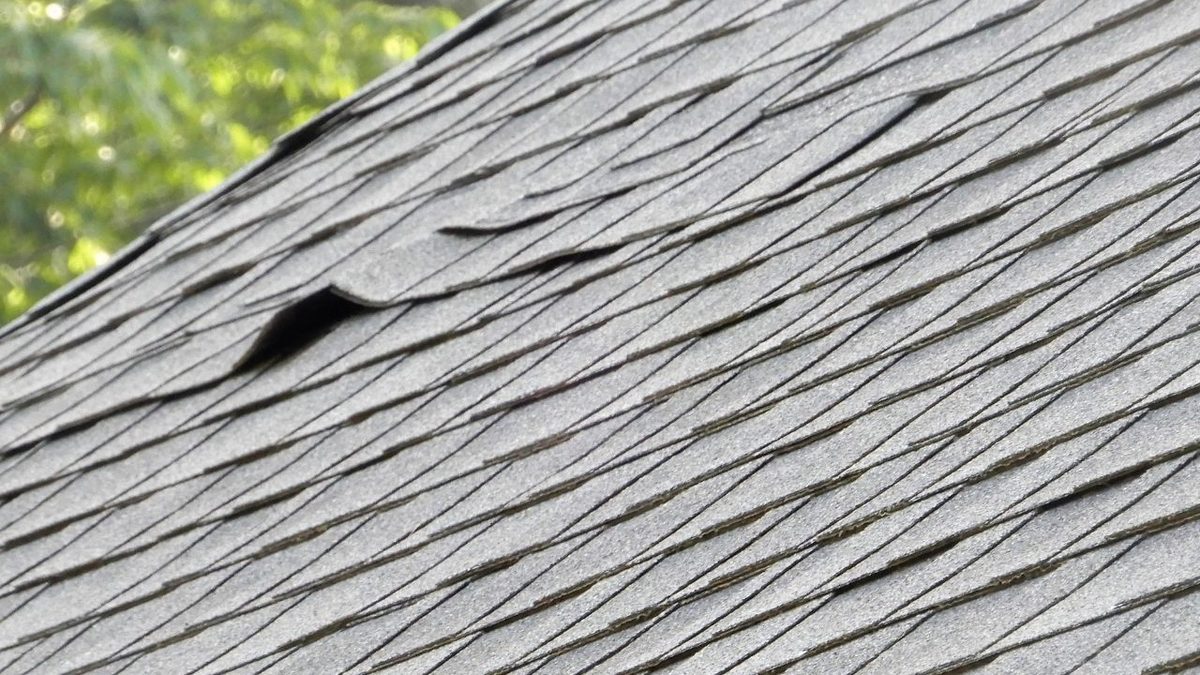
Visible exterior damage patterns linked to interior issues include missing shingles above water stains and dented flashings near penetration leaks. Impact craters from hail create mat depressions that allow water pooling and eventual penetration. Lifted shingle tabs expose underlayment to direct precipitation, causing stains directly below affected areas.
Damaged valleys concentrate water flow and produce interior leaks along ceiling seams where roof planes intersect. Storm-damaged ridge caps allow water entry that travels down both roof slopes, creating stains far from the origin point.
How Do Hail and Wind Damage Manifest Inside the Home?
Hail and wind damage manifests inside the home through ceiling punctures, widespread water staining, and sudden leak development. Large hailstones create impact holes that penetrate shingles, underlayment, and occasionally roof decking, causing immediate interior water entry. Wind-lifted shingles allow rain infiltration across broad areas, producing multiple ceiling stains after a single storm.
Wind-driven debris can puncture roofing materials and create obvious entry points visible from interior attic inspections. The largest hailstones recorded in the Midwest exceed two inches in diameter, generating sufficient impact force to crack asphalt shingles.
How Can Interior Inspection Complement Drone and Aerial Assessments?
Interior inspection complements drone and aerial assessments by confirming suspected damage and revealing moisture infiltration invisible from above. Drone roof inspections provide detailed exterior documentation but cannot detect water stains, mold growth, or structural deterioration hidden inside. The drone roof inspection market is projected to reach $889.2 million globally by 2035 at a 14.4% CAGR.
Standard drone inspections cost $150 to $400, while infrared thermal imaging ranges from $400 to $600 for residential properties. Thermal cameras detect temperature differentials caused by moisture but require interior verification to assess damage severity. Combining aerial exterior surveys with thorough interior checks provides comprehensive documentation that strengthens insurance claims.
When and How Should Homeowners Conduct Post-Storm Interior Checks?
Homeowners should conduct post-storm interior checks within 24 to 48 hours after major storm events. Immediate assessment allows documentation of fresh damage before conditions change and prevents secondary deterioration. Systematic interior inspections following severe weather form an essential component of property protection for Illinois residents.
Proper timing and methodology ensure complete damage detection while evidence remains clear. Delayed inspections complicate insurance claims and allow minor problems to escalate.
What Is the Best Timing for Interior Inspections After a Storm?
The best timing for interior inspections after a storm is within 24 to 48 hours following severe weather. This window allows immediate damage documentation while preventing secondary problems like mold establishment in damp materials. Quick response ensures insurance adjusters can correlate damage with specific documented storm events.
Some leaks appear only during or immediately after precipitation, then dry before becoming obvious during later inspections. Finding hidden roof leaks after harsh Illinois winters requires checking vulnerable areas while moisture remains detectable.
What Tools and Methods Aid Thorough Interior Damage Identification?
Tools and methods that aid thorough interior damage identification include moisture meters, thermal cameras, and bright flashlights for attic inspections. Moisture meters detect elevated readings in materials that appear dry visually, revealing hidden water penetration. Infrared cameras highlight temperature differentials caused by wet insulation and structural components.
High-lumen flashlights illuminate dark attic spaces and reveal water stains, mold growth, and damaged sheathing. Document findings with smartphone cameras using timestamp features for insurance verification. Maintain inspection checklists that systematically cover all vulnerable areas to prevent overlooking critical damage indicators.
When Should Professionals Be Called for Interior Roof Damage Assessment?
Professionals should be called for interior roof damage assessment when homeowners detect water stains, mold growth, or structural concerns. Certified inspectors provide unbiased evaluations with detailed documentation that insurance companies accept as authoritative evidence. Professional assessment becomes essential when the extent exceeds obvious surface signs or involves potential safety hazards.
Schedule professional inspections for properties over 15 years old after any significant storm event. Experts identify subtle damage patterns that untrained observers miss and correlate interior symptoms with specific exterior failures.
What Are Common Mistakes to Avoid During Interior Roof Damage Checks?
Common mistakes to avoid during interior roof damage checks include relying solely on surface observations and ignoring minor indicators. Superficial assessments miss hidden damage developing behind finished surfaces. Thorough inspections require systematic examination of attic spaces, penetration points, and structural components.
Homeowners often underestimate damage severity or delay professional evaluation after detecting initial warning signs. Early problems like small water stains indicate larger issues requiring immediate investigation.
Why Is It Risky to Rely Solely on Visual Surface Inspection?
Relying solely on visual surface inspection is risky because hidden damage may be missed with basic visual assessments. Moisture penetrates behind drywall, within insulation, and into structural framing, where surface examination cannot detect problems. Basic assessments may not uncover deterioration patterns that compromise structural integrity before obvious symptoms appear.
Experienced inspectors use moisture detection equipment and thermal imaging to reveal problems invisible to casual observation. Wood rot develops inside enclosed cavities and weakens load-bearing members without external evidence until failure occurs.
How Can Ignoring Minor Interior Signs Cause Larger Problems?
Ignoring minor interior signs causes larger problems by allowing water infiltration to continue unchecked into structural components. Small water stains indicate active roof penetrations that worsen with each precipitation event. What begins as cosmetic ceiling discoloration progresses to saturated insulation, wood rot, and eventual structural failure.
Minor moisture issues create ideal conditions for rapid mold colonization within 48 hours. Fungal growth spreads through HVAC systems and building cavities, requiring extensive professional remediation costing thousands.
What Are the Limitations of DIY Interior Roof Damage Assessment?
Limitations of DIY interior roof damage assessment include the inability to detect moisture in concealed building cavities without specialized equipment. Homeowners lack thermal imaging cameras and moisture meters that reveal hidden water saturation patterns. Without professional training, property owners often cannot distinguish between old inactive stains and new damage requiring immediate attention.
Insurance adjusters frequently question amateur documentation that lacks technical detail and systematic methodology. Professional reports provide defensible evidence with industry-standard terminology that carries weight during claim negotiations.
How Do Interior Damage Assessments Support Insurance and Repair?
Interior damage assessments support insurance and repair by providing comprehensive documentation that validates claims and guides restoration priorities. Detailed interior findings establish damage timelines connecting visible problems to specific storm events. This evidence proves essential during claim negotiations and helps property owners maximize their coverage.
Professional interior assessments identify all damage requiring repair, preventing oversight of problems that could complicate future claims. Systematic documentation creates a permanent record showing property condition before and after storm events.
What Documentation Is Needed for Insurance Claims?
Documentation needed for insurance claims includes photographs of all damage, written descriptions with dates, and professional inspection reports. Timestamp photos showing water stains, ceiling damage, and attic moisture provide visual evidence linking problems to recent storms. Detailed written descriptions explain how interior symptoms correlate with exterior roof failures.
Professional inspection reports deliver technical credibility that strengthens claim justification and expedites approval processes. Include moisture meter readings, thermal images, and systematic checklists documenting all affected areas.
How to Use Interior Findings to Prioritize Repairs
Use interior findings to prioritize repairs by addressing active leaks and structural concerns before cosmetic restoration begins. Stop ongoing water infiltration first to prevent secondary deterioration while planning comprehensive repairs. Detailed documentation with photographic evidence guides prioritized repair recommendations based on safety and damage progression risk.
Structural issues like compromised framing require immediate attention, even if interior cosmetic damage appears minor. Prioritize repairs at penetration points like chimneys and skylights where failures affect multiple interior areas.
What Role Do Certified Inspectors Play in Damage Validation?
Certified inspectors play a critical role in damage validation by providing unbiased assessments with professional credibility that insurers recognize. Credentials from organizations like NRCIA or Haag demonstrate specialized training in identifying storm damage patterns and correlating interior symptoms with exterior failures. Their reports carry weight during insurance negotiations and dispute resolution.
Certified professionals adhere to industry standards and ethical codes that ensure thorough, honest evaluations without contractor bias. They identify damage that general contractors might overlook or underestimate during free promotional inspections.
Interior Roof Damage Signs Illinois Homeowners Should Monitor to Protect Their Property
Regular monitoring of interior roof damage signs protects Illinois properties from progressive deterioration and expensive emergency repairs. Systematic post-storm interior checks combined with professional assessments create comprehensive protection strategies for homeowners throughout Chicagoland. Understanding how to identify water stains, structural concerns, and hidden moisture problems enables early intervention when repairs remain manageable.
Illinois weather patterns demand vigilant property maintenance practices that extend beyond basic visual exterior surveys. Interior symptoms often provide the earliest and most reliable evidence of roof system failures requiring immediate attention. Homeowners who establish routine inspection protocols and respond promptly to warning signs preserve their property value and avoid catastrophic damage.
Advanced Roofing Inc. has served Illinois homeowners for over 30 years, helping families protect their most significant financial investments. Combining thorough interior assessments with exterior inspections and professional documentation ensures complete storm damage evaluation.
Schedule Your Post-Storm Interior Roof Inspection With Advanced Roofing Inc.
Illinois storms move fast — and so does the damage they leave behind. Water stains, attic moisture, and compromised framing rarely fix themselves. The longer these problems go unaddressed, the more expensive they become.
Advanced Roofing Inc. has helped Chicagoland homeowners protect their homes for over 30 years. Our certified inspectors document interior and exterior storm damage thoroughly — giving you the professional report you need to move forward with repairs and insurance claims.
Contact our team to request a free inspection online. We serve Yorkville, Oswego, Naperville, Aurora, Geneva, Batavia, St. Charles, and the surrounding Fox Valley communities.