Timing is everything: A $400-$500 repair becomes a $12,000-$50,000 problem within 6-12 months when ignored. Mold colonization begins within 24-48 hours of water exposure.
Flashing failures dominate: 80% of all roof leaks stem from flashing problems, requiring professional expertise. DIY "quick fixes" with caulk consistently fail and void warranties.
Illinois weather accelerates damage: Freeze-thaw cycles compress typical damage timelines, making immediate action even more critical in Midwest climates.
Prevention costs pennies on the dollar: Fall gutter cleaning prevents ice dams, fascia rot, and foundation damage, addressing three major failure points with one maintenance task.
Secondary damage multiplies costs: Water doesn't stay localized; it spreads through insulation, structural members, electrical systems, and foundations, turning roofing issues into whole-house problems.
Every Illinois homeowner faces a critical decision when they discover a roof leak: act immediately or wait. That choice determines whether you'll spend hundreds or tens of thousands of dollars. The harsh reality of Midwest weather is that small problems don't stay small. Freeze-thaw cycles, ice dams, and temperature extremes accelerate damage exponentially, turning minor leaks into structural catastrophes within months.
This guide examines small roof leak consequences and the true cost of delayed roof repairs, backed by industry data, real Illinois case studies, and expert insights. You'll learn exactly what happens when water penetrates your roof's defenses, why timing matters more in Illinois than anywhere else, and how to protect your home's most critical asset from preventable damage.
What Is A Roof Leak, And Why Should You Fix It Quickly?
A roof leak is any penetration that allows water into your home's structure. In Illinois, freeze-thaw cycles accelerate damage by expanding water in small crevices, rapidly turning minor issues into structural failures. Professional roof repair prevents exponential cost escalation; every day of delay allows water to saturate more materials, spread to additional systems, and compound repair complexity.
The difference between a $400 repair and a $14,500 catastrophe is often measured in weeks, not years. Water infiltration begins destroying materials within 24-48 hours, and Illinois weather intensifies this timeline through continuous temperature swings that cycle between melting and refreezing.
Common Causes of Roof Leaks:
Improper flashing installation - The leading cause of roof leaks (80% of all leaks are due to flashing failures)
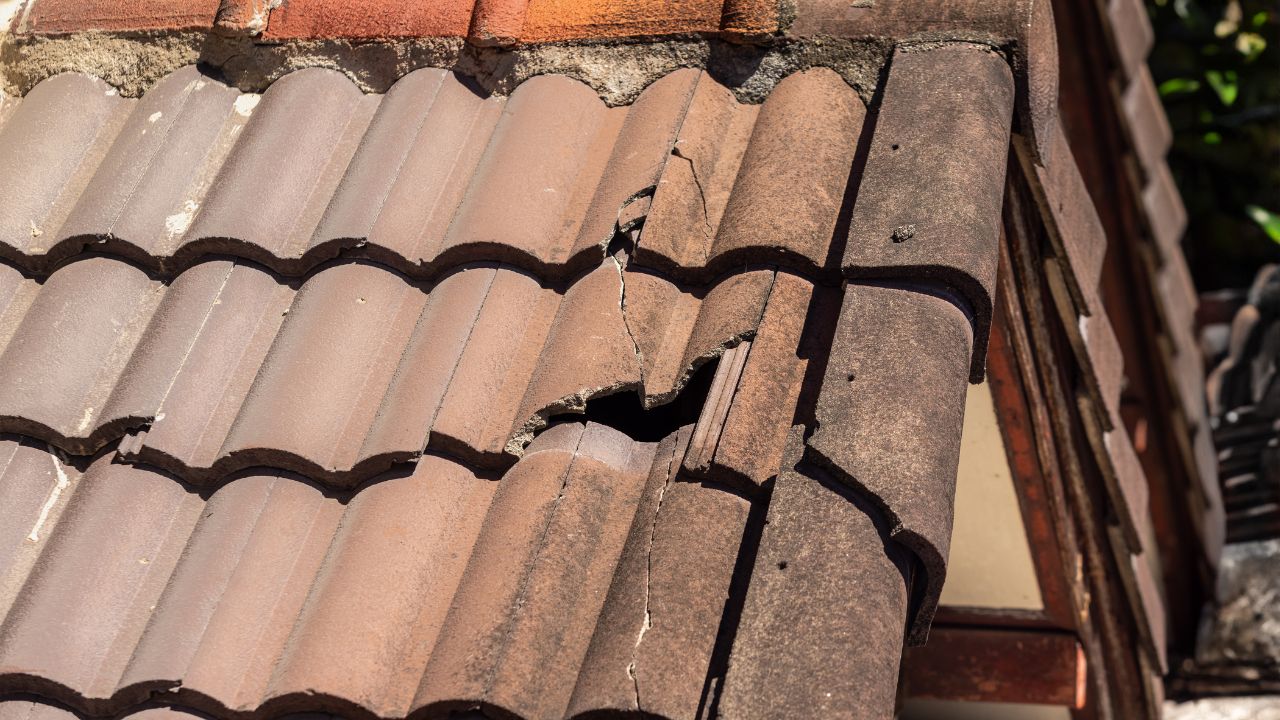
Broken or missing shingles - Due to wind damage, age, or improper installation
Poor attic ventilation - Traps heat and moisture, accelerating material breakdown
Clogged gutters - Primary contributor to ice dam formation and water backup under shingles
Freeze-thaw cycles - Illinois-specific: water expands and contracts in small crevices, causing premature material failure
Incorrect nailing of shingles - Over-driving fractures shingles; under-driving allows water penetration
Common Signs of Early Roof Leaks:
Water stains on ceilings or walls - Especially near chimneys, skylights, or vents
Mold or mildew smell - Musty odor or visible growth in the attic
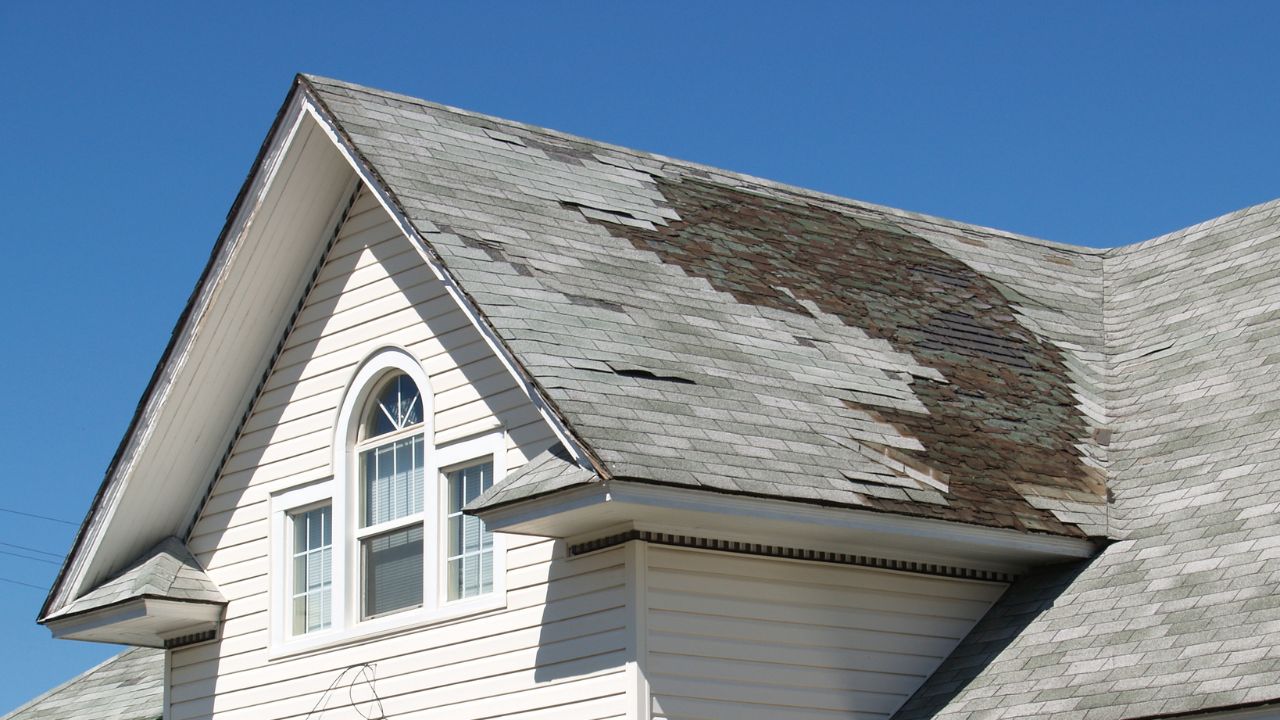
Missing or damaged shingles - Visible from ground level after storms
Rust or corrosion on flashing - Brown or reddish stains indicating metal deterioration
Loose flashing or visible gaps - Direct entry points for water at roof intersections
Granule loss from shingles - Accumulation in gutters or at downspouts
Sagging areas on ceiling - Indicates water saturation of drywall or structural materials
What Happens If You Ignore A Small Roof Leak?
Ignored roof leaks trigger a cascade of damage affecting multiple home systems. Water doesn't stay localized, it spreads through insulation, saturates wood, compromises structural integrity, and creates health hazards through mold colonization. Understanding what happens when you ignore roof leak damage is critical: Illinois freeze-thaw cycles accelerate this progression, making the state's climate particularly unforgiving to deferred maintenance.
The financial impact compounds exponentially. A simple flashing repair costing $400 becomes a $14,500 project once water damages the roof deck, saturates insulation, rots structural members, requires mold remediation, and necessitates interior finishing work.
Major Problems from Ignored Roof Leaks:
Rapid mold colonization - Mold spores begin colonizing moist surfaces within 24-48 hours
Wood saturation and rot - Water saturates insulation, roof deck, and structural wood
Loss of insulation effectiveness - Insulation loses its R-value when water-damaged
Structural component failure - Rafters and joists begin losing strength within 1-6 months
Catastrophic damage potential - Severe structural damage possible within 6-12 months
Poor indoor air quality - Widespread mold growth creates health hazards
Structural Consequences of Ignoring Roof Leaks:
Roof deck deterioration - Wood rot begins on roof deck within 1-4 weeks of continuous moisture exposure
Compromised foundation - Water from overflowing gutters causes soil erosion, increased hydrostatic pressure, and foundation cracks
Fascia and soffit rot - Constant moisture exposure from gutter overflow leads to wood rot requiring replacement at $10-$23 per linear foot
Ceiling collapse risk - Water-saturated drywall and structural materials can sag and fail
Electrical Hazards from Roof Leaks:
Electrical system compromise - Water infiltration can affect wiring systems (typically occurs 6-12 months into leak progression)
Short-circuit risks - Water contact with electrical components creates fire hazards
Damaged fixtures and appliances - Water damage to electrical fixtures in affected rooms
Code violations - Water-damaged electrical systems may no longer meet safety codes
What Are The Consequences Of Delaying Roof Repairs?
Delayed repairs devastate home value and create long-term financial liabilities. Beyond immediate repair costs, homeowners face reduced property values, insurance complications, mandatory disclosure requirements, and the potential for claims that follow them through future transactions. The true cost of roof leak delayextends far beyond the initial repair. The longer you wait, the more systems become involved, transforming a roofing issue into a whole-house problem.
Mold growth presents particularly severe consequences. Once established, mold spreads rapidly through concealed spaces, requires professional remediation, and creates lasting health concerns that must be disclosed to future buyers.
Impact on Home Value:
Reduced resale value - Visible water damage or a history of roof problems significantly decreases property value
Inspection failures - Home inspections will reveal structural damage, mold, and deferred maintenance
Disclosure requirements - Sellers must disclose known roof issues, deterring potential buyers
Insurance complications - A history of water damage claims can increase premiums or limit coverage
Compounding repair costs - What starts as a $150-$450 repair becomes a five-figure problem affecting multiple home systems
Mold Growth Risks from Roof Leaks:
Rapid colonization - Mold spores can begin colonizing within 24-48 hours of water exposure
Widespread growth - Extensive mold growth occurs throughout attic space within 1-6 months
Health hazards - Respiratory issues, allergic reactions, and compromised air quality
Hidden growth - Mold often develops in concealed areas (attic, wall cavities, insulation) before becoming visible
Professional remediation required - Extensive mold growth requires specialized removal, adding significantly to repair costs
Cost Comparison: Immediate vs. Delayed Roof Repairs
Time Period
Damage Progression
Estimated Cumulative Cost
Repair Scope
24-48 Hours
Water begins saturating wood, drywall, insulation; mold spores colonize
$150 - $450
Simple leak repair, minimal damage
1-4 Weeks
Visible water stains appear; insulation loses R-value; wood rot begins
Catastrophic structural damage; electrical compromise; severe air quality issues
$15,000 - $50,000+
Major structural overhaul + multiple systems affected
Data note: Illinois freeze-thaw cycles can accelerate this timeline. Real case: Naperville homeowner delayed $400 repair, resulting in $14,500 bill after one winter.
How Long Can You Safely Delay Roof Repairs Before It's Too Late?
The safe answer: don't delay at all. In Illinois, you have days, not weeks, before minor damage becomes serious. The state's freeze-thaw cycles accelerate deterioration, compressing what might be a months-long timeline elsewhere into weeks. Water-logged wood exposed to winter weather deteriorates exponentially faster than in stable climates.
Research confirms that a simple $500 flashing error escalates into $12,000-$20,000 in consequential damage when repairs are deferred. The progression isn't linear, it's exponential. Each week of delay multiplies both the scope of water damage from roof leak incidents and the cost to repair it.
Consequences of Delaying Weeks or Months:
1-4 weeks: Visible water stains appear on ceilings and walls; initial wood rot begins on the roof deck
1-6 months: Structural components like rafters and joists begin losing strength; widespread mold establishes throughout the attic
6-12 months: Catastrophic structural damage becomes possible; multiple home systems may be compromised
Illinois-specific acceleration: Freeze-thaw cycles can compress this timeline, water-logged wood exposed to winter weather deteriorates faster
Exponential cost increase: Research shows a simple $500 flashing error escalates into $12,000-$20,000 in consequential damage
Seasonal Risks of Delaying Repairs in Illinois:
Winter (December-February):
Freeze-thaw cycles cause water in cracks to expand and contract, accelerating material fatigue
Ice dam formation from clogged gutters (removal costs: $1,350-$2,800+)
Snow melt creates continuous water exposure to already-compromised areas
Spring (March-May):
Heavy rains and storms exploit existing vulnerabilities
Rapid temperature swings continue to cause freeze-thaw damage
Best time for inspection after winter damage assessment
Summer (June-August):
Inadequate ventilation and trapped heat can "bake" shingles from below
Storm season brings high winds and hail damage
Fall (September-November):
Critical time for gutter cleaning before winter
Last opportunity for repairs before harsh weather returns
Professional inspection recommended before winter
What Are The Best Ways To Prevent Roof Leaks From Becoming Serious?
Prevention costs a fraction of repair. The most effective strategy combines regular maintenance with immediate response to warning signs. Illinois homeowners who follow a seasonal inspection schedule and address minor issues immediately avoid the catastrophic costs associated with deferred maintenance. Fast and reliable roof leak repairs make the difference between a minor inconvenience and a structural emergency.
The single most cost-effective preventative measure: clean your gutters in fall. This one action prevents ice dam formation, protects fascia from rot, and diverts water away from your foundation, addressing three major damage pathways simultaneously.
Maintenance Steps for Prevention:
Clean gutters and downspouts - Most critical in fall after leaves drop; prevents ice dam formation and water overflow
Inspect after major storms - Check for missing/damaged shingles, loose flashing, and visible damage
Check and reseal flashing - Inspect sealant around chimneys, skylights, and vents for cracks (spring and fall)
Trim overhanging tree branches - Prevents scraping damage and reduces debris accumulation
Monitor for ice dams - After heavy snowfall, look for icicles forming at roof edges
Verify attic ventilation - Ensure vents are not blocked by snow or insulation (winter check)
Look for heat damage indicators - Check for curling or blistering shingles in summer
Address minor issues immediately - Fix small problems before they escalate; a $500 repair is vastly better than a $14,000+ emergency
Recommended Inspection Frequency:
Twice yearly minimum - Spring (post-winter assessment) and fall (pre-winter preparation)
After every major storm - Check for wind damage, missing shingles, or new leaks
Professional inspection annually - Recommended before winter to catch potential issues
Immediate inspection - If water stains, mold smell, or other warning signs appear
Post-extreme weather events - After severe storms, heavy snow, or hail
How Much Does It Cost To Repair A Small Roof Leak?
Initial repair costs range from $150-$800 depending on the issue's location and complexity. The critical variable: timing. Catch problems early, and costs stay minimal. Delay even weeks, and you're facing exponentially higher bills as consequential damage spreads through multiple systems. Understanding roof leak repair Illinois pricing helps homeowners make informed decisions about immediate action versus costly delays.
Location matters significantly. A simple shingle replacement costs $150-$450, while complex chimney flashing repairs requiring mortar work start at $400-$500 and can escalate to $7,800-$14,500 once interior water damage is factored in.
Factors Influencing Roof Repair Costs:
Location of leak - Flashing repairs around chimneys more complex than simple shingle replacement
Extent of consequential damage - Water damage to deck, insulation, or interior dramatically increases costs
Materials required - Ice and water shield, proper flashing materials, shingle matching
Labor costs - Professional installation vs. improper DIY attempts that create more problems
Time of year - Emergency winter repairs often cost more; scheduling during mild weather may reduce costs
Accessibility - Steep or high roofs require additional safety equipment and time
Underlying issues - Poor ventilation or structural problems may need addressing simultaneously
Cost Breakdown by Problem Type:
Issue Type
Initial Repair Cost (If Caught Early)
Cost After Delay/With Consequential Damage
Notes
Simple Flashing Leak
$400 - $500
$7,800 - $14,500
Chicago case: improper flashing required mortar work + interior repairs
Minor Shingle Damage
$150 - $450
$1,500 - $3,000+
Includes deck replacement if rot develops
Ice Dam Prevention/Removal
$300 - $800 (prevention)
$1,350 - $2,800+ (removal + damage)
Prevention includes insulation/ventilation improvements
Fascia Rot (from gutters)
$200 - $400 (early stages)
$10 - $23 per linear foot (extensive)
Often requires complete gutter reattachment
Foundation Damage (from gutter overflow)
$500 - $1,500 (gutter correction)
$10,000 - $15,000+
Foundation repair is most expensive consequence
Comprehensive Water Damage
$150 - $450 (immediate leak fix)
$15,000 - $50,000+
Includes structural, mold, electrical, interior finishing
Illinois-specific note: Naperville case study showed $400 initial leak escalated to $14,500 after one winter due to freeze-thaw damage.
Can You Repair A Roof Leak Yourself, Or Should You Call A Professional?
Call a professional. DIY roof repairs consistently fail because homeowners lack the technical knowledge, proper materials, and specialized tools required for lasting fixes. The most common mistake: using caulk or tar as a "quick fix" for flashing problems, which fails within months and makes professional repair more difficult and expensive.
Beyond ineffective repairs, DIY attempts create additional problems. Walking on roofs causes granule loss and shingle cracking. Using improper tools for snow removal damages materials. Most critically, 80% of leaks stem from flashing failures, a specialized skill requiring professional expertise. One Chicago homeowner spent years having handymen apply caulk to a chimney leak; the underlying issue was improper flashing installation requiring mortar work, ultimately costing $7,800 to fix correctly. For comprehensive roofing services that address issues properly the first time, professional expertise is essential.
Risks of DIY Roof Repair:
Lack of technical knowledge - Homeowners often lack understanding of proper repair techniques for lasting fixes
"Quick fix" failures - Using caulk or tar for flashing problems typically fails and makes professional repair more difficult and expensive
Improper tools and materials - Using sharp metal tools or pressure washers for snow removal severely damages shingles and flashing
Safety hazards - Working on roofs, especially in hot or cold weather, presents significant injury risks
Shingle damage from walking - Foot traffic causes granule loss, cracking, and material damage, particularly to asphalt shingles
Voided warranties - Improper repairs or materials can void manufacturer warranties
Making problems worse - Chicago case study: multiple handyman caulk attempts over the years failed to fix improper flashing installation
When to Call a Professional:
Flashing issues - Since 80% of all roof leaks are due to flashing failures, professional expertise is essential
Persistent or recurring leaks - If a leak returns after DIY attempts, underlying issues likely need professional diagnosis
Safety concerns - Steep roofs, high elevations, or winter conditions make professional service safer
Warranty preservation - Many roofing warranties require professional installation and repairs
Insurance claims - Documentation from licensed contractors may be required for coverage
Complex repairs - Chimney flashing, valley repairs, or multiple problem areas need specialized skills
Time-sensitive situations - Rapid response to prevent further damage during active leaks
What Are The Long-Term Risks Of Ignoring Roof Leaks?
Long-term neglect transforms localized roof problems into whole-house structural failures. Water doesn't respect boundaries; it travels down through multiple levels, compromising load-bearing members, saturating insulation, and ultimately threatening your foundation. The most expensive consequence: foundation damage from gutter overflow, costing $10,000-$15,000+ to repair.
Beyond immediate structural concerns, ignored leaks create ongoing financial penalties through elevated energy costs. Water-saturated insulation loses its R-value permanently and must be completely replaced. Until proper repairs are made, homeowners pay continuously escalating utility bills while their roof's lifespan shortens from accelerated material degradation.
Long-Term Structural Risks:
Progressive weakening of load-bearing members - Rafters and joists lose structural integrity over 1-6 months of water exposure
Roof deck replacement necessity - Rotted decking requires complete section replacement, not just surface repairs
Floor and interior wall damage - Water travels down through home structure, affecting multiple levels
Foundation compromise - Gutter overflow deposits water against foundation, causing cracks, settlement, and basement flooding ($10,000-$15,000 repair costs)
Catastrophic failure potential - In severe cases (6-12 months of neglect), portions of the roof or ceiling structure can collapse
Decreased structural lifespan - Even after repairs, previously water-damaged components have reduced longevity
Increased heating costs - Poor attic insulation contributes to heat loss, particularly problematic in Illinois winters
Ice dam formation - Inadequate insulation allows heat to escape, melting snow that refreezes at the eaves
Summer heat buildup - Poor ventilation and damaged insulation lead to attic heat that "bakes" shingles from below, shortening their lifespan
Complete insulation replacement - Water-damaged insulation cannot be dried and reused; requires full replacement
Ongoing energy penalty - Until proper repairs are made, homeowners pay elevated utility bills continuously
Why Timely Roof Repairs Are Essential For Protecting Your Home
Timely roof repairs are a smart investment that can save you significant money and protect your home. A $500 flashing repair can prevent over $14,000 in damage, as seen in real Illinois cases where delayed repairs resulted in catastrophic costs. Prompt maintenance not only avoids expensive emergency repairs but also preserves home value, extends roof lifespan, and prevents higher insurance premiums. In Illinois’s harsh climate, immediate action is even more cost-effective.
Don't wait for a small leak to become a catastrophic expense. Contact Advanced Roofing today for a professional inspection and protect your most valuable investment.
At Advanced Roofing Inc., we put our customers’ needs first by providing trained installers, high-quality materials and reliable service that can’t be matched by other roofing companies.
We're dedicated to providing exceptional service and ensuring your satisfaction. Please don't hesitate to reach out to us with any questions, inquiries, or to schedule a consultation.
At Advanced Roofing Inc., we put our customers’ needs first by providing trained installers, high-quality materials and reliable service that can’t be matched by other roofing companies.
We're dedicated to providing exceptional service and ensuring your satisfaction. Please don't hesitate to reach out to us with any questions, inquiries, or to schedule a consultation.