Roof flashing serves as a critical waterproofing component that protects vulnerable roof areas from moisture infiltration and structural damage. In Illinois, flashing systems face extreme stress from hailstorms, temperature fluctuations, and aging infrastructure that accelerate deterioration. Understanding flashing function, common failure patterns, and repair economics helps homeowners make informed decisions about maintenance and replacement timing. The Illinois roofing market represents $3.7 billion in annual activity, with storm damage accounting for over 22% of residential replacements.
Key Takeaways
- Roof flashing prevents water intrusion around chimneys, skylights, and vents on residential and commercial structures
- Severe weather in Illinois causes most flashing failures, with Chicago facing over $1 trillion in hail-related reconstruction risk
- Standard flashing repairs cost $200-$600, while complex repairs involving chimneys or skylights range from $750-$1,000
- Professional inspections using physical, drone, or thermal methods cost $75-$1,000+, depending on assessment complexity and building size
- Filing insurance claims for roof damage may increase premiums by 9-15%, making a cost-benefit analysis essential before claiming
What Is Roof Flashing and Why Is It Important?
Flashing consists of thin metal or composite material installed at roof transitions to redirect water away from penetrations and joints. This protective barrier prevents moisture from entering wall cavities, attics, and structural framing where hidden damage develops over time.
What Are the Main Components of Roof Flashing?
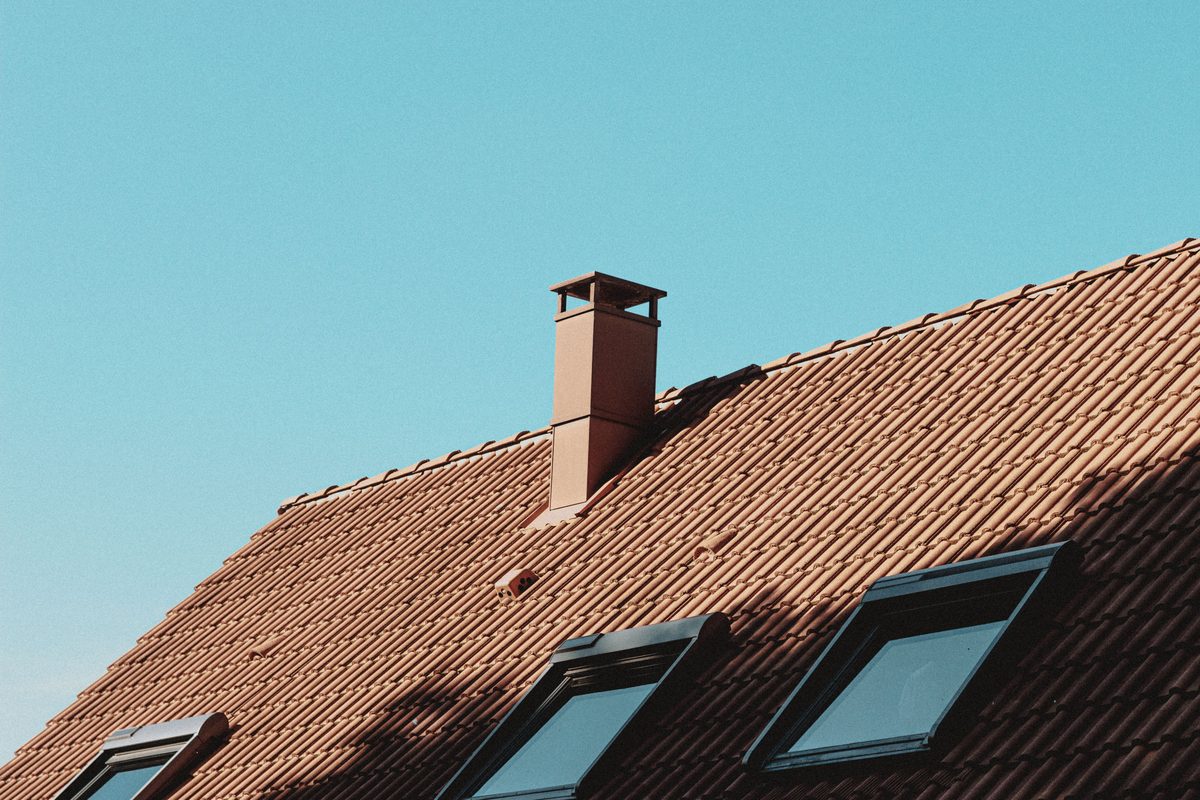
Flashing systems include valley flashing that channels water between roof planes and step flashing that protects wall-roof intersections. Counter flashing installs over base flashing around chimneys, while drip edge flashing directs water away from fascia boards.
How Does Flashing Prevent Water Intrusion?
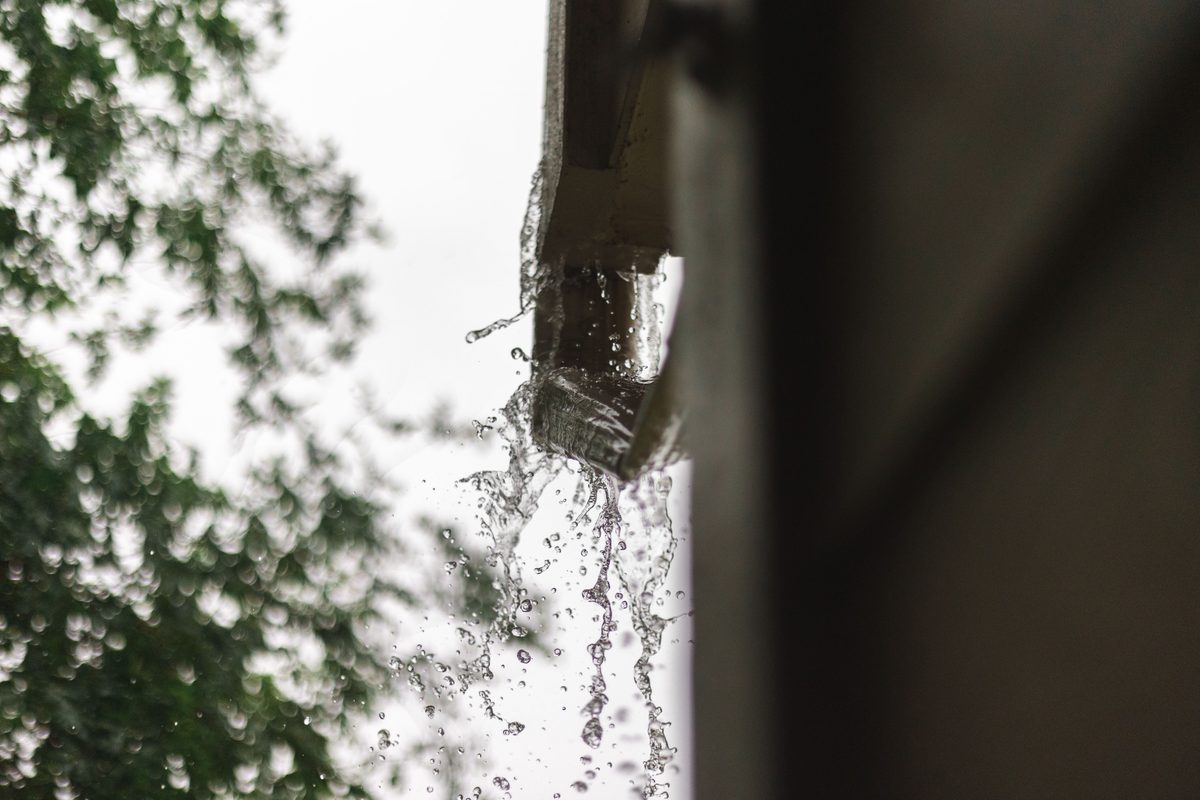
Properly installed flashing creates overlapping layers that force water to flow downward rather than penetrating roof assembly gaps. Sealants and underlayment work with flashing to form a complete waterproofing system that extends the roof's lifespan.
What Roofing Materials Commonly Use Flashing?
Asphalt shingles account for 80% of residential roofs and require aluminum or galvanized steel flashing at all penetrations. Metal roofing accounts for 12% of market share and typically uses matching metal flashing for aesthetic consistency. Tile roofing accounts for 5% of market share and demands specialized flashing techniques due to material weight and profile.
Why Does Roof Flashing Fail in Illinois?
Illinois climate conditions are subject to expansion-contraction cycles that break sealant bonds and create separation points for water entry. Material degradation accelerates when installation quality falls below industry standards or maintenance gets deferred beyond recommended intervals.
How Do Severe Weather Events Impact Flashing Durability?
More than 1.7 million homes in Chicago are at risk of moderate or severe hail damage that dents flashing and compromises waterproof integrity. Chicago's hail risk represents over $1 trillion in reconstruction value, making flashing failure signs critical for early detection. Wind and hail account for more than half of all residential claims, with the Chicago metropolitan area experiencing high exposure to these damaging events. The region's vulnerability means 22% of residential roofing replacements stem from storm-related damage requiring immediate flashing assessment.
What Role Does Aging Infrastructure Play in Flashing Failures?
Original flashing installations lose effectiveness after 15-20 years as metal oxidizes, and sealants become brittle from UV exposure. Lower-income households are more likely to own older homes needing repairs, and face deferred maintenance that allows minor flashing issues to become major leaks.
How Does Improper Installation Contribute to Flashing Problems?
Approximately 54% of homeowners report difficulty finding skilled roofing professionals capable of executing proper flashing techniques according to manufacturer specifications. Labor shortages have led to project delays of up to 30%, forcing some property owners to accept substandard workmanship that fails prematurely.
How Is Roof Flashing Damage Diagnosed and Inspected?
Professional assessment identifies flashing defects before water damage spreads to interior finishes and structural components, requiring costly remediation. Multiple inspection methodologies exist, each offering distinct advantages for specific roof configurations and damage types.
What Are Common Signs of Flashing Failure?
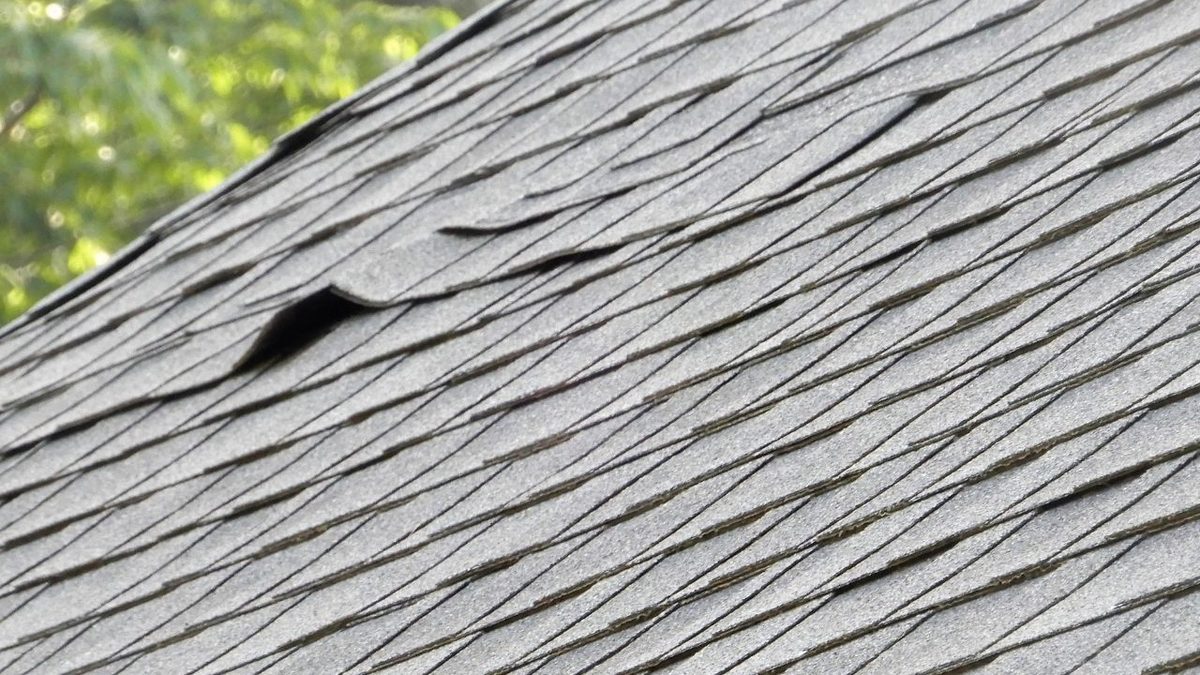
Visible rust stains on chimney faces or ceiling water marks near roof valleys indicate when the roof flashing fails and requires immediate attention. Separated flashing edges, missing sealant beads, and bent metal sections signal deterioration that permits water infiltration during rain events.
What Inspection Methods Are Used for Flashing Assessment?
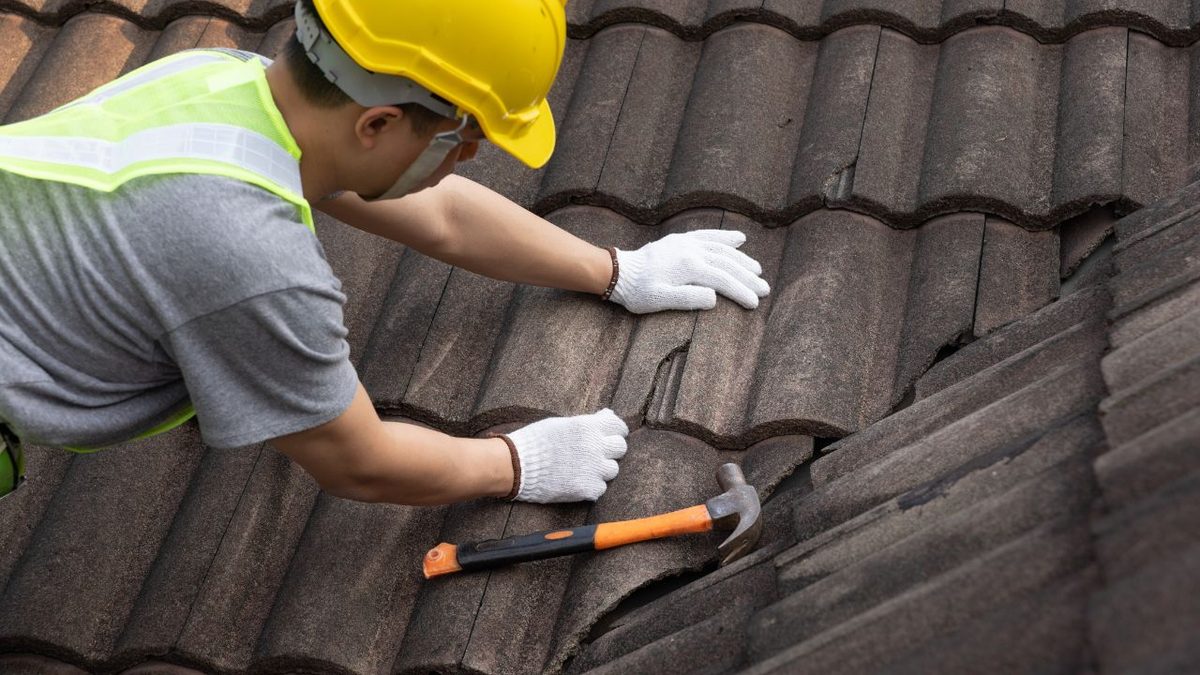
Physical inspection costs $75-$200 and involves ladder access for close visual examination of flashing conditions at all roof penetrations. Drone inspection costs $150-$400 and uses unmanned aircraft to assess roof conditions on steep or dangerous slopes. Thermal inspection costs $400-$600 and employs thermal imaging to detect hidden moisture and energy loss in roofing systems. Structural engineer inspection costs $500-$1,000+ for complex damage evaluation requiring professional engineering analysis and documentation.
When Is a Professional Roof Inspection Recommended?
Spring months from March through May represent peak season for roof inspections as homeowners assess winter damage and prepare for summer storms. The fall months of September and October represent secondary peak season when property owners verify roof integrity before winter weather arrives.
What Are the Costs Associated with Roof Flashing Repair and Replacement?
Repair expenses vary significantly based on flashing location accessibility, material selection, and labor market conditions in specific Illinois regions. Understanding insurance vs out-of-pocket roof repair options helps homeowners choose appropriate funding strategies for necessary work.
How Do Repair Costs Vary by Flashing Location and Complexity?
Standard roof flashing repairs cost $200-$600 for straightforward vent pipe or valley flashing replacement on accessible single-story structures. Complex structure repairs cost $750-$1,000 when work involves chimney counter flashing or multi-plane skylight installations requiring specialized skills.
What Are Typical Pricing Ranges in the Illinois Market?
The Illinois roofing market valued at $3.7 billion in 2026 supports 4,377 roofing businesses employing 8,900 workers across residential and commercial sectors. Regional pricing reflects local labor rates, with the Chicago metropolitan area commanding premium costs compared to downstate markets.
How Do Insurance Claims Affect Repair Costs?
Filing a roof claim can result in premium increases of 9% to 15%, making the decision to file versus self-funding a critical financial calculation. State Farm paid over $3.8 billion in home repairs for hail damage claims in 2024, demonstrating insurer exposure to storm losses. U.S. roof claims costs reached $30.7 billion in 2024, driving stricter underwriting standards that affect coverage availability and renewal terms.
How Do Consumer Preferences Affect Roof Flashing Repair Decisions in Illinois?
Homeowner priorities shape contractor selection, project scope, and material choices throughout the repair process from initial estimate to final inspection. Demographic factors influence communication preferences, budget constraints, and expectations regarding project timelines and quality standards.
What Factors Influence Homeowner Contractor Selection?
Approximately 22% of homeowners prioritize cost and price when selecting contractors, making budget the leading decision factor despite quality concerns. Insurance claims assistance ranks second at 18%, followed by transparent communication at 15%, contractor reliability at 14%, and speed of service at 12%.
How Does Trust and Communication Impact Repair Outcomes?
Millennials and Generation Z prefer transparent pricing and digital communication channels, including text updates and online payment portals. Establishing clear expectations through detailed written estimates and regular progress updates reduces disputes and improves customer satisfaction ratings.
What Seasonal Trends Affect Roofing Repairs in Illinois?
Seasonal demand fluctuations affect service availability, with spring storm damage creating contractor backlogs extending 4-6 weeks during peak periods. Roof maintenance timing strategies help homeowners schedule preventive work during off-peak months when contractors offer better availability and competitive pricing.
What Are the Differences Between Roof Flashing Repair and Other Roof Repair Types?
Flashing repairs address specific waterproofing component failures rather than widespread surface damage affecting entire roof planes or structural systems. Understanding repair scope distinctions prevents unnecessary work while ensuring adequate protection against moisture intrusion and related damage.
How Does Flashing Repair Compare with Hail Damage Repair?
Minor hail repairs cost $150-$600 for replacing damaged shingles without underlying deck damage or flashing compromise affecting limited roof areas. Moderate repairs cost $1,500-$3,500 when hail impacts multiple roof planes, requiring shingle replacement and flashing maintenance checks. Severe hail damage requiring full replacement averages $7,400-$16,000 for a 2,000 square foot home with complete tear-off and new installation.
What Distinguishes Flashing Repair from Full Roof Replacement?
Asphalt shingles cost $4.00-$15.00 per square foot with 15-30 year lifespan, representing the most common replacement material for Illinois residential properties. Metal roofing costs $4.50-$7.00 per square foot with 50+ year lifespan, offering superior hail resistance and energy efficiency. Tile roofing costs $3.00-$30.00 per square foot with a 50+ year lifespan, but requires structural reinforcement for weight support on many existing homes.
When Is Flashing Repair Part of Storm Damage Restoration?
Storm damage restoration services market projected to reach $25 billion by 2033 at 6% CAGR includes flashing repairs as standard components. Comprehensive roof leak repair vs full replacement decisions depend on damage extent, roof age, and long-term cost analysis.
What Are Emerging Trends and Technologies in Roof Flashing Inspection and Repair?
Technological advancement transforms traditional inspection methods, enabling safer assessments and more accurate damage documentation for insurance claims and maintenance records. Material innovations extend flashing longevity while reducing maintenance requirements and improving environmental performance through sustainable manufacturing processes.
How Is Drone Technology Used for Flashing Inspection?
The global roof inspection services market, valued at $2.5 billion in 2024 increasingly relies on unmanned aerial systems for safe, efficient documentation. The market, projected to reach $4.2 billion by 2033 at 6.2% CAGR demonstrates growing adoption of drone technology across residential and commercial sectors.
What Advances in Materials Improve Flashing Longevity?
Younger demographics show interest in eco-friendly materials like cool roofs and solar-integrated systems that reduce energy consumption and environmental impact. Cool roofs are eco-friendly roofing materials that reflect more sunlight, reducing cooling costs and extending roof flashing maintenance intervals.
How Are Insurance Adjustments Influencing Repair Practices?
Stricter insurance underwriting standards require detailed documentation, including time-stamped photos, thermal imaging data, and contractor certifications for claim approval. Insurers increasingly utilize aerial imagery and predictive analytics to verify roof age and condition before issuing or renewing coverage policies.
Roof Flashing Repair in Illinois: Balancing Durability, Cost, and Consumer Expectations
Illinois homeowners must balance immediate repair costs against long-term protection value when addressing roof flashing maintenance and replacement needs. The state's exposure to severe weather, aging housing stock, and evolving insurance landscape creates complex decision environments requiring careful analysis. Professional assessment identifies problems early, preventing minor flashing defects from becoming major structural repairs that compromise home value and safety. Strategic maintenance scheduling, quality material selection, and choosing licensed roofing contractors protect residential investments while avoiding unnecessary expenses from premature replacement or repeated repairs.
Advanced Roofing Inc. has served Chicagoland communities for over 30 years, providing master-level craftsmanship that addresses flashing failure causes and prevents costly water damage. Our GAF Master Elite® certification and family-owned commitment ensure quality workmanship backed by comprehensive warranties and responsive service.
Protect Your Illinois Home With Expert Flashing Repair
Roof flashing protects the most vulnerable points on your roof, and even small failures invite water into your walls, attic, and framing. Advanced Roofing Inc. has served Fox Valley and Chicagoland homeowners since 1994, diagnosing flashing problems at chimneys, valleys, skylights, and vents before they turn into costly interior damage.
Our team inspects your flashing, explains exactly what we find, and gives you a written estimate with no pressure to commit. As a GAF Master Elite® and CertainTeed ShingleMaster™ contractor with a BBB A+ rating, we stand behind every repair and replacement we complete. Schedule your free flashing inspection today. Our professional roof repair services protect your home investment with solutions designed for Illinois weather conditions and long-term durability.