Key Takeaways:
- Filing a roof insurance claim in Illinois raises premiums 20–40% for three to five years, making out-of-pocket payment the smarter financial choice for any repair near or below your deductible.
- Illinois carriers are shifting roofs older than 10–15 years from Replacement Cost Value to Actual Cash Value, meaning a $15,000 roof replacement can yield as little as a $6,000 insurance payout after depreciation.
- Many Illinois insurers have replaced flat deductibles with percentage-based wind and hail deductibles of 1–2% of insured value, meaning homeowners on a $300,000 policy pay the first $3,000 before insurance contributes anything.
- Cosmetic hail damage that does not impair roof function is increasingly excluded from Illinois policies in 2026, making a contractor inspection report essential before an adjuster determines what qualifies for coverage.
- Any roofing contractor offering to waive your insurance deductible is violating Illinois law — only work with contractors licensed under the Illinois Roofing Industry Licensing Act who provide full, compliant documentation.
Illinois homeowners face a more complicated insurance landscape in 2026 than ever before. Carriers are tightening policies, shifting older roofs to lower payouts, and raising deductibles. Knowing when to file a claim — and when to pay out-of-pocket — can save you thousands.
What Is the Difference Between Insurance-Covered and Out-of-Pocket Roof Repairs in Illinois?
The choice between filing a claim and self-paying is not always obvious. Understanding both options helps you make the financially sound decision before damage gets worse.
What Does "Insurance-Covered Roof Repair" Mean for Illinois Homeowners?
A standard HO-3 homeowners policy covers roof damage from sudden, accidental perils — wind, hail, and fire. The Illinois Department of Insurance regulates these policies and requires insurers to provide at least 60 days' notice before non-renewing a long-term policy. Coverage does not mean a full payout — deductibles, depreciation, and policy type all reduce what you actually receive.
What Does Paying Out-of-Pocket for Roof Repairs Mean?
Self-pay means covering repair costs directly, without involving your insurer. Minor leak repairs run $150–$500. Replacing 10–20 shingles costs $300–$600. Replacing 100 or more shingles: $1,000–$3,000. Emergency tarping to stop active water intrusion runs $300–$1,000. For many common repairs, out-of-pocket payment is cheaper than the long-term premium consequences of filing a claim.
How Do Homeowners Typically Decide Between Insurance and Self-Pay Repairs?
Compare your estimated repair cost against your deductible. Filing a claim triggers premium increases of 20–40% that last three to five years. For repairs near or below your deductible threshold, out-of-pocket payment protects your claims history and avoids years of elevated premiums.
What Types of Roof Damage Are Typically Covered by Homeowners Insurance in Illinois?
Standard HO-3 policies cover sudden damage from specific perils. What qualifies and what does not has become more nuanced in 2026 as carriers respond to Illinois' escalating storm activity.
Does Insurance Cover Roof Damage from Hailstorms in Illinois?
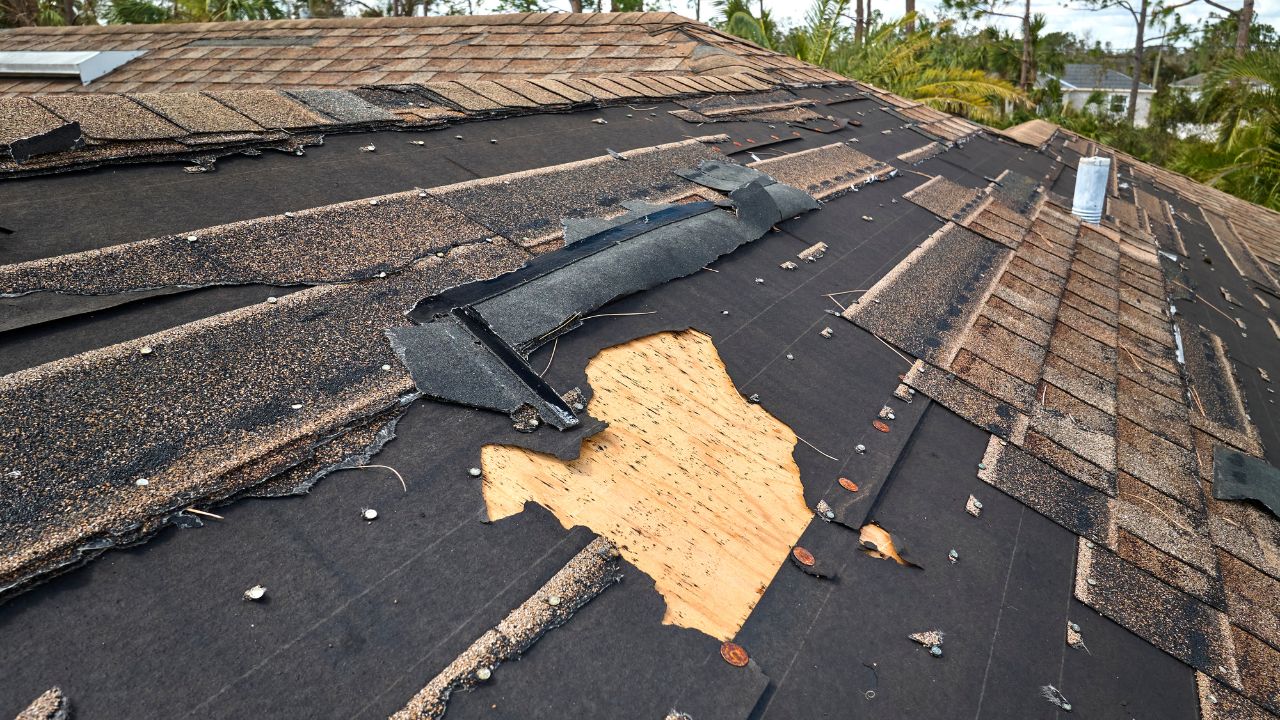
Hail damage is a covered peril under HO-3 policies. One major Illinois carrier paid over $600 million in hail claims in 2024 alone — a figure that reflects both the frequency and severity of Illinois hail events. That said, cosmetic hail damage — dents that do not impair the roof's function — is increasingly excluded by Illinois carriers in 2026.
Does Insurance Cover Wind or Storm Damage to Roofs?
Wind damage is covered. Illinois recorded 146 tornadoes in 2025, the second-most of any U.S. state, making wind one of the leading causes of roof claims statewide. Note that many Illinois carriers now require percentage-based wind and hail deductibles of 1–2% of the home's insured value — replacing the older flat deductibles of $500–$2,500.
Does Insurance Cover Damage from Fallen Trees or Debris?
Yes. Sudden damage caused by fallen trees or storm-driven debris qualifies as an accidental peril under standard HO-3 policies. Document the damage thoroughly with photos before any debris is cleared.
When Does Insurance Cover Sudden Roof Leaks or Structural Damage?
Sudden damage is covered. Ice dam damage qualifies when it occurs without warning. Damage that developed due to long-term neglect is denied. Flood and earthquake damage require entirely separate policies — both are excluded from HO-3 coverage regardless of circumstances.
What Types of Roof Repairs Are Usually Not Covered by Insurance?
Exclusions are just as important to understand as covered perils. Most claim denials come down to three categories: age, neglect, and installation issues.
Why Are Roof Repairs from Age or Wear and Tear Usually Excluded?
HO-3 policies explicitly exclude damage from wear, tear, and aging. Illinois carriers are enforcing this more aggressively in 2026 through the "15-year rule" — roofs older than 15 years are treated as pre-existing liabilities. This can trigger policy non-renewal or requirements for full replacement before coverage continues.
Why Are Maintenance-Related Roof Problems Not Covered?
Deferred maintenance is not a covered peril. Clogged gutters causing water backup, neglected flashing, and ice dams that form over time due to poor insulation are homeowner-responsibility issues. Carriers deny these claims consistently. Staying current on maintenance protects both your roof and your coverage.
When Can Poor Installation or Previous Repairs Void Coverage?
Pre-existing damage from substandard workmanship, improper materials, or unpermitted repairs gives carriers grounds to deny claims. If a prior contractor cut corners, you may own that liability. This is one reason choosing a licensed, certified contractor for every repair matters — not just for quality, but for insurability. See the full range of roofing and exterior services Advanced Roofing Inc. provides throughout Chicagoland.
How Much Does Insurance Cover for Roof Repairs in Illinois in 2026?
Payout amounts depend on your deductible type, policy coverage type, and your roof's age. All three have shifted significantly in Illinois in 2026.
How Do Deductibles Affect Roof Repair Payouts?
Flat deductibles of $500–$2,500 are being replaced by percentage-based wind and hail deductibles. At 1% of insured value on a $300,000 home, your deductible is $3,000 before insurance pays anything. That means many moderate repairs produce little to no net payout after the deductible is applied.
What Is the Difference Between Replacement Cost Value and Actual Cash Value?
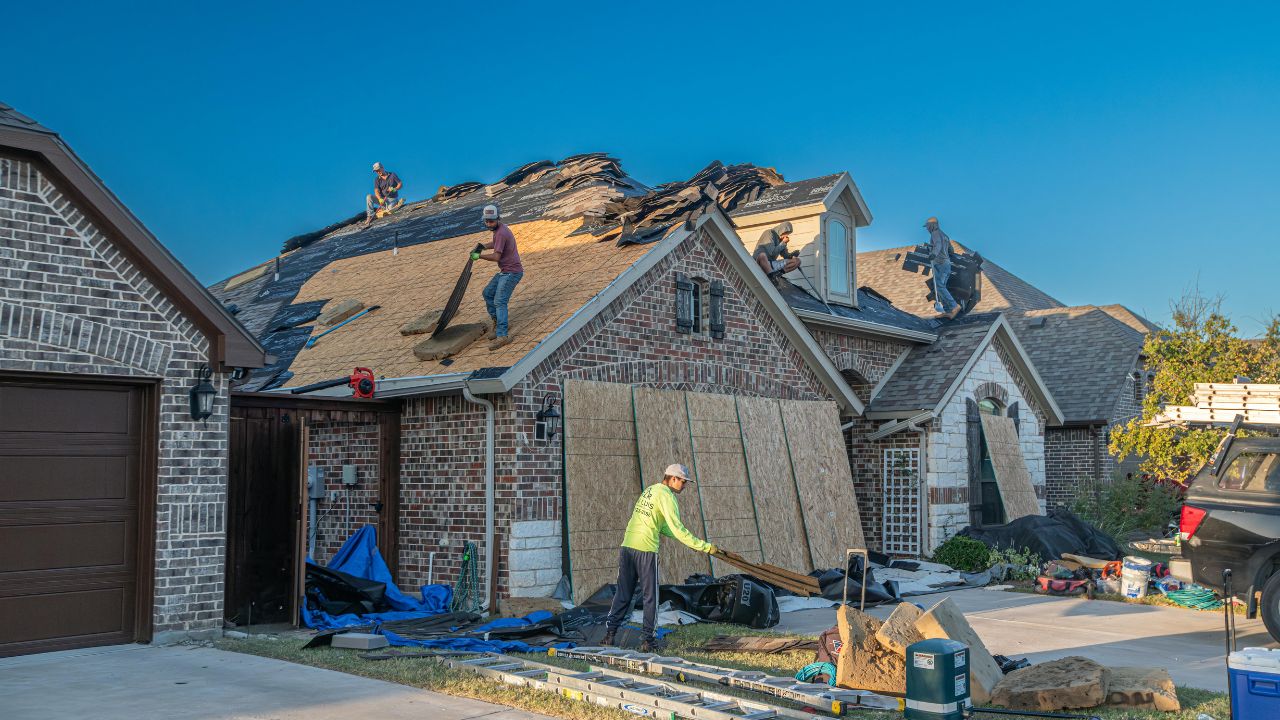
Replacement Cost Value (RCV) pays to replace your roof at current prices without depreciation. Actual Cash Value (ACV) deducts for age and condition. Many Illinois insurers now automatically switch roofs older than 10–15 years to ACV. A $15,000 replacement under an ACV policy may yield only $6,000 after depreciation and your deductible.
How Do Roof Age and Policy Limits Affect Claim Amounts?
The older your roof, the less your insurer will pay — and the greater the risk they drop coverage entirely. The 2026 shift toward ACV for aging roofs, combined with the 15-year rule and Illinois' high storm activity, means homeowners with roofs approaching 15 years should review their policy terms now, before a claim event forces the issue.
When Is It Better to Pay Out-of-Pocket for Roof Repairs?
Out-of-pocket payment is often the right call for minor and moderate damage. The math is straightforward once you factor in deductibles and premium impact.
When Are Minor Roof Repairs Cheaper Than Filing an Insurance Claim?
Minor repairs — leaks, flashing, valley work — run $150–$1,000 in most cases. With percentage-based deductibles reaching $3,000 on a $300,000 home, filing a claim on a $500 repair produces zero payout and triggers a premium increase. Pay out-of-pocket, protect your claims history, and call a qualified contractor. Learn what professional roof repair involves so you know what you are paying for.
How Can Filing a Claim Affect Future Insurance Premiums?
A single claim raises premiums 20–40% for three to five years. On a $2,000 annual premium, a 30% increase costs $600 per year — $3,000 over five years. For a repair that would have cost $800 out-of-pocket, the claim ends up costing you far more in the long run.
Why Do Some Homeowners Choose Self-Pay Repairs for Small Damage?
Preserving a clean claims history keeps premiums stable and ensures a major event — like a full replacement after a severe hail storm — results in a meaningful payout rather than a review of your recent claim activity. Self-paying small repairs is a deliberate, long-term strategy, not just a short-term cost decision.
How Does the Roof Insurance Claim Process Work in Illinois?
A successful claim requires fast action, thorough documentation, and a licensed contractor involved from the start.
What Is the First Step When Roof Damage Occurs?
Document everything immediately. Photograph and video the damage from multiple angles before any debris is moved. Apply emergency tarping ($300–$1,000) to stop active water intrusion while the claim processes. Most insurers require claims filed within 30 days to one year of the damage event — deadlines vary, so contact your carrier promptly.
How Does a Roof Inspection Support an Insurance Claim?
Get a written estimate from a licensed roofing contractor before the adjuster arrives. Independent documentation strengthens your claim and surfaces damage the adjuster might miss. Illinois law requires roofing contractors to be licensed under the Illinois Roofing Industry Licensing Act — use only licensed contractors for any insured work.
How Do Insurance Adjusters Evaluate Roof Damage?
Adjusters determine whether damage is sudden and accidental or the result of wear, age, or neglect. That distinction decides whether your claim is approved or denied. They also assess whether hail or wind damage is functional or cosmetic — with cosmetic exclusions increasingly common in 2026 policies. Having a contractor-prepared inspection report in hand gives you an independent baseline before the adjuster makes that call.
How Long Does the Roof Claim Approval Process Usually Take?
Most carriers complete an initial response within days, schedule an adjuster inspection within one to two weeks, and issue approval or denial within 30 days. Complex claims or disputed findings can extend that timeline. Staying organized with documentation accelerates the process.
What Role Does a Roofing Contractor Play in Insurance Claims?
The right contractor does more than fix your roof. They are a critical part of the claims process.
How Can Roofing Contractors Help Document Storm Damage?
Contractors provide written damage assessments, itemized material documentation, and photo evidence that directly supports adjuster review. Advanced Roofing Inc. assists homeowners throughout Chicagoland in documenting damage and working with insurance companies to ensure coverage is maximized.
How Do Contractors Communicate with Insurance Adjusters?
Experienced contractors walk adjusters through the damage in person, provide detailed scopes of work, and ensure hidden damage — underlayment failures, deck penetrations, flashing displacement — is not overlooked. This direct engagement protects you from a low-ball assessment based on surface-level inspection only.
Why Is a Detailed Roof Inspection Important Before Filing a Claim?
An inspection before filing establishes a documented baseline. It identifies damage the adjuster might otherwise classify as cosmetic or pre-existing. Given Illinois carriers' increasing scrutiny in 2026, walking into the process with contractor documentation is far stronger than relying solely on the adjuster's assessment.
How Do Illinois Weather Risks Affect Insurance Roof Claims?
Illinois is one of the most demanding roofing environments in the country. Storm frequency and severity directly shape how carriers write and enforce policies here.
Why Are Hail and Wind the Most Common Causes of Roof Insurance Claims?
Illinois hail activity is among the most intense in the Midwest. Combined with the state's tornado frequency — second in the nation in 2025 — wind and hail generate the highest volume of residential roof claims statewide. This concentrated risk is the primary reason Illinois carriers have tightened terms, raised deductibles, and added cosmetic exclusions in 2026 policies.
How Do Ice Dams and Winter Storms Affect Coverage?
Sudden ice dam damage is covered. Ice dam damage that developed over time due to poor insulation or ventilation is denied. The distinction matters because winter damage is often discovered weeks after formation — by which point carriers scrutinize whether the cause was sudden or gradual. Understanding your Illinois roofing code compliance obligations helps you maintain a roof that meets insurer and municipal standards.
How Do Severe Midwest Storm Patterns Influence Claim Frequency?
Illinois sits at the intersection of hail corridors, tornado tracks, and Great Lakes weather systems. Freeze-thaw cycling, heavy snow loads, and spring storm seasons combine to produce year-round roof stress. This pattern places Illinois among the highest-volume states for residential roof insurance claims — which is exactly why carriers are responding with stricter terms and more aggressive claim scrutiny.
What Are the Main Steps for Choosing Insurance or Paying Out-of-Pocket?
Four questions guide the decision. Work through them in order before filing anything.
Step 1: How Do You Assess the Severity of Roof Damage?
Minor and isolated damage — a single failed flashing seal, a few missing shingles, a small leak — is a self-pay candidate. Widespread damage, structural compromise, or damage covering more than 30% of the roof surface warrants a claim.
Step 2: How Do You Compare Repair Costs with Your Deductible?
Get a written repair estimate first. Compare it to your deductible. If your deductible is $3,000 and the repair is $900, filing produces no payout and triggers a premium increase. The math is clear — pay out-of-pocket.
Step 3: When Should You Contact Your Insurance Provider?
Once you determine a claim is warranted, contact your carrier promptly. Most require filing within 30 days to one year of the event. The IDOI requires insurers to provide at least 60 days' notice before non-renewing — know your policy terms before a storm season starts.
Step 4: How Do You Decide Whether Filing a Claim Is Worth It?
Calculate the net payout: claim amount minus deductible. Then weigh that against 20–40% premium increases over three to five years. For roofs already on ACV policies, depreciation further reduces the effective payout. In many cases, especially for moderate damage on aging roofs, out-of-pocket payment is the financially superior choice.
What Questions Do Illinois Homeowners Ask About Roof Insurance Coverage?
These are the most common questions Advanced Roofing fields from Chicagoland homeowners navigating the claims process.
Can Insurance Cover a Full Roof Replacement Instead of a Repair?
Yes — under RCV policies, widespread covered damage can result in full replacement coverage at current prices. Under ACV policies, the same $15,000 replacement may yield only $6,000 after depreciation and deductibles. Knowing which policy type you have before damage occurs is essential.
How Soon Should You File a Roof Damage Claim After a Storm?
File as promptly as possible. Most carriers require claims within 30 days to one year of the event. Waiting also increases the risk that additional damage occurs — which may be attributed to neglect rather than the original storm event.
Can You Choose Your Own Roofing Contractor for Insurance Repairs?
Yes. Illinois law does not require you to use an insurer-preferred contractor. Choose a licensed contractor you trust. That contractor must be licensed under Illinois law and is legally prohibited from waiving your deductible — any offer to "cover your deductible" violates state law and should be treated as a red flag.
What Happens If an Insurance Claim Is Denied?
Common denial reasons include wear and tear, neglect, and cosmetic-only damage. You have the right to appeal. A detailed contractor inspection report is your strongest tool in a dispute — it provides independent, documented evidence against the adjuster's findings.
When the Stakes Are High, Illinois Homeowners Need a Contractor Who Understands Insurance
Roof damage is stressful. The insurance process does not have to make it worse. The homeowners who navigate claims successfully are the ones who document thoroughly, understand their policy terms, and work with a contractor experienced in the Illinois insurance environment.
Advanced Roofing Inc. has served Chicagoland homes and commercial properties for over 30 years. As a GAF Master Elite® contractor and BBB A+ accredited business, we provide free inspections, thorough damage documentation, and direct support through the entire insurance claims process. Call us at (630) 553-2344 or contact us online to schedule your free inspection today.