Key Takeaways
- Schedule professional roof inspections twice yearly in spring and fall—NRCA-recommended biannual assessments catch seasonal damage before expensive failures occur.
- Ice dams form in the critical 22-32°F temperature range requiring proper attic insulation and ventilation preventing heat loss and melt-refreeze cycles.
- Complete post-storm documentation within 24 hours with time-stamped photos—delays cause claim denials while proper documentation supports insurance and maintenance planning.
- Complete fall gutter cleaning by late October preventing ice dam formation—clogged gutters force meltwater pooling and refreezing beneath shingles causing interior damage.
- Asphalt shingles need annual inspection with 40°F+ installation temperatures, slate permits five-year intervals, metal requires biennial fastener checks, wood demands quarterly monitoring.
Roof maintenance timing directly determines system longevity, repair costs, and weather readiness. Illinois' extreme seasonal weather demands proactive scheduling—missing key inspection windows allows minor damage escalating into emergency replacements costing thousands. Strategic timing maximizes material lifespan while preventing catastrophic failures during peak storm seasons.
How does Illinois' four-season climate impact roof lifespan and scheduling?
Illinois' continental climate creates year-round roof stress through frequent temperature, humidity, and weather fluctuations—cold winters, scorching summers, and unpredictable transitions demand twice-yearly professional inspections. Schedule inspections in spring and fall addressing seasonal extremes: spring catches winter damage before April-June tornado season, while fall preparation ensures winter readiness before freeze-thaw cycling begins. Regular seasonal assessments spot damage early, preventing minor issues from becoming major failures.
Why do freeze–thaw cycles and hailstorms accelerate material deterioration?
Ice dams form when under-roof temperatures exceed 30°F while outdoor air drops below 22°F—this temperature differential melts snow on upper roof sections with runoff refreezing at cold eaves, forcing water beneath shingles and damaging ceilings, walls, and structure. The critical risk zone sits between 22-32°F where melting-refreezing cycles work water progressively upward under shingle courses. Illinois hailstorms produce stones large enough to dent metal and crack asphalt shingles, while heat waves exceeding 90°F cause thermal expansion-contraction creating cracks and premature wear. Multiple melting-freezing cycles throughout winter enable water and ice working beneath materials until attic infiltration occurs.
What are the long-term costs of delaying seasonal maintenance?
Deferred maintenance compounds into exponentially higher costs—Illinois flood losses average $257 million annually since 1983, ranking third nationally, with ever-increasing precipitation since the 1940s driving flood peaks higher. Storm intensity directly correlates with leak probability: light storms under 40 mph produce 5% leak rates, moderate storms at 40-60 mph jump to 18%, severe storms at 60-80 mph reach 42%, while extreme storms exceeding 80 mph generate 71% leak rates. Small unaddressed issues become structural failures requiring complete replacement versus targeted repairs costing hundreds instead of tens of thousands.
When Should Homeowners Schedule Routine Roof Inspections?
Inspection frequency determines whether problems get caught early or discovered after causing expensive damage. The National Roofing Contractors Association recommends twice-yearly professional assessments—spring and fall timing aligns with Illinois' distinct weather threats while homeowner self-checks between storms add critical monitoring preventing emergency failures.
How often should professional inspections be done in Illinois (annual vs. biannual)?
The NRCA recommends biannual professional inspections in spring and fall—Illinois' extreme weather fluctuations demand this twice-yearly schedule catching seasonal damage before compounding. New roofs installed correctly require checks every two years, aging roofs need yearly assessments to find small cracks and worn shingles, while roofs exceeding 15 years demand twice-yearly inspections before and after storm seasons catching weak spots preventing major repairs. Material type determines exact frequency: slate roofs require professional inspection every five years with homeowner checks twice yearly, asphalt shingles need annual professional reviews plus biannual homeowner inspections, metal roofs demand professional assessment every 2-3 years with annual visual checks, while wood shakes require professional inspection every two years plus homeowner checks three times yearly due to high moisture sensitivity in Illinois humidity.
When is the best time for inspections—spring thaw or fall prep?
Fall proves ideal for comprehensive inspections—harsh summer sun has passed enabling repairs completion before winter weather arrives, preventing snow and ice complications during work. Fall timing identifies summer storm and heat damage allowing repair scheduling during favorable September-October conditions when contractors maintain availability and temperatures support proper material installation. Schedule professional inspection before winter catching issues early ensuring roof winter-ready. Spring offers secondary window with milder temperatures and lower humidity creating ideal conditions for shingle work—comfortable working environment with reduced rain or snowfall chances compared to other seasons makes spring popular for Northern Illinois roofing projects addressing winter damage before April-June tornado season peaks.
Can self-checks between storms prevent expensive emergency repairs?
Regular self-inspections between professional assessments catch problems early—schedule checks annually plus after major storms identifying damaged or displaced materials before minor issues escalate into significant failures. Conduct thorough visual inspections from ground level using binoculars checking for missing or damaged shingles, cracked flashing, and debris accumulation. Check for shingle curling, cracking, or complete absence indicating immediate attention requirements. After severe weather events including storms, hailstorms, or heavy snowfall, complete post-storm assessment within 24 hours: visually inspect from ground for safety, check for missing or damaged shingles, look for debris on roof, inspect gutters for damage, check for water intrusion inside, document all damage with photos, note structural concerns, contact insurance if needed, call professional for comprehensive inspection, and begin emergency tarping if actively leaking.
What Is the Ideal Seasonal Roof Maintenance Calendar for Illinois?
Illinois' distinct seasons create predictable maintenance windows—spring addresses winter damage, summer focuses on heat stress and growth prevention, fall provides critical pre-winter preparation, while winter demands monitoring and emergency response. Aligning maintenance with seasonal weather patterns maximizes effectiveness while minimizing risk during extreme conditions.
March–April: How to inspect for winter ice damage and roof movement.
Spring preparation targets winter damage assessment before peak storm season—conduct visual inspection from ground using binoculars checking for ice dam effects, missing or damaged shingles, cracked flashing, and debris accumulation. Complete comprehensive checklist: check for winter damage including ice dam effects, clean gutters and downspouts, inspect flashing around chimneys and vents, remove debris from roof surface, check attic for moisture or leaks, trim overhanging branches, schedule professional inspection if needed, document condition with photos, and test downspout drainage. Check ceilings and walls for water stains indicating potential roof leaks—addressing leaks promptly prevents further damage and costly repairs escalating beyond roofing system itself.
May–June: When to clean gutters, reseal flashings, and check drainage systems.
May and June are Illinois' wettest months with precipitation varying from 48 inches in southern regions to 35 inches in northern portions—deep gutter cleaning before peak precipitation prevents water backups and roof leaks. Complete deep gutter cleaning before peak precipitation months, inspect and reseal flashing joints around all penetrations, verify proper water drainage patterns across roof planes, check for any spring storm damage requiring immediate attention, and assess drainage system capacity for summer storms. Clean gutters and downspouts from debris ensuring proper water drainage preventing backups and potential leaks during heavy rainfall periods.
July–August: How to monitor heat stress, UV exposure, and attic ventilation.
Summer maintenance focuses on heat damage prevention and biological growth control—monitor for algae and moss growth, check ventilation adequacy, inspect for loose or damaged shingles, clear roof of organic debris, check attic temperature and ventilation, inspect sealants around penetrations, verify proper water drainage, and apply moss or algae treatment if needed. Trim overhanging branches preventing shingle damage and reducing debris buildup especially before stormy seasons. Inspect attic ventilation as proper airflow proves essential preventing moisture buildup and heat retention—inadequate ventilation allows humidity condensing on cold surfaces promoting mold growth while trapped summer heat accelerates shingle aging through excessive thermal exposure. Clean roof surface using gentle cleaning solution and soft brush removing dirt, algae, and moss growth maintaining material integrity.
September–October: Why fall is the key window for sealing, shingle repair, and prep.
Fall provides optimal conditions for major work—weather has cooled after summer allowing longer productive work days while temperatures averaging 45-75°F with minimal rain threat create best conditions for shingles to set and seal effectively before extreme winter weather. Complete critical fall preparation checklist: comprehensive professional inspection, deep clean all gutters and downspouts, seal any cracks or gaps, replace damaged shingles, ensure proper attic insulation, check or install heat cables if needed, verify flashing integrity, test for proper ventilation, secure loose materials, and document pre-winter condition. Check flashing and seals around chimneys, vents, and skylights for wear or damage preventing leaks. Fall inspections identify summer storm and heat damage allowing repair scheduling during favorable September-October conditions when contractors maintain availability and temperatures support proper material installation—completing repairs before winter eliminates cold-weather complications as asphalt shingles require 40°F+ temperatures for proper sealing.
November–February: How to handle snow loads, ice dams, and attic condensation safely.
Winter maintenance shifts to monitoring and emergency response—remove snow after heavy accumulation exceeding 6 inches, monitor for ice dam formation, check for icicle formation patterns, inspect attic for frost or moisture, monitor interior ceilings for stains, keep gutters clear of ice, check attic insulation effectiveness, and document any weather damage immediately. Remove snow and ice safely using roof rake preventing ice dams and excess weight damaging roof—roof rakes and push brooms can be used but may damage roofing materials requiring cautious application with minimal pressure from ground level when possible. Check attic insulation as proper insulation proves critical preventing heat loss and ice dam formation. In emergency situations where water flows into house structure, make channels through ice dams allowing trapped water draining off roof providing temporary relief until permanent solutions implemented.
How Do Illinois Weather Events Influence Maintenance Frequency?
Specific weather events trigger immediate inspection requirements beyond routine seasonal schedules. Illinois averages 50 thunderstorm days and 35 tornadoes annually with peak activity April through June—understanding which events demand assessment and how to identify hidden damage prevents minor issues becoming insurance claim denials or structural failures.
After which weather events should roofs be checked—hail, windstorms, or heavy rain?
After severe weather events including storms, hailstorms, heavy snowfall, or winds exceeding 60 mph, schedule roof inspection immediately—Illinois experiences frequent damaging weather requiring prompt assessment. August 2025 storms produced 3-inch diameter hail and 70 mph winds across Chicago metro, Rockford, and Champaign, while March 2025 Eastern Illinois storms documented wind gusts 62-85 mph causing widespread roof damage. Illinois averages 50 thunderstorm days annually with 35 tornadoes—peak tornado activity concentrates April through June demanding heightened vigilance. Complete post-storm assessment within 24 hours checking for missing or damaged shingles, debris, gutter damage, water intrusion, and documenting all damage with photos before conditions change.
How can homeowners identify hidden hail bruising and wind uplift damage?
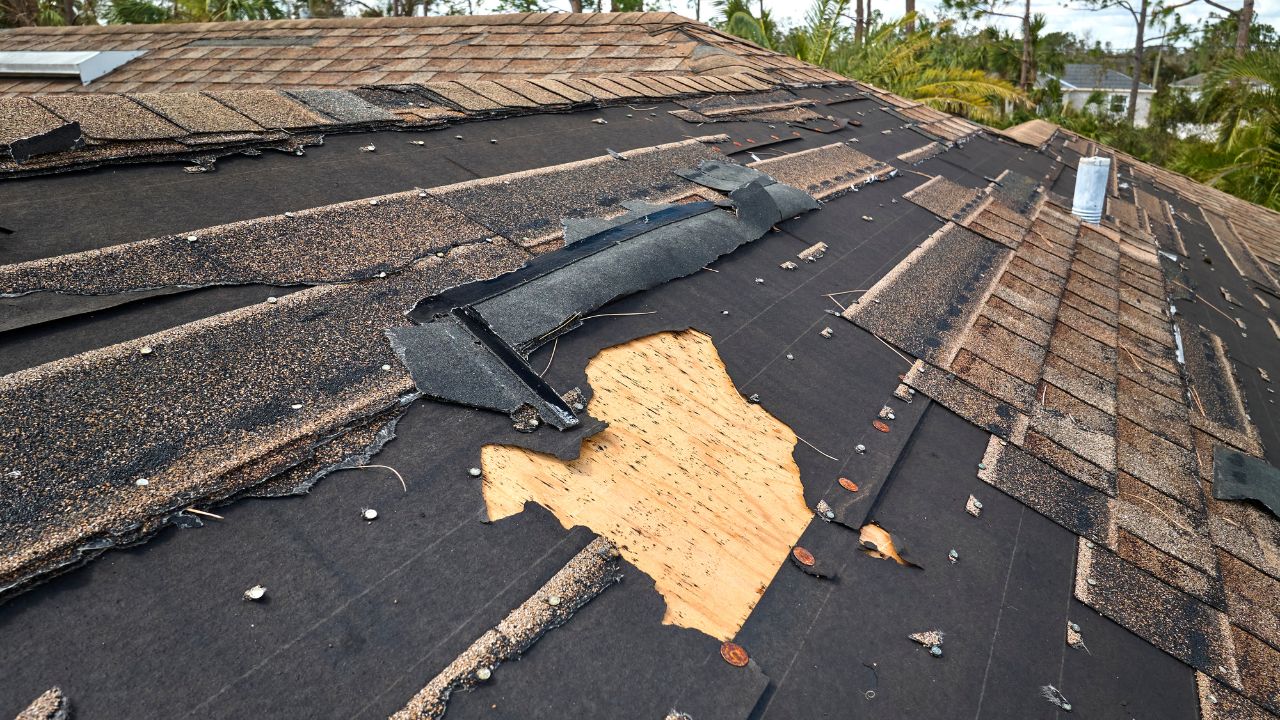
Hail damage appears as gun-shot holes in slate tiles or bruising on asphalt shingles directly proportional to wind speed and hail size—while damage looks worse on high-wind sides, entire roof likely sustained serious trauma requiring comprehensive inspection. Check for shingle curling, cracking, or missing sections indicating immediate attention requirements. Scattered damage over wide areas may not require complete replacement, but contractors must closely inspect unaffected areas for hidden cracking requiring claim scope inclusion. Roof age determines vulnerability—new slate resists high wind damage while roofs exceeding 50 years rarely survive severe hailstorms. Wind uplift shows as lifted edges, displaced flashing, or missing sections starting at roof edges and ridges where forces concentrate—once initial sections fail, progressive peeling accelerates.
Why does post-storm documentation help both insurance and maintenance planning?
Take clear time-stamped photos and videos immediately after severe weather focusing on missing shingles, water leaks, and debris impacts—delays cause insurers denying claims due to missed reporting deadlines or perceived neglect. Document systematically: overall roof views establishing context, close-ups showing damage detail, interior water staining, debris field proving storm correlation, and surrounding property showing neighborhood impact patterns. Schedule professional inspection ensuring nothing missed—trained inspectors identify subtle damage invisible to untrained observers but critical for comprehensive reimbursement. Maintain before-condition photos taken before storm season establishing proof when damage occurred relative to weather events—proper documentation supports insurance claims and maintenance planning identifying patterns requiring preventive upgrades.
How Should Maintenance Timing Differ by Roof Material Type?
Material composition determines optimal inspection intervals and maintenance windows—asphalt shingles demand annual professional assessment, slate permits five-year intervals, metal requires biennial fastener checks, while wood shakes need quarterly monitoring. Understanding material-specific vulnerabilities and temperature requirements ensures maintenance occurs when conditions support proper repairs and longevity.
When should asphalt shingles be resealed or replaced in Illinois climates?
Asphalt shingles require annual professional inspection with homeowner checks twice yearly and post-storm assessment after hail or high winds—20-30 year lifespan makes this Illinois' most common roofing material. Install and reseal only when temperatures exceed 40°F as cold makes shingles brittle requiring crews warming materials before application. When temperatures consistently drop below 50°F, asphalt shingles begin feeling cold effects and stiffen—shingles installed in cold weather may not receive necessary heat for sealant activation, increasing risk that windstorms disturb shingles before sealing opportunity. Complete spring post-winter inspection for weather damage, early summer minor repairs and resealing if needed, fall pre-winter comprehensive inspection and repairs, and after-storm immediate damage assessment. Class 4 impact-resistant shingles withstand hail and high winds with reduced weather-related claims potentially decreasing homeowners insurance costs.
How often do cedar shakes require cleaning and preservative treatment?
Wood shakes demand professional inspection every two years with homeowner checks three times yearly and cleaning 2-3 times annually—20-40 year lifespan requires high maintenance in Illinois humidity. Schedule spring April-May preservative treatment applications, mid-summer July cleaning and moss prevention, fall September pre-winter sealing and inspection, plus quarterly visual checks for moisture damage and rot. Wooden roofing materials benefit from spring or early summer installation allowing proper curing and sealing before harsh winter conditions arrive. High humidity levels in Illinois accelerate biological growth and moisture retention requiring more frequent monitoring than drier climates—quarterly checks catch problems before serious structural compromise occurs.
When should metal roof fasteners and sealants be inspected for corrosion?
Metal roofs require professional inspection every 2-3 years with annual visual checks and fastener inspection every two years—40-70 year lifespan provides good hail resistance with minimal maintenance. Complete comprehensive fastener inspection and retightening every two years as thermal expansion gradually loosens connections, annual sealant condition checks around penetrations, post-storm assessment for panel displacement or denting, and before-winter verification all fasteners secure for snow load. Metal roofing can be installed year-round as materials tolerate any weather condition making them versatile options, though some homeowners prefer spring or fall avoiding extreme temperature swings. Different metal types have specific temperature requirements for installation—zinc, copper, and steel alloy construction withstands impact and wind better than organic materials offering superior protection compared to wood roofs.
How can flat or low-slope roofs prevent ponding and seam failure seasonally?
Flat or low-slope roofs require different securing methods and drainage monitoring—weighted anchors using sandbags or water tubes work best where drilling risks creating additional leak points, spaced evenly every 3-4 feet along perimeters. Complete spring inspection for winter ponding damage and membrane integrity, before-summer-storms drainage system function verification, fall drain clearing and seam condition checks, and winter monitoring for ice accumulation and drainage blockage. Tarp-wrapped 2x4 wood battens prove ideal for moderate-pitch roofs or temporary storm protection. Low-slope roofs concentrate water requiring aggressive drainage maintenance—inspect after every major rain event ensuring no standing water remains more than 48 hours as prolonged ponding accelerates membrane degradation and seam separation creating leak pathways.
When Should You Schedule Gutter and Drainage System Maintenance?
Gutter maintenance timing prevents ice dam formation, fascia damage, and foundation water intrusion. Early fall cleaning proves most critical preparing drainage systems for winter snow melt and freeze cycles, while post-storm checks catch accumulations before causing secondary damage. Tree species and proximity determine cleaning frequency beyond standard seasonal schedules.
Why is early fall the most important time for gutter cleaning?
Complete final gutter cleaning by late October or early November before first freeze preventing ice dam formation—removing accumulated summer debris before leaf drop prepares drainage systems for winter snow melt. Deep clean all gutters and downspouts ensuring proper drainage as clogged systems transform from drainage assets into water reservoirs. Backed-up water infiltrates beneath shingle starter courses overwhelming ice-and-water shield protection designed for minor seepage not sustained pooling. Clear gutters and downspouts of accumulated debris ensuring proper drainage, verify downspout function before winter precipitation, and ensure no upper-roof gutters drain directly onto lower roof sections creating concentrated flow accelerating wear and promoting biological growth. Fall cleaning prevents ice dam severity by enabling proper drainage during warming periods—clear gutters allow meltwater flowing rather than backing up and refreezing.
When should you recheck drainage after storms to prevent fascia damage?
Recheck drainage within 24 hours after heavy rain or wind events, after hail storms checking for granule accumulation, following roof work or repairs, and after major leaf drop in autumn. Use powerful handheld blower clearing debris and little granules from shingles, blow off sawdust from cutting vents for ventilation systems, clear loose granules off shingles, and finally clean gutters. Run magnet through gutters catching loose nails potentially washing into yard or driveway when rains occur. Blow out downspouts ensuring everything from gutters to roof operates clean—roofing debris in gutters blocks water flow leading to drainage issues if not properly addressed during and after roof work or storm events.
How do debris patterns from Illinois' tree species affect cleaning schedules?
Overhanging tree branches provide shade dropping debris on roof holding moisture and acting as moss food source—keep branches trimmed back removing debris as it accumulates with minimum 6-foot clearance from roof surface. Trim overhanging branches preventing shingle damage and reducing debris buildup especially during stormy seasons. Complete tree-related maintenance timing: early spring removing winter debris before bud break, late spring or early summer removing seed pods and blossoms, fall primary cleaning during and after leaf drop, and after storms removing broken branches and accumulated debris. Maintain minimum 6-foot clearance eliminating shade enabling rapid surface drying after precipitation events—sunlight proves most effective biological growth prevention through UV sterilization and moisture evaporation balancing aesthetic value against roof protection.
When Should You Inspect and Maintain Attic Ventilation and Insulation?
Attic ventilation and insulation timing directly impacts ice dam formation, energy efficiency, and condensation control. Pre-winter assessment proves critical ensuring systems function properly before freeze-thaw cycling begins, while thermal imaging and moisture meters identify problems invisible during standard inspections optimizing intervention timing.
How does timing ventilation checks before winter prevent condensation issues?
Complete comprehensive attic ventilation assessment September-October before winter—proper ventilation prevents moisture buildup and heat retention while inadequate airflow allows humidity condensing on cold surfaces promoting mold growth and wood rot. Check soffit vents for blockage from insulation displacement, verify ridge vent functionality, ensure balanced intake-exhaust airflow maintaining attic temperatures within 10-15°F of outdoor conditions, and inspect attic for frost or moisture indicators signaling problems requiring correction. Ice dams form when controlling heat loss fails—new construction practices should follow or exceed state code requirements for ceiling and roof insulation levels eliminating temperature differentials melting snow on upper roof sections with runoff refreezing at cold eaves. Ensure continuous 100% effective air barrier through ceiling with zero air leakage from house into attic space—even small gaps allow warm moist air entering attic creating condensation and localized melting patterns enabling ice dam formation.
When should you improve insulation to avoid ice dams and energy loss?
Late summer or early fall provides ideal window for insulation improvements before winter—address moisture-damaged insulation during spring while planning upgrades before temperature extremes of summer and winter arrive. Check attic insulation as proper insulation proves critical preventing heat loss and ice dam formation—inadequate insulation allows heat escaping warming roof surfaces melting snow creating melt-refreeze cycles. New construction practices should follow or exceed state code requirements for ceiling and roof insulation levels preventing ice dams through thermal control rather than mechanical intervention. Schedule improvements when energy bills indicate heat loss patterns, before winter freeze-thaw cycling begins, or after discovering moisture damage during spring inspections requiring replacement plus upgrades preventing recurrence.
Can thermal imaging or moisture meters optimize your inspection schedule?
Thermal imaging during roofing inspections reveals hidden problems invisible to naked eye—mid-winter thermal imaging detects heat loss patterns, spring moisture meter readings assess damage after thaw, pre-winter baseline thermal scans enable comparison, and after suspected leaks immediate moisture assessment quantifies infiltration extent. Check attic for moisture and leaks during spring preparation identifying winter damage requiring correction, inspect attic for frost or moisture during winter monitoring catching active problems, and monitor interior ceilings for stains indicating ongoing infiltration. Advanced inspection tools optimize timing by identifying problems before visible damage occurs—thermal scans show insulation gaps, air leakage paths, and moisture accumulation invisible during visual inspection enabling targeted intervention preventing expensive structural repairs. Schedule baseline scans establishing normal conditions for comparison during subsequent assessments quantifying deterioration over time.
How Should Homeowners Time Moss, Algae, and Mold Prevention?
Treatment timing maximizes effectiveness while minimizing reapplication frequency. November application targets dormant growth before winter while mid-summer addresses active removal, and north-facing slopes require priority attention due to moisture retention. Zinc or copper strips provide multi-year protection reducing maintenance intervals through continuous metal ion release.
Why are spring and fall best for applying roof-safe biocides or treatments?
November proves optimal for preventive spray—growth season has ended leaving organisms at weakest point about to go dormant, while winter rains, ice, and snow clean roof enhancing treatment effectiveness. Apply most effective method using 50:50 mix of laundry strength liquid chlorine bleach and water, applied with sprayer for 15-20 minutes, then rinsed thoroughly with low-pressure water. Mid-summer provides secondary window for physical removal when moss is dried and brittle after long no-rain periods—dead moss proves infinitely easier removing than living moss. Avoid winter applications proving ineffective and dangerous.
When should shaded or north-facing slopes be prioritized for cleaning?
Chicago's average annual humidity of 69% creates ideal conditions for moss and algae growth—Northern Illinois requires 2-3 cleanings annually costing $300-$800 with peak growth May-September, Central Illinois needs 2 cleanings annually costing $250-$600 with peak June-August, while Southern Illinois demands 3 cleanings annually costing $300-$700 with peak May-October. Prioritize north-facing slopes receiving most shade with highest moisture retention, areas under tree canopies, lower roof sections receiving runoff from upper sections, and valleys with reduced air circulation. Moss holds 20-30 times its weight in water causing premature aging—algae and moss lift and dislodge materials compromising integrity while trapping moisture leading to rot and decay.
How do zinc or copper strips extend time between cleanings?
Install 6-inch-wide zinc or copper strips under row of shingles closest to roof peak leaving inch or two exposed—when rains occur, metal molecules wash down roof inhibiting algae growth for multiple years. These metals prove naturally toxic to algae and moss with rainwater carrying metal traces down roof through continuous ion release. Z-STOP zinc strips available in 50-foot rolls serve as powerful barrier gradually releasing zinc carbonate, a proven fungistat. Best installed during roof replacement or major repairs though can be retrofitted in spring or early fall—most effective when installed before growth season begins providing protection for multiple years after single installation.
When Should Flashing, Sealants, and Caulking Be Reapplied?
Sealant degradation follows predictable temperature-driven timelines—Illinois' extreme seasonal swings accelerate breakdown requiring strategic reapplication timing. Late summer applications outperform winter work through superior adhesion and curing conditions, while understanding thermal stress patterns prevents premature failures during freeze-thaw cycling.
How often should flashing joints be resealed around chimneys and vents?
Inspect flashing and seals around chimneys, vents, and skylights annually during spring and fall assessments—reseal every 3-5 years depending on exposure with priority timing late summer or early fall before winter. Complete after-severe-weather immediate assessment for displacement or separation. Flashing constitutes primary leak pathway when compromised—failed flashing allows water bypassing shingle protection directly contacting underlayment turning minor seepage into torrential intrusion during storm conditions. Monitor all penetrations during summer maintenance ensuring continuous weathertight protection.
When do seasonal temperature changes weaken caulking adhesion?
Illinois' frequent temperature, humidity, and wind fluctuations stress sealants through repeated expansion-contraction cycles—summer heat exceeding 90°F accelerates UV degradation while winter cold below 40°F makes sealants brittle. Expansion-contraction cycles during spring and fall transitions create mechanical stress breaking adhesive bonds at material interfaces. Temperature extremes prove less damaging than cycling—stable temperatures allow materials reaching equilibrium while repeated transitions force continuous dimensional changes exceeding sealant elastic limits causing adhesive failure and cohesive cracking.
Why does late summer sealing outperform mid-winter applications?
Late summer August provides warm temperatures ensuring good adhesion and proper curing preparing systems for winter—early fall September still offers warm enough conditions for proper curing while avoiding extreme heat complications. Most manufacturers recommend minimum 40°F installation temperature as cold makes materials brittle limiting proper adhesion. Ideal conditions include 45-50°F with sunny skies—while shingles require ambient temperature near 70°F to seal properly, solar radiance compensates for cooler weather. Avoid winter applications as temperatures below 40°F limit adhesion and flexibility, while spring provides alternative after temperatures consistently exceed 45°F.
What Is the Final Maintenance Timing Checklist for Illinois Homeowners?
Complete this verification checklist ensuring all critical timing requirements met—missing any item increases failure risk during Illinois' extreme weather seasons. Systematic verification transforms abstract preparation into concrete readiness measurable through specific completion criteria confirming full protection before weather threats arrive.
Have you scheduled spring and fall inspections each year?
NRCA recommends routine inspections twice annually in spring and fall—schedule professional roof inspections at least twice yearly ideally spring and fall addressing extreme weather fluctuations. Regular seasonal roof inspections prove essential for spotting damage early and determining best replacement timing. Verify spring March-April post-winter damage assessment scheduled, fall September-October pre-winter preparation inspection scheduled, professional contractor booked 6-8 weeks in advance, self-inspection completed monthly during storm season, post-storm inspections within 24 hours of severe weather, and documentation prepared for each inspection. Biannual schedule catches seasonal damage before compounding—spring identifies winter damage before April-June tornado season while fall preparation ensures winter readiness before freeze-thaw cycling begins.
Are gutters and downspouts cleared before freeze cycles begin?
Complete final gutter cleaning by late October or early November before first freeze preventing ice dam formation—keep gutters clean promoting proper water drainage while clearing all accumulated debris ensuring proper drainage function. Verify final cleaning completed by late October or early November, all downspouts flowing freely without restrictions, no debris accumulation in valleys or roof-to-wall connections, gutter hangers secure and functional, ice dam prevention measures in place, and drainage away from foundation verified. Deep clean all gutters and downspouts during critical fall preparation, keep gutters clear of ice during winter monitoring—clogged gutters increase ice dam severity by preventing meltwater drainage forcing liquid water pooling against warm roof sections until freeze point reached creating backup beneath shingles.
Have flashing, vents, and sealants been checked before storm season?
Check flashing and seals around chimneys, vents, and skylights for wear or damage preventing leaks—peak tornado activity occurs April through June with Illinois averaging 50 thunderstorm days annually demanding pre-season verification. Complete March flashing inspection before April-June tornado season, verify all penetration points sealed and secure, confirm chimney flashing integrity, assess vent boot condition, check skylight seals, and monitor previous repair areas for deterioration. Failed flashing allows water bypassing shingle protection directly contacting underlayment—what begins as minor seepage during normal rain becomes torrential intrusion during storm conditions overwhelming drainage capacity and causing interior damage exponentially exceeding repair costs.
Is attic ventilation verified before heavy snowfall or summer heat?
Inspect attic ventilation as proper ventilation proves essential preventing moisture buildup and heat retention—check attic insulation as proper insulation proves critical preventing heat loss and ice dam formation. Complete pre-winter September-October ventilation and insulation assessment, pre-summer May attic temperature and airflow check, verify soffit vents clear and unobstructed, confirm ridge vents functional, ensure balanced intake-exhaust airflow confirmed, verify insulation adequate and properly installed, and confirm no air leakage from living space to attic. Ice dams form when controlling heat loss fails—ensure zero air leakage from house into attic space as even small gaps allow warm moist air entering attic creating condensation and localized melting patterns enabling ice dam formation during winter freeze-thaw cycling.
Partner With Advanced Roofing for Expert Timing and Complete Illinois Weather Protection
Strategic timing separates functional roofs from failed systems—Advanced Roofing delivers proactive maintenance schedules, emergency response, and comprehensive documentation supporting warranty and insurance requirements. Our certified crews execute perfectly timed inspections before critical weather windows, complete repairs during optimal temperature conditions, and maintain detailed records proving responsible ownership when claims arise. We deliver material-specific maintenance through Illinois' extreme seasonal fluctuations—spring damage assessment, fall pre-winter preparation, and emergency storm response preventing minor issues escalating into catastrophic failures.
Contact Advanced Roofing today scheduling your seasonal inspection before Illinois' next severe weather cycle—call now for spring post-winter assessment or fall pre-winter preparation ensuring your roof survives tornado season, winter freeze-thaw cycling, and summer heat stress. Don't wait until emergency strikes when contractor availability disappears and premium pricing applies—schedule your professional inspection now establishing maintenance schedule protecting your investment. Advanced Roofing's comprehensive timing expertise ensures your roof receives right maintenance at right time preventing expensive failures during Illinois' most challenging weather conditions.