Key Takeaways
- Illinois homeowners have 1-2 years from the date of loss to file roof damage claims
- Roof damage represents 25% of all homeowners' insurance claims nationwide
- 40% of roof damage claims result in zero payout due to wear and tear exclusions
- Independent professional roof inspections strengthen your claim before the adjuster visits
- Percentage-based wind and hail deductibles can be 1-2% of your home's insured value
Filing an insurance claim for roof damage in Illinois requires documentation, timing, and persistence. Storm damage costs Illinois homeowners millions annually, yet many claims face denial or underpayment. Understanding the damage insurance process Illinois insurers follow helps you navigate each stage effectively and secure fair compensation.
This guide provides practical instructions for filing your claim correctly the first time. Whether you face hail bruises, missing shingles, or structural damage, following these steps increases your chance of approval.
Setting the Stage - Why Filing a Roof Damage Claim Is Worth the Effort in Illinois
Filing a roof damage claim protects your home investment and prevents escalating repair costs. Understanding why claims matter and how insurers evaluate them helps you prepare for the process ahead. Illinois homeowners face unique weather risks that make proper claim filing essential for long-term property protection.
The financial stakes justify the effort required to document and submit your claim properly. Storm damage repairs cost thousands of dollars, and delayed action allows minor damage to worsen into major structural problems.
The Scale of Roof Damage Claims in the U.S.
Roof damage represents 25% of all homeowners' insurance claims filed nationwide. Residential roof-related claims totaled $31 billion in 2024, reflecting the growing frequency of severe weather events. Wind and hail damage accounts for 34.3% of property claims, making storm-related roof damage the leading cause of residential insurance payouts.
The average property damage claim between 2016 and 2020 was $13,962. Roof replacement costs vary significantly based on materials, labor rates, and regional factors affecting final settlement amounts.
The Reality of Claim Denials and Zero-Payout Decisions
Insurance companies deny 37% of all property insurance claims nationwide. Approximately 40% of roof damage claims result in zero payout, often citing wear and tear exclusions. Fifteen large insurers closed 50-78% of homeowner claims with zero payment in 2025, according to industry reports.
Insurers frequently deny claims, arguing that damage results from normal aging rather than covered storm events. Understanding common denial reasons helps you build a stronger case with proper documentation and professional inspections.
How to Use This Step-by-Step Guide
This guide breaks down the file roofing insurance claim process into seven actionable steps. Each section provides specific instructions, timelines, and documentation requirements to maximize your settlement. Follow the steps sequentially to avoid procedural mistakes that lead to denials or delays.
Use this resource before, during, and after filing your claim. Reference specific sections as you progress through each stage of the claims process with your insurer.
Who This Guide Is Built For: Homeowners, Recent Storm Victims, First-Time Claimants
This guide serves Illinois homeowners who recently experienced storm damage to their roof. First-time claimants benefit from detailed explanations of each step in the claims process. Recent storm victims need immediate guidance on documentation and filing deadlines to protect their rights.
Experienced homeowners who previously filed claims find updated information on current insurer practices and appeal strategies. Property owners uncertain about claim eligibility learn how to assess damage and determine coverage qualification.
The Illinois Roof Damage Claim Process | 7 Steps at a Glance
The step-by-step claim-filing process requires completing seven distinct phases in order. Each step builds on the previous one to create a complete claim package for your insurer. Missing or rushing any step reduces your chance of approval and adequate compensation.
Following this sequence protects your rights and strengthens your negotiating position throughout the process. Start immediately after storm damage occurs to meet filing deadlines and preserve evidence effectively.
The Step-by-Step Filing Process - Detailed Breakdown
Understanding each step in detail prevents costly mistakes and strengthens your claim documentation. This section expands on the seven-step overview with specific actions and evidence requirements. Apply these instructions to your situation while documenting every communication with your insurance company.
Complete each step thoroughly before moving to the next one to maintain a strong claim foundation. Proper execution at each stage reduces denial risk and speeds settlement processing time significantly.
Confirm Your Damage Type Qualifies for a Claim
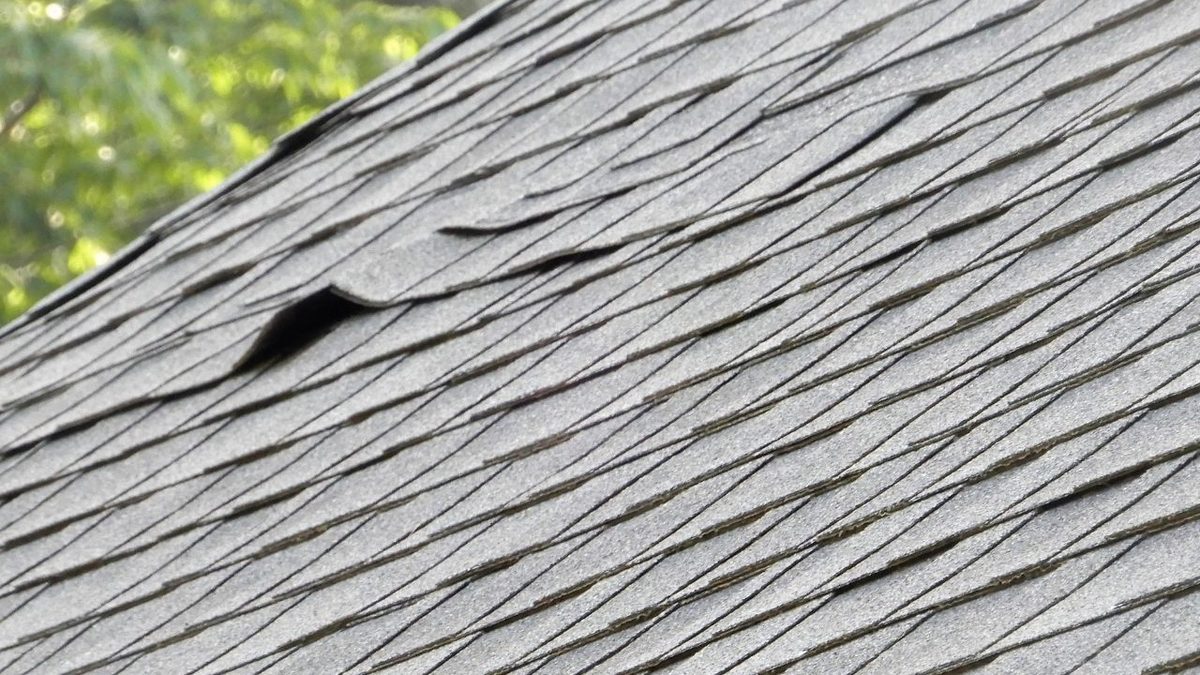
Hail damage includes bruised or cracked shingles, granule loss, and dented metal flashing or vents. Storm damage manifests as missing shingles, lifted edges, creased shingles, and damaged flashing around chimneys and valleys. Understanding everything you need to know about filing roof insurance claims begins with identifying covered damage types before contacting your insurer.
Wind damage often appears as lifted or torn shingles, exposing the underlayment beneath. Review your policy to confirm which perils your coverage includes and which exclusions apply to your situation.
Document the Damage Before Temporary Repairs
Photograph and video all visible roof damage from ground level and close-up if safely accessible. Damage may not be immediately visible from ground level, requiring professional inspection for complete documentation. Take photos from multiple angles showing the entire roof and close-ups of specific damaged areas.
Date-stamp all photos and videos to prove damage occurred during the recent storm event. Save all documentation to cloud storage or multiple devices to prevent loss during the claims process.
Get an Independent Professional Roof Inspection
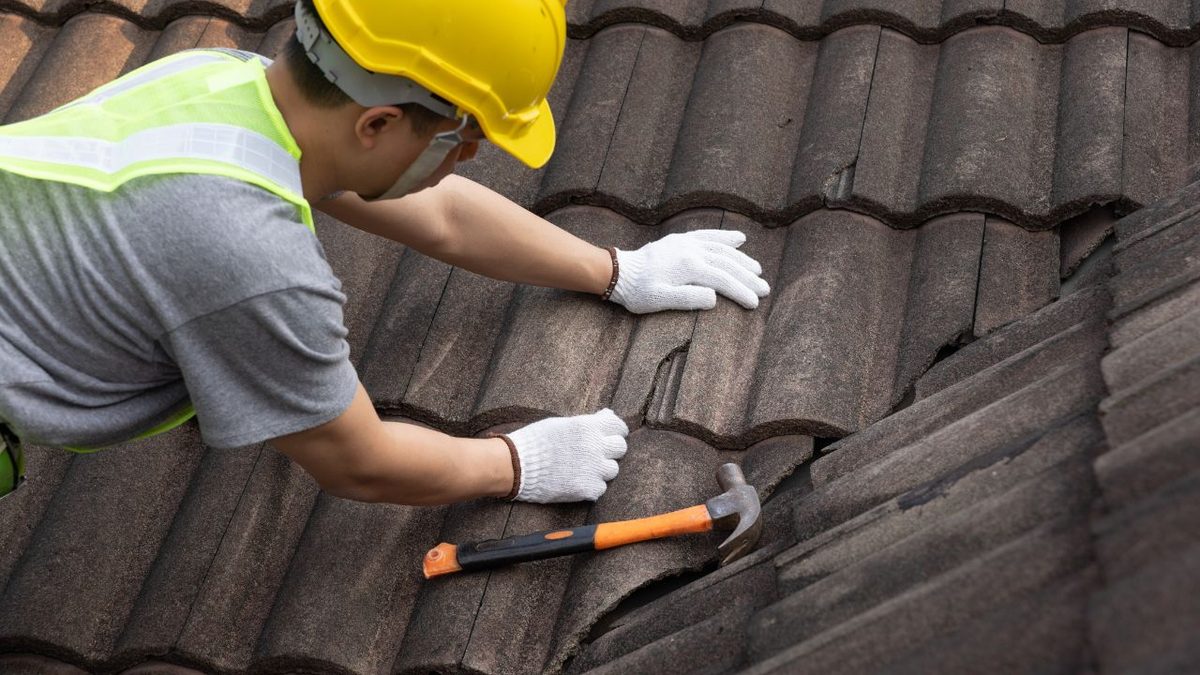
Obtain an independent inspection from a licensed roofing contractor before the insurance adjuster arrives. Professional roofers identify damage that untrained eyes miss, including underlayment problems and structural concerns. A detailed roof inspection checklist ensures contractors evaluate all components during their assessment.
Request a written inspection report with photos, measurements, and repair cost estimates. This documentation serves as evidence if the insurer's adjuster underestimates the damage or claims that no covered loss exists.
Gather Your Policy Details and Property Records
Locate your homeowners' insurance policy and review coverage limits, deductibles, and exclusion clauses. Percentage-based wind and hail deductibles are 1% or 2% of your home's insured value, significantly higher than standard flat deductibles. Collect property records, including roof age, previous repairs, and maintenance receipts, to counter wear-and-tear denials.
Compile photos of your roof before the storm if available from property listings or inspections. Demonstrating proper maintenance history strengthens your position when insurers argue damage resulted from neglect rather than covered events.
File the Claim Within Illinois Filing Deadlines
Illinois homeowners have 1-2 years from the date of loss to file roof damage claims. Prompt reporting is required to avoid denial based on delayed notification, even when the policy allows longer filing periods. Contact your insurance company within 72 hours of discovering damage to initiate the formal claims process.
File the claim by phone, online portal, or through your insurance agent, depending on your carrier's requirements. Document the date, time, and claim number for all communications throughout the process to maintain a complete record.
Prepare For and Host the Insurance Adjuster Visit
Insurance companies send adjusters within 5-15 days to assess damage and estimate repair costs. Prepare by compiling all documentation, including photos, videos, and the independent contractor's inspection report for the adjuster's review. Be present during the inspection to point out specific damage areas and ask questions about the evaluation process.
Request a copy of the adjuster's report and repair estimate for your records. Understanding how to maximize your coverage involves comparing the adjuster's findings against your independent inspection to identify discrepancies requiring negotiation.
Review the Decision and Appeal If Denied or Underpaid
Review the claim decision carefully and compare the settlement amount against actual repair costs. If the claim is denied or underpaid, request a detailed written explanation citing specific policy language. File a formal appeal with supporting documentation, including the independent inspection report and contractor estimates.
Request re-inspection by a different adjuster or hire a public adjuster to negotiate on your behalf. Knowing what to do after storm damage includes understanding your appeal rights and escalation options when initial settlements prove inadequate.
Illinois Risk Context - Why Roof Claims Hit Illinois Homeowners Harder
Illinois homeowners face an elevated risk of roof damage compared to national averages due to severe weather patterns. Understanding regional risk factors explains why proper claim filing matters more in Illinois than in many other states. Geographic and weather data demonstrate why Illinois residents must prepare for frequent storm damage and insurance claims.
State-specific weather exposure creates unique challenges for homeowners and insurers in the Illinois market. These factors directly influence claim frequency, settlement amounts, and denial rates throughout the state.
Illinois Hail and Severe Weather Exposure
Illinois ranks second in the nation for major hail events with 375 recorded in 2025. Major hail events include hailstones one inch in diameter or larger, capable of causing significant roof damage. Severe convective storms combining hail, tornadoes, and straight-line winds occur frequently throughout Illinois during the spring and summer months.
Nationwide, 43.5 million properties face moderate or greater hail risk, representing $17.84 trillion in reconstruction cost value. Illinois properties account for a significant portion of this total due to the state's geographic position in hail-prone corridors.
Chicago Metro Vs. Central and Western Illinois Claim Patterns
Chicago Metro experiences the highest average claim sizes despite fewer total hail events than Central Illinois. Higher property values and elevated labor costs in the Chicago area drive larger settlement amounts for identical damage. Central and Western Illinois see more frequent but smaller claims due to lower property values and construction costs.
Regional claim patterns influence how insurers price policies and evaluate damage in different Illinois locations. Understanding these differences helps homeowners set realistic expectations for settlement amounts based on their specific location within the state.
Roofing Material Cost Reference for Your Claim
Knowing replacement cost strengthens your negotiating position when reviewing settlement offers in the final step. Material costs vary significantly based on quality, durability, and expected lifespan, affecting claim valuations. Understanding how your roof affects insurance rates includes knowing how material choice influences both premiums and replacement cost calculations.
Use these cost ranges to evaluate whether your insurer's settlement offer covers actual replacement expenses. Regional labor rates and installation complexity add 40-60% to material costs for total project expenses.
Roofing Material Cost Ranges and Lifespans
Asphalt 3-Tab roofing costs $3.50-$5.95 per square foot with a 20-25 year lifespan. Asphalt Architectural shingles cost $5.00-$10.00 per square foot and last 25-35 years. Metal roofing ranges from $4.00-$40.00 per square foot, depending on material type, with 30-75 year lifespans.
Tile roofing costs $6.30-$27.50 per square foot and lasts 50-100 years under proper conditions. Natural slate represents the premium option at $20.00-$35.00 per square foot with 125-200 year lifespans, though few residential policies cover full replacement cost for slate.
How Material Lifespan Influences Settlement Decisions
Insurers reduce settlement amounts for older roofs using depreciation schedules based on expected material lifespan. A 15-year-old asphalt shingle roof receives lower compensation than a 5-year-old roof with identical damage. Understanding depreciation calculations helps you challenge unfair reductions when your roof received proper maintenance throughout its life.
Knowing when to pay your roofer includes understanding how insurance settlements release payments based on project completion milestones. Never pay contractors in full before the insurance company approves and funds your final settlement amount.
Communication and Service Channels for Illinois Claimants
Choosing appropriate communication channels affects how quickly your claim is processed through each step. Digital and traditional channels each offer specific advantages depending on your preference and situation. Understanding generational preferences helps you select the approach most likely to achieve satisfactory results with your insurer.
Communication channel selection impacts documentation quality, response times, and your ability to maintain complete claim records. Match your approach to your comfort level and the complexity of your specific claim situation.
Digital Tools and Online Claim Management
Sixty-four percent of Digital Natives believe insurance should be primarily purchased and managed online. Sixty percent of Digital Natives would switch providers for comprehensive digital claim management options. Digital Natives are consumers who prefer primarily online insurance management over traditional agent-based interactions.
Only 32% of Gen Z homeowners report being very satisfied with their insurance companies overall. Forty-four percent of Gen Z express satisfaction with roof claim outcomes, suggesting room for improvement in digital service delivery. Just 34% of Gen Z homeowners felt very confident when purchasing policies, highlighting the need for clearer digital communication and education.
Agent and Phone-Based Claim Management
Sixty-six percent of Digital Immigrants prefer speaking directly to insurance agents rather than using digital channels. Fifty-one percent of all homeowners use insurance agents and brokers as their primary purchasing channel. Sixty-one percent of those 65 and older prefer working with agents compared to 29% of those aged 18-29.
Digital Immigrants value personal relationships and direct verbal communication throughout the claims process. Understanding how a new roof lowers insurance costs involves discussing specific policy changes with your agent after completing repairs or replacement.
Putting the Steps Into Action with Advanced Roofing Inc.
Following the seven steps outlined in this guide positions Illinois homeowners for successful claim outcomes. Proper documentation, professional inspections, and persistent follow-through overcome the high denial rates affecting roof damage claims. The complexity of the process requires experienced contractors who understand both roofing systems and insurance procedures.
Working with established local contractors simplifies the claims process and ensures accurate damage assessment from the start. Advanced Roofing Inc. has served Chicagoland homeowners for over 30 years, providing the expertise needed to navigate complex insurance claims successfully.
How Advanced Roofing Inc. Supports Illinois Homeowners Through the Claim Process
Advanced Roofing Inc. provides independent professional inspections that document all storm damage thoroughly and accurately. As a GAF Master Elite Contractor serving Yorkville, Naperville, Aurora, and surrounding communities, the company understands how insurers evaluate claims in different Illinois regions. Their detailed inspection reports include photos, measurements, and repair estimates that strengthen your position when negotiating with adjusters.
The team's 30 years of experience includes working with every major insurance carrier operating in Illinois. Their BBB A+ rating reflects consistent quality and transparent communication throughout the claims and repair process for homeowners.
Schedule a Free Storm Damage Inspection with Advanced Roofing Inc.
Contact Advanced Roofing Inc. today to schedule your free storm damage inspection and claims support consultation. Their certified team identifies all damage requiring documentation before you file your claim with your insurer. Visit their storm damage insurance claims page to learn more about their comprehensive support services.
Don't let the complexity of the claims process prevent you from protecting your home investment. Schedule your inspection now to begin the documentation process while evidence remains fresh and filing deadlines remain open.