Key Takeaways
- Over 1.7 million Chicago homes face moderate to severe hail damage risk, representing more than $1 trillion in reconstruction value
- Storm-related damage accounts for 22% of all residential roofing replacements in the United States
- Proper documentation of the April storm roof damage increases insurance claim approval rates and reimbursement amounts
- Inspection costs range from $75 for basic physical assessments to $1,000+ for structural engineer evaluations
- Spring months from March through May represent peak season for storm roof inspection in Illinois
April storms in Illinois deliver concentrated periods of hail, high winds, and heavy precipitation that can compromise residential roofing systems. Homeowners who complete a thorough post-storm roofing review within 48 to 72 hours improve their ability to identify damage before secondary issues like water intrusion develop.
This damage assessment checklist, which Illinois property owners can use, addresses ten critical inspection points in a structured sequence. Each section provides specific criteria to evaluate roof condition, document findings for insurance purposes, and determine whether professional intervention is necessary.
Setting the Stage - Why April Storms in Illinois Demand Immediate Roof Assessment
April represents a critical transition period when warm, moist air from the Gulf of Mexico collides with cold northern systems. This atmospheric instability produces severe thunderstorms with large hailstones and damaging straight-line winds.
The Scale of Illinois Storm Damage Risk
The Chicago metropolitan area faces extraordinary exposure to hail events that can damage residential roofing systems. More than 1.7 million homes in Chicago are at risk of moderate or severe hail damage, representing over $1 trillion in reconstruction value.
Wind and hail account for more than half of all residential insurance claims nationwide. Storm-related damage drives 22% of all residential roofing replacements, making April storm roof damage a primary concern for Illinois homeowners.
How to Use This Damage Assessment Checklist
This checklist follows a sequential order designed to move from exterior observations to detailed component inspections. Begin with section one immediately after storm conditions pass and work through each point methodically.
Document your findings with photographs at each step, noting date stamps and specific locations on the roof. These records become essential evidence when filing insurance claims or consulting with roofing contractors.
Who This Checklist Is Built For: Homeowners, Property Owners, and Insurance Claimants
Primary users include residential property owners aged 40 to 65 in Chicagoland suburbs who manage single-family homes. Secondary audiences encompass commercial property managers overseeing building portfolios where roof integrity affects tenant operations and asset value.
Insurance claimants preparing documentation for carrier review will find this checklist provides the structured evidence adjusters require. Property investors evaluating acquisition targets can use these criteria to assess deferred maintenance liabilities.
The Damage Assessment Checklist at a Glance
Work through these ten checks in order after any major Illinois storm. Each point is broken down in detail in the next section.
- Inspect for Hail Damage to Roof Surface
- Check for Wind-Driven and Structural Damage
- Examine Roof Flashing for Water Intrusion Risk
- Distinguish Between Visible and Hidden Roof Damage
- Document All Damage for Your Insurance Claim
- Select the Appropriate Inspection Method
- Determine Damage Severity (Minor, Moderate, Severe)
- Match Your Roofing Material to Its Storm Resistance Profile
- Plan Around Illinois Peak Inspection Seasons
- Vet Your Post-Storm Roofing Contractor
The Damage Assessment Checklist - Detailed Breakdown
Inspect for Hail Damage to Roof Surface
Hail damage repair drives the majority of roofing revenue in the Midwest, where spring storms produce concentrated hail events. The Chicago metropolitan area experiences high exposure to hail and storm damage that can compromise shingle integrity, granule adhesion, and waterproof membrane function.
Look for circular indentations on asphalt shingles, measuring the diameter of impact points to estimate hailstone size. Check for common types of roof damage, including displaced granules, exposed fiberglass mat, and cracked shingle edges.
Check for Wind-Driven and Structural Damage
Storm-related damage accounts for 22% of residential roofing replacements across the United States. Wind events exceeding 50 miles per hour can lift shingle edges, tear flashing, and dislodge ridge caps.
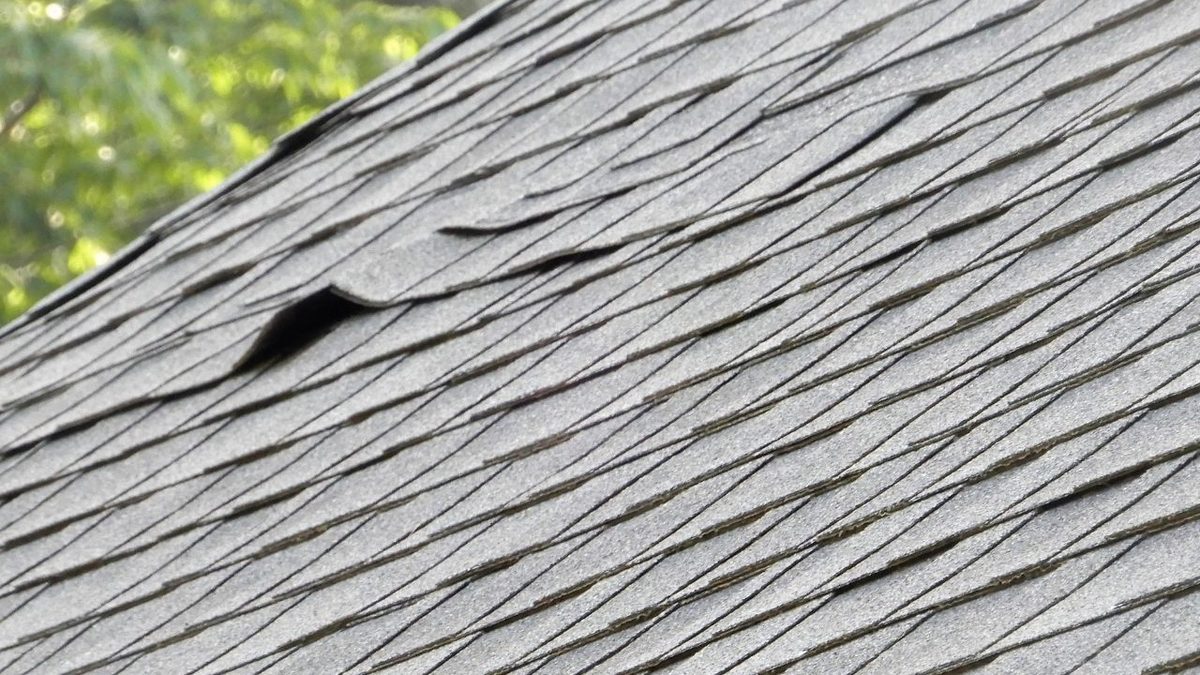
Inspect for missing shingles, exposed underlayment, and displaced ridge vents from the ground using binoculars. Look for signs of hail, wind, and storm preparation issues that may have contributed to damage severity.
Examine Roof Flashing for Water Intrusion Risk
Roof flashing prevents water intrusion around penetrations such as chimneys, skylights, and plumbing vents. Standard roof flashing repairs cost between $200 and $600, while complex repairs involving chimneys or skylights range from $750 to $1,000.
Check flashing for separation from mounting surfaces, visible rust or corrosion, and gaps where sealant has failed. Review detailed guidance on flashing failure signs to identify subtle indicators of compromised waterproofing.
Distinguish Between Visible and Hidden Roof Damage
Surface damage presents as obvious shingle impacts, missing materials, or displaced components visible from ground level. Hidden damage includes underlayment tears, decking compression, and moisture penetration that develops into structural issues over time.
Interior ceiling stains, attic moisture, and isolated water marks indicate concealed damage requiring professional assessment. Consider scheduling a comprehensive spring storm damage inspection to identify problems not visible from ground observations.
Document All Damage for Your Insurance Claim
U.S. roof claims costs reached $30.7 billion in 2024, reflecting increased storm severity and repair expenses. Filing a roof claim can result in premium increases of 9% to 15%, making documentation quality essential to claim approval.
State Farm paid over $3.8 billion in hail damage claims in 2024, using advanced aerial imagery and data analytics to verify roof condition. Photograph all damage from multiple angles, measure impacted areas, and collect weather reports documenting storm intensity.
Select the Appropriate Inspection Method
Physical inspections cost between $75 and $200 for accessible residential roofs with moderate slopes. Drone inspections range from $150 to $400, providing detailed imagery of steep or dangerous roof sections.
Infrared or thermal imaging costs $400 to $600 and detects hidden moisture trapped in roofing layers. Structural engineer assessments cost $500 to $1,000 or more and provide detailed reports for insurance claims requiring technical documentation.
Determine Damage Severity - Minor, Moderate, Severe
Minor hail repairs, replacing a few damaged shingles, cost between $150 and $600. Moderate repairs addressing multiple roof sections range from $1,500 to $3,500.
Severe damage requiring full replacement averages $7,400 to $16,000 for a typical 2,000 square foot home. Rising labor costs contributed to a 15% increase in overall project expenses, making early assessment critical to budget planning and replacement versus repair decisions.
Match Your Roofing Material to Its Storm Resistance Profile
Asphalt shingles account for 80% of residential roofs, costing $4.00 to $15.00 per square foot with 15 to 30-year lifespans. Metal roofing represents 12% market share, costing $4.50 to $7.00 per square foot with 50-plus year longevity.
Tile roofing accounts for 5% market share, ranging from $3.00 to $30.00 per square foot with 50-plus year durability. Understanding roofing materials suited to the Illinois climate helps property owners evaluate repair options against replacement alternatives.
Plan Around Illinois Peak Inspection Seasons
Spring months from March through May represent peak season for roof inspections following winter freeze-thaw cycles and spring storm events. Fall months in September and October show a secondary peak as property owners prepare roofing systems for winter weather.
Severe weather events are increasing in frequency, compressing inspection schedules and creating contractor backlogs. Scheduling storm roof inspection services immediately after the April storms improves contractor availability and reduces project delays.
Vet Your Post-Storm Roofing Contractor
Approximately 54% of homeowners report difficulty finding skilled roofing professionals during peak storm seasons. Labor shortages have led to project delays of up to 30%, making contractor selection a critical timeline factor.
Verify contractor licensing, insurance coverage, manufacturer certifications, and local references before signing contracts. Request detailed written estimates that specify materials, labor costs, project timelines, and warranty terms to avoid misunderstandings.
Buyer Decision Factors - What Illinois Homeowners Prioritize Post-Storm
The Homeowner Priority Ranking After a Storm
Cost and price considerations account for 22% of homeowner decision factors when selecting roofing contractors. Insurance claims assistance represents 18% importance, reflecting the complexity of documentation and carrier negotiations.
Transparent communication drives 15% of selection criteria, while contractor reliability accounts for 14%. Speed of service represents 12% importance, with quality of work comprising 9% of homeowner priorities.
Why Transparent Communication Drives Contractor Selection
Homeowners value clear project timelines, itemized pricing breakdowns, and regular progress updates throughout repair processes. Contractors who explain technical findings in accessible language build trust that influences long-term business relationships.
Communication transparency reduces anxiety about major home repair decisions and hidden costs. Property owners consistently rank honest assessments above lowest-bid pricing when selecting roofing partners.
Why Insurance Claim Assistance Matters to Homeowners
Navigating insurance carrier requirements, documentation standards, and claim submission processes creates significant stress for property owners. Contractors who provide detailed damage reports, photograph evidence, and carrier communication support improve claim approval rates.
Homeowners lacking experience with insurance processes depend on contractor expertise to maximize coverage. Professional claim assistance can increase reimbursement amounts by documenting damage comprehensively according to carrier specifications.
How Labor Availability Shapes Project Timelines
Labor shortages extending project timelines by 30% force homeowners to plan repairs months in advance during peak seasons. Contractors with established crews and material supplier relationships complete projects faster than firms relying on subcontractor availability.
Rising labor costs contributing to 15% project expense increases make contractor efficiency a financial consideration. Property owners willing to schedule work during off-peak months often secure better pricing and shorter timelines.
Putting the Checklist Into Action with Advanced Roofing Inc.
How Advanced Roofing Inc. Supports Illinois Homeowners After Storms
Advanced Roofing Inc. has served Chicagoland communities for over 30 years, providing comprehensive storm damage assessment services. As a GAF Master Elite Contractor and CertainTeed ShingleMaster, the company maintains manufacturer certifications representing the top 2% of North American roofing professionals.
The family-owned business combines detailed inspection protocols with insurance claim support to guide homeowners through post-storm recovery. BBB A+ rating and hundreds of satisfied client reviews demonstrate the company's commitment to transparent communication and quality craftsmanship.
Schedule a Free Storm Damage Inspection with Advanced Roofing Inc.
Professional assessment identifies hidden damage that may not appear during ground-level observations but can lead to costly interior repairs if left unaddressed. Advanced Roofing Inc. provides detailed inspection reports documenting roof condition, repair recommendations, and material specifications required for insurance claim submission.
Contact Advanced Roofing Inc. today to schedule your storm damage inspection and receive expert guidance through the repair process. Early assessment protects your property investment and ensures timely completion before Illinois weather creates additional complications.