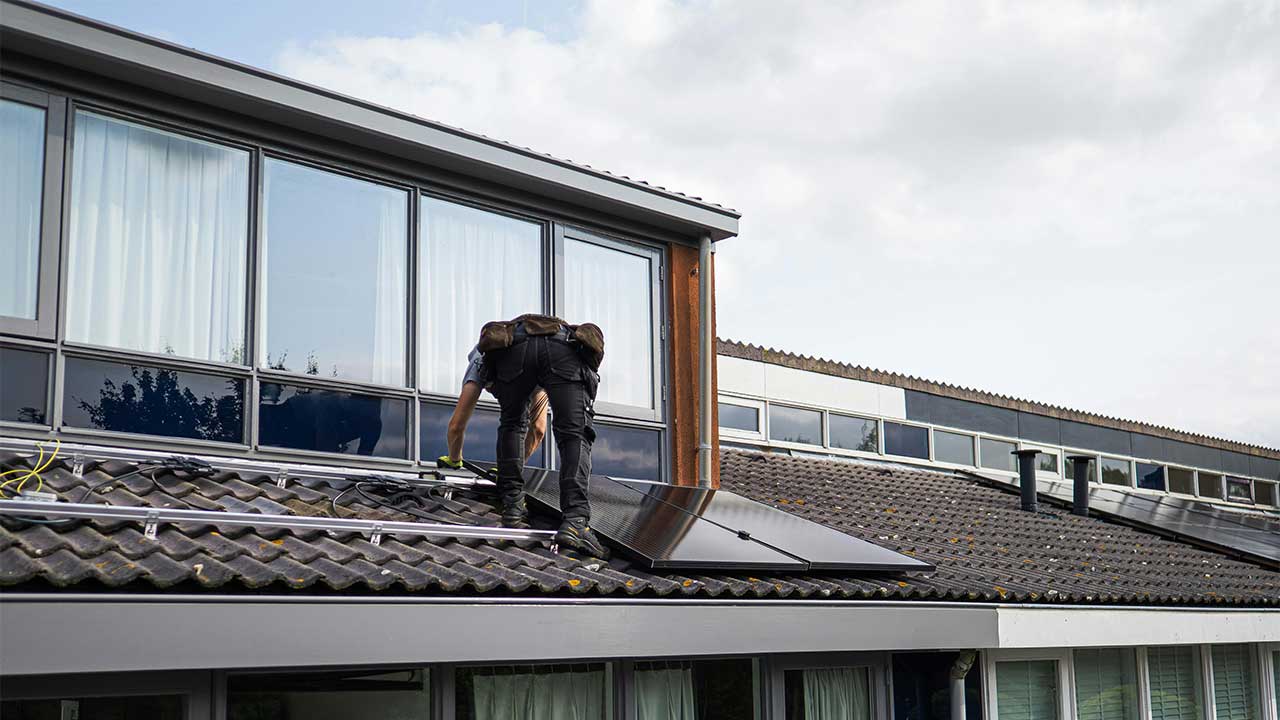
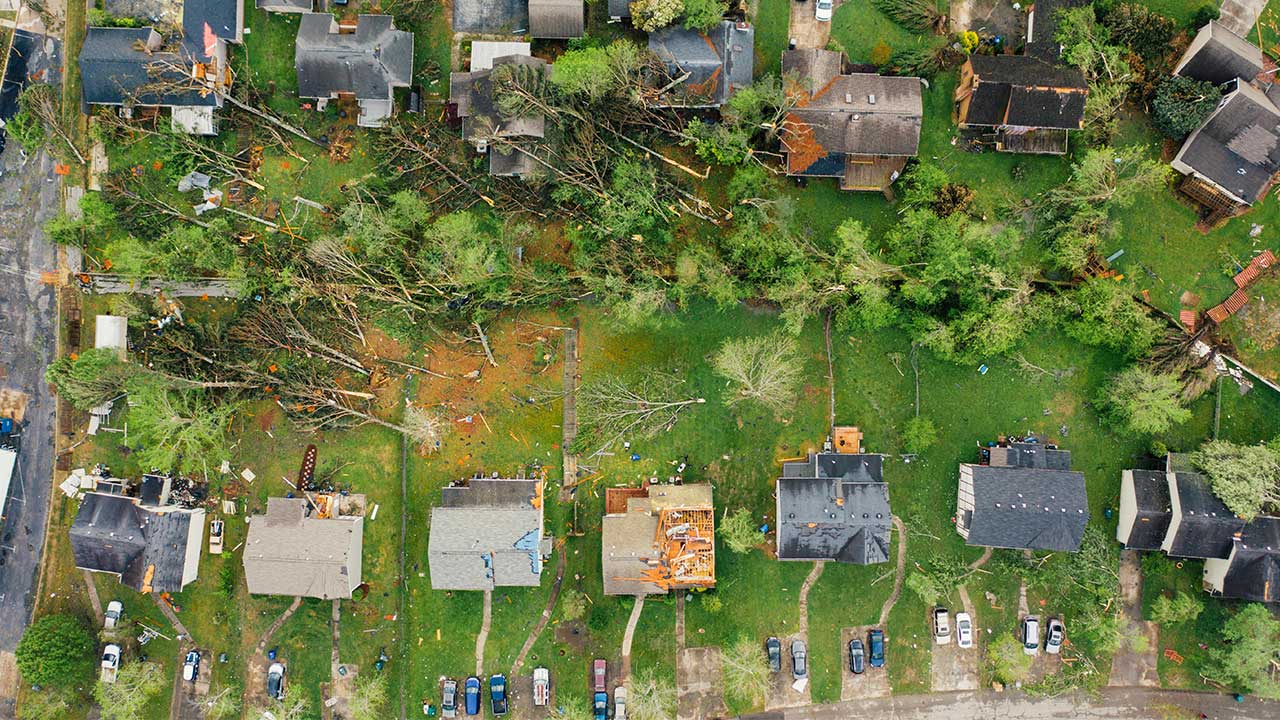
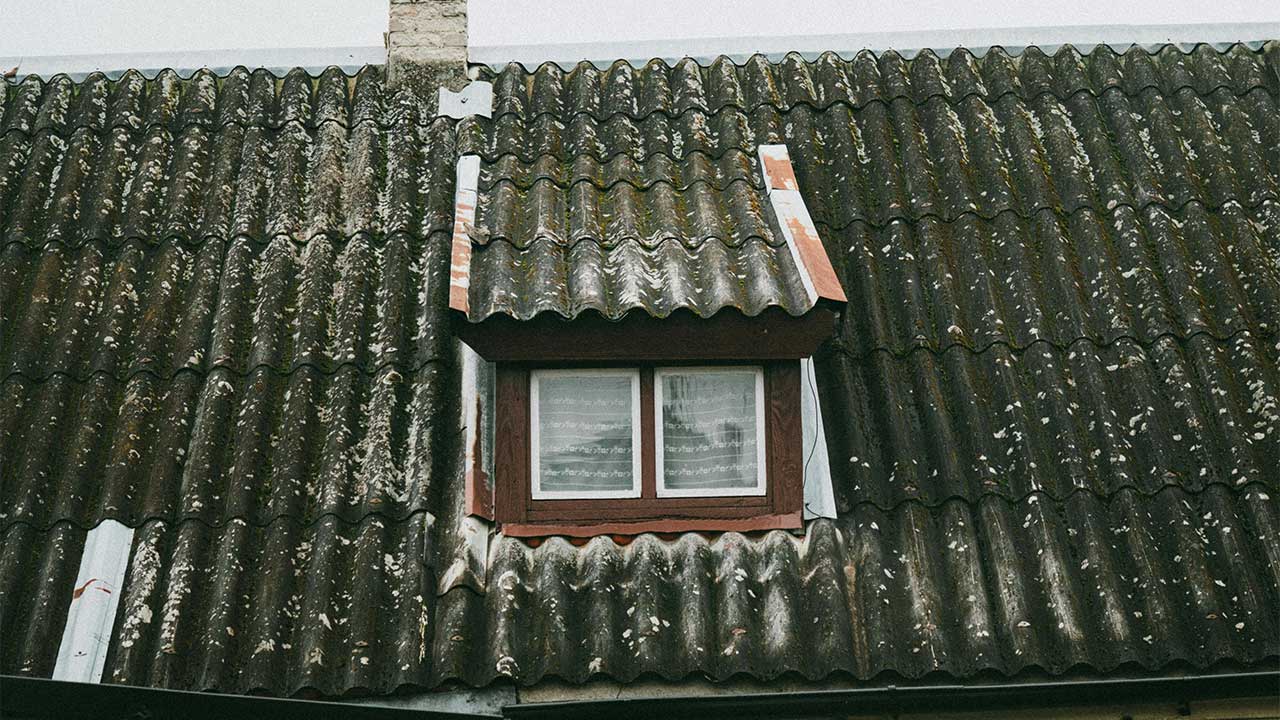
Severe storms strike Fox Valley homes without warning, leaving roofs vulnerable to leaks and structural damage. Knowing how to respond immediately protects your property and minimizes repair costs.
Emergency roof situations demand quick assessment and temporary protection before professional contractors arrive on-site. Homeowners who understand basic storm damage prevention can prevent thousands of dollars in secondary water damage.
Key Takeaways
- Emergency roof repairs involve active leaks, missing shingles, or structural exposure requiring immediate attention
- Deploy emergency tarping within 24 hours to prevent secondary water damage and protect your investment
- Quarter-size hail causes critical damage thresholds requiring professional inspection and potential insurance claims
- Visual ground inspections provide initial damage assessment without compromising homeowner safety during severe weather
- Selecting contractors with transparent pricing and comprehensive documentation ensures proper emergency repair execution
What Constitutes an Emergency Roof Repair?
Emergency roof repair addresses active leaks, missing shingles, or exposed structural elements requiring immediate intervention. These situations threaten interior spaces with water intrusion and demand a rapid professional response.
Structural exposure from missing shingles creates an immediate risk of water penetration and interior damage. Delayed response allows moisture to compromise insulation, drywall, and framing materials.
Which Types of Roof Damage Require Immediate Attention?
Quarter-size hail measuring one inch represents the critical damage threshold for standard asphalt shingles. This hail size causes fractures in protective granules and underlying asphalt layers.
A golf ball-sized hail at 1.75 inches causes severe damage requiring complete roof replacement. Tennis ball-sized hail exceeding 2.5 inches creates catastrophic structural damage, demanding emergency tarping.
How Does Weather Impact Emergency Roof Repairs in Fox Valley?
Severe convective storms include hail, tornadoes, and damaging winds that account for 70% of global insured losses. These weather events concentrate their impact during the spring and summer months.
Illinois recorded 37 major hailstorms between 2012 and 2021, generating $118.5 million in total damage. Yorkville and Fox Valley experience high storm activity requiring vigilant homeowner monitoring.
What Are the Common Signs of Severe Roof Damage?
Hail damage represents 35% of storm-related incidents, while wind damage accounts for 40% of total claims. Water damage comprises 20% of incidents, often resulting from delayed emergency response.
Pea to nickel-sized hail causes minimal immediate damage but creates cumulative granule loss over time. One-inch hail causes significant damage to standard asphalt shingles, requiring professional inspection.
How Can Homeowners Assess Roof Damage Before Help Arrives?
Homeowners must wait for safe conditions before attempting any damage inspection activities. Visual ground-level inspections provide initial damage assessment without risking personal injury.
Performing inspections during active storm conditions creates unnecessary safety hazards for homeowners and family members. Visual ground inspections cannot detect all roof damage types requiring professional evaluation.
What Are Safe Methods to Inspect Roof Damage?
Never inspect damaged roofs during active storm conditions with lightning, high winds, or ongoing precipitation. Wait until the weather stabilizes and daylight provides adequate visibility for safe observation.
Perform visual inspections from ground level using binoculars to examine shingle conditions and missing materials. Common types of roof damage in Illinois vary by season and require different assessment approaches.
How to Differentiate Between Minor and Major Roof Issues?
Non-emergency repairs include minor granule loss, isolated damage, and aging materials without active leaks. These conditions allow scheduled maintenance rather than immediate contractor response.
Cumulative granule loss from repeated small hail impacts weakens shingles over multiple storm seasons. Professional contractors identify patterns invisible to untrained homeowners during routine inspections.
When Should You Document Damage for Insurance?
Use contractors who provide comprehensive photo documentation showing damage extent and repair requirements. Detailed photographic evidence supports insurance claims and accelerates approval processes.
Documentation should include close-up images of damaged shingles and wide-angle shots showing affected areas. Time-stamped photographs establish damage timelines for Illinois insurance claims for roof damage.
What Immediate Actions Can Protect Your Home After Roof Damage?
Deploy emergency tarping within 24 hours of severe damage to prevent secondary interior water damage. Immediate action protects belongings, insulation, and structural elements from moisture intrusion.
Secondary interior water damage from delayed tarping often exceeds original roof repair costs by substantial margins. Quick response limits claim amounts and prevents mold growth in attic spaces.
How to Perform Temporary Roof Tarping?
Emergency tarping provides temporary protection up to 90 days while awaiting permanent repairs or insurance approval. Professional contractors secure tarps using proper anchoring techniques, preventing wind uplift.
Emergency tarping provides only temporary protection, requiring eventual permanent repair solutions for long-term integrity. Fast and reliable roof leak repairs follow tarping to restore complete weather protection.
What Safety Precautions Should Be Taken During Temporary Repairs?
Homeowners should never attempt roof access during wet, icy, or windy conditions, creating fall hazards. Professional contractors carry liability insurance protecting homeowners from injury claims during emergency repairs.
Use stable ladders extending three feet above the roof edges and maintain three-point contact during movement. Roof safety tips include wearing rubber-soled shoes and working with spotters, monitoring conditions.
How to Prevent Water Intrusion and Structural Damage?
Place buckets beneath active leaks and move valuable items away from compromised ceiling areas immediately. Remove wet insulation to prevent mold growth and accelerate drying in affected spaces.
Monitor interior spaces for expanding water stains, indicating ongoing leaks requiring immediate professional attention. Illinois winter roof damage often appears during the spring thaw when ice dam effects become visible.
Which Materials and Repairs Offer the Best Interim Protection?
Class 4 impact-resistant materials provide the highest hail resistance rating available for residential roofing applications. These shingles withstand golf ball-sized hail without fracturing or losing protective granules.
Upgrade to Class 4 impact-resistant shingles in hail-prone areas reduces future damage and lowers insurance premiums. Material selection balances upfront costs against long-term durability in severe weather regions.
What Are the Benefits of Impact-Resistant Shingles?
Impact-resistant shingles feature reinforced construction designed to absorb hail strikes without compromising waterproofing integrity. These materials extend roof lifespan in regions experiencing frequent severe weather events.
Average asphalt roof lifespan reaches 15 years in hail-prone states versus 22 years in western states. Impact-resistant upgrades offset shortened lifespans through superior weather resistance and reduced replacement frequency.
How Do Temporary Repair Materials Vary in Effectiveness?
Heavy-duty polyethylene tarps rated for UV resistance provide superior temporary protection compared to lightweight alternatives. Professional-grade tarps withstand wind loads and prevent deterioration during extended deployment periods.
Adhesive roof patches work for small punctures but fail during freeze-thaw cycles in Fox Valley climates. Temporary repairs require monitoring and adjustment after subsequent weather events.
When Is Emergency Board-Up Necessary?
Emergency board-up becomes necessary when missing shingles expose the roof decking to direct weather exposure. Plywood sheeting prevents water intrusion until permanent repairs restore complete coverage.
Large-scale structural damage from fallen trees or tornado impacts requires immediate board-up to prevent unauthorized access. Emergency roof protection plans outline response procedures for catastrophic damage scenarios.
How to Choose the Right Contractor for Emergency Roof Repair?
Selecting qualified contractors prevents poor workmanship that compounds original damage during emergency situations. Experienced professionals understand insurance processes and provide documentation supporting successful claims.
Contractor experience and reputation matter more than low pricing during emergency situations requiring immediate response. Quality contractors maintain stock materials, enabling rapid deployment without delays in sourcing supplies.
What Factors Define a Trusted Roofing Contractor?
51% of homeowners cite contractor experience as their chief concern when selecting emergency repair services. Established contractors demonstrate proven response capabilities through verified project histories and customer references.
Licensing, insurance, and manufacturer certifications indicate professional competence and industry standing among contractors. How to choose the best roofing contractor in Illinois involves verifying credentials and reviewing past performance.
How to Evaluate Pricing Transparency and Communication?
85% of millennials prefer contractors with online pricing, while 78% of Generation X value transparency. 74% of Baby Boomers appreciate online pricing, and 78% of consumers contact companies providing cost information.
67% of homeowners say communication quality determines their final contractor selection between comparable service providers. Clear explanations of repair scope and realistic timelines build trust during stressful emergency situations.
What Should Homeowners Expect From Emergency Roofing Services?
Emergency roofing services should provide 24/7 availability with response times under four hours for active leaks. Professional contractors arrive equipped with tarping materials, safety equipment, and damage documentation tools.
Contractors should explain repair options, insurance implications, and temporary versus permanent solution trade-offs clearly. Emergency roof repair in Illinois requires contractors familiar with regional weather patterns and local building codes.
What Are the Insurance and Cost Considerations for Emergency Repairs?
Non-catastrophic claims grew from 17% in 2022 to 25% in 2024, indicating increased small-scale damage frequency. Understanding insurance coverage prevents homeowners from paying unnecessarily for covered damage.
Emergency repairs range from $500 to $3,000, depending on the extent of damage and temporary protection requirements. Non-emergency repairs range $380-$1,500 for minor fixes addressing isolated problems.
How to Navigate Insurance Claims Following Storm Damage?
Contact insurance carriers immediately following storm damage to initiate claims before contractor selection. Carriers provide adjusters who document damage and determine coverage under policy terms.
Some contractors offer claims assistance, helping homeowners navigate complex insurance processes and documentation requirements. Detailed contractor estimates support insurance adjusters' damage assessments and repair scope determinations.
What Are Typical Cost Tiers for Emergency Roof Repair?
Budget tier services cost $380-$1,500 for minor shingle replacement and small leak patches. Mid-range tier services range $1,500-$5,000, covering moderate tarping and partial section replacement.
Premium tier services cost $5,000-$25,000+ for full roof replacement and structural repairs. Fox Valley roofing costs reflect regional labor rates and material availability during peak demand periods.
How Does Material Choice Influence Repair Costs?
Asphalt shingle replacement costs $5,900-$12,900, representing the most economical permanent repair option. Metal roofing costs 2-3 times more than asphalt but provides superior longevity and weather resistance.
Tile roofing premium costs exceed $20,000 for complete installations requiring structural reinforcement. 7 warning signs your Illinois roof suffered winter storm damage help homeowners identify repair needs before small problems escalate.
What Seasonal and Regional Factors Affect Roof Repair Needs in Fox Valley?
Climate change exacerbates weather patterns, increasing storm frequency and severity across the Midwest regions. Fox Valley experiences concentrated hail and wind events during the spring and summer months.
Understanding regional weather patterns helps homeowners prepare for seasonal damage risks through preventative measures. Professional contractors monitor weather forecasts and stock materials, anticipating post-storm demand surges.
When Is Storm Damage Most Likely in the Fox Valley Area?
April through May represents peak hailstorm season, requiring heightened homeowner vigilance and preparation. June through August continues severe wind events and hail activity affecting residential roofs.
The fall and winter transition brings wind damage from late-season storms and ice dam formation. Seasonal patterns influence contractor availability and material costs during high-demand periods.
How Do Urban and Rural Roofing Needs Differ Locally?
Urban homeowners prefer low-maintenance materials like asphalt or composite shingles matching neighborhood aesthetics. Rural homeowners prioritize durability with metal, tile, or slate that withstands isolated severe weather.
Access constraints in urban areas affect equipment deployment and material staging during emergency repairs. Rural properties often experience longer response times due to distance from contractor facilities.
What Local Weather Patterns Influence Emergency Repairs?
Fox Valley's position in Illinois tornado alley creates unique severe weather exposure requiring specialized preparation. Convective storm patterns produce large hail and damaging winds exceeding 80 miles per hour.
Lake effect weather from Lake Michigan influences precipitation patterns, affecting northern Fox Valley communities. Regional microclimates create varying damage patterns within small geographic areas.
Protecting Your Home with Emergency Roof Repair in Fox Valley: Strategies and Best Practices
Emergency roof repair in Fox Valley requires understanding damage thresholds, deploying temporary protection, and selecting qualified contractors. Homeowners who act quickly to protect their home before contractor's arrival minimize total damage costs.
Storm damage prevention through regular maintenance and impact-resistant materials reduces emergency repair frequency over time. Advanced Roofing Inc. provides comprehensive emergency services supporting Fox Valley homeowners during severe weather events.
If your roof sustained storm damage, a professional assessment determines the repair scope and insurance coverage options.
Get Emergency Roof Help From Advanced Roofing Inc.
Storm damage can't wait. Advanced Roofing Inc. has served Fox Valley homeowners for over 30 years, responding fast when it matters most. From emergency tarping to full storm damage assessment, our team arrives prepared — with the materials, certifications, and insurance expertise to protect your home and support your claim. Contact Advanced Roofing Inc. or request a free inspection online. We're ready when the storm isn't.