Asphalt shingle storm damage appears through distinct visual indicators that homeowners can identify after severe weather. Recognizing these damage patterns early prevents minor issues from escalating into expensive structural problems requiring complete replacement.
Storm impacts on asphalt roofs vary based on weather type, shingle age, and installation quality. Understanding the look of roof damage shingles display enables property owners to document issues accurately for insurance claims and repair assessments.
Key Takeaways
- Asphalt shingles account for 69% to 75% of residential roofs, but remain highly vulnerable to hail and wind damage
- Sub-severe hail accelerates roof aging by dislodging protective granules and exposing underlying asphalt to UV radiation
- Visual damage indicators include granule accumulation in gutters, circular bruising, cracked shingles, and missing tabs
- Illinois ranks 4th nationally for hail damage claims, with severe freeze-thaw cycles reducing standard roof lifespans by 20-30%
- Class 4 impact-resistant materials offer significant protection and qualify homeowners for insurance premium discounts up to 35%
What Are Asphalt Shingles and Why Are They Vulnerable to Storm Damage?
Asphalt shingles dominate the residential roofing market due to their cost-effectiveness and installation simplicity. However, their construction makes them particularly susceptible to damage from hail, wind, and temperature extremes common in the Midwest.
The materials used in asphalt shingles create inherent vulnerabilities that worsen over time. Proper understanding of these weaknesses helps homeowners make informed decisions about protection and replacement timing.
What Materials and Features Define Asphalt Shingles?
Asphalt shingles consist of a fiberglass mat coated with asphalt and topped with ceramic granules. These granules provide UV protection while the asphalt layer creates the waterproof barrier essential for weather resistance.
Asphalt shingles account for 69% to 75% of residential roofs in the United States. Their widespread adoption reflects affordability and contractor familiarity rather than superior storm performance compared to alternative materials.
What Types of Storms Most Impact Asphalt Shingles?
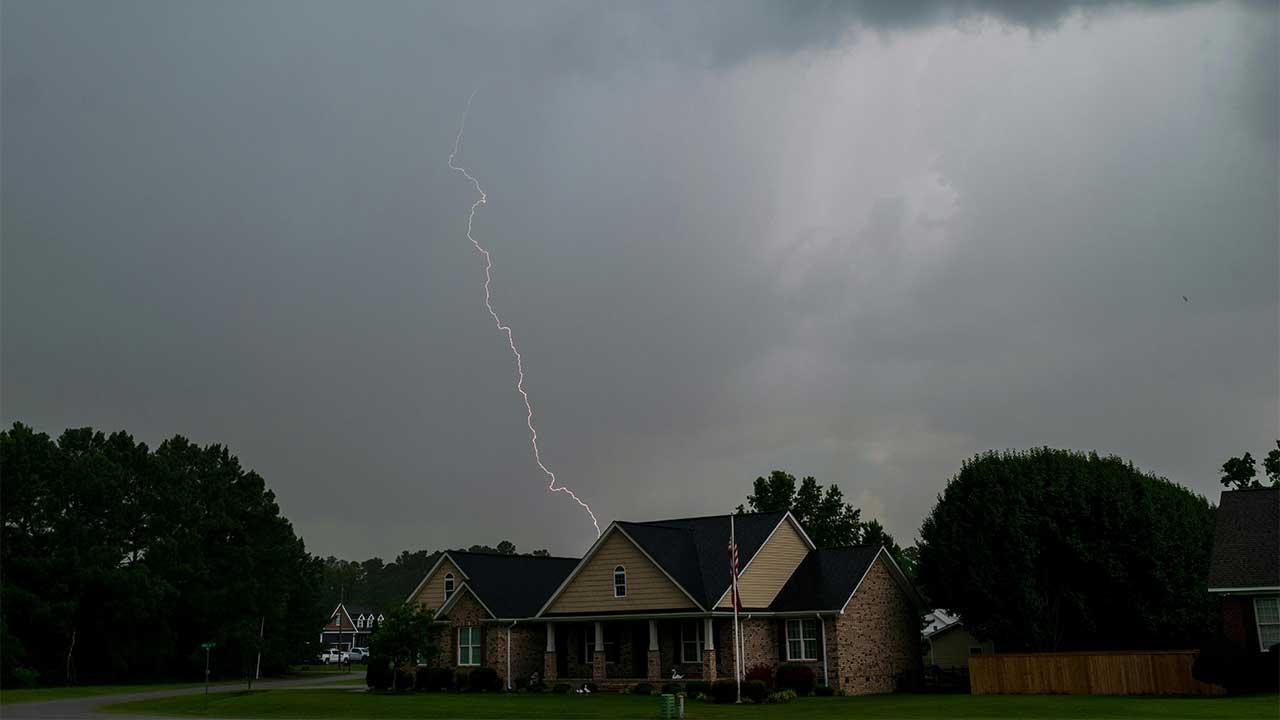
Hail produces the most severe damage by creating circular depressions that compromise shingle integrity. High winds exceeding 60 mph break sealant bonds and tear tabs from roof surfaces entirely.
Freeze-thaw cycles cause asphalt to contract and expand, creating microfractures that accumulate over time. Combined weather events involving both hail and wind create compounding damage that accelerates roof deterioration significantly.
How Does Weathering Affect Shingle Durability?
Natural aging reduces asphalt flexibility and granule adhesion through continuous UV exposure. Weathered shingles become brittle and lose their ability to absorb impact energy from hailstones.
Temperature fluctuations between summer heat and winter cold stress the fiberglass mat beneath the asphalt. This thermal cycling weakens the bond between shingle layers and increases vulnerability to storm impact on asphalt surfaces.
How Does Storm Damage Manifest Visually on Asphalt Shingle Roofs?
Visual damage indicators provide homeowners with clear evidence of storm-related roof compromise. Systematic inspection of shingle surfaces, edges, and surrounding drainage areas reveals the full extent of weather-related deterioration.
Damage patterns vary depending on storm type and intensity but follow predictable visual signatures. Recognizing these specific manifestations enables accurate assessment and appropriate response timing for repairs or replacement.
What Are the Signs of Granule Loss and Why Do They Matter?
Granule loss appears as bald spots exposing black asphalt or accumulation of ceramic particles in gutters. This protective layer shields the underlying asphalt from UV radiation that causes rapid material breakdown and brittleness.
Excessive granule shedding indicates either hail impact or advanced age, requiring immediate attention. Once granules disappear, asphalt deteriorates at ten times the normal rate, according to recent industry research.
How to Identify Bruising, Cracks, and Other Physical Damage?
Bruising creates circular depressions where hail impacted the shingle surface, often feeling soft when pressed. These indentations indicate fractures in the fiberglass mat that compromise the shingle's water-shedding capability permanently.
Cracked or split shingles display visible fractures running through the material from edge to center. These breaks allow water infiltration directly into the roof decking, creating conditions for mold growth and structural deterioration.
What Does Wind Damage Look Like on Shingle Edges and Tabs?
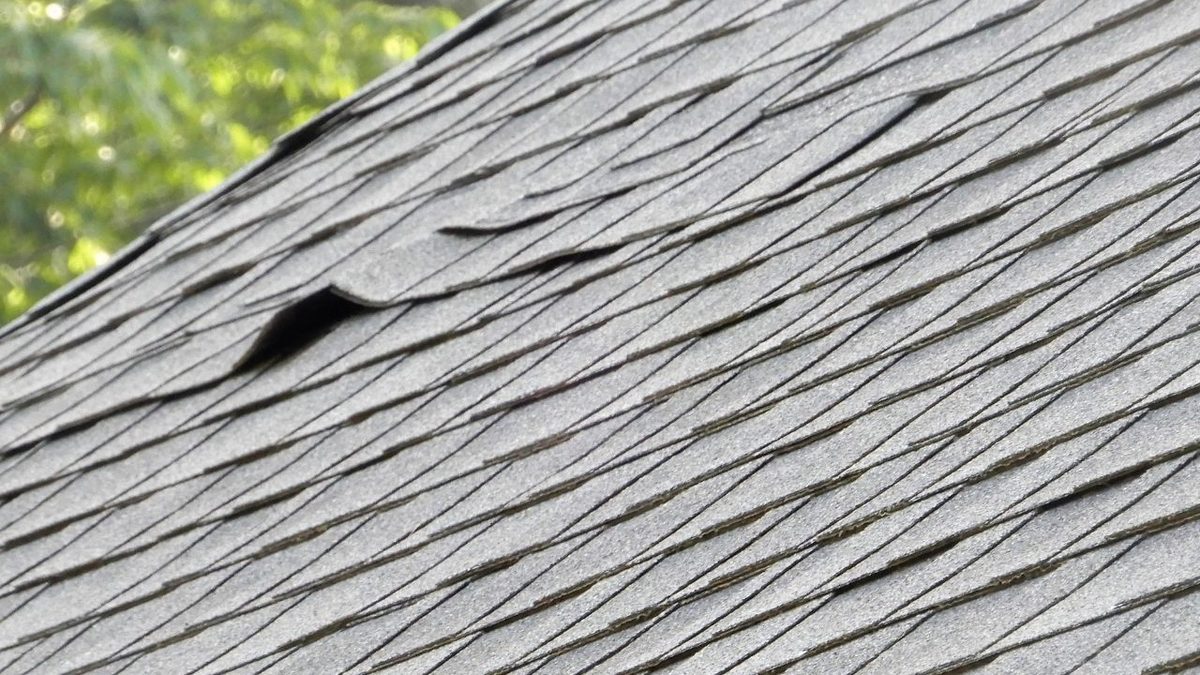
Curled or cupped edges indicate wind damage that lifted shingles and broke their factory-applied sealant bonds. This edge lifting allows water to penetrate beneath shingles during subsequent rain events and accelerates ice dam formation.
Missing shingles leave entire sections of roof decking exposed, where high wind gusts tore tabs completely away. These gaps create immediate leak pathways and expose adjacent shingles to increased wind uplift forces during future storms.
What Is Sub-Severe Hail and How Does It Affect Asphalt Shingles?
Sub-severe hail represents smaller impacts below one inch that cause cumulative damage rather than obvious punctures. This insidious damage pattern accelerates roof aging without creating immediately visible indicators that trigger homeowner concern or insurance claims.
Understanding sub-severe hail mechanics explains why Illinois homeowners experience premature roof failures despite avoiding major storms. The cumulative effect of repeated small impacts proves more destructive than single large hail events over time.
How Does Sub-Severe Hail Differ from Severe Hail Impact?
Sub-severe hail produces smaller, high-concentration impacts that prove more insidious than large hail exceeding one inch. These minor dents avoid creating obvious punctures but systematically dislodge protective granules across entire roof surfaces.
Large hail creates dramatic visible damage that immediately triggers replacement, while small hail goes unnoticed. This delayed recognition allows progressive deterioration to continue unchecked until complete failure occurs years earlier than expected.
Why Does Granule Dislodgement Accelerate Roof Aging?
Sub-severe hail dislodges protective ceramic granules, exposing underlying asphalt to damaging UV radiation. The exposed asphalt becomes brittle as sunlight breaks down petroleum-based compounds that provide flexibility and weather resistance.
This brittleness rapidly accelerates the aging process through a cascading deterioration cycle. Asphalt shingles exposed to weathering and severe impacts become approximately ten times more susceptible to damage than new ones.
What Are the Long-Term Consequences of Repeated Small Hail?
Repeated small hail events reduce roof resistance to future storms through progressive granule loss. Each subsequent weather event finds shingles in progressively weaker condition, accelerating the deterioration timeline significantly.
Residents in hail-prone areas may need roof replacements multiple times within a decade. This replacement frequency far exceeds the typical 20-30 year lifespan manufacturers advertise for standard asphalt shingle products.
How Do Regional Climate Conditions Influence Asphalt Shingle Storm Damage?
Regional weather patterns determine the frequency and severity of damage asphalt shingles sustain over their lifespan. Illinois presents particularly harsh conditions, combining frequent hail, high winds, and extreme temperature fluctuations that accelerate deterioration.
Climate-specific damage patterns require region-appropriate material selection and maintenance strategies. Understanding local weather threats enables homeowners to implement preventive measures before catastrophic failure necessitates emergency replacement.
What Makes Illinois a High-Risk Area for Hail and Wind Damage?
Illinois ranks 4th nationally for hail damage claims due to its position in tornado alley. Severe weather patterns bring frequent hailstorms combined with wind gusts averaging 60+ mph during the spring and summer months.
The state's flat geography provides no natural barriers to slow-approaching storm systems. This geographic vulnerability concentrates hail and wind damage across residential areas throughout the greater Chicagoland region.
How Do Freeze-Thaw Cycles Affect Asphalt Shingle Integrity?
Severe freeze-thaw cycles reduce standard roof lifespans by 20-30% across Illinois regions. Water penetrating small cracks expands when freezing, creating larger fractures that compromise shingle adhesion and waterproofing capabilities.
Temperature swings between winter lows below zero and summer highs exceeding 90 degrees stress asphalt materials. This thermal cycling causes material fatigue that manifests as curling edges, granule loss, and increased brittleness.
What Role Does Local Weather Play in Roof Aging and Replacement?
Severe weather serves as the primary reason for roof replacement, according to 57% of homeowners. Local conditions determine whether shingles reach their expected lifespan or fail prematurely, requiring earlier-than-anticipated replacement.
Illinois climate patterns compress typical replacement timelines by exposing roofs to compounding stressors simultaneously. Homeowners face decisions about proactive replacement versus reactive emergency repairs after catastrophic storm damage occurs.
How Can Homeowners Assess Storm Damage Post-Event?
Post-storm assessment requires a systematic inspection of both obvious damage and subtle indicators of compromise. Recognizing winter storm damage warning signs enables homeowners to document issues promptly for insurance claims and prevent secondary water damage.
Effective damage assessment balances personal safety against the need for accurate documentation. Understanding appropriate inspection timing and techniques protects homeowners while gathering evidence necessary for repair decisions.
When and How Should Roof Inspections Be Conducted?
Roof inspections following January winter storms should occur within 48 hours of weather events while damage remains fresh. Homeowners should inspect from ground level using binoculars to identify missing shingles, damaged flashing, and debris accumulation.
Interior ceiling inspections reveal water stains indicating penetration through compromised shingle areas. Attic assessments identify daylight penetration through damaged sections and moisture accumulation on insulation or decking.
What Tools and Techniques Help Detect Hidden Damage?
High-resolution photography documents damage patterns for insurance adjusters and contractor consultations. Close-up images of granule loss, bruising, and edge lifting provide evidence supporting claims even after visible damage becomes less obvious.
Gutter inspection reveals granule accumulation levels, indicating the severity of surface degradation. Dark asphalt granules collecting in downspouts signal progressive deterioration requiring professional evaluation beyond simple visual assessment.
When Is a Professional Assessment Necessary?
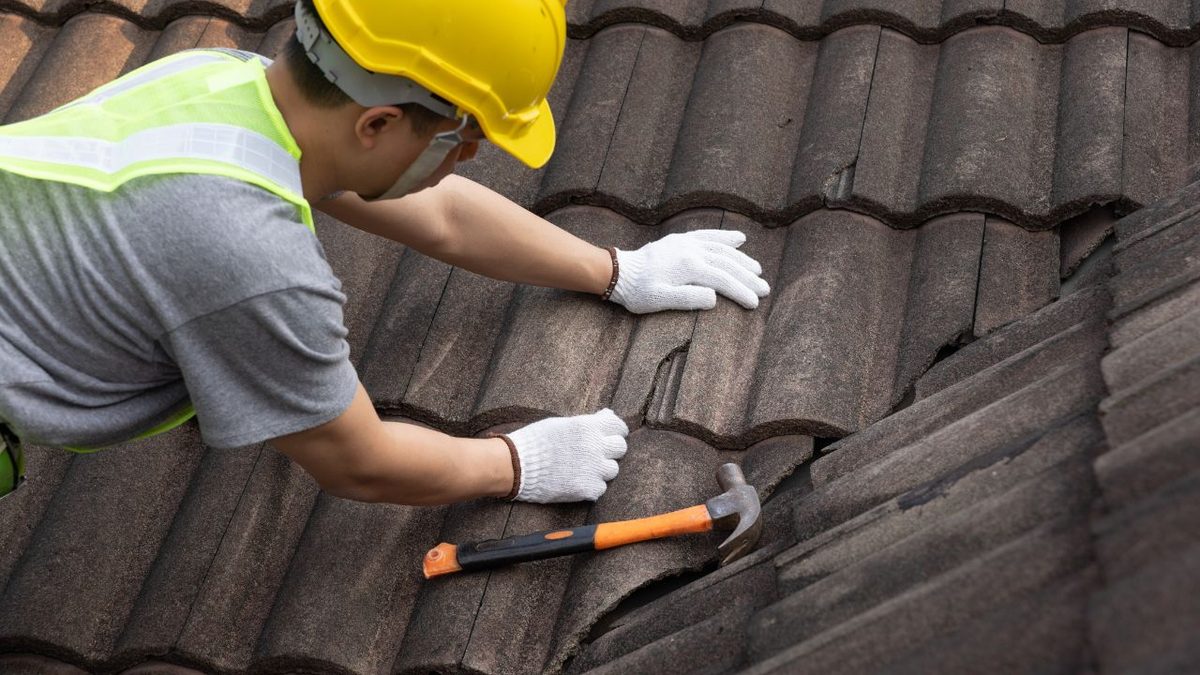
A professional Illinois roof inspection becomes essential when homeowners observe multiple damage indicators across the roof surfaces. Trained contractors identify subtle damage patterns invisible to untrained observers but critical for accurate repair scoping.
Determining whether to replace or repair after hail damage requires expertise in assessing cumulative impact versus isolated incidents. Licensed professionals provide documentation meeting insurance requirements and ensure hidden structural compromise receives appropriate attention.
What Are Effective Storm-Resistant Solutions for Asphalt Shingle Roofs?
Storm-resistant roofing solutions combine advanced materials with proper installation techniques to withstand severe weather. Modern impact-resistant products provide significantly better protection than standard asphalt shingles for hail-prone Illinois regions.
Material selection decisions balance upfront investment against long-term performance and insurance premium reductions. Understanding available options enables homeowners to choose appropriate protection levels matching local weather threats.
What Are Class 4 Impact-Resistant Asphalt Shingles?
UL 2218 Class 4 Impact Resistance rating certifies materials that withstand a 2-inch steel ball dropped from 20 feet. This testing standard ensures shingles absorb hail impacts without cracking or allowing water penetration through damaged areas.
Installing Class 4 materials qualifies homeowners for insurance premium discounts reaching up to 35%. Premium impact-resistant asphalt options like Owens Corning Duration FLEX use SBS-modified asphalt for superior hail protection.
How Do SBS-Modified Asphalt Shingles Enhance Durability?
SBS-modified asphalt incorporates rubberized polymers that maintain flexibility during cold Illinois winters. These polymers allow shingles to absorb hail impacts through material deformation rather than shattering like standard asphalt.
The enhanced flexibility prevents crack formation during freeze-thaw cycles that damage conventional shingles. Modified asphalt maintains adhesion and waterproofing capability across extreme temperature ranges common throughout Midwest climate zones.
What Maintenance Practices Extend Storm Resistance?
Annual inspections identify minor damage before it progresses into major structural compromise requiring replacement. Prompt repairs of isolated damaged shingles prevent water infiltration that accelerates deterioration of surrounding materials.
Gutter cleaning removes granule accumulation that blocks drainage and creates ice dam conditions. Proper attic ventilation maintains temperature consistency that reduces thermal stress and extends overall shingle lifespan significantly.
How Do Asphalt Shingles Compare to Other Storm-Resistant Roofing Options?
Material comparisons reveal significant performance differences between standard asphalt and alternative roofing systems. Storm-resistant roofing systems for tornado-prone Illinois areas offer superior longevity and weather protection despite higher initial investment costs.
Long-term cost analysis considers replacement frequency, insurance premiums, and maintenance requirements beyond purchase price. Understanding these comprehensive costs enables informed decisions matching property protection needs with budget constraints.
What Advantages Do Metal and Stone-Coated Steel Roofs Offer?
Stone-coated steel combines steel panel strength with stone coating, preventing cosmetic denting visible on standard metal. Metal roofing withstands 120+ mph winds compared to average Illinois wind gusts of 60+ mph during severe storms.
Asphalt shingles offer 15-30 year lifespans while metal roofing provides 40-70+ years of protection. Material costs range from $4-$15 per square foot for asphalt versus $10-$25+ for metal, with stone-coated steel options like DECRA preventing denting issues.
How Do Synthetic Materials Perform Against Hail and Wind?
Synthetic polymers manufactured from recycled plastics offer cold-weather flexibility superior to traditional materials. These engineered products maintain impact resistance across extreme temperature ranges without the brittleness affecting aged asphalt shingles.
Concrete and clay tiles provide 50-100+ year lifespans, while synthetic materials offer 40-50 years. Price ranges span $12-$35 per square foot for concrete tiles versus $8-$20 for synthetic options with comparable weather resistance.
When Is Upgrading from Asphalt Recommended?
Upgrading becomes advisable when homeowners face a second replacement within a 15-year period. Frequent storm damage and repair costs often justify a higher upfront investment in materials offering superior longevity.
Properties in high-risk Illinois areas benefit from Class 4 materials or metal alternatives immediately. Understanding why asphalt shingles remain a practical investment for certain situations helps homeowners make appropriate material selections matching their specific circumstances.
Storm Damage and Its Implications for Asphalt Shingle Roof Longevity and Performance
Storm damage significantly reduces asphalt shingle lifespan through granule loss, material fatigue, and cumulative impact effects. Recognizing damage signs enables prompt intervention, preventing minor issues from escalating into complete system failure requiring emergency replacement.
Illinois homeowners face unique challenges from combined hail, wind, and freeze-thaw cycles that compress typical replacement timelines. Proactive material selection and regular maintenance extend roof performance while reducing long-term costs associated with premature failure and repeated replacements.
Advanced Roofing Inc. has served Chicagoland communities for over 30 years with expertise in storm damage assessment and repair. Their team of certified professionals understands regional weather patterns and helps homeowners navigate insurance claims while selecting appropriate materials for lasting protection.
Schedule Your Storm Damage Inspection with Advanced Roofing Inc.
Storm damage doesn't always show up right away. Granule loss, bruised shingles, and broken sealant bonds can go undetected for months — until a leak forces your hand. A professional inspection catches what a ground-level walkthrough won't.
Advanced Roofing Inc. has served Chicagoland homeowners since 1994. As a GAF Master Elite® Contractor and CertainTeed ShingleMaster™, our team knows how Illinois weather affects asphalt shingles — and we know how to document damage accurately for insurance claims.If your home has been through a hail event, high winds, or a rough winter, don't wait. Contact Advanced Roofing Inc. to request a free roof evaluation. We'll assess your roof's condition, identify hidden damage, and walk you through your options — no pressure, no guesswork.