Insurance adjusters evaluate storm-damaged roofs using specific criteria that determine claim approval and settlement amounts. Understanding their assessment process helps Illinois homeowners prepare documentation and collaborate effectively with contractors during the insurance adjuster inspection. The adjuster's primary focus includes identifying damage patterns consistent with recent weather events, distinguishing new damage from pre-existing conditions, and calculating repair costs based on current material and labor rates.
Illinois ranks second nationally for hail claims, making storm-damaged roof assessment a frequent necessity statewide. The March 2024 storm system alone caused over $6 billion in damage across the Midwest, with State Farm paying over $600 million to Illinois customers. Adjusters working these claims follow standardized protocols while adapting to regional weather patterns and local construction standards.
Key Takeaways
- Insurance adjusters assess both visible and hidden storm damage using standardized checklists and Illinois-specific criteria
- Proper documentation from specialized contractors significantly improves claim approval rates and settlement amounts
- Regional factors like Fox Valley hail patterns and generational preferences affect how claims are filed and processed
- Claim denial rates reached 48% in 2024, making thorough evidence collection and timely filing essential
- Professional contractor involvement during inspections and re-evaluations increases settlement fairness and reduces disputes
What Is the Role of an Insurance Adjuster in Roof Storm Damage Claims?
An insurance adjuster serves as the insurer's representative who investigates claims and determines coverage eligibility. Their role involves documenting damage, estimating repair costs, and making settlement recommendations based on policy terms. Adjusters work independently but must follow Illinois insurance standards and company-specific protocols.
The adjuster's assessment directly influences whether homeowners receive full compensation for repairs or replacement. They verify damage occurred during the covered period and wasn't caused by neglect or wear. Understanding their evaluation criteria helps homeowners prepare proper documentation and engage qualified contractors who can effectively communicate damage findings.
How Do Adjusters Assess Roof Damage?
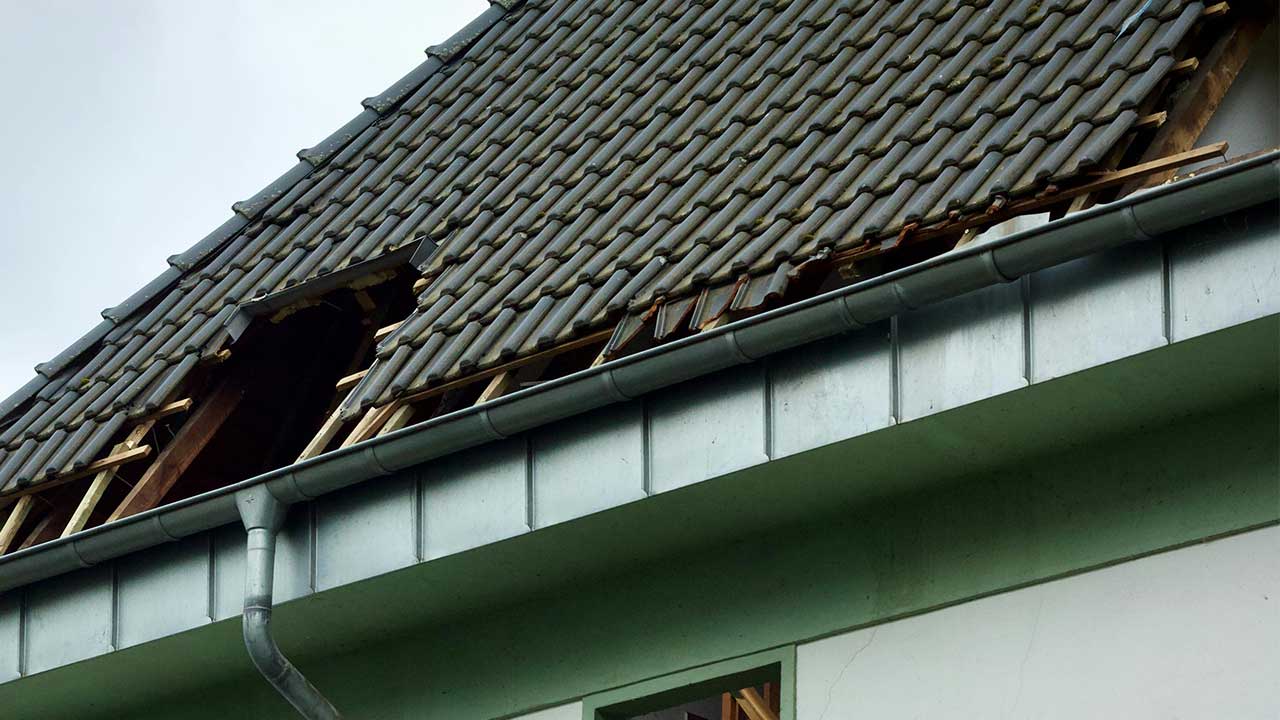
Adjusters conduct systematic inspections following a detailed adjuster checklist that examines multiple roof components. They photograph damage, measure affected areas, and document findings in standardized reports. Their assessment includes examining shingles for impact marks, checking flashing for separation, inspecting gutters for dents, and evaluating structural components for compromise.
The adjuster checklist typically includes comparison photographs showing undamaged sections alongside damaged areas. This documentation establishes the extent of damage and pattern. Adjusters also review weather reports to confirm storm activity occurred in the area during the claimed timeframe.
What Types of Storm Damage Are Common in Illinois Roofs?
Hail damage represents the most frequent claim type in Illinois, particularly in suburban Fox Valley communities like Naperville, Aurora, and Downers Grove. The March 10, 2026, storm produced golf-ball to tennis-ball-sized hail in Fox Valley, creating thousands of claims. Visible damage signs include dented gutters, siding damage, and shingle granules accumulating in downspouts.
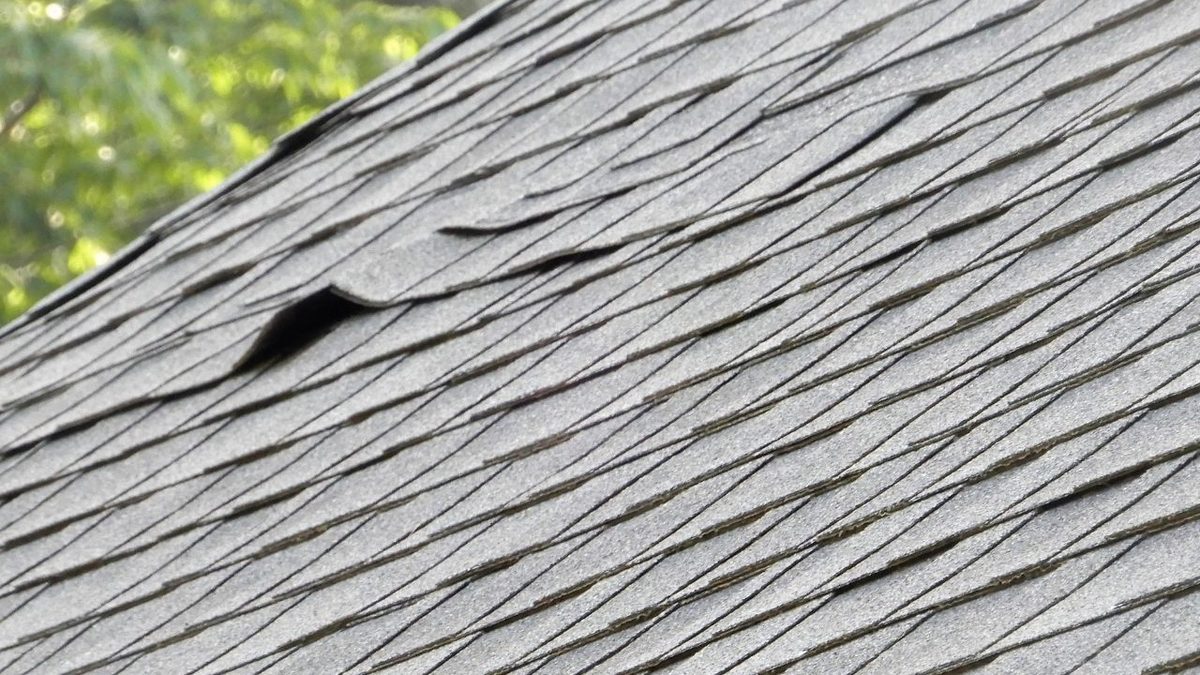
Wind damage occurs alongside hail during severe weather events, causing shingle lifting and flashing displacement. Illinois's position in tornado alley means roofs frequently experience combined wind and hail damage. Adjusters examine damage patterns to confirm consistency with reported weather conditions, rejecting claims where evidence doesn't match meteorological records.
Which Terminology and Entities Are Involved in the Adjustment Process?
The First Notice of Loss (FNOL) initiates the claims process when homeowners report damage to their insurer. Most insurance companies now accept FNOL submissions through mobile apps or online portals. Filing quickly ensures the adjuster can inspect damage before weather conditions change or temporary repairs alter the scene.
Direct Repair Programs (DRP) connect policyholders with insurance-approved contractor networks that streamline the repair process. Public adjusters represent homeowners rather than insurers, handling claim documentation and negotiation for a contingency fee. Storm damage specialists possess expertise in identifying hail and wind damage while working effectively with insurance adjusters during inspections.
How Do Consumer and Regional Factors Influence Roof Damage Assessments in Illinois?
Consumer demographics and geographic location significantly affect how claims are documented, filed, and processed. Regional variations in premium costs reflect different risk levels and claim frequencies across Illinois. Understanding these factors helps homeowners anticipate adjuster expectations and prepare appropriate documentation.
Insurance companies analyze regional data when setting premiums and establishing adjuster protocols. Urban, suburban, and rural areas experience different weather patterns and contractor availability, influencing both claims process timelines and the documentation standards adjusters apply.
What Are the Regional Variations in Storm Damage and Claims Across Illinois?
Urban Chicago homeowners pay average annual premiums of $2,665, reflecting higher property values and replacement costs. Suburban Fox Valley residents pay $2,000-$2,400 annually due to elevated hail risk. Rural downstate areas average $1,945-$2,065, with lower premiums offset by longer wait times for contractor and adjuster availability.
The 50% increase in Illinois homeowners' insurance premiums between 2021 and 2024 represents the second-highest increase nationally. This surge reflects rising claim costs and increased storm frequency. Adjusters now scrutinize claims more carefully to control insurer losses, making thorough documentation increasingly important.
How Do Generational Preferences Affect Documentation and Claim Filing?
Gen Z homeowners use AI for insurance research at 65% rates and prioritize checking fair pricing at 73% rates. Despite high technology adoption, this demographic reports only 32% satisfaction with insurers. Their preference for digital-first communication means they expect streamlined mobile claim filing and real-time status updates.
Baby Boomers use AI for insurance research at just 24% rates but maintain the highest satisfaction levels at 47-88% depending on metrics. This generation prefers traditional phone communication with adjusters and values personal interaction. Adjusters adapt their communication style based on policyholder preferences, though most now require digital photo submission regardless of demographic.
How Does Digital Adoption Impact Evidence Collection and Communication?
Approximately 79.8% of policyholders would use smartphones to document property damage themselves. Age 60+ demographics show 80% willingness to photograph damage, demonstrating widespread acceptance of DIY documentation. However, 22% of consumers avoid filing claims due to frustrating digital processes, and 64% would switch insurers for more seamless digital experiences.
Digital tools expedite FNOL submission and allow real-time photo uploads during adjuster inspections. Adjusters increasingly rely on policyholder-submitted images for initial damage assessment. Despite this convenience, common types of roof damage in Illinois often require professional contractor documentation to identify subtle indicators that smartphone photos miss.
What Are the Key Indicators of Storm Damage That Adjusters Focus On?
Adjusters evaluate roof damage criteria using both visible surface indicators and hidden structural compromise. Their inspection follows a systematic approach, examining multiple roof components in a specific sequence. Understanding what adjusters look for helps homeowners recognize damage requiring professional documentation and claim filing.
The roof damage criteria applied during insurance adjuster inspections reflect industry standards for material failure under storm conditions. Adjusters distinguish between damage patterns consistent with hail impact versus normal aging and evaluate whether observed damage would cause functional impairment requiring immediate repair.
How Are Visible and Hidden Damages Identified on Roofs?
Hidden damage includes bruised shingles and compromised flashing that don't show obvious surface signs. Hail damage often remains invisible to untrained eyes, particularly when impacts don't completely penetrate the shingle surface. Missing hidden damage during DIY documentation leads to incomplete claims and potential underpayment.
Homeowners should document visible damage from ground level without climbing damaged roofs. Never climb a damaged roof due to safety risks. Professional contractors use proper equipment and training to identify subtle damage indicators that smartphone photography from ground level cannot capture.
What Role Does Professional Contractor Documentation Play in Claims?
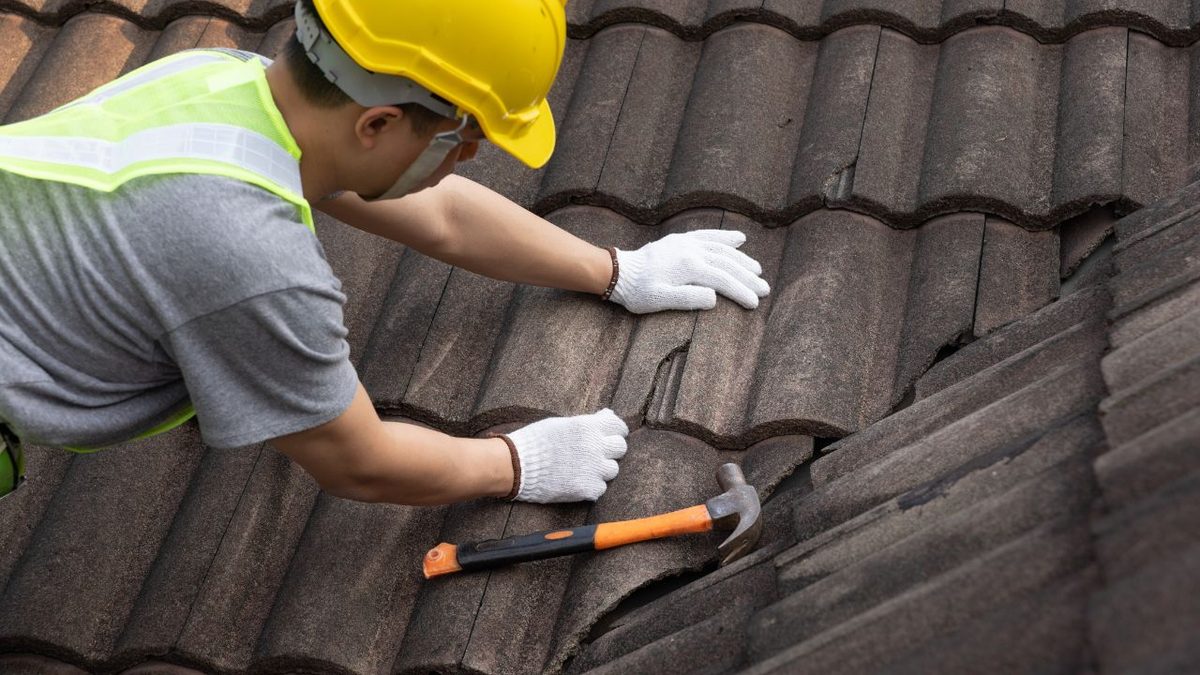
Hiring a specialized storm damage roofing contractor for inspection provides critical expertise that adjusters respect. Obtaining high-resolution photos from contractors and detailed damage descriptions strengthens claim documentation significantly. Contractors provide clear estimates before filing, giving homeowners realistic settlement expectations and leverage during negotiations.
Having your chosen contractor present during adjuster re-inspection ensures someone with technical expertise advocates for complete damage recognition. Contractors familiar with Illinois insurance standards can identify overlooked damage and provide supporting documentation. This professional collaboration often results in more accurate damage assessments and fair settlements.
How Do Adjusters Evaluate Material and Labor Costs in Damage Estimation?
U.S. roof repair and replacement costs reached $31 billion in 2024, representing a 30% increase since 2022. Roof-related line items constituted 68% of all property claim costs. Adjusters must account for these escalating costs when calculating settlements, though insurers pressure them to control claim payouts.
Rising material costs from tariffs and supply chain issues complicate accurate damage estimation. Labor shortages drive up roofing rates across Illinois, particularly in suburban areas experiencing high claim volumes. Adjusters reference regional pricing databases, but these often lag behind actual contractor quotes during post-storm demand surges.
How Does the Insurance Claims Process Address Disputes and Denials for Roof Storm Damage?
The insurance claims process includes dispute resolution mechanisms when homeowners disagree with adjuster findings. Understanding common denial reasons helps homeowners avoid these issues through proper documentation. When disputes arise, several escalation options exist beyond accepting the initial adjuster's decision.
Claim approval rates have declined significantly, with 48% of claims closed without payment for large insurers in 2024. Allstate and USAA show denial rates around 50%. These statistics highlight the importance of thorough documentation and understanding the claim denial process from the outset.
What Are Common Reasons for Claim Denials in Illinois?
Claims face denial from a lack of evidence when documentation doesn't clearly establish storm-caused damage. Adjusters reject claims when they determine damage resulted from pre-existing wear and tear rather than recent weather events. Deductibles exceeding damage costs lead to claim closure without payment, though insurers still process these as denials.
Inadequate documentation represents the most preventable denial cause, making professional contractor involvement crucial. Homeowners who rely solely on ground-level smartphone photos often miss damage visible only from roof level. Missing policy deadlines for filing storm damage claims also result in automatic denial regardless of actual damage.
When and How Should Policyholders Engage Public Adjusters or Legal Assistance?
Over 37,000 businesses operate in the public adjusting industry, with no single entity holding more than 5% market share. Public adjusters charge contingency fees typically ranging from 10-20% of settlements. While this reduces net payout, public adjusters often recover significantly more than DIY approaches, especially for complex claims.
Attorney hourly rates range from $150-$500+ per hour for insurance dispute representation. Legal assistance makes sense primarily for high-value claims or situations involving bad-faith denial. Public adjusters reduce final payouts by their fee percentage but provide expertise that many homeowners lack when navigating Illinois insurance claims for roof damage.
What Steps Should Homeowners Take for Re-inspection Requests?
Homeowners should request re-inspection immediately if claims are denied or settlement offers seem inadequate. Re-inspection requests should include specific reasons for disputing the initial assessment. Having professional contractor documentation ready strengthens re-inspection requests by providing technical evidence supporting the homeowner's position.
Most insurance policies allow re-inspection requests within specified timeframes after initial denial. Homeowners should have their chosen contractor present during re-inspection to identify overlooked damage. Documentation from independent contractors often reveals damage the original adjuster missed, leading to claim approval or increased settlements.
How Do Service Providers and Repair Options Affect Storm-Damaged Roof Claims?
Service provider selection significantly influences claim outcomes and repair timelines. Different contractor types offer varying levels of expertise in insurance claim documentation. Understanding these differences helps homeowners choose providers who maximize settlement fairness while ensuring quality repairs.
The contractor market includes general roofers, storm damage specialists, and insurance-approved Direct Repair Program participants. Each option presents distinct advantages and potential drawbacks. Homeowners must balance repair speed, documentation quality, and long-term workmanship when selecting service providers.
What Are the Differences Between Standard and Storm Damage Specialist Contractors?
Standard contractors handle routine repairs but may lack expertise in insurance claim documentation. Storm damage specialists possess specific training in identifying hail and wind damage patterns that adjusters recognize. Rural areas experience longer wait times for both contractors and adjusters, making early contractor engagement essential.
Choosing a licensed roofing contractor in Illinois requires verifying credentials and storm damage documentation experience. Specialists understand adjuster expectations and provide documentation in formats insurance companies prefer. This expertise often results in smoother claims processes and more accurate damage assessments.
How Do Direct Repair Programs Influence Repair Timelines and Outcomes?
Approximately 41% of customers utilize Direct Repair Programs, connecting them with insurance-approved contractors. DRP repairs are complete two weeks faster than non-DRP repairs on average. This speed advantage matters significantly when weather damage exposes homes to further deterioration.
Direct Repair Program participation doesn't prevent homeowners from choosing their preferred contractor. Insurers cannot require the use of a DRP contractor, though they may suggest these providers. Homeowners should evaluate DRP contractors against independent specialists based on expertise, reputation, and claim documentation capabilities rather than solely on insurer recommendations.
What Are the Pricing Structures for Adjusters, Contractors, and Legal Support?
The claims adjusting industry market size ranges from $10.8 billion to $14.6 billion by 2025-2026. Industry growth rates vary from 1.5% to 9.6% CAGR depending on specialty segments. This market expansion reflects increasing claim complexity and frequency across the insurance sector.
Contractor pricing varies significantly based on storm damage demand and regional labor availability. Legal support costs depend on case complexity and representation type. Understanding these pricing structures helps homeowners budget for potential out-of-pocket costs when deductibles apply, or settlements fall short of actual repair costs.
What Are Best Practices for Documenting and Filing Storm Damage Roof Claims in Illinois?
Proper documentation forms the foundation of successful storm damage claims. Following established best practices increases approval likelihood and settlement fairness. Homeowners who understand documentation requirements before storms occur can act quickly when damage happens.
The documentation process begins immediately after storms pass and continues through contractor inspection and adjuster evaluation. Each stage requires specific types of evidence and adherence to safety protocols. Rushing documentation while ignoring proper procedures often results in incomplete claims and potential denials.
How Should Homeowners Safely Document Visible Roof Damage?
Homeowners should photograph visible damage from ground level using smartphone cameras or digital equipment. Document dented gutters, siding damage, and shingle granules accumulating in downspouts. Never climb damaged roofs due to injury risk and potential liability issues if further damage occurs.
Ground-level documentation provides initial evidence supporting claim filing while awaiting professional contractor inspection. Take photographs from multiple angles showing the extent of damage and location. Include reference objects in photos to establish scale, and photograph undamaged sections for comparison.
Why Is Timely Claim Filing Crucial and How Can Digital Tools Help?
Filing claims within policy deadlines, often within one year of damage, prevents automatic denials. Using insurer apps or portals for FNOL expedites the process and creates electronic filing records. Most policies enforce strict deadlines regardless of when homeowners discover hidden damage.
Missing policy deadlines results in claim rejection even when substantial damage exists. Digital tools allow immediate FNOL submission following storms, preserving claim rights while homeowners arrange professional inspections. Electronic submissions create timestamp evidence proving timely filing when disputes arise.
What Are Effective Strategies to Maximize Fair Settlement Outcomes?
Claim underpayment frequently results from inadequate documentation failing to capture the extent. Hiring specialized contractors before filing ensures comprehensive damage identification and professional estimate preparation. Detailed contractor documentation provides adjusters with clear evidence supporting settlement amounts.
Homeowners should understand their policy coverage limits and deductible amounts before accepting settlements. Compare adjuster estimates against independent contractor quotes to identify discrepancies. Understanding what to do after storm damage helps homeowners take appropriate action, protecting their claim rights while preventing further property deterioration.
How Are Trends in Roof Storm Damage Claims Evolving in Illinois?
The claims landscape continues evolving as weather patterns shift and insurance industry pressures mount. Understanding current trends helps homeowners anticipate adjuster behaviors and claim processing expectations. Market factors beyond individual control increasingly influence claim outcomes and settlements.
Industry trends reflect broader economic pressures, including material cost inflation and labor shortages. These factors affect both claim frequency and settlement adequacy. Homeowners must adapt documentation and contractor selection strategies to address changing industry dynamics.
What Are the Current Trends in Claim Volumes, Severity, and Approval Rates?
Claim volumes show slight declines in some quarters, while individual claim severity increases dramatically. Higher material and labor costs drive settlement amounts upward even as approval rates decline. This combination creates tension between homeowner expectations and insurer willingness to approve claims.
Denial rates approaching 50% for major insurers reflect aggressive cost control measures. Adjusters face pressure to minimize settlements while maintaining professional standards. Homeowners must provide exceptionally thorough documentation to overcome these pressures and secure fair settlements.
How Have Repair and Payment Processing Times Changed Recently?
Average repair completion time reached 29.6 days in 2026, showing improvement over previous years. Average time to receive final payment decreased to 40.7 days. These improvements reflect digital process adoption and streamlined contractor coordination through Direct Repair Programs.
Faster processing benefits homeowners by reducing exposure to weather-related deterioration during repairs. However, speed cannot compromise documentation thoroughness or contractor selection quality. Homeowners should prioritize documentation completeness over rapid filing when proper evidence collection requires additional time.
What Market and Weather Factors Drive These Trends?
Increased storm frequency due to climate volatility drives higher claim volumes across Illinois. The state's position in hail-prone regions means adjusters constantly evaluate damage from similar weather patterns. This repetition creates standardized evaluation protocols that adjusters apply consistently.
Market consolidation among insurance carriers affects adjuster training and settlement authority levels. Larger insurers implement stricter claim approval criteria to control costs across massive policy portfolios. These market dynamics require homeowners to provide increasingly detailed documentation supporting damage claims and settlements.
Navigating Storm-Damaged Roof Insurance Claims in Illinois: Key Considerations and Insights
Successfully navigating storm-damaged roof insurance claims requires understanding adjuster evaluation criteria and documentation requirements. Illinois homeowners face unique challenges from frequent severe weather and rising insurance costs. Proper preparation, professional contractor engagement, and thorough documentation significantly improve claim approval rates and settlement fairness.
The evolving claims landscape demands proactive approaches combining digital tools with professional expertise. Homeowners who invest in specialized contractor documentation and understand adjuster expectations achieve better outcomes than those relying solely on DIY approaches. As climate patterns shift and insurance markets tighten, these preparation strategies become increasingly valuable for protecting property investments.
Advanced Roofing Inc. brings over 30 years of experience helping Chicagoland homeowners document storm damage and work effectively with insurance adjusters. Our Master Elite® contractor status and deep understanding of Illinois insurance standards ensure thorough damage identification and professional claim support.
Get Advanced Roofing Inc. On Your Side Before the Adjuster Arrives
Insurance adjusters work for the insurance company. Advanced Roofing Inc. works for you. With 30+ years of storm damage experience in Chicagoland and GAF Master Elite® certification, we know exactly what adjusters look for — and how to document it properly so nothing gets missed.
We provide thorough roof inspections, professional damage reports, and hands-on support through every step of the claims process. Don't go into your adjuster meeting without an expert in your corner. Contact our storm damage specialists for a comprehensive roof inspection and expert insurance claim documentation that maximizes your settlement fairness.