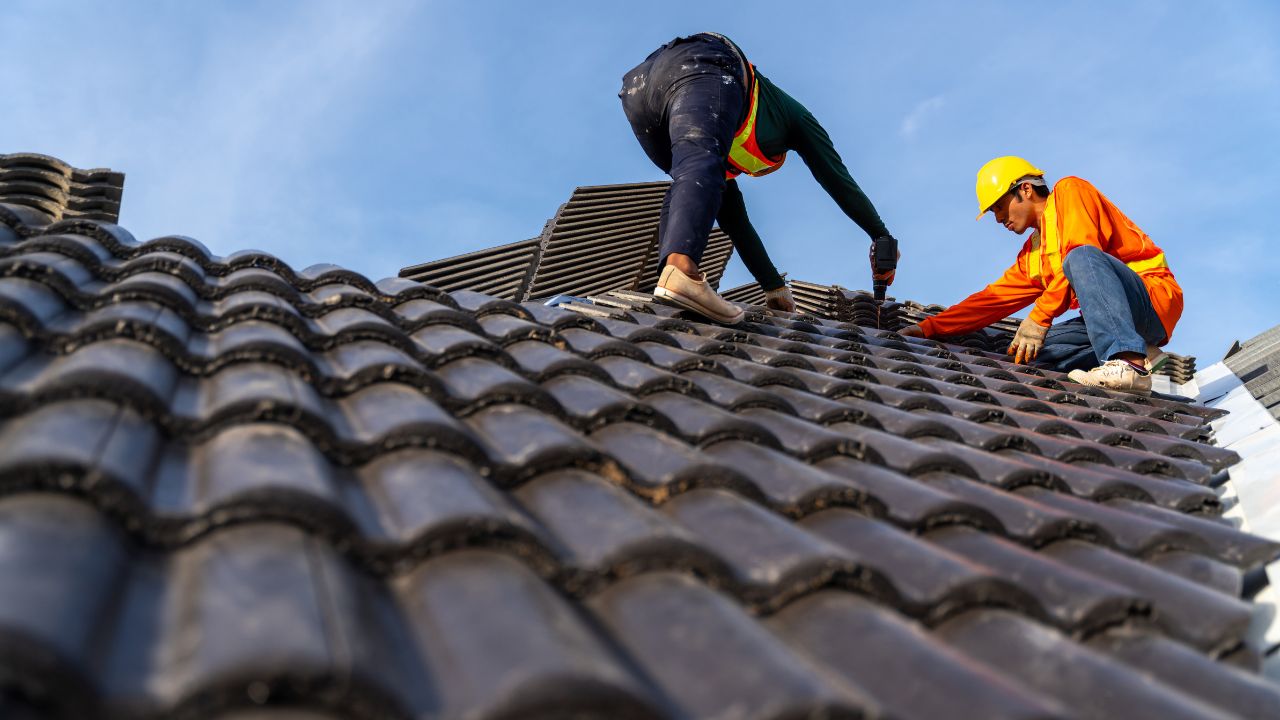
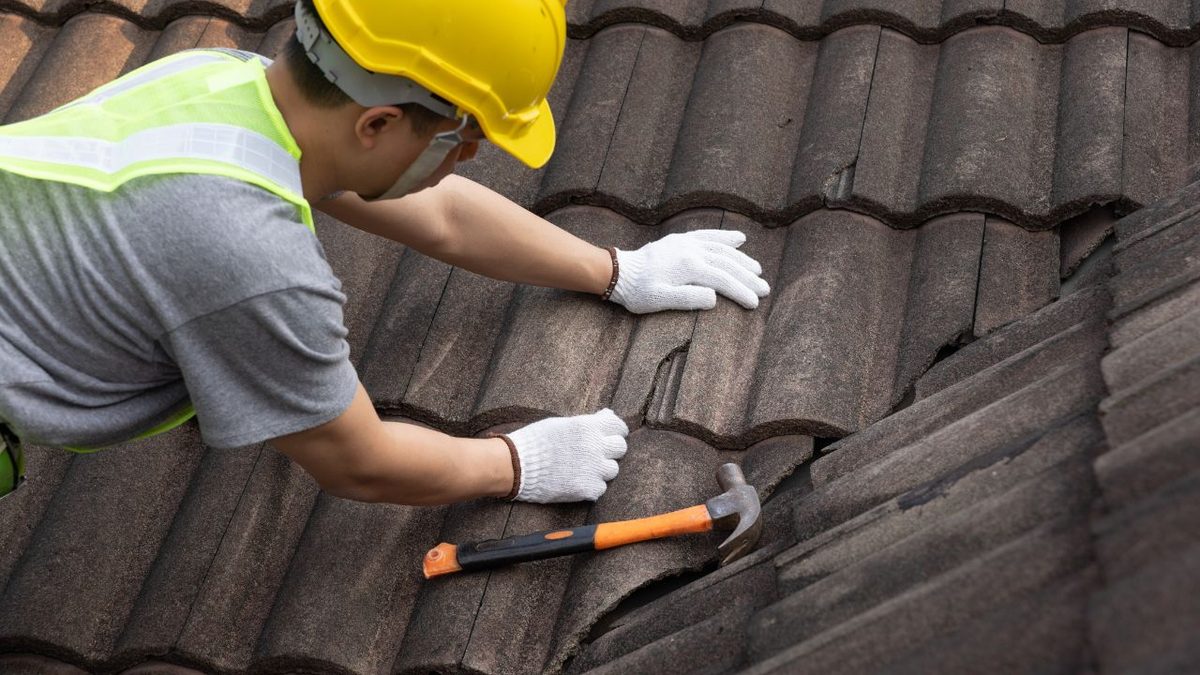
Storm Damage? We're Ready to Help.
Recent storms may have caused damage you can't see. Call today to schedule a professional roof inspection and fast, reliable repairs.
Fall roof maintenance for Illinois homes prevents ice dams, water backups, and structural damage once heavy snow arrives.
A complete pre-winter checklist covers roof inspection, gutter cleaning, flashing maintenance, attic ventilation, and shingle repair before the first hard freeze.
Heavy leaf drop, moss and algae growth, animal nesting, and storm-related shingle loss are the most common fall roofing issues across Central Illinois and the Fox Valley.
Asphalt shingles, metal roofing, slate, wood shakes, and synthetic roofing materials each have a different fall maintenance profile and roof lifespan.
A licensed roofing contractor with experience in Midwest weather catches structural problems and storm damage before they trigger expensive insurance claims.
Most homeowners think about their roof only when something goes wrong. The smarter pattern is to think about it now, before something goes wrong, which is exactly what fall roof maintenance for Illinois is built around. At Advanced Roofing Inc., we have spent more than 30 years helping Chicagoland and Fox Valley homeowners get their roofs through brutal winters, and the same lesson keeps coming up: a half-day of fall work saves a season of repairs once the snow lands.
Here's what we break down below: why the fall window matters more than any other season for roof work in Illinois, a complete pre-winter checklist you can run on your own home, the most common fall roofing issues to catch early, how the major roofing materials behave differently as temperatures drop, and how to hire a contractor who actually knows what to look for. We'll also cover gutter cleaning, attic ventilation, storm damage assessment, and the warranty and insurance considerations that tend to surface this time of year.
Fall Roof Maintenance for Illinois | The Season That Decides Your Winter Performance
Fall roof maintenance for Illinois homes works because the weather cooperates with the work. Daytime temperatures sit in a range where sealants cure properly, shingles flex without cracking, and crews can move safely on the roof deck. By contrast, winter installations on frozen shingles are prone to installation issues, and summer work has to fight asphalt that is too soft to walk on without scuffing.
The other reason fall matters is consequences. Illinois winters bring snow accumulation, ice formation, and aggressive thermal expansion cycles where temperatures swing 30 to 40 degrees in 24 hours. Each cycle stresses metal flashing, expands hairline cracks, and lifts shingles at the edges. A roof that was fine in October can develop a roof leak by January, and what started as a minor shingle replacement turns into water damage, mold growth, and insulation loss in the attic.
The fall window also lines up with the practical realities of the roofing calendar. Most reputable roofing companies in Central Illinois and across the Midwest book aggressively from August through November, so scheduling seasonal maintenance early gives you access to experienced crews before the rush. Wait until late November and the choice narrows fast.
Fall Roof Maintenance for Illinois | Your Pre-Winter Checklist
Fall roof maintenance for Illinois homes follows the same core checklist whether you live in Yorkville, Naperville, Aurora, Oswego, or any of the surrounding suburbs. Run through every item below before the first hard freeze.
Cracked sealant around chimneys, vents, and skylights; lifted metal flashing
Gutter cleaning
Leaf buildup, sagging brackets, downspout blockages, water backups
Drip edge check
Loose or corroded drip edge along the eaves
Ice and water shield
Confirm presence at eaves and valleys (verify with original install paperwork)
Attic ventilation
Soffit vents clear, ridge vent unobstructed, balanced intake and exhaust
Attic insulation
Insulation depth even, no compression near eaves, no moisture staining
Moss and algae removal
Black streaks on north-facing slopes, green moss in shaded areas
Overhanging branches
Trim back limbs within six feet of the roof to reduce abrasion risk
Storm damage roof check
Any visible aftermath of recent hail storms or wind events
A printed fall roof maintenance checklist taped to the back of a garage door is the single highest-leverage habit homeowners can adopt. If any one item turns up a problem, schedule a professional inspection before moving on. Catching one cracked piece of flashing in October costs a fraction of what the same problem costs once water has run behind it for three months.
Common Fall Roofing Issues to Catch Before Winter
Fall roofing issues tend to fall into four categories. Knowing the categories makes them easier to spot during your own walk-around or your contractor's inspection process.
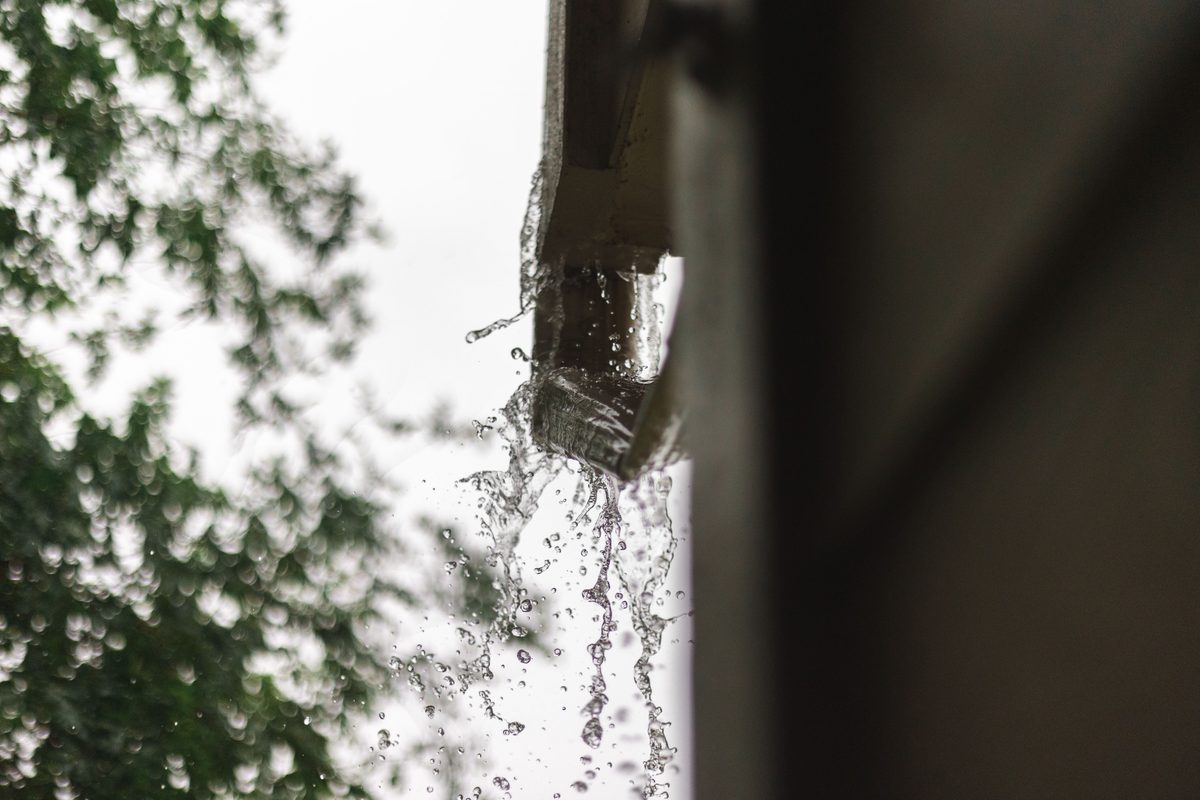
Heavy leaf drop and gutter blockage. Trees in mature Illinois neighborhoods can drop enough leaves in three weeks to fill every gutter on a 2,000-square-foot home. Once gutters clog, water spills behind the fascia, soaks the soffit, and freezes into ice dams at the roof edge. Gutter guards reduce the load but do not eliminate the need for fall gutter cleaning.
Moss and algae growth. North-facing slopes and shaded sections collect moisture all summer, which feeds moss or algae growth. Left alone, moss roots lift shingle edges and create entry points for water. A diluted moss killer spray applied in early fall, followed by a soft rinse, clears most colonies. Avoid power washing, which strips granules and shortens roof lifespan.
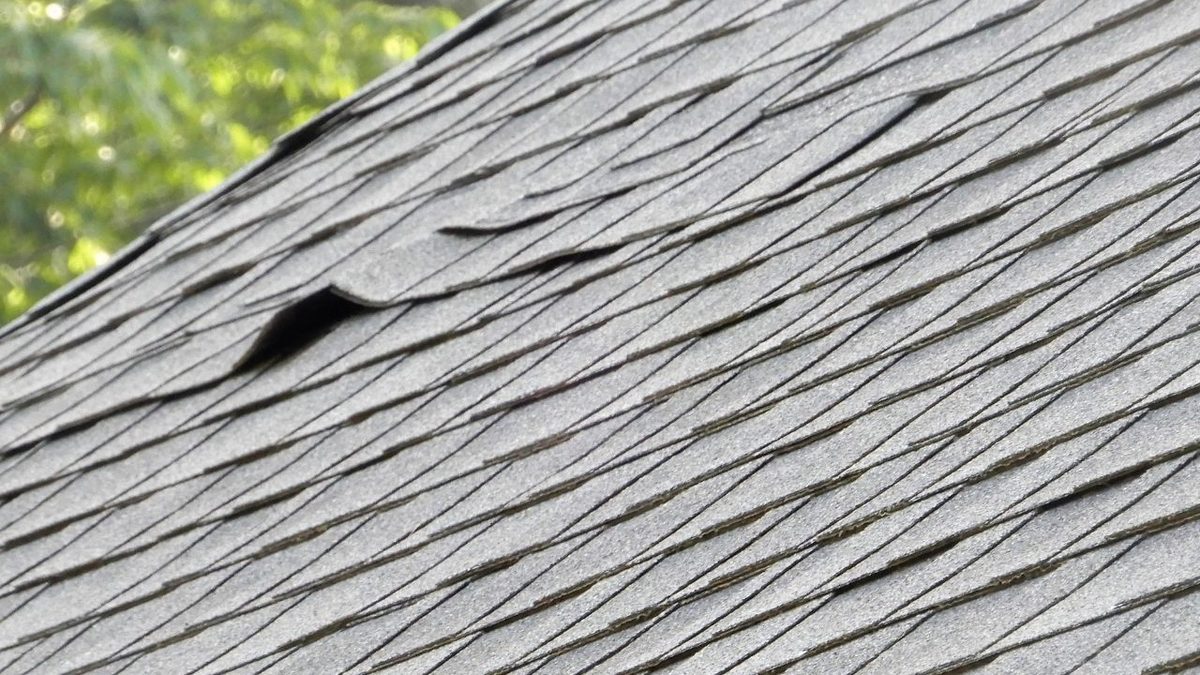
Storm-related shingle loss and hail bruising. Spring and summer storms in the Illinois River valley and East Central Illinois leave damage that is hard to see from the ground. Hail bruising shows up as soft, granule-free spots on the shingle face. Storm-related shingle loss might be invisible from the driveway but obvious from a ladder. A storm damage assessment in the fall catches both before winter weather turns minor damage into a major leak.
Animal nesting and entry points. Squirrels, raccoons, and birds look for sheltered nest sites in late fall. Loose ridge vents, gable vents, and damaged soffit panels become easy entry points. Inspect every transition where the roof meets the wall and seal anything that has separated from the framing.
Gutter Cleaning and Attic Ventilation Essentials
Two parts of fall maintenance deserve their own treatment because both fail quietly and both are responsible for a large share of winter callbacks.
Gutter cleaning is more than scooping leaves. The system needs to be clear from the upper roofline through every downspout extension, with water draining away from the foundation. Walk the gutter line and confirm there are no sags where standing water collects, no separated joints where water leaks behind, and no broken brackets along the fascia. For homes with significant tree cover, gutter guards reduce maintenance frequency but do not replace it. A backed-up gutter is the most common cause of ice dam formation along Illinois eaves.
Attic ventilation controls everything that happens above the insulation line. A balanced system pulls cool intake air through soffit vents and pushes warm moist air out through ridge or gable vents. When the system is unbalanced or blocked, warm air pools under the roof deck, melts snow from below, refreezes at the cold eaves, and forms ice dams. Ventilation system checks should confirm clear soffits, an unobstructed ridge vent, and at least one square foot of net free vent area per 150 square feet of attic floor (or per 300 with a vapor barrier in place).
Both jobs are doable by a competent homeowner with a stable ladder, but neither is worth a fall from a slick October roof. When in doubt, schedule the inspection.
Choosing Roofing Materials Built for Illinois Weather
Material choice affects how aggressive your fall maintenance needs to be. Five categories cover almost every Illinois home.
Asphalt Shingles
Asphalt shingles are the most common roofing material in Illinois for good reason. They handle high winds, heavy rain, and snow loads well, and modern impact-resistant shingles add hail bruising protection that often qualifies for an insurance premium discount. Fall maintenance focuses on shingle repair where granule loss is heavy, replacing curled or lifted tabs, and sealing exposed nails. The team at Advanced Roofing Inc. installs asphalt shingles on the majority of Fox Valley homes for cost, longevity, and the strength of the manufacturer shingle warranty.
Metal Roofing
Metal roofing handles Illinois snow accumulation efficiently because snow slides off the surface, reducing roof load and ice dam formation. Lifespans run 40 to 70 years, and snow guards along eaves prevent dangerous sheet release over walkways and HVAC units. Fall maintenance is light: confirm fasteners and metal flashing are tight, clear debris from valleys, and check sealants around penetrations. Metal also reflects summer heat, which can lower energy bills year-round.
Slate Roofing
Slate is one of the longest-lived roofing materials available, with a roof lifespan that can pass 100 years. It resists fire, water, and wind well, which suits homes that see severe seasonal weather. Slate is also heavy, so any installation requires a structural review for snow load and dead load capacity. Fall maintenance is mostly inspection-only: cracked slate tiles are replaced individually, and flashing details around chimneys and ridges get rechecked. Slate adds a distinctive appearance that holds up across decades.
Wood Shingles and Shakes
Wood shingles or shakes give a traditional look but require the most active fall maintenance. Wood absorbs moisture, so any treatment for water resistance has to be refreshed on schedule. Inspect for split, curled, or moss-covered shakes, and replace damaged pieces before snow lands. Wood roofs in Illinois also benefit from preventive moss and algae removal in early fall and trimmed overhanging branches that hold moisture against the surface.
Synthetic Roofing Materials
Synthetic roofing materials, including rubber and polymer composites, mimic slate, wood, or tile while weighing far less and installing faster. Most synthetics resist impact, UV, and freeze-thaw cycling well, making them a strong fit for Illinois weather. Fall maintenance is similar to asphalt: walk the surface, confirm fasteners, and check the flashing details. For homes with commercial-grade requirements or TPO flat roofs over additions, synthetics often pair cleanly with the rest of the system.
For a deeper look at our residential roofing materials and systems, browse the service catalogue for installation, repair, and replacement details across each category.
Storm Damage and Insurance Considerations
Fall storms in Illinois can leave damage that homeowners do not discover until the first deep freeze. The pattern matters because insurance claims tied to storm damage have hard filing windows, often one year from the date of the event. By the time water shows up at the ceiling in January, the claim deadline for the September hail storm may already be closing.
A fall storm damage assessment from a licensed contractor gives you written documentation of the roof's condition, with photo evidence and a clear scope of work for any storm repair or storm damage roof repairs needed. That documentation supports a clean claim with insurance companies if damage from a documented weather event qualifies for coverage. Even when damage falls below the deductible, the assessment gives you a baseline to compare against if a future storm hits the same roof. Emergency storm damage roof repair after the first heavy snowfall is also far more expensive than the same repair done in October.
Warranty requirements add another reason to keep fall inspections on the calendar. Many manufacturer warranties and workmanship warranties require documented seasonal maintenance to remain in force, and a missed inspection can void coverage on a roof that would otherwise be covered.
Hiring a Licensed Roofing Contractor in Illinois
A licensed roofing contractor brings three things a homeowner cannot easily replicate: training and certification, the equipment for safe roof access, and the experience to spot patterns of damage from a quick walk-through. Look for the following before signing any agreement.
Active state license. Illinois requires roofing contractors to hold an active Roofing Industry License from the Illinois Department of Financial and Professional Regulation. Ask for the number.
Manufacturer certifications. Credentials like GAF Master Elite or CertainTeed Select ShingleMaster are held by a small share of contractors and unlock enhanced warranties on materials and workmanship.
Local references and reviews. Established companies have years of customer reviews across multiple platforms and three or more local references they will share on request.
Written estimates. Itemized scope of work, material prices, labor hours, payment schedules, and warranty terms in writing before any work begins.
The chambers and associations a contractor belongs to also speak to their standing in the community. Long-term professional roofers carry memberships that require ongoing education and accountability.
Get Your Roof Ready for Illinois Winter with Advanced Roofing Inc.
If you have not yet booked fall roof maintenance for Illinois weather this year, the team at Advanced Roofing Inc. is ready to help. We have been a family-owned business based in Yorkville at 311 E Van Emmon Road since 1994, serving Aurora, Naperville, Oswego, Cortland, Big Rock, Somonauk, and the broader Fox Valley. We hold the GAF Master Elite certification (carried by roughly 2 percent of contractors in North America), the CertainTeed ShingleMaster designation, and an A+ rating with the Better Business Bureau.
Call us at (630) 553-2344 or schedule your free consultation to put a fall inspection on the calendar. We walk every roof, document the findings with photographs, and deliver a written assessment that covers shingle condition, flashing, gutters, attic ventilation, and any storm damage we find. If repairs or a roof replacement make sense, we explain the options, the costs, and the timeline before we go any further.
Frequently Asked Questions
When should I schedule fall roof maintenance in Illinois?
Schedule fall roof maintenance for Illinois homes between late September and the first week of November, before the first hard freeze. Daytime temperatures need to stay above 45 degrees for sealants and adhesives to cure correctly, and crews need stable footing for safe roof access. Booking earlier in fall also avoids the November rush when most reputable roofing companies are working through their seasonal maintenance backlog. Waiting until December usually means a longer wait, higher rates for emergency storm damage roof repair, and harder access on frosted roofs.
What does a professional fall roof inspection include?
A professional inspection covers the full roof surface, all flashing details, gutters and downspouts, attic ventilation, and visible insulation. The roofer checks for lifted or missing shingles, hail bruising, cracked sealant around penetrations, water staining inside the attic, and signs of moss or algae growth. Storm damage assessment is part of the same inspection, with photo documentation of any issues. The output is a written report with prioritized recommendations, which doubles as documentation for warranty claims and insurance claims if either becomes relevant later.
How often should I clean my gutters in Illinois?
Twice a year is the working baseline for most Illinois homes: once in late spring after the last seed drop, and once in fall after heavy leaf drop ends. Homes with significant tree cover often need a third cleaning in mid-fall, especially with mature oaks or maples nearby. Gutter guards reduce the frequency but do not eliminate cleaning entirely. Skipping fall gutter cleaning is the single most common cause of ice dams along Chicagoland eaves.
What are the warning signs that my roof needs fall maintenance now?
Look for granules collecting in gutters, shingles that are curled or lifted at the edges, water staining on attic rafters or ceilings, sagging gutters pulling away from the fascia, daylight visible through the roof deck from inside the attic, and any signs of animal entry around vents or eaves. Any one of these signals is enough to schedule a professional inspection. Several appearing together suggest the roof is close to needing repair or replacement before winter arrives.
Can I handle fall roof maintenance myself, or should I hire a contractor?
A ground-level visual inspection and basic gutter cleaning are well within reach for most homeowners with a stable ladder. Walking the roof, replacing shingles, sealing flashing, and assessing storm damage all require fall protection equipment, training, and experience that DIY work usually lacks. Falls from residential roofs are the most common serious home maintenance injury in the country. The smart approach for most Illinois homeowners is to handle gutters and visual checks at home, then bring in a licensed roofing contractor for the on-roof inspection and any repair work.
At Advanced Roofing Inc., we put our customers’ needs first by providing trained installers, high-quality materials and reliable service that can’t be matched by other roofing companies.
We're dedicated to providing exceptional service and ensuring your satisfaction. Please don't hesitate to reach out to us with any questions, inquiries, or to schedule a consultation.
At Advanced Roofing Inc., we put our customers’ needs first by providing trained installers, high-quality materials and reliable service that can’t be matched by other roofing companies.
We're dedicated to providing exceptional service and ensuring your satisfaction. Please don't hesitate to reach out to us with any questions, inquiries, or to schedule a consultation.