Spring roof inspection in Illinois represents the most critical preventive measure for commercial property managers. Illinois weather creates winter freeze-thaw cycles followed by severe spring hail and wind events that silently compromise roof integrity. Property managers implementing comprehensive spring assessments protect investments, prevent emergency failures during peak business seasons, and maintain proper insurance documentation.
Commercial property roof check protocols must account for Illinois-specific weather patterns, including heavy snow loads, ice damming, and rapid temperature fluctuations. The Chicago metropolitan area faces over $1 trillion in reconstruction value at risk from hail damage affecting more than 1.7 million structures. Proactive spring inspections catch problems while they remain manageable repairs rather than catastrophic failures.
Key Takeaways
- Spring inspections in Illinois must address winter freeze-thaw damage and prepare roofs for the severe storm season
- Commercial inspection costs range from $200 for small buildings to $2,500 for large facilities, depending on size and technology used
- Chicago properties face over $1 trillion in reconstruction value at risk from hail damage, requiring proactive assessment
- Filing roof insurance claims can increase premiums by 9% to 15%, making accurate damage documentation critical
- Drone and thermal imaging technology now enables safer, more accurate assessments of commercial flat roofs and inaccessible areas
What Is a Commercial Roof Inspection and Why Is It Important?
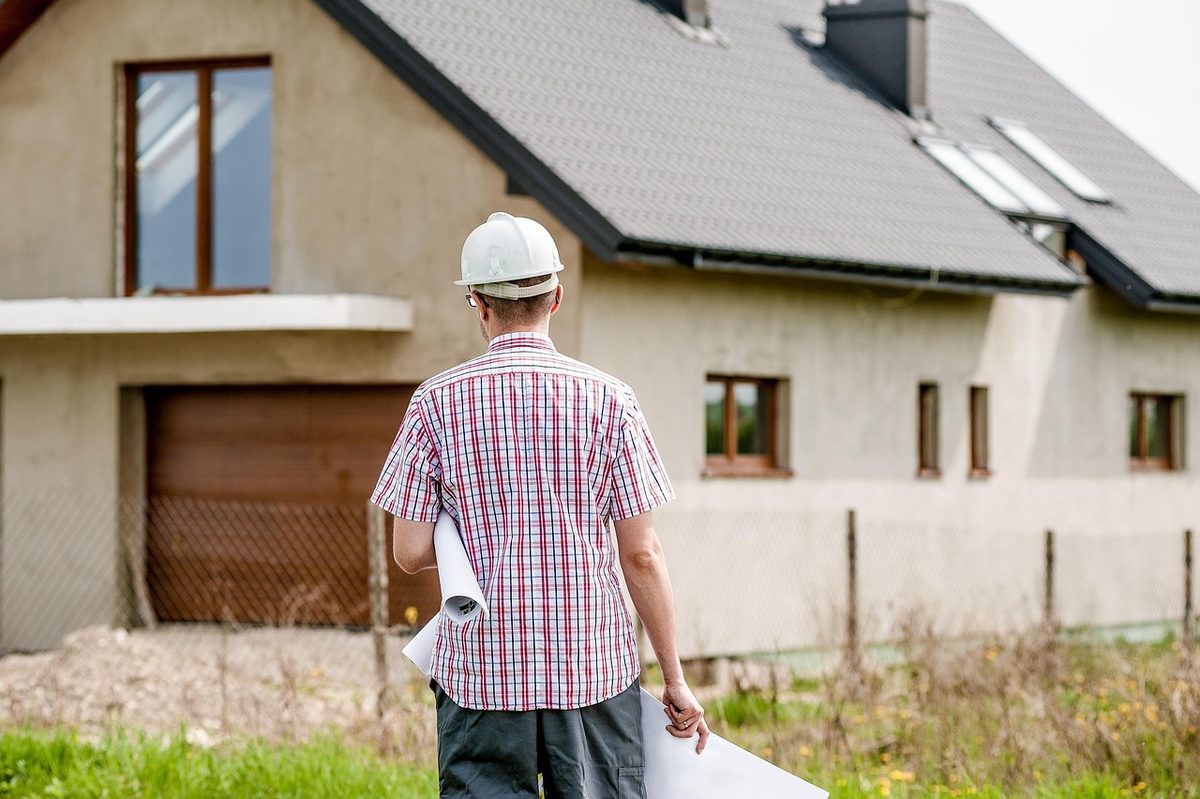
A commercial roof inspection is a systematic evaluation identifying existing damage, assessing overall condition, and predicting future maintenance needs. Professional inspectors examine membrane integrity, drainage functionality, flashing condition, and structural components to determine whether repairs or replacement are necessary. This assessment protects building owners from unexpected failures damaging inventory, interrupting operations, and create liability risks.
Regular inspections extend roof lifespan by catching minor issues before they escalate. Commercial facilities implementing biannual inspection schedules typically achieve 20-30% longer service life from roofing systems compared to reactive-only approaches. Proper documentation supports insurance claims and provides verifiable records for property transactions.
What Are the Main Components of a Commercial Roof Inspection?
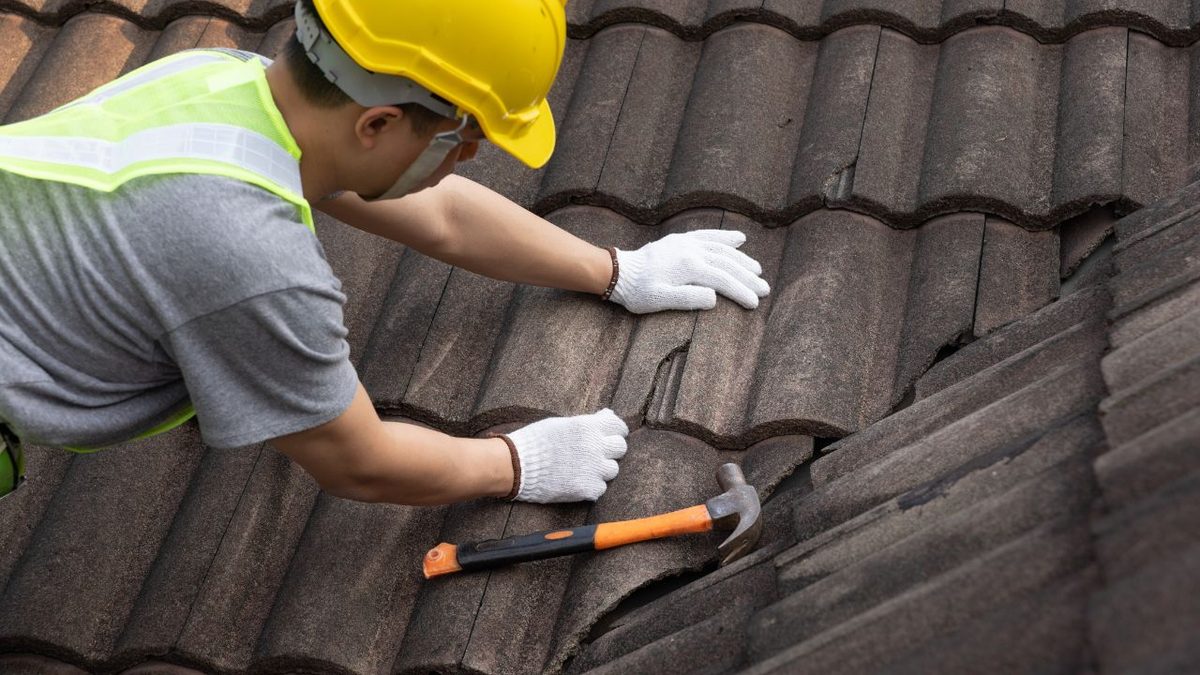
Physical inspections cost $75 to $200 and involve direct examination of accessible roof surfaces, flashings, and penetrations. Inspectors walk the roof documenting visible damage, testing seams, and identifying areas requiring immediate attention.
Advanced inspection methods utilize specialized technology for comprehensive assessments. Drone inspections range from $150 to $400 and capture high-resolution imagery of steep slopes and inaccessible areas without safety risks. Infrared thermal inspections cost $400 to $600 and detect hidden moisture trapped beneath roof membranes that visual inspection cannot identify. Structural engineer inspections represent the most comprehensive option at $500 to $1,000+ and provide detailed analysis for severely compromised systems or complex insurance disputes.
How Does Illinois Weather Impact Commercial Roofs?
Illinois weather subjects commercial roofs to freeze-thaw cycles, ice damming, heavy snow loads, and severe spring storms. Winter temperatures fluctuate dramatically, causing water to repeatedly freeze in cracks and then expand, progressively widening minor defects into significant failures. Spring brings the primary hail season with storms capable of destroying roof membranes and creating thousands of impact points across large commercial roofs.
Chicago properties face extraordinary exposure with more than 1.7 million homes at risk of moderate or severe hail damage. The metropolitan area's $1 trillion-plus reconstruction value at risk makes roof maintenance Illinois property managers' top concern for asset protection. Wind and hail account for more than half of all residential claims, and commercial structures with larger surface areas face proportionally greater exposure during severe weather events.
What Technology Is Used in Modern Roof Inspections?
Drone technology revolutionizes commercial roof assessments by providing safe access to steep slopes, tall buildings, and structurally questionable areas. High-resolution cameras capture detailed imagery showing granule loss, membrane damage, and flashing deterioration without requiring inspectors to walk potentially unsafe surfaces.
Thermal imaging detects moisture intrusion invisible to standard visual inspection by identifying temperature differentials in roof assemblies. Wet insulation appears cooler than dry areas in infrared images, revealing leaks before they cause interior damage. This technology enables property managers to target repairs precisely rather than replacing entire roof sections, significantly reducing maintenance costs while extending overall system life.
When and How Often Should Property Managers Conduct Spring Roof Inspections?
Property managers should schedule spring inspections immediately after snow melt and before peak storm season begins in late April through June. This timing allows identification of winter damage while providing adequate time to complete repairs before severe weather arrives. A comprehensive assessment following a property manager checklist ensures all critical components receive proper evaluation.
Commercial roofs require inspection at least twice annually, with spring and fall representing optimal scheduling windows. Spring assessments address winter damage and prepare systems for storm season, while fall inspections ensure weather-tightness before harsh winter conditions return. Buildings with known issues, aging systems beyond 15 years, or a history of leaks benefit from quarterly monitoring.
Why Is Spring the Critical Season for Roof Assessments in Illinois?
Spring months from March through May represent peak season for roof inspections as property managers assess winter damage and prepare for severe weather. Illinois experiences its primary hail season during these months when warm, moist air from the Gulf collides with cold fronts, creating supercell thunderstorms. Early identification of compromised areas prevents small defects from becoming major failures during intense storm events.
Winter freeze-thaw damage becomes fully apparent only after complete snow melt and temperature stabilization. Ice damming, membrane splitting, and flashing separation often remain hidden under snow throughout winter. Spring inspection reveals the true extent of cold-weather damage while providing adequate lead time for scheduling repairs.
How Do Seasonal Trends Influence Inspection Scheduling?
Secondary inspection peaks occur in the fall from September through October as property managers prepare buildings for winter. These assessments identify summer storm damage, verify drainage system functionality, and ensure weather-tightness before freezing temperatures return. Preparing commercial roofs for seasonal transitions prevents emergency failures during periods when contractors face high demand and longer response times.
Seasonal scheduling aligns with contractor availability and weather suitable for both inspections and repairs. Spring and fall offer moderate temperatures ideal for membrane repairs, sealant application, and coating work that winter cold or summer heat would compromise.
What Are Common Weather-Related Risks to Inspect After Winter?
Wind and hail account for more than half of all residential claims, with commercial properties facing similar or greater exposure. Hail impacts create punctures in single-ply membranes, fracture protective granules on modified bitumen systems, and crack rigid foam insulation layers. Wind damage lifts membrane edges, tears flashing, and displaces rooftop equipment, creating water entry points.
Storm-related damage drives 22% of residential roofing replacements, indicating the severity of weather impact. Ice damming from inadequate insulation forces water under shingles and through membrane seams, causing interior damage that may not become apparent until the spring thaw. Freeze-thaw cycling in drainage systems creates blockages leading to ponding water, membrane deterioration, and structural overload from retained precipitation.
What Are the Key Areas to Inspect on Commercial Roofs in Illinois?
Commercial property roof check protocols must systematically evaluate membrane condition, flashing integrity, drainage functionality, and penetration seals. Membrane assessment identifies blisters, tears, punctures, and seam separation that allow water infiltration. Surface evaluation detects ponding water areas where inadequate drainage creates standing water exceeding 48 hours after precipitation.
Critical inspection zones include roof edges, penetrations, equipment curbs, and transition areas where different materials meet. These vulnerable locations experience the highest stress from thermal movement, wind uplift, and water concentration, making them primary failure points. Spring maintenance protocols for roofs emphasize these high-risk areas requiring detailed examination.
How to Check for Hail and Storm Damage Effectively?
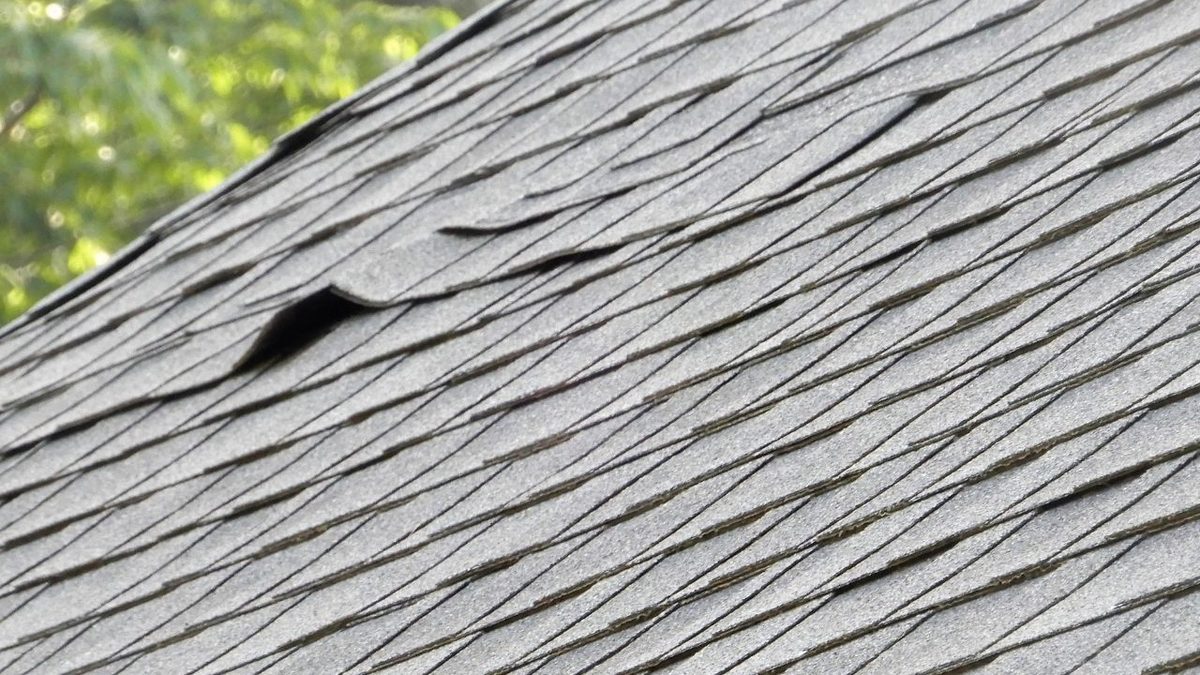
Asphalt shingles show vulnerability to hail damage through granule loss, bruising, and fractured mat exposure. Inspectors examine shingle surfaces for circular impact marks, check gutters for excessive granule accumulation, and test shingles for firmness, indicating intact fiberglass mat versus soft spots showing subsurface fractures. Metal surfaces display denting while single-ply membranes show punctures or surface crazing.
State Farm paid over $3.8 billion in home repairs for hail damage claims in 2024, demonstrating the widespread impact of storm events. Commercial structures with larger roof areas face proportionally greater exposure, requiring a comprehensive assessment of all sections. Systematic grid inspection ensures coverage of entire surfaces rather than spot-checking that might miss localized damage.
What Signs Indicate Roof Flashing Needs Repair?
Flashing failures represent a common source of leaks at roof penetrations, edges, and transition areas. Visual signs include rust staining, separation gaps between flashing and adjacent surfaces, missing sealant, and corroded metal. Understanding when roof flashing fails helps property managers identify problems before water damage occurs inside buildings.
Standard roof flashing repairs cost between $200 and $600, with an average of $350 to $450 for straightforward replacements. Complex flashing repairs involving chimneys or skylights cost $750 to $1,000 due to the intricate waterproofing required. Early identification prevents minor flashing defects from causing extensive interior damage that exponentially increases repair costs.
How Are Drainage Systems and Roof Penetrations Assessed?
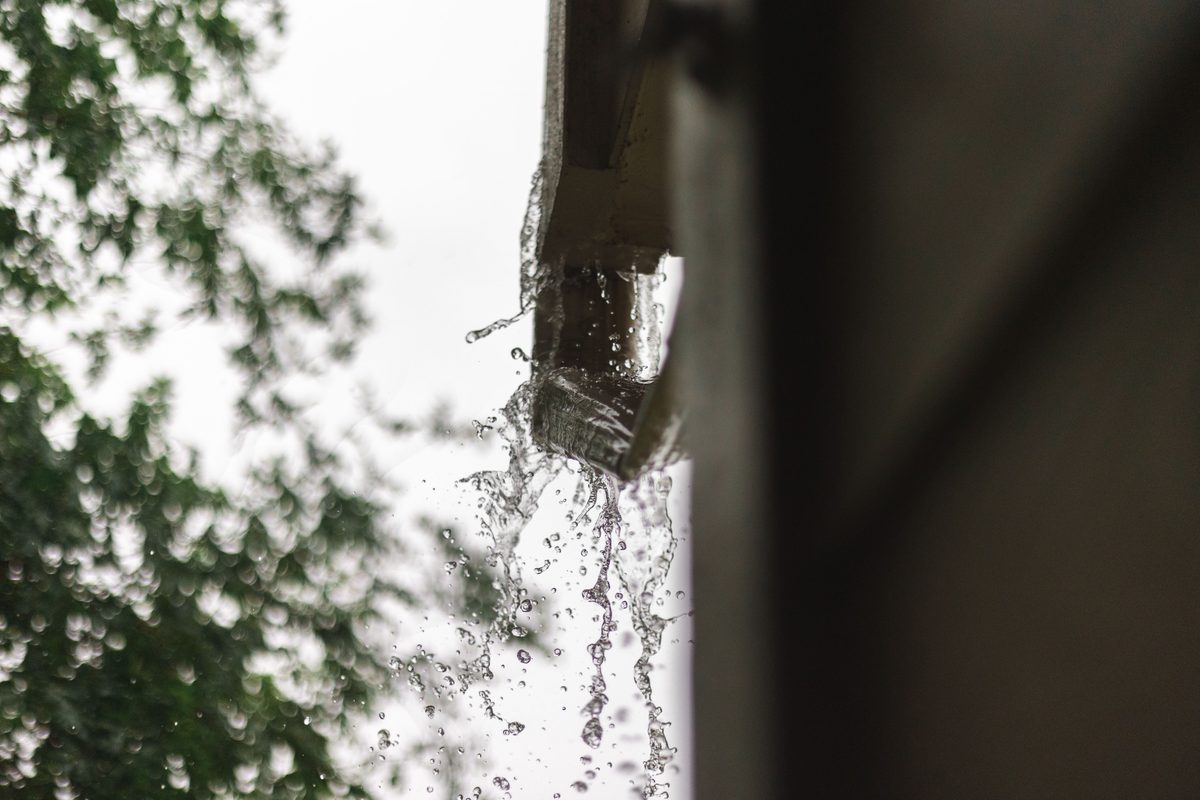
Drainage system evaluation examines gutters, downspouts, scuppers, and internal drains for blockages, corrosion, and proper slope. Inspectors verify water flows freely without ponding, check for debris accumulation in drain sumps, and confirm overflow provisions function correctly. Gutters and drainage systems require regular maintenance since even minor blockages create standing water that accelerates membrane deterioration.
Roof penetrations, including HVAC units, vent pipes, and conduit entries, receive detailed inspection of seals, boots, and curb flashing. These interruptions in the roof membrane create natural weak points where water infiltration begins if seals degrade. Testing involves visual examination of sealant condition, physical manipulation to detect looseness, and moisture meter readings to identify hidden leaks.
How Do Commercial Roof Inspections Support Insurance and Claims Processes?
Thorough inspection documentation provides the evidence insurers require to process storm damage claims efficiently. Professional inspection reports include detailed photographs, damage location maps, and scope-of-work estimates that substantiate claim amounts. This documentation prevents disputes and accelerates claim resolution.
U.S. roof claims costs reached $30.7 billion in 2024, reflecting the massive financial impact of weather-related damage. Insurers increasingly utilize aerial imagery and data analytics to verify roof age and condition before approving claims. Property managers with current inspection records and maintenance documentation establish credibility with adjusters and avoid claim denials based on poor maintenance allegations.
What Documentation Is Needed for Insurance Claims?
Insurance claims require comprehensive documentation, including dated photographs showing the extent of damage, written inspection reports from qualified professionals, and repair estimates detailing materials and labor. Maximizing Illinois insurance claims for roof damage depends on thorough evidence collection immediately after storm events. Time-stamped imagery from before and after storms proves damage resulted from specific weather events rather than gradual deterioration.
Maintenance records demonstrate proper care that supports full replacement coverage rather than depreciated value settlements. Insurers may deny claims on roofs lacking documented maintenance, arguing that neglect rather than storm damage caused failures. Building owners should maintain comprehensive roofing files, including all inspection reports, repair invoices, and warranty documents, to substantiate claims.
How Can Property Managers Work with Contractors for Accurate Damage Reporting?
Property managers should engage licensed contractors experienced with insurance restoration to provide detailed damage assessments and professional estimates. Qualified contractors understand insurance requirements, document damage appropriately, and provide scope-of-work details that adjusters need for claim approval.
Contractors serving as policyholder advocates communicate directly with insurance adjusters, explaining technical aspects of damage and necessary repairs. Selecting contractors with GAF Master Elite or CertainTeed ShingleMaster certifications ensures technical competence and industry credibility that strengthens claim presentations.
What Are the Challenges of Navigating the Insurance Environment in Illinois?
Filing a roof claim can result in premium increases of 9% to 15%, creating difficult decisions between claiming damage versus paying for repairs out-of-pocket. Property managers must evaluate claim amounts against potential long-term premium increases to determine the most cost-effective approach. Small repairs often cost less than cumulative premium increases over subsequent policy years.
Stricter insurance underwriting standards and complex claims environments make professional documentation increasingly critical for successful claim resolution. Insurers deploy sophisticated analytics to verify damage legitimacy and may challenge claims lacking comprehensive evidence. Storm damage insurance claims require experienced handling to navigate these challenges and secure appropriate settlements.
What Are the Cost Considerations for Spring Commercial Roof Inspections and Repairs?
Inspection costs vary significantly based on building size, roof complexity, access difficulty, and technology employed. Small commercial buildings under 5,000 square feet typically cost $200 to $300 to inspect using standard visual methods. Large commercial facilities ranging from 15,000 to 50,000 square feet require more comprehensive assessment costing $1,200 to $2,500, depending on technology and the detail level required.
Repair costs following spring inspections depend on damage severity, material type, and required scope of work. Minor repairs addressing isolated defects cost substantially less than section replacements or full re-roofing projects.
How Does Building Size Influence Inspection Costs?
Building size directly impacts inspection costs due to time requirements, safety equipment needs, and documentation scope. Small buildings allow quick assessment with minimal equipment, while large facilities require extensive time, multiple inspectors, and sophisticated documentation systems. Roof height and slope also affect pricing since difficult access increases labor costs and safety precautions.
Technology selection influences costs, with drone and thermal inspections commanding premiums over traditional visual assessments. However, these advanced methods often prove more cost-effective for large buildings by reducing inspection time and providing superior damage detection.
What Factors Impact Repair Costs After Storm Damage?
Minor hail repairs cost $150 to $600 for limited shingle replacement or membrane patching on small affected areas. These straightforward repairs address isolated damage without requiring extensive material replacement. Quick response prevents minor damage from allowing water infiltration that escalates the repair scope.
Moderate hail repairs range from $1,500 to $3,500, covering more extensive shingle replacement or larger membrane sections. Severe hail damage requiring full replacement averages $7,400 to $16,000 for a 2,000 square foot residential structure, with commercial buildings costing proportionally more based on size.
How Do Roofing Materials Affect Inspection and Repair Decisions?
Asphalt shingles cost $4.00 to $15.00 per square foot with 15 to 30 year lifespans, making them affordable but requiring more frequent replacement. These materials dominate residential applications, accounting for 80% of roofs, but show greater vulnerability to hail damage than premium alternatives.
Metal roofing costs $4.50 to $7.00 per square foot with 50-plus year lifespans, offering superior durability and wind resistance. Metal now captures 12% market share as property owners recognize lifecycle value despite higher upfront costs. Tile roofing costs $3.00 to $30.00 per square foot with similar longevity but requires structural support for heavy weight.
How Can Property Managers Optimize Maintenance to Extend Roof Lifespan?
Proactive maintenance strategies following spring inspections prevent minor issues from developing into expensive failures. Regular cleaning of drainage systems, prompt repair of small defects, and seasonal preparation activities collectively extend roof lifespan by 20-30% compared to reactive-only approaches. Scheduled maintenance also allows property managers to control timing and budgets rather than facing unexpected emergency costs.
Documentation of all maintenance activities creates records that support insurance claims and increase property value during transactions. Prospective buyers and insurers value well-maintained roofs with comprehensive service histories demonstrating proper care.
What Are Proactive Maintenance Strategies After Inspection?
Proactive strategies include immediate repair of identified defects, scheduled cleaning of drainage systems, and seasonal preparation activities. Property managers should address all findings from spring inspections before storm season begins rather than deferring repairs. Small investments in prompt maintenance prevent exponentially larger expenses from progressive deterioration.
Preventive coating applications, sealant renewal, and membrane reinforcement extend roof lifespan beyond original design expectations. These protective measures cost a fraction of replacement while adding years of reliable service.
How Does Regular Inspection Reduce Long-Term Repair Costs?
Regular inspection identifies problems while they remain minor repairs rather than discovering them only after major failures occur. Small membrane patches costing hundreds prevent interior damage requiring thousands in restoration work plus business interruption costs. Early detection also allows scheduling repairs during favorable weather and contractor availability.
Documented inspection history demonstrates proper maintenance that qualifies roofs for full replacement coverage rather than depreciated settlements from insurers. Properties lacking regular inspection records may face claim denials or reduced payouts based on maintenance neglect allegations.
What Role Does Technology Play in Ongoing Roof Monitoring?
Technology enables continuous monitoring through sensors detecting moisture intrusion, thermal imaging identifying problem areas, and drone surveys documenting condition changes over time. These tools provide objective data showing roof performance trends and early warning of developing issues.
Digital documentation systems organize inspection reports, photographs, and maintenance records in accessible formats for insurance claims and property transactions. Cloud-based platforms allow instant access to complete roof histories supporting informed decision-making.
What Are Current Industry Trends Affecting Commercial Roof Inspections in Illinois?
The global roof inspection services market, valued at $2.5 billion in 2024, is projected to reach $4.2 billion by 2033, reflecting increased recognition of inspection value. Commercial roof inspection services specifically will grow from $0.44 billion in 2024 to $1.1 billion by 2033 as property managers adopt proactive maintenance strategies.
The Illinois roofing contractors market, valued at $3.7 billion in 2026, encompasses 4,377 businesses competing for commercial and residential projects. Industry surveys show 64% of roofing contractors indicated 2025 sales exceeded 2024 totals, demonstrating strong market conditions.
How Is Technology Shaping Inspection Practices?
Drone technology has revolutionized commercial roof inspections by providing safe access to steep slopes, tall structures, and areas with questionable structural integrity. High-resolution aerial imagery captures comprehensive roof condition data without the safety risks associated with traditional physical inspection methods.
Thermal imaging and moisture detection systems identify hidden problems invisible to visual inspection, allowing targeted repairs before major damage occurs. These advanced tools detect trapped moisture in roof assemblies, failing insulation, and air leakage that compromises energy efficiency.
What Labor and Trust Challenges Impact Commercial Inspections?
Labor shortages affect 54% of homeowners who report difficulty finding skilled roofing professionals, creating delays and capacity constraints. These shortages led to project delays of up to 30% industry-wide, impacting property managers' scheduling of critical repairs.
Competition for qualified contractors intensifies during peak storm response periods.
Rising labor costs contributed to a 15% increase in overall project expenses, affecting inspection and repair pricing. Property managers must budget appropriately for these higher costs while recognizing that skilled labor delivers superior results, preventing callbacks and warranty claims.
How Is Market Growth Influencing Service Availability and Quality?
Market growth projections show commercial roof inspection services expanding from $0.44 billion in 2024 to $1.1 billion by 2033, indicating robust demand. This growth attracts new service providers and drives technology adoption, improving both the availability and quality of inspection services.
The Illinois roofing contractors market is valued at $3.7 billion in 2026 and supports nearly 8,900 workers across 4,377 businesses, providing substantial capacity. Strong sales performance with 64% of contractors exceeding prior-year revenues suggests healthy market conditions and contractor stability.
Spring Commercial Roof Inspection in Illinois: Key Checks Property Managers Must Prioritize
Spring commercial roof inspections in Illinois protect property investments from winter damage and severe storm exposure. Property managers must systematically evaluate membrane condition, drainage functionality, flashing integrity, and penetration seals while documenting findings for maintenance planning and insurance purposes. Early detection through comprehensive spring assessments prevents minor defects from escalating into expensive failures during peak operational seasons.
Advanced Roofing Inc. has served Chicagoland property managers for over 30 years, providing expert commercial roof inspections and maintenance services. Our GAF Master Elite certification and comprehensive technology capabilities ensure accurate assessments that identify problems early and support informed maintenance decisions. Property managers trust our transparent communication and master-level craftsmanship to protect their commercial investments.
Protect Your Commercial Investment Before Storm Season | Schedule a Spring Inspection
Spring is the window to catch winter freeze-thaw damage before the Illinois hail and wind season hits. Advanced Roofing Inc. has served Chicagoland property managers since 1994, delivering commercial roof inspections that document membrane condition, drainage, flashing, and penetration seals with the detail insurers require. As a GAF Master Elite® and CertainTeed ShingleMaster™ contractor with a BBB A+ rating, we give you accurate assessments and clear records that support maintenance planning and storm damage claims. Contact our commercial roofing specialists today for a comprehensive assessment that protects your property investment and provides the documentation you need for maintenance planning and insurance requirements.