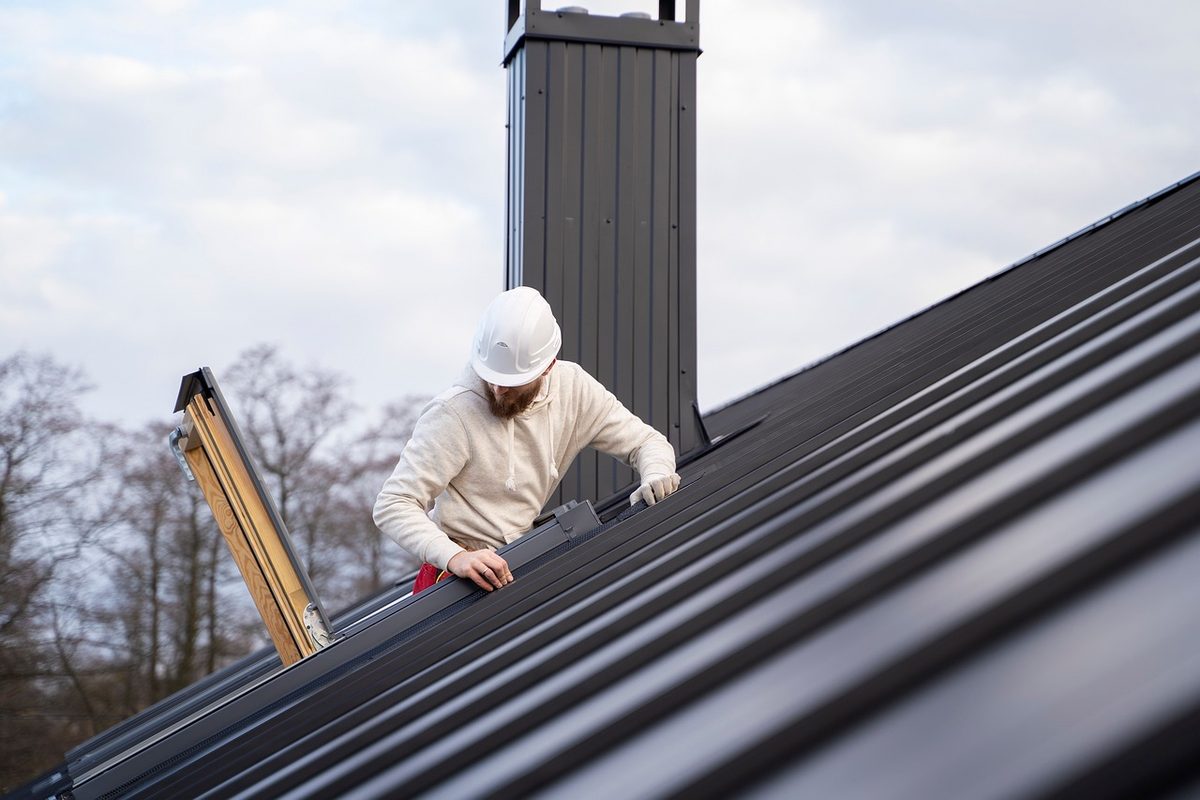
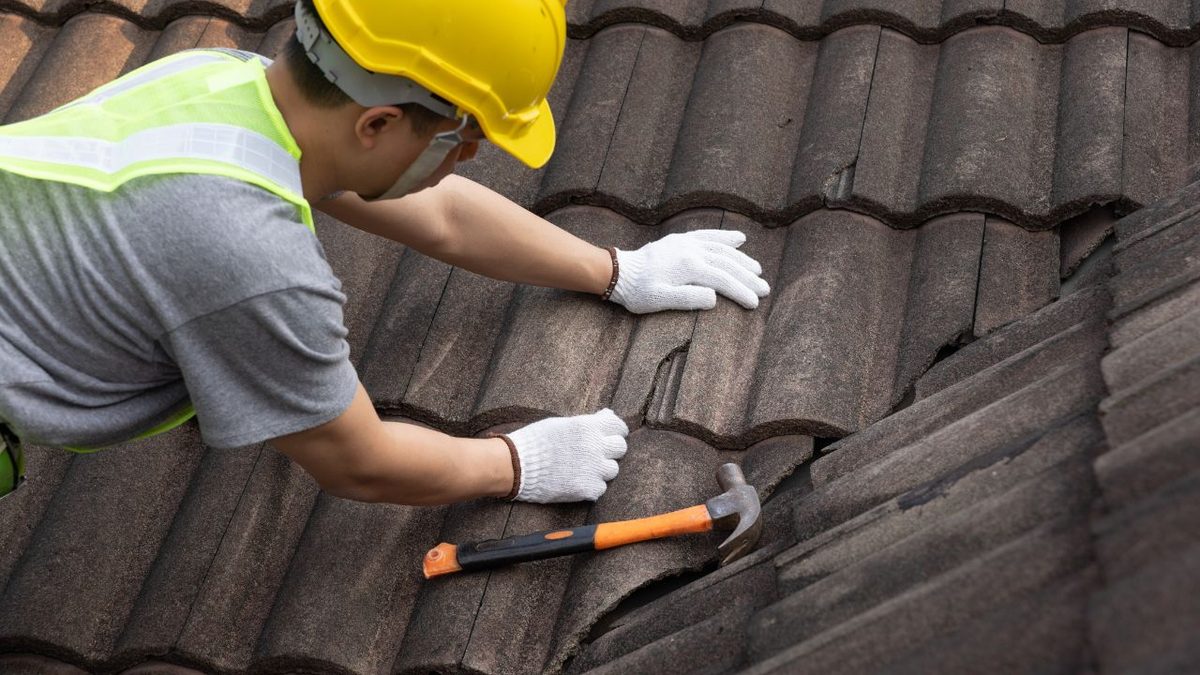
Selecting the right commercial roofing system requires understanding materials, costs, contractor qualifications, and long-term maintenance investments. This commercial roofing buyer's guide helps Illinois business owners make informed decisions that protect assets and optimize operational budgets.
Illinois business roofing options range from single-ply membranes to metal systems, each offering distinct performance characteristics and pricing structures. Understanding market trends, regional preferences, and maintenance ROI enables property managers to select solutions that balance immediate costs with decades of reliable performance.
Key Takeaways
- TPO holds 40% market share and costs $6.00-$10.00 per square foot in Illinois
- Preventive maintenance delivers 545% ROI compared to reactive emergency repairs
- The Illinois roofing market is projected to reach $3.7 billion in 2026
- Contractor licensing, manufacturer certifications, and warranty coverage are essential selection criteria
- Technology adoption, including aerial measurement and AI, is improving project accuracy
What Are the Key Types of Commercial Roofing Materials?
Commercial roofing materials vary significantly in composition, durability, and application suitability. Single-ply membranes dominate low-slope installations, while metal roofing serves high-traffic and long-term investment properties.
Each material type offers specific advantages depending on building use, climate exposure, and budget constraints. Roofing materials for commercial Illinois properties typically include TPO, EPDM, PVC, and metal systems with distinct cost-performance profiles.
What Are the Benefits and Drawbacks of TPO Roofing?
TPO is a thermoplastic single-ply membrane typically manufactured in white or light reflective colors. It holds approximately 40% market share in new construction for low-slope roofing applications.
Warehouses, retail plazas, and office buildings represent the best applications for TPO installations. TPO price range spans $6.00 to $10.00 per square foot in Illinois, though quality varies by manufacturer.
How Does EPDM Compare for Industrial Applications?
EPDM is a synthetic rubber roofing membrane that currently holds 22% market share. Industrial buildings, manufacturing facilities, and cold-climate properties represent the best applications for EPDM systems.
EPDM price range extends from $5.50 to $8.50 per square foot in Illinois. EPDM regularly lasts 25 to 30+ years with proper installation and minimal maintenance requirements.
When Should Business Owners Consider PVC or Metal Roofing?
PVC membranes are engineered for exceptional durability and chemical resistance in demanding environments. Food processing plants, restaurants, airports, and hospitals represent the best applications for PVC membrane installations.
PVC price range spans $8.00 to $12.00 per square foot in Illinois. Metal roofing price range extends from $10.00 to $18.00 per square foot with a 50+ year lifespan.
How Does the Illinois Commercial Roofing Market Influence Buyer Decisions?
The Illinois roofing contractors industry ranks sixth nationally in highest revenue generation. The market contributes 4% to the state's GDP, supporting 4,377 businesses and 8,872 workers. Many Illinois roofing companies handle both private commercial work and public construction projects, with some firms qualified for federal contracts on government buildings.
Regional economic factors, urban development patterns, and infrastructure investment directly influence material availability and contractor capacity. Understanding these market dynamics helps buyers anticipate pricing trends and contractor availability for 2026 projects.
What Are the Local Market Trends and Growth Projections?
The Illinois market is projected to reach $3.7 billion in 2026 revenue. The market grew at a 3.9% average annual rate from 2021 to 2026, demonstrating consistent demand. Commercial contractors report strong optimism about future revenue growth across Illinois regions. Specifically, 80% of respondents expect 2025 revenues to increase compared to the previous year's performance.
How Do Urban and Suburban Preferences Differ Across Illinois?
The Chicago Central Business District prefers highly reflective cool roofs to combat urban heat effects. Joliet, Aurora, and Naperville industrial corridors prioritize cost-effective durability for large warehouse facilities.
Urban installations face stricter energy codes and limited access for equipment staging. Suburban projects typically offer larger roof areas with fewer logistical constraints affecting installation timelines.
What Are Common Pricing Ranges for Roofing Systems in Illinois?
Budget planning for roof purchase decisions must account for material costs, labor rates, and regional market conditions. TPO systems range from $6.00 to $10.00 per square foot, while EPDM costs $5.50 to $8.50.
PVC installations span $8.00 to $12.00 per square foot for chemical-resistant applications. Metal roofing represents the highest initial investment at $10.00 to $18.00 per square foot but offers exceptional longevity. Total project budgets should also account for a building permit, since permit fees differ by municipality across Illinois. Owners must factor in the local sales tax rate on materials when comparing bids.
What Criteria Should Guide the Selection of a Commercial Roofing Contractor?
Contractor selection directly impacts installation quality, warranty coverage, and long-term system performance. Reputation, licensing, manufacturer certifications, and emergency readiness represent critical evaluation factors for Illinois business owners.
Proper vetting reduces risks associated with substandard workmanship, inadequate insurance coverage, and warranty disputes. Comprehensive contractor assessment protects investments and ensures compliance with building codes and insurance requirements.
Why Is Contractor Reputation and Licensing Critical?
Verifying contractor licensing and insurance protects business owners from liability and financial exposure. Licensed contractors maintain required bonds and workers' compensation coverage that unlicensed operators cannot provide. They also prepare the documentation that insurance carriers request when processing storm damage claims.
Assessing local Illinois climate experience ensures contractors understand freeze-thaw cycles and snow load requirements. Experienced contractors familiar with regional installation challenges deliver superior results compared to national chains without local expertise.
How Important Are Manufacturer Certifications and Warranty Coverage?
Evaluating manufacturer certifications confirms contractors meet the training and installation standards required for premium warranties. Certified contractors access extended warranty coverage that non-certified installers cannot offer clients. Certified roofing specialists complete manufacturer training that verifies correct installation methods on each system.
Comprehensive warranty protection includes both material defects and workmanship coverage for complete asset protection. Understanding warranty terms and exclusions prevents disputes and ensures proper claim procedures during system failures.
What Role Does Emergency Readiness Play in Contractor Choice?
Emergency services cost 25 to 50% more than routine fixes due to urgency premiums. Emergency fees add $300 to $1,500 on top of standard repair costs for after-hours response. A qualified roof leak specialist responds quickly to limit interior water damage during storm events.
Emergency services face limited availability during storms when multiple properties require simultaneous attention. Contractors with established maintenance relationships prioritize existing clients during high-demand emergency situations.
How Can Preventive Maintenance Impact Roofing Costs and ROI?
Preventive maintenance programs dramatically reduce total ownership costs compared to reactive repair strategies. Planned inspections identify minor issues before they escalate into expensive emergency repairs or premature replacement.
The financial advantages of maintenance become clear when comparing 20-year lifecycle costs between proactive and reactive approaches. Property managers implementing structured maintenance programs achieve significant cost savings and extended asset lifespans.
What Are the Financial Risks of Deferred Roof Maintenance?
A 50,000-square-foot facility emergency repair event costs approximately $45,000 for immediate structural corrections. Interior damage from roof failure adds another $12,000 in ceiling, insulation, and equipment replacement expenses.
Business interruption costs reach $80,000 when operations cease during emergency repairs and cleanup. Insurance premium increases over five years cost $18,000, while accelerated depreciation impact adds $25,000 in lost asset value.
How Does Planned Maintenance Deliver Cost Savings and Longevity?
Preventive maintenance delivers 545% ROI with a favorable 4:1 cost-benefit ratio over system lifespan. Property managers save up to 30% on repair costs with proactive maintenance programs compared to reactive approaches.
Preventive maintenance extends asset lifespans by 20% through early problem detection and correction. Planned maintenance for a 50,000-square-foot facility costs $10,000 to $20,000 annually, totaling $160,000 over 20 years.
What Should an Effective Maintenance Program Include?
Conducting a comprehensive baseline inspection, including infrared moisture scans, establishes current roof condition documentation. This baseline enables tracking of deterioration patterns and informs future repair and replacement timing decisions.
Scheduling a professional roof inspection in Spring facilitates post-winter damage assessment after freeze-thaw cycles. Fall inspections enable pre-winter preparation, ensuring drainage systems function properly before snow accumulation begins.
What Technologies Are Shaping the Commercial Roofing Industry?
Technology adoption among commercial contractors is transforming project estimation, measurement accuracy, and operational efficiency. Digital tools reduce measurement errors, improve cost estimates, and streamline project management across installation phases.
Advanced software and measurement systems enable contractors to deliver more accurate proposals and faster project completion. Smart technologies are increasingly integrated into both contractor operations and building management systems for improved performance monitoring.
How Are Estimating and Accounting Software Improving Contractor Efficiency?
Estimating software achieves 83% adoption rate among commercial contractors for precise material quantity calculations. Enterprise and accounting software reaches 81% adoption rate, enabling better financial tracking and project profitability analysis.
Digital estimation reduces measurement errors that previously resulted in material shortages or excess waste. Software integration between estimation and accounting systems streamlines invoicing and payment processing for improved cash flow.
What Advances in Aerial Measurement and AI Are Being Adopted?
Currently, 64% of contractors use aerial measurement technology for accurate roof dimension capture without physical access. Another 14% plan to adopt aerial measurement systems by 2026 to improve proposal accuracy.
Artificial intelligence adoption stands at 20% among commercial contractors for predictive maintenance and defect detection. An additional 22% are discussing future AI implementation to enhance inspection quality and efficiency.
How Does Technology Adoption Influence Project Accuracy and Cost?
Advanced measurement technology eliminates manual calculation errors that inflate material costs through over-ordering or project delays. Accurate measurements enable contractors to provide firm pricing with reduced contingency buffers for unknown variables.
AI-powered inspection systems identify moisture intrusion and membrane defects invisible to traditional visual assessments. Early defect detection through technology reduces repair costs and prevents minor issues from escalating into major failures.
How Do Buyer Preferences and Decision Factors Vary Among Illinois Businesses?
Property managers and building owners prioritize different factors when selecting roofing solutions and contractors. Decision criteria vary based on property type, ownership structure, and operational priorities, ranging from cost minimization to performance maximization.
Understanding these preferences helps contractors align proposals with buyer expectations and business requirements. Material selection and contractor vetting directly reflect these varied priorities across different property types and management philosophies.
What Factors Do Property Managers Prioritize Most When Choosing Roofing Solutions?
Contractor reputation and proven track record rank as the highest priority at 95 out of 100. Established contractors with documented performance history reduce risk and ensure accountability throughout project execution.
Cost and long-term value balance achieves 92 out of 100 importance among property managers. Decision-makers evaluate total lifecycle costs rather than simply selecting the lowest initial bid for major capital investments.
How Do Material Quality and Durability Impact Buyer Choices?
Material durability and quality score 88 out of 100 in buyer priority rankings for commercial installations. Selecting appropriate materials for specific building uses prevents premature failures and reduces lifecycle replacement frequency.
Warranty coverage importance reaches 85 out of 100 as buyers seek comprehensive protection against defects. Extended manufacturer warranties available through certified contractors provide additional value and peace of mind for long-term property owners.
In What Ways Do Energy Codes and Environmental Goals Affect Selections?
Cool roofs are highly reflective roofing systems designed to reduce heat absorption and lower cooling costs. Urban Chicago installations increasingly specify cool roof systems to comply with municipal energy efficiency mandates.
Reflective membranes reduce urban heat island effects while delivering measurable energy savings in cooling-dominated climates. Environmental goals drive material selection toward recyclable options and systems compatible with solar panel installations.
What Strategies Should Illinois Business Owners Use to Optimize Roofing Investments?
Strategic planning encompasses building assessment, contractor selection, material specification, and long-term maintenance budgeting. Comprehensive evaluation of these factors enables informed decisions that balance immediate costs with decades of operational requirements.
Implementing proven management practices reduces ownership costs and extends system lifespan through proactive planning. Optimization requires understanding building-specific needs and aligning solutions with operational priorities and financial constraints.
How to Assess Building Needs Based on Traffic, Climate, and Usage?
High-traffic roofs with mechanical equipment and frequent maintenance access require puncture-resistant membranes like PVC. Climate factors, including freeze-thaw cycles and snow loads, influence material selection and insulation requirements for Illinois installations.
Building usage determines chemical exposure, foot traffic patterns, and thermal cycling that affect membrane performance. Industrial facilities with chemical exposure require different material specifications than office buildings or retail properties.
What Best Practices Exist for Contractor Vetting and Material Selection?
Verifying contractor licensing, insurance coverage, and manufacturer certifications protects against liability and warranty disputes. Request references from similar projects and verify completion timelines and client satisfaction before contract execution.
Comparing material options requires understanding the performance differences between systems for specific applications. Evaluate lifecycle costs, including maintenance requirements, rather than focusing solely on initial installation pricing.
How Can Budgeting and Maintenance Planning Minimize Future Risks?
Allocating $0.03 to $0.04 per square foot annually for comprehensive maintenance contracts prevents expensive emergency repairs. Annual maintenance budgets should reflect roof size, system complexity, and equipment density affecting inspection requirements.
Establishing reserve funds for eventual replacement based on expected system lifespan prevents funding shortfalls. Planning replacement timing during low-occupancy periods minimizes business disruption and enables competitive contractor bidding.
Commercial Roofing Insights and Best Practices for Illinois Business Owners in 2026
Illinois business owners benefit from understanding market trends, material options, and contractor qualifications when planning roofing investments. The state's $3.7 billion roofing market offers diverse contractor options, but proper vetting remains essential for project success.
Material selection should align with building usage, climate exposure, and long-term ownership goals rather than initial cost alone. Preventive maintenance delivers measurable ROI through extended system lifespan and reduced emergency repair frequency.
Advanced Roofing Inc. has served the Chicagoland area for over 30 years with expertise in commercial roofing systems. Their GAF Master Elite® certification and CertainTeed ShingleMaster™ credentials demonstrate commitment to quality and manufacturer-backed warranties.
Make informed roofing decisions by contacting experienced professionals who understand Illinois climate challenges and building code requirements.
Protect Your Commercial Property With Advanced Roofing Inc.
Advanced Roofing Inc. has installed and serviced commercial roofs across the Fox Valley and greater Chicagoland area since 1994. Our team works with TPO, EPDM, PVC, and metal systems and backs every project with GAF Master Elite® and CertainTeed ShingleMaster™ certifications and a BBB A+ rating. Contact us to request a free quote or schedule your commercial roof inspection and get a written estimate built around your building and budget.