Commercial property owners in Illinois must understand the fundamental differences between flat and pitched roofing systems. Material selection, installation methods, and long-term performance vary significantly based on roof type and local climate conditions.
Key Takeaways
- Flat roofs dominate Illinois commercial construction with 62% market share due to lower initial costs and equipment accommodation
- Single-ply membranes (TPO, PVC, EPDM) represent the most popular commercial roofing choice, used by 80% of contractors
- Illinois weather drives 25% of all property claims, with wind and hail accounting for over half of roof damage
- Repair and replacement costs increased 30% since 2022, reaching $31 billion nationally in 2024
- Proper installation and proactive maintenance reduce long-term costs by 60% compared to deferred maintenance approaches
What Are Flat and Pitched Roofs in Commercial Buildings?
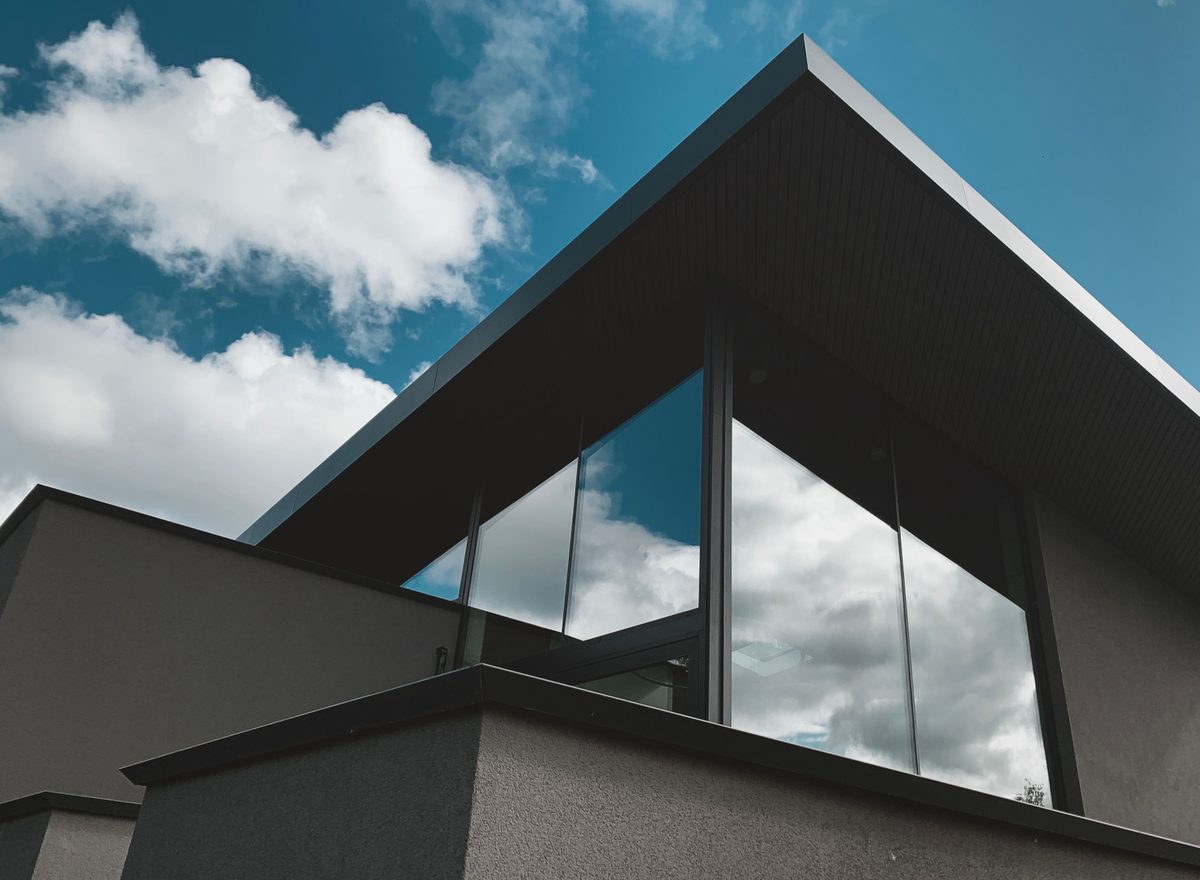
Flat roofs feature minimal slope designed for drainage while maximizing usable space. Pitched roofs incorporate steeper angles that provide natural water runoff and increased structural versatility.
How Are Flat Roofs Constructed and What Are Their Characteristics?
Flat roofs utilize low-slope designs with specialized waterproofing membranes and drainage systems. Built-Up Roofing (BUR) consists of alternating layers of bitumen and reinforcing fabrics for maximum durability. Modified Bitumen systems use polymer-modified asphalt for increased flexibility in temperature fluctuations. TPO (Thermoplastic Polyolefin) combines polypropylene and rubber to create heat-reflective white membranes. PVC (Polyvinyl Chloride) plastic roofing material offers exceptional chemical and fire resistance. Flat roofs command 62% market share in the commercial segment due to cost efficiency and space utilization.
What Defines Pitched Roofs and Their Common Designs in Commercial Properties?
Pitched roofs feature slopes exceeding a 3:12 ratio to facilitate water drainage and snow shedding. Standing Seam systems represent premium metal roofing options with concealed fasteners for superior weather protection. R-Panel configurations provide cost-effective metal roofing suitable for agricultural and industrial settings with less aesthetic concern. Metal roofing materials offer exceptional longevity, ranging from 40 to 70 years, depending on system quality. Pitched designs accommodate attic space and reduce ponding water risks common in flat applications.
Why Do Illinois Commercial Properties Often Opt for Flat or Pitched Roofs?
Illinois commercial properties select flat roofs primarily for lower construction costs and equipment accommodation. The choice between systems depends on building function, budget constraints, and long-term maintenance considerations.
What Are the Functional Benefits of Flat Roofs for Illinois Commercial Buildings?
Flat roofs provide accessible space for HVAC equipment, solar panels, and mechanical systems without aesthetic compromise. Large commercial buildings benefit from simplified construction processes that reduce initial project timelines and labor expenses. The horizontal surface allows maintenance personnel to access equipment safely while performing routine inspections and repairs. Distribution centers and warehouses utilize flat designs to maximize interior ceiling height for storage efficiency. Property owners appreciate the ability to expand vertical structures or add rooftop amenities in the future.
How Does Climate Influence Roof Type Selection in Illinois?
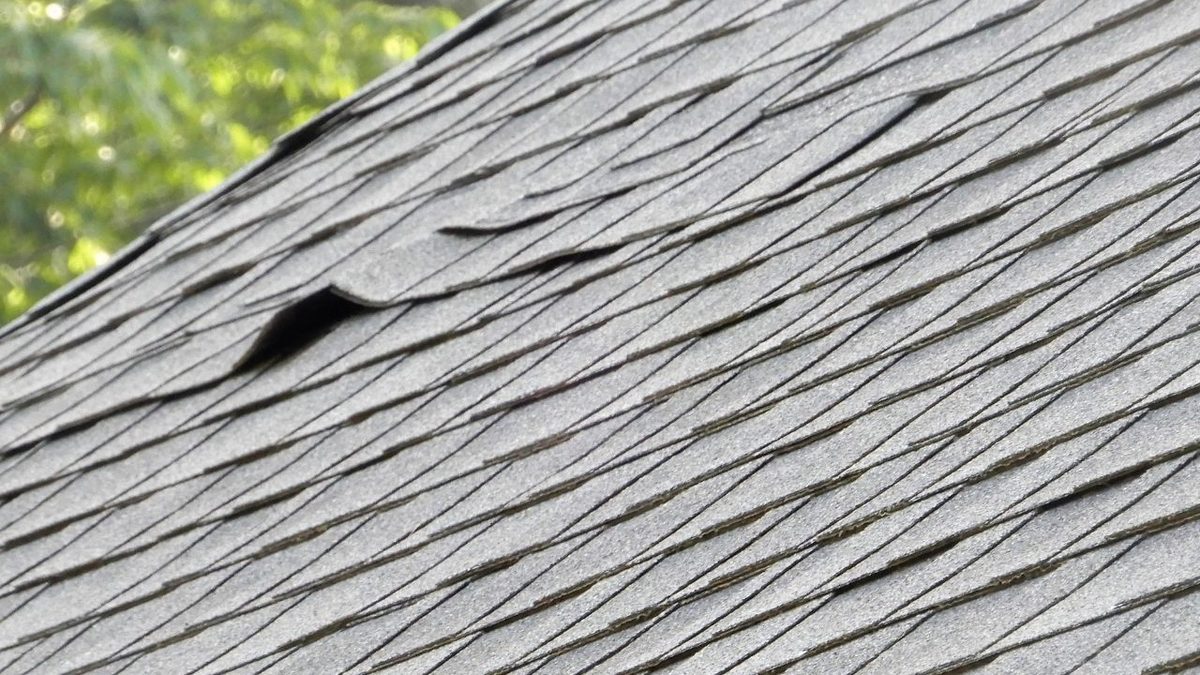
Illinois experiences severe weather, including heavy snow, ice, high winds, and summer heat that tests roofing material durability. Wind and hail account for over half of all claims in the commercial roofing sector. Non-catastrophic wind and hail claims increased from 17% in 2022 to 25% in 2024 across the state. Pitched roofs naturally shed snow and ice accumulation better than flat configurations during harsh winters. Flat roofs require enhanced drainage systems to prevent ponding water that remains for more than 48 hours.
What Are the Economic Considerations Between Flat and Pitched Roofs?
Flat roofs deliver lower construction costs due to simpler framing requirements and reduced material quantities. Pitched roofs provide superior drainage capabilities that minimize long-term water damage and maintenance intervention frequency. Initial savings on flat roof installation are often offset by higher maintenance expenses over a 20-year lifecycle. Standing Seam metal roofing costs $8.00 to $10.00+ per square foot but provides exceptional longevity. Flat roof systems range from $3.50 to $9.00 per square foot, depending on membrane selection.
How Do Flat and Pitched Roofs Differ in Materials and Installation?
Material selection varies dramatically between flat and pitched applications based on drainage requirements and structural loads. Installation processes require different skill sets, equipment, and weather considerations for successful project completion.
What Roofing Materials Are Commonly Used for Flat Roofs in Illinois?
EPDM (Ethylene Propylene Diene Monomer) synthetic rubber roofing serves budget-conscious projects with large flat areas. Distribution centers requiring reliable waterproofing solutions frequently specify TPO membranes and metal panel systems for longevity. Restaurants using PVC roofing benefit from chemical resistance that protects against grease and food service emissions. Manufacturing facilities prefer PVC for fire resistance that meets stringent code requirements in industrial zones. TPO costs $4.00 to $8.00 per square foot while PVC ranges from $5.00 to $9.00. EPDM provides the most economical option at $3.50 to $7.50 per square foot for standard applications.
What Roofing Materials Are Typical for Pitched Commercial Roofs?
Metal roofing dominates pitched commercial applications, with Standing Seam representing the highest quality option. R-Panel systems deliver cost-effective solutions for warehouses and agricultural buildings, prioritizing function over aesthetics. Built-Up Roofing (BUR) costs $5.50+ per square foot and provides proven performance on low-slope applications. Modified Bitumen systems range from $4.50 to $9.00 per square foot but may require more frequent maintenance. Metal roofing represents the highest cost option but delivers exceptional durability and energy efficiency benefits.
How Do Installation Processes Vary Between Flat and Pitched Roofs?
TPO installation requires precise heat welding to create watertight seams that withstand thermal expansion cycles. PVC becomes brittle in extreme cold conditions, making installation timing critical and labor-intensive removal necessary. EPDM membranes can be fragile near the end of life, requiring careful handling during repairs. Poor installation practices reduce roof lifespan by 40% and cause blow-offs during high wind events. Approximately 80% of roofing contractors report involvement with single-ply systems requiring specialized equipment and certification. Proper installation techniques directly impact long-term performance and warranty validity from manufacturers.
What Are the Performance and Maintenance Differences of Flat vs. Pitched Roofs?
Performance characteristics differ significantly between flat and pitched systems regarding water management and weather resistance. Maintenance requirements vary based on drainage efficiency, material durability, and environmental exposure over time.
How Do Drainage and Weather Resistance Compare?
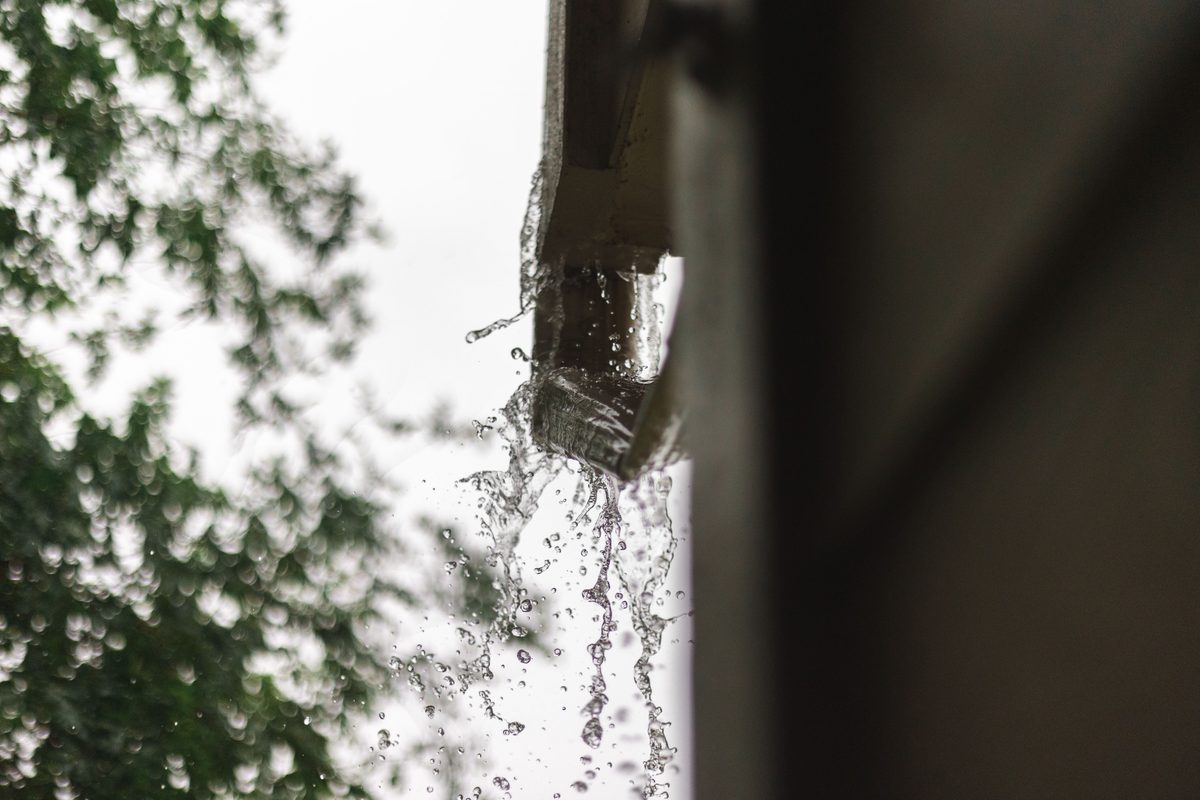
Flat roofs struggle with ponding water that accelerates membrane deterioration and increases leak probability. Ponding water is defined as water remaining on a roof for more than 48 hours after precipitation. Pitched roofs naturally channel water away from the building envelope, reducing moisture infiltration risks significantly. Illinois weather patterns create substantial challenges with wind and hail representing primary damage sources statewide. Roofs in moderate to poor condition incur 60% higher loss costs compared to well-maintained systems. Currently, 38% of U.S. roofs exhibit moderate to poor condition issues requiring immediate attention.
What Are Common Repair Issues for Each Roof Type in Illinois?
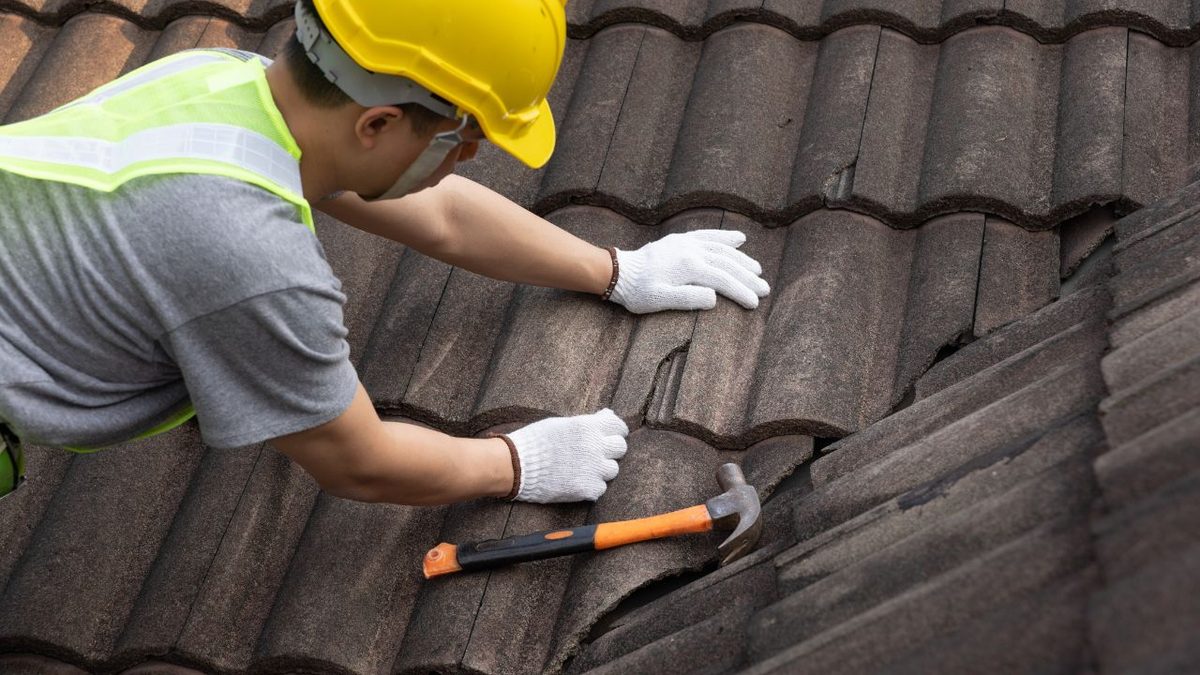
Leaks and moisture infiltration lead to mold growth and structural damage in commercial building interiors. UV ray exposure causes membrane shrinking and cracking that compromise waterproofing integrity over 15-20 year periods. Foot traffic from maintenance personnel creates punctures in single-ply membranes during routine equipment servicing. Failing roof penetrations around pipes, vents, and HVAC units represent the most frequent leak sources. Modified Bitumen systems may require more frequent maintenance than BUR alternatives despite initial cost savings. Single-ply systems represent 28% of primary revenue for commercial contractors addressing these recurring repair challenges.
How Do Maintenance Costs Differ Over Time?
Flat roofs require more long-term maintenance than pitched roofs due to drainage complications and membrane vulnerability. Roof-related claims account for more than 25% of all property claim values across commercial portfolios. U.S. roof repair and replacement costs reached $31 billion in 2024, representing substantial financial exposure. This represents a 30% increase in costs since 2022, driven by material inflation and labor shortages. Proactive maintenance programs reduce emergency repair frequency by 60% compared to reactive approaches. Regular inspections identify minor issues before they escalate into expensive structural repairs requiring business interruption.
How Do Energy Efficiency and Building Code Compliance Affect Roof Choice?
Energy efficiency considerations influence material selection as utility costs rise and sustainability mandates expand. Code compliance requirements dictate minimum performance standards that commercial roofs must achieve for occupancy approval.
Why Is Energy Efficiency a Priority for Illinois Commercial Roofs?
Commercial property owners prioritize energy-efficient roofing systems that reduce cooling costs during hot summer months. TPO membranes provide excellent UV resistance with reflective white surfaces that minimize heat absorption. EPDM's black color absorbs heat, increasing cooling demands and interior temperature fluctuations throughout the day. White single-ply membranes serve as cool roof applications that can reduce surface temperatures by 50°F. Reflective roofing systems qualify for energy efficiency incentives and contribute toward LEED certification requirements. Lower energy consumption translates directly into reduced operating expenses and improved tenant comfort year-round.
How Do Flat and Pitched Roofs Meet Local Building Codes?
Building code conformance represents the top priority for 85% of commercial decision-makers selecting roofing systems. Illinois roofing codes specify minimum slope requirements, wind uplift resistance, and fire rating standards based on occupancy type. Flat roofs must incorporate adequate drainage to prevent water accumulation exceeding 48-hour thresholds. Pitched roofs typically require higher wind resistance ratings in exposed locations prone to severe weather. Inspections verify proper flashing installation around penetrations and adequate insulation meeting current energy code requirements. Compliance failures result in permit rejections, insurance complications, and potential liability exposure for property owners.
What Role Do Reflective and Cool Roof Technologies Play?
Reflective membranes reduce urban heat island effects while lowering building energy consumption by 15-30%. White single-ply membranes for cool roof applications dominate new commercial construction in metropolitan Chicago. Cool roof technologies qualify for utility rebates and green building certifications that enhance property values. Surface temperatures on reflective roofs remain 50-60°F cooler than traditional dark-colored materials during peak summer. Energy savings accumulate over a 20-year roof lifespan, offsetting slightly higher initial material costs within five years. Building owners increasingly specify cool roof systems to meet corporate sustainability goals and tenant demands.
What Are the Typical Cost Implications of Flat vs. Pitched Roofs?
Initial construction costs represent only one component of total lifecycle expenses for commercial roofing investments. Long-term repair frequencies, replacement timing, and material durability significantly impact overall financial performance.
How Do Initial Construction Costs Compare?
TPO costs range from $4.00 to $8.00 per square foot for materials and installation. PVC systems cost $5.00 to $9.00 per square foot, offering exceptional strength and durability. EPDM provides the most economical option at $3.50 to $7.50 per square foot for standard applications. BUR systems cost $5.50+ per square foot while Modified Bitumen ranges from $4.50 to $9.00. Standing Seam metal represents the highest cost option at $8.00 to $10.00+ per square foot. PVC delivers exceptional strength, while TPO represents newer technology with less long-term performance data available.
What Are the Long-Term Repair and Replacement Expenses?
Repair costs vary significantly based on damage severity, accessibility, and the membrane type involved in failure. Leak repairs typically range from $600 to $4,500+, depending on the extent of water infiltration. Ponding water remediation costs $800 to $2,500, involving drain repair or tapered insulation installation. Flashing repairs around penetrations cost $450 to $1,800+ for minor work and $1,200 to $3,500+ for major overhauls. U.S. roof repair and replacement costs reached $31 billion in 2024, with 30% increase since 2022. Material costs represent 38% of contractor concerns, while 36% cite a lack of qualified workers.
How Do Material and Labor Market Trends Impact Costs?
Economy and inflation represent primary concerns for 49% of contractors, affecting project bidding and scheduling. Material costs concern 38% of contractors due to supply chain disruptions, driving up prices. Labor shortages affect 36% of contractors, increasing installation costs and project timeline extensions significantly. Supply chain disruptions continue affecting petroleum-based roofing products like TPO, PVC, and Modified Bitumen membranes. Labor shortages increase installation costs by 20-30% in competitive metropolitan markets like Chicago. These market conditions create pressure for property owners to secure qualified contractors early in planning.
How Do Regional and Demographic Factors Influence Roofing Decisions in Illinois?
Regional development patterns and industrial growth create distinct roofing demands across Illinois commercial markets. Metropolitan concentration and rural agricultural needs drive different material preferences and installation approaches statewide.
Why Is the Chicago Metropolitan Area a Key Market for Commercial Roofing?
The Chicago metropolitan area accounts for 42% of Illinois total market demand for commercial roofing. High-density urban development creates concentrated demand for flat roof systems on multi-story commercial structures. Office buildings, retail centers, and mixed-use developments dominate urban roofing portfolios requiring specialized contractors. Metropolitan projects demand higher-quality materials and faster installation timelines to minimize business disruption. Commercial roof management requires coordination with multiple stakeholders and strict adherence to building schedules in urban settings.
How Does Industrial Growth Affect Roof Type Demand?
Illinois serves as a central logistics hub, driving massive warehouse and distribution center construction. Single-ply systems represent 28% of primary revenue for commercial contractors serving industrial clients statewide. Distribution facilities require expansive flat roofs accommodating TPO membranes and metal panel systems for durability. Manufacturing plants specify PVC roofing for chemical resistance and fire safety in production environments. Industrial growth concentrated along major transportation corridors creates steady demand for large-scale roofing projects. Property managers prioritize minimal business disruption during installations to maintain continuous operations and revenue streams.
What Regional Roofing Preferences Exist Across Illinois?
Northern Illinois commercial properties favor single-ply membranes optimized for freeze-thaw cycles and heavy snow loads. Central Illinois agricultural facilities utilize cost-effective R-Panel metal roofing for equipment storage and processing buildings. Southern Illinois properties specify different insulation values due to milder winter conditions and higher cooling demands. Suburban office parks prefer aesthetically pleasing Standing Seam metal for professional appearance and longevity. Urban areas prioritize compact installation timelines and noise reduction to minimize tenant complaints during occupied building renovations.
Flat Roof Vs. Pitched Roof for Illinois Commercial Properties: Market Trends, Challenges, and Strategic Considerations
The U.S. commercial roofing market reached a $7.3 billion valuation in 2024 with steady growth projections. Market demand totaled 83.2 million square feet in 2024 across residential and commercial segments combined. The industry projects a CAGR of 3.0% from 2024 to 2029 despite economic headwinds. Estimated demand will reach 85.2 million square feet by 2029 as aging infrastructure requires replacement. The global commercial roofing market was valued at $12.63 billion in 2024, with expansion expected.
Illinois commercial property owners must balance initial costs against long-term performance when comparing flat roof vs pitched roof Illinois options. This commercial roofing comparison reveals that roof type selection in Illinois depends on building function, budget, and climate exposure. Understanding the cost of flat vs pitched roofs requires evaluating materials, installation complexity, and maintenance frequencies. Single-ply membranes dominate the market while metal roofing provides premium longevity for properties prioritizing durability. Weather-related claims continue rising, making proactive maintenance essential for protecting commercial real estate investments.
Property owners who invest in quality materials and certified installation reduce lifecycle costs significantly over 20-year periods. Advanced Roofing Inc. brings 30+ years of commercial roofing experience, serving the Chicagoland area with honest assessments. As a GAF Master Elite® Contractor and CertainTeed ShingleMaster™, Advanced Roofing delivers certified craftsmanship backed by comprehensive warranties.
Protect Your Commercial Investment with a Certified Roofing Partner
Choosing between a flat or pitched roof shapes your building's performance and budget for the next two decades. Advanced Roofing Inc. helps Illinois commercial property owners make that call with confidence. With more than 30 years serving the Fox Valley and greater Chicagoland area, our team delivers honest roof assessments, code-compliant installation, and materials matched to your building's function and climate exposure.
As a GAF Master Elite® Contractor and CertainTeed ShingleMaster™ with a BBB A+ rating, we back every commercial project with certified workmanship and clear warranties. From TPO and EPDM membranes on a distribution center to Standing Seam metal on an office building, we handle the full scope and keep your operations running throughout the work. Contact Advanced Roofing Inc. today for a thorough roof assessment and professional recommendations tailored to your property.