Homeowners face distinct roof repair in Naperville; these challenges were due to severe weather, premium housing stock, and elevated construction costs. Understanding local roofing pricing, permit requirements, and material options helps property owners make informed decisions. This guide provides detailed insights into costs, regulations, and contractor selection for lasting roof performance.
The average Naperville roof repair cost significantly exceeds state and national benchmarks due to larger home sizes and complex architectural features. Regional factors, including labor rates, material availability, and municipal codes, directly influence project timelines and budgets. Proper planning ensures homeowners balance quality, compliance, and long-term value when addressing roof damage or scheduling preventive replacements.
Key Takeaways
- Naperville roof repair costs average $38,577, ranging from $11,022 to $66,132, depending on materials and project scope
- Storm damage accounts for 33% of roof replacements, with hail repairs averaging $4,250 and insurance payouts reaching $12,000
- Permits are required for full replacements, but not minor repairs covering less than 25% of the roof surface
- Off-season scheduling delivers 15-25% savings compared to peak spring and summer pricing
- Asphalt shingles dominate 69% of installations, while metal roofing captures 10% with superior longevity
What Are the Key Types of Roof Repair Services in Naperville?
Roof repair services fall into three primary categories based on damage severity and urgency. Storm damage repairs, isolated shingle replacements, and emergency interventions each require distinct approaches and budgeting. Homeowners must assess whether targeted repairs address immediate needs or full replacements provide superior value.
Service selection depends on roof age, damage extent, and material condition. Contractors evaluate structural integrity, water intrusion patterns, and remaining lifespan before recommending solutions. Transparent communication between homeowners and roofing professionals prevents unnecessary replacements while ensuring critical issues receive proper attention.
How Does Storm and Hail Damage Impact Roof Repairs?
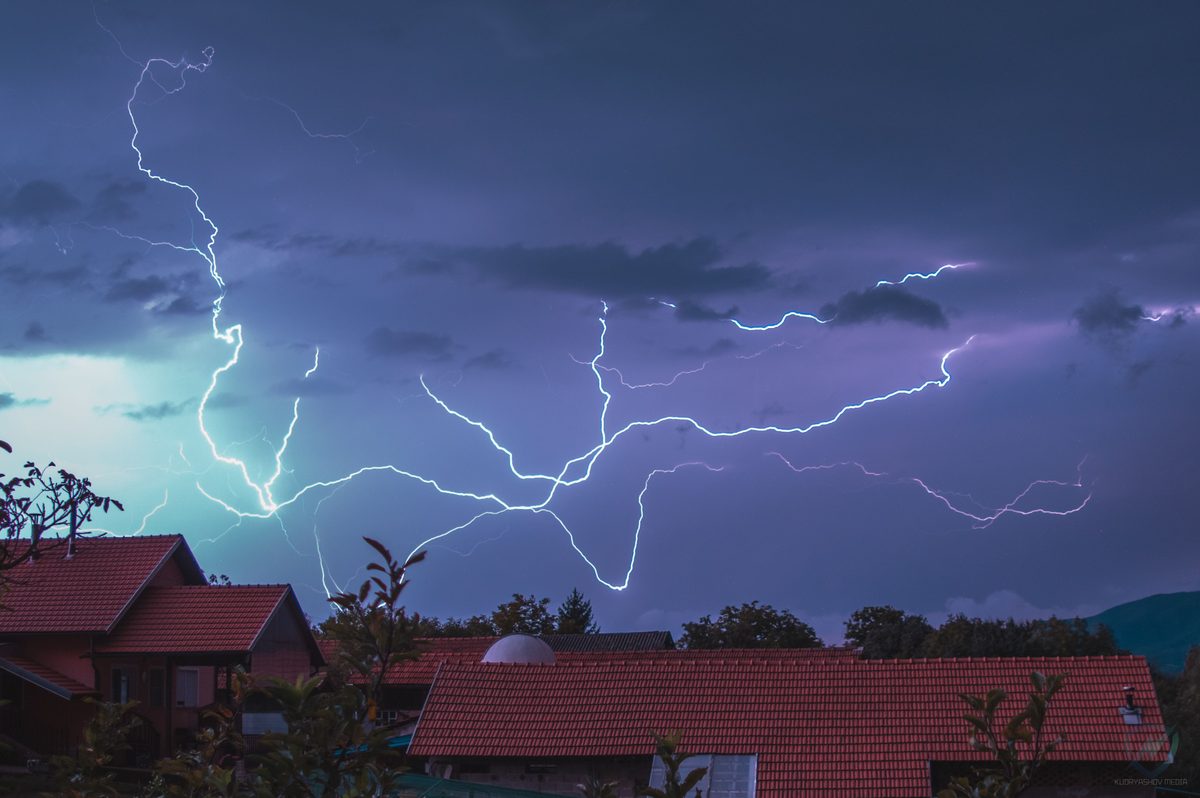
State Farm paid over $3.8 billion in hail damage claims during 2024. Storm events initiate approximately 33% of all roof replacements nationally. Hail damage repairs average $4,250, while insurance payouts for significant damage reach $12,000 on average.
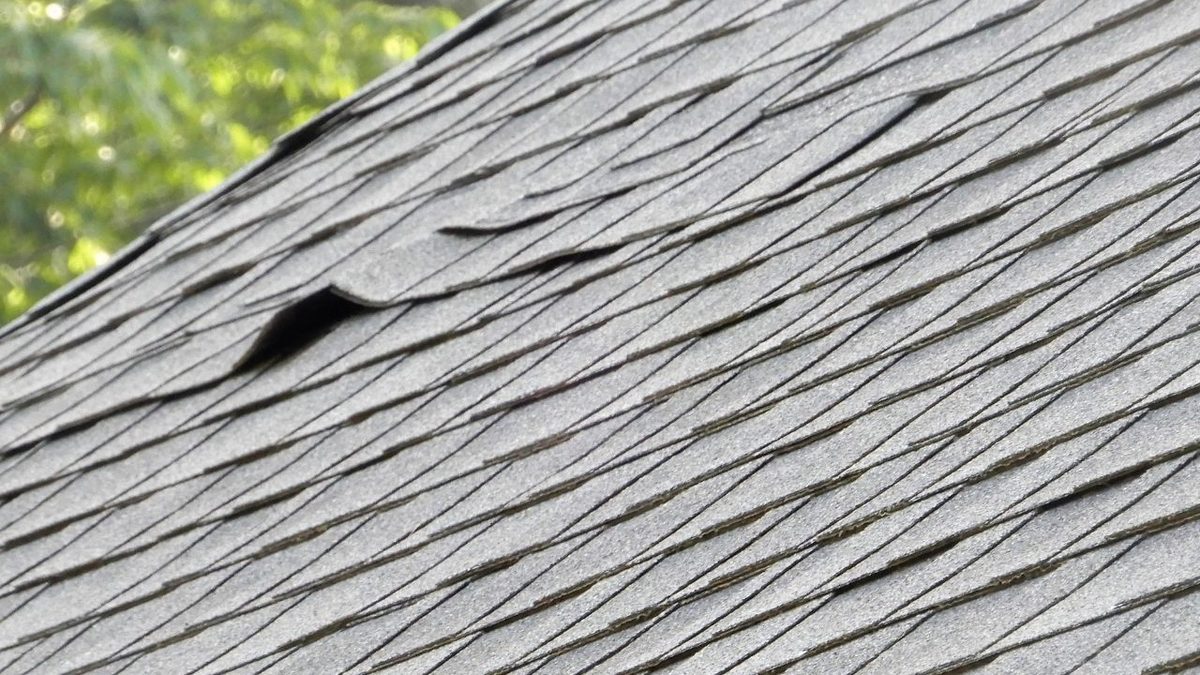
Repair costs range from $375 to $7,500, depending on impact severity. Illinois storm preparation requires understanding wind and hail patterns that affect shingle performance. Professional inspections identify bruised shingles and compromised underlayment invisible from ground level.
When Is Shingle Repair Recommended Over Full Replacement?
Repairs are recommended when roofs are less than 15 years old. Damage covering less than 25% of the surface area typically warrants targeted fixes. Full replacements become necessary when roofs near the end of their material lifespan or structural damage affects decking and framing.
The average roof age at replacement is 19 years. Homeowners benefit from professional assessments that evaluate remaining service life against repair costs. Extending roof lifespan through timely maintenance protects home value and prevents escalating water damage.
What Distinguishes Emergency Repairs from Planned Replacements?
Emergency repairs address immediate leaks or sudden storm damage reactively. Planned replacements allow homeowners to secure multiple quotes and select optimal materials for their budget. Emergency scenarios carry premium pricing due to urgency and potential off-hours work.
Planned replacements cost 15-25% less than emergency interventions. Urban Chicago areas show 55% of homeowners prefer targeted repairs versus 45% choosing full replacements. Strategic planning reduces stress and provides better contractor selection opportunities.
Which Roofing Materials Are Most Commonly Used Locally?
Material selection directly impacts installation costs, longevity, and aesthetic appeal. Asphalt shingles dominate residential applications, while metal roofing gains market share for durability. Climate-appropriate materials for Illinois withstand freeze-thaw cycles and severe weather events.
Premium materials deliver extended lifespans that offset higher upfront costs. Homeowners in affluent suburbs increasingly select architectural shingles and metal roofing for superior performance. Understanding material characteristics helps property owners balance initial investment against replacement frequency.
What Are the Differences Between Asphalt and Metal Roofing?
Three-tab shingles account for 42% of installations, while architectural shingles represent 33%. Asphalt shingles are installed on 69% of homes and selected for 80% of new residential projects. Metal roofing captures approximately 10% of the market, with growing popularity.
Asphalt provides cost-effective protection with established installation practices. Metal roofing offers superior wind resistance, energy efficiency, and longevity exceeding traditional materials. Each option requires different maintenance schedules and warranty considerations.
How Do Material Choices Affect Roof Longevity and Costs?
Basic asphalt three-tab shingles cost $4.25-$4.95 per square foot with 20-year lifespans. Architectural asphalt ranges from $4.50-$8.25 per square foot and lasts 30 years. Metal roofing costs $5.50-$11.50 per square foot with 40-80 year longevity.
Concrete and clay tiles range from $11.00-$19.80 per square foot and last over 100 years. Slate tiles cost $12.00-$22.00 per square foot with a 60-150 year service life. Higher initial material costs reduce lifetime replacement frequency and maintenance expenses.
Why Are Premium Materials More Popular in Naperville?
Naperville suburbs show 65% of homeowners prefer full replacements versus 35% choosing repairs. Premium installations range from $25,000 to $35,000 for high-end materials reflecting larger home sizes. Property values justify investments in architectural shingles and metal roofing systems.
Affluent homeowners prioritize long-term performance over initial savings. Premium materials enhance curb appeal and provide superior weather resistance for harsh Illinois conditions. Quality-conscious buyers recognize that roof replacement expenses offer 100% cost recovery at resale.
How Are Roof Repair Costs Determined in Naperville?
Regional economic factors and construction costs significantly influence local roofing pricing. Labor rates, material availability, and project complexity create price variations across Chicago suburbs. Multiple factors determine Illinois roof replacement costs beyond simple square footage calculations.
Contractors evaluate roof pitch, accessibility, existing damage, and material selection when preparing estimates. Transparent pricing helps homeowners understand budget components and compare qualified contractors. Accurate roof repair expectations require detailed assessments rather than generic online calculators.
What Regional Factors Influence Pricing?
Illinois construction costs are 1.10 times the national baseline multiplier. Chicago area costs reach 1.17 times the national averages due to higher labor rates. Illinois ranks as the second-highest paying state for roofers, with average salaries of $70,110.
Naperville's average roof replacement costs are $38,577, substantially above state and national figures. Regional pricing reflects larger home footprints, complex architecture, and premium material preferences. Local contractors factor permitting fees, insurance requirements, and disposal costs into project budgets.
How Do Material and Labor Costs Vary by Project Type?
Chicago roof replacement averages $20,540, while the Illinois statewide average reaches $24,319. Naperville projects range from $11,022 to $66,132, depending on materials and scope. Approximately 85% of the roofing business involves replacing roofs on existing homes rather than new construction.
Labor represents 40-50% of total project costs in Naperville. Material selection drives remaining expenses, with premium options doubling basic asphalt costs. Seasonal demand fluctuations affect contractor availability and pricing flexibility.
What Financial Considerations Should Homeowners Keep in Mind?
Roof replacement offers 100% cost recovery only for homeowners staying five or more years. Millennials spend $2,601 annually on home maintenance and $1,519 on emergency repairs. Strategic planning prevents emergency scenarios that inflate costs by 15-25%.
Financing options include home equity lines, contractor payment plans, and insurance proceeds. Homeowners should budget for permitting fees, disposal costs, and potential structural repairs. Quality installations protect property values and reduce long-term maintenance expenses.
What Permits and Regulations Govern Roof Repairs in Naperville?
Municipal regulations ensure roof work meets building codes and safety standards. Understanding the roof permits Naperville requirements prevents fines and project delays. Compliance protects homeowners from liability issues and ensures proper inspections.
Licensed contractors handle permit applications and coordinate municipal inspections throughout projects. Homeowners should verify contractor credentials before signing contracts to avoid unlicensed work. Proper documentation supports insurance claims and future property sales.
When Is a Permit Required for Repairs or Replacement?
Minor repairs covering less than 25% of the roof surface typically do not require permits. Full replacements and structural changes mandate municipal permits in Naperville. Contractors submit detailed plans, including material specifications and installation methods.
Permit applications require property surveys, engineering assessments, and contractor licensing verification. Inspections occur at multiple project stages to ensure code compliance. Homeowners should confirm permit status before work begins to avoid stop-work orders.
What Are the Risks of Working with Unlicensed Contractors?
Unlicensed work leads to fines, voided warranties, and property sale complications. Municipal authorities issue stop-work orders when permits are missing or when contractors lack credentials. Insurance companies may deny claims for damage resulting from unpermitted work.
Licensed contractors carry liability insurance protecting homeowners from work-site injuries. Proper licensing ensures contractors maintain current knowledge of building codes and safety requirements. Verification through state and local databases prevents costly mistakes.
How Do Permitting Costs Affect the Overall Budget?
Municipal permits cost $50 to $300, depending on project scope. Permit fees represent less than 1% of total replacement costs for most projects. Budgeting should include inspection fees and potential re-inspection charges.
Contractors typically include permitting costs in project estimates. Separate permit fees may apply for structural modifications or additions. Timely permit approval prevents project delays and contractor scheduling conflicts.
How Should Homeowners Navigate the Insurance Claim Process?
Insurance claims require thorough documentation and professional damage assessments. Maximizing Illinois insurance coverage depends on prompt reporting and detailed evidence. Contractors experienced in claims processes help homeowners secure fair settlements.
Policy coverage varies significantly based on age, deductibles, and replacement cost provisions. Understanding policy terms before damage occurs streamlines claims and reduces out-of-pocket expenses. Professional guidance prevents common documentation errors that delay or reduce payouts.
What Documentation Is Needed for Storm Damage Claims?
Take baseline photos of the roof condition before storm season begins. Document damage from ground level immediately following severe weather events. Schedule professional inspections within 48 hours to capture time-sensitive evidence.
Detailed photo documentation should include close-ups of damaged shingles and wide shots showing the scope. Written assessments from licensed contractors support claim submissions with technical descriptions. Maintaining records of previous repairs and maintenance strengthens claim validity.
How Can Contractors Assist During Insurance Adjustments?
Having roofing contractors present during insurance adjuster visits ensures comprehensive damage identification. Experienced contractors recognize subtle damage invisible to untrained observers, including compromised underlayment. Collaborative insurance approaches increase approved claims by 10-20% compared to homeowner-only submissions.
Contractors provide detailed estimates matching insurance documentation requirements. Professional assessments identify structural damage beyond visible shingle issues requiring additional coverage. Coordination between contractors and adjusters streamlines repair authorization and payment processing.
What Strategies Increase the Likelihood of Full Claim Approval?
Submit claims promptly following damage events to prevent coverage disputes. Provide comprehensive documentation, including photos, contractor assessments, and previous maintenance records. Understanding policy terms regarding depreciation and replacement cost helps set realistic expectations.
Multiple contractor estimates demonstrate fair market pricing for insurance reviews. Avoiding delays in filing prevents insurers from attributing damage to maintenance neglect. Professional claim assistance ensures proper documentation and coverage interpretation.
When Is the Best Time to Schedule Roof Repairs or Replacements?
Seasonal timing significantly affects contractor availability, pricing, and installation quality. Strategic scheduling of Illinois roofing work balances weather conditions against cost savings. Planning ahead prevents emergency scenarios requiring premium pricing.
Weather conditions directly impact material performance and installation quality. Temperature requirements for asphalt shingle adhesion limit winter installations in extreme cold. Understanding seasonal trade-offs helps homeowners optimize timing for their specific situations.
How Does Seasonality Affect Pricing and Contractor Availability?
Spring and summer represent peak season with the highest prices and longest wait times. Off-season scheduling yields 15-25% savings compared to peak demand periods. Approximately 88% of contractors meet two-week work commencement expectations during moderate seasons.
Fall offers ideal installation conditions with moderate temperatures and lower demand. Winter scheduling provides maximum savings but faces weather-related delays and material limitations. Contractor calendars fill months in advance during peak seasons, requiring early planning.
What Are the Risks of Delaying Necessary Repairs?
Delaying necessary repairs adds $2,000 to $8,000 in structural damage costs. Water intrusion damages decking, insulation, and interior finishes beyond the roof system components. Minor leaks escalate into major replacements when left unaddressed.
Delayed maintenance voids manufacturer warranties, requiring timely repairs. Structural damage spreads beyond initial leak points, creating extensive repair requirements. Proactive maintenance costs significantly less than emergency interventions addressing compounded damage.
How Can Timing Optimize Cost Savings?
Scheduling replacements during contractor off-seasons reduces labor costs by 15-25%. Planning ahead allows homeowners to compare multiple contractor bids thoroughly. Non-urgent projects accommodate weather delays without forcing premium emergency pricing.
Bundling roof work with other exterior projects may provide package pricing discounts. Financing arrangements benefit from longer planning windows and better rate shopping. Strategic timing prevents rushed decisions that compromise quality or inflate costs.
What Installation Methods Impact the Quality and Durability of Roof Repairs?
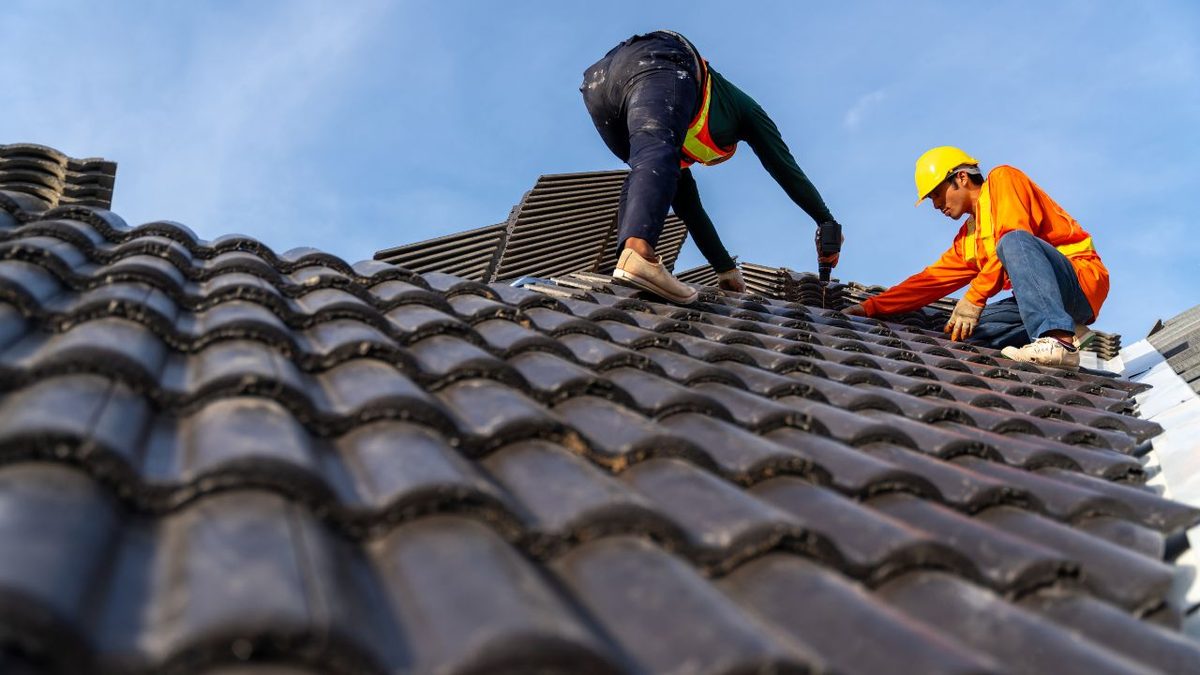
Professional installation techniques directly determine roof system performance and longevity. Proper methods ensure manufacturer warranties remain valid and materials reach their rated lifespans. Cutting corners during installation creates premature failures regardless of material quality.
Experienced contractors follow manufacturer specifications for each material type precisely. Installation quality affects wind resistance, water shedding, and thermal performance. Homeowners should verify contractor certifications demonstrating training in specific material systems.
How Are Asphalt Shingles Manufactured and Installed?
Apply fiberglass foundation mat, providing lightweight, waterproof base layers. Apply hot asphalt coating, ensuring durability and weather resistance across all surfaces. Embed mineral grains into the surface, providing UV protection and fire resistance.
Apply heat-activated sealant strips to bond shingles together upon sun exposure. Proper nailing patterns and spacing prevent wind damage and premature failures. Underlayment installation creates secondary water barriers protecting the roof decking.
What Specialized Techniques Are Required for Metal Roofs?
Install moisture barriers to prevent condensation damage beneath metal panels. Place metal panels using specific fasteners and clips, allowing thermal expansion. Pay attention to eave trims, valley flashings, and ridge caps, ensuring watertight seals.
Panel overlap specifications prevent water intrusion during wind-driven rain events. Fastener placement must accommodate panel movement from temperature changes without creating leaks. Specialized tools and training ensure proper installation, meeting manufacturer requirements.
How Do Installation Practices Affect Long-Term Performance?
Manufacturer warranties require certified installers to follow detailed specifications. Improper ventilation creates moisture accumulation, shortening material lifespans by 30-50%. Inadequate underlayment installation allows water penetration during extreme weather events.
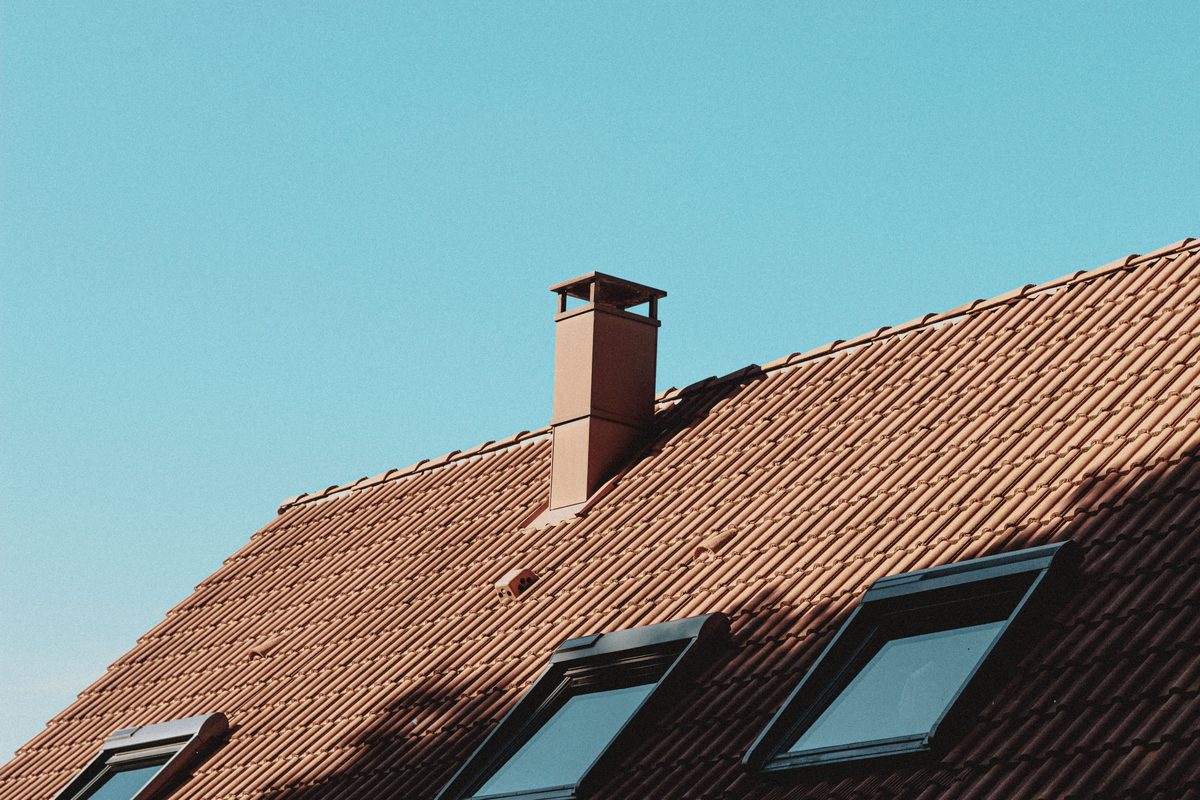
Quality installation prevents ice dam formation and wind uplift failures. Proper flashing around chimneys and vents stops the most common leak sources. Long-term performance depends on workmanship quality matching premium material selection.
Roof Repair in Naperville, IL: Balancing Cost, Compliance, and Quality for Lasting Value
Naperville homeowners benefit from understanding local pricing factors, material options, and regulatory requirements when planning roof projects. Strategic timing, proper documentation, and qualified contractor selection ensure successful outcomes, protecting property values. Balancing immediate repair needs against long-term replacement planning optimizes lifetime roofing costs.
Quality installations using appropriate materials withstand Illinois weather extremes while maintaining manufacturer warranties. Professional contractors navigate permitting requirements, insurance claims, and installation best practices, ensuring compliance and durability. Informed homeowners make confident decisions protecting their largest investment through proactive maintenance and strategic replacements.
For over 30 years, Advanced Roofing Inc. has helped Naperville homeowners navigate roof repair decisions with transparent guidance and master-level craftsmanship.
Get a Free Roof Repair Estimate from Advanced Roofing Inc.
Advanced Roofing Inc. has served Naperville homeowners for over 30 years. As a GAF Master Elite® Contractor and CertainTeed ShingleMaster™, our team handles every repair with the craftsmanship and honesty your home deserves.
Whether you're dealing with storm damage, aging shingles, or a leak that needs attention now, we provide free, no-obligation inspections and detailed written estimates — so you know exactly what to expect before any work begins. If you need expert assessment of your roof condition or detailed project estimates, schedule a professional roof inspection to understand your options and protect your home investment.