Attic ventilation failures represent one of the most overlooked causes of premature roof deterioration in Illinois homes. Inadequate airflow creates temperature extremes and moisture accumulation that silently damage roofing materials, insulation, and structural components. These problems often remain invisible until significant damage requires emergency repairs costing thousands rather than hundreds for preventive maintenance.
Illinois homeowners face unique ventilation challenges due to extreme seasonal temperature variations and severe weather patterns. Understanding how attic ventilation issues affect roof longevity helps property owners make informed decisions about inspection schedules and ventilation upgrades.
Key Takeaways
- Inadequate attic ventilation accelerates roof material deterioration and increases repair costs by causing moisture accumulation and temperature extremes
- Illinois climate conditions create unique ventilation challenges through seasonal temperature fluctuations, severe storms, and ice dam formation
- Common signs of ventilation failure include attic moisture, mold growth, curled shingles, and unexplained energy cost increases
- Professional inspections should occur annually and after severe weather events involving hail over one inch or winds exceeding 50 mph
- Proper ventilation system design prevents flashing failures, gutter damage, and structural deterioration that lead to major roof replacements
What Is Attic Ventilation and Why Does It Matter?
Attic ventilation is a system that regulates temperature and moisture by moving air through the attic space. Proper airflow prevents heat buildup in summer and moisture condensation in winter that damages roofing materials and structural components. The ventilation system protects both the roof and the interior by maintaining balanced temperature and humidity levels. This balance prevents ice dams, reduces cooling costs, and extends shingle lifespan by minimizing thermal stress. Homes with poor airflow roof costs often face repair bills 30-50% higher than those of properly ventilated structures.
How Does Attic Airflow Affect Roof Longevity?
Continuous airflow removes excess heat that causes shingles to deteriorate prematurely through thermal cycling. Shingles exposed to trapped attic heat experience accelerated aging, losing protective granules and developing cracks earlier than expected. This heat damage reduces a roof's effective lifespan from 25 years to 15 years or less.
Balanced ventilation prevents moisture accumulation that rots wood decking and compromises structural integrity. Moisture trapped in attics condenses on cold surfaces, saturating insulation and creating ideal conditions for mold growth. These moisture-related problems often require complete roof replacement rather than simple repairs.
What Are the Main Components of Attic Ventilation Systems?
Effective ventilation systems combine intake vents at the roof's lower edge with exhaust vents near the peak. Soffit vents, gable vents, and ridge vents work together to create continuous airflow that removes heat and moisture. The roof ventilation products market, valued at $1.32 billion in 2026, reflects growing awareness of proper ventilation.
Ridge vents allow hot air to escape at the highest point, while soffit vents draw cooler outside air upward. Industry growth at 5.0% CAGR indicates increasing demand for advanced ventilation solutions addressing diverse architectural styles and climate conditions.
How Does Ventilation Prevent Ice Dams and Moisture Build-Up?
Proper ventilation maintains consistent roof surface temperatures that prevent snow from melting and refreezing at eaves. When attic heat escapes through poor insulation, it melts snow on upper roof sections. The melted water flows down and refreezes at colder eaves, creating ice dams that force water under shingles.
Moisture prevention requires continuous air movement that carries humid air out before condensation forms on cold surfaces. Winter humidity from cooking, bathing, and heating migrates into attics, where temperature differences cause condensation. Ventilation systems that move this moisture-laden air outdoors prevent wood rot, insulation damage, and Illinois attic problems that lead to expensive structural repairs.
How Does Illinois Climate Impact Attic Ventilation Needs?
Illinois experiences extreme temperature fluctuations that create unique ventilation challenges for residential roof systems. The state's continental climate produces temperature swings exceeding 100 degrees between summer peaks and winter lows. Heavy snow loads combine with temperature cycling to create ice dam risks, while summer heat increases cooling demands.
What Weather Conditions in Illinois Stress Roof Structures?
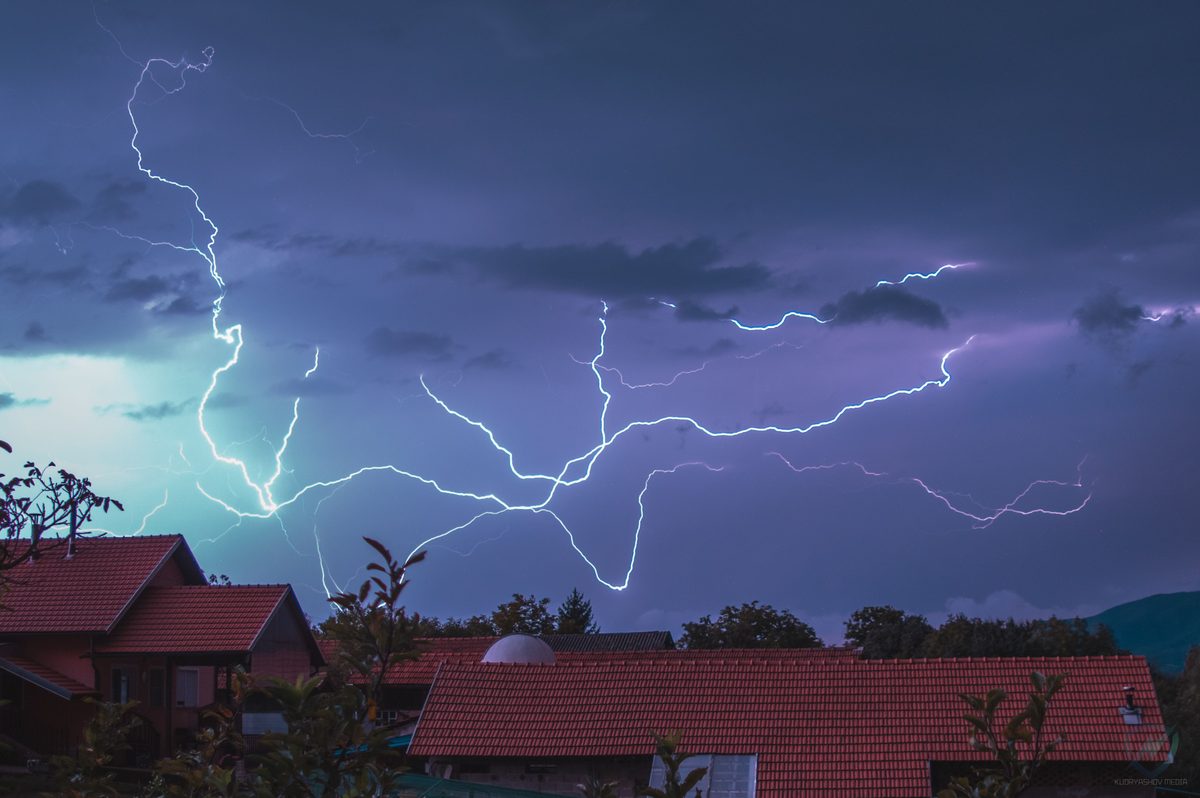
Severe storms deliver hail and high winds that damage shingles while simultaneously compromising ventilation system components. The August 16, 2025, hail storm hit Palatine, Arlington Heights, and Cary with quarter-to-ping-pong-ball-sized hail that damaged thousands of roofs. Hail damage, often invisible from ground level, can lead to severe leaks if untreated by professionals.
Wind events stress roof structures by breaking sealant bonds and dislodging ventilation components that maintain airflow. Communities like Geneva and St. Charles experience microbursts and sustained winds that lift shingles without removing them entirely. Wind damage breaks the sealant bond of shingles even if they remain on the roof, creating moisture entry points.
How Do Seasonal Changes Affect Ventilation Effectiveness?
Spring demand increases 30% above baseline as homeowners address winter damage and prepare for summer heat. Temperature transitions create condensation risks when warm, humid air contacts cold attic surfaces during unpredictable spring weather.
Summer demand increases 20% above baseline while fall demand increases 25% as property owners prepare for winter. Winter demand decreases 15% below baseline despite being critical for preventing ice dams and condensation damage. The roofing industry is highly seasonal, affecting contractor availability and pricing, with spring and fall representing optimal inspection periods.
What Regional Factors Influence Ventilation Solutions in Illinois?
The Fox River Valley includes Yorkville, Batavia, Geneva, and St. Charles communities with distinct architectural styles requiring customized ventilation approaches. Historic homes often lack adequate soffit vents, while newer construction may have undersized ridge vents for complex roof geometries.
Proximity to the Fox River creates microclimates with higher humidity levels that increase condensation risks in attic spaces. Properties near water bodies experience more frequent fog and temperature inversions that trap moisture in poorly ventilated attics.
What Are Common Signs of Poor Attic Ventilation in Illinois Homes?
Visible moisture stains on attic rafters and sheathing indicate condensation problems caused by inadequate ventilation. Water droplets forming on nail points penetrating through the roof deck signal humid air condensing on cold metal surfaces. These moisture indicators appear most prominently during winter months when temperature differentials reach maximum levels.
Energy bills that increase without corresponding usage changes often reflect ventilation-related efficiency losses. Poor attic airflow forces heating and cooling systems to work harder, maintaining comfortable interior temperatures. Homeowners who notice unexplained utility cost increases should inspect attic conditions before these ventilation failure roofing problems escalate into structural damage.
How to Identify Moisture and Mold Issues in the Attic
Dark staining or fuzzy growth on wooden surfaces indicates active mold colonies thriving in moisture-rich attic environments. Mold appears first in corners and along rafters where air circulation is weakest, and condensation accumulates. The musty odor associated with mold growth often becomes noticeable in upper-floor rooms before homeowners discover the attic source.
Frost accumulation on attic surfaces during winter demonstrates serious ventilation deficiencies requiring immediate professional attention. Ice crystals forming on the roof sheathing undersides reveal that humid air is condensing and freezing rather than exiting through ventilation openings. This frost melts during warmer periods, saturating insulation and wood components that deteriorate rapidly under repeated wet-dry cycles.
What Roof Damage Indicates Ventilation Problems?
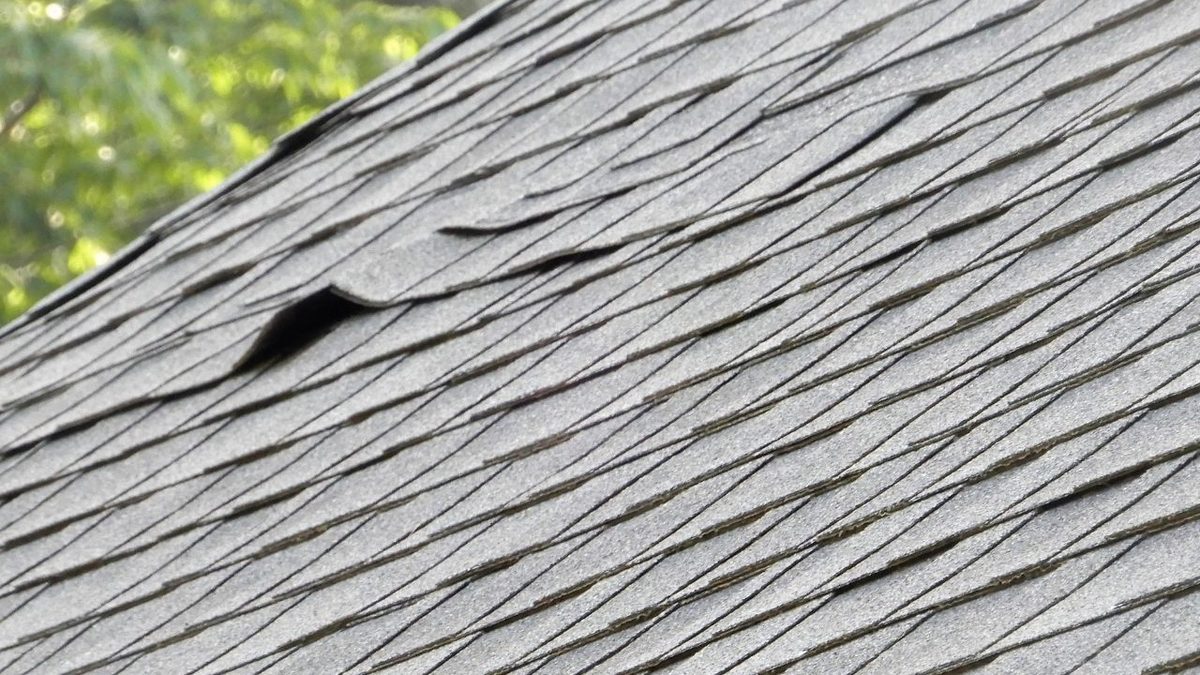
Curled or cupped shingles signal excessive heat exposure from trapped attic air that accelerates thermal deterioration. Shingles begin curling at edges when prolonged heat exposure dries out asphalt binders and causes dimensional changes. What appears as minor surface damage can reveal compromised underlayment requiring extensive repairs beyond simple shingle replacement.
Missing granules create bald spots where protective coating has deteriorated from temperature cycling and UV exposure. Granule loss accelerates when ventilation failures create temperature extremes that stress asphalt shingles beyond design limits. These damaged shingles lose waterproofing effectiveness even when still attached.
How Can Energy Efficiency Decline Due to Inadequate Ventilation?
Poorly ventilated attics trap heat during summer, forcing air conditioning systems to overcome temperatures exceeding 150 degrees. This heat radiates through insulation into living spaces, increasing cooling loads by 20-30% compared to properly ventilated homes. Energy efficiency rated 75% importance by consumers directly connects to the ventilation system performance, affecting monthly utility expenses.
Winter heat loss through inadequately ventilated attics wastes energy while creating ice dam conditions on the roof edges. Warm air escaping into attics melts snow that refreezes at eaves, forming ice barriers that trap water. This cycle increases heating costs while creating conditions for roof repair and ventilation problems that damage both structure and interior finishes.
How Does Poor Attic Ventilation Lead to Expensive Roof Repairs?
Ventilation failures create cascading damage patterns that transform minor maintenance issues into major structural repairs requiring complete roof replacement. Temperature and moisture imbalances weaken multiple roof system components simultaneously. These compound problems often go undetected until water intrusion damages interior spaces, forcing emergency repairs at premium costs.
Annual inspections costing $200-400 identify ventilation deficiencies before they cause structural damage requiring $8,000-30,000 roof replacements. Property owners who delay ventilation upgrades face repair bills that far exceed proper system installation costs.
What Is the Connection Between Ventilation and Roof Material Deterioration?
Excessive attic heat breaks down asphalt shingle composition through accelerated oxidation and volatile compound loss. Shingles exposed to temperatures exceeding 160 degrees experience thermal shock that creates micro-cracks and reduces flexibility. These heat-damaged shingles become brittle and prone to wind damage, requiring replacement years before their rated lifespan.
Temperature cycling between day and night accelerates material fatigue through repeated expansion and contraction of roofing components. Wood decking warps and delaminates when exposed to extreme temperature variations that proper ventilation would moderate. Metal fasteners corrode faster in humid, poorly ventilated environments where condensation creates persistent moisture contact.
How Does Condensation Contribute to Structural Damage?
Moisture condensing on cold attic surfaces saturates wood sheathing and framing members that lose structural strength when repeatedly wetted. Wet wood becomes susceptible to fungal decay that destroys load-bearing capacity in rafters and trusses. This structural deterioration remains hidden until serious damage compromises the roof's integrity.
Saturated insulation loses R-value effectiveness while adding weight that stresses ceiling joists not designed for moisture-laden materials. Wet insulation compresses, creating gaps where thermal bridging occurs, and further condensation develops in a destructive cycle. Replacing water-damaged insulation adds thousands to repair costs that proper ventilation would have prevented.
What Role Does Ventilation Play in Preventing Flashing and Gutter Failures?
Temperature extremes caused by poor ventilation stress flashing materials that expand and contract at different rates than the surrounding surfaces. Metal flashing loses its seal when thermal movement creates gaps between the flashing and roofing materials. Flashing repair costs $350 to $450 nationally, while complex chimney flashing can exceed $1,200 for complete reinstallation.
Ice dams created by ventilation failures overload gutters with weight that pulls fasteners from fascia boards. The U.S. gutters and downspouts market, valued at $8 billion, reflects the critical role these components play in roof system performance. Gutters damaged by ice accumulation require replacement rather than repair.
What Are the Best Solutions for Improving Attic Ventilation in Illinois?
Balanced ventilation systems require equal intake and exhaust capacity distributed evenly across the roof to create effective airflow patterns. Ridge vents combined with continuous soffit vents provide superior performance compared to passive gable vents or powered attic fans. Professional installation ensures that vent placement accounts for roof geometry, insulation depth, and local climate conditions.
Upgrading existing ventilation involves calculating the proper vent area based on attic square footage and current airflow deficiencies. Building codes typically require one square foot of net free ventilation area per 150 square feet of attic space. Retrofitting older homes often requires creative solutions that maintain architectural aesthetics while meeting modern ventilation standards for improved roof performance.
How to Choose Proper Roof Vent Types and Placement
Ridge vents installed along the roof peak provide continuous exhaust that works with soffit intake vents to create natural convection airflow. Static ridge vents require no power and operate reliably in all weather conditions without mechanical components that fail. Proper installation includes maintaining adequate space between insulation and roof decking to allow air movement from soffit to ridge.
Box vents and turbine vents serve as supplemental exhaust in roof sections where ridge vents cannot be installed. Placement considerations include avoiding locations that create short-circuit airflow patterns where intake and exhaust vents are too close together.
When Is Professional Attic Ventilation Inspection Recommended?
Schedule annual inspections, preferably in spring or fall, to identify ventilation deficiencies before seasonal temperature extremes create damage. Professional inspectors use thermal imaging and moisture meters to detect problems invisible during visual assessments. These preventive inspections cost $200-400 but identify issues requiring minor adjustments rather than emergency repairs costing thousands.
Request professional inspection following severe weather events with hail exceeding one inch or winds exceeding 50 mph. Storm damage to ventilation components compromises airflow even when shingles appear intact from ground level.
What Maintenance Practices Support Optimal Airflow?
Clear soffit vents of debris, insulation, and wasp nests that block intake airflow essential for the ventilation system performance. Homeowners should inspect soffit vents quarterly, removing obstructions that accumulate from wind-blown debris and seasonal nesting activities. Blocked intake vents create negative pressure that draws conditioned air from living spaces into the attic.
Verify that attic insulation maintains proper clearance from the roof decking to allow air movement between the intake and exhaust vents. Insulation blown too close to the soffit vents blocks intake airflow even when the vents themselves remain clear. Installing baffles between rafters maintains this critical airflow channel while supporting proper ventilation system function.
How Do Roofing Market Trends Influence Ventilation and Repair Choices?
The global roof repair and maintenance services market, valued at $10.59 billion in 2025, demonstrates widespread recognition of preventive care importance. Market projections expecting growth to $17.5 billion by 2033 reflect increasing consumer investment in proactive maintenance over reactive emergency repairs. This growth at 6.47% CAGR indicates shifting preferences toward quality materials and professional installation.
The U.S. roofing market, valued at $24.5 billion in 2024, encompasses both new construction and replacement projects. Illinois represents a significant portion of this market, with the state's roofing industry valued at $3.7 billion in 2026.
What Are Illinois Homeowners' Priorities When Addressing Roof Issues?
Quality rated 95% importance by consumers surpasses all other factors in contractor selection and material choices for roofing projects. Homeowners prioritize workmanship and proven materials over lowest-bid pricing when protecting their largest financial asset.
Price rated 92% importance by consumers, while durability rated 88% importance, indicating balanced consideration of cost and long-term value. Demographic trends show 58% of Millennials and Gen Z are planning home projects compared to 37% of Gen X.
How Do Material Costs and Contractor Expertise Affect Ventilation Upgrades?
Chicago area roof replacement costs $8,290 to $29,439, depending on material selection, roof complexity, and contractor expertise level. Downstate Illinois roof replacement costs $7,500 to $20,000, reflecting regional labor rate differences. These price ranges include ventilation system upgrades essential for protecting new roofing material investments.
Minor repair costs $400 to $1,200 for addressing isolated ventilation deficiencies before they escalate into structural problems. Moderate repair costs $1,500 to $5,000 when ventilation failures have begun damaging sheathing or requiring multiple component replacements. Major repair costs exceeding $5,000 typically involve structural remediation where prolonged ventilation problems have compromised framing members.
What Impact Do Storm Events Have on Ventilation-Related Repairs?
Emergency roofing services valued at $236.6 million in 2025 address immediate damage from severe weather that compromises both shingles and ventilation systems. This segment projected at 4.6% CAGR reflects increasing storm frequency and intensity affecting Illinois communities. Severe weather events create volatile demand in the emergency services segment.
Storm damage often reveals existing ventilation deficiencies that contributed to more extensive damage than properly ventilated roofs would have experienced. Hail impacts that would cause minor cosmetic damage on well-ventilated roofs create complete failures on thermally stressed shingles. Wind events lift compromised shingles more easily when poor ventilation has already weakened adhesive bonds through temperature cycling.
Which Steps Should Illinois Homeowners Take to Prevent Ventilation-Related Roof Repairs?
Proactive inspection schedules identify developing ventilation problems before they cause structural damage requiring expensive emergency repairs. Homeowners who invest in annual professional assessments spend hundreds on preventive maintenance rather than thousands on crisis interventions. These scheduled inspections also document roof condition for insurance purposes.
Understanding when repair makes economic sense versus replacement requires professional evaluation of roof age, damage extent, and remaining serviceable life. Contractors with appropriate qualifications provide honest assessments that weigh immediate costs against long-term value considerations.
When to Schedule Regular Roof and Attic Inspections
Annual spring inspections identify winter damage from ice dams and condensation before summer heat accelerates deterioration in compromised areas. Fall inspections verify that ventilation systems function properly before winter conditions create moisture and ice dam risks.
These seasonal timing recommendations align with contractor availability during moderate demand periods, when scheduling flexibility and competitive pricing benefit homeowners.
Post-storm assessments should occur within days of severe weather events to document damage for insurance claims and prevent secondary problems. Delays in addressing storm damage allow water intrusion that multiplies repair costs through mold growth and structural deterioration.
How to Evaluate Repair Vs. Replacement Decisions
Repair if the roof is relatively new (under 15 years), damage is localized, and the underlying structure remains sound according to professional inspection. Targeted repairs addressing specific ventilation deficiencies cost significantly less than complete replacement while extending the remaining roof lifespan.
Replace if the roof is nearing the end of its lifespan, damage is widespread, or there are multiple active leaks indicating systemic failure. Complete replacement allows upgrading ventilation systems to modern standards that prevent future problems. Replacement becomes economically rational when cumulative repair costs approach 50-60% of replacement expense for roofs already past their midpoint lifespan.
What Contractor Qualifications Ensure Quality Ventilation Work?
Verify contractor holds a valid state roofing license formatted as 104.xxxxxx, confirming they meet Illinois licensing requirements and insurance mandates. Licensed contractors carry liability insurance and workers' compensation coverage, protecting homeowners from financial liability during roof work.
Request local references from recent projects in your geographic area with similar roof types and ventilation challenges. Established community presence indicates contractor stability and accountability for warranty obligations. Companies with decades-long local track records demonstrate commitment to quality that protects their reputation.
Illinois Attic Ventilation Problems and Their Role in Roof Repair Costs
Attic ventilation failures create preventable damage that transforms routine maintenance into expensive emergency repairs, affecting thousands of Illinois homeowners annually. Understanding the connection between airflow deficiencies and structural deterioration empowers property owners to make informed decisions about inspection schedules and ventilation upgrades. Proactive attention to ventilation system performance protects roofing investments while reducing energy costs and extending material lifespan.
The evidence demonstrates that proper ventilation represents essential infrastructure rather than an optional enhancement for Illinois homes facing extreme seasonal conditions. Market trends showing sustained growth in repair services and ventilation products reflect increasing awareness among homeowners who recognize that prevention costs less than remediation.
Investing in professional ventilation assessment and system optimization delivers measurable returns through reduced repair frequency, lower energy bills, and extended roof service life.
Advanced Roofing Inc. brings over 30 years of experience helping Chicagoland homeowners protect their roofing investments through comprehensive ventilation solutions and expert maintenance services. Our team understands how Illinois climate conditions create unique challenges requiring customized approaches.
Get a Professional Attic Ventilation Assessment from Advanced Roofing Inc.
Poor attic ventilation doesn't announce itself — it quietly drives up repair costs and shortens your roof's lifespan. Advanced Roofing Inc. has helped Chicagoland homeowners identify and resolve ventilation problems for over 30 years. As a GAF Master Elite® Contractor and CertainTeed ShingleMaster™, our team knows what to look for and how to fix it right.
If you're concerned about attic ventilation or need a professional assessment of your roof's condition, schedule a comprehensive inspection with our certified specialists. Our detailed evaluations identify current problems and recommend solutions that prevent costly damage while extending your roof's serviceable lifespan.