Illinois homeowners enter the summer storm season with roofs weakened by harsh winter conditions. Freeze-thaw cycles, aging materials, and deferred maintenance create vulnerabilities that severe weather exploits rapidly. Strategic pre-season repairs protect homes from catastrophic failure during peak storm months.
The 2026 roofing market reflects growing awareness of climate-driven risks, with homeowners investing in impact-resistant materials and preventive maintenance programs. This pre‑season roof repair guide provides actionable strategies for Illinois roofing 2026 challenges, from identifying hidden winter damage to selecting materials that withstand severe weather. Proper storm preparedness begins months before the first thunderstorm forms.
Key Takeaways
- Freeze-thaw damage from winter weakens roofs before summer storms arrive, making spring inspections essential
- Class 4 impact-resistant shingles withstand 2-inch hail and qualify for 10-25% insurance premium discounts
- Emergency tarping within hours of storm damage prevents secondary water damage that accounts for 40% of total repair costs
- DuPage County experienced over 40 significant hail events between 2015 and 2025, with March 2026 producing 4.8-inch hailstones
- Preventive maintenance programs costing $500-$1,500 annually prevent $15,000+ emergency replacements from minor vulnerabilities
What Defines the Summer Storm Season in Illinois and Its Impact on Roofs?
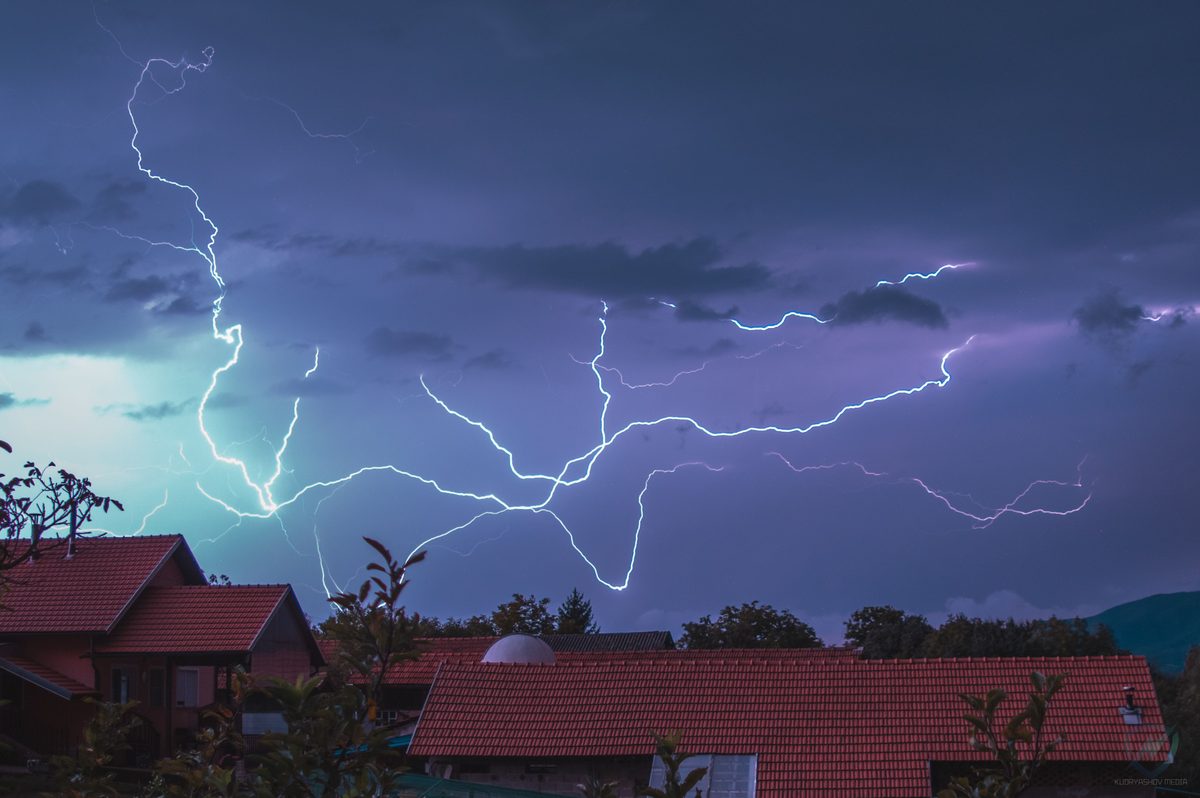
Illinois experiences concentrated severe weather from May through August, characterized by damaging hail, winds exceeding 70 mph, and torrential rainfall. These conditions stress roofing systems already compromised by winter freeze-thaw cycles. The state's position in "Hail Alley" results in frequent hailstorms, causing $54 billion in national insured losses annually.
Summer storms exploit weaknesses created during colder months, turning minor vulnerabilities into major failures. Moisture penetration through winter-damaged flashing accelerates during heavy rains, while weakened adhesive seals fail under sustained wind pressure. The cumulative effect of hail, wind, and structural stress creates a critical March-May window for homeowners to address damage before peak storm season.
How Do Freeze-Thaw Cycles and Hail Affect Roofing Materials?
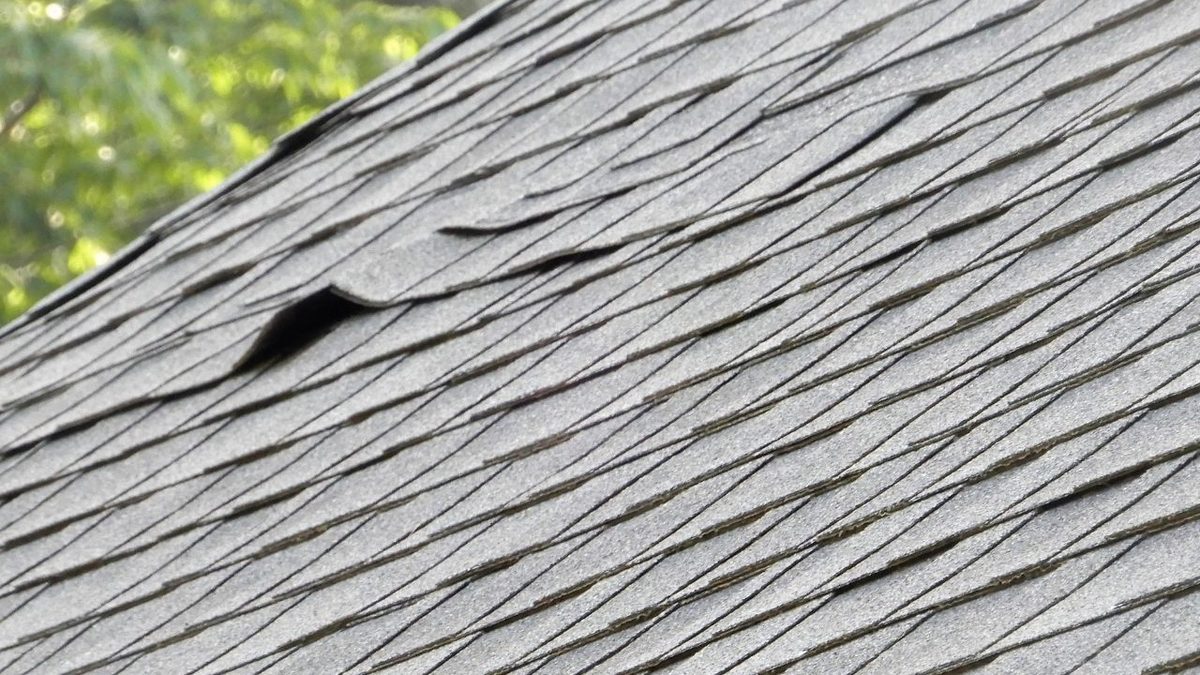
Freeze-thaw cycles begin when moisture enters small cracks in shingles and sealants, then expands during freezing. This expansion breaks the bond between shingles and underlying materials, creating lifting and separation invisible until tested by high winds. Repeated cycles throughout Illinois winters weaken even recently installed roofs.
Hail damage manifests as bruising or soft spots where the fiberglass mat has been fractured underneath. These impact points remain structurally compromised even without visible holes, leading to premature failure months after the storm. Wind uplift damage breaks adhesive seals without removing shingles entirely, allowing wind-driven rain to penetrate and rot underlying decking through pathways invisible from ground level.
Which Roofing Materials Best Withstand Illinois' Severe Weather?
Class 4 impact-resistant shingles manufactured with Styrene-Butadiene-Styrene polymer withstand direct hail impacts up to 2 inches in diameter. Standard asphalt shingles fail under smaller hail, with damage occurring from stones as small as 1 inch. This superior impact resistance extends the useful lifespan from standard asphalt's 15-25 years to 20-30 years for impact-resistant alternatives.
Metal roofing systems resist winds up to 140+ mph through interlocking panel designs that distribute force across the entire roof structure. Standing seam metal roofing achieves lifespans of 40-70 years compared to asphalt's maximum 25-year performance. The higher upfront investment in the best roofing materials for the Illinois climate pays dividends through extended durability and reduced maintenance requirements.
What Are the Insurance Benefits of Impact-Resistant Roofing Options?
Class 4 impact-resistant shingles qualify homeowners for 10-25% annual insurance premium discounts in Illinois. These savings accumulate to provide a 5-8 year payback period, after which the discount becomes pure financial benefit. Metal roofing qualifies for 5-15% insurance discounts based on superior wind and fire resistance ratings.
Insurance companies recognize that impact-resistant materials reduce claim frequency and severity in hail-prone regions. The combination of premium discounts and avoided deductibles from preventing storm damage creates substantial long-term value. Homeowners experiencing multiple storm events particularly benefit from materials that eliminate repeated claims and potential policy cancellations.
Who Are the Illinois Homeowners Preparing for Storm Season and What Do They Prefer?
Quality-conscious homeowners in affluent Chicagoland suburbs prioritize long-term roof performance over initial cost savings. These property owners view roofing investments as essential protection for their largest financial asset. Decision-making emphasizes contractor reputation, manufacturer certifications, and comprehensive warranties.
Commercial property managers focus on minimizing business disruption and maximizing asset lifespan through preventive maintenance strategies. Both residential and commercial clients increasingly recognize that deferred maintenance creates exponentially higher costs when minor issues escalate during severe weather.
How Do Generational Differences Influence Roofing Choices?
Millennial homeowners aged 28-43 drive the highest volume of roofing projects, prioritizing sustainability and energy efficiency features. This demographic researches extensively online before contacting contractors and values transparent communication. They show a strong preference for metal roofing and architectural shingles that enhance curb appeal while providing superior performance.
Baby Boomers aged 60-78 focus on practical, low-maintenance solutions that support aging-in-place strategies. This generation often selects standard or architectural asphalt shingles due to lower upfront costs. Generation X homeowners aged 44-59 balance value and performance, frequently investing in Class 3 impact-resistant shingles that offer improved durability without the highest cost premium.
What Are Urban Versus Suburban Roofing Demands in Illinois?
Urban Chicago markets experience 10-30% price premiums compared to rural Illinois areas due to higher labor costs ranging from $60-$100+ per hour. Dense urban environments create logistical challenges that increase project complexity. However, urban homeowners have access to a wider contractor selection and premium material availability.
Suburban areas, including Naperville, Downers Grove, and Aurora, represent the largest residential roofing demand volume in Illinois. Labor costs in suburban markets range from $40-$70 per hour. Rural markets offer labor at $30-$50 per hour but suffer from limited contractor availability and extended wait times.
Which Factors Most Influence Roofing Decisions in 2026?
Standard and architectural asphalt shingles represent approximately 65% of residential roofing installations combined, maintaining dominance through familiarity and affordability. Impact-resistant shingles capture roughly 15% of the market with annual growth rates of 8-12% in the Midwest region. This growth reflects increasing awareness of storm damage costs and insurance benefits.
Metal roofing accounts for 12-15% of residential installations with steady 8-10% annual growth driven by longevity and energy efficiency advantages. The U.S. roofing market reached $31.38 billion in 2026, with projections indicating growth to $33.44 billion by 2030 and $41.7 billion by 2032. These market dynamics demonstrate strong consumer demand for quality roof maintenance tips and professional installation services.
How Can Homeowners Proactively Prepare Their Roofs Before the Storm Season?
Proactive roof preparation prevents catastrophic failures when minor vulnerabilities encounter severe weather. Homeowners who invest in spring inspections and targeted repairs avoid the $12,364 average storm damage repair cost that ranges from $2,655 to $22,127, depending on severity. Strategic maintenance extends roof lifespan by 5-10 years beyond manufacturer specifications.
The window between winter damage and summer storms creates optimal conditions for identifying and addressing weaknesses before they fail. Professional inspections reveal problems invisible to homeowners, including compromised flashing, weakened adhesive seals, and moisture penetration. This preventive approach transforms helpful spring maintenance tips for roofs into long-term cost savings.
When Is the Ideal Timing for Pre-Season Roof Inspections and Repairs?
Homeowners should book spring inspections 4-6 weeks in advance before contractor schedules fill in May. March and April represent the optimal window for identifying winter damage and completing repairs before severe weather begins. Professional inspections typically cost $200-$300, with minor repair work ranging from $500-$1,000 depending on damage severity.
Delayed inspections risk finding problems during peak demand when contractor availability becomes severely limited. Early scheduling ensures priority service and allows time for material ordering if specialized components are required. April represents the single best month for comprehensive pre-season maintenance.
What Are the Key Elements of a Thorough Spring Roof Maintenance Checklist?
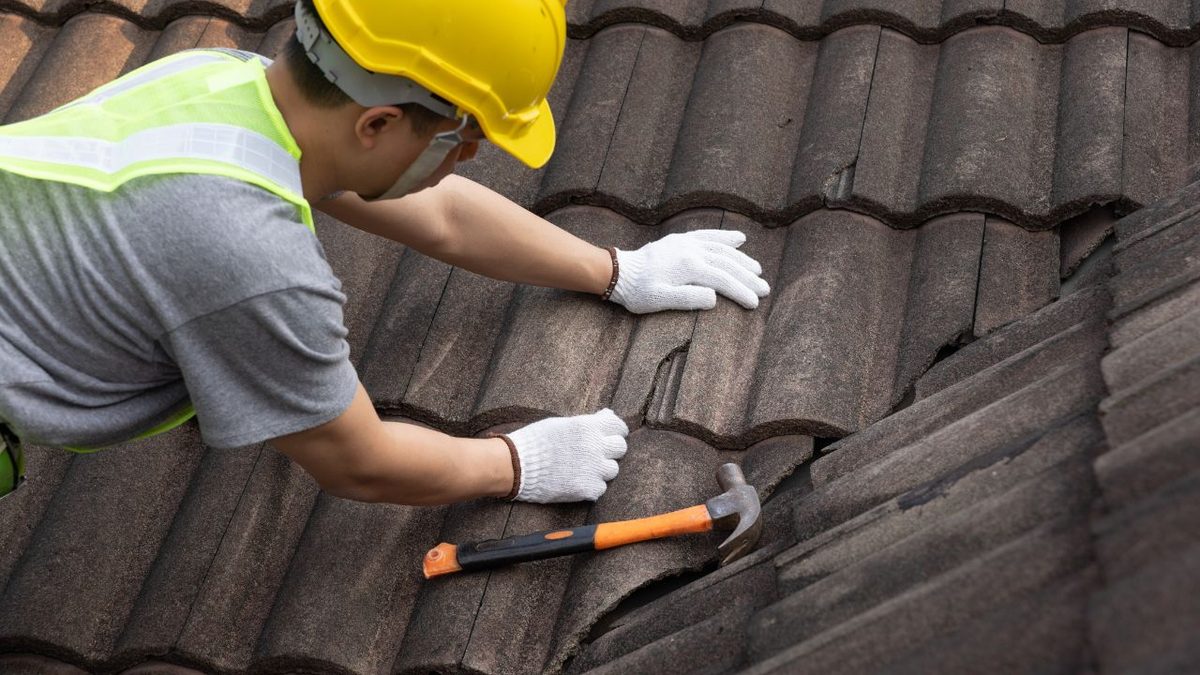
Spring inspections must check for lifted shingles resulting from freeze-thaw damage during winter. Professionals examine gutters for granule accumulation, which indicates accelerated shingle wear requiring immediate attention. Compromised flashing around chimneys, vents, and roof valleys creates primary entry points for water penetration during heavy summer rains.
Attic moisture inspection reveals poor winter ventilation that accelerates decking rot. Inspectors check for dents in gutters, siding, and AC units as indicators of roof damage from previous hail events. Following a comprehensive roof inspection checklist in Illinois before a new roof replacement ensures no vulnerabilities go unaddressed, entering storm season.
How Can Preventive Maintenance Reduce Emergency Repair Costs?
Preventive maintenance programs costing $500-$1,500 annually address minor issues before they cascade into major failures. Despite significant benefits, only 10-15% of homeowners currently adopt these programs. A minor vulnerability failing during a major storm can necessitate $15,000+ full roof replacement instead of modest repair costs.
Regular maintenance extends roof lifespan by catching problems during early stages when repairs remain straightforward and affordable. Contractors offering preventive programs provide priority emergency service during storm events. The return on investment becomes particularly evident after severe weather when non-participating homeowners face weeks-long repair delays and extensive secondary damage.
What Are the Main Roofing Categories Relevant for Storm Resilience in Illinois?
Material selection fundamentally determines how roofs perform during severe weather events characterizing the summer storm season in Illinois. Homeowners choose between standard affordability and premium durability based on budget constraints, expected ownership duration, and risk tolerance. The roofing market offers distinct categories with specific advantages for storm-prone regions.
Understanding cost-performance relationships helps homeowners make informed decisions, balancing upfront investment against long-term protection. Insurance compatibility and resale value considerations further influence material selection where severe weather occurs regularly.
How Do Impact-Resistant Shingles Compare to Standard Asphalt in Cost and Durability?
Impact-resistant shingles for a typical 2,000 square foot roof cost $5,000-$9,000 at $150-$250 per square installed. Standard asphalt shingles for the same roof range from $3,500-$6,000, creating a 10-30% cost premium for Class 4 impact protection. This upfront difference translates to enhanced durability, extending useful lifespan from standard asphalt's 15-25 years to 20-30 years.
Class 4 shingles withstand hail up to 2 inches in diameter without sustaining damage that compromises weatherproofing integrity. Standard asphalt shingles suffer bruising and mat fracturing from significantly smaller hail, often requiring replacement after single storm events.
What Are the Advantages and Challenges of Metal Roofing for Storm Protection?
Metal roofing pricing for 2,000 square feet ranges from $12,000-$20,000+ at $8-$15 per square foot installed. Standing seam metal roofing uses interlocking panels that conceal fasteners, creating continuous weatherproof barriers resistant to winds exceeding 140 mph. This superior wind resistance prevents catastrophic failures that occur when standard shingles blow off during severe storms.
Metal roofing achieves 40-70 year lifespans compared to asphalt's maximum 25-year performance, but requires highly specialized installers. Metal roofing qualifies for 5-15% insurance discounts while providing 54-65% return on investment, making it ideal for long-term homeowners prioritizing durability over initial cost considerations.
When Are Standard or Architectural Asphalt Shingles Appropriate Choices?
Architectural asphalt shingles for 2,000 square feet cost $5,000-$8,000, providing enhanced curb appeal compared to basic three-tab options. These materials deliver 62-70% return on investment versus metal roofing's 54-65%, making them attractive for homeowners planning to sell within 5-10 years. Widespread contractor familiarity with asphalt installation reduces project complexity and accelerates completion timelines.
Standard asphalt shingles serve budget-conscious homeowners accepting higher maintenance requirements and shorter lifespans in exchange for lower upfront investment. These materials remain appropriate for rental properties, planned short-term ownership, or situations where premium materials cannot be financially justified. However, homeowners should recognize that roof repairs that fail due to cheap contractors in Illinois often result from cutting corners on both materials and installation quality.
How Should Homeowners Handle Post-Storm Roof Damage in Illinois Communities?
Severe weather creates time-sensitive situations requiring immediate action to prevent secondary damage from overwhelming primary storm impacts. Homeowners who delay emergency response face exponentially higher repair costs as water penetration causes structural deterioration and mold growth. Professional assessment within 24-48 hours ensures accurate damage documentation for insurance claims.
Post-storm periods see contractor availability diminish rapidly as demand surges across affected regions. Homeowners with established relationships through preventive maintenance programs receive priority service during these critical windows.
What Hidden Damages Occur from Wind Uplift and How Are They Identified?
High-velocity winds exceeding 70 mph break adhesive seals on shingles without completely removing them from the roof structure. This wind uplift damage remains invisible from ground level but allows wind-driven rain to penetrate underlying materials. Professional inspectors identify uplift by checking adhesive integrity and looking for subtle displacement indicating seal failure.
Wind-driven rain entering through uplift damage rots wooden decking within weeks if unaddressed. Secondary water damage from undetected uplift accounts for significant portions of total repair costs. Homeowners should request a thorough wind damage assessment even when roofs appear intact from exterior observation.
Why Is Emergency Tarping Critical After Severe Weather Events?
Securing emergency tarping immediately prevents secondary water damage, accounting for up to 40% of total repair costs if unaddressed. Professional tarping services cost $300-$1,500, depending on the affected area size and roof accessibility. Temporary weatherproofing maintains structural integrity until permanent repairs can be scheduled.
Delayed tarping allows continued water infiltration, damaging insulation, drywall, electrical systems, and personal property beyond the initial roofing compromise. Insurance companies expect reasonable mitigation efforts, and failure to tarp promptly may reduce claim settlements. Emergency response should precede Illinois insurance claims for roof damage documentation to demonstrate homeowner diligence.
How Can Homeowners Effectively Navigate Insurance Claims After Storm Damage?
Homeowners must document everything with photos before and after temporary repairs to support comprehensive insurance claims. Detailed photographic evidence of damage extent prevents disputes over coverage scope and settlement amounts. Professional contractors experienced in insurance work understand documentation requirements and claim procedures that maximize compensation.
Ensuring contractors are present when insurance adjusters inspect properties prevents undiscovered damage from being excluded from initial settlements. Adjusters often miss subtle structural damage like wind uplift and shingle bruising. Contractors advocate for complete repair scopes during these joint inspections, protecting homeowners from out-of-pocket costs for damage legitimately covered by policies.
What Unique Hail Damage Risks and Repair Strategies Apply to Naperville and DuPage County?
DuPage County experienced over 40 significant hail events with stones exceeding 1 inch in diameter between 2015 and 2025. This concentration of severe weather makes the region among Illinois' highest-risk areas for hail damage. The historic March 2026 storm dropped hailstones up to 4.8 inches in Darien, causing catastrophic damage to standard roofing materials across the area.
Naperville and surrounding DuPage County communities face ongoing hail threats that make material selection particularly critical. Homeowners in these areas should prioritize impact resistance over aesthetic considerations when replacing storm-damaged roofs.
How Can Hail Damage Be Detected Even When Not Immediately Visible?
Hail damage manifests as bruising or soft spots on shingles where the underlying fiberglass mat has been fractured without creating visible holes. These impact points compromise structural integrity and lead to premature failure months after initial damage. Professional inspection identifies mat fracturing through tactile examination that reveals material flexibility changes invisible to visual assessment.
Dents in gutters, siding, and AC units serve as strong indicators that roofs sustained similar impacts. Granule loss accelerates dramatically at bruised locations as the damaged mat fails to retain protective coating properly. Homeowners who observe these secondary indicators should schedule professional inspections immediately, as inspecting the roof after Illinois summer storms reveals damage requiring prompt repair.
When Should Homeowners Upgrade to Class 4 Impact-Resistant Shingles?
Homeowners replacing hail-damaged roofs in DuPage County should upgrade to Class 4 impact-resistant shingles during any replacement project. The demonstrated frequency of damaging hail events makes standard asphalt shingles financially impractical for long-term protection. Upgrading during insurance-funded replacement adds only the premium difference to homeowner out-of-pocket costs.
Class 4 shingles provide 10-25% annual insurance premium discounts that offset higher material costs within 5-8 years. After the payback period, these savings become pure financial benefit, continuing throughout the roof's 20-30 year lifespan. The combination of reduced future damage risk and ongoing insurance savings makes upgrading to top-rated roofing systems for tornado and storm-prone areas in Illinois the only logical choice for DuPage County homeowners.
What Financial Benefits Do Upgraded Materials Provide in Hail-Prone Areas?
Severe convective storms caused $54 billion in insured losses nationally during 2024, with significant portions occurring in Midwest hail corridors. Homeowners who invest in impact-resistant materials avoid repeated insurance claims that trigger premium increases and potential policy cancellations. The avoided deductibles from prevented damage accumulate to substantial savings over time.
Property values in hail-prone areas reflect roofing material quality, with homes featuring Class 4 shingles commanding premium resale prices. Buyers increasingly recognize that standard asphalt roofs represent deferred maintenance costs in high-risk regions. The combination of insurance savings, avoided repairs, and enhanced resale value creates compelling financial justification for material upgrades.
How Do Installation Processes and Visual Inspections Support Roof Repair Decisions?
Professional installation following manufacturer specifications determines whether roofing materials achieve their rated performance and lifespan. Improper techniques compromise even premium materials, creating vulnerabilities that fail prematurely during severe weather. Homeowners should verify contractor certification with major manufacturers before authorizing work.
Visual documentation of damage extent supports informed decision-making about repair versus replacement options. Professional assessments distinguish between cosmetic damage requiring minimal intervention and structural compromise necessitating complete replacement.
What Key Steps Are Involved in Asphalt Shingle Installation and Inspection?
Proper asphalt shingle installation begins with ice and water shield application in vulnerable areas, followed by high-quality underlayment coverage. Starter strips along eaves and rakes provide necessary support for the first shingle courses and prevent wind uplift. Correct nailing patterns using appropriate fastener quantities ensure shingles withstand design wind loads.
Professionals verify proper shingle alignment, adequate sealant strips, and correct overlap dimensions during installation quality checks. Flashing installation around penetrations requires careful integration with shingle courses to maintain continuous weatherproofing. Final inspections confirm that ridge cap installation follows manufacturer specifications and that ventilation systems function properly.
How Do Visual Comparisons Illustrate Hail Damage and Material Performance?
Side-by-side comparisons of damaged standard asphalt versus intact Class 4 shingles after identical hail exposure demonstrate performance differences clearly. Bruising and mat fracturing visible on standard materials contrasts sharply with minimal surface marking on impact-resistant alternatives. These visual demonstrations help homeowners understand why material upgrades provide superior value in storm-prone regions.
What Are Typical Signs Professionals Look for During Damage Assessments?
Professional inspectors examine shingle surfaces for bruising, soft spots, and granule loss, indicating impact damage or advanced wear. Flashing integrity around chimneys, vents, and valleys receives careful scrutiny as these locations represent primary water entry points. Inspectors check attic spaces for moisture staining, inadequate ventilation, and structural damage not visible from exterior examination.
Wind damage assessment includes checking adhesive seal integrity even when shingles remain in place. Patch repair costs for limited damage affecting 2-5 squares typically range from $800-$3,500, depending on location accessibility and material matching requirements. A comprehensive assessment distinguishes between isolated damage suitable for patching and widespread compromise requiring complete replacement.
Strategic Guidance for Illinois Homeowners to Maximize Roof Resilience in Summer Storm Season 2026
Illinois homeowners face increasingly severe weather risks, demanding proactive protection strategies rather than reactive emergency responses. The shift from standard materials to impact-resistant alternatives represents intelligent risk management in regions experiencing frequent damaging storms. Preventive maintenance programs and strategic material selection during replacement projects create sustainable approaches to roof management.
The 2026 storm season will test roofing systems across Illinois, with vulnerability concentrated on homes lacking recent maintenance or premium materials. Homeowners who invest in spring inspections, address winter damage promptly, and upgrade materials during necessary replacements position themselves for minimal disruption during severe weather events. These proactive measures transform roofing from anxiety-inducing liability into reliable home protection.
For over three decades, Advanced Roofing Inc. has helped Chicagoland homeowners protect their most valuable assets through quality craftsmanship and honest guidance. Our GAF Master Elite® and CertainTeed ShingleMaster™ certifications ensure every installation meets rigorous manufacturer standards for storm resilience. The combination of preventive maintenance and strategic material selection provides the comprehensive protection Illinois homes require.
Schedule Your Pre-Storm Roof Inspection with Advanced Roofing Inc.
Spring is the best time to find winter damage before Illinois storms do. Advanced Roofing Inc. has served Fox Valley and Chicagoland homeowners since 1994, and our GAF Master Elite® and CertainTeed ShingleMaster™ certifications mean every inspection and repair meets the highest manufacturer standards.
Our team identifies compromised flashing, lifted shingles, weakened seals, and other vulnerabilities that put your home at risk during peak storm season. We explain what we find in plain terms, give you a clear repair plan, and complete the work right the first time.
Take control of your home's storm readiness before severe weather arrives by scheduling a professional inspection today. Our experienced team identifies vulnerabilities, explains repair options clearly, and completes work properly the first time. Contact us for expert roof repair services that prioritize your home's long-term protection and your family's peace of mind throughout summer storm season and beyond.