Key Takeaways:
- Winds exceeding 58 mph crack, loosen, and tear shingles while uplift forces stress the entire roofing system from adhesive to decking.
- Hail creates invisible internal damage, weakening shingle surfaces that fail prematurely even when impact points appear minor.
- Document all damage with photos and videos within the first hour while ensuring family safety and calling professionals for emergency tarping.
- DIY storm repairs are dangerous, may void warranties, and can hurt insurance claims—always use licensed professionals for assessment and repairs.
- Tree debris patterns and siding impact marks reveal storm direction and intensity, helping identify which roof sections suffered maximum exposure.
Illinois summer storms strike without warning. Severe thunderstorms, hail, and powerful winds damage roofs in minutes, leaving homeowners to assess the aftermath. Unlike winter damage that reveals itself slowly during spring thaw, summer storm damage demands immediate inspection. Delayed response turns minor issues into major structural failures.
This guide provides a systematic approach to post-storm roof inspection. You'll learn what to check, when to call professionals, and how to document damage for insurance claims. Speed matters—the first 24 hours after a storm determine whether you prevent secondary damage or face costly repairs.
What Storm Conditions in Illinois Most Commonly Damage Roofs?
Illinois summers bring the threat of severe weather, including thunderstorms, hail, and powerful straight-line winds known as derechos. These storms are a major cause of sudden, catastrophic roof failure. Understanding which conditions cause specific types of damage helps you know what to inspect after each storm event.
How do high winds, straight-line winds, and microbursts impact roofing systems?
High winds, particularly those exceeding 58 miles per hour, are notorious for causing shingles to crack, loosen, or peel off entirely. The uplift forces created by wind stress the entire roofing system from shingle adhesive to structural decking. Derechos—powerful straight-line winds—travel hundreds of miles, maintaining destructive force across multiple counties.
Wind doesn't just remove shingles. It lifts roof edges, breaks sealant bonds, and drives rain horizontally under normally protected areas. Microbursts create concentrated downward forces that can strip entire roof sections in seconds. The damage pattern reveals the wind direction and intensity, guiding your inspection focus.
How does hail damage shingles, flashing, vents, and soft-metal components?
Hail can cause impact damage that is not immediately visible but can weaken the shingle's surface, leading to premature failure. Small hail dents soft metals like aluminum vents and copper flashing. Large hail fractures the shingle mat and displaces granules, exposing asphalt to UV degradation.
Impact damage appears as bruising on shingles—dark spots where granules are compressed into the asphalt layer. Metal components show dimpling or deformation. Plastic vents crack outright. The damage severity depends on hail size, wind speed during the storm, and the age of your roofing materials.
How do heavy rains and rapid rainfall overwhelm drainage and roof edges?
Intense rainfall tests drainage capacity. When gutters can't handle volume, water backs up onto the roof edge and seeks entry points. Wind-driven rain bypasses normal water-shedding angles, forcing moisture under shingles and through flashing joints.
Valleys and low-slope sections accumulate standing water during downpours. This temporary ponding finds every weak seal and compromised fastener. Roof edges without a proper drip edge allow water to wick back under shingles, saturating the roof decking and fascia boards.
What Immediate Warning Signs Should You Check Right After the Storm?
Immediate post-storm assessment identifies urgent problems requiring emergency response. Homeowners should look for any displaced or missing shingles immediately following a storm. Check from the ground first—never climb onto a wet, storm-damaged roof.
What roof surface changes indicate uplift or storm displacement?
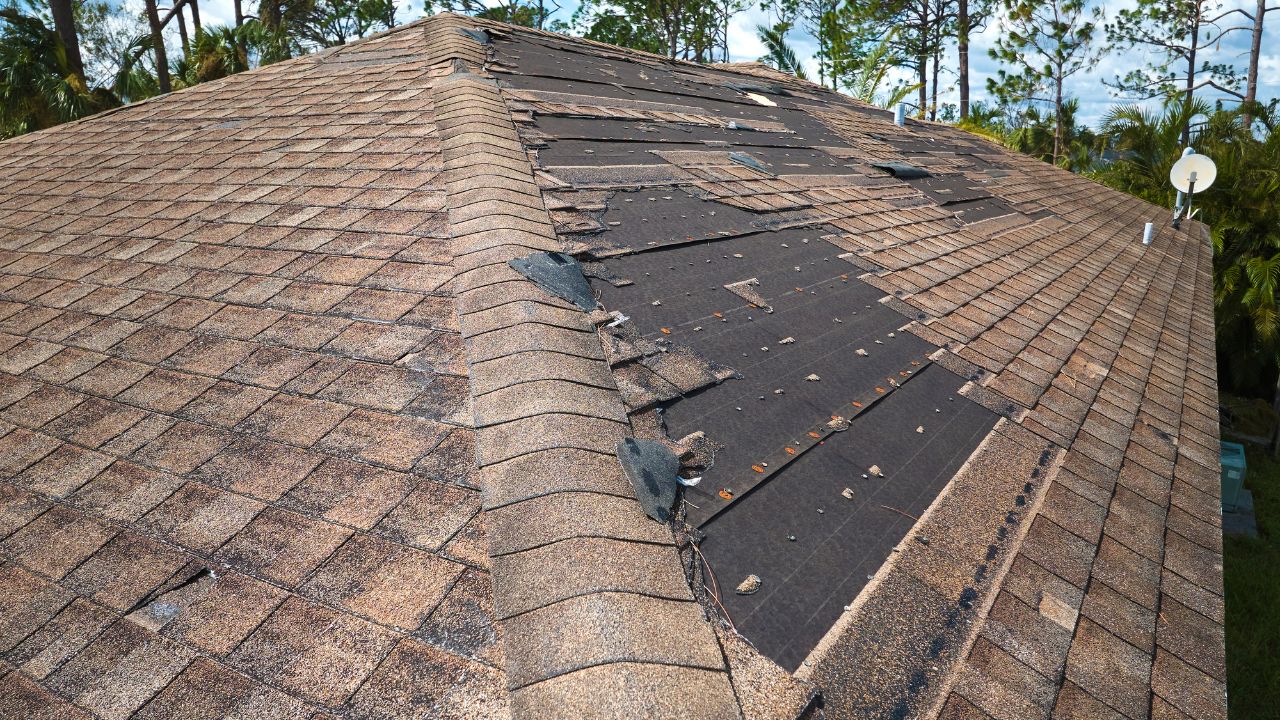
Missing shingles leave exposed underlayment visible as dark patches against your roof's normal color. Lifted shingles create lines of shadow where edges curl upward. Entire sections may appear uneven or rippled when wind displaced the shingle field without fully removing it.
Look for shingles on the ground, in gutters, or scattered across your yard. The quantity and location of fallen shingles indicate damage severity. One or two shingles suggest minor localized failure. Dozens indicate widespread system compromise requiring professional evaluation.
What should you look for around the roofline, fascia, and soffits from the ground?
Fascia boards show impact marks from flying debris or water staining from overflowing gutters. Soffits display dents, holes, or panels hanging loose from their channels. Paint may be scraped or chipped where hail struck vertical surfaces.
Check for daylight visible through soffit vents where panels are separated. Look for water dripping from soffit seams hours after rain stopped—this indicates trapped moisture from roof infiltration. Loose or dangling gutters signal attachment failure from ice, debris, or wind force.
What debris patterns indicate wind direction or impact zones?
Summer storms often send tree debris airborne, including wind-blown branches and fallen trees, which can crash onto the roof and cause severe structural damage. Debris concentration shows where the wind hit hardest. Branches on one side of the roof indicate wind direction and help predict which roof sections suffered maximum exposure.
Large limbs penetrating the roof require immediate tarping to prevent water intrusion. Smaller branches and leaves packed in valleys or against chimneys create dams that trap water. Note debris patterns before cleanup—this documentation supports insurance claims by demonstrating storm severity and impact zones.
How Do You Inspect Shingles and Roof Coverings After an Illinois Summer Storm?
Shingle inspection reveals the extent of surface damage. Different damage types require different repair approaches. Systematic examination from multiple angles provides the complete picture.
How do you identify missing, torn, bruised, or granule-loss shingles?
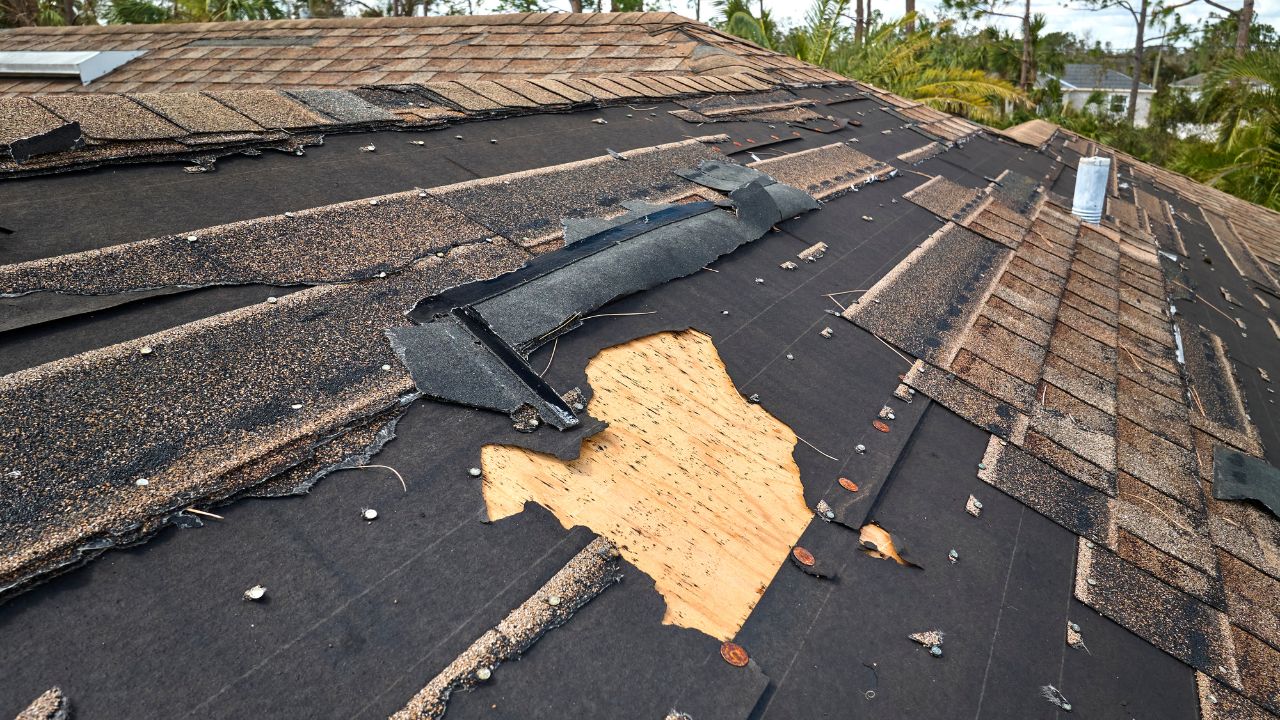
Missing shingles leave rectangular gaps exposing black underlayment or wooden decking. Torn shingles show jagged edges where wind ripped material apart. Bruised shingles display circular indentations with compressed or missing granules—hail impact points that weakened the shingle structure.
Excessive granule loss appears as shiny black patches where the protective coating has worn away. Check gutters and downspout discharge—significant granule accumulation indicates widespread surface damage. Run your hand gently across suspected areas to feel divots and soft spots indicating internal mat damage.
How does hail evidence appear on asphalt, metal, or flat roofing systems?
Asphalt shingles show random impact patterns matching hail size. Fresh damage appears as bright spots where granules are displaced. Metal roofing displays denting in consistent patterns across panels. The dent diameter and depth reveal hail size.
Flat roofing membranes show punctures, tears, or surface abrading from hail impact. TPO and PVC membranes may crack at impact points. EPDM shows surface scuffing and potential punctures. Modified bitumen systems display granule displacement similar to asphalt shingles. Metal edges and terminations show the clearest evidence of hail size and force.
What are the early signs that the shingle system is no longer water-tight?
Lifted shingle tabs that don't lie flat allow water entry. Cracked sealant lines between shingles create pathways for wind-driven rain. Missing or damaged shingles in valleys—the roof's water collection points—guarantee leaks during the next rain.
Bubbling or blistering in shingles indicates trapped moisture beneath the surface. Curling edges allow water to flow under rather than over shingles. Any visible underlayment means the primary water barrier is compromised. These signs demand immediate professional attention before the next storm.
What Should You Examine on Flashing, Vents, Skylights, and Roof Penetrations?
Penetrations are the weakest points in any roofing system. Storm forces concentrate at these transitions, making them prime failure points.
How do storms weaken flashing around chimneys, walls, and valleys?
Wind lifts flashing edges, breaking sealant bonds and loosening fasteners. Hail dents metal flashing, creating low points where water pools. Debris impact can tear flashing completely away from mounting surfaces.
Check chimney flashing for gaps between metal and masonry. Look for lifted step flashing along walls where siding meets roofing. Valley flashing should lie flat without waves, dents, or separation. Any visible fasteners indicate improper installation or storm damage that compromised the seal.
What vent, pipe boot, and satellite mount problems appear after wind and hail?
Plastic vent caps crack or shatter from hail impact. Pipe boots show tears in rubber seals or separation from the base flange. Satellite mounts loosen when wind rocks the dish, enlarging mounting holes and breaking waterproof seals.
Turbine vents may be bent, dented, or missing entirely. Ridge vent sections can lift or tear away in high winds. Bathroom and kitchen exhaust vents show impact damage on the hood or separation at the roof line. Check all penetrations for gaps, cracks, or movement indicating compromised waterproofing.
How do you detect sealant failure or metal deformation caused by impact?
Sealant appears cracked, dried, or pulled away from surfaces when it fails. Fresh damage shows bright, clean breaks in dark, weathered sealant. Metal deformation creates wrinkles, waves, or buckled sections that prevent proper water flow.
Press gently on the metal flashing—movement indicates loose fasteners. Look for rust bleeding from fastener points where water has already penetrated. Counter flashing should overlap step flashing by several inches. Any gaps or reversed overlaps allow direct water entry.
How Should You Inspect Gutters, Downspouts, and Drainage After Heavy Rain?
Even smaller debris can clog gutters and downspouts, leading to drainage issues. Storm damage to drainage systems causes water to overflow and infiltrate the structure.
What gutter dents, separations, or overflowing areas point to hidden roof damage?
Dented gutters indicate heavy debris impact on the roof above. Separated gutter sections show where the weight from ice, water, or debris exceeded attachment capacity. Overflow staining on the fascia below the gutters reveals where water backed up during the storm.
Sagging gutter sections indicate broken hangers or structural damage. Gutters pulled away from the fascia suggest the roof edge may also be damaged. Water staining behind gutters on fascia boards indicates roof edge failure allowing water infiltration.
How should you check downspouts for blockages caused by storm debris?
Run water from a hose into gutters and watch the downspout discharge. Slow flow or no discharge indicates blockage. Listen for gurgling sounds suggesting partial obstruction. Disconnect downspout extensions and look inside for visible debris.
Use a plumber's snake or pressure washer to clear stubborn blockages. Check downspout straps—loose or missing straps allow movement that can disconnect joints. Verify that downspouts discharge at least six feet from the foundation. Shorter discharge concentrates water against the basement walls.
What roof-edge damage can you detect by inspecting gutter run-off paths?
Water spilling over gutter fronts rather than flowing to downspouts indicates improper pitch or severe clogging. Staining patterns on siding below gutters show chronic overflow points. These areas experience repeated water exposure that can penetrate behind the siding.
Check for rotted fascia behind gutters—this indicates long-term water infiltration from failed roof edges. Peeling paint on the fascia and soffit suggests moisture intrusion. Ground erosion below certain gutter sections shows persistent overflow requiring immediate correction.
What Interior Warning Signs Suggest Roof Leaks After a Summer Storm?
Water penetration, often indicated by active leaks, requires immediate professional attention, as it can lead to mold growth and further structural weakening. Interior inspection reveals problems that external inspection might miss.
How do ceiling stains, bubbling paint, or moisture rings indicate infiltration?
Brown or yellow ceiling stains indicate active or recent water intrusion. Fresh stains appear darker and wet. Old stains show as dried rings or discoloration. Bubbling paint on ceilings means water is trapped between the paint and the drywall.
Moisture rings show water's path as it spreads through drywall before dripping. Multiple rings indicate repeated infiltration from the same source. Sagging ceiling sections suggest significant water accumulation requiring emergency attention to prevent collapse.
What attic conditions—wet insulation, dark patches, or daylight—signal roof failure?
Inspect your attic after storms. Wet insulation appears compressed and darker than the surrounding material. Watermarks on rafters or decking show historical leak paths. Fresh water stains appear wet and dark against dry wood.
Daylight visible through the roof deck indicates holes or displaced shingles. Dark patches on the underlayment show water saturation. Mold growth appears as black or green fuzzy patches on wood surfaces. Musty odors indicate hidden moisture even without visible signs.
How does storm-driven rain create hidden moisture beneath roof decking?
Wind-driven rain penetrates areas normally protected from vertical rainfall. Water forced under shingles soaks into the roof decking before gravity pulls it down to create ceiling stains. This hidden moisture can rot decking for weeks before interior signs appear.
Horizontal rain bypasses normal shingle overlap, entering at ridge lines, valleys, and penetrations. The water travels along the underside of the decking to emerge far from the actual entry point. This makes leak source identification difficult without attic inspection during active rainfall.
How Do Summer Storms Affect Flat Roofs and Commercial Roofing Systems?
Commercial and flat residential roofs face unique storm vulnerabilities. Membrane systems respond differently to impact and water than sloped shingle roofs.
What ponding, membrane blisters, or seam openings occur after intense rainfall?
Ponding water—standing water remaining 48 hours after rain—indicates an inadequate drainage slope. Ponded areas develop membrane deterioration from constant UV and water exposure. Blisters form when water vapor trapped beneath the membrane expands during heating.
Seam openings appear as visible gaps in heat-welded or adhered membrane joints. These gaps allow direct water infiltration. Check low spots and around drains for membrane separation. Heavy rain can lift poorly adhered membrane sections, creating wrinkles and vulnerable points.
How can wind damage rooftop HVAC curbs, drains, and parapet edges?
HVAC curbs act as sails in high winds, creating uplift on the surrounding membrane. Curb flashing can tear away, leaving openings for water intrusion. Drain strainers and covers can blow off, allowing debris to clog the drainage.
Parapet coping—metal cap on top of walls—loosens in high winds. Loose coping allows water behind parapet walls, soaking insulation and causing interior damage. Edge metal and termination bars can lift, releasing membrane edges. These failures progress rapidly once started.
What makes hail more destructive on TPO, EPDM, and modified systems?
TPO and PVC membranes become brittle with age. Hail creates cracks that may not leak immediately but fail within months. EPDM shows surface scuffing and possible punctures depending on hail size. Both systems have thinner profiles than asphalt shingles, offering less impact resistance.
Modified bitumen systems with granulated surfaces show impact points similar to asphalt shingles. Smooth-surface modified bitumen displays obvious denting and potential splits. All single-ply membranes are vulnerable at seams—hail impact at seam locations often causes immediate failure.
How Do You Check Siding, Windows, and Exterior Walls for Storm-Related Roof Issues?
Storm damage rarely limits itself to roofing. Wind-driven rain and overflow from damaged roofs attack vertical surfaces.
How does wind-driven rain reveal siding gaps that point back to roof failure?
Water staining below windows or along horizontal siding seams indicates infiltration. If staining appears high on walls near the roof line, the source is likely roof overflow or wind-driven rain bypassing normal drainage. Follow the staining pattern upward to identify the entry point.
Check inside walls for dampness or staining corresponding to exterior marks. Water traveling inside wall cavities suggests serious roof or flashing failure. Peeling paint or bubbling finishes on siding indicate moisture trapped behind the surface from above.
How do hail strikes on siding and window frames help identify the storm's path?
Hail creates consistent impact patterns on vertical surfaces facing the storm direction. Vinyl siding shows circular cracks or punctures. Wood siding displays splintering and divots. Aluminum siding shows distinct dimpling matching hail size.
Window frames and trim exhibit similar damage patterns. Storm direction indicated by siding damage helps predict which roof sections received maximum exposure. Insurance adjusters use this evidence to verify storm occurrence and intensity when evaluating roof damage claims.
What stains, soft spots, or warping indicate water coming from roof intrusion?
Press with your hand to feel for soft, spongy areas indicating water-soaked substrate. Wood siding shows swelling, cupping, or splitting when saturated. Water staining radiating from the roof edges down the siding confirms roof failure as the source.
Warped boards near the roof line suggest repeated wetting and drying cycles from chronic leaks. White efflorescence on brick or concrete indicates water wicking through masonry from roof overflow. These signs demand immediate roof inspection and repair to prevent structural damage.
What Are the Main Steps to Perform a Complete Post-Storm Roof Inspection?
The first hour response is critical: ensure family safety, document the damage with photos and videos for insurance claims, and call a professional for emergency leak containment such as tarping. Systematic inspection prevents missing critical damage.
Step 1 – How should you document roof, gutter, and exterior damage for records?
Photograph damage from multiple angles showing both close-ups and context. Include date stamps if your camera has this feature. Take video walk-throughs narrating what you're documenting. Capture debris fields showing storm severity.
Photograph your entire roof from all four sides of the house. Document every damaged area before cleanup or temporary repairs. Keep damaged materials like fallen shingles for adjuster inspection. Create a written log noting date, time, weather conditions, and observed damage.
Step 2 – How do you perform a systematic exterior inspection from the ground first?
Walk the property perimeter, examining the roof from all angles. Use binoculars for closer inspection without climbing. Check all four roof slopes—damage patterns vary by exposure. Note missing or damaged shingles, lifted edges, and exposed underlayment.
Inspect gutters for displacement, damage, or debris accumulation. Check fascia and soffit for impact marks or water staining. Examine siding near the roof line for damage or moisture. Document every observation with photos linked to specific locations.
Step 3 – How do you evaluate interior spaces for active or pending leaks?
Check ceilings in all rooms, especially the top floor and below attic spaces below. Look for stains, bubbling paint, or sagging sections. Enter the attic with a flashlight and inspect the underside of the roof decking for wetness, staining, or daylight.
Check insulation for dampness or compression indicating past water intrusion. Inspect rafters and beams for watermarks or mold growth. Run your hand along suspected leak paths to feel for moisture. Note musty odors indicating hidden water even without visible signs.
Step 4 – When should temporary protection like tarping be applied?
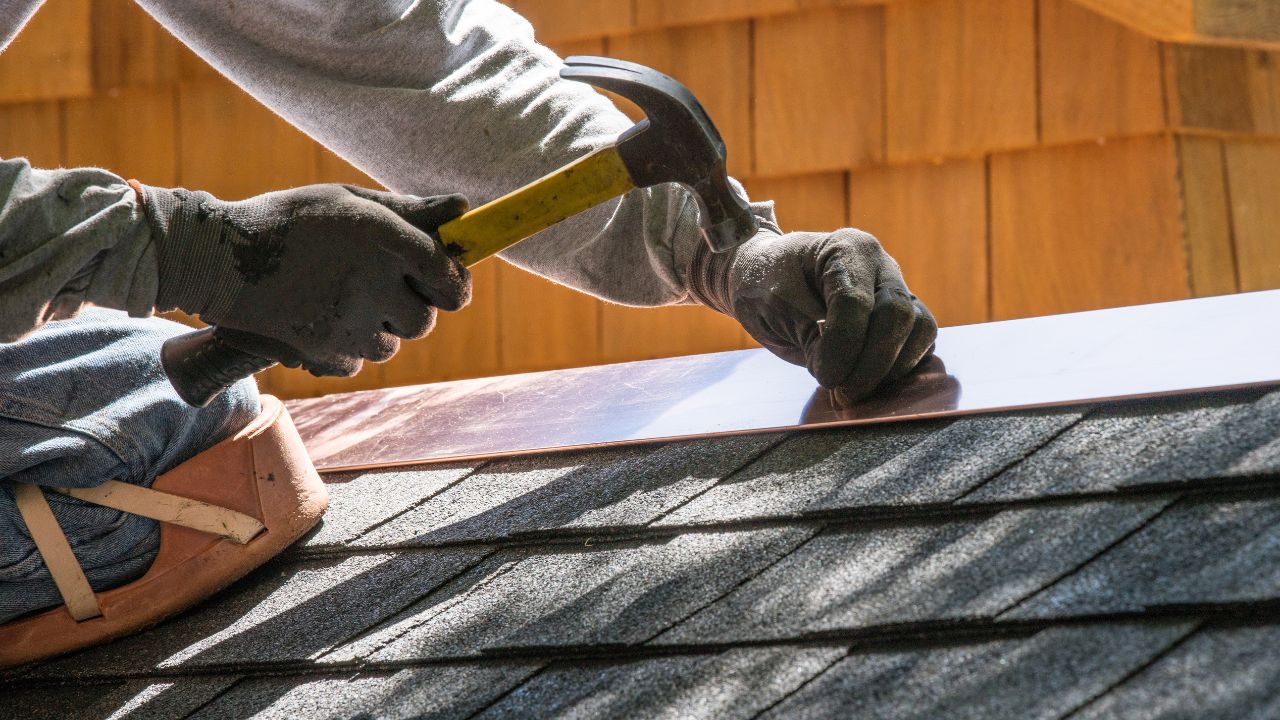
Call a professional for emergency leak containment such as tarping, when you discover any penetration exposing interior spaces to the weather. DIY repairs should be avoided as they can be dangerous and may hurt an insurance claim. Immediate tarping prevents secondary water damage to contents and structure.
Tarps should extend beyond the damaged area and be secured without creating new roof penetrations. Weight tarps with lumber, never with loose objects that become projectiles in the next storm. Consider tarping as a temporary measure only—schedule permanent repairs immediately.
Step 5 – How do you determine whether a professional evaluation is required?
Any damage beyond a few isolated missing shingles requires professional assessment. DIY repairs should be avoided as they can be dangerous and may hurt an insurance claim. Complex damage, multiple affected areas, or any structural concerns demand immediate expert inspection.
If you see exposed decking, significant flashing damage, or interior water infiltration, contact a licensed roofer immediately. When in doubt, get a professional evaluation—roof failures progress rapidly once started, and a delay dramatically increases repair costs.
When Should You Contact an Illinois Roofing Professional After a Summer Storm?
Professional assessment identifies hidden damage and prevents incorrect repairs that void warranties or insurance coverage.
What types of damage are easy for homeowners to miss but serious in impact?
Underlayment damage remains invisible until shingles are removed. Decking deterioration hides beneath intact-appearing shingles. Fastener pull-through—where nails tear through shingle material—creates slow leaks that cause extensive hidden damage.
Subtle flashing separations allow water entry without obvious gaps. Micro-cracking in shingles from hail appears minor but leads to premature failure. Valley damage may seem minimal but it guarantees major leaks. Professionals use specialized tools to detect these hidden problems.
Why does the Illinois building code and storm exposure require expert assessment?
Illinois building codes mandate specific wind and hail resistance ratings for roofing materials. Proper assessment requires knowledge of these standards. Storm-prone regions need documentation proving code-compliant repairs for resale and insurance purposes.
Licensed contractors understand load requirements, attachment specifications, and ventilation standards. They identify whether damage compromises structural integrity or just cosmetic surfaces. Expert evaluation protects your investment and ensures repairs meet legal and insurance requirements.
What benefits come from choosing a contractor experienced in storm repair?
Storm-experienced contractors recognize damage patterns indicating specific storm types. They know which damage points to document for insurance success. Experience with local weather patterns helps them identify all affected areas, not just obvious damage.
Established contractors have relationships with insurance adjusters, understand claims processes, and provide documentation supporting your claim. They stock materials appropriate for Illinois weather and complete repairs on schedules that prevent extended weather exposure.
How Do Roofers Assist With Insurance Claims After Storm Damage?
Professional documentation strengthens insurance claims and speeds the settlement process. Contractors provide the objective evidence adjusters need for claim approval.
How do storm inspection reports support insurance documentation?
Detailed inspection reports document damage extent, probable causes, and recommended repairs. Reports include measurements, photographs, and material specifications. This professional documentation carries more weight than homeowner observations alone.
Inspection reports establish baseline damage before repairs begin. They identify pre-existing conditions versus storm damage, protecting you from claim denials. Reports provide repair cost estimates based on industry standards, ensuring adequate claim settlements.
How does contractor evidence help verify hail impact, wind uplift, or water intrusion?
Contractors measure hail strike patterns and densities, proving storm impact. They photograph damaged test squares alongside undamaged areas for comparison. Wind damage documentation shows uplift patterns, fastener failures, and shingle tearing consistent with specified wind speeds.
Water intrusion evidence includes interior damage photos, moisture readings, and visible staining mapped to specific roof failures. This comprehensive evidence package proves the connection between the storm event and your property damage, supporting claim approval.
What information should you prepare before filing a claim?
Gather your insurance policy documents, including the declarations page and coverage details. Document your home's pre-storm condition with existing photos if available. Create a timeline noting storm date, time, and severity based on local weather records.
Compile all damage photos and videos organized by area. Prepare a written description of the damage discovered and when. List any emergency measures taken, like tarping. Have contractor estimates ready before speaking with adjusters. This preparation accelerates the claims process.
What Preventive Measures Can Strengthen Illinois Roofs Before the Next Storm Season?
Proactive maintenance reduces storm vulnerability and extends roof lifespan. Small investments in preparation prevent major repair expenses.
How does seasonal maintenance reduce wind and water vulnerability?
Regular inspection identifies and repairs minor damage before storms stress weakened areas. Resealing lifted shingles restores wind resistance. Replacing worn flashing prevents water infiltration. Cleaning gutters ensures proper drainage during intense rainfall.
Trimming overhanging branches eliminates debris sources and prevents impact damage. Attic ventilation checks prevent heat buildup that weakens shingles. Annual professional inspections catch problems homeowners miss, addressing them while repairs remain simple and inexpensive.
What upgrades to shingles, flashing, or ventilation improve storm resilience?
Impact-resistant shingles rated Class 4 withstand hail better than standard materials. Upgraded underlayment provides additional water protection if shingles fail. Enhanced flashing systems with membrane integration create superior weather barriers.
Ridge vent improvements increase attic ventilation, reducing heat-related shingle aging. Ice and water shield extended beyond valleys provides extra protection in vulnerable areas. Proper shingle fastening patterns increase wind resistance without full replacement.
How do gutter protection and drainage improvements prevent future damage?
Gutter guards prevent debris accumulation, maintaining drainage capacity during storms. Oversized downspouts handle heavy rainfall better than standard sizes. Extended downspout discharge moves water safely away from foundations.
Splash blocks and drainage channels direct water to safe dispersion areas. Gutter reinforcement with extra hangers prevents sagging under debris weight. Proper gutter pitch ensures water flows to downspouts rather than pooling in sections.
What Key Points Should Illinois Homeowners Recheck After Every Summer Storm?
Consistent monitoring catches damage early when repairs are simpler. Seasonal vigilance protects your investment and prevents catastrophic failures.
Which areas require repeated monitoring throughout the season?
Inspect valleys and flashing after each significant storm. These areas fail first and leak fastest. Check gutters for new debris accumulation affecting drainage. Look for new shingle damage in previously affected areas—damaged sections fail progressively.
Monitor interior ceilings for new staining indicating active leaks. Re-examine areas showing previous minor damage for progression. Document changes with dated photos. Consistent monitoring establishes damage timelines supporting insurance claims for cumulative storm damage.
How does consistent inspection extend roof lifespan and reduce long-term costs?
Early detection of minor damage prevents major failures. A few replaced shingles cost hundreds; structural repairs cost thousands. Regular maintenance identifies small problems before the weather widens them into emergencies.
Documented inspection history increases roof lifespan by addressing issues promptly. Maintenance records support warranty claims and increase home value. Prevention always costs less than emergency repairs and secondary damage remediation. Vigilant homeowners save money while protecting their most valuable asset.
Protect Your Illinois Home from Summer Storm Damage
Summer storms test every component of your roofing system. The difference between minor repairs and major reconstruction is immediate professional assessment. Advanced Roofing Inc. provides comprehensive post-storm inspections, identifying visible and hidden damage across all roofing types.
Contact Advanced Roofing Inc. immediately after storm damage. Our experienced team documents damage for insurance claims, provides emergency protection, and completes permanent repairs using materials proven in Illinois weather. Don't wait for the next storm to reveal problems—get a professional inspection today and protect your home's integrity.