Roof damage from storms can devastate Illinois homeowners, particularly when insurance companies deny coverage after severe weather. A denied roof insurance claim creates financial strain and leaves property owners without protection against further deterioration.
Understanding Illinois claim denial reasons and available appeal process roofing options empowers homeowners to challenge unfair decisions and secure proper compensation.
Between 2021 and 2024, Illinois homeowners' insurance premiums rose 50%, the second-highest increase nationally, while insurers tightened approval criteria. Homeowners must understand policy terms and documentation standards to overcome denials and recover fair settlements.
Key Takeaways
- Forty-eight percent of large insurer claims closed without payment in 2024, with denial rates increasing across the industry
- Illinois ranks second nationally for hail claims, making proper storm damage documentation essential for approval
- Missing hidden damage, like bruised shingles or compromised flashing, leads to underpayment or denial
- Public adjusters charge 10-20% contingency fees, but often recover significantly more than self-filed claims
- Digital claims filed through insurer apps process faster, with an average final payment received in 40.7 days
What Is a Roof Insurance Claim and How Does It Work in Illinois?
A roof insurance claim is a formal request for financial compensation when your roof sustains damage from covered perils like hail, wind, or falling debris. The process begins with documenting damage, notifying your insurer, and cooperating with their inspection.
Illinois homeowners must follow specific procedures and timelines to file successful insurance claims that comply with carrier requirements. Most policies require prompt notification after discovering damage, with strict deadlines often limiting claims to within one year of the storm event.
What Types of Roof Damage Are Covered?
Standard homeowners' insurance policies typically cover sudden and accidental roof damage from wind, hail, fire, fallen trees, and vandalism. Coverage excludes gradual deterioration, normal wear and tear, poor maintenance, and pre-existing conditions.
Policy language varies significantly between carriers, making careful contract review essential. Some policies provide full replacement cost coverage for newer roofs while depreciating coverage for older systems, significantly reducing payouts. Deductibles also affect whether filing makes financial sense, particularly when repair costs barely exceed the deductible threshold.
How Does the Claims Process Typically Proceed?
Homeowners should use their insurer's app or portal for First Notice of Loss to initiate the digital claims process. Most carriers provide mobile applications that expedite initial reporting and documentation submission.
Insurers must receive claims within policy deadlines, often within one year of damage occurrence. Average time to receive final payment reaches 40.7 days from initial filing, though the digital claims process is faster. Professional contractors can help navigate carrier-specific requirements and provide documentation that meets insurer standards.
What Are Common Reasons Claims Get Denied?
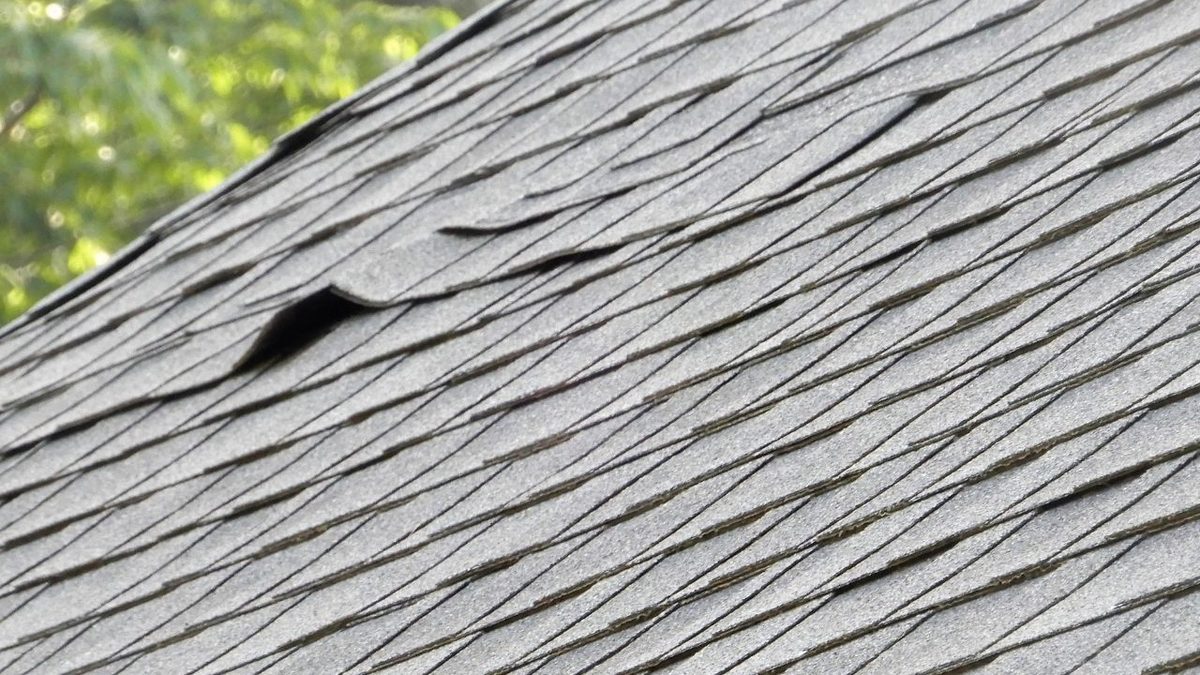
Claims denied due to lack of evidence represent the most frequent rejection category, particularly when homeowners fail to document hidden damage. Hail impact on shingles often creates bruising invisible from ground level, requiring professional inspection to identify properly. Without comprehensive documentation, insurers may minimize payouts or deny claims based on insufficient evidence.
Claims are denied due to pre-existing wear and tear that occurs when adjusters attribute damage to age-related deterioration rather than storm impact. Additionally, claims denied when deductibles exceed damage cost provide no financial benefit even when coverage applies. In 2024, 48% of large insurer claims closed without payment, with companies like Allstate and USAA maintaining denial rates around 50%.
Why Are Roof Insurance Claims Often Denied in Illinois?
Insurance companies deny roof claims in Illinois primarily due to insufficient documentation, policy exclusions, and disputes over damage causation. Adjusters trained to minimize payouts often attribute damage to pre-existing conditions or normal wear. Understanding these denial patterns helps homeowners prepare stronger initial claims.
High denial rates reflect both legitimate policy limitations and aggressive claims management strategies favoring insurer profitability. Proper documentation and professional support significantly improve approval odds.
How Does Storm Damage Affect Claim Approval?
Illinois ranks second nationally for hail claims, creating massive claim volumes that strain insurer resources and increase scrutiny. The March 2024 storm system caused over $6 billion in damage across the Midwest, with State Farm alone paying over $600 million to Illinois customers. These catastrophic events prompt insurers to deploy teams of adjusters who must process thousands of claims rapidly, sometimes leading to incomplete inspections.
Hail damage often remains invisible to the untrained eye, particularly bruising and granule loss that compromise shingle integrity. Adjusters may overlook subtle signs during brief inspections. Homeowners must understand storm damage protocols to ensure proper assessment before accepting initial denials.
What Role Do Documentation and Evidence Play?
Missing hidden damage, like bruised shingles or compromised flashing, leads directly to underpayment or denial from inadequate documentation. Professional roofing contractors trained in storm damage identification can photograph and document damage invisible to homeowners and insurance adjusters. High-resolution images showing granule loss, impact points, and structural compromise provide evidence needed to prove damage legitimacy.
Comprehensive documentation includes ground-level photographs of visible damage like dented gutters, damaged siding, and shingle granules in downspouts. Professional inspection reports with detailed descriptions and clear estimates establish damage scope before filing, preventing disputes over repair costs.
How Do Policy Terms and Deductibles Influence Denials?
Most policies have strict deadlines for filing storm damage claims, typically within one year of damage occurrence. Missing these deadlines results in automatic denial regardless of damage legitimacy. Homeowners must maintain awareness of storm dates and conduct regular roof inspections to identify damage before filing windows close.
Policy deductibles create situations where homeowners receive no payment even when coverage applies. When repair costs barely exceed the deductible, filing may prove financially pointless while creating rate increase risks at renewal. Understanding specific policy terms, coverage limits, and deductible structure helps determine whether pursuing a claim makes economic sense.
How Do Illinois Demographics and Regional Factors Impact Claims?
Generational differences in technology adoption and insurance expectations significantly affect how Illinois residents approach claim filing and documentation. Younger homeowners prefer digital-first processes and AI-powered research tools, while older demographics maintain higher satisfaction with traditional communication channels.
Regional variations across Illinois create disparate experiences in claim processing, contractor availability, and premium costs. Understanding geographic factors helps homeowners set realistic expectations for timeline, costs, and repair complexity.
How Do Generational Preferences Affect Claim Filing?
Sixty-five percent of Gen Z use AI for insurance research, demonstrating high comfort with digital tools. Additionally, 73% of Gen Z use AI to check for fair pricing. However, only 32% report satisfaction with insurers, suggesting digital capabilities alone don't guarantee positive claim experiences.
In contrast, 24% of Baby Boomers use AI for insurance tasks, preferring human interaction. Baby Boomers achieve 47-88% satisfaction rates depending on the specific metric, significantly higher than younger demographics. These patterns suggest that claim success depends more on proper documentation and persistence than on technology adoption.
What Regional Differences Affect Claim Outcomes in Illinois?
Chicago faces average annual premiums of $2,665, the highest in the state, but with the fastest access to specialized contractors. The Fox Valley area averages $2,000-$2,400 in annual premiums. Rural downstate areas maintain average annual premiums between $1,945-$2,065, the lowest statewide rates due to reduced claim frequency.
However, longer wait times for contractors and adjusters in rural areas delay repairs and extend the claims process. Homeowners in remote locations must plan for extended timelines when pursuing claims.
How Does the Fox Valley Hail-Prone Area Influence Claims?
The March 10, 2026, Fox Valley storm produced golf-ball to tennis-ball-sized hail across the region. Naperville, Aurora, and Downers Grove experienced particularly severe impacts as hail-prone Fox Valley communities in the direct storm path.
The concentration of hail damage in the Fox Valley creates both challenges and advantages. While insurers apply stricter documentation standards in high-frequency areas, the abundance of experienced storm damage contractors provides homeowners with expert support during the claims process. Selecting contractors familiar with local storm patterns and insurer requirements improves approval odds significantly.
What Documentation Should You Prepare to Avoid Denial?
Proper documentation starts immediately after discovering damage and continues through the entire claims process. Homeowners must balance safety with thoroughness, collecting ground-level evidence before professional inspectors access the roof. The 79.8% of policyholders willing to use smartphones for damage documentation demonstrates widespread adoption of self-service evidence gathering, though professional verification remains essential for hidden damage.
Comprehensive documentation includes photographs, professional inspection reports, detailed damage descriptions, and clear repair estimates. Missing any component creates opportunities for denial based on insufficient evidence.
How Can Homeowners Safely Document Roof Damage?
Never climb a damaged roof, as personal injury risks outweigh any documentation benefits. Instead, document visible damage from ground level, including dented gutters, damaged siding, and shingle granules accumulating in downspouts.
Over 80% of the Age 60+ demographic expresses willingness to photograph damage to themselves. Modern smartphone cameras provide sufficient image quality for initial documentation when homeowners capture close-up images of damage indicators. However, ground-level photography cannot replace professional roof-level inspection for hidden damage that determines claim legitimacy and payout amounts.
When Should You Involve Professional Inspectors or Contractors?
Hire a specialized storm damage roofing contractor for a comprehensive inspection immediately after discovering potential damage. Professional inspectors access the roof safely and identify hidden damage like bruised shingles, compromised flashing, and structural issues invisible from ground level. These contractors should provide high-resolution photos documenting every damaged area with detailed descriptions using industry-standard terminology.
Obtain a clear estimate before filing to establish expected repair costs and prevent disputes over valuation. Having your chosen roofing contractor present during insurance re-inspection ensures someone advocates for complete damage recognition if the initial adjuster misses issues. Understanding proper attic ventilation and other technical factors helps contractors identify all damage components during inspections.
What Digital Tools Can Help Streamline Documentation?
Twenty-two percent of consumers avoid filing claims due to frustrating digital processes, highlighting the importance of user-friendly documentation tools. However, 64% would switch insurers for a more seamless digital experience, demonstrating that current tools still fall short.
Digital documentation tools work best when they complement rather than replace professional expertise. Smartphone apps can capture initial damage evidence, but professional inspection software provides detailed measurements, thermal imaging, and moisture detection needed for comprehensive damage assessment.
What Are Your Options If Your Claim Is Denied?
Understanding the claim denied steps begins with reviewing the denial letter to identify the specific rejection reason. Insurers must provide written explanations citing policy language or evidence deficiencies. This documentation reveals whether denial stems from legitimate policy exclusions or insufficient evidence that additional documentation might overcome through the appeal process, as roofing specialists recommend.
Multiple paths exist for challenging denied claims, from simple re-inspection requests to formal legal action. The appropriate strategy depends on the denial reasons, claim value, policy language, and evidence strength.
How Can You Request a Re-Inspection or Appeal?
Request a second inspection if your claim receives an initial denial, particularly when you believe the adjuster missed damage during the first review. Many insurers permit re-inspection requests, especially when homeowners provide new evidence or professional contractor reports identifying overlooked damage. Ensure your chosen roofing contractor attends the re-inspection to point out specific damage.
The formal insurance dispute resolution process typically begins with internal company appeals before escalating to state regulators or legal action. The Illinois Department of Insurance provides consumer assistance for disputed claims. Maximizing your coverage requires understanding both policy terms and specific evidence standards insurers apply during reviews.
When Is It Beneficial to Hire a Public Adjuster?
Public adjusters often recover more than the DIY approach despite their fees, particularly for complex or high-value claims. These professionals handle all documentation and negotiation with insurers. The 10-15% market share for professional public adjusters demonstrates their value proposition despite contingency fees.
Over 37,000 businesses operate in the public adjusting industry, with no single entity holding more than 5% market share. This fragmentation means homeowners must carefully evaluate individual adjuster credentials. Public adjusters typically charge 10-20% contingency fees, making them most cost-effective for claims exceeding $10,000, where their expertise can significantly increase settlement amounts beyond their fee percentage.
What Legal Remedies Are Available for Disputed Claims?
Attorney involvement becomes appropriate when insurers act in bad faith, deny claims improperly, or refuse reasonable settlement offers. Legal representation carries attorney hourly rates ranging from $150-$500+ per hour, making this option most suitable for high-value disputes. Many attorneys work on a contingency basis for insurance disputes.
Litigation should represent a last resort after exhausting internal appeals and state insurance department intervention. However, the threat of legal action sometimes motivates insurers to reconsider denials, particularly when policy language clearly supports coverage.
How Can You Expedite and Maximize Your Insurance Settlement?
Quick filing and thorough documentation represent the foundation for expedited claim processing and maximum settlement amounts. Homeowners who submit complete, well-organized claims with professional documentation receive faster approvals and higher payouts than those providing minimal evidence.
Strategic decisions about contractor selection and professional assistance significantly impact both settlement speed and final payout amounts. Homeowners must balance speed, cost, and settlement maximization based on their situation.
What Are the Advantages of Using Direct Repair Program Contractors?
Forty-one percent of customers utilize Direct Repair Programs offered by major insurers. DRP contractors reduce repair times by over two weeks compared to non-network providers, with average repair completion reaching 29.6 days in 2026. These preferred contractor relationships streamline coordination between insurers and repair providers.
Selecting the right contractor requires evaluating both DRP benefits and potential limitations on material choices. While DRP contractors offer speed advantages, homeowners should verify that network participation doesn't compromise repair quality or limit warranty coverage.
How Can Quick Filing and Accurate Documentation Improve Outcomes?
Filing claims promptly after damage discovery prevents disputes over when damage occurred and whether policy coverage applies. Digital claims submitted through insurer portals process faster than traditional phone or mail-based filing. Accurate documentation submitted with initial claims reduces back-and-forth requests that delay adjuster decisions.
Professional contractor estimates provided at filing establish clear repair cost expectations and prevent later disputes over valuation. High-resolution photographs showing damage from multiple angles eliminate ambiguity. Complete documentation packages signal professionalism, potentially influencing adjusters to apply more favorable interpretations when policy language permits discretion.
What Should You Know About Pricing and Fees for Professional Assistance?
Public adjusters charge 10-20% contingency fees, with percentages varying based on claim complexity and regional market rates. This fee structure aligns adjuster incentives with maximizing homeowner recovery, though it reduces final settlement amounts. Homeowners should verify whether quoted percentages apply to the total settlement or only the amount exceeding initial insurer offers.
Attorney hourly rates range from $150-$500+ per hour depending on experience, location, and case complexity. Many attorneys offer free initial consultations to evaluate case merit. Understanding payment timing and contractor fee structures prevents disputes during repair and ensures proper fund allocation from insurance settlements.
What Trends Are Affecting Roof Insurance Claims and Denials in Illinois?
The insurance landscape continues evolving rapidly, with multiple trends simultaneously affecting homeowners pursuing roof damage claims. Climate patterns producing more severe storms collide with insurer profitability pressures, creating tension between homeowner expectations and carrier willingness to pay claims.
Technological innovation, demographic shifts, and economic pressures combine to reshape how insurers process claims and how homeowners pursue coverage. Staying informed about industry changes positions homeowners to leverage favorable developments while protecting against adverse shifts.
How Have Approval Rates and Processing Times Changed Recently?
Approval rates have declined significantly, with 48% of large insurer claims closing without payment in 2024. Major carriers like Allstate and USAA maintain denial rates around 50%, double historical averages from a decade earlier. This shift reflects both increased claim scrutiny and tightened underwriting standards.
Despite lower approval rates, processing times have improved for approved claims, with the average final payment received in 40.7 days. Digital filing methods and automated review systems accelerate initial decisions, though appeals and disputes still require extended timelines.
What Are the Effects of Rising Material Costs and Labor Shortages?
U.S. roof repair and replacement costs reached nearly $31 billion in 2024, representing a 30% increase since 2022. Roof-related line items constituted more than 68% of all property claim costs. Rising material costs from tariffs and supply chain issues create disputes over replacement cost valuations when insurers rely on outdated pricing databases.
Labor shortages continue driving up roofing contractor rates across Illinois, particularly in suburban and rural areas. Limited contractor availability extends repair timelines and sometimes forces homeowners to accept less qualified providers to meet insurer deadlines.
How Is Consumer Behavior Evolving in Claims Submission?
Younger demographics increasingly rely on AI tools for insurance research, with 65% of Gen Z using artificial intelligence platforms. This tech-forward approach extends to claims documentation, with smartphone usage for damage photography becoming standard practice. However, only 32% of Gen Z report satisfaction with insurers.
Older demographics maintain a preference for human interaction despite growing comfort with basic digital tools like smartphone photography. This generational divide requires insurers to maintain multiple communication channels while younger homeowners push for faster, more automated processes.
Navigating Roof Insurance Claims Denials in Illinois with Confidence
Illinois homeowners facing denied roof insurance claims must understand their rights and options to secure fair compensation. While denial rates have increased, proper documentation, professional support, and persistence through the appeal process, roofing experts recommend, can overcome many initial rejections. The combination of thorough evidence gathering, strategic use of professional services, and knowledge of Illinois claim denial reasons creates the strongest foundation for successful claim resolution.
The insurance landscape will continue evolving as storm severity increases and carriers adjust risk management strategies. Homeowners who invest in preventive maintenance, document damage thoroughly, and engage qualified professionals position themselves for the best possible outcomes. Advanced Roofing Inc. brings 30+ years of Chicagoland experience to help homeowners navigate complex insurance claims and secure the coverage they deserve for legitimate storm damage.
Your Roof Claim Was Denied - Advanced Roofing Inc. Can Help You Fight Back
CTA Copy: A denied insurance claim doesn't have to be the final word. Advanced Roofing Inc. has helped Illinois homeowners document storm damage, work through the appeals process, and get the coverage they're entitled to. Our team identifies hidden damage that adjusters often miss — bruised shingles, compromised flashing, granule loss — and provides the professional inspection reports insurers need to take your claim seriously.
We've been serving the Fox Valley and Chicagoland area since 1994. We know Illinois storms, we know the claims process, and we know how to help you protect your home. Schedule your free roof inspection today.