Storm Damage? We're Ready to Help.
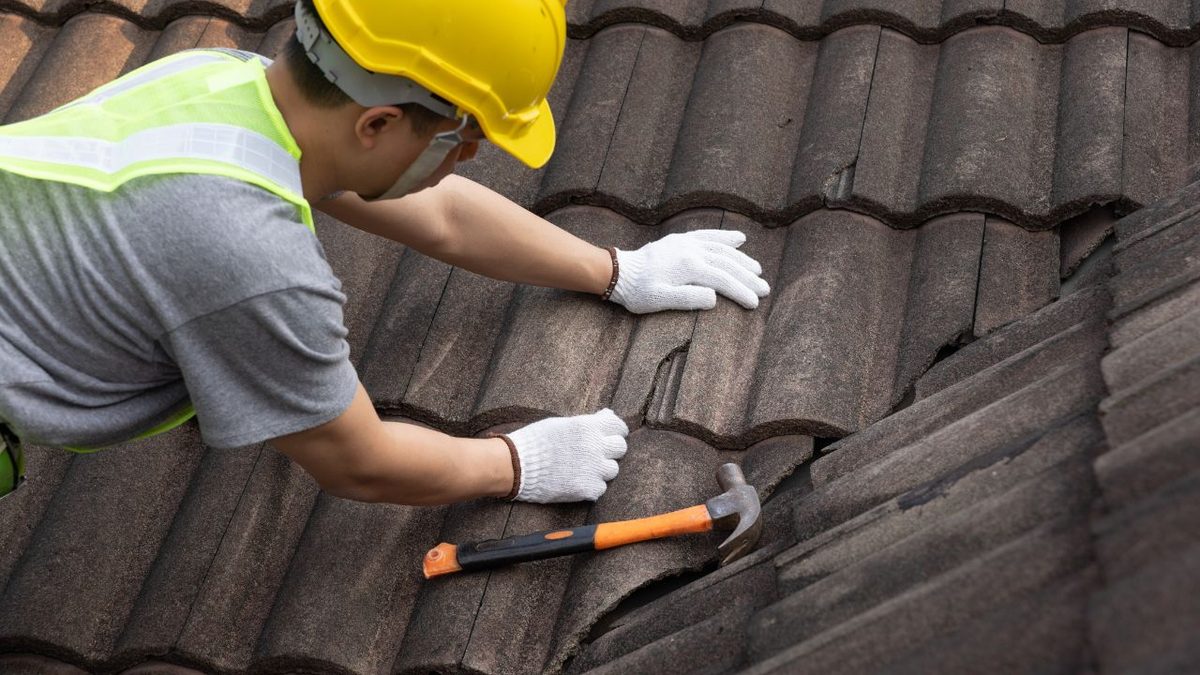
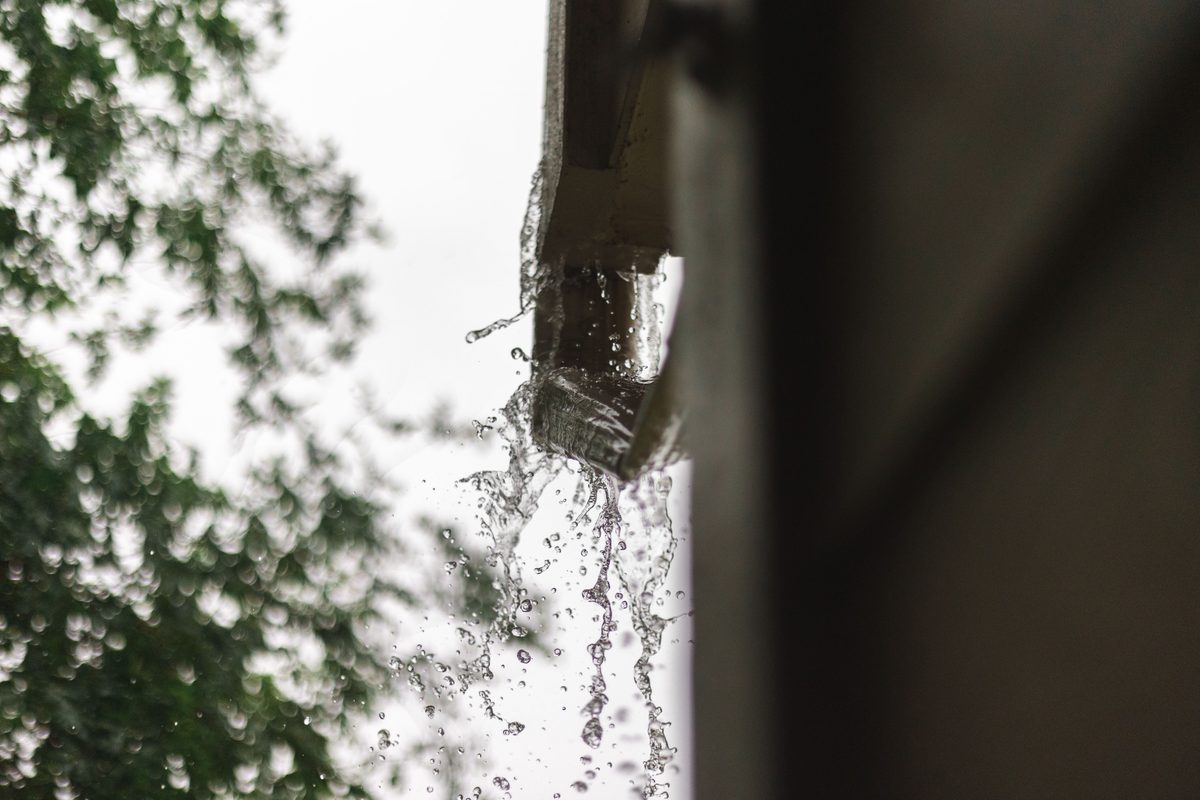
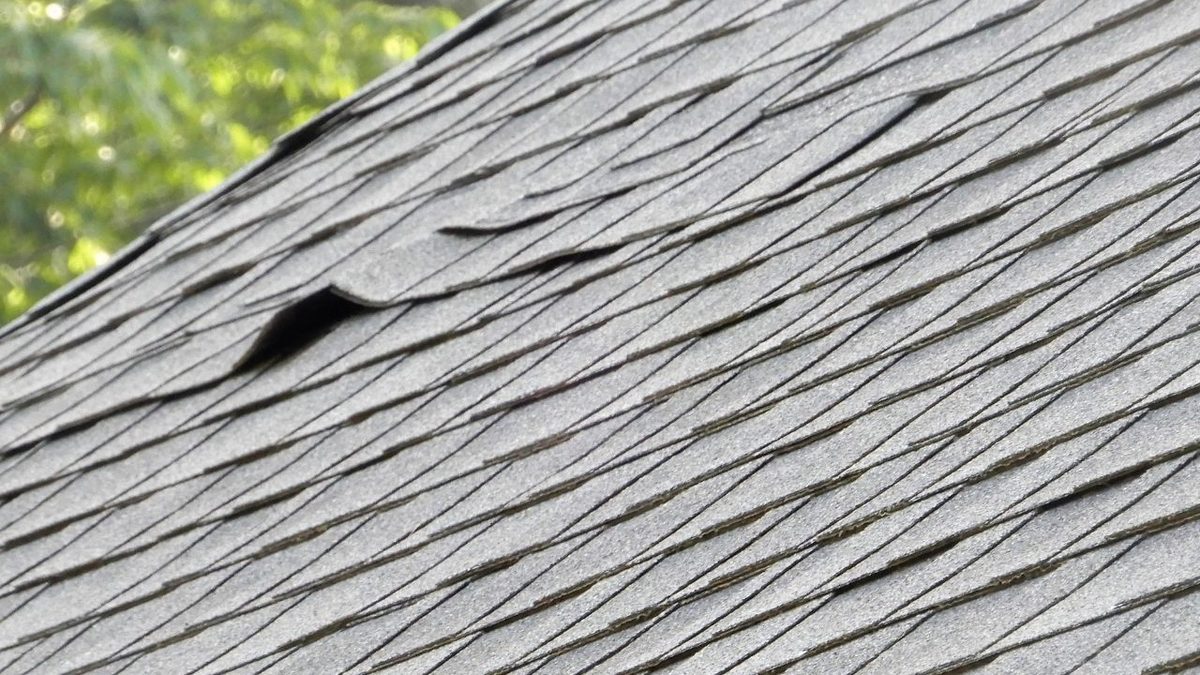
Recent storms may have caused damage you can't see. Call today to schedule a professional roof inspection and fast, reliable repairs.
Why do roofers have a bad reputation comes down to a small number of bad actors using high-pressure sales tactics, ghost insurance, and bait-and-switch tactics that taint the wider industry.
Storm chasers move into storm-heavy regions after hail storms, push hurried roof replacement contracts, and disappear before warranty claims can be filed.
Five common lies appear again and again: an urgent need for replacement, instant project starts, one-day-only pricing, no permits required, and verbal-only agreements.
A reputable roofer carries general liability, Workers' Compensation, and license and insurance documentation, and shows positive reviews across the Better Business Bureau and independent review platforms.
Due diligence on every roofing contractor before signing protects you from roofing scams, insurance scams, and substandard work that fails local codes.
Choosing a reputable roofing contractor can feel difficult, especially when so much of what you hear from the roofing companies that knock on your door turns out to be misleading. At Advanced Roofing Inc., we believe in transparency and honesty, which is why we are willing to address the question head-on: why do roofers have a bad reputation, and how can you tell the honest companies from the bad actors? With more than 30 years serving the Chicagoland area, we have watched the same patterns repeat after every major storm season.
Read on for an honest breakdown of the industry's reputation issues, the five lies you are most likely to hear during a sales call, the red flags that go beyond the pitch, and the verification steps every homeowner should take before signing a roofing contract. We also cover how the better roofing companies handle customer service, warranty claims, and customer communication so the gap between honest and dishonest becomes obvious.
Why Do Roofers Have a Bad Reputation: The Honest Industry Answer
Why do roofers have a bad reputation in the first place? The short answer is that a small number of dishonest operators do enormous damage to public trust, and roofing is a reputation-driven industry where one bad customer experience travels through word-of-mouth marketing faster than a hundred good ones. Most homeowners only hire a roofing contractor once or twice in their lifetime, so each interaction carries more weight than a routine purchase.
Several structural factors make the field easier to abuse than other trades. Entry costs are low, demand spikes after every hail storm or wind event, and many homeowners cannot inspect the work themselves once it is complete. That combination invites short-term operators who chase storm damage, collect insurance claims, and move on before reputation issues catch up with them. Hidden costs, change orders that were never disclosed, and low-quality materials substituted for what was quoted round out the most common complaints.
The honest part of the industry pays the price. Family-owned businesses that have worked the same neighborhoods for decades, like our team at Advanced Roofing Inc., spend a portion of every consultation undoing assumptions left behind by the previous contractor. Recognizing the patterns is the first step to working with someone you can trust.
Why Do Roofers Have a Bad Reputation: Five Lies Bad Roofers Tell
Why do roofers have a bad reputation more sharply in storm-heavy regions? Because the same handful of sales pitches keep landing customers in the same trouble. The five claims below show up on customer feedback boards and Better Business Bureau complaints year after year.
Lie 1: Your Roof Needs Immediate Replacement
One of the most common falsehoods is the urgent need for a full roof replacement. Some disingenuous roofers, after a quick roof inspection from the driveway, insist the entire system has to come off. The truth is that many issues, including isolated roof leaks, missing shingles, and minor flashing damage, can be resolved with roof repairs or partial work. A reputable roofer provides a detailed roof inspection, identifies the specific areas of concern, and presents a range of solutions rather than one expensive option. Trustworthy local roof repair contractors will walk the roof, show you photos, and explain why a repair, partial replacement, or full replacement is the right call.
Lie 2: We Can Start Tomorrow
Another red flag is the promise of an immediate project start. Reputable roofing companies usually carry a queue of roofing projects, especially during peak season. A contractor who can start the next day may not be in much demand, which suggests poor workmanship or limited experience. It also signals rushed planning, where steps like ordering material quality matched to your roof deck, securing building permits, and coordinating job site cleanliness get skipped. Some storm chasers operate this way on purpose: they want to start, get paid, and leave before any warranty claims can land.
Lie 3: This Price Is Only Good for Today
High-pressure sales tactics are a hallmark of less reputable roofers. The "special deal" that disappears at sundown is designed to prevent you from gathering quotes, comparing residential roofing systems, or doing any due diligence at all. A reputable roofing services provider will deliver a written estimate that stays valid for a reasonable window, usually 30 days, so you can make a careful decision. Hidden costs and surprise change orders also tend to follow this type of bidding tactic, so any pitch that pressures you to sign on the spot deserves a polite no.
Lie 4: We Don't Need a Permit for This
Skipping necessary permits is a serious problem. Most roofing projects require building permits to confirm the work meets local codes and safety codes. Unscrupulous roofers might claim permits are unnecessary to cut corners and reduce costs. The fallout shows up later: failed inspections, penalties on the homeowner, problems at resale, and substandard work that may compromise the roof deck, ice and water shield, or structural weaknesses inside the framing. A reputable roofer pulls the permit, schedules the inspection, and adds the documentation to your file.
Lie 5: You Don't Need a Written Contract
Verbal agreements leave too much room for misunderstandings. A reputable roofing contractor always provides a detailed written contract that lays out the scope of work, materials, timelines, cost estimates, payment schedules, and warranty terms. The document protects both parties by setting clear expectations on the customer experience. Be wary of anyone who insists a handshake is enough, whether the job involves residential roof replacement or commercial flat roof repair. Written contracts are not bureaucracy. They are how honest roofing companies stand behind the work.
Red Flags That Signal a Problem Contractor
The five lies are easy to spot once you know them. Other warning signs are quieter but just as telling. Watch for the patterns below before signing anything.
No license and insurance documentation on request. Honest roofers hand over proof of general liability, Workers' Compensation (sometimes called Workman's Comp), and any state or municipal licensing test certification without hesitation. Hesitation here often points to ghost insurance, where a policy exists on paper but lapsed months ago.
Door-to-door sales right after a storm. Storm chasing crews follow hail storms across the country, knock doors hard for two weeks, and disappear. They often pressure homeowners to sign assignment-of-benefits forms that hand control of the insurance claims process to the contractor.
Vague payment methods. A request for full payment up front, cash-only payment information, or a personal check made out to an individual rather than a registered business all suggest the operator does not plan to be reachable for warranty claims.
No physical local office. A real business has a verifiable address. If the only contact is a cell phone and a magnetic truck logo, follow up before any commitment.
No online presence or only one-week-old social profiles. Established roofing companies have years of customer reviews, photos, and online reviews across multiple review platforms. Brand-new digital footprints usually mean a recently renamed operation trying to outrun its previous reputation.
Pricing that is dramatically below the next quote. Material quality, safety protocols, and trained crews cost money. A bid that lands 30 percent under the others is usually cutting one of those three.
These red flags rarely show up alone. When two or more appear together, walk away.
How Storm Chasers and Insurance Scams Damage the Industry
Storm chasers and insurance scams deserve their own section because they account for a disproportionate share of the bad reputation in roofing. After a hail storm sweeps through a Chicagoland suburb, dozens of out-of-state crews arrive within days. Some are legitimate disaster-response companies. Many are not.
The most common insurance fraud pattern works like this: the contractor offers to "cover your insurance deductible" or inflate the damage estimate sent to insurance companies. Both are illegal in Illinois. The homeowner ends up named in a fraud complaint, even though the contractor pocketed the cash and left. Other operators sign homeowners to assignment-of-benefits contracts that transfer the right to negotiate with the insurer over to the contractor, then drag the claim out for months while the roof remains exposed.
Working with a local, family-owned business sidesteps most of these risks. A reputable roofing services provider operates inside the same community for years, depends on positive reviews to stay in business, and has no incentive to commit insurance fraud that would end the company. The National Roofing Contractors Association and the Better Business Bureau both publish guidance on identifying storm chasing operators if you want a deeper read.
How to Verify a Reputable Roofer Before You Sign
Due diligence on a roofing contractor takes about an hour and prevents the most common scams. Use the checklist below before any contract is signed.
Verification Step
What to Look For
License and insurance
Current general liability policy, Workers' Compensation, state or municipal license if applicable
Positive reviews across Google, BBB, and independent review platforms; consistent ratings over multiple years
References
Three local references from completed roofing projects you can drive past or call
Training and certification
Manufacturer certifications such as GAF Master Elite or CertainTeed ShingleMaster
Written estimate
Itemized scope of work, materials, payment schedules, warranty terms
Local office
A verifiable physical address in or near your service area
Manufacturer relationships
Direct partnerships with named suppliers, not generic "premium" claims
The Small Business Association and most state contractor licensing boards also publish free verification tools. A few minutes with these resources is worth every penny they save you on the back end of a bad project.
What Honest Roofing Companies Do Differently
The difference between an honest roofing contractor and a problem operator usually shows up in three places: how the work is sold, how the work is run, and how the work is supported afterward.
At the sales stage. Honest companies conduct a thorough on-roof inspection, document the findings with photos, and walk you through the options. The estimate is written, itemized, and held open long enough for you to think it over. Change orders only happen if unexpected conditions appear, and any additional cost is explained and approved in writing before work continues.
During the project. Trained crews follow safety protocols on the ladder and at the roof edge. Job site cleanliness is treated as part of the work, not an afterthought, with magnetic sweeps for nails and protective coverings on landscaping and HVAC equipment. Customer communication is consistent: the project manager checks in, answers questions, and explains any weather delays. A solid project management system or roofing software helps the company track every roof from estimate to warranty.
After the project. Manufacturer warranties cover the materials, and a workmanship warranty from the company itself covers the install. Both should be in writing, with clear language on what triggers a warranty claim and how to file one. Honest companies stand behind their work for years afterward, which is one reason word-of-mouth marketing carries them through slow seasons. Reputation management for them is not a campaign, it is the daily habit of doing the work right.
Hire Advanced Roofing Inc. for an Honest Roof Assessment
If you have ever asked yourself why do roofers have a bad reputation, the cure starts with hiring someone who has spent decades earning the opposite reputation. Advanced Roofing Inc. has served Naperville, Yorkville, Aurora, Oswego, and the surrounding Fox Valley communities since 1994. We are a family-owned business, BBB-accredited with an A+ rating, a GAF Master Elite Contractor (held by roughly 2 percent of contractors in North America), and a CertainTeed ShingleMaster certified installer. Our team carries the license and insurance documentation you should be asking for, and we provide it before you ask.
Call us at (630) 553-2344 or fill out our contact form to schedule a roof inspection. We will walk your roof, show you what we find, deliver a written estimate, and answer every question about scope, materials, permits, payment schedules, and warranties. No high-pressure pitch, no one-day-only deal, no handshake contracts. Just an honest assessment from a contractor that plans to be here when the warranty matters.
Frequently Asked Questions
Why do roofers have such a bad reputation in general?
The reputation problem comes from a small share of operators using high-pressure sales tactics, storm chasing patterns, ghost insurance, and bait-and-switch tactics on materials and pricing. Roofing is a reputation-driven industry where every dissatisfied customer reaches dozens of neighbors through online reviews and word-of-mouth marketing. Most established family-owned roofing companies in the Fox Valley do honest work, but they share the headline space with the bad actors. Picking a contractor with a long verifiable track record is the most reliable filter.
How can I tell if a roofing contractor is trustworthy?
Start with license and insurance documentation, then move to Better Business Bureau accreditation, online reviews across multiple review platforms, and manufacturer certifications like GAF Master Elite or CertainTeed ShingleMaster. Ask for three local references from completed roofing projects within the last year and drive by the houses if you can. A reputable roofer welcomes these questions and will hand over the paperwork without hesitation. Anyone who pushes back or stalls on documentation has already told you everything you need to know.
Do roofers in Illinois need a license to operate legally?
Illinois requires all roofing contractors to hold a Roofing Industry License from the Illinois Department of Financial and Professional Regulation. The contractor must also carry general liability insurance and Workers' Compensation coverage for any employees on your roof. Always verify both before signing a contract by asking for the license number and certificates of insurance, then confirming the policies are active. Working with an unlicensed roofer can leave you personally liable if a worker is injured on your property.
What are the most common roofing scams to watch out for?
The most common roofing scams include storm chasing crews pressuring homeowners to sign quick deals after hail storms, contractors offering to cover your insurance deductible (which is insurance fraud in Illinois), bait-and-switch tactics on materials where a lower-grade shingle is installed than the one quoted, and contractors demanding full payment up front before any work begins. Ghost insurance, where a policy is shown but has actually lapsed, is another pattern that has grown in storm-heavy regions. Slowing down the process and verifying every claim is the strongest defense.
Should I always insist on a written contract for roofing work?
Yes. A written contract protects both you and the roofing contractor by spelling out scope of work, materials, timelines, cost estimates, payment schedules, warranty terms, and how change orders will be handled. It also documents who is responsible for permits, job site cleanliness, and post-install warranty claims. Verbal agreements have no enforcement value if a dispute arises and almost always favor the contractor in any disagreement. Reputable roofing companies provide the contract without being asked, because it protects them as much as it protects you.
At Advanced Roofing Inc., we put our customers’ needs first by providing trained installers, high-quality materials and reliable service that can’t be matched by other roofing companies.
We're dedicated to providing exceptional service and ensuring your satisfaction. Please don't hesitate to reach out to us with any questions, inquiries, or to schedule a consultation.
At Advanced Roofing Inc., we put our customers’ needs first by providing trained installers, high-quality materials and reliable service that can’t be matched by other roofing companies.
We're dedicated to providing exceptional service and ensuring your satisfaction. Please don't hesitate to reach out to us with any questions, inquiries, or to schedule a consultation.