Roof damage after storm events requires immediate assessment and strategic response to prevent escalating repair costs. The first 48 hours determine whether minor damage remains contained or develops into structural compromise requiring full replacement.
Yorkville and the Fox Valley region experience consistent seasonal storm activity that places residential roofs at elevated risk. Understanding damage types, emergency mitigation procedures, and contractor selection criteria enables homeowners to protect their largest financial asset during critical post-storm hours.
Key Takeaways
- Deploy emergency tarping within 24 hours to prevent secondary water damage and interior deterioration
- Hail measuring 1 inch or larger causes significant damage to standard asphalt shingles and warrants professional inspection
- Emergency repairs cost $500-$3,000 while non-emergency repairs range from $380-$1,500, depending on the extent of damage.
- Illinois experiences 37 major hailstorms per decade, reducing average roof lifespan to 15 years in hail-prone areas
- Contractor experience and transparent pricing are the top decision factors cited by 51% and 78% of homeowners, respectively
What Types of Roof Damage Can Storms Cause?
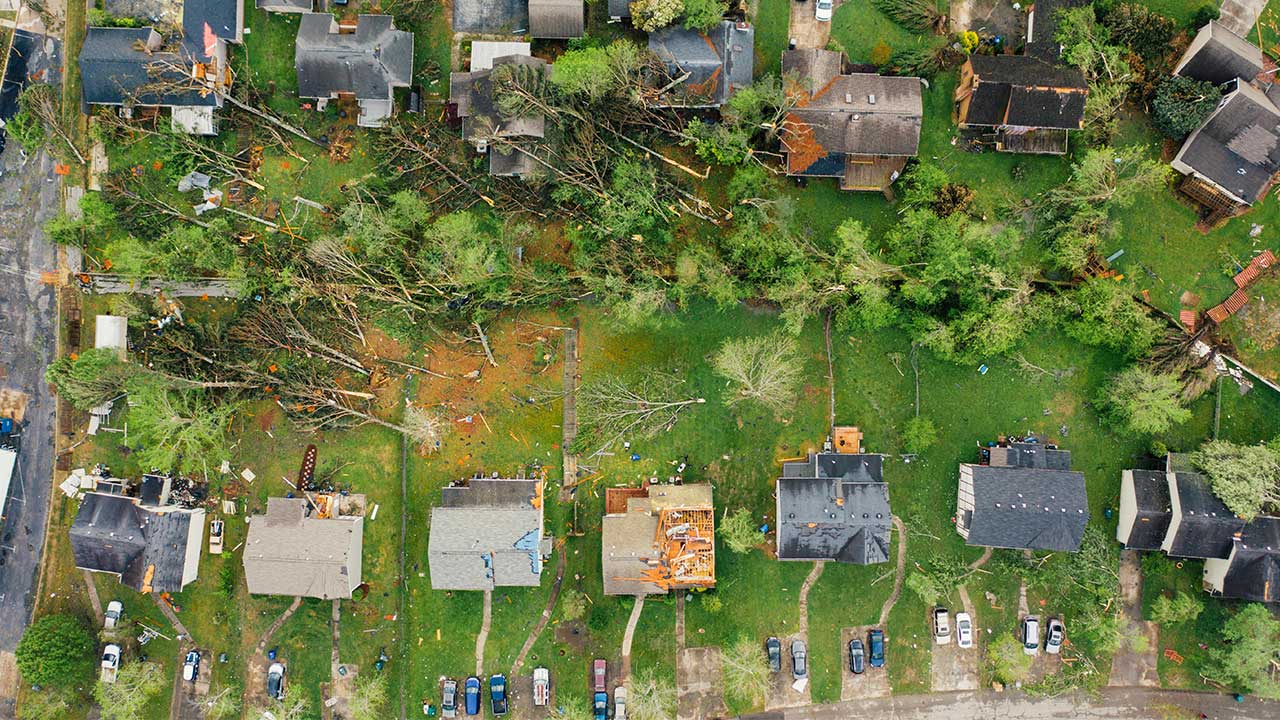
Storms generate three primary damage categories that require different assessment and repair approaches. Wind damage accounts for 40% of storm-related incidents, while hail damage represents 35%, and water damage comprises 20% of cases.
Each damage type produces distinct visual indicators and repair urgency levels. Understanding these differences helps homeowners prioritize emergency roof repair in Illinois decisions during the critical first 48 hours.
How Do Hail, Wind, and Water Damage Differ?
Hail impact creates circular bruising patterns on asphalt shingles and removes protective granules. Wind damage manifests as lifted, creased, or completely missing shingles that expose underlayment.
Water damage occurs when compromised areas allow moisture penetration into decking and interior structures. Secondary water damage from delayed response often exceeds the cost of initial storm damage repairs.
What Are the Signs of Emergency Vs. Non-Emergency Roof Damage?
Emergency damage includes active leaks, missing shingle sections, and exposed structural components requiring same-day response. Emergency repairs typically cost $500-$3,000, depending on damage extent and accessibility.
Non-emergency damage involves minor granule loss, isolated shingle displacement, and age-related deterioration without active water intrusion. These repairs range from $380-$1,500 and can be scheduled during normal business hours.
How Does Hail Size Affect Roof Damage Severity?
Hail measuring 1 inch (quarter-size) represents the critical threshold for significant damage to standard asphalt shingles. A professional emergency roof inspection becomes necessary at this size to document potential insurance claims.
A golf ball hail at 1.75 inches causes severe cracking and puncturing that typically requires section replacement. Tennis balls that are 2.5 inches or larger create catastrophic damage, demanding immediate emergency tarping within 24 hours.
How Should Homeowners Assess Roof Damage Safely?
Safe damage assessment begins from ground level using binoculars to identify missing shingles and visible structural exposure. Never access damaged roofing during active storms or when conditions remain unsafe.
Professional contractors provide comprehensive photo documentation that captures damage details invisible from ground observations. Roof inspection checklist in Illinois protocols ensure thorough evaluation without homeowner safety risks.
When and How to Perform Initial Visual Inspections
Visual inspections should occur only after weather conditions stabilize and no immediate safety hazards exist. Ground-level observations focus on missing shingles, sagging areas, and debris accumulation in valleys.
Interior inspections check attic spaces for water stains, light penetration, and moisture accumulation. These combined observations help determine whether an emergency or scheduled professional assessment is required.
What Tools and Documentation Are Needed for an Accurate Assessment?
Professional contractors utilize high-resolution cameras, moisture meters, and specialized hail damage assessment tools. Digital documentation creates detailed records for Illinois insurance claims for roof damage processing.
Homeowners should photograph visible damage from multiple angles and document storm dates and times. These initial records supplement professional assessments and establish damage timelines for insurance adjusters.
When to Contact a Professional for Damage Evaluation
Contact roofing professionals immediately when active leaks, missing shingle sections, or visible structural exposure occur. Emergency response within the first 48 hours prevents secondary damage that multiplies repair costs.
Non-emergency damage warrants professional evaluation within one week to assess cumulative effects. Delayed professional assessment risks voiding insurance coverage and allows minor damage to escalate.
What Immediate Steps Should Be Taken in the First 48 Hours?
In the first 48 hours, roof repair decisions determine long-term damage extent and total restoration costs. Emergency tarping deployed within 24 hours provides temporary protection for up to 90 days while permanent repairs are scheduled.
Storm damage response protocols prioritize immediate water intrusion prevention over permanent repairs. This approach minimizes secondary interior damage while insurance claims processing and contractor scheduling proceed.
How to Mitigate Further Damage with Emergency Tarping
Emergency tarping creates weatherproof barriers over compromised roof sections using reinforced polyethylene secured with lumber battens. Professional installation ensures proper overlap, secure fastening, and drainage channel preservation.
Tarping provides temporary protection with a 90-day maximum duration before replacement becomes necessary. Professional emergency services deploy within 24 hours to prevent interior water damage that often exceeds original roof repair costs.
What Safety Precautions Are Important During Emergency Response?
Never attempt roof access during wet conditions, high winds, or when structural integrity remains uncertain. Professional contractors use fall protection equipment, proper ladder techniques, and safety protocols that homeowners lack.
Interior safety includes moving furniture and valuables away from active leak areas and containing water. Electrical hazards increase when water infiltrates ceiling fixtures and wall-mounted components.
How to Communicate Effectively with Roofing Contractors and Insurance
Clear communication begins with detailed damage descriptions, including location, size, and severity observations. Millennials prefer text and email updates, while Baby Boomers value phone communication, with 67% stating that communication quality determines contractor selection.
Document all contractor conversations, including quoted prices, service timelines, and warranty terms. This documentation supports insurance claims processing and ensures mutual understanding of scope and expectations.
How Do Insurance Claims Impact the Repair Process?
Insurance claims processing directly affects repair timing, approved materials, and out-of-pocket costs for storm damage. Understanding the claims process before contractor selection prevents disputes and ensures maximum coverage utilization.
Specialized documentation requirements and adjuster inspection protocols add 2-4 weeks to repair timelines. Coordinating contractor availability with insurance approval schedules optimizes the first 48 hours of roof repair efficiency.
What Documentation Is Required for Filing a Claim?
Insurance carriers require photographs showing the extent of damage, storm date verification, and professional damage assessments. Specialized hail damage assessment protocols identify impact locations, granule loss patterns, and shingle integrity compromise.
Professional contractors familiar with insurance documentation standards streamline claims processing. Complete documentation packages submitted within 48 hours accelerate adjuster scheduling and approval timelines.
How to Navigate Insurance Adjuster Inspections and Damage Disputes
Insurance adjusters assess damage using industry-standard evaluation criteria that may differ from contractor recommendations. Homeowners benefit when contractors attend adjuster inspections to discuss technical damage details.
Disputes arise when adjusters identify pre-existing damage or attribute damage to normal wear. Professional contractors provide comparative analysis showing storm-related versus age-related deterioration patterns.
What Are Common Pitfalls in Storm Damage Claims?
Delayed claim filing beyond policy deadlines represents the most common pitfall resulting in coverage denial. Most policies require notification within 30-60 days of storm occurrence, regardless of damage discovery timing.
Inadequate damage documentation leads to partial claim approvals covering only visible damage. Secondary issues discovered during repairs may not qualify for additional coverage without proper initial documentation.
What Roofing Materials and Repairs Are Recommended for Yorkville, IL?
Yorkville, IL, roofing material selection balances upfront costs against long-term durability in high-storm activity areas. Illinois experiences 37 major hailstorms per decade, making impact-resistant materials a strategic investment.
The best roofing materials for Illinois weather include Class 4 impact-resistant asphalt shingles, metal roofing, and specialized tile products. Material selection affects repair costs, insurance premiums, and expected replacement intervals.
Which Materials Offer the Best Impact Resistance Against Hail?
Class 4 impact-resistant materials provide enhanced hail protection through reinforced construction and specialized granule adhesion. These materials withstand impacts from 2-inch steel balls dropped from 20 feet during UL 2218 testing.
Metal roofing achieves Class 3-4 hail ratings with 40-60+ year lifespans that outlast standard asphalt by decades. Installation costs run 2-3 times higher than asphalt but eliminate replacement cycles that standard materials require.
How to Choose Between Repair, Partial Replacement, or Full Replacement
Damage extent, roof age, and insurance coverage determine optimal repair strategies. Isolated damage affecting less than 30% of the total area typically qualifies for section replacement when the roof age remains under 15 years.
Full replacement becomes cost-effective when damage exceeds 40% of the surface area or the roof age surpasses 20 years. Preparing your premium roof for the Illinois fall storm season through preventative maintenance extends viable repair windows.
What Are the Cost Ranges and Service Options for Different Repairs?
Budget tier repairs ($380-$1,500) address minor shingle replacement and small leak patches for localized damage. Mid-range services ($1,500-$5,000) include moderate tarping, flashing repairs, and partial section replacement.
Premium repairs ($5,000-$25,000+) involve full roof replacement, structural repair, and impact-resistant material upgrades. Asphalt shingle replacement costs range from $5,900-$12,900 while tile roofing exceeds $20,000 with a 50+ year lifespan.
How Does Local Weather Influence Roof Damage and Repair Needs?
Local weather patterns directly determine roof material performance and expected replacement intervals. Illinois ranks 15th nationally in annual property damage per capita at $93.49 per 100 residents from storm events.
Seasonal storm patterns affect contractor availability, material costs, and optimal repair timing. Hail, wind, and your premium roof considerations guide preventative investment decisions for high-risk areas.
What Seasonal Storm Patterns Affect Yorkville and the Fox Valley?
Spring months from April through May represent peak hailstorm season with concentrated severe weather events. Summer continues with elevated storm activity through August, with combined hail and wind damage incidents.
Fall and winter shift toward wind damage from late-season storms and ice dam formation. Yorkville and Fox Valley experience consistent year-round storm exposure requiring comprehensive material selection.
How Does Illinois' Hail Frequency Affect Roof Lifespan?
Illinois recorded 37 major hailstorms between 2012 and 2021, with total documented damage reaching $118.5 million. This frequency reduces the average asphalt shingle lifespan to 15 years compared to 22 years in western states.
Cumulative granule loss from smaller hail impacts accelerates deterioration even without visible punctures. Regular professional inspections identify progressive damage before warranty coverage expires.
What Preventative Measures Help Reduce Future Storm Damage?
Class 4 impact-resistant material installation provides primary prevention against future hail damage. These upgrades often qualify for insurance premium reductions averaging 15-30% in high-risk areas.
Regular professional maintenance identifies vulnerable flashing, seal deterioration, and fastener failure before storms expose weaknesses. Preventative measures cost significantly less than emergency repairs following storm events.
What Factors Should Influence Contractor Selection and Repair Timing?
Contractor experience ranks as the chief concern for 51% of homeowners selecting roofing professionals. Price transparency through online pricing attracts 78% of consumers researching repair options.
Demographic preferences vary significantly, with 85% of Millennials and 78% of Generation X preferring contractors providing online pricing. How to choose the best roofing contractor for your Illinois roof replacement requires balancing experience, communication quality, and verified credentials.
How Do Consumer Preferences Vary by Demographics in Yorkville?
Millennials represent 16% of the roofing market and prioritize digital communication, with 40% using social media for contractor research. Generation X comprises 40% of the market and compares 3-4 estimates before selection.
Baby Boomers account for 43% of the market and prefer phone communication at 60%, despite 74% appreciating online pricing availability. Urban homeowners prioritize low-maintenance materials while rural property owners emphasize severe weather durability.
Why Are Experience, Reputation, and Price Transparency Crucial?
Contractor experience determines proper damage assessment, insurance documentation quality, and repair technique selection. Reputation indicators, including BBB ratings and manufacturer certifications, verify technical competency.
Price transparency eliminates surprise costs and enables accurate budget planning during stressful post-storm periods. Clear pricing structures demonstrate contractor confidence and reduce homeowner anxiety about potential overcharges.
What Are the Best Practices for Scheduling Emergency vs. Non-Emergency Repairs?
Emergency repairs require a same-day or next-day response to prevent escalating damage and maintain insurance coverage. Professional contractors maintain 24/7 availability during peak storm seasons for critical response needs.
Non-emergency repairs benefit from scheduled appointments, allowing comprehensive material selection and insurance processing. Seasonal timing affects costs, with spring and summer commanding premium rates during peak demand periods.
Roof Damage After a Storm in Yorkville, IL: Coordinating Assessment, Mitigation, and Repairs Within 48 Hours
Coordinating assessment, mitigation, and repair activities within 48 hours requires systematic decision-making and professional guidance. Emergency tarping, professional documentation, and strategic contractor selection form the foundation of effective storm damage response.
Material selection balances immediate repair needs against long-term durability requirements in high storm frequency areas. Homeowners who act decisively during the critical first hours minimize total damage costs and preserve property value.
Successful storm damage response combines immediate protective measures with comprehensive long-term planning. Advanced Roofing Inc. provides experienced guidance through emergency response, insurance coordination, and permanent repair implementation for Yorkville homeowners.
The difference between minor repairs and extensive reconstruction often depends on actions taken during the first 48 hours. Professional expertise, transparent communication, and quality materials ensure optimal outcomes when storm damage strikes.
Act Within 48 Hours - Advanced Roofing Inc. Is Ready
Storm damage compounds fast. Every hour without professional assessment increases the risk of water infiltration, structural deterioration, and insurance complications. Advanced Roofing Inc. has served Yorkville and the Fox Valley area for over 30 years as a GAF Master Elite® Contractor and CertainTeed ShingleMaster™ — two of the most rigorous certifications in the roofing industry.Our team responds to storm damage with same-day emergency inspections, complete photo documentation for insurance claims, and professional tarping when immediate protection is needed. We work directly with insurance adjusters, so you don't have to navigate that process alone. Contact Advanced Roofing Inc. or request your free storm damage inspection online. The first 48 hours matter — let's make them count.