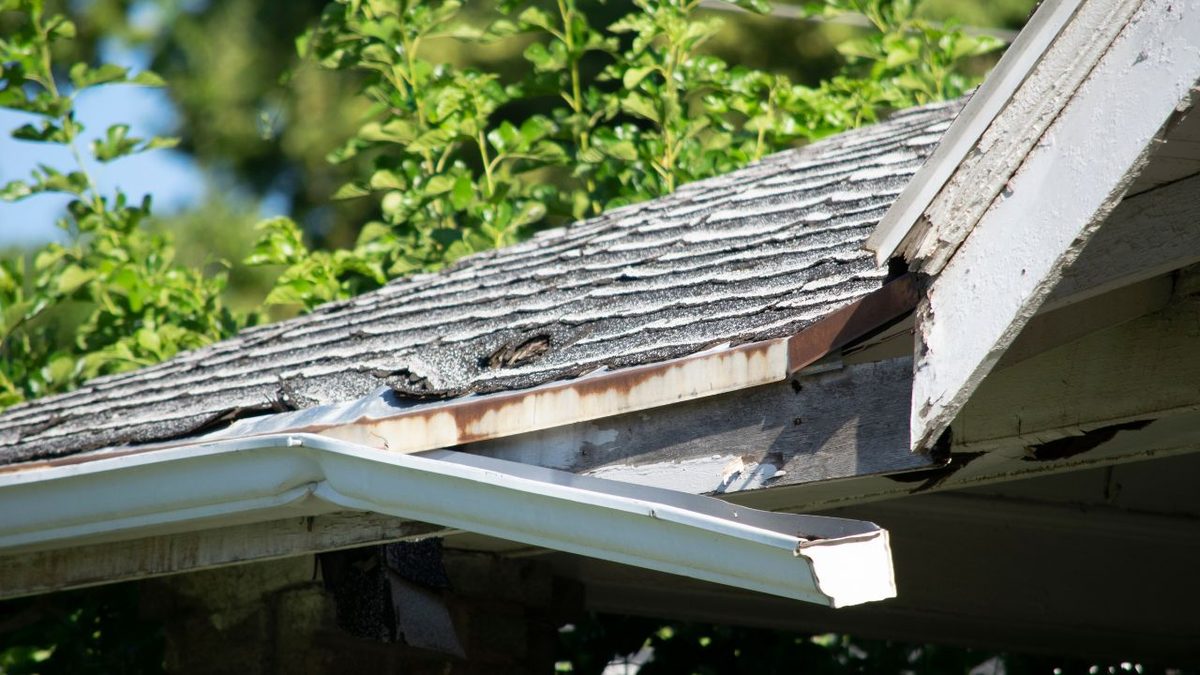
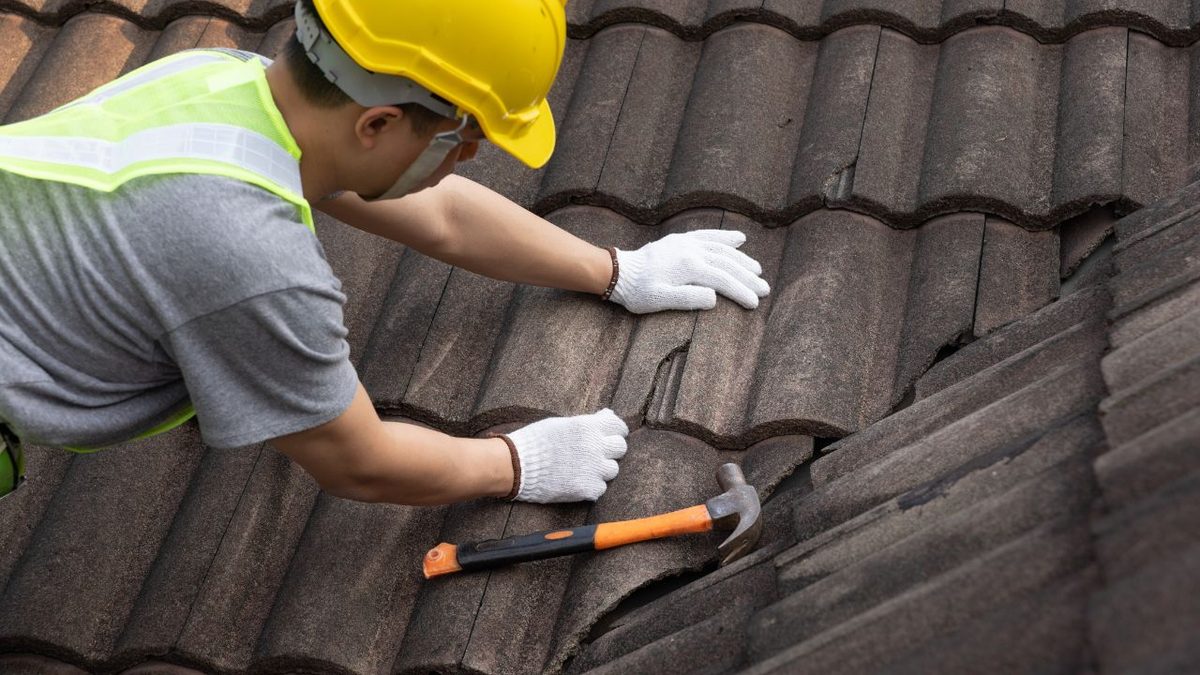
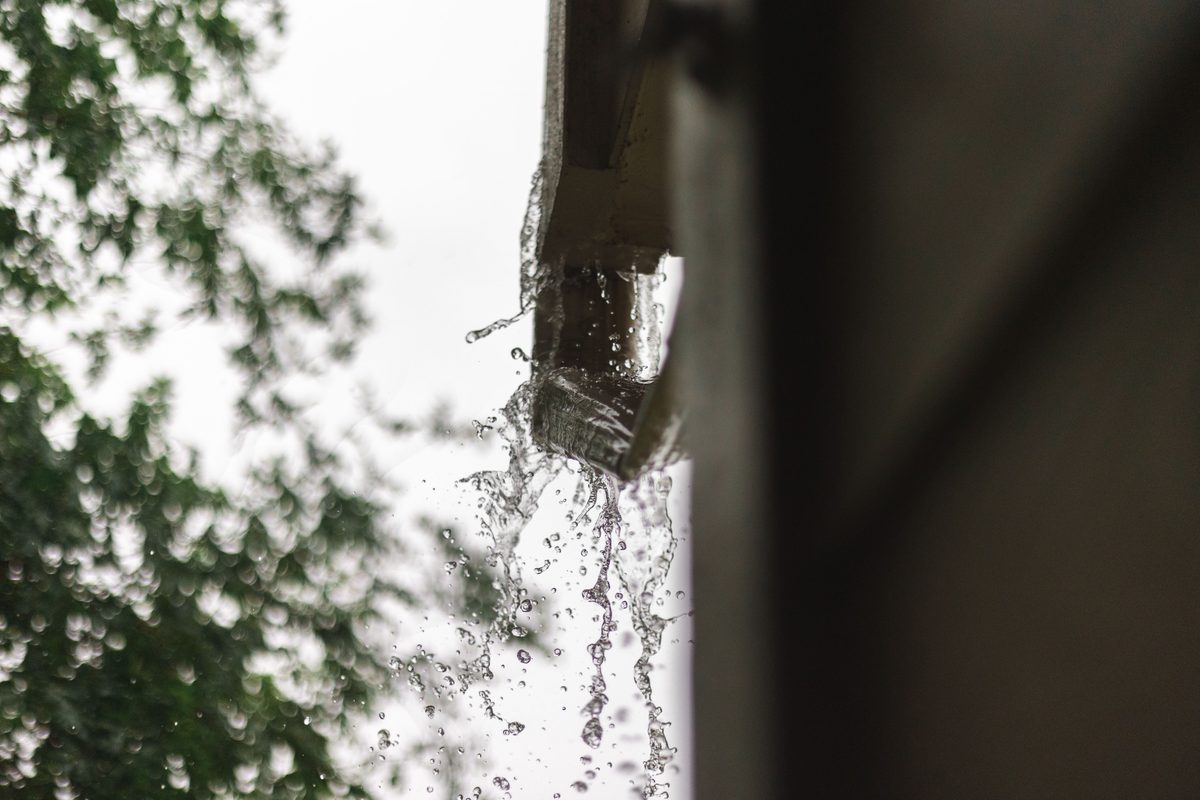
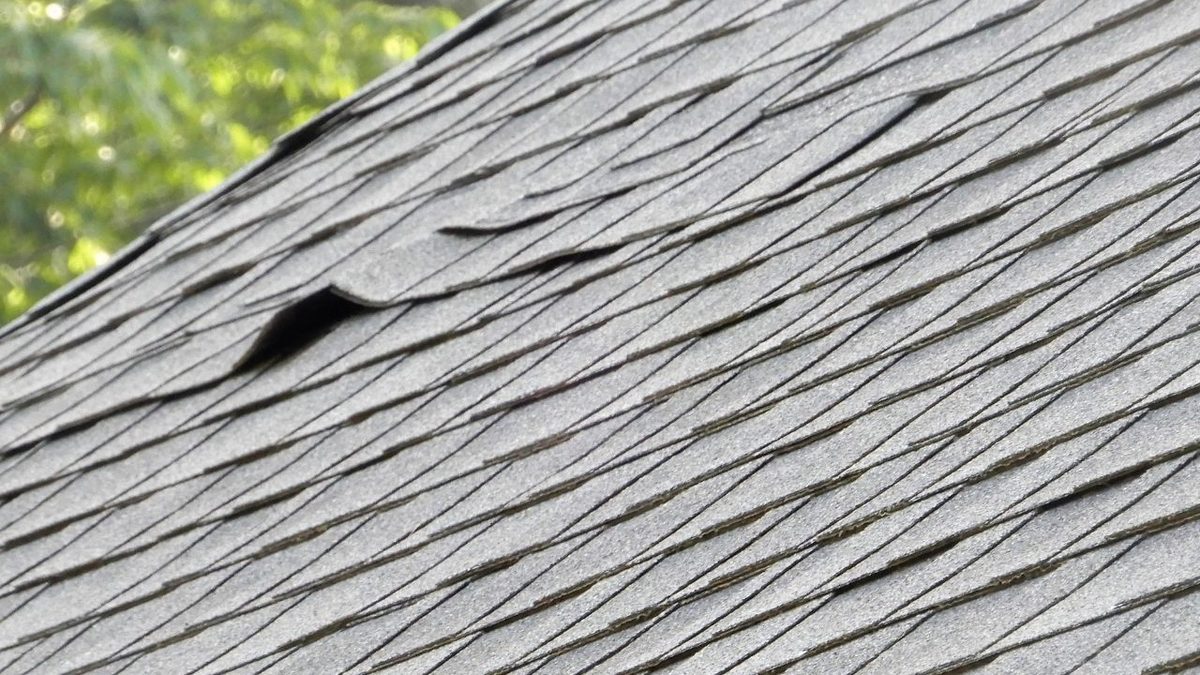
Severe weather events in Oswego and Aurora create immediate and long-term threats to residential roof systems. Homeowners in these Illinois communities face recurring exposure to damaging winds, hailstorms, and freeze-thaw cycles that compromise structural integrity. Understanding Oswego Aurora roof damage patterns and securing rapid, advanced roofing response services protects property value and family safety.
Storm damage repairs require specialized diagnostic skills and prompt intervention to prevent escalating costs. Illinois roof services must address visible destruction alongside hidden structural weaknesses that emerge weeks or months after weather events. Professional assessment distinguishes cosmetic wear from critical failures requiring complete replacement, ensuring informed post‑storm repair decisions.
Key Takeaways
- High-velocity winds above 70 mph can break shingle adhesive seals without visible damage, allowing water infiltration.
- DuPage County experienced over 40 significant hail events between 2015 and 2025, making impact-resistant materials essential.
- Secondary water damage accounts for up to 40% of total repair costs when emergency tarping is delayed.
- Class 4 impact-resistant shingles offer 10-25% annual insurance premium discounts and extended roof lifespans.
- Professional documentation and contractor presence during insurance adjustments ensure comprehensive repair coverage.
What Are the Common Types of Storm Damage to Roofs in Oswego and Aurora?
Storm damage manifests through distinct mechanisms varying by weather type and roof age. Wind, hail, and freeze-thaw cycles create specific failure patterns requiring different repair approaches. Recognizing these damage types allows homeowners to communicate effectively with contractors and insurance adjusters.
How Do High Winds Cause Roof Damage?
High-velocity winds exceeding 70 mph break the adhesive seal between shingles without blowing them completely off. This wind uplift damage remains invisible from ground level but allows wind-driven rain to penetrate the underlying decking. The compromised seal creates entry points for moisture that accelerates wood rot and interior water damage.
Hail and wind preparation strategies help homeowners understand vulnerability patterns before severe weather strikes. Professional inspections after major wind events identify lifted shingles that appear intact but have lost waterproofing function. Early detection prevents thousands of secondary structural repairs when the next rainstorm exposes these weaknesses.
What Are the Signs of Hail Damage on Roofs?
Hail damage appears as bruising or soft spots where impacts fracture the fiberglass mat beneath asphalt shingles. DuPage County experienced over 40 significant hail events between 2015 and 2025, making this the most persistent threat. The historic March 2026 storm dropped hailstones up to 4.8 inches in diameter in nearby Darien.
Naperville and Downers Grove sit in Illinois's most hail-impacted county, requiring vigilant post-storm inspections. Bruised shingles fail prematurely, developing leaks months after impact when thermal expansion further weakens damaged areas. Dents in gutters, siding, or air conditioning units indicate roof damage even when shingles appear superficially intact.
How Does Freeze-Thaw Weather Affect Roof Integrity?
Freeze-thaw damage occurs when moisture enters small cracks, freezes overnight, expands, and breaks bonds between shingles and sealants. Illinois roofs endure severe freeze-thaw cycles during winter when temperatures oscillate across the freezing threshold. Each cycle incrementally widens existing vulnerabilities, creating pathways for spring rainfall to penetrate protective barriers.
This cumulative damage accelerates aging in standard asphalt materials not designed for extreme temperature variation. Pre-replacement inspection protocols identify freeze-thaw compromised sections before catastrophic failure. March and April inspections detect winter damage while contractor schedules remain manageable, avoiding peak-season delays.
Why Is Storm-Responsive Roof Repair Essential in Illinois?
Storm-responsive repair prevents minor damage from escalating into structural failures requiring complete roof replacement. Illinois weather patterns create narrow windows between damaging events, leaving little margin for delayed action. Immediate professional assessment protects both short-term functionality and long-term roof lifespan.
What Are the Risks of Delaying Emergency Tarps and Repairs?
Secondary water damage accounts for up to 40% of total repair costs when emergency protection is delayed. A minor shingle vulnerability can necessitate a $15,000 full replacement when exposed to major spring thunderstorms. Water infiltration spreads beyond the initial damage point, saturating insulation, rotting decking, and creating mold growth in attic spaces.
Emergency tarping within 24 hours prevents this compounding destruction until permanent repairs can be scheduled. Professional contractors secure tarps according to wind load specifications, avoiding additional damage from improper installation. Damaged shingles require immediate attention to maintain the roof system's integrated weatherproofing function.
How Does Wind Uplift Damage Impact Roof Longevity?
Wind uplift damage reduces expected roof lifespan by 30-50% when adhesive seal failures remain unaddressed. Broken seals allow individual shingles to flutter during subsequent wind events, progressively loosening fasteners and expanding damage zones. Each wind cycle after initial damage accelerates deterioration across adjacent shingles.
The compromised structural integrity prevents the roof from functioning as a unified weather barrier. Professional wind damage assessment includes chalk-line testing to identify seal failures invisible during visual inspection. Addressing uplift damage within weeks preserves the remaining functional portions of the roof system.
What Role Does Insurance Play in Storm Damage Repairs?
Severe convective storms caused $54 billion in insured losses nationally in 2024, making coverage critical for homeowners. Insurance policies typically cover sudden weather-related damage when properly documented and reported within policy timeframes. Coverage extends to hidden damage like wind uplift and shingle bruising, not just obvious destruction.
Illinois insurance claims for roof damage require comprehensive documentation, including pre-storm condition records and post-damage photographic evidence. Contractors experienced in insurance restoration provide detailed reports correlating visible damage to covered weather events. Claims filed within 72 hours receive faster processing and higher approval rates.
How Does Advanced Roofing Inc. Diagnose Roof Damage After a Storm?
Professional diagnosis combines visual inspection, physical testing, and moisture detection to identify all damage types. Advanced contractors assess both immediate failures and latent vulnerabilities that will worsen over time. Comprehensive evaluation ensures repair scopes address root causes rather than superficial symptoms.
What Are the Key Steps in a Comprehensive Roof Inspection?
Spring inspections must check for lifted shingles, granule loss in gutters, compromised flashing, and attic moisture accumulation. Technicians walk the entire roof surface, testing adhesive bonds and examining each penetration point. Thermal imaging reveals moisture trapped in decking or insulation, indicating active leak pathways.
Gutter inspection provides critical evidence of granule loss, indicating weathered or hail-damaged shingles nearing the end of service life. Flashing around chimneys, vents, and valleys receives particular scrutiny as these transition points concentrate water flow and experience accelerated wear. Top-rated roofing systems undergo these rigorous inspections to verify installation quality and material performance.
How Are Hidden Damages Like Shingle Bruising Identified?
Shingle bruising requires hands-on assessment, pressing individual shingles to detect soft spots where hail fractured internal fiberglass mats. Visual inspection alone misses this critical damage type that appears only as subtle dimpling. Professional inspectors systematically test high-impact zones like roof peaks and southwest-facing slopes where hail strikes most directly.
Granule displacement patterns indicate impact severity even when bruising isn't immediately apparent. Advanced contractors photograph damage with reference objects demonstrating size and document GPS coordinates for insurance claim precision. This methodical approach distinguishes aging wear from acute storm damage, ensuring appropriate claim categorization.
What Documentation Is Needed for Insurance Claims?
Homeowners must document everything and take photos before and after temporary repairs to maintain claim eligibility. Photographic evidence should include wide shots establishing damage location and close-ups showing specific failures. Date-stamped images from multiple angles prevent claim disputes about pre-existing conditions versus storm-related destruction.
Written estimates from licensed contractors provide professional validation of damage extent and necessary repair scope. Homeowners should ensure their contractor is present when the insurance adjuster inspects the property to advocate for comprehensive repair coverage. Adjusters may miss subtle structural damage without contractor expertise, highlighting critical failures.
What Repair and Replacement Options Are Recommended for Storm-Damaged Roofs?
Material selection following storm damage determines future vulnerability to recurring Illinois weather patterns. Homeowners replacing damaged roofs should evaluate upgrade options that reduce long-term repair frequency. Premium materials provide superior protection and insurance benefits, offsetting the higher initial investment.
When Should Impact-Resistant Shingles Be Used?
Class 4 impact-resistant shingles withstand impacts from hail up to 2 inches in diameter without cracking or bruising. These specialized shingles cost 10-30% more than standard asphalt but extend roof lifespan to 20-30 years. Class 4 materials currently hold approximately 15% market share, growing 8-12% annually in the Midwest.
Impact-resistant shingles qualify for 10-25% annual insurance premium discounts that recover the cost premium within 5-8 years. Homeowners in DuPage County and surrounding hail-prone areas should consider these materials standard rather than optional upgrades. The initial investment prevents recurring replacement costs when the next severe hail event damages standard asphalt shingles.
What Benefits Does Metal Roofing Offer in Storm-Prone Areas?
Standing seam metal roofing uses interlocking metal panels that conceal fasteners, eliminating the primary wind uplift failure point. Metal roofing lifespan extends 40-70 years compared to asphalt's 15-25 years, often outlasting the homeowner's residency. This premium option commands 12-15% market share with steady 8-10% annual growth in storm-prone regions.
Metal roofing qualifies for 5-15% insurance discounts based on superior wind and fire resistance ratings. Return on investment reaches 54-65% compared to architectural shingles at 68-75% and standard asphalt at 62-70%. Homeowners planning long-term residence should evaluate metal roofing's lifecycle cost advantages despite higher upfront installation expenses.
When Are Standard or Architectural Asphalt Shingles Suitable?
Standard and architectural asphalt shingles maintain approximately 65% combined market share due to affordability and aesthetic versatility. These materials suit homeowners with near-term sale plans or strict budget constraints precluding premium options. Architectural shingles provide enhanced wind resistance and dimensional appearance at a moderate cost increase over standard three-tab designs.
Budget-conscious homeowners should still prioritize proper installation techniques and adequate ventilation to maximize asphalt shingle lifespan. Quality installation frequently matters more than material grade in determining actual service life and weather resistance. Contractors maintaining manufacturer certifications demonstrate installation expertise, protecting warranty coverage and performance guarantees.
How Does Advanced Roofing Inc. Facilitate the Insurance Claims Process?
Professional contractors streamline insurance claims through systematic documentation, adjuster communication, and scope negotiation. Experienced restoration companies understand coverage nuances and common claim denial triggers. Their involvement increases claim approval rates and ensures comprehensive damage coverage rather than minimal repair authorizations.
What Should Homeowners Document Before and After Repairs?
Homeowners must photograph all damage from multiple angles before contractors perform even temporary stabilization work. Documentation should include roof damage, interior water stains, damaged personal property, and exterior indicators like gutter dents. Timestamped images establish a damage timeline critical for correlating destruction to specific weather events.
Post-repair documentation proves completion quality and provides baseline records for future claim comparison if additional damage occurs. Homeowners should retain all contractor invoices, material receipts, and correspondence with insurance representatives. Emergency roof protection planning includes establishing documentation protocols before storms strike to ensure nothing is overlooked during crisis response.
How Does the Contractor Support the Insurance Adjuster Inspection?
Contractors present during adjuster inspections identify damage that untrained adjusters might overlook or categorize as pre-existing wear. Professional roofers articulate the technical distinction between aging deterioration and acute storm damage affecting claim eligibility. Their expertise ensures adjustment scopes include necessary repairs beyond obvious surface destruction.
Experienced contractors provide detailed estimates aligning with insurance industry pricing databases while reflecting local labor costs. They negotiate with adjusters when initial damage assessments undervalue necessary repairs or exclude hidden structural failures. Summer storm aftermath procedures demonstrate proper post-event inspection protocols that insurance companies recognize as industry standard.
What Are Typical Cost Ranges for Storm Damage Repairs in the Area?
Average storm damage repair costs reach $12,364, ranging from $2,655 for minor patch work to $22,127 for extensive replacement. Urban labor costs run $60-$100+ per hour compared to suburban $40-$70 and rural $30-$50 rates. Geographic location within the Chicagoland market significantly impacts total project costs beyond pure material expenses.
Repair scope depends on damage extent, roof age, and material compatibility for partial replacement versus full tear-off. Insurance deductibles typically range from $1,000 to $2,500, requiring a homeowner's out-of-pocket contribution regardless of total claim value. Homeowners should obtain multiple estimates to verify pricing reasonableness while prioritizing contractor expertise over the lowest bid.
How Can Homeowners in Oswego and Aurora Prepare Their Roofs for Future Storms?
Proactive maintenance dramatically reduces storm damage severity and accelerates post-event recovery when destruction does occur. Oswego and Aurora homeowners face predictable seasonal weather patterns, allowing strategic preparation timing. Preventive investment costs substantially less than emergency repairs following catastrophic failures.
What Pre-Season Maintenance Practices Are Most Effective?
March and April represent ideal windows for pre-season maintenance before spring storm activity intensifies. Professional inspections identify winter freeze-thaw damage, loose flashing, and deteriorated sealants requiring attention before heavy rains. Gutter cleaning removes ice dam debris and ensures proper drainage when thunderstorms deliver intense rainfall.
Contractors should verify proper attic ventilation, preventing moisture accumulation that weakens decking and promotes mold growth. Tree trimming eliminates branches that could impact the roof during high winds or deposit debris blocking drainage pathways. These modest investments prevent major damage during the severe weather season, extending from May through September.
How Do Preventive Maintenance Programs Extend Roof Lifespan?
Preventive maintenance programs remain adopted by only 10-15% of homeowners despite proven lifespan extension benefits. Quarterly inspections catch minor issues before they escalate into structural failures requiring costly emergency interventions. Regular maintenance extends roof life 5-10 years beyond typical service expectations through early deterioration detection.
Annual programs typically cost $500-$1,500 and include inspection, minor repairs, sealant reapplication, and priority emergency service. Contractors maintain detailed service records documenting roof condition over time, invaluable evidence for insurance claims and home sales. Program participants receive preferential scheduling during peak demand when non-enrolled homeowners face extended wait times.
When Is the Best Time to Schedule Roof Inspections in Illinois?
Homeowners should book inspections 4-6 weeks in advance, as contractor schedules fill rapidly by May. Early spring appointments allow adequate time for repairs before the severe weather season begins. Fall inspections between September and November assess summer storm damage and prepare roofs for winter freeze-thaw cycles.
Post-storm inspections should occur within 72 hours of severe weather events, regardless of obvious visible damage. Winter emergency roof repairs require specialized techniques and materials, making prevention through fall maintenance particularly valuable. Bi-annual inspection schedules provide comprehensive year-round protection aligned with Illinois's distinct weather challenges.
What Makes Advanced Roofing Inc. the Trusted Choice for Storm Damage Response?
Advanced Roofing Inc. combines 30+ years of Chicagoland experience with elite manufacturer certifications and proven emergency response protocols. The company maintains GAF Master Elite and CertainTeed ShingleMaster credentials, placing them in the top 2% of North American contractors. This expertise translates to superior damage assessment, efficient repairs, and maximized insurance claim outcomes.
What Is Their Emergency Response Protocol?
Advanced Roofing Inc. maintains a critical 3-minute callback window for emergency repair service requests received during business hours. Emergency tarping crews deploy within hours to secure properties and prevent secondary water damage escalation. The company stocks emergency materials enabling immediate response without supply chain delays that extend property exposure.
24/7 emergency availability ensures homeowners receive assistance regardless of when storm damage occurs or is discovered. Rapid response teams assess damage severity, implement temporary protection, and develop comprehensive repair plans documented for insurance submission. This systematic approach minimizes property damage while establishing clear restoration timelines and cost expectations.
How Do They Ensure Quality and Longevity in Repairs?
Advanced Roofing Inc. employs only manufacturer-certified installers trained in current best practices and material specifications. All repairs include comprehensive warranties covering both materials and workmanship to protect homeowner investments. Quality control inspections verify work completion before final payment, ensuring every repair meets company standards.
The company's 30+ years of serving Oswego, Aurora, and surrounding communities demonstrate a sustained commitment to quality over volume. Family-owned operation emphasizes relationship-building and reputation protection rather than transactional customer interactions. BBB A+ accreditation and recognition as Fox Valley's top roofing company reflect consistent service excellence.
What Sets Their Customer Service and Insurance Assistance Apart?
Advanced Roofing Inc. assigns dedicated project managers who maintain transparent communication throughout the repair process. Homeowners receive detailed explanations of damage findings, repair options, and cost implications without pressure tactics. The company's honest assessment approach sometimes recommends targeted repairs over complete replacement when appropriate.
Insurance claim support includes comprehensive damage documentation, adjuster meeting attendance, and scope negotiation to maximize coverage. Experienced staff understand policy language and common exclusions, helping homeowners navigate complex claim requirements. This advocacy ensures homeowners receive full-entitled benefits rather than minimal settlements that leave restoration costs unfunded.
Advanced Roofing Inc.'s Strategic Approach to Roof Damage in Oswego and Aurora, IL
Storm damage in Oswego and Aurora demands immediate professional response followed by strategic material selection for long-term protection. Advanced Roofing Inc. provides comprehensive assessment, emergency stabilization, insurance advocacy, and premium repair solutions tailored to Illinois weather challenges. Their systematic approach addresses both immediate damage and underlying vulnerabilities threatening future performance.
Homeowners benefit from Advanced Roofing Inc.'s decades of local experience, understanding regional weather patterns and insurance claim processes. The company's manufacturer certifications and quality guarantees provide confidence that repairs will withstand the next severe weather event. Proactive partnership with trusted contractors transforms storm damage from a crisis to a manageable maintenance event with minimized disruption.
Get Expert Storm Damage Help From Advanced Roofing Inc.
Storm damage in Oswego and Aurora moves fast. So does further deterioration. Advanced Roofing Inc. is ready to respond with same-day emergency tarping, professional damage assessments, and full insurance claim support — so you're not left managing the aftermath alone. With 30+ years of service in the Fox Valley area, GAF Master Elite® certification, and a BBB A+ rating, Advanced Roofing Inc. has the credentials and local knowledge to get your roof restored right.
For expert storm damage assessment and comprehensive restoration services, contact Advanced Roofing Inc. to protect your property investment and ensure complete recovery from weather-related roof failures. Their team provides professional storm damage insurance claim assistance that maximizes coverage and expedites your return to normal operations.