Regular roof inspections don’t just help catch obvious problems like missing shingles or clogged gutters. They provide early warning signs of hidden damage, ensure warranties remain valid, and create a clear record for insurance claims when storms hit. Skipping them, on the other hand, can turn small issues into costly repairs or even full replacements.
The key question for Illinois homeowners isn’t whether to inspect their roofs, but how often. The answer depends on factors like weather severity, roofing materials, and the age of the roof. This guide explains why inspections matter, how frequently they should be done, and what homeowners can expect throughout the process.
What is a Roof Inspection and Why Does it Matter in Illinois?
A roof inspection is a comprehensive evaluation of your roofing system performed by a qualified professional. The inspector examines every component of your roof to identify current problems and potential issues before they become costly repairs. In Illinois, where severe weather events are common, regular inspections serve as your first line of defense against expensive damage.
Professional roof inspections go far beyond a quick visual check. They provide detailed documentation for insurance claims, warranty compliance, and maintenance records. For Illinois homeowners facing extreme weather conditions, these inspections can mean the difference between minor repairs and major structural damage.
What Do Roof Inspectors Typically Check During An Inspection?
During a thorough inspection, certified professionals examine multiple critical areas of your roofing system. They assess winter damage from ice dams, snow loads, and freeze-thaw cycles that are particularly common in Illinois. Inspectors check for loose, cracked, or missing shingles, and carefully inspect flashing around chimneys, vents, and skylights where most leaks originate.
The inspection process includes clearing debris from gutters and downspouts, examining the attic for signs of moisture intrusion, and verifying proper ventilation system function. Professionals also evaluate thermal expansion effects on roofing materials and check for UV radiation damage to shingles and sealants. They examine HVAC equipment and mounting systems, and assess tree branch proximity and potential hazards that could cause future damage.
How Does Illinois Weather Make Inspections More Important?
Illinois weather creates unique challenges that make regular roof inspections essential for property protection. The state ranks 8th in the United States for hail property damage, with annual losses reaching $118.5 million statewide. This translates to a per capita impact of $93.49 annual damage per 100 residents, ranking Illinois 15th highest nationally for hail-related property damage.
The frequency and severity of Illinois storms underscore the importance of proactive inspections. The state experiences an average of 3.7 significant hailstorms per year based on 2012-2021 data, with peak damage occurring during spring and early summer months. The May 2014 Douglas County hailstorm alone caused $100 million in statewide property damage, demonstrating how quickly severe weather can impact entire communities and create widespread roofing emergencies.
How Often Should Homeowners Inspect Their Roofs?
The frequency of roof inspections directly impacts your long-term repair costs and roof lifespan. Regular inspections allow you to catch minor issues before they become major problems, saving thousands of dollars in emergency repairs. The right inspection schedule depends on your roof's age, materials, and local weather conditions.
Data shows a clear correlation between inspection frequency and repair costs. Homeowners who skip regular inspections face average repair bills of $8,500 when problems are finally discovered. In contrast, those who follow structured inspection schedules see dramatically lower repair costs and extended roof life.
What Is The Recommended Inspection Frequency For Premium Roofs?
Professional inspection schedules offer measurable financial benefits based on frequency. Annual inspections cost $200-$500 but reduce average repair costs to $4,200, providing 50% savings compared to reactive-only maintenance. Bi-annual inspections performed in spring and fall cost $175-$350 and further reduce repair costs to $2,800, delivering 67% savings.
Seasonal inspections represent the most cost-effective approach for premium roofs. These quarterly inspections cost $150-$300 but reduce average repair costs to just $2,100, providing 75% savings compared to no regular maintenance. This frequency allows contractors to address weather-specific issues before they cause significant damage.
Should Inspections Happen More Often After Severe Storms?
Post-storm inspections are critical for protecting your investment and insurance coverage. These inspections cost $250-$600 but reduce average storm damage to just $1,500 through early detection and immediate repairs. Priority emergency service can reduce storm damage by an average of $3,000 per incident compared to delayed responses.
Professional storm damage documentation proves essential for insurance claims. Proper documentation supports 95% of insurance claims, while an immediate post-storm assessment is required for insurance claim validity. Many insurance companies require professional documentation within 48 hours of a weather event to honor claims.
Does Roof Age Or Material Type Affect Inspection Timelines?
Different roofing materials require specific maintenance schedules based on their expected lifespans and vulnerability factors. Galvanized steel flashing lasts approximately 15 years but requires monitoring after 10 years for early signs of deterioration. Aluminum flashing provides 20 years of service and should be replaced when approaching 75% of its expected lifespan.
Rubber and EPDM flashing materials last 25 years but need UV degradation monitoring throughout their service life due to sun exposure. Copper flashing offers the longest service life at 50+ years and requires minimal replacement under normal conditions. Understanding these material-specific timelines helps homeowners plan maintenance budgets and avoid unexpected failures.
When is the Best Time of Year to Inspect a Roof in Illinois?
Illinois weather patterns create distinct seasonal challenges that make timing crucial for effective roof inspections. Each season brings specific weather-related stress to roofing systems, from winter ice dams to summer heat expansion. Strategic timing of inspections allows homeowners to address seasonal damage promptly and prepare for upcoming weather challenges.
The most effective inspection strategy involves understanding how Illinois weather affects your roof throughout the year. Proper timing maximizes the value of professional inspections and ensures problems are caught before they worsen during extreme weather periods.
Why Are Spring And Fall The Most Common Seasons For Inspections?
Spring inspections from March to April serve as critical damage assessments after Illinois winters. These inspections focus on evaluating winter damage from ice dams and freeze-thaw cycles that can crack shingles and compromise flashing. Spring timing allows contractors to identify and repair winter damage before the severe weather season begins in late spring and early summer.
Fall inspections from September to October prepare roofs for winter conditions and address summer damage before it worsens. This timing allows professionals to clear gutters of leaves and organic debris that can cause ice dams during winter. Fall inspections also verify that ice dam prevention measures are properly installed and functioning before the heating season begins.
Should Winter Or Summer Inspections Ever Be Considered?
Summer inspections offer unique value by monitoring thermal expansion effects and UV radiation damage to shingles and sealants. These inspections ensure adequate attic ventilation to prevent heat buildup that can damage roofing materials from underneath. Summer timing allows contractors to identify heat-related problems while the weather conditions permit safe repairs.
Winter inspections focus on monitoring ice dam formation and checking attic insulation effectiveness during actual heating conditions. These inspections assess heating system venting and snow load stress on roof structure while problems are actively occurring. Winter inspections provide real-time evaluation of how your roof performs under actual winter conditions, though they require experienced contractors who can work safely in challenging weather.
What Problems Do Roof Inspections Commonly Detect?
Professional roof inspections excel at identifying problems that homeowners typically miss from ground-level observations. Many serious roofing issues develop gradually and remain hidden until they cause visible interior damage or structural problems. Early detection through regular inspections prevents minor issues from escalating into expensive emergency repairs.
The most costly roof problems often start as small, unnoticed issues that worsen over time. Water intrusion, flashing failures, and material degradation can cause thousands of dollars in structural damage before homeowners realize problems exist. Professional inspections catch these issues in their early stages when repairs remain affordable and manageable.
What Early Warning Signs Point To Hidden Roof Damage?
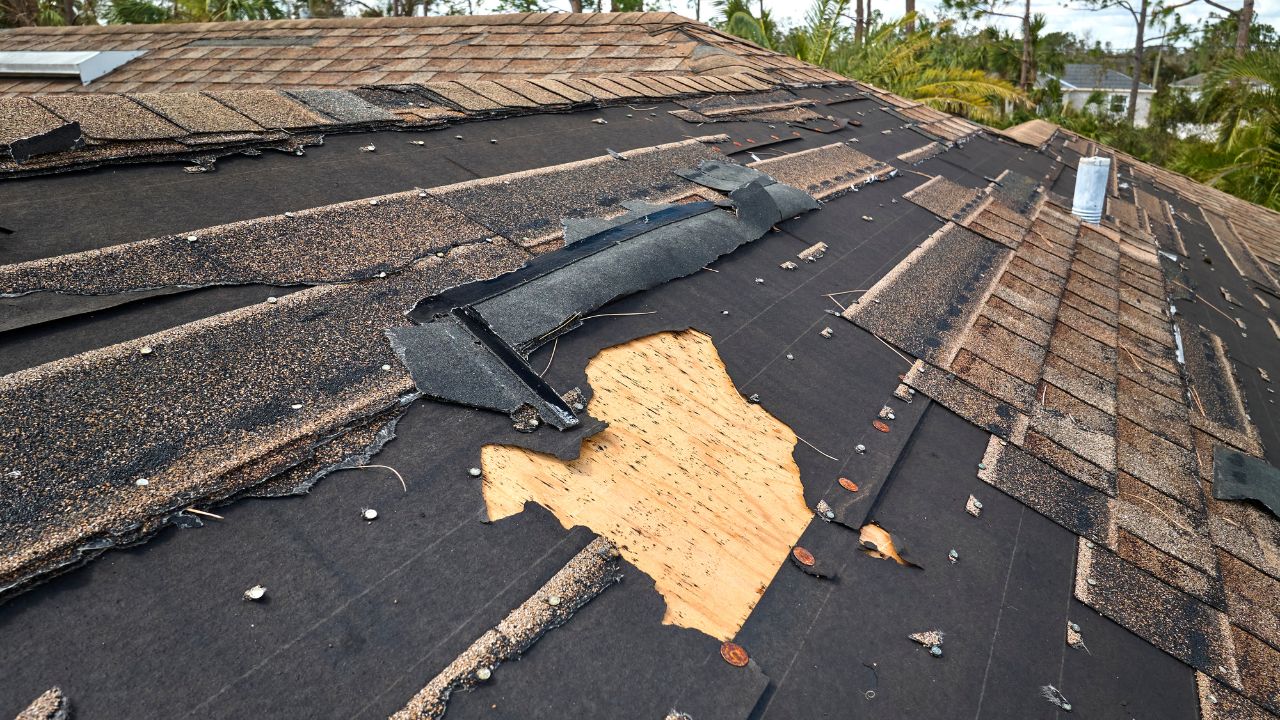
Interior warning signs often indicate advanced roof problems that require immediate attention. Water stains on interior ceilings or walls near chimneys and skylights signal active or recent leaks that may have caused hidden structural damage. Moisture or dampness accumulation in attic spaces indicates ongoing water intrusion that can lead to mold growth and wood rot if not addressed quickly.
External warning signs focus primarily on flashing system failures that cause the majority of roof leaks. Ice dam formation indicates compromised flashing seals that allow water penetration during freeze-thaw cycles. Rust and corrosion on metal flashing signal material degradation that compromises waterproofing effectiveness. Cracks and splits in flashing materials create direct pathways for water penetration, while loose or separated flashing sections completely compromise the water seal around roof penetrations.
How Can Regular Inspections Extend The Life Of Premium Roofing Materials?
Regular professional inspections provide measurable protection for premium roofing investments through early problem detection. Early detection prevents 85% of major structural repairs by catching issues before they cause significant damage to roof decking, framing, or interior structures. This proactive approach saves homeowners thousands of dollars in emergency repair costs.
Proactive maintenance based on regular inspection findings extends roof lifespan by 30-40% beyond normal expectations for premium materials. This extension represents significant value when considering that regular maintenance prevents premature roof replacement costing $20,000-$80,000 for premium materials. The combination of extended lifespan and reduced repair costs makes regular inspections one of the most cost-effective home maintenance investments available.
How Much Does a Roof Inspection Cost in Illinois?
Professional roof inspection costs in Illinois vary based on inspection frequency, scope, and timing. Understanding these costs helps homeowners budget for proactive maintenance and compare the value against potential repair expenses. Most inspection fees represent a small fraction of the repair costs they help prevent.
Illinois roof inspection pricing reflects the complexity of evaluating roofing systems in extreme weather conditions. Professional contractors factor in liability insurance, specialized equipment, and detailed documentation requirements when setting inspection rates.
What Is The Typical Price Range For Professional Inspections?
Annual inspections cost $200-$500 and provide comprehensive general assessments of your entire roofing system. These inspections offer the most thorough evaluation but may miss seasonal damage that occurs between visits. The higher cost reflects the extensive time required for complete documentation and detailed reporting.
Bi-annual inspections cost $175-$350 and focus on spring and fall seasonal preparation and damage assessment. These inspections offer better value through more frequent monitoring at a lower per-visit cost. Seasonal inspections provide the best cost-effectiveness at $150-$300 quarterly, allowing contractors to address weather-specific issues promptly. Post-storm inspections cost $250-$600 due to emergency response requirements and urgent scheduling needs, but they often prevent much larger repair costs through immediate damage assessment.
What Should Illinois Homeowners Do After a Roof Inspection?
A professional roof inspection report provides a roadmap for protecting your investment, but the value depends entirely on taking appropriate action. Understanding how to prioritize repairs ensures you address the most critical issues first while managing your maintenance budget effectively. The key lies in distinguishing between urgent problems requiring immediate attention and planned maintenance that can be scheduled strategically.
Proper response to inspection findings prevents minor issues from becoming major emergencies. Illinois weather conditions can quickly turn small problems into expensive disasters, making timely action essential for long-term roof performance and cost control.
How Should Minor Vs. Major Roof Issues be Prioritized?
Immediate attention must be given to any visible water intrusion or active leaks, as these issues cause ongoing structural damage with every rainfall. Water penetration compromises roof decking, insulation, and interior structures, making prompt repair essential regardless of cost. Emergency repairs cost 200-300% more than scheduled maintenance, but delaying action on active leaks often leads to exponentially higher repair bills.
Planned replacement should be scheduled for components approaching their service limits, such as flashing approaching 75% of expected lifespan. This proactive approach allows you to plan repairs during favorable weather and contractor availability. Major structural damage discovered during inspections can require $15,000-$50,000 in repairs, making early detection and planned maintenance crucial for avoiding catastrophic expenses.
When Does An Inspection Suggest Roof Repair Vs. Full Replacement?
Emergency repair situations require immediate professional intervention to prevent further damage. Temporary tarping costs $300-$800, depending on roof size, and provides essential protection while permanent repairs are planned. Emergency leak repair ranges from $500-$1,500 for immediate fixes that stop active water intrusion and prevent interior damage.
Professional storm damage assessment costs $200-$500 and provides essential documentation for insurance claims and repair planning. Emergency structural stabilization ranges from $1,000-$5,000 for serious damage that threatens the integrity of your roof system. These emergency costs often indicate the need for comprehensive roof replacement rather than continued repairs, especially when multiple systems are compromised or when repair costs approach replacement thresholds.
How Can Homeowners Prepare for a Roof Inspection?
Proper preparation maximizes the value of your roof inspection and ensures contractors can perform thorough evaluations efficiently. Well-organized documentation and basic maintenance create conditions for accurate assessments and comprehensive reporting. Preparation also demonstrates proactive homeownership that contractors and insurance companies value when processing claims or warranty issues.
Effective preparation involves both physical roof maintenance and document organization. Clean, accessible roof areas allow inspectors to identify problems accurately, while organized records provide essential context for evaluation and future reference.
What Records Or Warranties Should Homeowners Keep On File?
Comprehensive documentation protects your roofing investment and ensures compliance with manufacturer requirements. Detailed maintenance logs for warranty compliance provide proof of proper care that manufacturers require to honor material warranties. These logs should include dates, services performed, and contractor information for every maintenance activity.
Professional photography for insurance claims creates visual evidence of your roof's condition over time and supports damage claims when severe weather occurs. Material and workmanship warranties on contract services protect you against defective products and installation errors, while annual roof condition reports for property records document your roof's performance history. Manufacturer warranty documentation and registration ensure you receive full protection for premium roofing materials and can access warranty services when needed. Keeping these documents organized and accessible streamlines insurance claims, warranty issues, and property sales processes.
How Can Regular Inspections Protect a Premium Roof Investment?
Regular roof inspections represent one of the most cost-effective investments homeowners can make in property protection and long-term financial security. The data consistently demonstrates that proactive maintenance through scheduled inspections saves thousands of dollars while extending roof's lifespan significantly. For Illinois homeowners facing severe weather challenges, regular inspections provide essential protection against catastrophic damage and emergency repair costs.
The combination of immediate cost savings, extended roof life, and property value protection makes regular inspections a clear financial winner. Understanding the return on investment helps homeowners make informed decisions about maintenance contracts and inspection schedules10. 10-year contract Roi Analysis
Professional maintenance contracts demonstrate clear financial benefits within a reasonable timeframe. The break-even point typically occurs by year 3-4, after which substantial savings accumulate rapidly. Over a 10-year period, total savings average $11,300 for premium residential roofs, representing significant value compared to reactive maintenance approaches.
Maintenance contracts also provide operational benefits that justify their cost beyond direct savings. Guaranteed 24-hour emergency response time ensures immediate protection when severe weather strikes, while written estimates provided within 24 hours of emergency calls streamline repair processes and insurance claims. These service guarantees provide peace of mind that proves invaluable during crises.
Illinois Roofing Industry Context
Illinois maintains a robust roofing industry that supports homeowners with extensive professional resources. The total market value reached $3.2 billion in 2025, supported by 4,142 roofing contractor businesses statewide. This industry growth rate of 2.3% average annual growth from 2020-2025 indicates healthy competition and service availability for homeowners.
The roofing industry's position as the 6th highest revenue generator among Illinois industries, contributing 4.1% of the state's GDP, demonstrates its economic importance and stability. This strong industry foundation ensures homeowners have access to qualified contractors and competitive pricing for inspection and maintenance services.
Property Value Protection
Regular roof maintenance directly impacts property values and marketability in measurable ways. Neglected roofs reduce property values by 5-10%, while professional maintenance documentation improves resale marketability significantly. Quality inspection records demonstrate proactive property care that buyers and appraisers value when evaluating homes.
The combination of maintained roof condition and comprehensive documentation creates competitive advantages in real estate markets. Buyers recognize the value of transferable maintenance contracts and warranty coverage, often willing to pay premiums for properties with documented maintenance histories. This property value protection adds another layer of return on investment for regular inspection programs.
Protect Your Investment: Schedule a Roof Inspection Today
Your roof is one of the most important investments you’ll ever make in your home — and we’re here to help you protect it. At Advanced Roofing Inc., we provide thorough, professional inspections designed to catch issues early, save you money on repairs, and extend the life of your premium roof.
Don’t wait until a storm leaves you with unexpected damage. Call us today at (630) 553-2344 to schedule your inspection and keep your home protected year-round.