Severe weather events expose Illinois homes to significant roofing damage requiring immediate attention. Understanding damage patterns and inspection protocols helps homeowners protect their property investment. Illinois ranks 15th nationally in annual property damage per capita at $93.49 per 100 residents. Between 2012 and 2021, Illinois recorded 37 major hailstorms with total documented damage reaching $118.5 million.
Key Takeaways
- Illinois experiences 37 major hailstorms per decade, causing $118.5 million in documented damage
- Hail measuring 1 inch represents the critical threshold for significant asphalt shingle damage
- Wind damage accounts for 40% of storm-related incidents, while hail causes 35%
- Emergency repairs, including active leaks, require a same-day professional response and tarping
- Class 4 impact-resistant materials significantly reduce future storm damage susceptibility
What Is a Storm Roof Inspection and Why Is It Important?
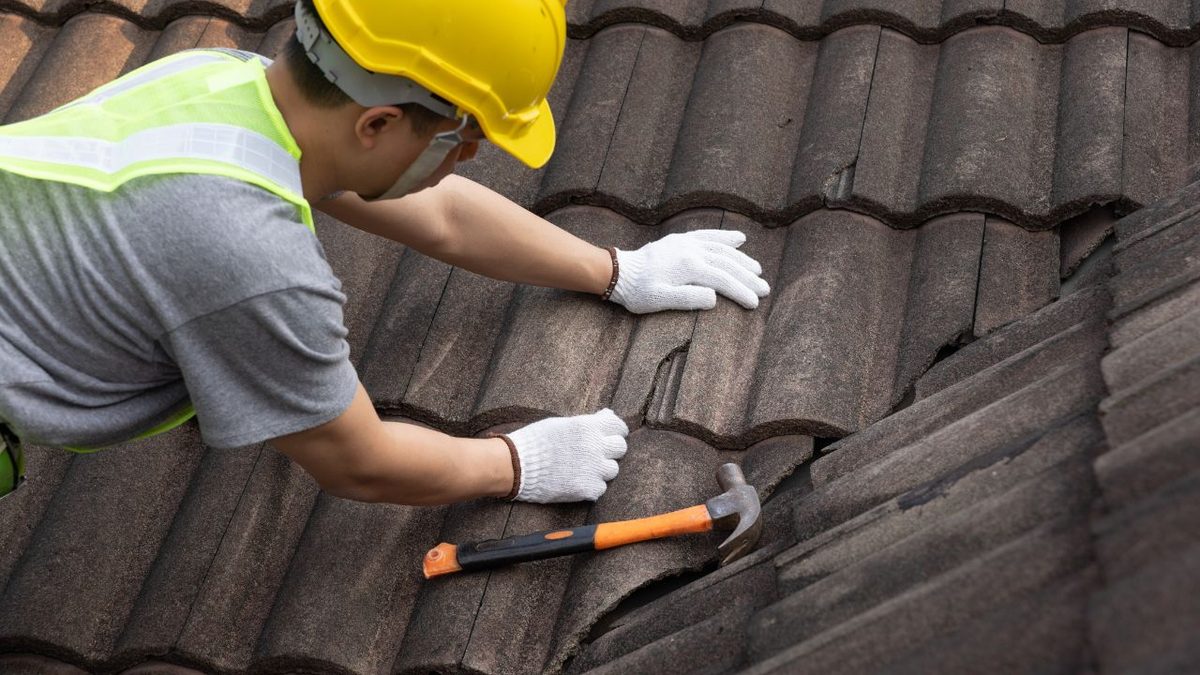
A storm roof inspection is a systematic evaluation of roofing systems following severe weather events. This assessment identifies structural compromise, material failure, and potential water intrusion points requiring repair. Professional inspections document damage for insurance claims while preventing secondary deterioration. Immediate post-storm evaluation protects homeowners from escalating repair costs and interior water damage.
How Do Storms Typically Damage Roofs in Illinois?
Illinois weather patterns create multiple damage vectors affecting residential roofing systems throughout the year. Hail damage represents 35% of storm-related incidents, while wind damage accounts for 40%. The Yorkville and Fox Valley areas experience particularly significant seasonal storm activity requiring vigilant monitoring. Water damage represents the remaining 20% of storm-related incidents through combined precipitation and structural breaches.
What Are the Key Signs of Roof Damage After a Storm?
Hail measuring 1 inch represents the critical threshold for significant damage to standard asphalt shingles. Golf ball-sized hail at 1.75 inches causes severe damage, including cracking and puncturing through shingles. Hail exceeding 2.5 inches creates catastrophic damage requiring immediate emergency tarping within 24 hours. Smaller hail below 1 inch causes cumulative granule loss over time, gradually reducing lifespan.
How Does Storm Damage Affect Roof Lifespan and Home Safety?
Storm exposure significantly reduces expected material performance in high-risk climate zones like Illinois. The average asphalt shingle roof lifespan drops to 15 years in hail-prone states. Western states with less severe weather experience 22-year average lifespans for identical materials. Repeated small hail events cause progressive granule loss that accelerates aging and moisture vulnerability.
What Are the Most Common Types of Storm-Related Roof Damage?
Understanding damage classification helps homeowners communicate effectively with contractors and insurance adjusters. Different storm types create distinct damage patterns requiring specific repair approaches and materials. Accurate damage identification ensures an appropriate repair scope and prevents unnecessary replacement costs. Professional assessment distinguishes between cosmetic wear and structural compromise requiring immediate intervention.
How Can You Differentiate Hail Damage from Wind Damage?
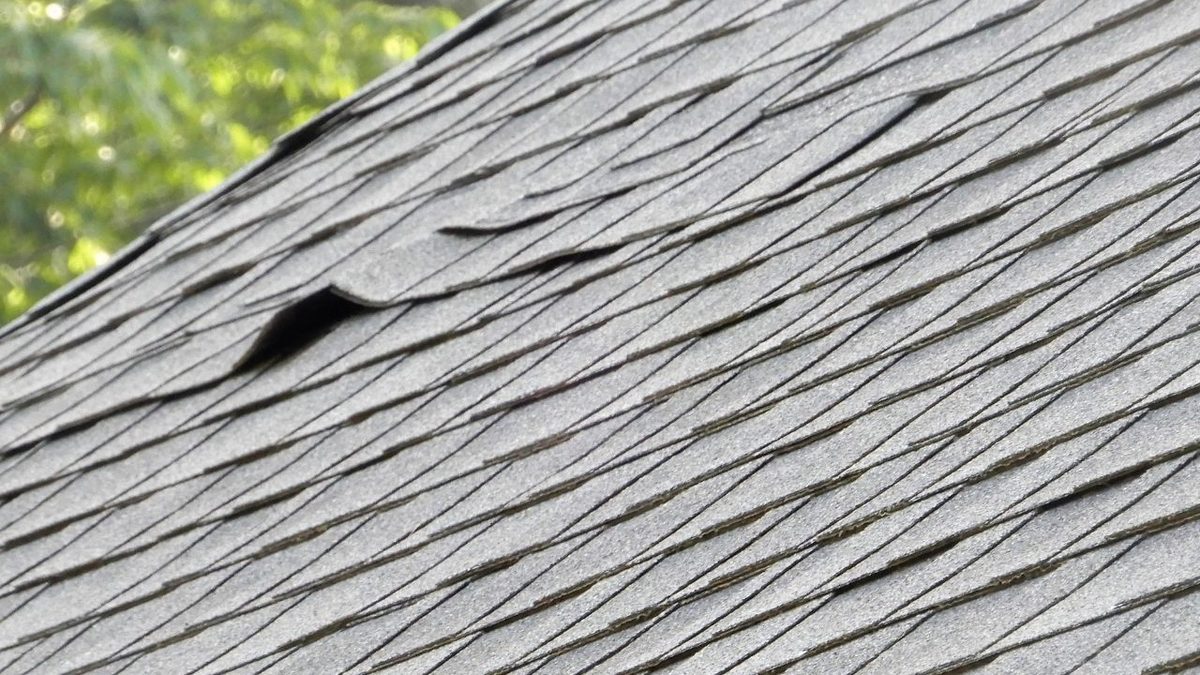
Hail creates circular impact marks with exposed substrate where granules were forcibly removed. Wind damage produces linear patterns following the predominant wind direction with lifted or missing shingles. Hail impacts appear randomly distributed across the roof surface without directional consistency. Wind damage concentrates at roof edges, valleys, and ridge lines where uplift forces peak.
What Does Water Damage Look Like on a Roof?
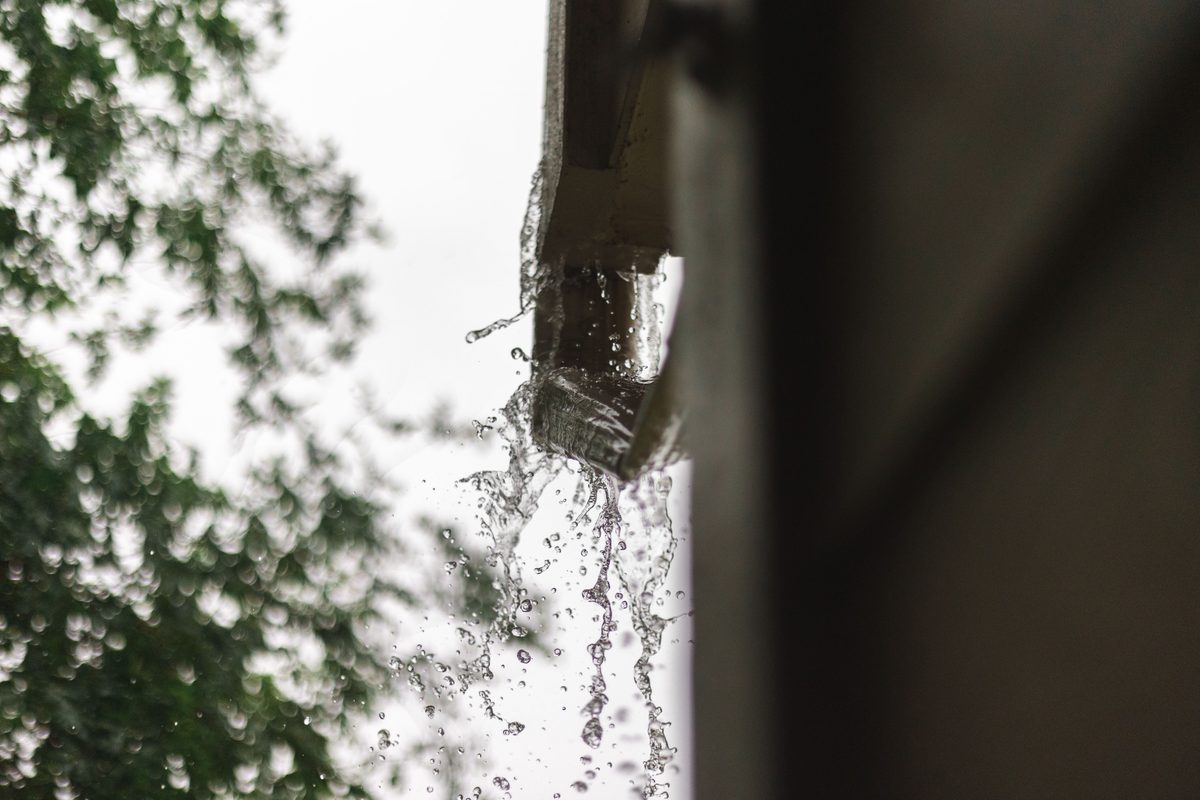
Water damage manifests through staining, sagging, and material deterioration in affected areas. Interior ceiling discoloration indicates active moisture penetration requiring immediate professional assessment and roof damage signs evaluation. Secondary interior water damage can occur without immediate mitigation following storm events. Prolonged moisture exposure promotes mold growth and structural wood deterioration in decking and framing.
When Is Roof Damage Considered an Emergency?
Emergency repairs include active leaks, missing shingles, and structural exposure to weather elements. These conditions require a same-day professional response with costs ranging from $500 to $3,000. Non-emergency repairs involve minor granule loss, isolated damage, and general aging without immediate threats. Emergency situations demand emergency roof protection protocols to prevent escalating interior damage.
Who Should Perform the Roof Inspection and What Should It Include?
Professional roofing contractors possess specialized training to identify subtle damage patterns invisible to untrained observers. Licensed contractors understand insurance documentation requirements and structural assessment protocols essential for accurate claims. Homeowners should verify contractor credentials before allowing roof access or signing service agreements. Proper qualifications ensure accurate damage assessment and appropriate repair recommendations based on actual conditions.
What Qualifications Should a Roofing Contractor Have in Illinois?
Contractor experience and reputation represent the chief concern for 51% of homeowners selecting professionals. Communication quality serves as the deciding factor for 67% of homeowners choosing between comparable companies. Contractors should maintain current licensing, insurance coverage, and manufacturer certifications for installed materials. Comprehensive roofing contractor qualifications include proven local experience and documented customer satisfaction records.
What Areas of the Roof Need Close Inspection?
Complete storm roof inspection checklists must include all roof planes, valleys, and penetrations. Ridge lines, flashing installations, and gutter systems require detailed examination for displacement or damage. Roof-mounted equipment, including vents, chimneys, and skylights, represents high-risk failure points during storms. Edge details and fascia boards often sustain wind damage invisible from ground-level observations.
How Is Damage Documented for Insurance Claims?
Professional contractors provide comprehensive photo documentation showing damage extent, location, and severity for claims. Each damaged area requires multiple images with measurements and reference points for adjuster review. Detailed written reports accompany photographic evidence describing the material condition and the recommended repair scope. Contractors experienced in insurance claims processes streamline approval timelines and maximize coverage utilization.
When and How Should Illinois Homeowners Inspect Their Roof After a Storm?
Timing and safety protocols determine effective post-storm inspection outcomes without creating additional hazards. Immediate visual assessment from ground level identifies obvious damage requiring professional evaluation and emergency response. Delayed inspection risks secondary damage from undetected moisture intrusion or structural compromise developing. Professional inspection scheduling should occur within 48 hours following significant weather events for optimal documentation.
What Safety Precautions Are Necessary During and After Inspections?
Never inspect damaged roofs during active storm conditions or when lightning remains within range. Professional inspections cannot be performed during active storm conditions due to safety regulations. Wait for completely safe conditions and perform preliminary visual inspections from ground level only. Wet surfaces, damaged decking, and compromised structural members create fall hazards requiring professional equipment.
How Can Homeowners Perform a Preliminary Visual Check Themselves?
Ground-level observation using binoculars reveals obvious damage patterns without dangerous roof access for pre-inspection tips. Look for missing shingles, displaced flashing, and debris accumulation in valleys or gutters. Interior inspection of attic spaces reveals water stains, daylight penetration, and ventilation damage. Document observations with photographs, including timestamps for insurance and contractor reference during professional assessment.
What Tools or Visual Guides Are Useful for Identifying Damage?
Binoculars enable detailed surface examination from safe ground positions during preliminary damage assessment. Reference guides showing hail size comparisons help homeowners estimate impact severity and potential damage. Smartphone cameras document visible damage with date stamps for insurance timeline verification and claims. A comprehensive roof inspection checklist ensures systematic evaluation covering all critical components and potential failure points.
How Do Weather Patterns and Regional Factors Influence Roof Damage in Illinois?
Geographic location within Illinois significantly affects storm frequency, intensity, and predominant damage types annually. Climate patterns create predictable seasonal risk windows requiring heightened vigilance and inspection preparation protocols. Understanding regional weather risks helps homeowners implement appropriate preventative measures and material selections. Local topography and urban development patterns influence microclimate conditions, affecting individual property exposure levels.
What Seasonal Storm Patterns Affect Roof Integrity?
Severe convective storms represent the secondary peril with the most significant financial impact annually. These storms account for 70% of global insured losses across all property categories. Spring and early summer months bring peak hail activity to Illinois, requiring vigilant monitoring. Late-season wind events and winter ice accumulation create additional stress on aging materials.
How Does Urban Vs. Rural Location Impact Material Vulnerability?
Urban homeowners prefer asphalt or composite shingles, requiring less maintenance and easier replacement access. Rural homeowners prioritize metal, tile, or slate for durability despite higher upfront costs. The urban heat island effect drives demand for reflective cool roofing materials, reducing energy costs. Rural properties face greater isolation during emergencies, requiring more durable initial installations and preparations.
What Are the Weather Risks Unique to Illinois Homeowners?
Illinois experiences extreme temperature fluctuations, creating expansion-contraction cycles that stress roofing materials and fasteners. Freeze-thaw cycles penetrate minor cracks, expanding damage rapidly during the winter months without intervention. High humidity levels during the summer months accelerate organic growth and material deterioration in shaded areas. Tornado activity in central and northern regions creates sudden, catastrophic wind damage requiring immediate response.
What Are the Best Practices for Emergency Response and Temporary Repairs?
Immediate damage mitigation prevents secondary deterioration that exponentially increases repair costs and structural compromise. Professional emergency services provide temporary weatherproofing until permanent repairs can be scheduled and completed. Proper temporary repairs maintain structural integrity without compromising future permanent repair quality or warranty coverage. Understanding emergency protocols included in this Illinois homeowner guide reduces panic and ensures an appropriate response.
When Should Emergency Tarping Be Applied?
Deploy emergency tarping services within 24 hours of severe damage to prevent water intrusion. Emergency tarping provides temporary weatherproofing solutions effective for up to 90 days maximum duration. Immediate tarping prevents interior water damage, mold growth, and structural deterioration in exposed areas. Professional tarping installations secure materials against additional wind events while protecting repair areas from precipitation.
How Can Damage Mitigation Prevent Secondary Issues?
Rapid moisture removal and ventilation prevent mold establishment in affected structural components and insulation. Temporary waterproofing barriers protect interior finishes, electrical systems, and personal property from ongoing exposure. Quick response limits insurance claims scope by preventing progressive damage beyond the initial storm impact. Proper mitigation demonstrates homeowner diligence, supporting insurance coverage and preventing policy complications from delayed action.
What Material Upgrades Are Recommended for Illinois Homes?
Class 4 impact-resistant materials serve as a preventative measure for high-risk areas experiencing frequent hail. These upgraded materials significantly reduce future damage susceptibility and may lower insurance premiums substantially. Impact-resistant shingles feature reinforced construction resisting penetration from golf ball-sized hail and larger. Homeowners should consult storm preparation guides when considering material upgrades for enhanced protection.
How Does Roof Material Affect Storm Damage Susceptibility and Repair Needs?
Material selection fundamentally determines storm resistance, expected lifespan, and long-term maintenance cost projections. Different roofing materials exhibit distinct failure modes and damage thresholds during identical weather events. Understanding material performance characteristics helps homeowners make informed decisions, balancing cost and protection needs. Long-term value calculations must consider both initial investment and expected replacement frequency under local conditions.
What Are the Pros and Cons of Asphalt Shingles Vs. Metal Roofing?
Asphalt shingles cost $5,900 to $12,900 for complete replacement with 20 to 30-year lifespans. These materials maintain 80% market share due to affordability and widespread contractor familiarity. Metal roofing costs two to three times more than asphalt but lasts 40 to 60-plus years. Metal roofing achieves Class 3 to 4 hail ratings while standard asphalt remains vulnerable to 1-inch hail.
How Do Tile Roofs Perform During Severe Storm Events?
Tile roofing costs exceed $20,000 for installation with 50-plus year lifespans under proper maintenance. Exceptional durability and wind resistance make tile attractive for long-term property investment strategies. Tile installations require structural reinforcement due to significant weight exceeding standard framing design loads. Individual tile replacement following hail damage proves simpler than continuous membrane materials requiring larger sections.
What Impact Ratings Should Homeowners Consider for Storm Resistance?
Class 4 impact resistance represents the highest rating available for residential roofing materials currently manufactured. This rating indicates materials withstand 2-inch steel ball impacts from 20 feet without failure. Class 4 materials significantly reduce hail damage frequency and severity in high-risk Illinois locations. Insurance companies often provide premium discounts for Class 4 installations, improving long-term investment economics and roofing safety compliance.
Storm Roof Inspection Essentials for Illinois Homeowners: Preparing, Identifying, and Acting on Damage
Systematic inspection protocols protect Illinois homeowners from preventable damage and escalating repair costs following storms. Understanding damage thresholds, professional qualifications, and emergency response timelines ensures appropriate action when weather strikes. Material selection impacts both immediate storm resistance and long-term property value through reduced replacement frequency. Homeowners should prioritize identifying roofing issues before minor damage becomes an expensive structural compromise.
Illinois weather creates unique challenges requiring specialized knowledge and proven local experience for optimal outcomes. Advanced Roofing Inc. brings over 30 years of Chicagoland experience to every storm damage assessment. Their systematic approach ensures accurate damage identification and honest repair recommendations based on actual conditions.
Storm Damage? Advanced Roofing Inc. Is Ready to Help.
Illinois weather doesn't wait — and neither should you. If your roof took a hit from hail, wind, or heavy storms, Advanced Roofing Inc. is here with same-day emergency response, thorough damage documentation, and honest repair recommendations backed by 30+ years of Chicagoland experience.
If your roof has sustained storm damage or you need a professional inspection, contact Advanced Roofing Inc. for expert roof repair services backed by comprehensive warranties and transparent pricing. Their team provides same-day emergency response and detailed documentation supporting successful insurance claims.