Severe weather events strike Illinois with alarming frequency, leaving homeowners facing difficult roofing decisions. Hailstorms, tornadoes, and high winds can compromise roof integrity in minutes. Understanding when to repair or replace roof storm damage requires balancing immediate costs against long-term value.
The roofing industry divides storm damage responses into targeted repairs and complete system replacement. Each approach serves specific scenarios based on damage extent, roof age, material type, and financial considerations. Making the wrong choice leads to recurring problems, wasted money, or inadequate protection.
Key Takeaways
- Damage covering less than 25% of your roof is typically suitable for repair
- The 30% Rule states that repairs costing 30% or more of replacement cost justify full replacement
- Illinois ranks 8th nationally for hailstorm property damage, with 37 significant events from 2012 to 2021
- Replacement Cost Value insurance covers full roof replacement without depreciation deductions
- Roofs under 15 years old are prime candidates for repair, while those over 20 years typically require replacement
What Is the Difference Between Roof Repair and Full Replacement?
Roof repair addresses specific damaged areas without removing the entire roofing system. Full replacement involves tearing off all existing materials and installing a completely new roof assembly. The distinction lies in scope, cost, disruption level, and warranty coverage.
Repair projects target isolated problems while preserving existing structure and undamaged materials. Replacement provides comprehensive solutions with extended warranties and updated building code compliance.
What Constitutes Minor and Major Roof Repairs?
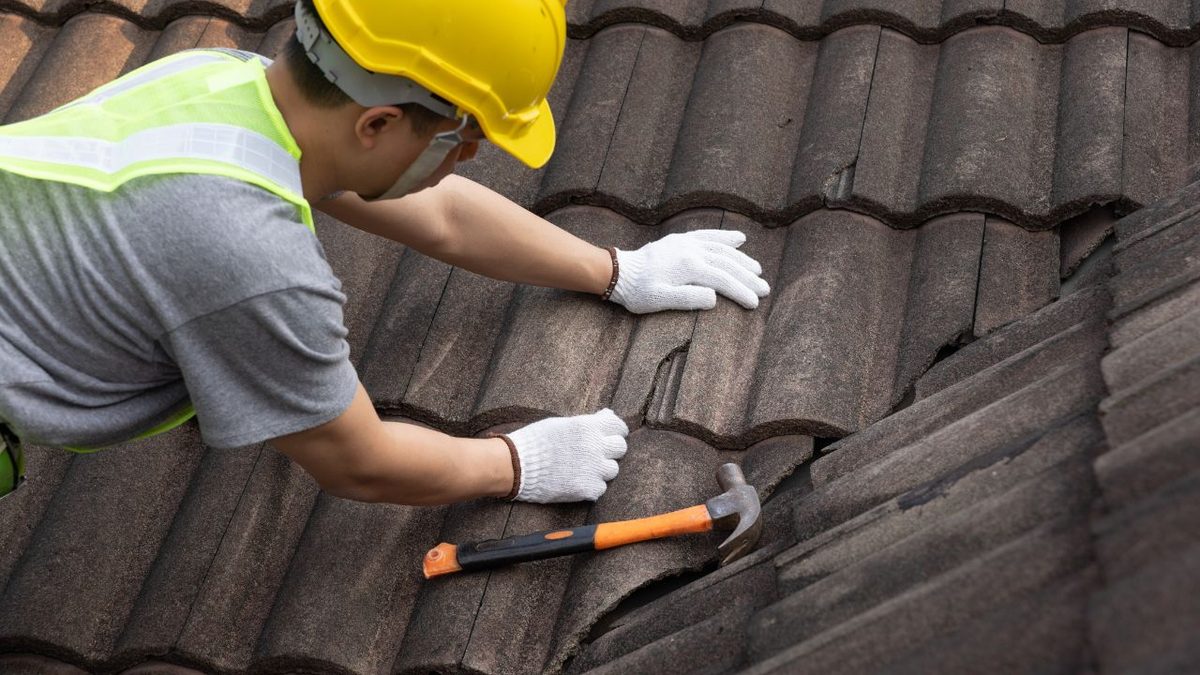
Minor repairs address localized issues such as replacing missing shingles or sealing small leaks. These interventions cost between $150 and $1,000 and are completed within hours. Damage covering less than 25% of the roof surface usually qualifies for repair.
Major repairs involve significant structural fixes, including large leak areas, extensive wind damage, or decking replacement. These projects range from $2,000 to $6,500, depending on material and labor requirements. Residential roof repair in Illinois requires a professional assessment to determine if structural integrity remains sufficient.
What Does Full Roof Replacement Involve?
Full replacement costs between $9,858 and $41,822, with an average of $25,840 for standard 2,000-square-foot homes. This process includes complete tear-off, disposal, structural inspection, and installation of new roofing materials from decking to shingles. Damage exceeding 50% of the roof surface almost always necessitates replacement.
Re-roofing services account for 74% of total roofing service spending nationwide. Replacement offers complete warranty protection and eliminates hidden damage risks. Multiple or recurring leaks indicate systemic failure that repair cannot adequately address.
How Do Roofing Materials Affect Repair and Replacement Options?
Asphalt shingles dominate the residential market with approximately 55% market share at $4.46 per square foot. Metal roofing holds 25% market share with costs ranging from $8.00 to $15.00 per square foot. Material selection significantly impacts both initial investment and long-term maintenance requirements.
Tile and concrete roofing represents 12% of installations, while slate accounts for 5% of premium applications. Best roofing materials for the Illinois climate must withstand freeze-thaw cycles, high winds, and hail impacts common to the region. Each material type presents distinct repair challenges and replacement considerations.
Why Is Choosing Between Repair and Replacement Important After a Storm?
The decision impacts immediate financial obligations, long-term home protection, and insurance claim outcomes. Making an informed choice prevents recurring damage, minimizes total cost, and ensures proper weatherproofing. Hasty decisions based solely on initial expense can lead to compounded problems requiring more expensive interventions.
Storm damage creates time-sensitive situations where delays allow water infiltration and secondary structural deterioration. Insurance companies require prompt reporting and documentation for effective claim processing. The roofing after storm decision determines whether you address surface symptoms or underlying system failures.
How Does Storm Damage Impact Roof Longevity?
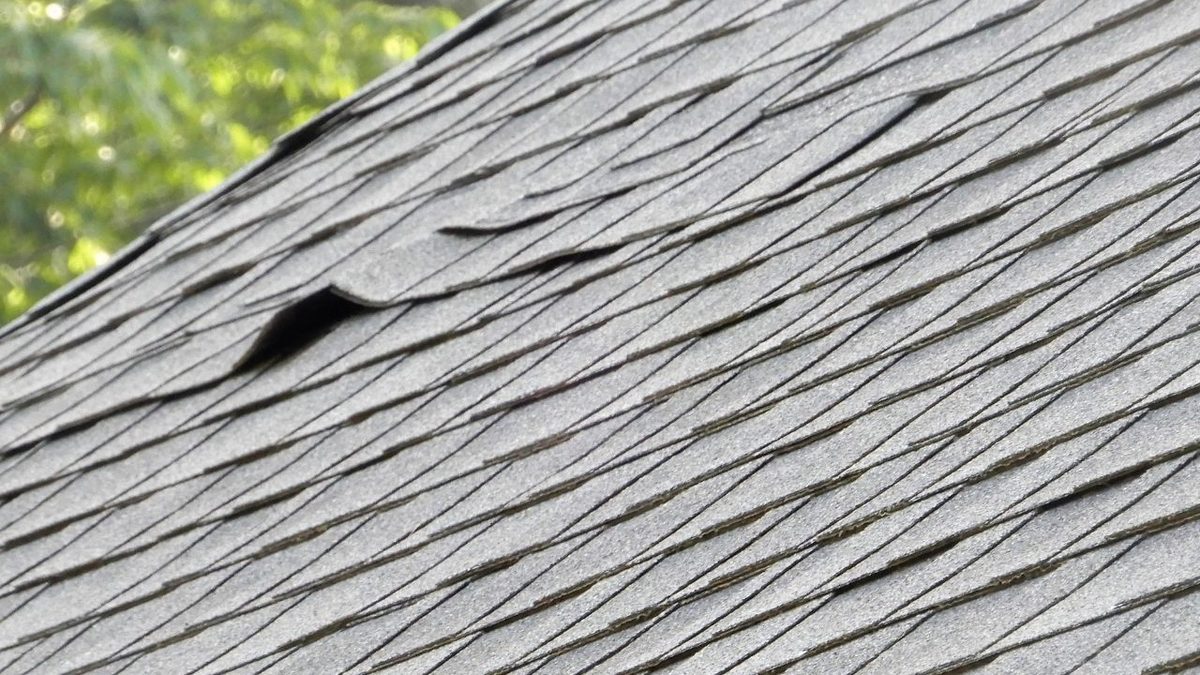
Storm-related damage accounts for 22% of all residential roofing replacements completed in 2024 nationally. Hail damage presents as bruising, missing granules, or cracked shingles that accelerate material degradation. Wind damage includes missing shingles and exposed decking that allows immediate water penetration.
Approximately 33% of homeowners replace roofs specifically due to storm damage, while another 33% cite leaking. Storm damage to your roof requires immediate professional inspection to document the extent and prevent escalating interior damage. Even minor impacts can reduce the remaining roof lifespan by years if not properly addressed.
What Role Does Illinois' Weather Play in Roof Decisions?
Illinois ranks 8th nationally for property damage from hailstorms. The state experienced 37 significant hailstorms between 2012 and 2021, causing $118.5 million in total property damage. This high-risk profile makes material selection and prompt damage response critical.
Storm-related services carry premiums of 20-50% above standard rates due to urgent demand and specialized expertise. Contractors familiar with Illinois weather patterns provide more accurate damage assessments and appropriate recommendations.
How Does Insurance Coverage Influence Post-Storm Roofing Choices?
Insurance coverage type directly affects out-of-pocket costs and available roofing options after storm damage. Actual Cash Value policies pay only the depreciated roof value, while Replacement Cost Value covers full replacement expense. Illinois insurance claims for roof damage require thorough documentation and prompt filing to maximize coverage benefits.
Roofs exceeding 20 years old may face coverage restrictions or require replacement to maintain policy eligibility. Insurance adjusters evaluate damage extent, age-related deterioration, and whether repairs meet code requirements.
Who Prefers Roof Repair Vs. Replacement in Illinois?
Demographic factors, including age, income, home equity, and geographic location, significantly influence roofing decisions after storms. Younger homeowners with limited equity often prefer repair when viable to preserve cash reserves. Older homeowners nearing retirement may prioritize replacement to eliminate future maintenance concerns and enhance resale value.
Professional contractors handle 79% of all roofing work, while 14% of homeowners attempt DIY repairs. Income levels, property values, and neighborhood standards also affect whether homeowners choose basic repair or premium replacement.
How Do Generational Differences Affect Roofing Decisions?
Millennials demonstrate 51% higher median spending rates on home improvements compared to Generation X homeowners. Generation X averages $12,956 on home improvement projects, including roofing repairs and replacements. Baby Boomers show lower repair completion rates but higher replacement frequency.
Millennials prioritize online research and show greater DIY optimism despite lower actual completion rates for roofing. Generation X balances professional service preference with budget consciousness when making storm damage replacement guide decisions. Baby Boomers rely heavily on professional contractors and prioritize ease of installation over cost savings.
What Are Urban and Suburban Trends in Roofing Choices?
Suburban areas show slightly higher DIY rates for minor issues due to property accessibility and zoning flexibility. Urban centers rely more heavily on professional contractors due to building complexity, height restrictions, and stricter permitting. Population density affects contractor availability, competitive pricing, and service response times following major storms.
Urban properties face additional challenges, including neighboring structure proximity and limited material staging areas during replacement. Suburban homeowners benefit from easier roof access and fewer architectural constraints. Local building code variations between municipalities also influence viable options and cost comparison, repair vs. replace calculations.
How Do Professional and DIY Repair Approaches Vary?
Professional contractors complete 77% of all roofing material purchases, reflecting industry expertise requirements for proper installation. DIY attempts at roofing repairs often void manufacturer warranties and create liability concerns for future buyers. Complex repairs requiring structural assessment, flashing replacement, or valley rework demand professional skills beyond typical homeowner capabilities.
Minor repairs, such as replacing several shingles, may seem manageable but often reveal hidden complications. Professional assessments identify damage not visible from ground level, including decking deterioration and compromised underlayment.
When Should Homeowners Consider Roof Repair Over Replacement?
Roofs under 15 years old with localized damage represent ideal candidates for repair rather than replacement. Age serves as the primary predictor of whether targeted repairs extend useful life adequately. Damage assessment must account for both visible surface impact and potential hidden structural compromise.
The extent of damage determines whether repair addresses the problem comprehensively or merely postpones inevitable replacement. Single isolated leaks differ fundamentally from multiple failure points, indicating systemic deterioration.
How Does Roof Age Influence Repair Viability?
Roofs under 15 years remain prime candidates for repair, assuming damage remains localized and materials retain integrity. Roofs exceeding 20 years typically warrant replacement recommendations regardless of the extent of damage due to limited remaining lifespan. Should I repair or replace my roof depends heavily on the current age relative to the expected material lifespan.
Repair can extend roof life by 5-10 years when performed on relatively young systems with good baseline condition. Older roofs nearing manufacturer-rated lifespan see minimal benefit from repair investment compared to replacement value.
What Extent of Damage Is Suitable for Repair?
Damage covering less than 25% of the total roof area generally qualifies for repair consideration without replacement necessity. Assessments must evaluate both horizontal spread and vertical penetration depth through roofing layers to the underlayment. The number and location of leaks provide critical insight into whether damage represents an isolated impact or a widespread system compromise.
Single localized leaks resulting from specific impact points respond well to targeted repair interventions. Multiple leaks across different roof sections indicate broader failure patterns requiring comprehensive replacement rather than patchwork fixes.
How Does the 30% Rule Guide Repair Decisions?
The 30% Rule states that repair costs approaching or exceeding 30% of full replacement cost justify replacement. This calculation accounts for limited warranty coverage on repairs versus comprehensive protection from new roof installation. Applying this framework prevents incremental repair spending that approaches replacement cost without equivalent value.
Cost comparison calculations must include labor, materials, disposal, and warranty value for both repair and replacement scenarios. Projects exceeding the 30% threshold typically indicate damage severity warranting a complete system evaluation and likely replacement.
When Is Full Roof Replacement the Better Option?
Widespread or severe damage exceeding 50% of the roof area necessitates replacement for comprehensive protection and cost-effectiveness. Approximately 25% of homeowners anticipate imminent roof failure based on age, condition, or recent damage assessment. Replacement eliminates uncertainty about hidden damage and provides complete warranty coverage.
Major repairs carry the risk of discovering additional hidden damage that escalates project scope unexpectedly. Full replacement removes this uncertainty by addressing all components systematically from the decking through the ridge cap.
How Does Widespread or Severe Damage Necessitate Replacement?
Damage exceeding 50% of the roof surface area makes piecemeal repair economically impractical compared to complete replacement. Severe structural compromise, including broken rafters, widespread decking failure, or complete shingle loss, requires system-level intervention. When a roof patch isn't enough, it becomes apparent when multiple areas show simultaneous failure.
Hidden damage discovered during major repair attempts often expands project scope to replacement-level expense without equivalent warranty protection. Complete tear-off during replacement reveals all underlying conditions, enabling comprehensive repair before new material installation.
What Are the Long-Term Benefits of Replacement?
Replacement provides complete manufacturer warranties typically spanning 20-50 years, depending on material selection and installation quality. New roofing systems improve energy efficiency through updated ventilation, insulation coordination, and reflective material technologies. Home value increases measurably from replacement, while repairs provide minimal resale benefit.
Elimination of ongoing maintenance concerns and repair cycles provides significant peace of mind for long-term occupancy. Updated building code compliance through replacement ensures insurance eligibility and prevents coverage complications.
How Does Material Upgrade Improve Storm Resistance?
Upgrading from standard asphalt shingles to impact-resistant materials significantly improves hail damage resistance and wind uplift ratings. Metal roofing systems offer superior storm performance with Class 4 impact ratings and wind resistance exceeding 120 mph. Roof replacement made easy includes material selection guidance based on local weather patterns and homeowner priorities.
Advanced materials reduce insurance premiums through improved loss prevention characteristics and longer service life. Illinois weather conditions favor materials engineered specifically for freeze-thaw cycling, high winds, and large hail impacts.
How Should Illinois Homeowners Navigate Insurance for Storm-Damaged Roofs?
Understanding policy coverage types before damage occurs enables better decision-making during claim processes and contractor selection. Actual Cash Value policies require homeowners to fund depreciation amounts, while Replacement Cost Value covers full expense. Documentation quality directly impacts claim approval, payout amounts, and dispute resolution outcomes.
Immediate action following storms includes damage documentation, temporary protection installation, and prompt insurer notification. Roofs exceeding 20 years may face coverage limitations or exclusions requiring replacement for continued policy eligibility.
What Types of Insurance Coverage Are Available?
Actual Cash Value coverage pays the depreciated roof value based on age, condition, and remaining lifespan at damage occurrence. Replacement Cost Value covers full replacement expense without depreciation deductions, providing significantly better financial protection. The coverage type difference can amount to thousands of dollars on storm damage replacement guide claims for older roofs.
Illinois homeowners should review policy terms annually to understand coverage limits, deductibles, and depreciation schedules affecting claim payouts. Some carriers offer guaranteed replacement cost without depreciation for roofs under 10 years old.
How to Document and File Claims After Storm Damage?
Thorough damage documentation immediately after storms includes photographs, videos, and detailed written descriptions of all affected areas. Prevent further water intrusion through emergency tarping before comprehensive repairs to minimize secondary damage. Contact insurance companies immediately to initiate claims and schedule adjuster inspections while the damage evidence remains fresh.
Professional inspection reports provide authoritative damage assessment supporting claim validity and appropriate payout determination. Contractor estimates should detail all necessary work with line-item pricing for insurer review and approval.
How Does Roof Age Affect Insurance Eligibility?
Roofs over 20 years old face increasing coverage restrictions, including reduced replacement cost benefits or complete exclusions. Many carriers require roof replacement or inspection certification for policy renewal on homes with aging roof systems. Understanding these limitations before storm damage helps homeowners plan financially for inevitable replacement beyond insurance support.
Some policies transition from Replacement Cost to Actual Cash Value coverage automatically when roofs reach specific age thresholds. Proactive replacement before coverage restrictions apply maximizes insurance benefits and prevents out-of-pocket expenses.
What Are the Key Steps in Roof Repair and Replacement Processes?
Repair services make up 26% of total roofing spending, with 31% of homeowners pursuing repair projects recently. Typical repair workflow includes damage assessment, material sourcing, localized removal, structural evaluation, and targeted replacement with weatherproofing. Professional repairs require proper flashing integration, sealant application, and shingle blending to maintain warranty compliance.
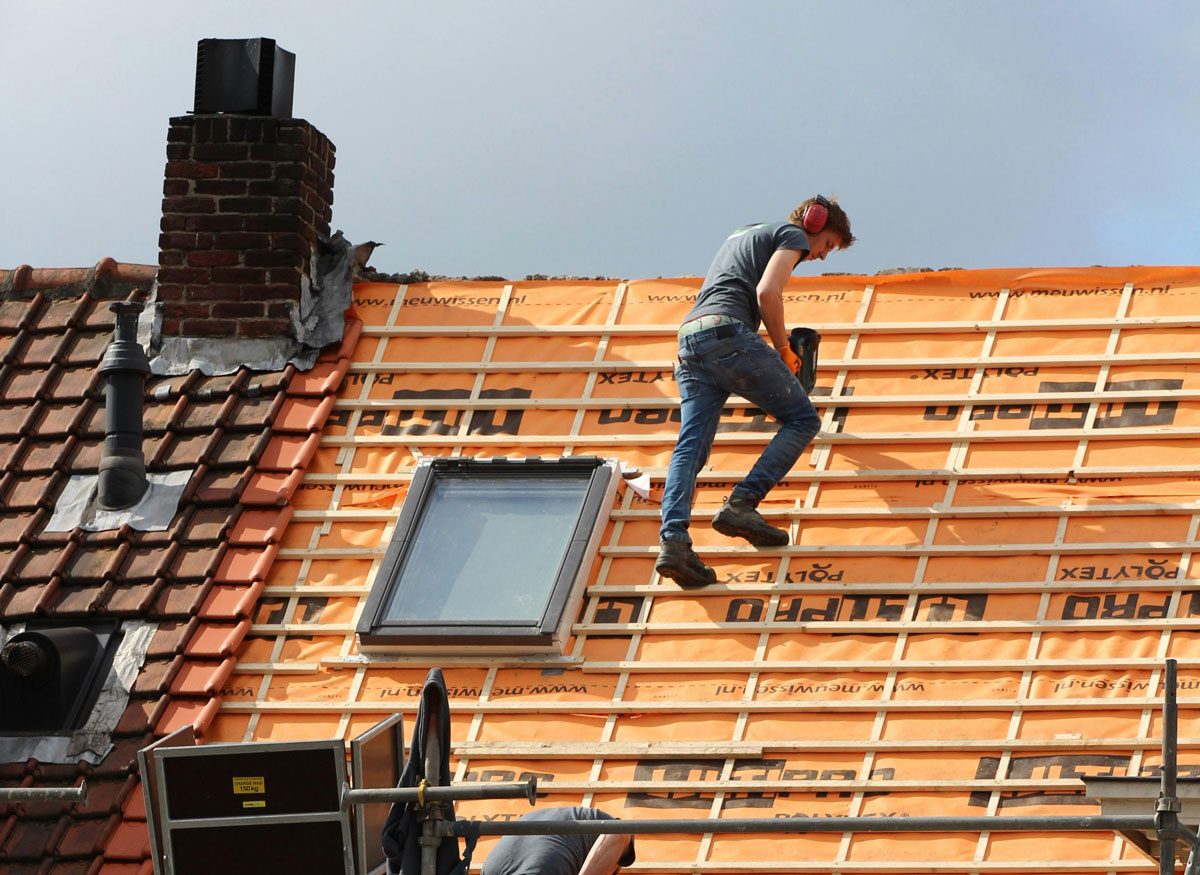
Full replacement execution involves comprehensive tear-off, disposal, decking inspection, underlayment installation, ventilation coordination, and complete material installation. Significant disruption occurs during full replacement, requiring multiple days depending on project size and complexity.
What Does a Typical Roof Repair Workflow Include?
Professional assessment identifies all damaged areas, including those not visible from ground level or interior inspections. Material matching ensures color and specification consistency with the existing roof for aesthetic and functional integration. Proper repair execution includes removing damaged sections, inspecting and repairing the underlying structure, and installing new materials with appropriate overlap and sealing.
Quality repairs integrate seamlessly with existing roofing through proper flashing details and manufacturer-specified installation methods, maintaining warranty coverage. Proper attic ventilation must be verified during repair to prevent moisture accumulation that accelerates material deterioration.
How Is Full Roof Replacement Executed Professionally?
Complete tear-off removes all existing materials down to the roof decking for thorough structural assessment and repair. Decking inspection identifies rot, damage, or code deficiencies requiring correction before new material installation begins. Underlayment, ice and water shield, and drip edge installation follow manufacturer specifications, ensuring proper water management.
Shingle installation proceeds from eaves to ridge with proper exposure, overlap, and fastening per code requirements and warranty terms. Valley, chimney, and penetration flashing receive special attention, ensuring long-term weatherproofing at vulnerable transition points. Final cleanup removes all debris, nails, and materials from the property.
What Are Material-Specific Installation Considerations?
Tile and concrete roofing require a reinforced structure capable of supporting significant additional weight compared to asphalt shingles. Slate roofing installation demands specialized skills, custom flashing fabrication, and structural engineering verification. Metal roofing systems require thermal expansion accommodation, specialized fastening systems, and expert seam sealing for optimal performance.
Each material type presents unique installation challenges affecting project duration, labor costs, and contractor selection requirements. Material warranties depend on proper installation following the manufacturer's specifications exactly.
Roof Repair Vs. Full Replacement in Illinois: Balancing Cost, Damage, and Long-Term Value
Choosing between repair and replacement after Illinois storm damage requires evaluating multiple factors beyond immediate cost alone. Age, extent of damage, insurance coverage, and long-term home plans all influence the optimal decision. The 30% Rule provides valuable guidance when repair costs approach replacement thresholds.
Illinois homeowners benefit from understanding regional weather risks, material performance characteristics, and insurance policy terms before damage occurs. Professional assessment from experienced contractors ensures accurate damage evaluation and appropriate recommendations between repair and replacement options. Long-term value often favors replacement over repeated repairs on aging systems approaching rated lifespan.
Advanced Roofing Inc. has guided Illinois homeowners through these critical decisions for over three decades with transparent assessments prioritizing customer needs. Storm damage demands prompt action to prevent escalating interior damage and maximize insurance claim outcomes. Whether repair or replacement proves appropriate, quality workmanship and materials ensure lasting protection against future severe weather events.
Get a Straight Answer on Your Storm-Damaged Roof
Not sure whether you need a repair or a full replacement? Advanced Roofing Inc. has helped Illinois homeowners make this call for over 30 years. We inspect your roof, assess the damage honestly, and give you a clear recommendation — no pressure, no upsells.
As a GAF Master Elite® Contractor and CertainTeed ShingleMaster™, we bring certified expertise to every assessment. Whether your roof needs a targeted fix or a complete system replacement, we handle it with the same commitment to quality workmanship and transparent pricing. Schedule your free roof inspection today!