Roof flashing repair represents one of the most critical maintenance tasks for Illinois homeowners. Properly functioning flashing creates watertight seals at vulnerable roof junctions where leaks most commonly develop. Understanding flashing failure causes and replacement cost flashing options helps property owners make informed decisions about protecting their homes from water damage.
Illinois roof repairs require specialized knowledge of regional weather patterns and building requirements. Flashing systems face constant stress from temperature fluctuations, precipitation cycles, and severe weather events. Recognizing when repairs become necessary and selecting qualified contractors prevents minor issues from escalating into structural damage.
Key Takeaways
- Flashing prevents water intrusion at critical roof junctions like chimneys, vents, and valleys
- Illinois weather conditions, including hailstorms and high winds, accelerate flashing deterioration
- Roof flashing repair costs range from $350 to $1,200, depending on complexity and materials
- Professional inspection after severe weather events prevents hidden damage from causing major leaks
- Coordinating flashing repairs with gutter maintenance and attic ventilation extends roof's lifespan
What Is Roof Flashing and Why Is It Essential?
Flashing consists of thin metal or composite material installed at roof transitions and penetrations. These barriers direct water away from seams where different roof planes meet or materials intersect. Without functioning flashing, water infiltrates the roof deck and causes interior damage that often remains invisible until significant deterioration occurs.
Properly installed systems maintain home value by preventing mold growth, wood rot, and insulation damage. Most insurance claims related to water intrusion stem from flashing failure signs that homeowners overlook during routine maintenance.
What Are the Main Types and Locations of Roof Flashing?
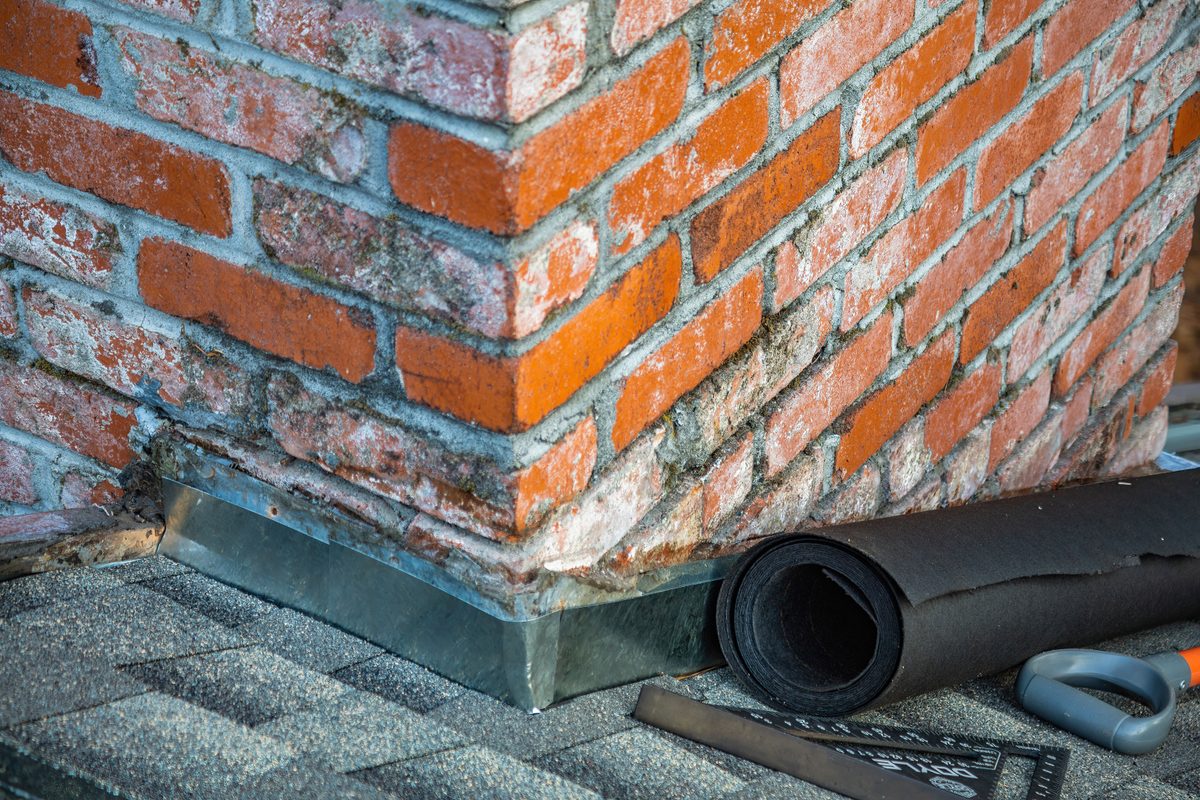
Different flashing types serve specific functions at various roof locations. Step flashing protects sidewall intersections where vertical surfaces meet sloped roofing planes. Valley flashing channels water where two roof slopes converge, while counter flashing covers chimney bases and prevents moisture from entering behind step flashing installations.
Vent pipe flashing creates circular seals around plumbing penetrations extending through the roof deck. Drip edge flashing directs water into gutters at roof perimeters and prevents fascia deterioration. Skylight flashing systems require multiple integrated components that create watertight barriers around glass installations while accommodating thermal expansion.
How Does Flashing Prevent Roof Water Intrusion?
Flashing creates overlapping layers that function like shingles at critical junctions. Water flows downward across metal surfaces without penetrating underlying materials or seeping into gaps. The design relies on gravity-assisted drainage that continuously moves moisture toward gutters and downspouts.
Properly installed systems account for the seasonal expansion and contraction of roofing materials. Flexible sealants fill microscopic gaps while allowing movement during temperature changes. This combination of physical barriers and chemical sealants provides redundant protection against water intrusion mechanisms that threaten Illinois homes.
What Common Materials Are Used for Flashing?
Galvanized steel flashing offers affordable protection with moderate corrosion resistance for budget-conscious projects. Aluminum provides lightweight installation advantages and natural oxidation resistance, but dents more easily than steel. Copper flashing delivers superior longevity and attractive patina development while commanding premium pricing that reflects its 50-plus-year lifespan.
Synthetic rubber and composite materials serve specialized applications where metal installation proves difficult. Ice and water shield membranes function as peel-and-stick flashing alternatives in valley applications. Professional contractors select materials based on roof type, climate exposure, and compatibility with existing roofing systems.
Why Does Roof Flashing Fail in Illinois?
Environmental stressors unique to the Midwest climate drive most flashing deterioration in Illinois. Freeze-thaw cycles create expansion forces that separate flashing from adjacent materials and break sealant bonds. Summer heat accelerates UV degradation of protective coatings while thermal expansion stresses fastener connections.
Multiple failure mechanisms often combine to compromise flashing systems over time. Age-related deterioration reduces material flexibility while weather exposure causes progressive corrosion and cracking. Understanding when roof flashing fails helps homeowners implement timely repairs before water damage occurs.
How Do Weather Conditions in Illinois Affect Flashing Durability?
The August 16, 2025, hail storm demonstrated severe weather impacts across the northwest suburbs. Quarter-to-ping-pong-ball-sized hail caused widespread shingle bruising in Palatine, Arlington Heights, and Cary while cracking vent flashing and denting metal components. Storm events of this magnitude create immediate damage requiring professional assessment even when surface impacts appear minimal.
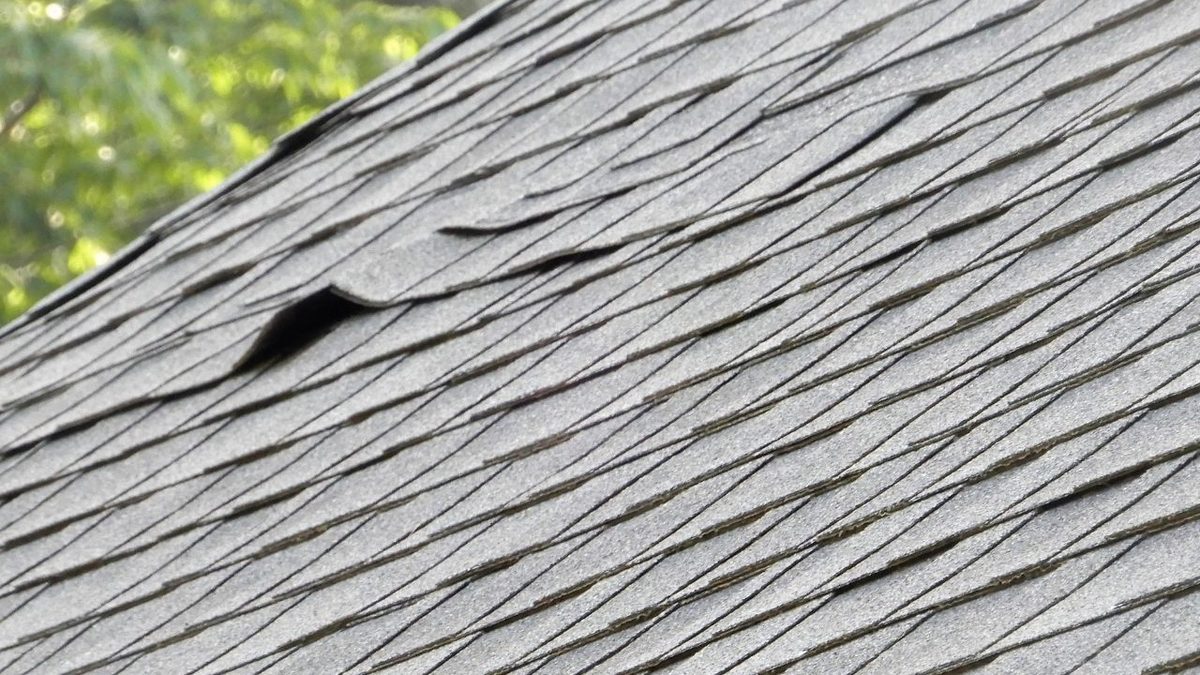
Geneva and St. Charles experience microbursts and sustained high winds that lift shingles and compromise flashing. Wind damage includes separated fascia connections and tree-fall impacts that puncture flashing systems. Hail damage often remains invisible from ground level but leads to severe leaks if homeowners delay professional inspection after major weather events.
What Installation or Maintenance Issues Cause Flashing Failure?
Improper installation techniques account for premature flashing failure in many Illinois homes. Contractors who skip critical steps like applying ice and water shield or using insufficient fasteners create vulnerabilities. Nail placement through exposed flashing surfaces rather than under overlapping materials allows water penetration at fastener locations.
Deferred maintenance accelerates deterioration that proper upkeep would prevent. Caulking around flashing requires periodic inspection and reapplication as materials degrade from UV exposure. Flash repair tips include annual visual inspections and immediate attention to lifted edges or visible gaps before minor defects progress to active leaks.
How Does Aging Infrastructure Contribute to Flashing Problems?
Older homes throughout Illinois contain original flashing that has exceeded its functional lifespan. Materials installed 20 to 30 years ago show corrosion, metal fatigue, and compromised waterproofing despite appearing intact. Aging infrastructure creates a higher risk of major repairs as multiple building systems approach simultaneous replacement needs.
Historic construction methods employed in many Fox River Valley communities used techniques that modern standards have surpassed. Lead flashing and tar-based sealants, common in mid-century construction, deteriorate faster than contemporary materials. Property owners inherit these legacy systems when purchasing older homes and must plan for systematic upgrades.
How Is Roof Flashing Repair Conducted?
Professional assessment precedes all flashing repair work to determine the extent of necessary intervention. Contractors examine visible components and probe adjacent materials for hidden water damage or structural compromise. Thermal imaging technology reveals moisture infiltration patterns that guide repair scope decisions beyond what visual inspection alone detects.
Repair procedures vary based on damage severity and flashing location. Minor interventions replace sealant and secure loose edges, while major repairs require removing roofing materials. The decision between repair and replacement depends on system age, damage extent, and remaining roof lifespan.
What Are the Signs That Flashing Needs Repair or Replacement?
Visible rust stains on exterior walls below flashing locations indicate active water intrusion. Interior ceiling discoloration appears where chimney flashing fails or valley systems allow moisture penetration. Lifted flashing edges become apparent during ladder inspections, while attic examinations reveal water staining on the roof decking near penetration points.
Granule accumulation in valleys suggests shingle deterioration that often accompanies flashing problems. Homeowners should request a professional inspection after severe weather, including hail exceeding one inch in diameter or winds surpassing 50 mph. Early detection prevents minor issues from escalating into structural damage requiring extensive remediation beyond simple flashing replacement.
What Are the Typical Procedures for Flashing Repair?
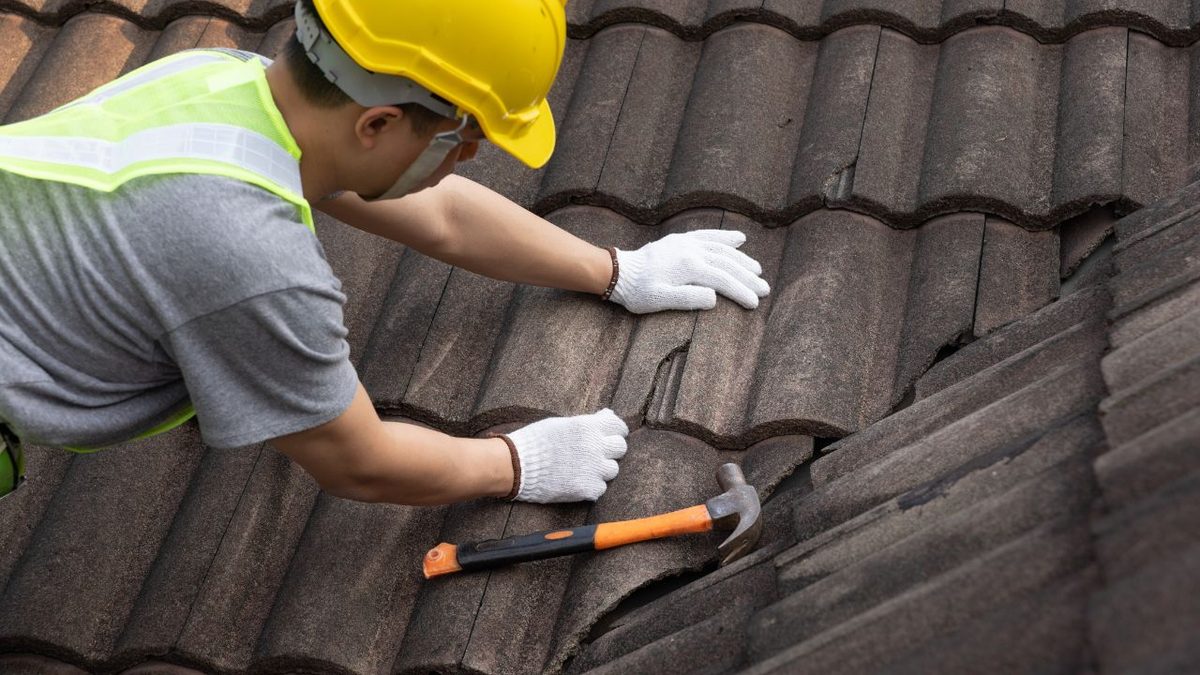
Contractors begin by removing damaged shingles surrounding compromised flashing to access the full installation area. They extract old flashing materials and inspect the underlying roof deck for rot or deterioration. Damaged decking receives replacement before new flashing installation begins to ensure structural integrity.
New flashing installation follows manufacturer specifications and local building code requirements for proper overlap and fastening. Contractors integrate ice and water shield membranes at vulnerable locations before positioning metal components. Final steps include sealing all edges with compatible caulking and replacing shingles to maintain water-shedding patterns.
When Is Flashing Replacement Recommended Over Repair?
Complete replacement becomes necessary when the roof age approaches 15 years, and multiple flashing locations show deterioration. Localized repairs make sense if the roof remains structurally sound and damage affects isolated areas. Widespread problems, including multiple active leaks, indicate systemic failure that partial repairs cannot adequately address.
Property owners should replace flashing when concurrent roof replacement eliminates the cost inefficiency of separate projects. Repair proves appropriate for newer installations where storm damage affects otherwise functional systems. Contractors provide assessments comparing repair versus replacement costs while considering the building's long-term maintenance trajectory.
What Are the Cost Factors for Roof Flashing Repair in Illinois?
Geographic location within Illinois significantly influences roof flashing repair pricing due to labor rate variations. Material selection impacts costs as copper installations command premium prices compared to aluminum or galvanized steel. Project complexity, including roof pitch, accessibility challenges, and the number of penetrations requiring attention, affects final invoicing.
Total expenses include material costs, labor charges, and disposal fees for removed components. How much does roof repair cost in Illinois depend on whether contractors discover underlying damage requiring additional remediation. Homeowners benefit from detailed written estimates that itemize all anticipated expenses before work begins.
How Do Labor and Material Costs Vary Regionally Within Illinois?
Chicago area roof replacement costs range from $8,290 to $29,439, while downstate and rural Illinois projects average $7,500 to $20,000. Urban and suburban areas maintain higher labor rates compared to rural regions, where overhead costs remain lower. Illinois ranks second nationally for roofer wages, reflecting skilled workforce compensation that contributes to overall project expenses.
Chicago area costs exceed downstate pricing due to stricter building codes and permit requirements. Metropolitan contractors face higher insurance premiums and business operating costs that transfer to customer invoicing. Regional expertise in local weather patterns and construction techniques justifies premium pricing through superior long-term performance.
What Is the Price Range for Standard and Complex Flashing Repairs?
National average flashing repair costs span $350 to $450 for straightforward applications involving standard materials. Complex chimney flashing projects frequently exceed $1,200 when including custom fabrication and extensive shingle removal. Minor repairs addressing isolated damage range from $400 to $1,200, depending on accessibility and material requirements.
Moderate repair projects cost $1,500 to $5,000 when addressing multiple failure points or valley systems. Major repairs requiring structural intervention exceed $5,000 and approach full replacement cost considerations. Homeowners should obtain multiple estimates to ensure pricing aligns with project scope and local market rates.
How Do Emergency Repairs and Storm Damage Influence Costs?
Emergency services command premium pricing due to immediate response requirements and after-hours scheduling. Water leak repairs, missing shingle replacement, and emergency tarping protect homes from ongoing damage. The emergency roofing services market reached $236.6 million in 2025, reflecting strong demand for urgent intervention.
Storm damage assessment initiates insurance claim processes that may cover replacement costs and flashing expenses. Contractors provide documentation, including photographs and material specifications, to support claim submissions. Increasing frequency of extreme weather events drives emergency repair demand and influences contractor availability during peak seasons.
How Do Regional and Seasonal Trends Affect Flashing Repair Demand?
Weather pattern variations throughout Illinois create geographic demand differences for flashing repair services. Northern suburbs experience higher hail frequency while southern regions face different precipitation patterns. Contractors in storm-prone areas maintain larger inventories and trained crews to handle seasonal surges.
Demand fluctuations follow predictable seasonal cycles tied to weather conditions and homeowner behavior. Spring and fall represent peak inspection periods when property owners assess winter damage or prepare for the coming weather. Understanding these trends helps homeowners schedule maintenance during optimal windows for contractor availability and competitive pricing.
What Impact Does Severe Weather Have on Flashing Failures in Illinois?
Severe weather events overwhelm contractor capacity and create extended wait times for service. The increasing frequency of extreme weather drives emergency repair demand beyond normal market capacity. Hail damage creates a simultaneous need across multiple properties when storms affect entire neighborhoods.
Wind events lift flashing edges and compromise seal integrity even without visible damage. Temperature extremes stress material connections and accelerate fatigue at fastener locations. Professional contractors prioritize emergency response while balancing scheduled maintenance work during high-demand periods following major storms.
How Do Consumer Preferences Shape Repair Service Choices?
Quality ranks as the top priority for 95 percent of consumers selecting roofing contractors. Price importance reaches 92 percent as homeowners balance budget constraints against quality expectations. Durability considerations influence 88 percent of decisions, while energy efficiency matters to 75 percent of property owners.
Regional expertise carries 65 percent importance as consumers value local knowledge of weather patterns and building codes. Homeowners increasingly research contractor credentials, including manufacturer certifications and industry affiliations. Online reviews and community reputation guide selection processes alongside traditional referral sources.
When Is the Best Season to Schedule Flashing Repairs?
Spring demand increases 30 percent above baseline as homeowners address winter damage and prepare for summer. Summer experiences a 20 percent elevated demand driven by severe thunderstorms and hail events. Fall demand surges 25 percent as property owners rush to complete projects before winter weather arrives.
Winter demand drops 15 percent due to challenging installation conditions and reduced homeowner urgency. Contractors often offer discounted rates during slow winter months to maintain crew employment and cash flow. Homeowners should schedule annual inspections during spring or fall to identify issues before emergency situations develop.
How to Choose a Roofing Contractor for Flashing Repair in Illinois?
Contractor selection requires verifying credentials, including state licensing and insurance coverage. Illinois contractors must hold valid roofing licenses with numbers following the format 104.xxxxxx for legal operation. Proper insurance protects homeowners from liability if workers suffer injuries during on-site activities.
How to choose a licensed roofing contractor in Illinois involves checking multiple verification sources before signing contracts. Homeowners benefit from requesting local references and examining completed projects in their communities. Established companies demonstrate commitment to quality through long-term presence and customer satisfaction records.
What Licensing and Insurance Should Illinois Contractors Have?
Valid state roofing licenses confirm contractors meet minimum qualification standards and maintain required bonds. General liability insurance protects property owners from damage claims during repair activities. Workers' compensation coverage prevents homeowner liability if crew members suffer job-site injuries requiring medical treatment.
Homeowners should verify insurance coverage by requesting certificates directly from insurance carriers rather than accepting contractor-provided documents. Licensed contractors carry higher overhead costs but provide legal recourse if disputes arise. Professional affiliations, including manufacturer certifications, indicate ongoing training and commitment to industry standards.
Why Is Local Expertise Important for Illinois Roof Repairs?
Local contractors understand regional weather patterns, including hail corridors and wind exposure variations. They maintain relationships with building inspectors and have familiarity with municipal permit requirements. Community presence ensures availability for warranty service and establishes accountability through reputation concerns.
Companies with established community presence demonstrate financial stability and long-term commitment to customer satisfaction. Local expertise includes knowledge of common construction methods used in the regional housing stock. Proximity enables faster emergency response when urgent repairs become necessary after severe weather events.
What Should Homeowners Look for in References and Warranties?
Recent project references provide insight into contractor communication patterns and work quality. Homeowners should contact multiple references and ask specific questions about timeline adherence and problem resolution. Photo documentation of completed projects demonstrates attention to detail and installation quality standards.
Comprehensive warranties covering both materials and workmanship protect long-term investment value. Material warranties come from manufacturers, while workmanship guarantees reflect contractor confidence in installation quality. Written warranty terms should specify coverage duration, exclusions, and procedures for obtaining service if problems develop.
What Are Related Roof Maintenance Considerations with Flashing Repair?
Comprehensive roof health requires addressing interconnected systems beyond isolated flashing repairs. Attic ventilation affects moisture accumulation patterns that accelerate flashing deterioration when inadequate. Gutter function directly impacts water volume reaching flashing systems and influences their long-term performance.
Preventative maintenance programs identify developing problems before emergency interventions become necessary. Regular inspections catch minor issues during stages when simple repairs prevent major damage. Coordinating multiple maintenance activities reduces overall costs compared to addressing systems individually as failures occur.
How Does Attic Ventilation Impact Flashing and Roof Longevity?
Proper roof ventilation prevents moisture accumulation that causes premature material deterioration, including flashing corrosion. Inadequate airflow creates temperature differentials that accelerate ice dam formation at roof edges. The roof ventilation products market reached $1.32 billion in 2026, reflecting growing awareness of the importance.
Balanced intake and exhaust ventilation extends shingle lifespan while reducing cooling costs during summer. Proper attic ventilation prevents condensation that damages roof decking and insulation materials. Contractors assess ventilation adequacy during flashing repairs and recommend improvements when deficiencies exist.
Why Should Gutter Maintenance Be Coordinated with Flashing Repair?
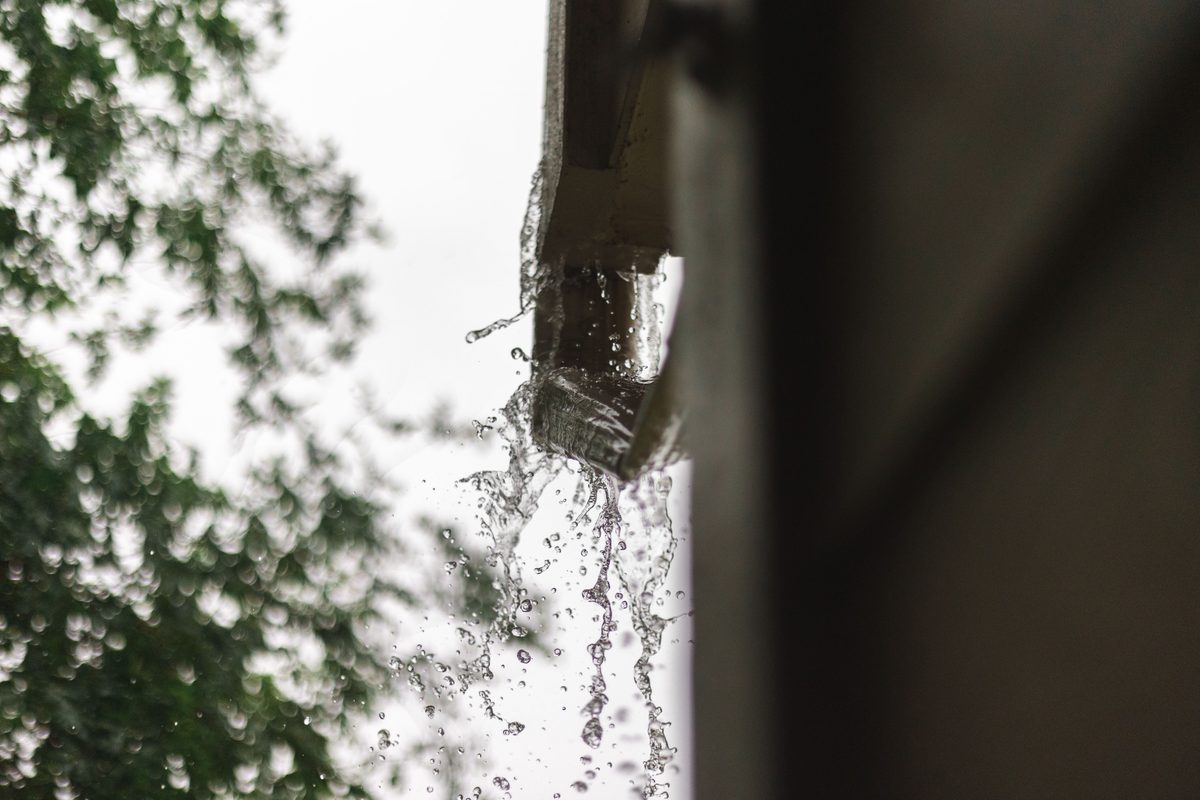
Clogged or damaged gutters cause water overflow that saturates fascia boards and roof edges. Gutter neglect impact extends beyond immediate water damage to include ice dam formation during winter months. The U.S. gutters and downspouts market reached $8 billion, demonstrating widespread recognition of proper drainage importance.
Coordinated maintenance addresses both water collection and distribution systems simultaneously for cost efficiency. Contractors inspect gutter attachment points during flashing repairs to identify separation or deterioration. Proper downspout placement directs water away from foundation areas, where poor drainage causes basement moisture problems.
How Does Preventative Maintenance Reduce the Risk of Flashing Damage?
Annual inspection programs identify developing problems, including sealant deterioration and loose fasteners. Early intervention prevents minor defects from progressing to active leaks requiring extensive remediation. Scheduled maintenance costs less than emergency repairs while avoiding secondary damage from undetected water intrusion.
Seasonal considerations include holiday decoration installation that can damage flashing through improper fastener placement. Professional maintenance programs track component age and recommend proactive replacement before failures occur. Documentation of maintenance activities supports insurance claims and provides records for future property transactions.
Roof Flashing Repair in Illinois: Integrating Causes, Costs, and Best Practices
Successful flashing repair requires understanding the interconnected factors affecting system performance and longevity. Illinois homeowners face unique challenges from severe weather exposure and aging housing stock. Informed decision-making balances immediate repair needs against long-term maintenance strategies that protect property values.
Cost considerations extend beyond initial repair expenses to include preventative maintenance investments. Quality workmanship from experienced contractors delivers superior value compared to low-bid alternatives. Homeowners who prioritize systematic maintenance over reactive repairs achieve better outcomes with lower total lifetime costs.
Professional contractors like Advanced Roofing Inc. bring decades of local experience to complex flashing repair projects. Their expertise helps property owners navigate decisions about repair versus replacement timing. Proactive maintenance combined with quality materials and skilled installation protects Illinois homes from water intrusion damage.
Understanding regional weather patterns and building science principles enables homeowners to make informed choices. Regular inspections and timely interventions prevent minor issues from becoming major expenses. Strategic planning that coordinates related systems, including ventilation and drainage, optimizes overall roof performance.
Schedule Your Roof Flashing Inspection with Advanced Roofing Inc.
Flashing failures rarely announce themselves — by the time a leak appears inside your home, water damage has already been building behind your walls. Advanced Roofing Inc. has served Illinois homeowners since 1994 with honest assessments, quality repairs, and the workmanship credentials to back it up, including GAF Master Elite® and CertainTeed ShingleMaster™ certifications.
Whether you're dealing with an active leak, noticing lifted or cracked flashing around your chimney or skylights, or simply due for a seasonal inspection, our team provides a thorough roof evaluation at no obligation. Protecting your home starts with addressing flashing issues before they escalate into costly water damage. Professional roof repair services from Advanced Roofing Inc. provide the expertise needed to assess your specific situation and recommend appropriate solutions.