Clogged gutters cause over 50% of winter-related roof failures in Illinois through ice dam formation and water backup under shingles, making regular cleaning your most critical preventative measure.
Prevention costs a fraction of repairs: A $500 maintenance investment averts $12,000–$20,000+ in consequential damage from water intrusion, structural rot, and mold remediation.
Damage progression is exponential: Initial leak repairs costing $150–$450 within 24–48 hours escalate to $15,000–$50,000+ within 6–12 months when ignored, as water saturates insulation, rots framing, and compromises structural integrity.
Fall gutter cleaning is non-negotiable in Illinois: Performing comprehensive cleaning after leaf drop prevents ice dam formation during winter freeze-thaw cycles and protects against fascia rot costing $10–$23 per linear foot to repair.
Ice dams require comprehensive solutions beyond gutter cleaning: Combining adequate attic insulation (R-49 minimum), proper ventilation, and clear gutters prevents the heat loss that causes snow melt and dangerous ice dam formation at roof edges.
Illinois homeowners face unique roofing challenges. The state's extreme climate, heavy winter snows, destructive freeze-thaw cycles, humid summers, and high winds relentlessly test roof integrity. While most homeowners focus on shingles and flashing, they overlook a critical vulnerability: their gutters.
This guide reveals how clogged gutters transform from protective drainage systems into destructive forces that cause over half of all winter-related roof failures in Illinois. You'll discover the exponential cost escalation from neglect, the specific mechanisms of ice dam formation, and the actionable prevention strategies that protect your investment.
Understanding these connections between gutter maintenance and roof longevity can save you tens of thousands of dollars in emergency repairs.
How Does Gutter Neglect Affect Roofs In Illinois?
Gutters channel thousands of gallons of water away from your home annually. When clogged, they reverse their function, transforming from protective systems into destructive forces that threaten your roof, fascia, and foundation. Illinois's extreme climate amplifies these consequences dramatically, makingprofessional gutter maintenance Illinoisessential for long-term roof protection.
What Happens When Gutters Are Clogged In Illinois?
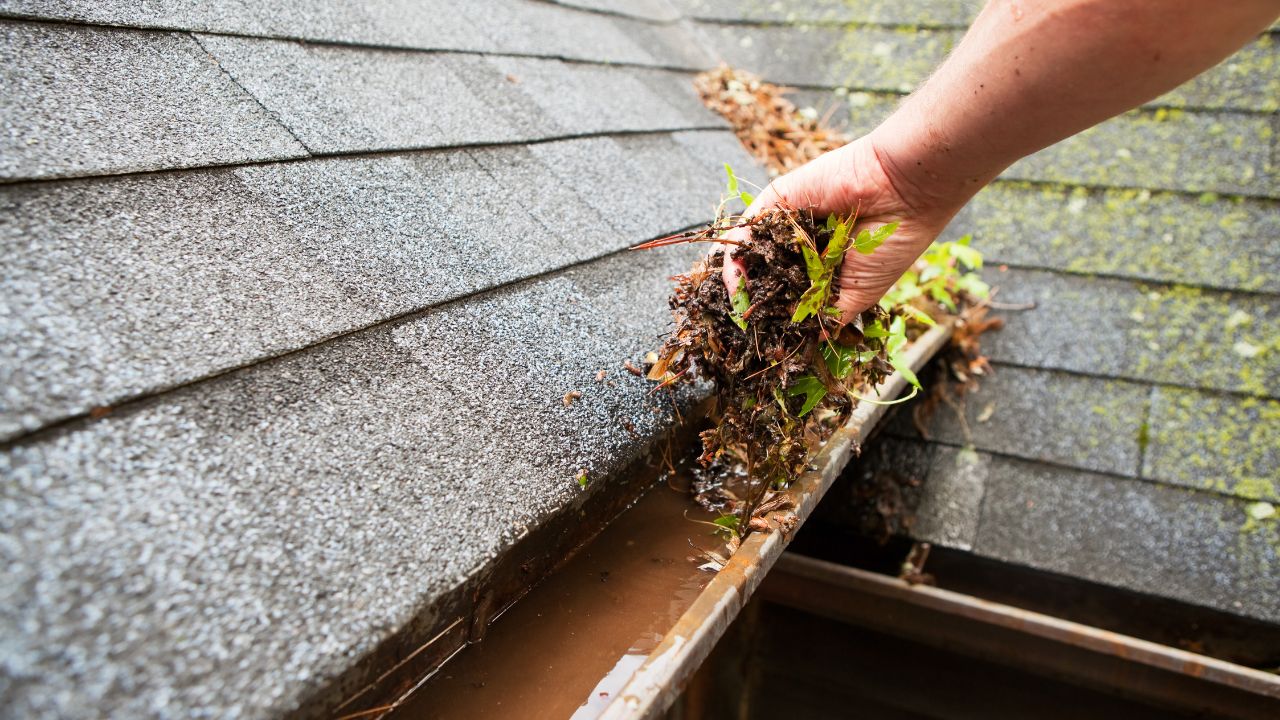
Clogged gutters force water to overflow directly onto fascia and soffit boards. This constant moisture exposure causes wood rot, requiring repairs costing $10–$23 per linear foot. Overflow water deposits at the foundation, creating soil erosion and hydrostatic pressure that leads to cracks and basement flooding, repairs often exceeding $10,000. The connection between clogged gutters roof damage is direct and measurable.
Why Does Gutter Neglect Lead To Roof Damage In Illinois Homes?
Clogged gutters are the primary cause of ice dams. When snow melts on the roof, water flows to cold eaves and refreezes in blocked gutters, forming ice barriers. These dams block drainage, forcing water backward under shingles and into the roof structure. The result: interior water damage, wood rot, and mold growth that can cost $1,350–$2,800+ to remediate. Understanding the relationship between ice dams clogged gutters helps homeowners prioritize preventative maintenance.
How Do Weather Conditions In Illinois Exacerbate Gutter Neglect And Roof Damage?
Illinois experiences frequent freeze-thaw cycles, heavy snow loads, and intense summer storms. Each freeze-thaw event expands trapped water in clogged gutters, accelerating material failure. Spring thaws dump massive water volumes that overwhelm gutters that cannot handle them. High winds deposit debris rapidly, requiring vigilant maintenance to prevent blockages.
What Types Of Roof Damage Can Clogged Gutters Cause In Illinois?
Clogged gutters trigger a cascade of failure mechanisms. Water backs up onto roof surfaces, ice dams force moisture under protective barriers, and structural components rot from prolonged exposure. Understanding these damage types helps homeowners recognize warning signs before roof repair costs escalate.
How Do Clogged Gutters Lead To Water Pooling On Roofs In Illinois?
When gutters overflow, water has nowhere to go but backward onto the roof surface. This standing water penetrates any crack, gap, or vulnerable point in roofing materials. Prolonged exposure saturates underlayment and decking, initiating rot that spreads rapidly through structural components. These roof leaks from gutters often go undetected until interior damage becomes visible.
What Are Ice Dams, And How Do They Form From Clogged Gutters?
Ice Dam Formation Process and Consequences
Stage
Condition/Process
Risk/Consequence
Stage 1
Snow accumulation on roof with inadequate insulation
Heat escapes from attic, warming roof surface
Stage 2
Snow melts on warmed roof surface
Water flows toward cold eaves
Stage 3
Melted water refreezes in cold, clogged gutter at roof edge
Ice dam forms, blocking drainage
Stage 4
Additional meltwater backs up behind ice dam
Water forced under shingles, bypassing barrier
Stage 5
Water penetrates roof structure
Interior damage, wood rot, mold growth
Ice dams form when heat loss through inadequate attic insulation melts roof snow. Water flows to cold eaves, refreezing in clogged gutters to create ice barriers. These dams block drainage, forcing water under shingles where it bypasses waterproof barriers and enters the structure. Poor ventilation traps heat, accelerating this cycle.
Can Clogged Gutters Contribute To Roof Leaks In Illinois Homes?
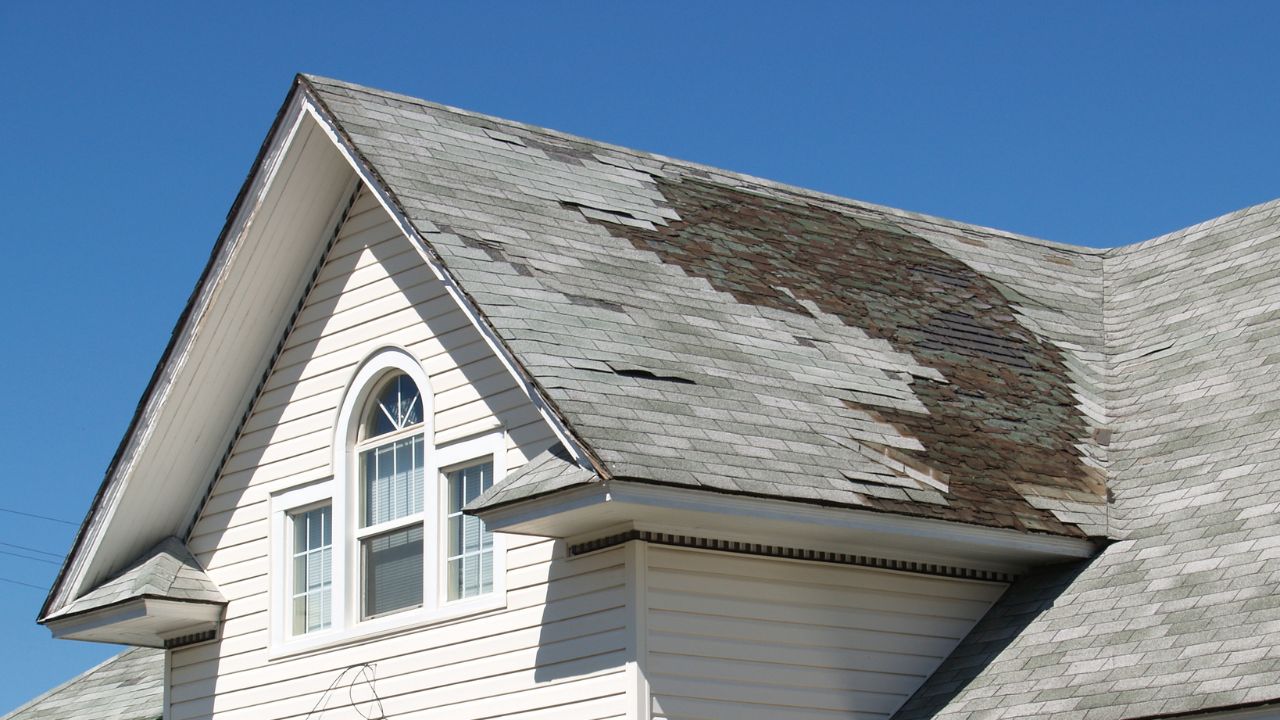
Clogged gutters and resulting ice dams cause over 50% of winter-related roof failures in Illinois. Ice dams create direct water pathways under shingles, bypassing your roof's primary defense. Once water penetrates, it saturates insulation, rots decking, and fosters mold, damage that escalates from hundreds to tens of thousands of dollars within months.
How Can Gutter Maintenance Prevent Roof Damage In Illinois?
Proactive gutter maintenance costs a fraction of repair bills. Regular cleaning, professional inspection, and seasonal preparation protect your roof from water damage, ice dams, and structural failure. Gutter maintenance in fall is particularly critical for preventing winter damage. A consistent maintenance schedule is your most cost-effective defense.
What Are The Best Practices For Maintaining Gutters In Illinois?
Essential Gutter Maintenance Steps:
Regular cleaning: Remove all debris during fall (most critical) and spring
Inspect for damage: Check for sagging, detachment, or overflow during rain
Ensure downspout function: Verify water flows freely and extends 4–6 feet from the foundation
Check fasteners: Tighten loose brackets and replace damaged hangers
Clear debris carefully: Avoid damaging gutters during cleaning. Work from a stable ladder
How Often Should Gutters Be Cleaned In Illinois To Prevent Roof Damage?
Seasonal Gutter Cleaning Schedule for Illinois:
Spring:
Clean gutters and downspouts after winter debris accumulation
Inspect for freeze-thaw damage and loose sections
Check flashing seals for cracks requiring re-sealing
Summer:
Monitor storm debris accumulation
Trim overhanging branches, preventing future clogs
Fall:
Most critical cleaning is performed after leaf drop completes
Schedule pa rofessional inspection before winter
Prepare system for freeze-thaw cycles
Winter:
Monitor for ice dam formation after snowfall
Check for icicles at roof edges indicating dams
Verify attic vents remain unblocked
Can Gutter Guards Help Prevent Roof Damage In Illinois?
Gutter guards reduce cleaning frequency but don't eliminate maintenance entirely. Evaluate installation based on surrounding tree density and debris types. Guards work best as part of comprehensive maintenance strategies, not replacements for regular inspection. When consideringgutter system installation, assess whether your property benefits from guards or requires more frequent traditional cleaning.
Should You Hire A Professional Or Clean Gutters Yourself In Illinois?
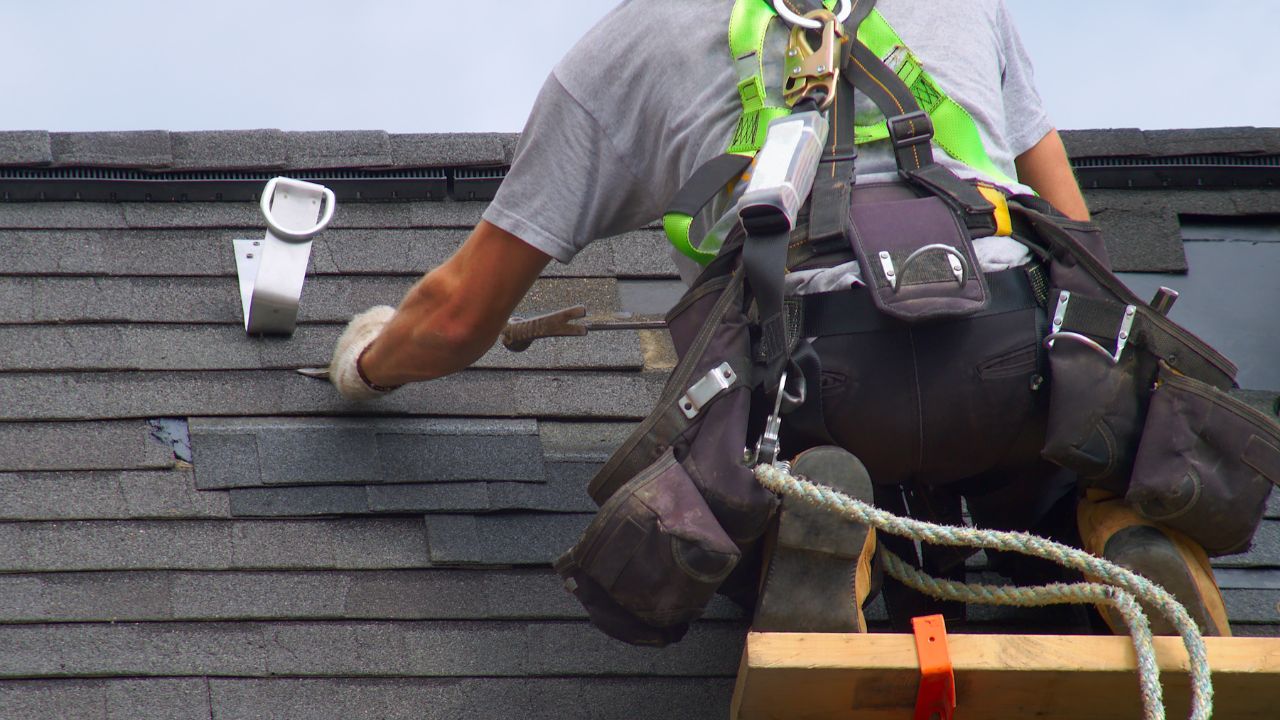
DIY attempts often lack technical knowledge to identify underlying issues beyond surface cleaning. Homeowners may damage gutters, miss critical problems like failing flashing, or create safety hazards working at height. Professionals provide expertise in spotting early warning signs, ensuring proper drainage, and addressing structural concerns before they escalate. For two-story homes or complex rooflines, professional service is the safer, more thorough choice.
What Are The Long-Term Consequences Of Gutter Neglect On Roofs In Illinois?
Gutter neglect compounds over time. What starts as minor overflow progresses to structural failure, foundation damage, and interior destruction. Illinois's freeze-thaw cycles accelerate this deterioration, turning years of gradual decay into months of rapid decline.
How Does Gutter Neglect Impact The Structural Integrity Of Your Roof Over Time?
Constant moisture exposure from overflowing gutters saturates fascia boards, initiating wood rot that spreads to roof decking. Water penetration weakens structural components, rafters and joists lose load-bearing capacity as rot advances. Illinois's freeze-thaw cycles accelerate this process: water-logged wood expands when frozen, breaking down fiber structure and causing rapid deterioration that can compromise structural integrity within 6–12 months.
Can Gutter Neglect Lead To Extensive Roof Repairs Or Roof Replacement In Illinois?
A $150–$450 initial leak repair ignored for months escalates to $12,000–$20,000+ when consequential damage factors in, rotted decking, structural repairs, mold remediation, and interior restoration. Catastrophic cases require complete roof replacement rather than isolated repairs. The cost multiplier from neglect typically ranges from 20x to 40x the original repair expense, making prevention dramatically more cost-effective than delayed response.
What Other Issues Can Arise From Gutter Neglect In Illinois Homes?
Additional Consequences of Gutter Neglect:
Fascia and Soffit Damage:
Overflow water runs directly down fascia boards, causing saturation and rot
Repair costs: $10–$23 per linear foot
Severe rot causes complete gutter detachment from house structure
Foundation Problems:
Water deposits at foundation perimeter, creating soil erosion and hydrostatic pressure
Foundation crack repairs: $10,000–$15,000 or more
Increased risk of basement flooding and structural settling
Interior Damage:
Water stains appear on ceilings and walls within weeks
Mold colonizes moist surfaces within 24–48 hours of water exposure
Poor indoor air quality affects health and requires professional remediation
How Do Illinois' Climate And Weather Conditions Impact Gutter And Roof Maintenance?
Illinois's climate extremes, heavy snow, freeze-thaw cycles, humid summers, and high winds, create unique maintenance demands. Understanding seasonal threats allows homeowners to time interventions before weather amplifies minor issues into major failures.
How Does Snow And Ice Affect Gutter Maintenance And Roof Health In Illinois?
Snow and Ice Impacts on Gutters and Roofs:
Formation of Ice Dams:
Primary winter threat caused by clogged gutters
Removal and repair costs: $1,350–$2,800+
Account for 50%+ of winter-related roof failures in Illinois
Material Degradation:
Freeze-thaw cycles expand water in crevices, creating cracks
Premature material fatigue in components not rated for cold climates
Accelerates deterioration of shingles, flashing, and structural elements
Prevention Strategies:
Install adequate attic insulation (R-49 minimum for Illinois)
Maintain proper ventilation to regulate attic temperature
Clean gutters before winter onset
Consider heating cables for high-risk areas
How Do Spring And Summer Rains In Illinois Contribute To Gutter Clogging And Roof Damage?
Seasonal Rainfall Impacts and Maintenance:
Spring Impacts:
Heavy rains and snowmelt create massive water volumes
Debris from winter accumulation blocks drainage channels
Post-winter inspection critical for identifying freeze-thaw damage
Summer Impacts:
Humid conditions promote algae and moss growth on shingles
High winds deposit branches and storm debris rapidly
Heat buildup in poorly ventilated attics accelerates shingle aging from below
Maintenance Needs:
Clean gutters immediately after major storms
Trim overhanging branches before storm season
Monitor gutter overflow during rainfall, visible overflow indicates blockage
What Is The Impact Of Freeze-Thaw Cycles On Gutters And Roofs In Illinois?
Freeze-Thaw Cycle Effects on Roofing Systems
Component
Temperature Effect
Material Impact
Potential Damage
Gutters
Water freezes and expands
Metal expansion/contraction
Cracks, loosening, complete detachment
Fascia Boards
Repeated wet-freeze cycles
Wood fiber breakdown
Rot costing $10–$23/linear foot
Roof Shingles
Water in cracks freezes and expands
Material brittleness
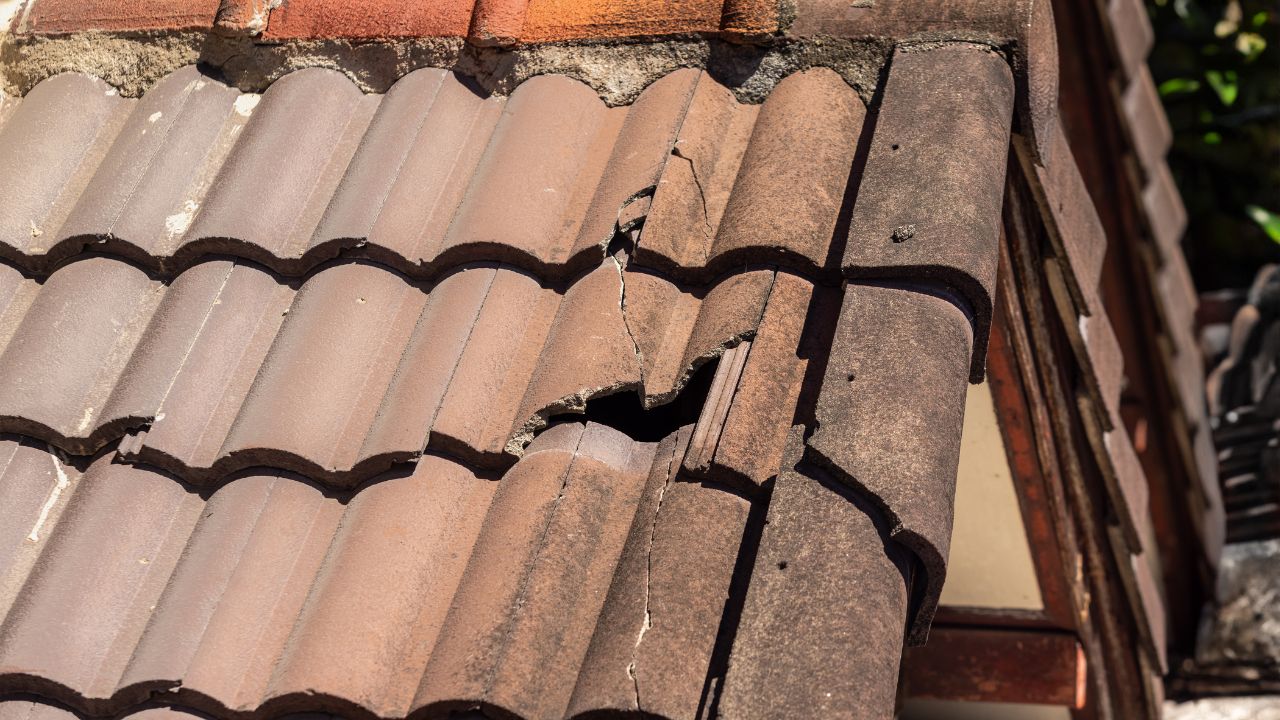
Cracking, granule loss, premature failure
Flashing
Trapped water freezes and expands
Seal degradation
Gap widening, creating 80% of roof leaks
Roof Deck
Moisture saturation then freezing
Wood deterioration
Structural weakness, rot, potential collapse
Illinois experiences frequent freeze-thaw cycles, often multiple times per week during transition seasons. Materials and installation techniques not designed for Midwest conditions fail prematurely. Water-logged wood exposed to freezing temperatures deteriorates exponentially faster than dry wood, with visible rot developing in weeks rather than years.
What Are The Key Signs Of Roof Damage Due To Clogged Gutters In Illinois?
Early detection prevents exponential cost escalation. Recognizing warning signs, from interior stains to exterior ice buildup, allows homeowners to intervene before minor issues become structural failures requiring five-figure repairs.
How Can You Spot Roof Leaks Caused By Clogged Gutters In Illinois Homes?
Water stains on ceilings or walls are the most common early warning sign. These stains appear within 1–4 weeks of leak initiation, signaling that water has penetrated the roof barrier and saturated interior materials, repair costs at this stage reach $1,500–$3,000+. Musty odors or visible mold growth in attics indicate persistent moisture problems requiring immediate attention. Catching leaks within the first 24–48 hours limits repair costs to $150–$450; delays multiply expenses dramatically as water damage spreads through insulation, framing, and finished surfaces.
What Are The Signs Of Ice Dams On Your Roof In Illinois?
Visual Indicators of Ice Dams:
Icicles hanging from eaves indicate meltwater refreezing at the roof edge
Water stains on interior ceilings or walls confirm that water has penetrated the roof structure
Roof areas that don't melt in spring suggests ice dam blocking normal drainage
Sagging gutters, ice weight causes structural stress and potential detachment
Ice ridge along the roof edge, visible barrier of accumulated ice at eaves
Can Gutter Blockages Be Visually Identified Before They Cause Serious Roof Damage?
Early Warning Signs of Gutter Blockages:
Overflowing gutters during rain is direct evidence that drainage is blocked
Sagging or misaligned sections shows weight of trapped water and debris
Visible debris or standing water, accumulated leaves, twigs, and sediment
Water marks on the fascia, staining indicates chronic overflow
Plants or seedlings growing from gutters signal long-term debris accumulation and standing water
Preventing Roof Damage From Clogged Gutters In Illinois
Maintaining functional gutters is essential for protecting your roof and avoiding costly repairs. Regular gutter cleaning and inspections are a small investment compared to the hefty costs of emergency repairs, which can reach tens of thousands of dollars. By proactively addressing issues like clogged gutters and ice dams, you can prevent structural damage, mold growth, and interior restoration.
Taking simple steps such as scheduling annual professional inspections, ensuring proper attic insulation, and trimming overhanging tree branches can help keep your roof safe, saving you money in the long run. Responsible gutter maintenance is key to preserving the integrity of your home in Illinois.
Frequently Asked Questions
Can Gutter Guards Prevent Ice Dams and Roof Damage in Illinois?
Gutter guards help reduce debris accumulation, but they do not eliminate the risk of ice dams. Ice dams are primarily caused by inadequate attic insulation and ventilation rather than clogged gutters. When heat escapes through poor insulation, it melts snow on the roof, which then refreezes at the cold eaves. Even with gutter guards, this process can still occur if the underlying thermal issues are not addressed. For comprehensive protection, it’s essential to combine gutter guards with proper attic insulation (R-49+), adequate ventilation, and regular maintenance.
How Can You Fix Roof Leaks Caused by Clogged Gutters in Illinois?
To fix roof leaks caused by clogged gutters, start by identifying the leak’s location and tracing water stains to their exterior source. Inspect and clear the gutters of blockages, checking for ice dams if necessary. If damage is found, assess the extent of the problem and repair or replace damaged components like shingles, flashing, or fascia. It’s also important to address the root causes, such as improving attic insulation and ventilation. Professional help should be sought if the damage has lasted more than 1–4 weeks, involves structural issues, or requires mold remediation or fascia replacement.
Is It Necessary to Hire a Professional for Gutter Maintenance in Illinois?
Hiring a professional for gutter maintenance has several advantages, including their expertise in identifying hidden issues, reducing injury risks with proper safety equipment, and offering warranties on their work. Professionals can efficiently complete the job and ensure proper debris disposal. However, this comes with a cost and scheduling requirements. DIY maintenance is suitable for homeowners with safe ladder access, especially for minor debris removal or routine cleaning. Professional help is essential for two-story homes, post-severe weather damage, active ice dams, or signs of fascia or structural damage.
At Advanced Roofing Inc., we put our customers’ needs first by providing trained installers, high-quality materials and reliable service that can’t be matched by other roofing companies.
We're dedicated to providing exceptional service and ensuring your satisfaction. Please don't hesitate to reach out to us with any questions, inquiries, or to schedule a consultation.
At Advanced Roofing Inc., we put our customers’ needs first by providing trained installers, high-quality materials and reliable service that can’t be matched by other roofing companies.
We're dedicated to providing exceptional service and ensuring your satisfaction. Please don't hesitate to reach out to us with any questions, inquiries, or to schedule a consultation.