Hail damage roof repair in Illinois addresses a critical concern for homeowners throughout the state. Illinois experiences frequent severe weather events that cause substantial property damage annually, requiring immediate assessment and professional restoration. Understanding repair costs, insurance procedures, and contractor selection protects your home investment.
This guide covers everything from initial damage inspection through insurance claim filing and final repair decisions. You'll learn how to evaluate hail damage roof repair in Illinois costs, work effectively with insurance adjusters, and select qualified contractors. The information reflects current industry data and practical considerations specific to Illinois weather patterns.
Key Takeaways
- Hail damage roof repair in Illinois costs range from $150 for minor fixes to $16,000 for full replacement
- Filing insurance claims for hail damage can increase premiums by 9% to 15% within the policy period
- Roof repair costs in Illinois vary significantly based on material choice and damage severity
- Professional inspections cost $75 to $1,000, depending on methodology and building complexity
- Spring months represent peak inspection demand as homeowners assess winter and early storm damage
What Is Hail Damage and How Does It Affect Roofs in Illinois?
Hail damage occurs when ice pellets impact roofing materials with sufficient force to compromise structural integrity. Over 22% of residential roofing replacements stem from storm-related damage, making weather events the leading cause of roof failure. Wind and hail account for more than half of all residential claims nationwide.
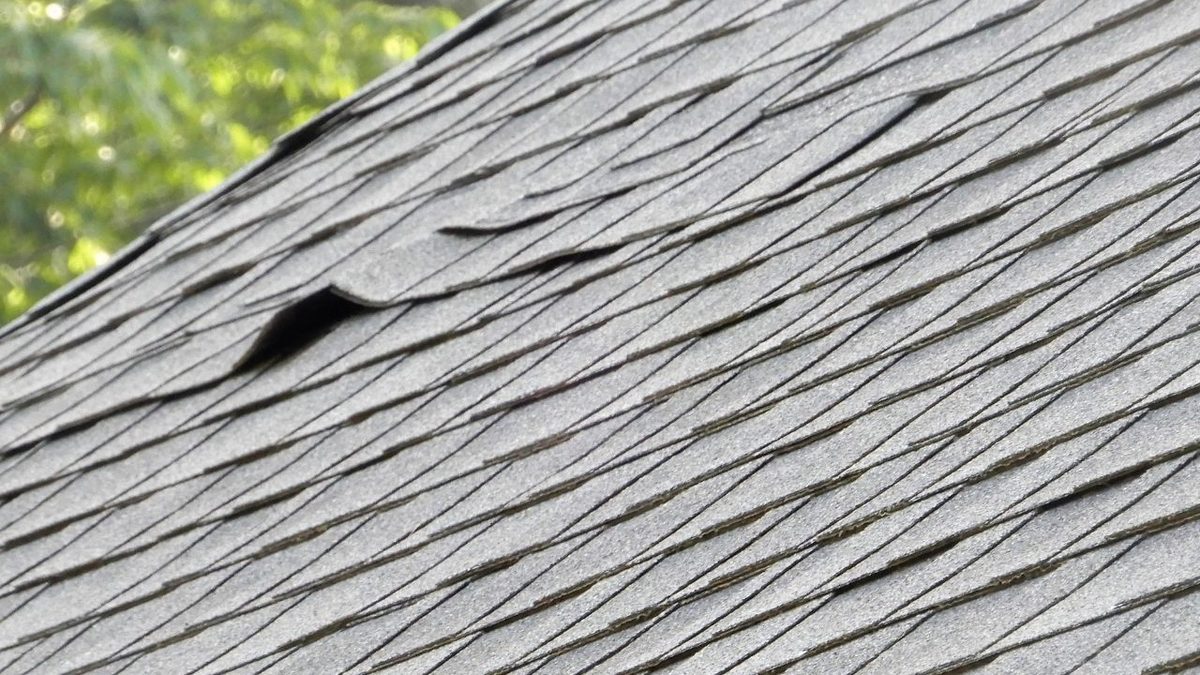
Asphalt shingles account for 80% of residential roofs and show particular vulnerability to hail impact. Damage manifests as granule loss, cracked shingles, and compromised water resistance, leading to interior leaks. Flashing failures represent another common source of leaks following severe weather exposure.
What Types of Roof Damage Does Hail Cause?
Hail causes multiple forms of roof damage depending on ice pellet size and impact velocity. Granule displacement occurs with smaller hailstones, while larger stones create visible dents and fractures. Asphalt shingles become vulnerable to premature aging when protective granules wash away.
Metal flashing around chimneys, vents, and skylights also sustains damage during hailstorms. Standard roof flashing repairs cost $200 to $600 for basic penetrations. Complex flashing repairs for chimneys or skylights cost $750 to $1,000 due to specialized materials and labor requirements.
Why Is Illinois Especially Vulnerable to Hail Damage?
More than 1.7 million homes in Chicago face the risk of moderate or severe hail damage annually. Chicago's hail risk represents over $1 trillion in reconstruction value for residential and commercial properties combined. The Chicago metropolitan area remains highly susceptible due to its location in Tornado Alley's eastern edge.
Illinois experiences high exposure to hail and storm damage throughout the spring and summer months. The state's geographic position creates ideal conditions for severe thunderstorm development that produces damaging hail. Preparing for Illinois storm seasons helps minimize potential damage and reduces repair costs.
How Can Roof Flashing Fail During Storms?
Roof flashing fails when high winds lift edges or hail dents metal components beyond functional capacity. Standard repairs cost $200 to $600 for basic replacements around penetrations. Complex flashing repairs for chimneys or skylights cost $750 to $1,000 when structural modifications become necessary.
Wind-driven rain exploits even minor flashing gaps to penetrate roof assemblies and damage interior structures. Early detection prevents extensive water damage requiring costly structural repairs. Regular post-storm inspections identify compromised flashing before leaks develop into major problems.
How Are Roof Repair Costs Determined for Hail Damage?
Roof repair costs in Illinois depend on the extent, material selection, and building size. Labor availability and seasonal demand also influence final expenses significantly. Contractors assess multiple factors, including square footage, accessibility, and required materials, before providing estimates.
Market conditions affect pricing through supply chain dynamics and workforce availability. Rising labor costs contributed to 15% increase in overall project expenses between 2023 and 2024. Understanding these cost components helps homeowners budget appropriately and evaluate contractor proposals.
What Are Typical Costs for Minor, Moderate, and Severe Repairs?
Minor hail repairs, replacing a few shingles, cost $150 to $600 for typical residential applications. Moderate hail repairs range from $1,500 to $3,500 when extensive shingle replacement becomes necessary. Severe hail damage requiring full replacement averages $7,400 to $16,000 for 2,000 square foot homes.
Cost variations reflect damage patterns, material choices, and roof complexity. Storm damage assessment determines whether repairs suffice or complete replacement provides better long-term value. Contractors evaluate structural integrity, remaining shingle life, and building code compliance when recommending approaches.
How Do Roofing Materials Influence Repair Expenses?
Asphalt shingles cost $4.00 to $15.00 per square foot with 15 to 30 year lifespan expectations. Metal roofing costs $4.50 to $7.00 per square foot with a 50-plus year lifespan and superior hail resistance. Tile roofing costs $3.00 to $30.00 per square foot with a 50-plus year lifespan, but requires specialized installation expertise.
Metal roofing accounts for 12% of residential roofs, while tile accounts for 5%. Material selection affects both immediate roof repair costs in Illinois and long-term maintenance requirements. Higher initial investment in durable materials often provides better value through reduced replacement frequency and lower insurance premiums.
What Are the Cost Differences Between Residential and Commercial Repairs?
Small commercial buildings under 5,000 square feet typically cost $200 to $300 to inspect professionally. Large commercial facilities, 15,000 to 50,000 square feet, range from $1,200 to $2,500 for comprehensive inspection services. Residential accounts for 65% of total market revenue while commercial roofing constitutes 35%.
Commercial projects require specialized equipment, liability coverage, and coordination with building operations that increase costs. Flat roof systems, common in commercial buildings, demand different repair approaches than residential sloped roofs. Business disruption costs factor into commercial repair decisions alongside direct material and labor expenses.
How Do Insurance Claims Work for Hail Damage Roof Repairs?
Insurance claims for hail damage follow specific procedures requiring proper documentation and timely reporting. Most policies cover sudden weather-related damage but exclude gradual deterioration from normal aging. Understanding policy terms and the deductible structure helps determine whether filing provides a financial benefit.
Insurers increasingly use aerial imagery and data analytics to verify roof age and pre-existing conditions. This technology helps carriers distinguish between storm damage and normal wear requiring replacement. Homeowners should review coverage limits and depreciation schedules before storms occur.
When Should Homeowners File an Insurance Claim?
Homeowners should file insurance claims when repair costs significantly exceed policy deductibles. U.S. roof claims costs reached $30.7 billion in 2024, reflecting increased storm frequency and property values. State Farm paid over $3.8 billion in home repairs for hail damage claims in 2024 alone.
Filing roof claims can result in premium increases of 9% to 15% within the policy period. Maximizing insurance coverage for roof damage requires understanding when claims provide a net financial benefit. Homeowners should calculate total repair costs versus deductibles plus potential premium increases before filing.
How Can Contractors Assist with Insurance Documentation?
Contractors assist with insurance documentation by providing detailed damage assessments and repair scope estimates. Approximately 18% of homeowners prioritize insurance claims help when selecting roofing contractors. Professional documentation includes photographs, measurements, and material specifications supporting claim validity.
Experienced contractors understand insurance adjuster expectations and provide reports that facilitate claim approval. Choosing qualified contractors ensures proper documentation and prevents disputes over the extent. Contractors should never encourage fraudulent claims or misrepresent damage severity.
What Are Potential Premium Impacts After a Claim?
Filing roof claims can result in premium increases of 9% to 15% for subsequent policy periods. These increases typically persist for three to five years, depending on carrier policies and state regulations. Multiple claims within short timeframes may trigger policy non-renewal or force homeowners into higher-risk insurance pools.
Homeowners should weigh immediate repair savings against long-term premium costs when deciding whether to file. Some carriers offer claim-free discounts that disappear after filing, increasing the true cost of insurance recovery. Consulting with insurance agents before filing helps homeowners understand the full financial implications.
What Steps Should Illinois Homeowners Take First After Hail Damage?
Homeowners should immediately document visible damage through photographs and take temporary protective measures after hailstorms. Tarping exposed areas prevents additional water damage that insurance may not cover. Recognizing winter storm damage signs helps identify problems requiring urgent attention.
Contact your insurance carrier within the timeframe specified in policy documents. Most policies require prompt notification of damage to maintain coverage eligibility. Delaying claim filing beyond policy deadlines may result in coverage denial.
How to Perform Initial Roof Damage Inspection Safely?
Physical inspection costs $75 to $200 for standard residential roof evaluations. Drone inspection costs $150 to $400 and provides safer access to steep or damaged surfaces. Infrared thermal inspection costs $400 to $600 and reveals hidden moisture damage beneath surface materials.
Structural engineer inspection costs $500 to $1,000-plus when severe damage requires a professional structural assessment. Homeowners should never attempt personal roof inspections that risk falls or further property damage. Professional inspectors use proper safety equipment and possess expertise to identify all forms of damage.
When to Contact a Professional Roofing Contractor?
Contact professional roofing contractors immediately after identifying visible hail damage or interior leak signs. Delays allow water infiltration, causing structural damage, mold growth, and insulation deterioration. Identifying spring emergency repair needs prevents minor problems from escalating into major structural failures.
Approximately 54% of homeowners report difficulty finding skilled roofing professionals during peak season. Labor shortages led to project delays of up to 30% in recent years across Illinois markets. Early contractor contact improves scheduling flexibility and prevents extended exposure to weather elements.
How to Document Damage for Insurance and Repair Purposes?
Document damage through detailed photographs showing overall roof condition and specific damage locations. Capture images from ground level and include reference points, establishing damage scale and distribution. Interior photographs of water stains, ceiling damage, and attic moisture provide supporting evidence.
Create written descriptions noting storm date, damage discovery timeline, and temporary protective measures taken. Maintain receipts for emergency repairs, such as tarping, that prevent additional damage. Complete documentation supports insurance claims and helps contractors develop accurate repair scopes and cost estimates.
How Do Consumer Preferences Affect Hiring Roofing Contractors in Illinois?
Consumer preferences strongly influence contractor selection decisions throughout Illinois residential markets. Approximately 22% of homeowners prioritize cost and price when selecting contractors for roof projects. However, 15% prioritize transparent communication, while 14% prioritize contractor reliability over lowest pricing alone.
Speed of service ranks as a priority for 12%, while 9% prioritize quality of work. These preferences reflect growing sophistication among homeowners, recognizing that the lowest bids often indicate compromised quality. Understanding these decision factors helps homeowners evaluate contractor proposals beyond simple price comparisons.
What Factors Influence Contractor Selection?
Multiple factors influence contractor selection, including reputation, credentials, and communication quality. Approximately 22% of homeowners prioritize cost and price when selecting contractors, despite knowing quality risks. Transparent communication matters to 15%, while contractor reliability concerns 14% of decision-makers.
Speed of service influences 12%, and quality of work drives 9% of selections. Poor workmanship concerns and a lack of confidence in contractors create anxiety for many homeowners. Verifying credentials, checking references, and reviewing past project portfolios help identify trustworthy professionals.
How Does Trust and Communication Impact Homeowner Decisions?
Trust and communication significantly impact homeowner contractor selection more than price alone. Poor workmanship concerns create anxiety that transparent communication and proven track records help address. Lack of confidence in contractors drives 15% of homeowners to prioritize clear communication throughout projects.
Contractors who explain repair necessity, provide detailed timelines, and maintain regular contact build trust effectively. Homeowners value honest assessments that recommend repairs over replacement when appropriate. This transparency creates long-term relationships and generates referrals.
What Are the Effects of Labor Shortages on Repair Timelines?
Labor shortages significantly affect repair timelines throughout Illinois roofing markets. Approximately 54% of homeowners report difficulty finding skilled roofing professionals during peak demand periods. Labor shortages led to project delays of up to 30% in recent years.
Difficulty finding skilled professionals creates extended wait times following major storm events. Homeowners should contact contractors early and expect longer scheduling windows during spring and summer. Advanced booking helps secure quality contractors before emergency situations develop.
When and How Is Roof Inspection Best Conducted Post-Storm?
Roof inspection should occur immediately following significant hail or wind events throughout Illinois. Spring months from March through May represent peak season for roof inspections following winter damage. This timing allows homeowners to assess damage before summer storm seasons create additional problems.
Fall months from September through October see a secondary peak for inspections as homeowners prepare for winter. Professional inspections identify damage that untrained eyes miss and provide documentation supporting insurance claims. Seasonal timing affects contractor availability significantly.
What Inspection Methods Are Used in Illinois?
Physical inspection costing $75 to $200 provides a direct assessment of accessible roof surfaces. Drone inspection costing $150 to $400 offers safer access to steep roofs and comprehensive aerial documentation. Infrared inspection costing $400 to $600 reveals hidden moisture damage beneath surface materials.
Each methodology serves specific purposes depending on roof type, damage extent, and inspection objectives. Physical inspections work well for standard residential roofs with safe access. Drone and infrared technologies provide superior documentation for insurance claims and detect problems invisible to ground-level observation.
How Do Seasonal Trends Affect Demand for Roof Inspections?
Spring months from March through May represent peak season for roof inspections throughout Illinois. This period follows winter weather and precedes summer storm seasons when hail damage occurs most frequently. Fall months from September through October see a secondary peak as property owners prepare for winter.
Seasonal demand creates scheduling challenges and extended wait times for professional inspection services. Homeowners benefit from scheduling annual inspections during off-peak periods when contractors offer greater availability. Proactive maintenance identifies minor problems before weather events create emergencies.
What Technologies Improve Accuracy and Safety in Inspections?
Advanced technologies, including drones, infrared cameras, and moisture meters, improve inspection accuracy and safety. Drone inspections eliminate risks associated with ladder work and provide comprehensive aerial documentation. Thermal imaging reveals moisture infiltration invisible to visual inspection.
These technologies support insurance claims through objective documentation that adjusters readily accept. Commercial inspections particularly benefit from technological advances in safely assessing large flat roofs. The global commercial roof inspection services market is projected to grow from $0.44 billion in 2024 to $1.1 billion by 2033.
What Are the Differences Between Hail Damage Repairs and Other Roof Services?
Hail damage roof repair in Illinois addresses acute weather-related damage requiring immediate attention to prevent further deterioration. Routine maintenance and aging-related repairs follow different timelines and insurance coverage rules than storm damage. Understanding these distinctions helps homeowners make appropriate repair vs replacement hail decisions.
Insurance coverage typically applies to sudden storm damage but excludes gradual wear from normal aging. Repair vs replacement hail decisions depend on damage extent, remaining roof life, and cost-benefit analysis. Storm damage often justifies full replacement when extensive damage affects roofs nearing the end of their serviceable life.
How Does Roof Flashing Repair Differ from Shingle Replacement?
Roof flashing repair addresses metal components around penetrations while shingle replacement focuses on surface materials. Flashing repairs typically cost less than extensive shingle work but require specialized skills. Standard repairs range from $200 to $600, while complex flashing work reaches $750 to $1,000.
Shingle replacement costs vary from $150 for minor repairs to $16,000 for complete roof replacement. Both services often occur simultaneously after hailstorms damage multiple roof components. Comprehensive damage assessment identifies all affected components rather than addressing only obvious surface damage.
What Is the Role of Storm Damage Assessment in Repair Planning?
Storm damage assessment provides a comprehensive evaluation of all weather-related roof damage requiring repair. The storm damage restoration services market is projected to reach $25 billion by 2033, reflecting growing demand. This market segment is growing at 6% compound annual growth rate as severe weather increases.
Professional assessment distinguishes between storm damage and pre-existing conditions that insurance typically excludes. Detailed documentation supports insurance claims and helps homeowners understand the full repair scope before work begins. Accurate assessment prevents surprises during repairs and ensures appropriate insurance recovery.
How Do Commercial Roof Inspections Incorporate Technology?
Commercial roof inspections increasingly incorporate drone technology, thermal imaging, and moisture detection systems. These technologies safely assess large flat roofs without disrupting business operations or creating liability concerns. The global commercial roof inspection services market is projected to grow from $0.44 billion in 2024 to $1.1 billion by 2033.
Technology provides objective documentation that property managers and insurance carriers readily accept. Commercial inspections cost more than residential services but provide a comprehensive assessment across larger square footage. Regular technology-enabled inspections help commercial property owners plan maintenance budgets and prevent emergency failures.
Navigating Illinois Hail Damage Roof Repair: Balancing Costs, Claims, and Timely Action
Illinois homeowners face significant hail exposure requiring prompt action following storm events. Understanding roof repair costs in Illinois, insurance claims, hail damage procedures, and contractor selection criteria protects your property investment. This guide provides essential information for making informed decisions about hail damage roof repair in Illinois.
Proactive inspection, proper documentation, and qualified contractor selection ensure quality repairs protecting homes for decades. Advanced Roofing Inc. brings over 30 years of experience serving Chicagoland homeowners with comprehensive storm damage restoration services. Our team understands Illinois weather challenges and works directly with insurance carriers to streamline claim processes.
Get Your Illinois Hail Damage Inspected by a Contractor You Can Trust
If a storm has rolled through your neighborhood, do not wait for a small leak to become a structural problem. Advanced Roofing Inc. has served Fox Valley and Chicagoland homeowners since 1994, and our team documents hail damage thoroughly so your insurance claim holds up. We provide detailed photographs, measurements, and repair scopes that adjusters expect, then walk you through whether a repair or full replacement makes the most sense for your home.
As a GAF Master Elite® and CertainTeed ShingleMaster™ contractor with a BBB A+ rating, we hold credentials earned by only a small share of roofers nationwide. You get honest assessments, clear pricing, and workmanship backed by enhanced warranties. Spring fills up fast, so early contact secures your spot before peak storm season. Schedule your professional roof inspection today to evaluate storm damage and protect your home investment.