Filing a roof insurance claim after severe weather protects your home investment and ensures proper repairs. Illinois homeowners face unique challenges due to frequent hailstorms and extreme weather patterns, causing significant roof damage. Understanding the claim process guide helps navigate insurance paperwork and roofing requirements while maximizing settlement and minimizing delays.
The state experiences some of the nation's highest storm-related property damage, requiring homeowners to act quickly and strategically. Proper documentation, timely filing, and access to emergency services and professional guidance significantly improve approval rates and settlement amounts for roof damage claims.
Key Takeaways
- Document roof damage safely from ground level using photos and detailed notes before filing your claim
- Illinois ranks second nationally for hail claims, with over $600 million paid out after the March 2024 storm
- Most homeowner's policies require storm damage claims within one year of the weather event
- Direct repair program contractors reduce repair timelines by over two weeks compared to non-approved options
- Public adjusters charge 10-20% contingency fees, but often recover significantly more than DIY documentation approaches
What Is a Roof Insurance Claim and Why Is It Important After a Storm?
A roof insurance claim is a formal request for coverage when your roof sustains damage from covered perils like wind, hail, or falling debris. Filing promptly protects your home from secondary damage like water infiltration and structural deterioration.
Insurance claims ensure you receive financial compensation to restore your roof to pre-loss condition without depleting personal savings. Most homeowner's policies cover sudden weather-related damage but exclude gradual wear or maintenance issues predating the storm event.
What Types of Roof Damage Are Covered by Insurance in Illinois?
Standard homeowners' policies typically cover wind damage, hail impact, fallen tree limbs, and ice dam formations occurring during covered weather events. Policies generally exclude damage from deferred maintenance, cosmetic issues without functional impairment, or wear patterns predating the storm.
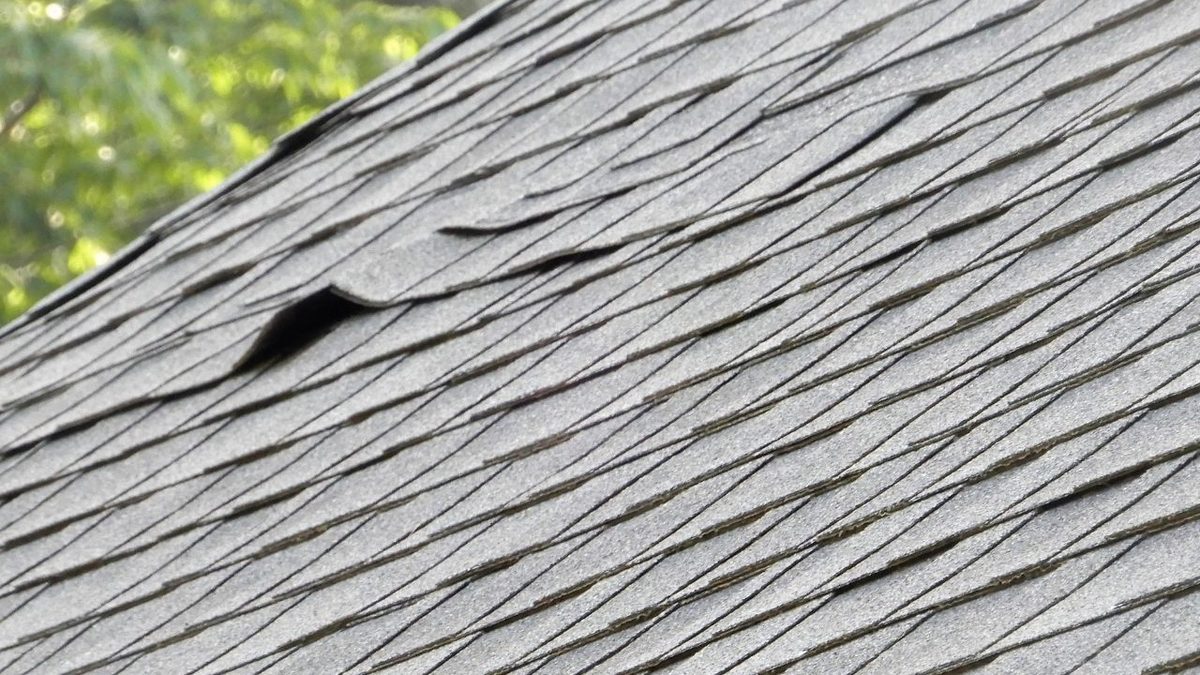
Wind-driven rain penetration and shingle blow-offs receive coverage when tied to documented storm events with verifiable weather data. Insurers require proof that damage resulted directly from a specific storm rather than pre-existing deterioration or installation defects.
How Does Illinois Weather Impact Roof Damage Claims?
Illinois ranks second nationally for hail claims behind Texas due to its location in a severe convective storm corridor. State Farm paid over $600 million to Illinois customers after the March 2024 storm system, causing over $6 billion in Midwest damage.
The March 10, 2026, storm produced golf-ball to tennis-ball-sized hail in the Fox Valley region, affecting thousands of properties. Communities like Naperville, Aurora, and Downers Grove sit in a hail-prone corridor experiencing multiple damaging storms annually, driving up claim volumes and insurance premiums statewide.
What Are the Key Steps to Prepare Before Filing a Roof Insurance Claim?
Proper preparation significantly improves claim approval rates and settlement amounts by providing clear evidence of storm-related damage. Gathering comprehensive documentation before contacting your insurer establishes a strong foundation for your storm damage claim and prevents disputes over damage extent or causation.
Homeowners who invest time in thorough pre-filing preparation typically receive faster approvals and more accurate settlements. Professional documentation catches hidden damage that untrained eyes miss, preventing underpayment and future coverage gaps.
How Should I Document Roof Damage Safely and Effectively?
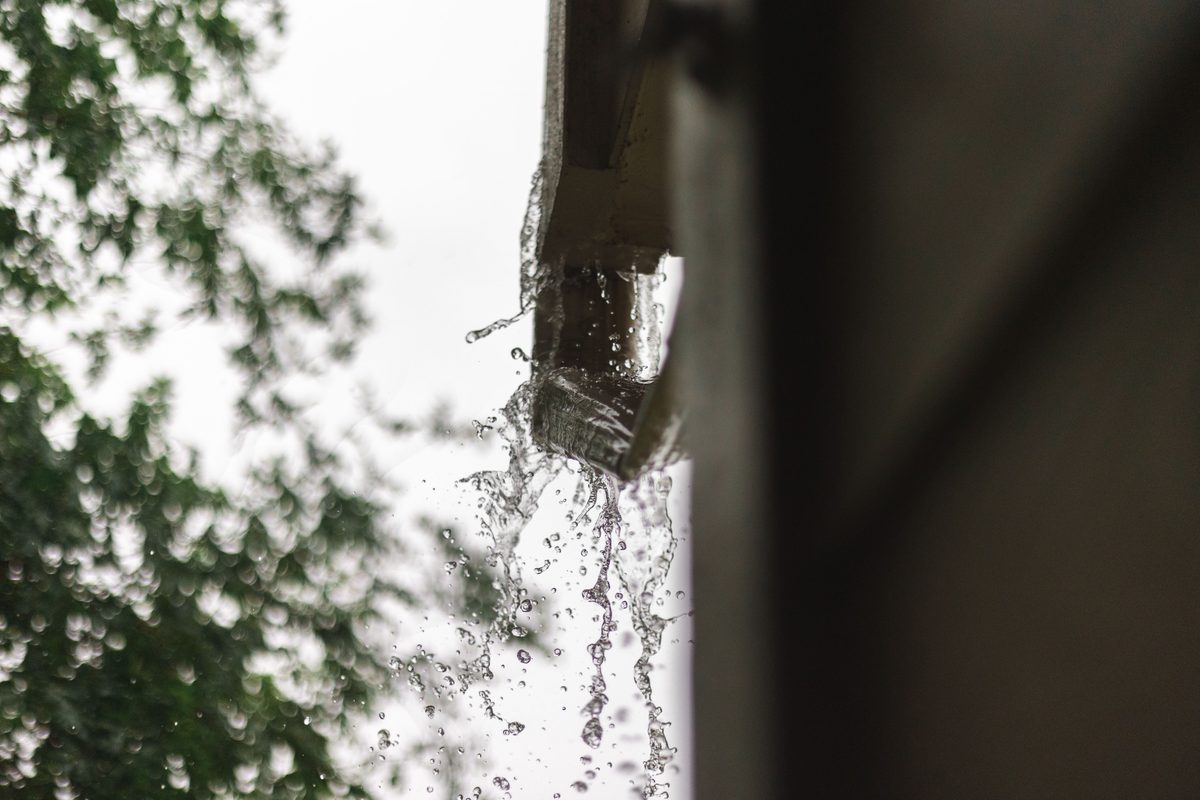
Document visible damage from ground level using high-resolution photos of dented gutters, displaced shingles, and debris accumulation. Climbing a damaged roof poses serious safety hazards, including falls and further structural compromise that could void your insurance coverage.
Research shows 79.8% of policyholders would use smartphones to document property damage, with over 80% of the age 60+ demographic willing to photograph damage themselves. Ground-level documentation captures obvious indicators like shingle granules in downspouts and siding impact marks while avoiding unnecessary risks.
When Should I Hire a Roofing Contractor or Public Adjuster for Documentation?
Hire a specialized storm damage roofing contractor for professional inspection immediately after identifying potential damage. These experts provide high-resolution photos, detailed descriptions, and clear estimates that strengthen your Illinois storm insurance steps by documenting hidden damage invisible from ground level.
Missing concealed issues like bruised shingles or compromised flashing lead to underpayment or denial from inadequate DIY documentation. Public adjusters often recover significantly more than self-documented approaches despite contingency fees, particularly for complex or high-value claims requiring expert negotiation.
What Digital Tools Can Expedite the Claim Process?
Research indicates 22% of consumers avoid filing claims due to frustrating digital processes, while 64% would switch insurers for more seamless digital experiences. Most major carriers now offer mobile apps and online portals that streamline First Notice of Loss submission and track claim status in real time.
Digital claim platforms process requests faster than traditional phone-based methods by automatically routing documentation to adjusters. These tools reduce claims processing delays and improve communication between homeowners, contractors, and insurance representatives throughout settlement.
How Do I File a Roof Insurance Claim With My Illinois Insurer?
The filing process begins with submitting a First Notice of Loss through your insurance provider’s preferred communication channel. Most carriers prioritize digital submissions through mobile apps or online portals that capture initial damage information and trigger adjuster assignment.
Prompt filing within policy deadlines protects coverage rights and prevents disputes over when damage occurred. Understanding everything you need to know about filing roof insurance claims in Illinois ensures you meet all procedural requirements from the start.
What Is the First Notice of Loss (FNOL) and How Do I Submit It?
The First Notice of Loss represents your initial claim filing through your insurer's digital platform, phone hotline, or agent contact. This submission triggers claim number assignment and adjuster scheduling that formally begins your insurance paperwork roofing requirements.
Use your insurer's mobile app or online portal for the fastest First Notice of Loss processing and confirmation. Digital submissions automatically timestamp your filing date, provide instant claim number generation, and allow photo uploads and completed claim forms, expediting initial damage assessment.
Should I Use an Insurer's Direct Repair Program Contractor?
Direct Repair Programs consist of insurance-approved contractor networks meeting specific quality and pricing standards established by carriers. Research shows 41% of customers utilize these insurance-approved networks, which reduces repair times by over two weeks compared to non-approved contractors.
These programs offer streamlined communication between insurers and contractors, but may limit your choice of service providers. Homeowners can select their own qualified roof repair specialists, but should verify the contractor's experience with insurance claim procedures and documentation requirements.
What Are Common Policy Deadlines and Requirements?
Reviewing your policy documents reveals strict deadlines for filing storm damage claims, often requiring submission within one year of the weather event. Missing these deadlines permanently forecloses coverage rights regardless of damage severity or repair costs.
Policy requirements typically include timely damage notification, reasonable mitigation efforts to prevent secondary damage, and cooperation with adjuster inspections. Understanding Illinois insurance claims for roof damage and how to maximize your coverage helps ensure compliance with all carrier-specific procedures and deadlines.
How Can I Navigate the Roof Claim Inspection and Adjuster Visit?
The adjuster inspection represents a critical phase where your documentation meets the insurer's damage assessment methodology. Adjusters evaluate damage extent, determine causation, and calculate repair or replacement costs based on policy terms and depreciation schedules.
Preparation for this visit significantly impacts final settlement by ensuring all damage receives proper documentation and consideration. Strategic planning prevents disputes over hidden damage or repair scope that commonly arise during initial inspections.
What Should I Expect During the Insurance Adjuster's Roof Inspection?
A claims adjuster conducts physical roof inspections to verify reported damage and assess repair or replacement necessity based on policy coverage. They photograph damage locations, measure affected areas, and document pre-existing conditions that may exclude certain repairs.
The inspection typically lasts 30-90 minutes, depending on roof size and damage complexity. Adjusters compare your documentation against their findings to establish baseline settlement calculations subject to policy deductibles and policy limits.
How Can Contractors and Public Adjusters Support the Inspection?
Having your roofing contractor present during the adjuster's inspection provides technical expertise advocating for complete damage recognition. Contractors identify subtle indicators like compromised underlayment or structural issues that adjusters might overlook during standard visual assessments.
Public adjusters represent policyholders exclusively and handle all claim documentation and negotiation for a contingency fee typically ranging from 10-20%. An experienced insurance professional brings deep expertise in policy interpretation and damage valuation, often resulting in significantly higher settlements despite percentage-based compensation.
What Documentation Helps Address Hidden or Hail Damage?
Visible damage indicators like dented gutters, siding impact marks, and shingle granules in downspouts provide compelling evidence of hail events. These secondary indicators corroborate roof damage claims when shingle impacts show subtle bruising rather than obvious punctures.
Professional contractors use specialized tools to identify hidden damage patterns that untrained observers miss. Knowing what Illinois residents should do after storm damage to their roof helps document these critical damage indicators before the adjuster's visit.
What Are Common Reasons Roof Claims Are Denied and How Do I Respond?
Claims often face denial due to insufficient evidence linking damage to covered storm events rather than pre-existing wear. Insurers may also deny claims when deductibles exceed damage costs, making repairs the homeowner's financial responsibility.
Understanding denial patterns helps homeowners build stronger initial documentation and respond effectively to unfavorable decisions. Research shows 48% of claims were closed without payment in 2024, with insurance companies like Allstate and USAA showing denial rates around 50%.
How Can I Request a Re-Inspection or Dispute a Denial?
Request formal re-inspection if your claim receives a denial or inadequate settlement that doesn't cover necessary repairs. Most policies include appeals procedures allowing policyholders to challenge adjuster findings with additional documentation or expert opinions.
Having your roofing contractor present during re-inspections provides technical advocacy, highlighting overlooked damage or repair necessity. This professional support often reverses initial denials by presenting compelling evidence satisfying insurer coverage standards and policy requirements.
When Is It Beneficial to Hire a Public Adjuster or Attorney?
Public adjusters handle claim documentation and negotiation for contingency fees, typically recovering significantly more than DIY approaches despite costs. The public adjuster industry includes over 37,000 businesses with no single entity holding more than 5% market share, indicating a highly competitive service landscape.
Attorneys become necessary for disputed claims requiring litigation, typically working on contingency or charging hourly rates from $150-$500+ depending on case complexity. Legal representation makes sense for high-value disputes where settlement differences justify attorney fees and extended negotiation timelines.
How Do Deductibles and Pre-Existing Conditions Affect Approvals?
Claims face denial when damage costs fall below policy deductibles, making repairs the homeowner's out-of-pocket expense. Insurers carefully distinguish between storm damage and pre-existing wear patterns to exclude gradual deterioration from sudden weather-related coverage.
Pre-existing conditions like missing shingles, worn flashings, or structural deterioration existing before the storm event typically receive coverage exclusions. Recognizing warning signs that your Illinois roof suffered winter storm damage versus long-term wear helps establish clear causation linking damage to covered events.
What Are Typical Timelines and Costs Associated with Roof Storm Claims in Illinois?
Understanding realistic timelines helps homeowners plan temporary repairs and living arrangements during the claims process. Industry data shows the average time to complete repairs reaches 29.6 days, while receiving final payment takes approximately 40.7 days from initial filing.
Timelines vary based on storm severity, contractor availability, and claim complexity, requiring multiple inspections or negotiations. Regional factors like contractor demand and material availability significantly impact both costs and completion schedules across different Illinois markets.
How Long Does It Take to Resolve Roof Claims and Complete Repairs?
Average repair completion timeline extends to 29.6 days from initial filing through finished work acceptance and final inspection. Payment processing adds additional time, with final settlement checks arriving approximately 40.7 days after original claim submission.
Direct Repair Program contractors reduce these timelines by over two weeks compared to non-approved service providers through streamlined communication. However, major storm events overwhelming local contractor capacity can extend timelines significantly beyond these averages in affected regions.
What Are the Fees for Public Adjusters, Contractors, and Legal Help?
Public adjusters charge contingency fees ranging from 10-20% of the final settlement amount recovered on behalf of policyholders. Attorney hourly rates vary from $150-$500+, depending on experience, location, and case complexity, though many work on contingency for insurance disputes.
Roofing contractors typically bill directly to insurance settlements for covered work, with homeowners responsible only for deductibles and non-covered items. Understanding fee structures upfront prevents surprise costs and helps evaluate whether professional representation justifies the expense for your specific claim value.
How Do Regional Factors Influence Claim Processing and Contractor Availability?
U.S. roof repair and replacement costs reached nearly $31 billion in 2024, representing a 30% increase since 2022, driven by material inflation. Roof-related line items constituted more than 68% of all property claim costs, reflecting both damage frequency and repair expense escalation.
Illinois homeowners' insurance premiums increased 50% between 2021 and 2024, the second-highest increase nationally, reflecting elevated claim costs. After inspecting your roof following Illinois summer storms, understanding these cost pressures helps set realistic expectations for both premiums and settlement amounts.
How Do Demographic and Regional Differences Affect Roof Insurance Claims in Illinois?
Geographic location and demographic factors significantly influence claim-filing approaches, settlement timelines, and overall satisfaction with the insurance process. Understanding these variations helps homeowners tailor their claim strategy to match regional market conditions and insurer responsiveness patterns.
Premium costs and contractor availability vary substantially across urban, suburban, and rural Illinois markets due to risk profiles and competition levels. These regional differences directly impact claim processing speed, repair costs, and overall experience navigating storm damage recovery.
What Are Generational Preferences for Filing and Managing Claims?
Gen Z shows 65% AI adoption for insurance research and 73% use of AI to check for fair pricing, despite only 32% satisfaction with insurers. This generation prioritizes climate preparedness, with 86% considering it essential when evaluating coverage options.
Millennials report 40% feel policies lack transparency, driving demand for clearer communication and digital-first engagement throughout the claim process. Baby Boomers maintain the highest satisfaction rates but show lower AI adoption at 24%, preferring traditional human-led communication channels.
How Do Claims Procedures Differ in Urban, Suburban, and Rural Areas?
Average annual premiums vary significantly across Illinois regions, with urban Chicago averaging $2,665 compared to $2,000-$2,400 in suburban Fox Valley. Rural downstate areas show the lowest premiums at $1,945-$2,065, reflecting reduced risk exposure and claim frequency in less densely populated regions.
Urban areas typically offer faster adjuster response times and greater contractor availability due to concentrated service provider networks. Rural regions may experience extended timelines for both inspections and repairs as adjusters and contractors travel longer distances.
What Makes the Fox Valley Region Unique for Roof Storm Claims?
Communities like Naperville, Aurora, and Downers Grove sit in a hail-prone corridor experiencing multiple severe convective storms annually. The March 10, 2026, storm produced golf-ball to tennis-ball-sized hail across the Fox Valley, generating thousands of simultaneous claims overwhelming local contractor capacity.
This concentration of storm activity creates a specialized market of contractors experienced in hail damage documentation and insurance procedures. However, major events saturate contractor availability, extending repair timelines significantly beyond typical averages as service providers work through claim backlogs.
Best Practices for Filing and Managing Roof Insurance Claims After a Storm in Illinois
Following structured best practices significantly improves claim outcomes by ensuring complete documentation and strategic timing. Homeowners who combine professional expertise with thorough preparation typically achieve faster approvals and more accurate settlements fully covering necessary repairs.
Successful claim management requires balancing prompt action with careful documentation to satisfy policy requirements while protecting coverage rights. These proven strategies help Illinois homeowners navigate the complex claim process efficiently while maximizing settlement values and minimizing disputes.
Start by documenting damage safely from ground level immediately after storms pass, photographing visible indicators without climbing onto potentially compromised structures. Contact a specialized storm damage contractor for professional inspection within days to identify hidden damage before filing your initial claim.
File your roof insurance claim within policy deadlines using your insurer's digital platform for the fastest processing and claim number assignment. Consider Direct Repair Program contractors for expedited timelines or select your own qualified professional who understands insurance documentation requirements and negotiation procedures.
Request re-inspections if initial settlements seem inadequate and maintain detailed records of all communications with adjusters and contractors. For complex claims or denials, hiring a public adjuster or attorney often recovers significantly more than DIY approaches despite contingency-based fees.
Advanced Roofing Inc. specializes in helping Fox Valley homeowners navigate the insurance claim process with expert documentation and professional advocacy. Our 30+ years of experience and GAF Master Elite certification ensure your damage receives proper recognition and complete repairs.
Get Expert Help With Your Roof Insurance Claim From Advanced Roofing Inc.
Storm damage moves fast — and so do insurance deadlines. If your Fox Valley home took a hit, Advanced Roofing Inc. is ready to help you document damage, work directly with your insurance provider, and ensure your claim is filed correctly from the start. Our GAF Master Elite®-certified team has guided hundreds of Illinois homeowners through the insurance claims process, from the first photo to the final repair. Contact Advanced Roofing Inc. to request a free inspection. We’ll assess your damage, walk you through your insurance coverage options, and be there every step of the way.