Severe weather events across Illinois generate thousands of home insurance claims annually as homeowners seek compensation for damaged roofs. Proper documentation determines whether claims receive full approval or face denial due to insufficient evidence. Illinois ranks second nationally behind Texas for hail claims, with State Farm alone paying over $600 million to customers following the March 2024 storm system that devastated the Midwest.
Understanding how to document roof storm damage correctly protects homeowners from underpayment and claim rejection. The claims process involves multiple stakeholders, including insurance companies, roofing contractors, and sometimes public adjusters who charge contingency fees. Digital tools have transformed how policyholders submit initial damage reports, yet professional inspection remains essential for identifying hidden structural issues that smartphone cameras cannot capture. Making temporary repairs to prevent additional weather exposure also demonstrates responsible action to insurers and helps protect your claim from disputes over damage causation.
Key Takeaways
- Document visible damage from the ground before hiring specialized storm damage contractors for comprehensive roof inspections
- File claims within policy deadlines using digital tools while ensuring professional photo documentation and detailed damage descriptions
- Illinois ranks second nationally for hail claims, with over $600 million paid by major carriers after severe storm events
- Public adjusters charge 10-20% fees, but often recover significantly higher settlements than DIY documentation approaches
- Direct Repair Programs reduce average repair completion times by over two weeks compared to non-approved contractor networks
What Is Roof Storm Damage and Why Is Proper Documentation Important?
Defining Roof Storm Damage in Illinois
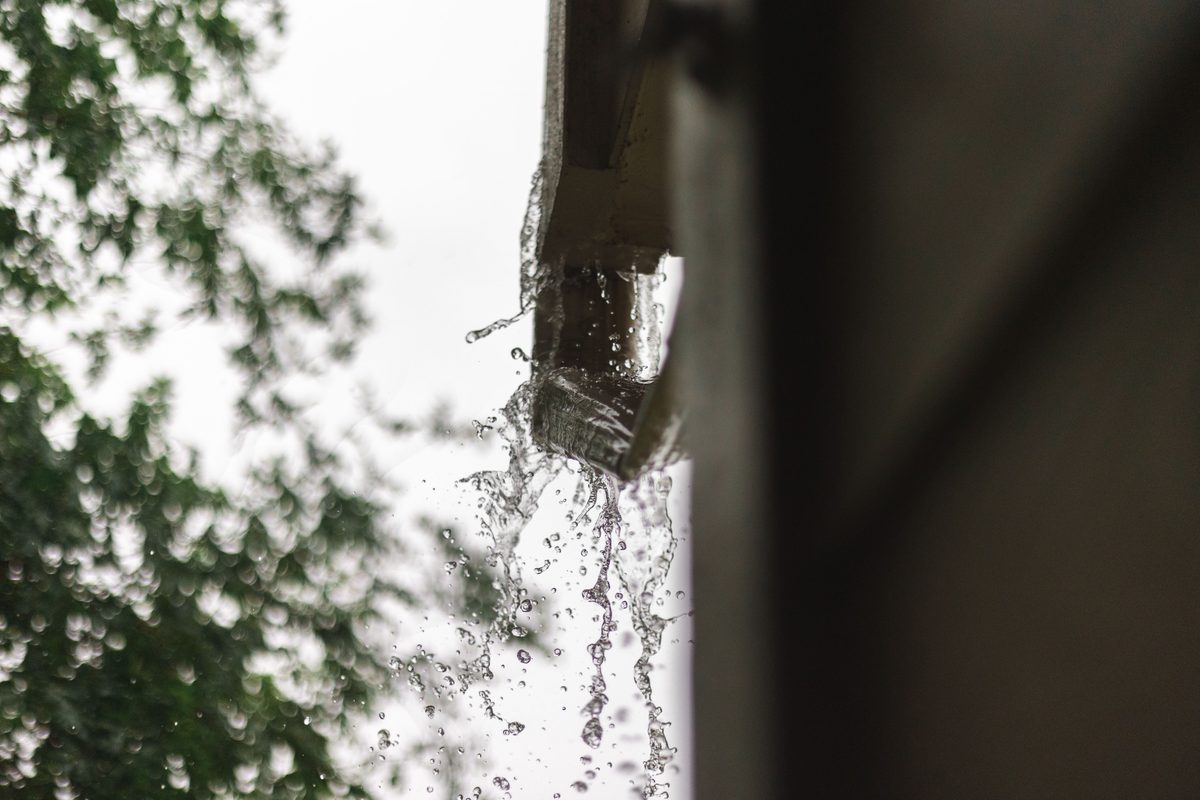
Roof storm damage occurs when severe weather events cause structural or cosmetic harm to roofing systems. Illinois experiences frequent hailstorms, with the March 10, 2026, event producing golf-ball to tennis-ball-sized hail across the Fox Valley region. Visible damage indicators include dented gutters, compromised siding, and shingle granules accumulating in downspouts after significant weather events.
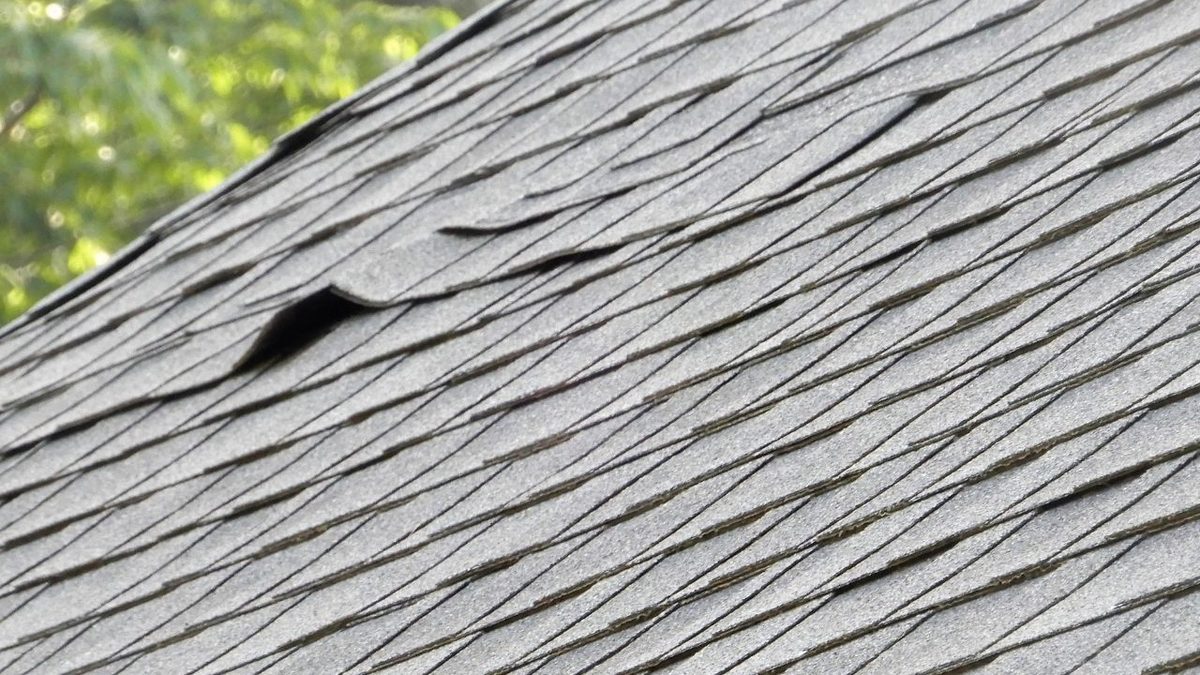
Hail damage often remains invisible to untrained observers who lack experience identifying bruised shingles or compromised flashing. The state's position as the second-highest hail claim region nationally underscores the importance of professional damage assessment. State Farm distributed over $600 million to Illinois policyholders after the March 2024 storm alone, demonstrating the financial scale of weather-related roof damage.
The Role of Documentation in Insurance Claims
Comprehensive insurance claim documentation directly impacts settlement amounts and approval rates for damaged roofs. Roof-related line items constituted more than 68% of all property claim costs in recent years. Inadequate documentation frequently leads to claim denials, underpayment, or disputes that leave your policy coverage unrealized.
Nearly 80% of policyholders now use smartphones to document property damage, yet DIY approaches miss hidden issues. Missing critical damage like bruised shingles or compromised flashing results in settlements that fail to cover full repair costs. Claims face denial when insurers cite lack of evidence, pre-existing wear and tear, or deductibles exceeding damage costs.
Key Terminology and Entities in Roof Damage Claims
Direct Repair Programs connect policyholders with insurance-approved contractor networks that streamline repair timelines and payment processes. First Notice of Loss represents the initial claim filing process where homeowners formally report damage to their insurance carrier. Public Adjusters work as advocates for policyholders, handling documentation and negotiation in exchange for contingency fees ranging from 10-20% of final settlements.
Understanding these terms helps homeowners navigate the claims process more effectively and make informed decisions about professional assistance. Public adjusters manage over 37,000 businesses nationwide with no single entity controlling more than 5% market share. Their expertise proves valuable when dealing with complex damage patterns or disputed claim valuations.
Who Are the Main Stakeholders in Roof Storm Damage Claims?
Homeowners and Their Insurance Policies
Illinois homeowners experienced a 50% increase in insurance premiums between 2021 and 2024, making proper claims documentation essential for maximizing coverage. Over 80% of homeowners aged 60 and above willingly photograph damage to themselves using mobile devices. However, 22% of consumers avoid filing claims entirely due to frustrating digital processes that create unnecessary barriers.
Policy satisfaction varies significantly, with 64% of homeowners willing to switch insurers for more seamless digital experiences. Modern policyholders expect streamlined claims processes that combine digital convenience with fair settlement practices. Understanding Illinois insurance claims for roof damage helps homeowners maximize their coverage benefits during the filing process.
Roofing Contractors and Public Adjusters
The public adjusting industry encompasses over 37,000 businesses providing specialized claim advocacy services across the United States. No single public adjusting firm controls more than 5% of the fragmented market, creating competition that benefits consumers. Public Adjusters typically charge 10-20% contingency fees, reducing final payouts but often recovering substantially higher settlements than DIY approaches.
Standard contractors handle general repairs, while storm damage specialists possess expert knowledge for identifying weather-related roof issues. Specialized contractors understand insurance documentation requirements and provide detailed damage assessments that support claim approval. Their experience identifying hail impacts, wind damage, and compromised structural elements proves invaluable during insurance adjuster inspections.
Insurance Companies and Direct Repair Programs
Direct Repair Programs serve 41% of insurance customers by connecting them with pre-approved contractor networks that expedite repairs. These programs reduce repair completion times by over two weeks compared to non-approved contractor arrangements. However, 48% of claims closed without payment in 2024 for large insurers, indicating strict approval standards.
Major carriers, including Allstate and USAA, maintain denial rates hovering around 50%, underscoring the importance of thorough documentation. Insurance companies balance policyholder satisfaction against claim cost management in an environment of rising premiums. Homeowners who understand everything about filing roof insurance claims in Illinois navigate these relationships more successfully.
How Do Demographics and Regional Factors Affect Roof Storm Damage Claims in Illinois?
Generational Preferences for Claim Filing and Documentation
Gen Z homeowners demonstrate 65% adoption rates for AI-powered insurance research tools and 73% use artificial intelligence to verify fair pricing. Their 32% satisfaction rate with insurers reflects frustration with traditional claim processes and a desire for enhanced digital engagement. Meanwhile, 86% of Gen Z policyholders prioritize climate preparedness features when selecting coverage options.
Millennials express concerns about policy transparency, with 40% feeling their coverage lacks clear explanations of benefits and exclusions. Gen X maintains a 45% satisfaction rate while Baby Boomers achieve satisfaction rates between 47-88% depending on specific metrics. Only 24% of Baby Boomers utilize AI tools for insurance decisions, preferring human-centered communication channels.
Regional Variations Across Urban, Suburban, and Rural Illinois
Urban Chicago homeowners pay average annual premiums of $2,665, the highest rates across Illinois regions. Suburban Fox Valley residents pay between $2,000-$2,400 annually, while rural downstate policyholders enjoy lower premiums ranging from $1,945-$2,065. Premium variations reflect different risk profiles, contractor availability, and regional claim frequencies.
Rural areas experience longer wait times for both contractors and insurance adjusters due to lower service provider density. Urban and suburban markets offer faster response times but face higher material and labor costs. Understanding storm damage to your roof and what Illinois residents should do next varies by location and available resources.
Focus on the Fox Valley Hail-Prone Corridor
Naperville, Aurora, and Downers Grove sit within Illinois's most active hail-prone corridor, experiencing frequent severe weather events. The March 10, 2026, storm produced golf-ball to tennis-ball-sized hail throughout this region, generating thousands of insurance claims. Local contractors in these communities develop specialized expertise in identifying damage patterns specific to Fox Valley storm characteristics.
Homeowners in this corridor face higher claim frequencies but benefit from established networks of experienced storm damage contractors. Insurance companies adjust premium rates based on historical claim data from these high-risk suburban communities. Residents must maintain vigilance after each storm season to identify and document roof damage promptly.
What Are the Best Practices for Documenting Roof Storm Damage?
Safety Precautions and Initial Visual Documentation
Never climb a damaged roof as unstable shingles and hidden structural issues create serious injury risks for untrained individuals. Document visible damage from ground level using smartphone cameras to capture dented gutters, siding impacts, and debris accumulation. Shingle granules collecting in downspouts indicate surface erosion from hail impacts requiring professional assessment and photographic evidence.
Initial property photos for insurance should include wide-angle shots showing overall roof condition and close-up images of specific damage areas. Include measurement or scale photos that place a ruler, tape measure, or common object next to damage so adjusters can gauge the size and severity of each impact. Ground-level documentation provides preliminary visual evidence supporting claim filing while protecting homeowner safety during initial assessment. These images establish damage timelines and create records connecting visible harm to specific weather events.
Hiring Specialized Storm Damage Contractors for Inspection
Hire specialized storm damage roofing contractors for comprehensive inspections that identify hidden issues invisible to untrained observers. Professional contractors provide high-resolution photos, detailed damage descriptions, and clear repair estimates before homeowners initiate formal claim processes. Their expertise in documenting bruised shingles, compromised flashing, and subtle structural issues significantly improves claim approval rates.
Ensure contractors deliver complete documentation packages, including annotated photographs, written damage assessments, and itemized repair cost estimates. Reports should capture structural details such as deck condition, truss integrity, and flashing status so adjusters can accurately evaluate both cosmetic and structural repairs needed. These materials form the foundation of successful insurance claims and provide verifiable Illinois roofing evidence supporting settlement negotiations. Contractors experienced with insurance procedures understand documentation standards that satisfy adjuster requirements and prevent claim denials.
Creating Comprehensive Documentation for Claims Submission
Comprehensive damage records combine ground-level photographs, professional contractor assessments, and dated documentation linking harm to specific storms. Organize all materials chronologically with clear labels identifying damage locations, photograph angles, and assessment dates. Maintain both digital and physical copies to prevent documentation loss during extended claim processes.
Complete documentation should include weather reports confirming storm events, contractor inspection reports, repair estimates, and all photographic evidence. Thorough record-keeping demonstrates due diligence and provides clear evidence supporting claim validity during adjuster reviews. Proper organization expedites claim processing and strengthens homeowner positions during settlement negotiations.
How Should Homeowners File Roof Storm Damage Claims in Illinois?
Using Digital Tools and Mobile Apps for First Notice of Loss (FNOL)
Use your insurer’s mobile app or online portal for First Notice of Loss to initiate claims with maximum efficiency. Digital claims processes consistently demonstrate faster processing times compared to traditional phone-based filing methods. Mobile applications allow immediate damage photo uploads, policy information retrieval, and real-time claim status tracking throughout the review process. When submitting, write a clear claim description that names the storm event, the date damage occurred, and each affected area of the roof so adjusters can match your report to weather records.
Nearly 80% of policyholders utilize smartphones to document roof storm damage, creating expectations for seamless digital claim submission. Insurers responding to this demand develop user-friendly platforms that simplify initial reporting and documentation upload procedures. Digital filing establishes official claim timestamps that protect homeowners' rights under policy deadlines and coverage provisions.
Timelines and Deadlines for Filing Claims
File claims within policy deadlines, which often require notification within one year of damage-causing weather events. Most insurance policies contain strict deadlines for storm damage claims that vary by carrier and policy type. Missing filing deadlines forfeits coverage rights regardless of damage severity or repair cost estimates.
Prompt filing prevents complications from additional weather exposure that may worsen existing damage and complicate causation determinations. Insurance adjusters examine damage progression timelines when evaluating claims, making immediate reporting essential for maximum settlement recovery. Recognizing warning signs that your Illinois roof suffered winter storm damage helps homeowners meet critical filing deadlines.
Utilizing Insurance-Approved Contractors and Direct Repair Programs
Insurance-approved contractors participating in Direct Repair Programs reduce average repair completion times by over two weeks. These pre-vetted contractors understand specific insurer documentation requirements and billing procedures that streamline payment processes. Forty-one percent of customers utilize Direct Repair Programs, benefiting from established insurer-contractor relationships.
Approved contractors often provide guaranteed workmanship and simplified warranty administration through established insurance company partnerships. However, homeowners retain the right to select any licensed contractor regardless of Direct Repair Program participation. Evaluating both DRP and independent contractor options ensures homeowners secure qualified professionals meeting their specific repair needs.
What Challenges Might Arise During the Insurance Claim Process?
Common Reasons for Claim Denials
Claims face denial when insurers cite insufficient evidence, pre-existing wear and tear, or deductibles exceeding damage repair costs. Lack of photographic documentation linking visible harm to specific weather events frequently triggers claim rejections from insurance adjusters. Homeowners documenting pre-storm roof conditions strengthen their positions when differentiating new damage from existing deterioration.
Approximately 48% of claims closed without payment in 2024 for large insurance carriers nationwide, reflecting strict approval standards. Major insurers, including Allstate and USAA, maintain denial rates around 50%, emphasizing the importance of thorough initial documentation. Understanding denial patterns helps homeowners proactively address documentation gaps that commonly trigger claim rejections.
Steps to Take if a Claim Is Denied
Request a second inspection with your roofing contractor present if insurers deny initial claims based on insufficient damage evidence. Professional contractors provide expert testimony and detailed assessments that challenge adjuster conclusions during re-evaluation processes. Their presence during secondary inspections ensures comprehensive damage identification and proper documentation of all repair-justifying conditions.
Maintain detailed records of all communications with insurance representatives, including phone calls, emails, and written correspondence throughout appeals. Documentation of denial reasons and subsequent investigation findings creates paper trails supporting potential legal actions or regulatory complaints. Persistence during appeals processes frequently results in claim approvals after providing supplemental evidence addressing initial denial justifications.
When and How to Engage a Public Adjuster or Legal Assistance
Hire a public adjuster if disputes continue and damage is significant enough to justify their 10-20% contingency fee. Public adjusters possess specialized expertise documenting damage and negotiating with insurance companies on behalf of policyholders. Their industry knowledge often recovers substantially higher settlements than homeowners achieve independently, offsetting their percentage-based fees.
Attorney hourly rates range from $150 to over $500 per hour for legal representation during complex claim disputes. Legal assistance becomes necessary when insurers engage in bad faith practices or when settlement offers fall drastically below reasonable repair costs. Homeowners should protect themselves by knowing how to spot roofing scams in Illinois when selecting professional assistance.
What Are the Costs and Benefits of Different Documentation and Claim Assistance Options?
DIY Documentation Versus Professional Adjusters
DIY documentation costs nothing but creates a substantial risk of missing hidden damage that reduces final settlement amounts. Self-documentation using smartphones captures visible surface damage but fails to identify structural repairs needed for deck rot, truss damage, or compromised load-bearing elements. This approach suits minor claims where damage appears obvious, and repair costs remain relatively low.
Professional adjusters charge 10-20% contingency fees but consistently recover significantly higher settlements through expert damage identification and negotiation. Their specialized knowledge of insurance policies, claim procedures, and damage assessment methodologies maximizes recovery potential for complex cases. Public adjusters prove most valuable when damage exceeds $10,000 or when insurers initially deny legitimate claims.
Pricing and Services of Roofing Contractors and Storm Specialists
U.S. roof repair and replacement costs reached nearly $31 billion in 2024, representing a 30% increase since 2022. Labor shortages across the roofing industry drive up contractor rates while supply chain disruptions inflate material costs. These economic pressures create urgency for securing adequate insurance settlements that fully cover escalating repair expenses.
Storm damage specialists command premium pricing but deliver expertise in identifying weather-related harm that standard contractors might overlook. Their detailed documentation packages and insurance industry experience justify higher upfront costs through improved claim approval rates. After a summer storm aftermath, inspecting your roof with qualified professionals protects long-term property investments.
Legal Costs and Contingency Fees for Disputed Claims
Public adjuster fees reduce final payouts by the percentage they retain from negotiated settlements, typically 10-20% of total awards. This contingency structure aligns adjuster incentives with maximizing homeowner recoveries since their compensation depends on settlement amounts. Homeowners receive larger net settlements despite fee deductions when adjusters recover substantially more than DIY approaches achieve.
Legal representation operates on similar contingency bases or hourly billing, depending on case complexity and attorney agreements. Attorneys specializing in insurance disputes understand policy language nuances and bad faith claim practices that strengthen homeowner positions. Professional assistance costs must be weighed against potential settlement increases and stress reduction during contentious claim processes.
Navigating Roof Storm Damage Documentation and Claims in Illinois: Strategies for Fair Settlements and Efficient Repairs
Average repair completion times reach 29.6 days, while final payment processing averages 40.7 days for approved claims. The claims adjusting industry maintains a market size between $10.8 billion and $14.6 billion, reflecting substantial demand for professional documentation and negotiation services. The March 2024 storm system caused over $6 billion in damage across the Midwest, demonstrating the ongoing financial impact of severe weather events.
Homeowners who combine digital filing tools with professional contractor inspections achieve the highest claim approval rates and settlement amounts. Understanding Illinois winter roof damage and how to spot it before issues worsen protects property values and insurance coverage. Successful claim navigation requires balancing DIY documentation convenience with professional expertise that identifies hidden damage and maximizes recovery potential.
Illinois residents facing roof storm damage benefit from partnering with experienced local contractors who understand regional weather patterns and insurance requirements. Advanced Roofing Inc. brings over 30 years of experience helping Chicagoland homeowners document storm damage and navigate complex insurance claims. Their GAF Master Elite® certification and proven track record provide the expertise necessary for comprehensive damage assessment and fair settlement recovery.
Document Your Storm Damage the Right Way - Advanced Roofing Inc. Can Help
A missed, bruised shingle or undocumented structural detail can cost you thousands in denied coverage. Advanced Roofing Inc. has helped Chicagoland homeowners build complete, adjuster-ready documentation packages for over 30 years. From property photos and measurement or scale photos to written structural details and a clear claim description, our team captures everything your home insurance carrier needs to approve your claim. As a GAF Master Elite® certified contractor with a BBB A+ rating, we know exactly what Illinois adjusters look for — and we document it thoroughly. Contact Advanced Roofing Inc. to request a free storm damage inspection and get started today.