Storm damage creates urgent roofing decisions for Illinois homeowners facing repair or replacement choices. Understanding cost structures, material options, and insurance claim processes helps property owners make informed financial decisions during stressful situations.
Illinois experiences severe weather that drives significant roofing industry activity throughout the year. The state's $3.7 billion roofing market reflects both aging housing stock and frequent hail events requiring professional intervention.
Key Takeaways
- Hail damage repairs in Illinois average $4,250, with costs ranging from $375 to $7,500 depending on damage severity
- Illinois roofing labor rates rank second-highest nationally at $70,110 average annual salary, increasing project costs
- Naperville roof replacements average $38,577 compared to $20,540 in Chicago due to larger homes and premium materials
- Strategic timing during off-season months can reduce storm roof repair costs by 15-25% compared to peak periods
- Proper insurance documentation and professional inspections can increase approved claim amounts by 10-20%
What Factors Define Storm Roof Repair?
Storm roof repair addresses damage caused by severe weather events, including hail, wind, and heavy precipitation. The Illinois pricing guide 2026 shows costs vary based on damage extent, material type, and contractor qualifications.
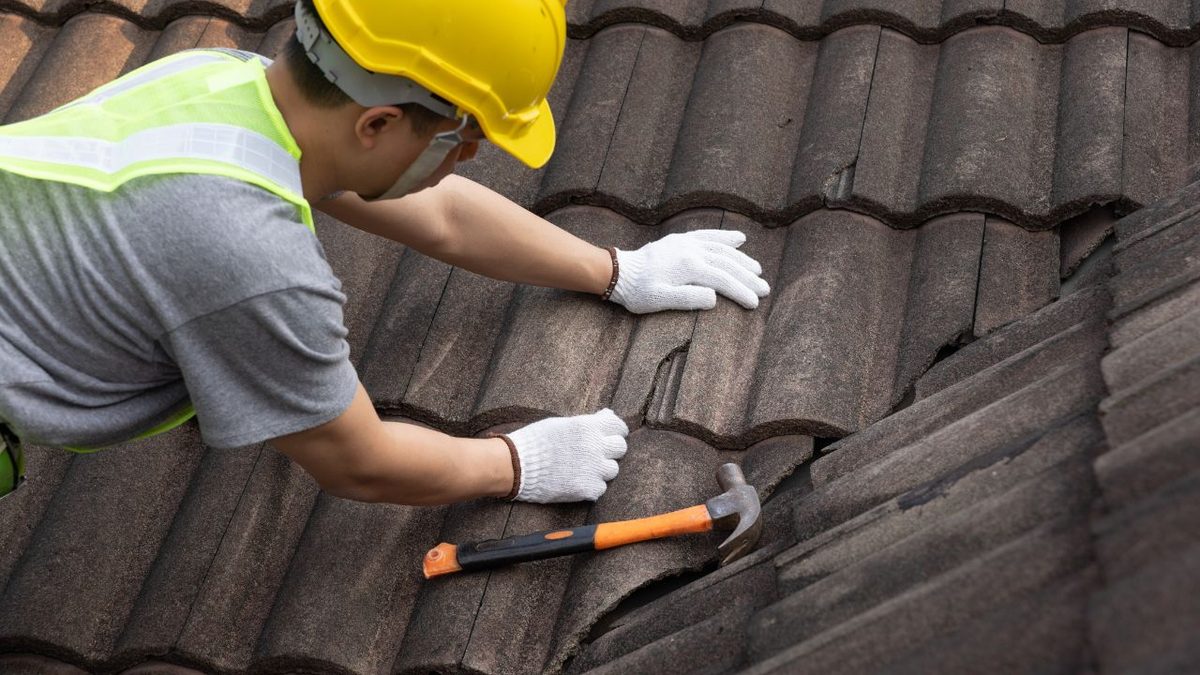
Repair decisions depend on roof age, damage percentage, and structural integrity assessments. Professional inspections identify both visible surface damage and hidden underlayment or decking problems requiring attention.
What Types of Storm Damage Affect Illinois Roofs?
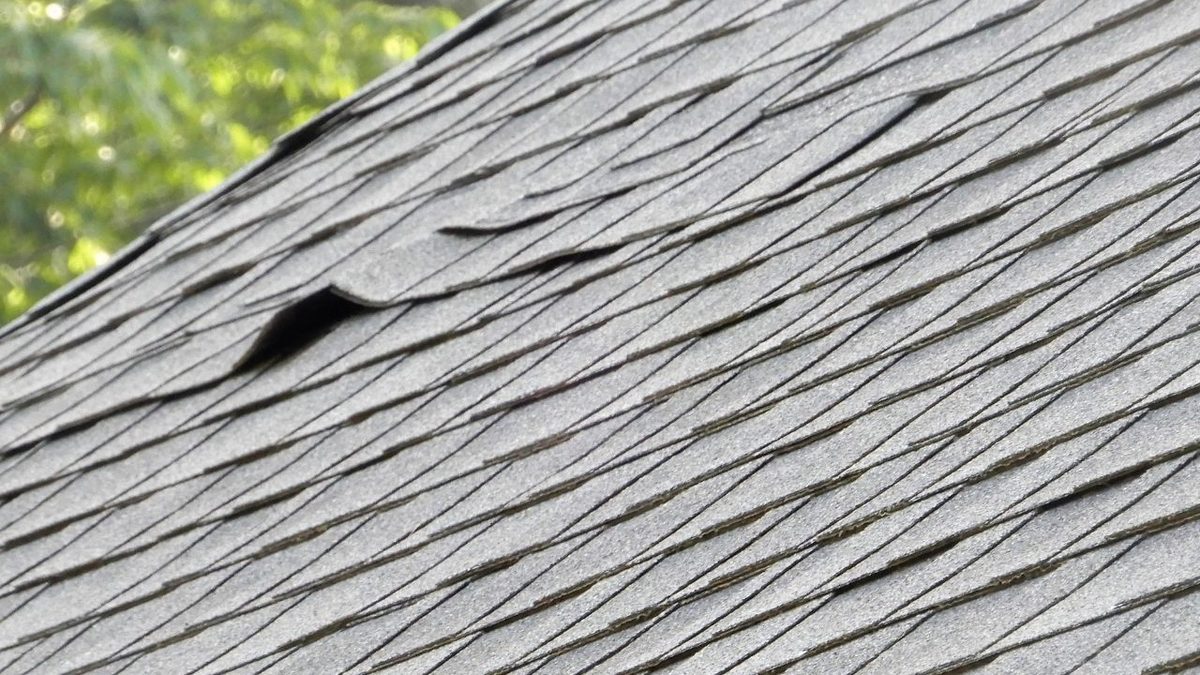
Hail creates the most common and costly storm damage across Illinois residential properties. Insurance companies paid $3.8 billion nationally for hail-related home repairs in 2024.
Storm events trigger 33% of all roof replacement projects in residential markets. National insurance payouts for significant hail damage average $12,000 per claim.
How Do Homeowner Priorities Influence Repair Decisions?
Homeowners rank roofing maintenance as their top priority, with 92% classifying it as critical. Contractor selection relies heavily on word-of-mouth recommendations, with 74% prioritizing peer referrals over advertising.
Transparent website pricing influences 65% of homeowner decisions when evaluating roofing contractors. Online search engines guide 54% of property owners during initial contractor research phases.
What Are Common Roofing Materials and Their Durability?
Asphalt shingles dominate residential installations, covering 69% of existing homes across the United States. New roofing projects select asphalt shingles 80% of the time due to cost-effectiveness and proven performance.
Three-tab shingles represent 42% of asphalt installations, while architectural shingles account for 33%. Metal roofing captures approximately 10% of the current market share with growing adoption rates.
How Do Repair Costs Vary by Material and Region?
Material selection directly impacts both the immediate repair cost estimate and long-term maintenance expenses. Regional labor rates and construction multipliers create significant price variations across Illinois markets.
Location-specific factors include contractor availability, permit requirements, and local building code standards. Understanding these variables helps homeowners budget accurately for storm damage repairs.
What Is the Price Range for Asphalt, Metal, and Tile Repairs?
Basic three-tab asphalt shingles cost $4.25-$4.95 per square foot for budget installations. Mid-range projects run $6.00-$8.00 per square foot, while premium installations reach $10.00-$12.00 per square foot.
Architectural asphalt shingles range from $4.50-$8.25 per square foot at the entry level. Premium architectural installations can cost $15.00-$18.00 per square foot with 30-year lifespan expectations.
How Does Illinois Roofing Labor Impact Overall Costs?
Illinois ranks as the second-highest paying state for roofing professionals at $70,110 annually. This elevated labor market increases the overall cost breakdown for all residential projects.
The state construction cost multiplier stands at 1.10 times the national baseline rates. Chicago-area projects face an even higher multiplier of 1.17 times national averages.
What Regional Variations Exist Between Chicago and Naperville?
Chicago roof replacements average approximately $20,540 for standard residential properties. Naperville replacements average $38,577 due to larger homes and premium material preferences.
Urban Chicago homeowners prefer targeted repairs 55% of the time versus full replacements. Naperville residents select full replacements 65% of the time to protect substantial property values.
When Should You Choose Repair Over Replacement?
Roof age and damage extent determine whether repair or replacement provides better value. Roofs under 15 years old with less than 25% damage typically qualify for repair-only approaches.
Replacement becomes necessary when roofs near material lifespan limits or show structural decking damage. The average roof reaches replacement at approximately 19 years of age, regardless of material type.
How Does Roof Age and Damage Extent Affect the Decision?
Repairs make financial sense when damage covers less than 25% of the total roof surface area. Structural damage to decking or framing requires full replacement regardless of surface condition.
Minor repairs typically avoid permit requirements when affecting less than one-quarter of the roof. Full replacements always require municipal permits costing between $50 and $300 in most Illinois jurisdictions.
What Are the Cost Implications of Emergency vs. Planned Repairs?
Emergency repairs respond to immediate leaks or sudden storm damage with premium pricing. Planned replacements allow homeowners to compare multiple quotes and select optimal materials during favorable weather.
Strategic planning reduces roof repair expenses by 15-25% compared to emergency situations. Structural damage from delayed repairs can add $2,000 to $8,000 to final project costs.
How Do Insurance Claims Influence Repair Choices?
Insurance coverage significantly impacts homeowner decisions between repair and full replacement options. Professional inspections identify all damage components to maximize insurance claim approvals.
Collaborative adjuster meetings with contractors present ensure comprehensive damage documentation and accurate scope estimates. This approach increases approved claim amounts by 10-20% compared to homeowner-only documentation.
How Is Storm Roof Repair Performed in Illinois?
Storm roof repair follows specific construction processes based on material type and damage severity. Proper installation techniques ensure repairs match original roof performance and maintain manufacturer warranty coverage.
Professional contractors follow standardized methods for asphalt shingle replacement, metal panel repairs, and structural work. Licensed professionals understand Illinois-specific building codes and weather considerations affecting installation quality.
What Are Asphalt Shingle Repair and Manufacturing Processes?
Manufacturers apply fiberglass foundation mats to create lightweight, waterproof shingle bases during production. Hot asphalt coating bonds to the mat, providing primary weather protection and durability.
Mineral grains embed into the surface layer to deliver UV protection, color stability, and fire resistance. Heat-activated sealant strips bond shingles together upon sunlight exposure, increasing wind resistance significantly.
How Is Metal Roof Repair and Installation Conducted?
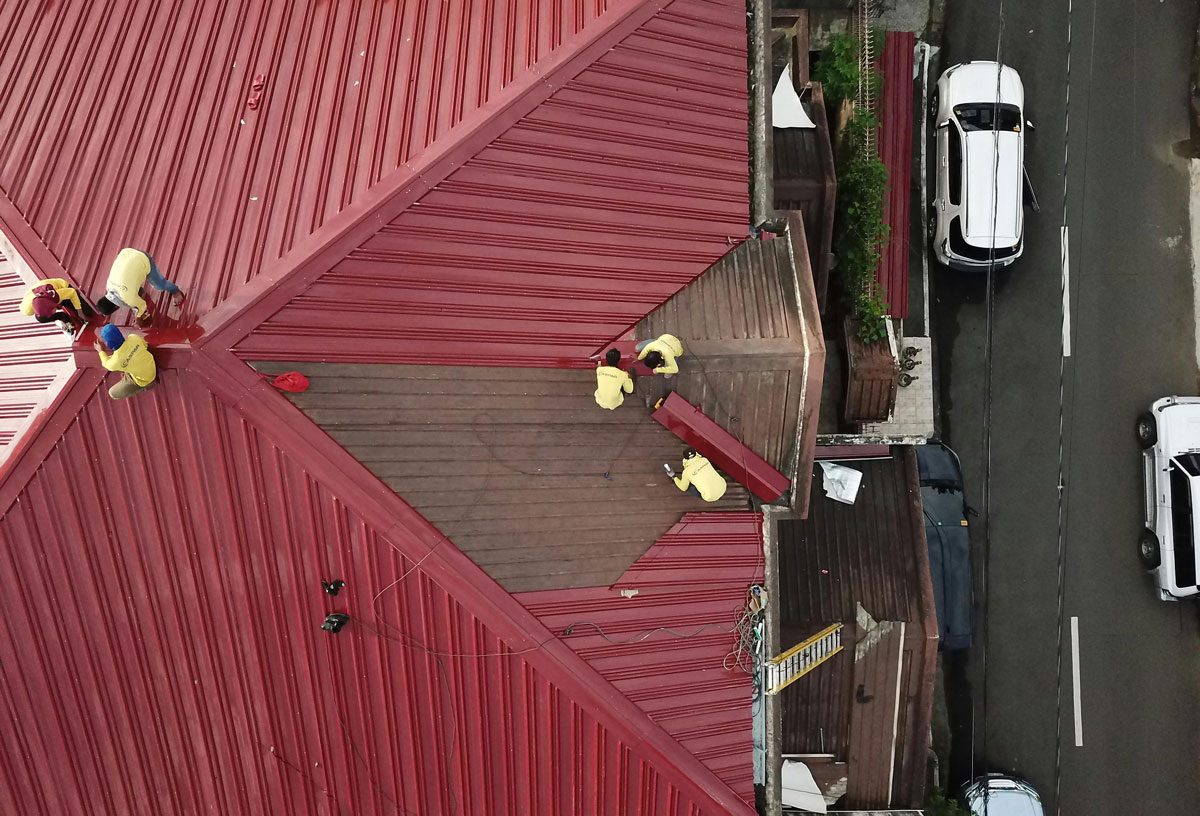
Metal roofing installation begins with moisture barrier placement across the entire roof deck. Specialized fasteners and expansion clips secure metal panels while allowing thermal movement.
Eave trims, valley flashings, and ridge caps require precise fitting to create watertight seals. Professional installation prevents thermal expansion issues that cause leaks in amateur metal roof repairs.
What Permits and Licenses Are Required for Repairs?
Full roof replacements and structural modifications require municipal permits in all Illinois jurisdictions. Permit costs range from $50 to $300, depending on project scope and local fee structures.
Contractors must hold valid Illinois roofing licenses to perform legal repair work. Unlicensed work voids manufacturer warranties and creates complications during future property sales.
What Financial Strategies Can Optimize Storm Roof Repair?
Strategic planning reduces storm damage budget requirements through timing, documentation, and contractor selection. Homeowners who understand the repair versus replacement decision save thousands on projects.
Insurance optimization and seasonal scheduling create the most significant cost reduction opportunities. Professional guidance helps homeowners navigate complex decisions during stressful post-storm periods.
How Can Homeowners Maximize Insurance Claims?
Baseline roof photographs taken before storm season provide critical documentation for insurance claims. Post-storm damage should be documented from ground level immediately after severe weather events.
Professional inspections scheduled within 48 hours identify all damage, including subtle structural issues. Contractor presence during adjuster visits ensures complete damage assessment and accurate claim scope.
When Are Off-Season Repairs Most Cost-Effective?
Fall and winter scheduling yields 15-25% savings compared to peak spring and summer demand. Peak season creates the longest contractor wait times and the highest material costs due to supply constraints.
Off-season projects allow contractors to dedicate more attention to individual properties without schedule pressure. Approximately 88% of contractors meet the two-week project start expectation during slower periods.
What Long-Term Value Does Proper Repair Provide?
Prompt storm damage repairs prevent secondary damage to insulation, framing, and interior finishes. Delayed repairs allow water infiltration that causes rotted decking and compromised structural integrity.
Proper repairs maintain manufacturer warranties and prevent exponential damage progression over time. Quality materials and professional installation deliver 100% cost recovery at resale for most properties.
What Are Illinois Homeowners' Preferences and Spending Patterns?
Homeowner demographics significantly influence material selection, contractor choice, and project timing decisions. Understanding these patterns helps property owners align their decisions with proven successful approaches.
Regional preferences differ between urban Chicago and affluent suburbs based on property values and architectural styles. Regular maintenance schedules prevent emergency situations that force rushed decisions.
How Do Generational Differences Affect Roof Repair Spending?
Millennials spend an average of $2,601 annually on home maintenance across all categories. This demographic allocates $1,519 annually specifically for emergency repair situations.
Baby Boomers focus on preventive maintenance to avoid emergency expenses and major disruptions. Generation X homeowners balance preventive care with moderate spending on planned improvements.
What Contractor Attributes Drive Consumer Choice?
Word-of-mouth recommendations influence 74% of homeowner contractor selection decisions in Illinois markets. Transparent pricing displayed on contractor websites guides 65% of initial qualification decisions.
Previous positive experiences drive 62% of homeowners to select repeat contractors for additional projects. Industry certifications and licensing verification provide confidence for first-time contractor relationships.
How Do Urban and Suburban Markets Differ in Repair Trends?
Chicago's dense urban environment encourages targeted repairs due to logistical constraints and older housing stock. Access limitations and higher labor costs create a preference for minimal intervention when possible.
Naperville and suburban markets favor full replacements to maintain property values and aesthetic consistency. Larger lot sizes and newer homes support comprehensive upgrades rather than patchwork repairs.
How Does Storm Roof Repair Fit Into Illinois Market Trends?
The Illinois roofing industry demonstrates consistent growth driven by aging infrastructure and climate patterns. Market expansion reflects both replacement cycles and increasing severe weather frequency across the region.
Economic indicators show the roofing sector contributes substantially to state GDP and employment. Understanding these trends helps homeowners anticipate emergency repair needs and plan proactively.
What Is the Economic Impact of Roofing Repairs in Illinois?
The Illinois roofing industry reached $3.7 billion in total market value during 2026. Annual growth averaged 3.9% between 2021 and 2026, outpacing many other construction sectors.
Roofing contributes approximately 4% to Illinois's total Gross Domestic Product annually. The sector employs 8,872 workers across 4,377 established businesses statewide.
How Is the Residential Roofing Sector Projected to Grow?
The national roofing market valuation reached $28.18 billion in 2024, with projections targeting $43.12 billion by 2033. The residential segment specifically expects growth from $10.84 billion to $15 billion by 2030.
Industry growth maintains a compound annual rate of approximately 4.8% nationally. Replacement projects on existing homes represent 85% of total roofing business volume.
How Does Severe Weather Influence Market Demand?
Storm events create immediate demand spikes that strain contractor availability and material supplies. Hail damage alone generated $3.8 billion in insurance claims nationally during 2024.
Climate patterns show an increasing frequency of severe weather across Illinois and the surrounding Midwest regions. This trend supports sustained industry growth and elevated replacement cycle frequency.
Storm Roof Repair Costs in Illinois: A Comprehensive Analysis and Pricing Overview
Statewide, Illinois roof replacement averages $24,319, reflecting material costs, labor rates, and regional variations. Storm damage repairs range from minor shingle replacement to complete roof system reconstruction.
Cost planning requires understanding material lifespans, insurance coverage, and timing strategies for optimal value. Professional contractors provide accurate assessments that balance immediate needs with long-term investment protection.
Storm roof repair decisions affect home value, safety, and long-term maintenance costs significantly. Illinois homeowners benefit from understanding regional pricing, material performance, and contractor qualifications before initiating projects.
Advanced Roofing Inc. brings over 30 years of experience helping Chicagoland homeowners navigate storm damage decisions with confidence. Their GAF Master Elite® certification places them among the top 2% of contractors nationally.
Get an Accurate Storm Damage Assessment From Advanced Roofing Inc.
Storm damage moves fast — and so does the cost of waiting. Advanced Roofing Inc. has helped Chicagoland homeowners navigate hail, wind, and storm repairs for over 30 years. As a GAF Master Elite® Certified contractor, we provide honest inspections, transparent pricing, and insurance claim support so you know exactly where you stand. Ready to get an accurate assessment of your storm damage? Contact our certified roofing specialists for a comprehensive inspection and transparent pricing tailored to your specific situation.