Illinois homeowners replace roofs more frequently than in most regions due to severe hailstorms and extreme temperature swings. Choosing hail-resistant roofing requires understanding impact ratings, material performance, and how repeated weather events degrade protective layers.
Storm damage accounts for 57% of roof replacements in states experiencing frequent hail exposure. Materials that perform well initially may fail after severe hail compromises their structural integrity over multiple seasons.
Key Takeaways
- Class 4 impact-resistant materials withstand 2-inch steel balls dropped from 20 feet without failing
- Stone-coated steel roofing provides superior hail protection while preventing cosmetic denting issues
- Sub-severe hail exposure makes standard asphalt shingles ten times more susceptible to future damage
- Illinois ranks 4th nationally for hail damage claims and experiences 60+ mph wind gusts
- Premium impact-resistant materials qualify for insurance discounts up to 35%
What Are Hail-Resistant Roofing Materials?
Hail-resistant roofing materials maintain structural integrity after impact from falling ice without cracking or losing protective layers. These materials absorb energy from hail strikes through flexibility, reinforced composition, or hardened surfaces that deflect damage.
Standard roofing products fail when hail creates fractures in the base material or dislodges protective coatings. Impact-resistant alternatives use modified polymers, steel reinforcement, or engineered composites to prevent penetration and preserve weatherproofing.
What Qualifies a Material as Hail-Resistant?
Materials earn hail-resistant classification by passing standardized impact tests measuring their ability to withstand specific force levels. Testing laboratories drop steel balls of varying sizes from controlled heights onto sample materials mounted at the roof pitch.
Performance ratings classify materials into four classes based on the largest steel ball size they resist. Best roofing materials for the Illinois climate must typically achieve the highest rating to handle frequent severe weather.
What Is UL 2218 Class 4 Impact Rating?
UL 2218 Class 4 Impact Resistance rating certifies that roofing materials withstand a 2-inch steel ball dropped from 20 feet. This test simulates the impact force of large hail traveling at terminal velocity during severe thunderstorms.
Materials must show no cracking, tearing, or loss of waterproofing integrity after two impacts in the same location. Class 4 certification qualifies homeowners for insurance premium discounts up to 35% in high-risk weather zones.
Which Roofing Materials Are Common for Illinois Homes?
Asphalt shingles account for 69% to 75% of residential roofs in the United States due to lower upfront costs. Metal roofing holds 15% to 17% market share, while synthetic and composite materials represent approximately 2% to 4%.
Regional adoption patterns reflect climate demands, with the Midwest showing 69% asphalt usage and 17% metal adoption. Urban homeowners prefer architectural asphalt shingles at 68%, while rural properties show 14% to 18% preference for metal.
How Do Asphalt Shingles Perform in Hail-Prone Areas?
Asphalt shingles remain highly vulnerable to hail and wind damage despite technological improvements in recent years. Sub-severe hail exposure makes shingles ten times more susceptible to damage from future storms, according to recent research.
Repeated small hail events dislodge ceramic granules that protect the underlying asphalt from ultraviolet radiation exposure. Hail damage preparation becomes critical as asphalt shingles have the shortest lifespan, at 15 to 30 years.
What Are the Advantages of Metal Roofing Options?
Metal roofing provides significantly longer service life compared to asphalt, lasting 40 to 70+ years under Illinois conditions. This extended durability offsets higher initial costs through reduced replacement frequency and lower lifetime maintenance expenses.
Metal roofing requires specialized installers familiar with proper fastening techniques and thermal expansion accommodations. Aluminum metal roofing carries potential for cosmetic denting, while steel options with stone coatings prevent visible damage.
How Do Synthetic and Composite Roofs Compare?
Synthetic and composite roofing represents newer technology with 40 to 50 year lifespans compared to concrete tiles lasting 50 to 100+ years. Storm-resistant roofing systems using synthetic materials offer Class 4 impact resistance without the extreme weight.
Synthetic materials cost more than asphalt but less than natural slate or clay tiles; they replicate aesthetically. Limited historical performance data creates uncertainty about long-term durability compared to century-old traditional materials.
How Does Hail Damage Affect Asphalt Shingle Roofs?
Hail damage compromises asphalt shingles by removing protective granules and creating fractures in the fiberglass mat beneath. Once granules dislodge, ultraviolet radiation accelerates asphalt degradation, causing brittleness and reducing flexibility during temperature changes.
Visible impact marks may appear minor initially but indicate underlying structural damage that worsens over subsequent seasons. Homeowners often discover extensive hidden damage only after leaks develop or insurance inspections reveal compromised weatherproofing.
What Is Sub-Severe Hail Damage and Its Impact?
Sub-severe hail consists of smaller, high-concentration impacts that dislodge protective ceramic granules without creating obvious punctures. This gradual granule loss exposes the asphalt layer to UV radiation, causing it to become brittle over time.
Shingles experiencing sub-severe impacts lose impact resistance at ten times the rate of undamaged materials. Understanding asphalt shingle features helps identify when gradual degradation requires replacement versus simple repairs.
How Can Homeowners Identify Storm Damage on Asphalt Shingles?
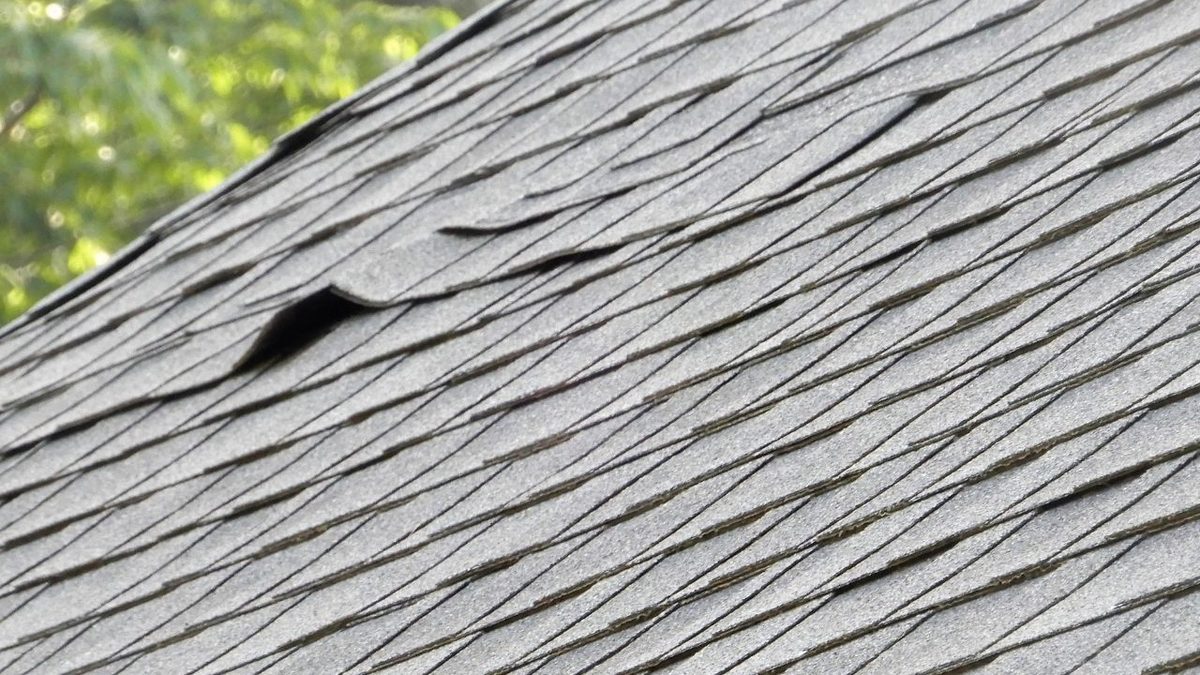
Inspect for granule loss by checking gutters for excessive accumulation or examining shingles for bald spots exposing black asphalt. Look for circular depressions or bruises where hail impacted, often feeling soft when pressed gently.
Check for cracked or split shingles, indicating fiberglass mat fractures that compromise water-shedding capability permanently. Examine for curled or cupped edges from wind damage and identify any missing shingle tabs torn away completely.
What Are Top Hail-Resistant Solutions for Illinois Climate?
Stone-coated steel roofing combines structural steel strength with impact-absorbing stone coatings that prevent cosmetic denting. Premium impact-resistant asphalt uses SBS-modified polymers that remain flexible in cold weather while resisting hail impacts.
Synthetic polymer materials offer excellent cold-weather flexibility, allowing for winter installation while achieving Class 4 impact ratings. Illinois seasonal protection requirements demand materials performing reliably across 100-degree temperature swings annually.
Why Is Stone-Coated Steel Recommended for Illinois?
DECRA stone-coated steel roofing withstands 120+ mph winds while achieving Class 4 impact ratings without visible denting. The stone coating absorbs hail energy while protecting the steel substrate from cosmetic damage that affects standard metal.
Stone-coated panels remain impervious to freeze-thaw degradation that reduces standard roof lifespans by 20% to 30%. This combination addresses Illinois's unique challenges of hail, wind, and extreme temperature cycling simultaneously.
How Do Premium Impact-Resistant Asphalt Shingles Work?
Owens Corning Duration FLEX impact-resistant asphalt uses rubberized SBS polymers that absorb impacts rather than shattering like standard shingles. GAF Timberline series shingles incorporate multiple layers and reinforced construction, achieving Class 4 ratings.
Owens Corning SureNail technology improves wind resistance through larger nail zones, preventing blow-offs during severe storms. CertainTeed Landmark series and Malarkey shingles with smog-reducing granules add environmental benefits while maintaining impact resistance.
What Benefits Do Synthetic Polymers Offer in Cold Weather?
DaVinci synthetic slate and shake materials maintain flexibility during Illinois winters when temperatures drop below freezing regularly. This cold-weather performance allows installation year-round without the brittleness affecting natural slate or standard asphalt.
Synthetic polymers achieve Class 4 impact ratings while weighing significantly less than natural materials requiring structural reinforcement. The lightweight construction reduces installation complexity while providing hardened shingles that resist cracking during freeze-thaw cycles.
How Do Consumer Preferences Shape Roofing Choices in Illinois?
Millennials show 25% preference for metal roofing and 10% for synthetic or eco-friendly options compared to traditional materials. Older demographics favor asphalt shingles at 78% to 80% due to familiarity and lower initial investment.
The Midwest shows 69% asphalt shingle usage and 17% metal roofing adoption, reflecting increasing weather concerns. Roof repair versus replacement decisions often depend on demographic priorities, balancing cost against long-term performance.
What Demographic Factors Influence Material Selection?
Urban homeowners lean toward architectural asphalt shingles at 68%, prioritizing aesthetics and lower upfront costs for properties. Rural homeowners show 14% to 18% preference for metal roofing due to larger roof spans and harsher weather.
Income levels significantly influence material selection, with households earning over $150,000 choosing premium durable roof options more frequently. Younger homeowners prioritize sustainability and lifecycle costs while older buyers emphasize immediate affordability and contractor familiarity.
What Performance Features Do Illinois Homeowners Prioritize?
85% of homeowners cite durability as their primary influence when selecting Illinois home materials for roofing projects. 78% prioritize expected lifespan, while 72% focus on weather resistance capabilities during severe storm seasons.
68% consider cost important, but rank it below performance metrics when evaluating long-term home protection value. 65% view visual impact as highly important, balancing aesthetic preferences with functional requirements.
How Does Severe Weather Influence Roofing Material Durability?
Illinois experiences average wind gusts of 60+ mph during severe thunderstorms that test roofing fastening systems annually. Severe freeze-thaw cycles reduce standard roof lifespans by 20% to 30% through repeated expansion and contraction.
57% of homeowners cite severe weather as the primary reason for roof replacement in storm-prone regions. Illinois ranks 4th nationally for hail damage claims, making stormproof roofing essential for protecting property values.
What Role Do Wind and Freeze-Thaw Cycles Play?
Wind uplift forces during 60+ mph gusts test the adhesive bonds and mechanical fasteners holding roofing materials. Common roof damage types include shingle blow-offs, lifted flashing, and compromised sealant bonds from repeated wind stress.
Freeze-thaw cycles cause moisture trapped in roofing materials to expand when freezing, creating micro-fractures that accumulate. This expansion weakens structural integrity over time, accelerating failure rates compared to more temperate climates.
How Does Material Lifespan Vary Under Illinois Weather Conditions?
Standard asphalt shingles rated for 25-year lifespans often require replacement after 15 to 20 years in Illinois. Metal and synthetic materials maintain expected lifespans more reliably due to superior resistance to temperature cycling.
Premium impact-resistant asphalt extends service life by 30% to 40% compared to standard three-tab shingles in hail zones. Insurance claim strategies become necessary when materials fail prematurely due to accumulated weather damage.
What Are the Leading Brands and Manufacturers for Hail-Resistant Roofs?
GAF Materials Corporation holds the largest North American market share through its Timberline series and innovative products. Owens Corning leads in fiberglass technology and sustainability with comprehensive warranty structures for impact-resistant shingles.
CertainTeed positions as a premium brand offering heavyweight architectural shingles with Landmark series durability ratings. DECRA Roofing Systems pioneered stone-coated metal specifically targeting hail-prone Midwest and Tornado Alley regions.
Who Dominates the Asphalt Shingle Market?
Owens Corning StainGuard Plus PRO represents advanced algae resistance technology combined with impact-resistant construction for dual protection. GAF, Owens Corning, and CertainTeed collectively control over 80% of the residential asphalt shingle market.
These manufacturers offer Class 4 impact-resistant lines alongside standard products, allowing contractors flexibility in matching budgets. Premium lines incorporate SBS polymers, reinforced mats, and advanced granule technology for superior weather resistance.
Which Companies Lead in Metal and Synthetic Roofing?
DECRA dominates the stone-coated steel segment with proven performance in hail-prone regions over three decades. DaVinci Roofscapes leads premium synthetic slate and shake materials targeting luxury markets seeking extreme durability.
Malarkey Roofing Products gains market share through sustainable, smog-reducing granules and highly flexible polymer-modified asphalt shingles. These specialized manufacturers focus on performance-driven markets where weather demands justify premium pricing.
Hail-Resistant Roofing Materials for Illinois Homes: Balancing Durability, Cost, and Climate Challenges
Selecting appropriate roofing materials for Illinois requires balancing upfront investment against lifecycle costs and weather performance expectations. Class 4 materials qualify for insurance premium discounts up to 35%, offsetting higher initial expenses through reduced premiums.
Stone-coated steel, premium impact-resistant asphalt, and synthetic polymers each offer distinct advantages depending on budget and priorities. Homeowners prioritizing durability over economy achieve better long-term value through materials designed specifically for repeated hail exposure.
Illinois's 4th-place national ranking for hail damage claims demonstrates why standard materials often fail prematurely in this climate. Materials engineered to withstand 2-inch steel ball impacts at terminal velocity provide measurable protection against the severe weather patterns homeowners face annually.
Advanced Roofing Inc. has guided Chicagoland homeowners through material selection decisions for over 30 years, helping protect properties against Illinois's demanding weather conditions.
Protect Your Home with the Right Roofing Materials
Illinois weather doesn't give your roof a break — and neither should your material choice. Advanced Roofing Inc. has helped Chicagoland homeowners select and install hail-resistant roofing solutions for over 30 years. Whether you're considering stone-coated steel, Class 4 impact-resistant shingles, or synthetic alternatives, our team will assess your home and recommend the right fit for your budget and your climate. Contact Advanced Roofing Inc. to request a free consultation to find out which hail-resistant material is right for your home.