Severe storms across Illinois create immediate roofing emergencies that demand a rapid professional response. Homeowners in Yorkville, Batavia, Geneva, and St. Charles face unique weather challenges that can compromise roof integrity within hours of a storm event.
Understanding what constitutes emergency roof repair helps property owners protect their homes from escalating damage. The right response combines temporary protective measures with comprehensive damage assessment and permanent solutions tailored to local conditions.
Key Takeaways
- Storm damage often appears minor from ground level, but can compromise underlayment and lead to severe leaks if left untreated
- Regional expertise matters because Fox River Valley communities face specific weather challenges, including hail, microbursts, and high winds
- Repair costs range from $400 to $1,200 for minor fixes, while major structural repairs can exceed $5,000
- Professional inspections should be scheduled after any severe weather event with hail exceeding one inch or winds over 50 mph
- Seasonal demand fluctuations affect both contractor availability and pricing, with spring showing the highest variance at 30%
What Constitutes Emergency Roof Repair After a Storm?
Emergency roof repair addresses immediate threats to structural integrity and interior protection. These situations require professional intervention within hours rather than days to prevent water intrusion and secondary damage.
Storm damage ranges from obvious missing shingles to subtle compromises in roof systems. Proper assessment identifies both visible and hidden damage that could lead to costly problems.
Which Roof Components Are Most Vulnerable to Storm Damage?
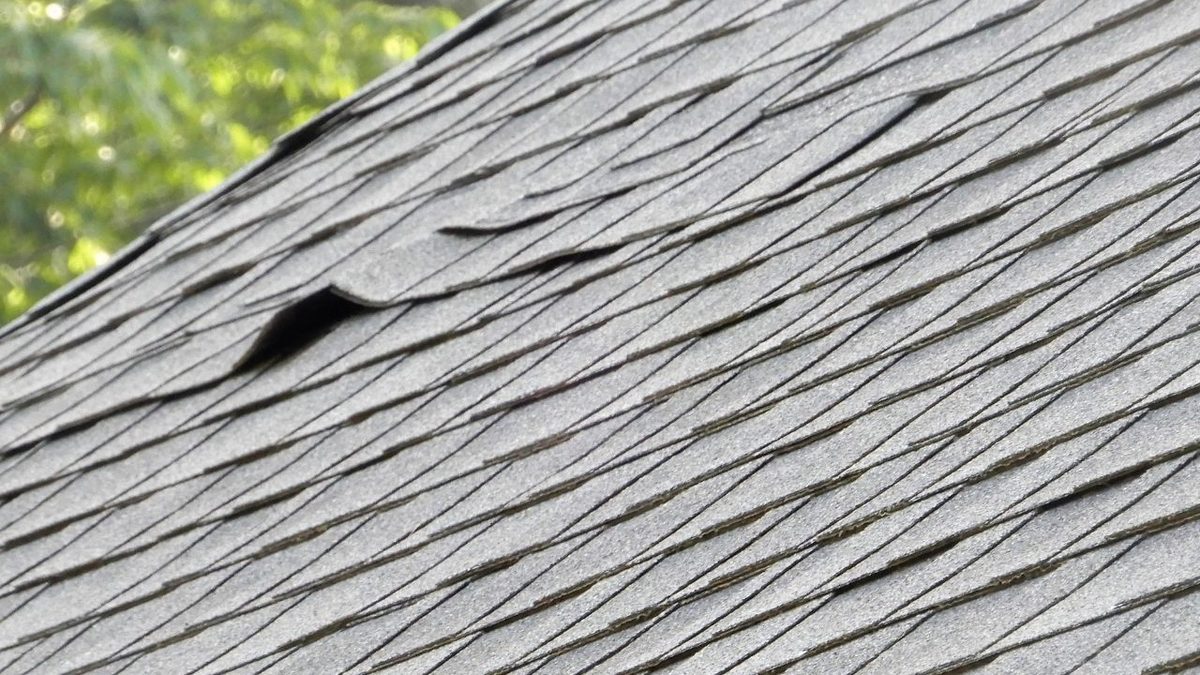
Hail creates surface damage that often remains invisible from ground level, yet compromises shingle granules and protective layers. Wind forces lift shingle edges and break sealant bonds even when materials remain attached to the roof components and structure.
Underlayment failure results from impacts that appear minor on the surface. Damaged gutters and downspouts allow water to pool near fascia boards, causing rot that extends into the roof edges and requires immediate attention.
What Are Common Emergency Repair Services?
Emergency roofing services address water leak repairs, missing shingle replacement, and protective tarping. Minor repairs costing $400 to $1,200 include replacing several shingles, patching small leaks, and basic gutter fixes.
Moderate repairs ranging from $1,500 to $5,000 involve flashing replacement and valley restoration. Major structural repairs exceeding $5,000 address extensive water damage and compromised roof decking.
How Does Attic Ventilation Affect Roof Durability Post-Storm?
The roof ventilation products market reaches $1.32 billion in 2026, reflecting growing awareness of ventilation's role. Proper attic ventilation systems prevent moisture accumulation that weakens storm-damaged materials.
Industry growth of 5.0% annually demonstrates increased demand for ventilation upgrades. Post-storm repairs present optimal opportunities to enhance ventilation and extend roof lifespan.
Why Is Regional Expertise Crucial for Storm-Related Roof Repairs?
Regional expertise determines how effectively contractors address storm damage specific to local weather patterns. Fox River Valley communities experience distinct weather challenges that require specialized knowledge and proven repair approaches.
Local contractors understand material performance under area-specific conditions. This knowledge influences everything from emergency response protocols to material selection for permanent repairs.
What Are Weather Challenges Specific to Yorkville, Batavia, Geneva, and St. Charles?
The August 16, 2025, severe storm dropped quarter-to-ping-pong-ball-sized hail across Palatine, Arlington Heights, and Cary. Yorkville, Batavia, Geneva, and St. Charles face similar severe storm roofing threats throughout the spring and summer months.
High winds and microbursts frequently affect Geneva and St. Charles, creating uplift forces that compromise shingle adhesion. Increasing storm frequency and severity drive rising demand for emergency roof repair services across the Fox River Valley.
How Do Local Building Codes Influence Repair Approaches?
Urban and suburban areas enforce complex building codes compared to rural regions. Illinois contractors must hold valid state roofing licenses formatted as 104.xxxxxx to perform legal repair work.
Code compliance affects material specifications and installation methods. Professional contractors navigate permit requirements while ensuring repairs meet current standards for wind resistance and water protection.
What Are the Demographic Factors Affecting Roofing Service Demand in the Fox River Valley?
Premium materials, including architectural shingles, cedar shake, and slate, dominate affluent Fox River Valley communities. Millennials and Gen Z represent 58% of homeowners planning renovation projects, focusing on aesthetics and energy efficiency.
Gen X homeowners account for 37% of planned projects, while Baby Boomers represent 32%. Generational priorities influence material selection, with younger homeowners preferring modern performance features and established homeowners emphasizing proven durability.
How Do Consumer Priorities Influence Emergency Roof Repair Choices?
Consumer priorities shape every aspect of emergency roof repair decisions, from contractor selection to material choices. Understanding these priorities helps homeowners align repair approaches with their long-term property goals.
Quality and price consistently rank as top concerns. Additional factors, including energy efficiency and regional expertise, influence final decisions.
What Quality Standards Do Homeowners Expect?
Quality rates 95% importance among consumers selecting roofing contractors. Durability follows at 88% importance, reflecting homeowners' focus on long-term performance over initial cost savings.
Energy efficiency reaches 75% importance as utility costs rise. Regional expertise scores 65% importance, particularly valued in storm-prone areas requiring specialized damage assessment skills.
How Does Price Impact Decision-Making?
Price influences 92% of roofing decisions despite quality ranking slightly higher. Chicago area labor rates exceed downstate Illinois costs due to skilled unionized workforce availability.
Illinois project costs surpass national averages, with Chicago area roof replacements averaging $8,290 to $29,439. Downstate and rural Illinois replacement costs range from $7,500 to $20,000, reflecting regional labor market differences.
Why Is Material Selection Important for Long-Term Storm Resilience?
Budget-friendly roofing materials like 3-tab asphalt shingles offer 15-20 year lifespans at lower initial costs. Architectural shingles provide 25-40 year durability with superior wind resistance and aesthetic appeal.
Standing seam metal roofing lasts 50+ years, while natural slate and clay tile exceed 100 years. Architectural shingles deliver better return on investment compared to 3-tab options through enhanced durability and curb appeal.
When Should Homeowners Opt for Repair Versus Replacement After Storm Damage?
The repair versus replacement decision depends on roof age, damage extent, and long-term cost analysis. Professional assessment provides objective data that guides this critical choice.
Illinois roof repairs versus replacement analysis requires examining multiple factors. Immediate cost savings from repairs must be weighed against potential repeat expenses and escalating damage.
How Is Roof Age and Damage Extent Assessed?
Repair makes sense when roofs remain relatively new with less than 15 years of service and damage stays localized. Replacement becomes necessary when roofs near their lifespan end, damage spreads widely, or multiple active leaks develop.
Professional inspection following severe weather events with hail exceeding one inch or winds over 50 mph reveals hidden damage. Aging infrastructure reaching replacement age requires major repairs or full replacement regardless of storm damage.
What Are the Signs That Indicate Replacement Is Necessary?
Multiple leak points across different roof sections indicate systemic failure rather than isolated damage. Widespread granule loss, curling shingles, and sagging deck areas signal the approaching end of service life.
Interior water stains appearing in multiple rooms suggest extensive underlayment compromise. These conditions make Yorkville roof service replacement more cost-effective than repeated repairs.
How Can Professional Inspections Post-Storm Guide This Decision?
Annual inspections scheduled in spring or fall identify developing problems before they escalate. Post-storm assessments document damage for insurance claims while providing repair-versus-replacement recommendations.
Contractors with established community presence offer reliable long-term partnerships. Verifying insurance coverage and requesting local references ensures qualified service providers.
What Steps Are Involved in the Emergency Roof Repair Process?
The emergency roof repair process follows a systematic approach that prioritizes immediate protection and comprehensive assessment. Quick response prevents secondary damage while thorough evaluation ensures complete solutions.
Professional emergency roof repair protocols combine temporary measures with permanent fixes. This staged approach manages immediate risks while planning appropriate long-term repairs.
How Is Damage Assessed Quickly and Safely?
Initial assessment begins with ground-level inspection using binoculars and drone technology. Professional contractors examine all roof sections for missing materials, visible punctures, and displaced flashing.
Interior inspection reveals water stains and active leaks requiring immediate attention. Attic examination identifies moisture penetration and insulation damage invisible from exterior views.
What Temporary Measures Are Taken to Prevent Further Damage?
Emergency tarping services deploy immediately after wind damage to prevent water intrusion. Professional-grade tarps secured with proper fastening techniques protect interiors until permanent Batavia emergency repairs occur.
Temporary leak patches and board-up services address immediate vulnerabilities. These measures provide essential protection during insurance claim processes and contractor scheduling.
How Is Insurance Documentation Handled During Emergency Repairs?
Comprehensive insurance claim documentation follows emergency protective measures. Detailed photographic evidence captures the extent before temporary or permanent repairs begin.
Professional contractors coordinate with insurance adjusters to maximize coverage. Accurate documentation ensures proper claim valuation and appropriate compensation for necessary repairs.
How Do Seasonal Factors Affect Emergency Roofing Services Availability and Pricing?
Seasonal demand fluctuations significantly impact contractor availability and project pricing. Understanding these patterns helps homeowners plan repairs and anticipate cost variations.
The roofing industry experiences pronounced seasonal cycles tied to weather patterns. Emergency repairs continue year-round while planned replacement work concentrates in favorable weather periods.
Which Seasons Experience Peak Storm Damage and Roofing Demand?
Spring demand shows +30% variance as homeowners address winter damage and prepare for summer storms. Summer experiences +20% variance driven by severe thunderstorms and st charles roofing hail events.
Fall demand increases +25% as property owners rush to complete projects before winter. Winter demand drops -15% with significantly reduced planned replacement activity despite ongoing emergency repairs.
When Is It Optimal to Schedule Emergency Repairs?
Emergency repairs require immediate response regardless of season to prevent escalating damage. Planned replacement work benefits from scheduling during shoulder seasons when contractor availability increases.
Winter months offer potential cost savings for non-urgent projects. Reduced demand during cold weather creates opportunities for favorable pricing on planned replacement work.
How Do Seasonal Labor and Material Costs Influence Service Delivery?
Spring pricing typically reaches premium levels due to high demand, addressing winter damage. Severe weather creates volatile demand directly correlated with storm event timing and intensity.
Contractor availability tightens during peak seasons, extending project timelines. Off-season scheduling provides faster service and potentially lower pricing for non-emergency work.
What Are Key Types of Roof Repair and Maintenance Services Linked to Storm Recovery?
Storm recovery encompasses multiple specialized services beyond basic shingle replacement. Comprehensive repair addresses all affected components to prevent future problems.
Each service type requires specific expertise and materials. Emergency roof protection planning coordinates these services for complete storm recovery.
How Are Flashing and Gutter Repairs Critical Post-Storm?
Flashing repair costs range from $350 to $450 for standard applications. Complex chimney flashing installations exceed $1,200 due to specialized materials and labor requirements.
The U.S. gutters and downspouts market reaches $8 billion, reflecting critical importance. Common gutter problems caused by storm debris require prompt attention to prevent fascia damage.
What Role Does Attic Ventilation Upgrade Play in Storm Recovery?
Storm damage repairs provide optimal opportunities to enhance attic ventilation systems. Improved airflow extends roof lifespan and prevents moisture-related deterioration in damaged areas.
Ventilation upgrades during repair work avoid additional labor costs. Proper ventilation prevents ice dam formation and reduces summer heat buildup that accelerates shingle aging.
How Are Modern Inspection Technologies Used for Accurate Storm Damage Assessment?
Drone technology enables safe, comprehensive roof inspection without physical access risks. High-resolution imagery reveals damage invisible during ground-level assessment.
Infrared scanning detects moisture intrusion beneath intact shingles. These technologies ensure hail and wind damage receives complete documentation for insurance claims and repair planning.
Fast Emergency Roof Repair - Synthesizing Regional Needs, Consumer Priorities, and Effective Service Delivery
Effective emergency roof repair combines immediate protective response with comprehensive damage assessment and quality permanent solutions. Fox River Valley communities require contractors who understand local weather patterns, building codes, and material performance under regional conditions.
Quality-focused homeowners prioritize long-term durability over short-term cost savings when selecting repair approaches. Professional contractors deliver transparent assessments that recommend appropriate repairs while identifying when replacement provides better long-term value.
Advanced Roofing Inc. has served Chicagoland communities for over 30 years with expert storm damage response and premium repair services. Their GAF Master Elite certification and established local presence ensure reliable emergency response and quality workmanship.
Whether addressing immediate storm damage or planning comprehensive roof replacement, professional expertise makes the difference between temporary fixes and lasting protection. Property owners benefit from contractors who combine technical skill with honest recommendations tailored to individual circumstances.
Contact Advanced Roofing Inc. After a Storm — We Respond Fast
When storm damage puts your home at risk, waiting is not an option. Advanced Roofing Inc. has been protecting homes across Yorkville, Batavia, Geneva, and St. Charles for over 30 years. As a GAF Master Elite® Certified contractor with a BBB A+ rating, we bring the expertise and credentials your repair deserves — from emergency tarping and damage assessment to permanent repairs using premium materials.
Contact experienced professionals at Advanced Roofing Inc. for roof repair services that protect your home investment. Expert assessment and quality repairs ensure your roof withstands future severe weather events.