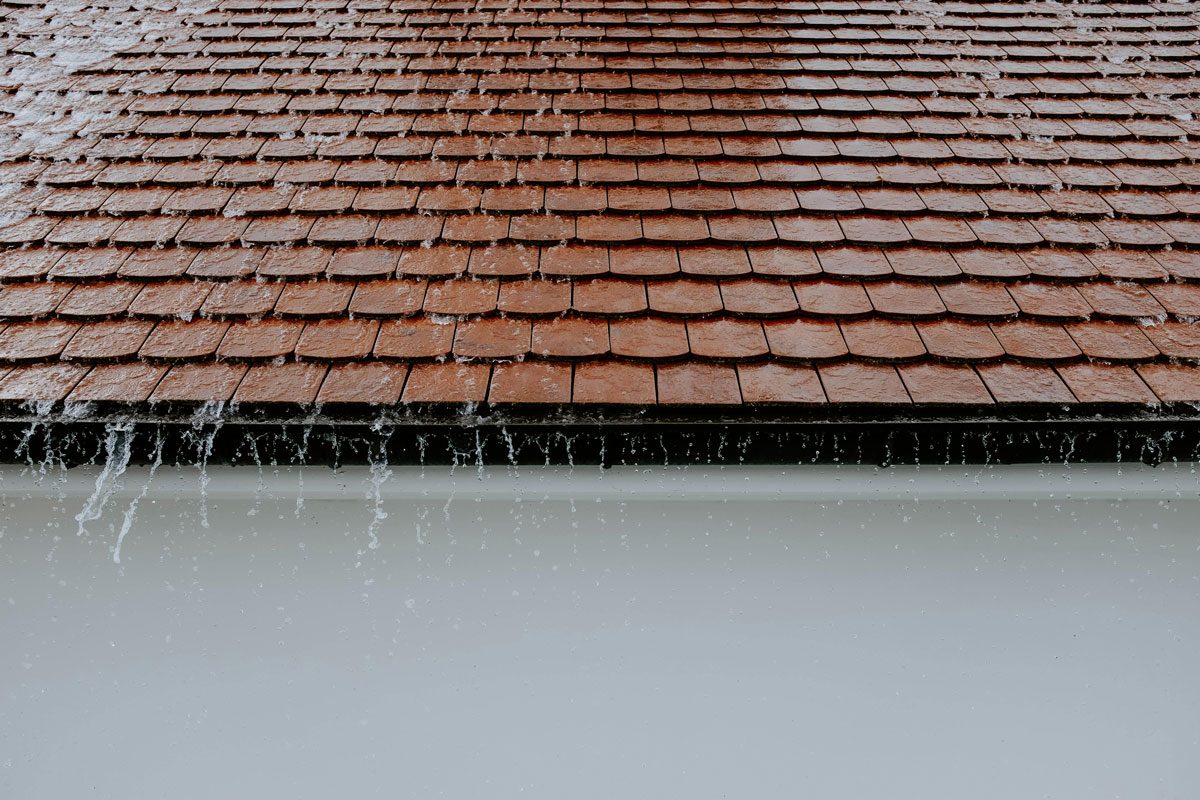
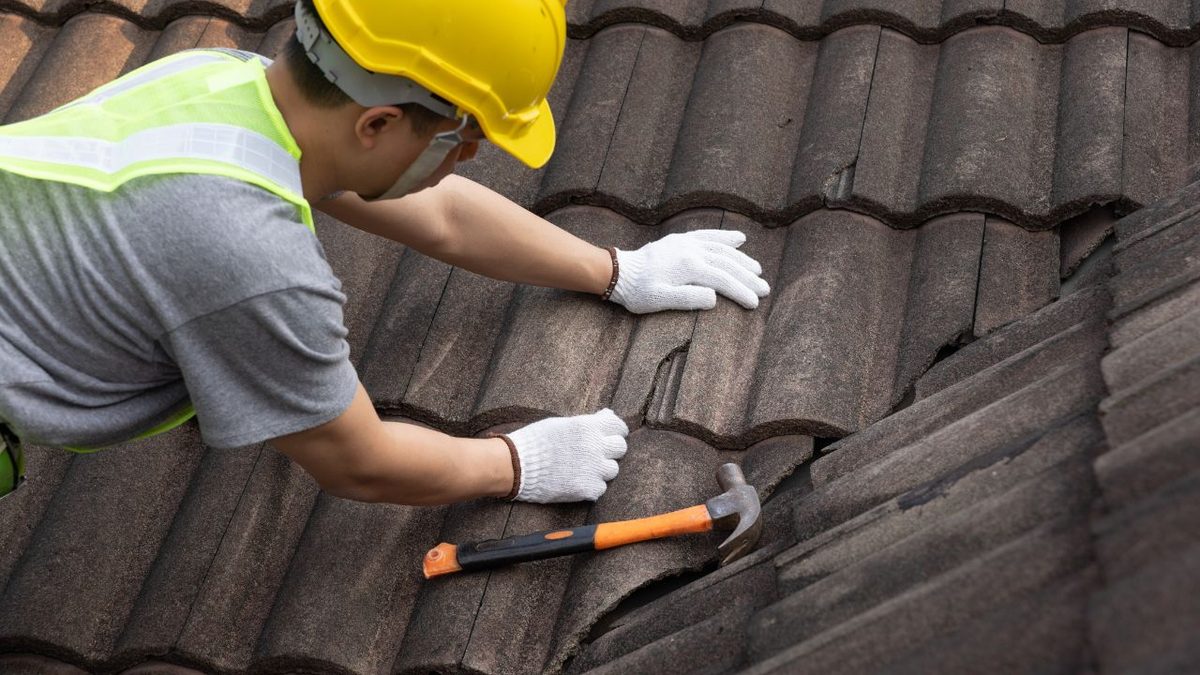
April storm roof damage requires immediate attention to prevent long-term structural issues and expensive repairs. Severe weather events across Illinois communities create hidden damage that standard visual inspections often miss. Proper damage assessment checklist protocols ensure homeowners identify compromised roofing components before minor issues escalate into major failures.
Key Takeaways
- Schedule professional roof inspections immediately after hail exceeding 1 inch or winds over 50 mph
- Hail damage often remains invisible from ground level, but compromises the underlayment and leads to leaks
- Repair costs range from $400-$1,200 for minor fixes, while replacement averages $10,000-$15,000 for architectural shingles
- Illinois contractors must hold valid state roofing licenses in format 104.xxxxxx with verified insurance coverage
- Spring and fall create peak demand with 25-30% pricing variance compared to winter discounts
What Types of Roof Damage Are Common After Illinois Storms?
Illinois storms create distinct damage patterns requiring specialized evaluation techniques for accurate post-storm roofing assessment. Understanding these damage types helps homeowners distinguish between superficial concerns and structural threats.
How Does Hail Affect Roof Shingles and Flashing?
The August 16, 2025, severe storm dropped quarter-to-ping-pong-ball-sized hail across Palatine, Arlington Heights, and Cary. Hail impact creates bruising on asphalt shingles that often appears invisible from ground level. Professional inspections reveal granule loss and mat fractures that compromise water resistance and accelerate deterioration.
Hail damage can compromise the underlayment, leading to full roof replacement needs even when surface damage appears minimal. Advanced inspection technologies, including common types of roof damage in Illinois, drone imaging, reveal hidden structural failures. Metal flashing components sustain denting that disrupts water channeling and creates entry points for moisture infiltration.
What Wind Damage Should Be Looked For?
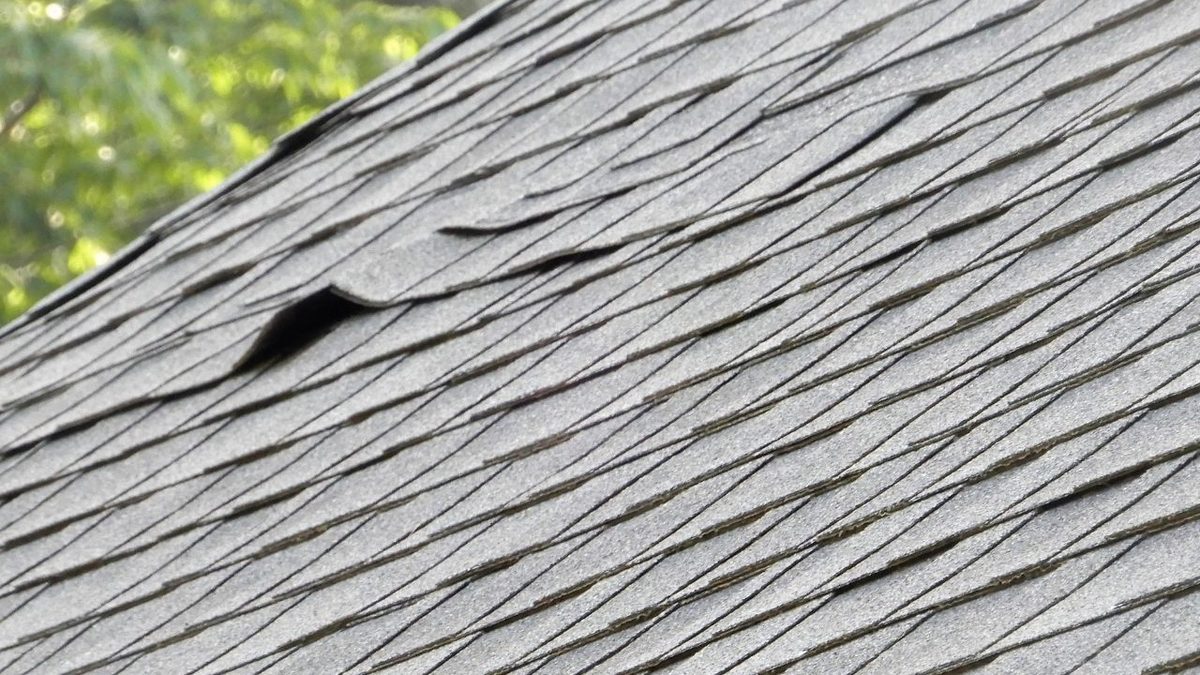
Geneva and St. Charles frequently experience microbursts and sustained high winds that lift shingles and break sealant bonds. Wind damage often breaks the sealant bond of shingles, even if they remain on the roof. Compromised adhesion allows water penetration during subsequent rain events and accelerates progressive failure across adjacent sections.
Fascia boards and soffits sustain impact damage from airborne debris during severe wind events. Professional roof damage evaluation identifies lifted tabs, missing shingles, and compromised nail integrity. Structural components, including ridge caps and hip shingles, require careful examination for displacement or separation.
How Do Gutters and Ventilation Systems Sustain Damage?
Clogged or damaged gutters frequently lead to fascia rot and roof edge deterioration from backed-up water. The U.S. gutters and downspouts market, valued at approximately $8 billion, reflects critical infrastructure for water management. Hail and debris impact creates dents, separations, and sagging that prevent proper drainage function.
The roof ventilation products market, valued at $1.32 billion in 2026, demonstrates growing recognition of the importance. This market segment shows 5.0% CAGR growth driven by energy efficiency and moisture control priorities. Storm damage to ridge vents, soffit vents, and turbine systems disrupts attic airflow and creates condensation problems.
Why Is Early and Professional Roof Inspection Crucial Post-Storm?
Immediate professional Illinois roof inspection prevents minor damage from escalating into expensive structural failures and interior damage. Delayed assessment allows water infiltration that creates mold, insulation deterioration, and compromised structural integrity. Early detection provides maximum insurance claim documentation and prevents coverage disputes from aged damage.
Professional expertise identifies hidden damage that ground-level visual inspection misses, including underlayment compromise and decking deterioration. Certified inspectors utilize specialized equipment and trained observation skills to document all damage categories. Comprehensive assessment creates accurate repair scopes and prevents contractor disputes over damage extent and necessary repairs.
When Should You Schedule a Roof Inspection After Severe Weather?
Schedule annual inspections, preferably in spring or fall, to establish baseline roof conditions and identify developing issues. Request professional inspection following severe weather events with hail exceeding 1 inch or winds surpassing 50 mph. Immediate post-storm assessment within 48-72 hours captures fresh damage and supports insurance documentation requirements.
Seasonal inspection timing aligns with hail, wind, and premium roof protection strategies that prevent emergency situations. Spring inspections identify winter damage before summer storm season, while fall assessments ensure winter readiness. Bi-annual schedules catch progressive deterioration before warranty coverage expires or structural damage develops.
What Technologies Aid in Accurate Damage Assessment?
Drone imaging technology provides safe, comprehensive roof surface documentation without physical access risks or missed areas. High-resolution photography captures granule loss, shingle bruising, and flashing damage invisible from ground perspectives. Thermal imaging identifies moisture intrusion and insulation failures that indicate hidden leak pathways.
Digital documentation creates detailed records supporting insurance claims and contractor communication throughout repair processes. Moisture meters quantify water penetration extent and guide remediation scope decisions. GPS-enabled damage mapping ensures complete coverage across complex roof geometries and multiple elevation changes.
How Do Inspections Influence Insurance Claims?
Professional inspection reports provide detailed damage documentation that insurance adjusters require for claim approval and settlement. Comprehensive damage catalogs prevent disputes over damage extent, causation, and necessary repair scope. Detailed photography and measurement data support homeowner positions during claim negotiations and appeal processes.
Follow with comprehensive insurance claim documentation for roof damage that maximizes coverage utilization and minimizes out-of-pocket expenses. Timely professional assessment establishes damage timelines that connect failures to specific weather events. Third-party verification reduces insurance company challenges to homeowner damage claims and accelerates settlement processes.
What Are the Key Components of a Roof Damage Assessment Checklist?
Systematic damage assessment checklist protocols ensure complete evaluation of all roof components and hidden damage areas. Structured inspection sequences prevent overlooked damage that creates future failures and additional expenses. Comprehensive checklists guide homeowners and contractors through exterior, interior, and structural evaluation procedures.
Documentation standards capture condition details, measurements, and photographic evidence supporting repair planning and insurance processing. Checklist formats organize findings by roof zone, damage type, and severity rating. Standardized assessment creates consistent evaluation criteria across multiple inspector reviews and contractor estimates.
How to Examine Shingles, Flashing, and Valleys?
Shingle inspection identifies granule loss, cracking, curling, and missing units that compromise weather protection. Close examination reveals subtle bruising from hail impact and wind damage to sealant strips. Color variations indicate UV degradation and age-related deterioration requiring replacement consideration.
Flashing repairs prevent water intrusion at roof junctions, including chimneys, vents, and valleys, where different planes intersect. The national average cost for flashing repair ranges from $350 to $450 for standard installations. Complex chimney flashing can exceed $1,200 due to masonry integration and multi-component sealing requirements.
What Signs Indicate Attic Ventilation Issues?
Inadequate attic ventilation creates moisture condensation, insulation damage, and premature shingle deterioration from excessive heat buildup. Inspection reveals water stains on the roof decking, mold growth, and compressed insulation from moisture saturation. Temperature differentials between the attic space and the exterior indicate ventilation imbalances requiring correction.
Blocked soffit vents and damaged ridge vents disrupt the intake-exhaust airflow balance essential for moisture control. Visual assessment identifies storm debris accumulation and physical damage to vent components. Proper ventilation extends roof lifespan and prevents ice dam formation during winter freeze-thaw cycles.
How to Inspect Gutters and Roof Edges?
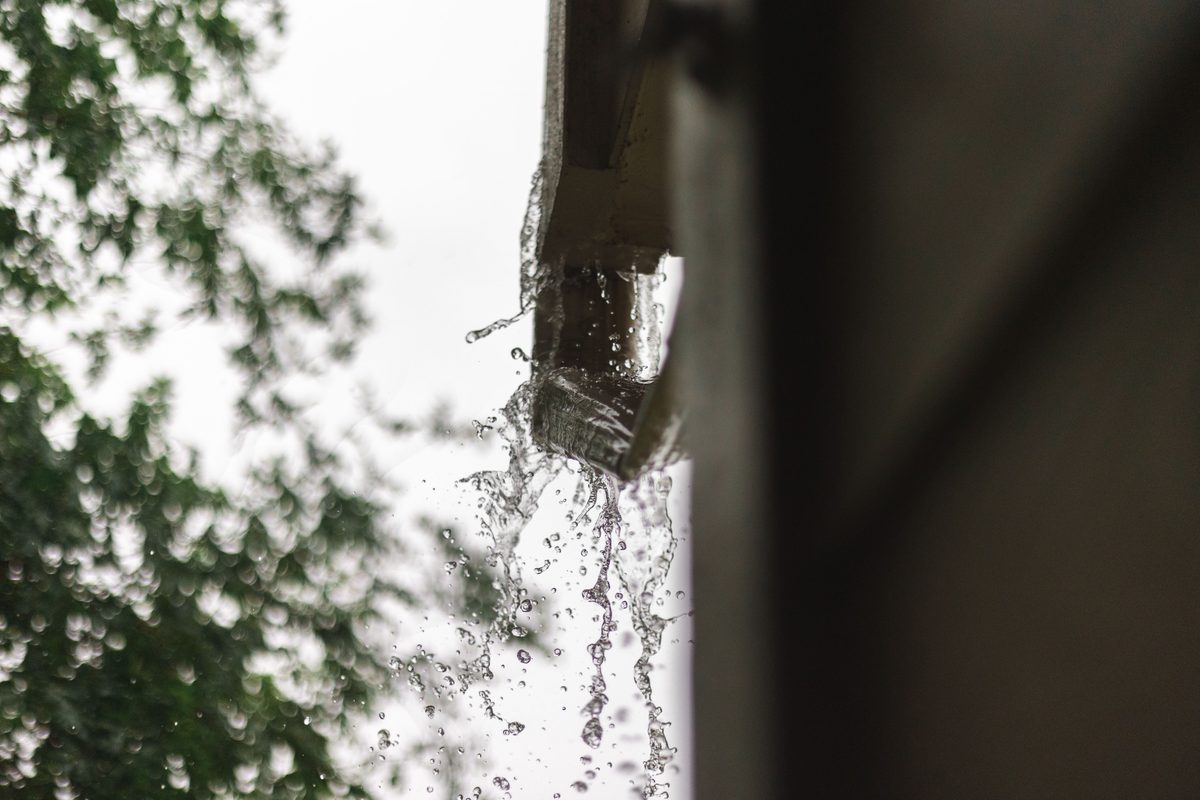
Gutter system evaluation identifies sagging, separation, and clogging that prevent proper water drainage away from the foundation. Assessment examines downspout connections, end caps, and mounting hardware for storm damage and deterioration. Understanding how strong winds affect gutter systems prevents water damage to fascia and soffits.
Roof edge inspection focuses on drip edge integrity, fascia condition, and soffit ventilation functionality. Missing or damaged drip edge allows water infiltration behind gutters, creating wood rot and structural deterioration. Soffit damage compromises attic ventilation intake and allows pest entry into roof cavities.
How Can You Differentiate Between Repairable and Replacement Damage?
Damage severity assessment determines whether repair or replacement provides optimal long-term value and protection. Decision criteria include damage extent, roof age, underlying structure condition, and cost-benefit analysis. Professional evaluation prevents unnecessary replacement while identifying situations where repair attempts create false economy.
Multiple factors, including warranty status, material availability, and aesthetic matching, influence repair versus replacement recommendations. Isolated damage on newer roofs typically justifies targeted repair, while widespread damage on aging systems warrants replacement. Financial analysis compares repair costs against remaining roof lifespan and future failure probability.
When Is a Roof Repair Adequate?
Repair if the roof is relatively new, with age under 15 years, damage is localized, and the underlying structure remains sound. Minor repairs include replacing a few shingles, minor leak patching, and basic gutter repair. Minor repair cost range spans $400-$1,200, depending on access difficulty and material matching requirements.
Targeted repairs provide cost-effective solutions when damage affects limited roof areas without structural compromise. Material availability for matching existing shingles determines repair feasibility on discontinued product lines. Warranty preservation through manufacturer-approved repairs maintains coverage for future damage events.
What Factors Warrant Full Roof Replacement?
Replace if the roof is nearing the end of its lifespan, damage is widespread, or there are multiple active leaks. What appears as minor surface damage can reveal compromised underlayment requiring complete system replacement. Extensive hail damage, multiple storm events, or age-related deterioration make replacement more economical than repeated repairs.
Architectural shingle replacement costs $10,000-$15,000 for standard 2,000 square foot homes in Illinois markets. Premium materials, including standing seam metal, range $16,000-$24,000 with 50-plus year lifespans. Natural slate or clay tile installations exceed $20,000-$40,000 but provide century-long durability and distinctive aesthetics.
How Does Roof Age Impact Decision Making?
Roofs approaching 15-20 year marks for three-tab shingles or 25-30 years for architectural products justify replacement consideration. Remaining warranty coverage and expected lifespan factor into repair versus replacement cost-benefit calculations. Aging roofs experiencing initial failures typically encounter cascading problems requiring complete replacement within short timeframes.
Material degradation accelerates after mid-lifespan points as UV exposure, thermal cycling, and weather stress accumulate. Repair costs on aging systems often approach 50-70% of replacement expenses without extending overall lifespan. Strategic replacement timing prevents emergency situations and allows the best roofing material selection for Illinois climate optimization.
What Are the Consumer Priorities When Hiring Illinois Roofing Contractors?
Homeowner priorities emphasize quality craftsmanship, fair pricing, and proven reliability over lowest-bid contractors. Selecting qualified professionals prevents substandard work, insurance complications, and costly future repairs from inadequate installation. Vetting criteria include licensing verification, insurance coverage, reference checking, and local reputation assessment.
Consumer research reveals a strong preference for established contractors with community presence and verifiable track records. Transparent communication, detailed written estimates, and warranty offerings rank highly in contractor selection criteria. Local expertise with Illinois weather patterns and building codes provides significant value beyond generic roofing services.
How Important Are Quality and Price?
Quality rated 95% importance by consumers reflects the primacy of workmanship and material standards in contractor selection. Price, rated 92% importance by consumers, demonstrates cost consciousness balanced against quality expectations. Durability rated 88% importance indicates a long-term value focus over initial expense minimization.
Energy efficiency is rated 75% importance by consumers, driven by utility cost concerns and environmental awareness. Contractor reputation and warranty coverage influence decision-making alongside pricing considerations. Balanced evaluation prevents false economy from lowest-bid selection while ensuring competitive pricing for quality work.
Why Is Regional Expertise Vital in Illinois?
Regional expertise rated 65% importance by consumers recognizes local knowledge value for weather-appropriate solutions. Illinois contractors understand snow load requirements, ice dam prevention, and severe storm preparation specific to regional conditions. Local building code familiarity ensures permit compliance and inspection approval without project delays.
Established community presence provides accessible service for warranty claims and future maintenance needs. Regional material suppliers enable quick repairs and matching replacements for discontinued products. Understanding when to schedule roofing work in Illinois based on weather patterns prevents installation problems and warranty violations.
What Should Be Verified in Contractor Licensing and Insurance?
Verify contractor holds a valid state roofing license in Illinois format 104.xxxxxx indicating regulatory compliance and professional standards. Check insurance coverage, including general liability and workers' compensation, protecting homeowners from accident liability. Request local references from recent projects demonstrating quality work and customer satisfaction.
Following an Illinois roofing contractor checklist ensures comprehensive vetting of credentials, insurance, and reputation. Manufacturer certifications, including GAF Master Elite and CertainTeed ShingleMaster, indicate advanced training and quality standards. BBB ratings and online reviews provide additional verification of contractor reliability and customer service quality.
How Does Seasonality Affect Roof Repair and Replacement in Illinois?
Illinois weather patterns create pronounced seasonal demand fluctuations, affecting contractor availability and pricing structures. Peak seasons experience scheduling delays and premium pricing, while off-peak periods offer availability and potential discounts. Strategic timing balances weather suitability against demand-driven cost variations and contractor capacity.
Temperature requirements for proper material installation limit winter work windows but create an opportunity for cost savings. Emergency repairs proceed year-round regardless of conditions, while planned replacements benefit from seasonal optimization. Understanding demand cycles helps homeowners plan projects for optimal timing and value.
When Is Peak Demand for Roofing Services?
Spring demand shows +30% variance above baseline, driven by winter damage discovery and pre-summer preparation. Summer demand shows +20% variance from storm damage response and favorable installation weather conditions. Fall demand shows +25% variance as homeowners rush winter preparation before temperature limitations begin.
Winter demand shows -15% variance, creating contractor availability and competitive pricing opportunities for flexible homeowners. Storm events create temporary demand spikes, overwhelming contractor capacity and extending project timelines. Annual inspection scheduling during shoulder seasons avoids peak congestion and ensures prompt service response.
What Are the Benefits of Winter Roof Repairs?
Contractor availability increases during the winter months, allowing flexible scheduling and potential negotiated pricing advantages. Quality contractors maintain work crews year-round and welcome winter projects for revenue stability. Material costs remain stable, unlike spring price increases from seasonal demand pressure on manufacturers.
Temperature-appropriate products, including cold-weather adhesives, enable winter installation meeting manufacturer warranty requirements. Limited precipitation windows in winter allow efficient work completion once favorable conditions arrive. Strategic winter replacement positions homes for the spring storm season with fresh protection systems.
How to Plan Post-Storm Repairs Within Seasonal Constraints?
Emergency tarping services deployed immediately prevent water intrusion while comprehensive repairs await favorable weather conditions. Temporary protection maintains insurance coverage and prevents damage escalation during scheduling delays. Documentation during initial assessment preserves evidence while repair work proceeds on an appropriate timeline.
Seasonal planning coordinates inspection timing, contractor selection, and material ordering for optimal project execution. Spring storm damage often requires summer completion, while fall damage may extend into the following spring. Understanding material curing requirements and warranty installation specifications ensures quality outcomes regardless of seasonal pressures.
Which Roofing Materials Are Best Suited for Illinois Storm Recovery?
Material selection balances initial cost, expected lifespan, storm resistance, and aesthetic preferences for optimal long-term value. Illinois climate demands materials that withstand severe temperature swings, heavy snow loads, and intense summer heat. Performance characteristics, including impact resistance, wind rating, and warranty coverage, guide post-storm replacement decisions.
Budget constraints, home value, and future sale plans influence material choices alongside pure performance considerations. Premium materials provide superior durability but require a higher upfront investment justified by an extended lifespan. A comprehensive roof inspection checklist review helps determine the appropriate material tier for specific situations.
How Do Asphalt Shingles Compare to Architectural Shingles?
3-Tab asphalt shingles cost $3.50-$5.00 per square foot with total installation around $7,000-$10,000 for standard homes. These budget-friendly options provide a 15-20 year lifespan suitable for short-term ownership or basic protection needs. Limited wind resistance and aesthetic appeal constrain application to premium homes or severe weather zones.
Architectural shingles cost $5.00-$7.50 per square foot, totaling $10,000-$15,000 with a superior 25-40 year lifespan. Enhanced dimensional appearance and improved wind resistance justify a moderate premium over basic three-tab products. Impact-resistant variants provide hail protection and insurance discounts, offsetting higher initial material costs.
What Are the Advantages of Metal and Slate Roofs?
Standing seam metal roofing costs $8.00-$12.00 per square foot, with total projects ranging $16,000-$24,000. Metal systems provide a 50-plus-year lifespan with minimal maintenance and superior weather resistance. Energy efficiency from reflective coatings reduces cooling costs and qualifies for utility rebates in many areas.
Natural slate and clay tile installations cost $10.00-$20.00-plus per square foot, totaling $20,000-$40,000-plus. These premium materials deliver century-long performance with distinctive aesthetics, enhancing property value. Weight requirements necessitate structural evaluation, ensuring adequate support for heavy material loads.
How Do Material Choices Affect Longevity and Cost?
Initial material investment correlates directly with expected lifespan, creating long-term cost-per-year comparisons favoring premium products. Architectural shingles at $12,500 average cost over a 30-year lifespan equal $417 annually. Metal roofing at $20,000 over a 50-year lifespan costs $400 annually with superior performance.
Warranty coverage varies significantly across material tiers, with premium products offering transferable lifetime warranties. Installation quality affects actual lifespan regardless of material grade, emphasizing proper contractor selection. Climate-appropriate material selection prevents premature failure from thermal cycling, moisture, and storm damage.
Illinois Roof Damage Assessment Checklist: An Integrated Approach to Post-Storm Recovery
Systematic post-storm assessment combining immediate damage documentation, professional inspection, and strategic repair planning protects home investments. Comprehensive evaluation prevents minor damage escalation while identifying situations requiring complete replacement for optimal protection. Following structured protocols ensures insurance coverage maximization and prevents contractor disputes over damage extent.
Quality-conscious homeowners benefit from established contractor relationships providing priority service during emergency situations and storm surges. Proactive annual inspections identify developing issues before weather events create compounding damage and expensive repairs. Advanced Roofing Inc. provides experienced assessment services, helping Illinois homeowners make informed decisions protecting their most significant assets.
Schedule Your Post-Storm Roof Inspection With Advanced Roofing Inc.
April storms across the Fox Valley and greater Chicagoland area can leave damage that isn't visible from the ground — compromised underlayment, granule loss, cracked flashing, and weakened sealant bonds that turn into leaks over time. Don't wait for interior damage to confirm what a professional inspection would catch now.
Advanced Roofing Inc. has served Illinois homeowners since 1994. As a GAF Master Elite® Contractor and CertainTeed ShingleMaster™, we provide thorough post-storm assessments, accurate damage documentation, and honest repair-versus-replacement recommendations — with no pressure and no hidden fees. Contact Advanced Roofing Inc. to request a free inspection. We serve Yorkville, Oswego, Naperville, Aurora, Geneva, Batavia, St. Charles, and the surrounding Fox Valley communities.