Key Takeaways
- Replacing your roof before listing can increase your home’s value by $10,000-$25,000 and reduce market time by 15-30 days.
- Winter buyers are more selective and prefer homes that are move-in ready, making a new roof a smart investment.
- Older roofs can derail sales by triggering financing issues, insurance denials, and price reductions.
- Roof condition influences buyer negotiations, and a proactive replacement avoids costly repair credits and price cuts.
- Understanding your roof’s return on investment can help you decide the right material and installation timing for maximum value.
When listing your home, first impressions are crucial, and the condition of your roof plays a major role. Realtors often recommend replacing your roof before listing, as a new roof can significantly increase your home's market value, reduce time on the market, and prevent potential deal-breaking issues during inspections. In this article, we'll explore why replacing your roof is a wise investment before putting your home on the market, especially as the year-end season approaches.
What Factors Influence Home Value at Year-End?
A proper home value assessment considers more than square footage and location. Timing matters. Year-end listings face unique challenges that directly affect sale price and days on market. Understanding these factors helps sellers make strategic decisions about roof investment and other improvements before listing.
How Do Seasonal Trends Impact Home Values?
Seasonal trends significantly reduce your buyer pool during the winter months. Fewer active buyers means more competition among sellers. Your home must be in top condition to stand out.
This reality makes roof replacement a strategic consideration for year-end sellers. A new roof eliminates one of the biggest objections buyers raise during home inspections. When inventory is low, but buyers are scarce, move-in-ready homes command premium prices.
Why Do Buyers Become More Selective in Winter?
Winter buyers are more discerning because they're serious. Casual shoppers wait for spring. The buyers actively looking in December have real deadlines and specific requirements.
Consider this: 55% of American homeowners prefer renovating their current home rather than moving. Those who choose to buy anyway have high standards. They're not interested in inheriting someone else's deferred maintenance. Real estate roof value matters to these buyers. They'll walk away from properties with aging roofs or negotiate aggressively for credits.
What Role Does the Overall Housing Market Play?
The broader market shapes buyer expectations. The global roofing market is projected to reach $306 billion in 2025. This growth reflects a cultural shift toward valuing home maintenance and improvement.
Buyers now expect move-in-ready conditions. Listing a home with a new roof meets these rising expectations. Properties requiring immediate major repairs face longer market times and lower offers. Smart sellers recognize this trend and address roof issues before listing rather than during negotiations.
Why Should I Replace My Roof Before Listing My Home?
Roof replacement before listing isn't just maintenance. It's a strategic investment that pays dividends in multiple ways. The data strongly supports this decision for sellers with aging roofs.
How Can a New Roof Increase My Home's Market Value?
A new roof directly increases your sale price. Homes with recent roof replacement command $10,000-$25,000 more than comparable properties with older roofs. That's real money in your pocket at closing.
Speed matters too. Listing a home with a new roof reduces market time by 15-30 days. The National Association of REALTORS® reports 100% cost recovery for new roofs and a perfect "Joy Score" of 10 from homeowners who made this improvement. Few upgrades deliver this combination of financial return and seller satisfaction.
What Are the Risks of Selling with an Older Roof?
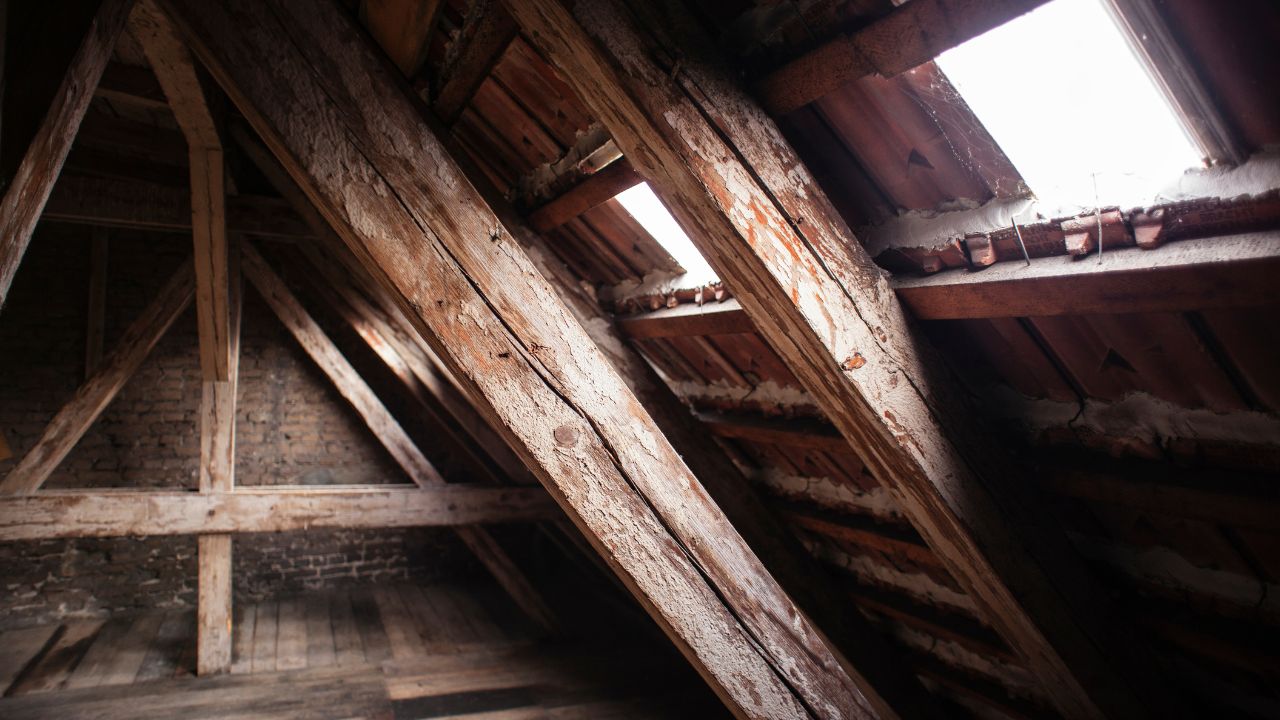
Older roofs create serious obstacles. Inspectors and appraisers flag roofs 16+ years old as significant liabilities. This finding alone can derail your sale.
Financing complications multiply the problem. FHA loans require a minimum of 2 years remaining useful life. VA loans demand "good condition" with reasonable future utility. Many insurance carriers decline coverage for roofs older than 15 years. When buyers can't get insurance or financing, they can't buy your home. Your real estate roof value drops substantially when these barriers exist.
Can a Roof Replacement Improve Curb Appeal and Buyer Confidence?
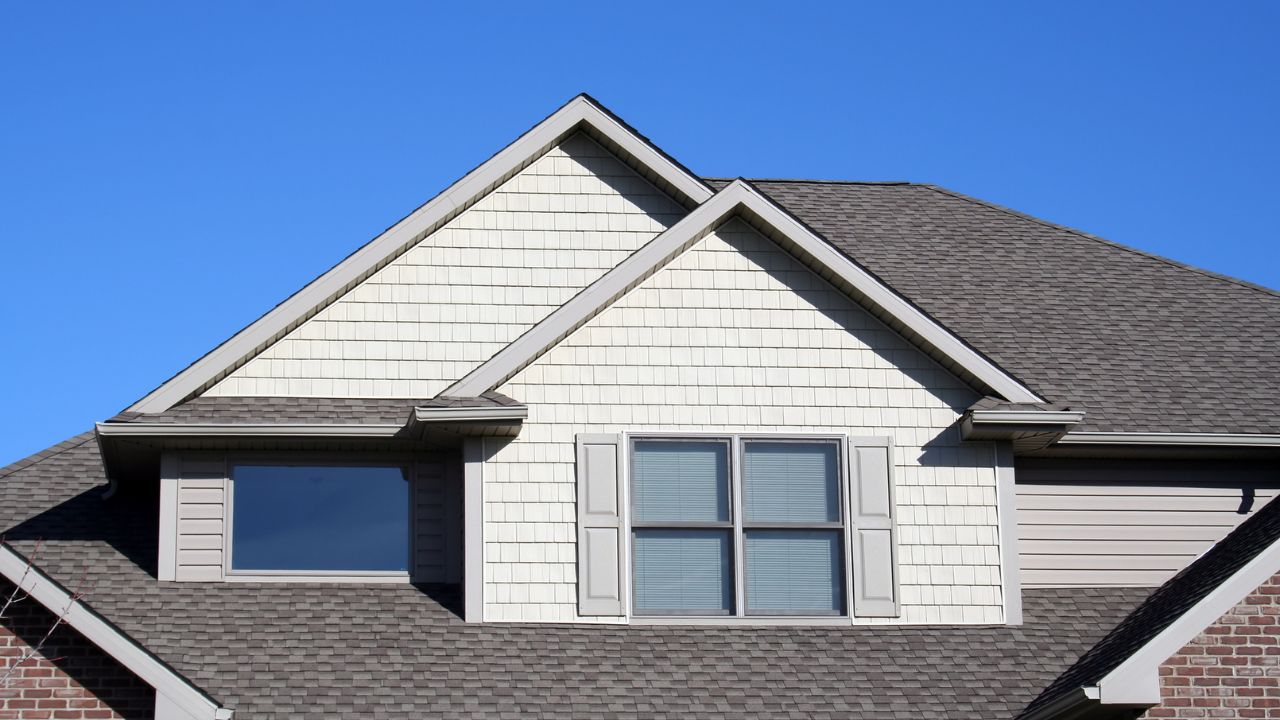
First impressions happen once. The roof is a dominant visual element of your home. Missing shingles, dark streaks, or visible wear immediately signal deferred maintenance. Buyers notice before they exit their cars.
A new roof communicates "move-in ready" status. It eliminates a major concern from the buyer's mental checklist. Warranty documentation covering both manufacturer defects and workmanship provides additional peace of mind. This confidence translates to stronger offers and smoother negotiations. Your roof investment pays off in buyer trust.
What Are the Financial Considerations When Replacing a Roof Before Listing?
Understanding the numbers helps you make an informed decision. Roof replacement involves high upfront costs. However, the financial picture extends beyond simple cost-versus-resale calculations.
How Much Does a New Roof Typically Cost?
Roofing costs vary by material and home size. Standard 3-tab asphalt shingles run $2.50-$5.50 per square foot. Architectural asphalt shingles cost $5-$8 per square foot. Standing seam metal roofing ranges from $8-$14 per square foot.
For a typical home, expect to pay around $30,680 for a midrange asphalt shingle replacement. This national average provides a reasonable baseline for budgeting. Get multiple quotes from licensed contractors to understand your specific costs.
What Return on Investment Can I Expect from Replacing My Roof?
Direct ROI tells only part of the story. The 2024 Cost vs. Value Report shows asphalt shingle replacement yields 56.9% direct ROI. Metal roofs return about 48.1%. Remodeling Magazine reports 60-70% cost recoupment for architectural shingles.
These percentages seem modest until you consider the alternative. Buyers routinely demand $15,000-$20,000 in credits for aging roofs. That same roof investment might cost you $12,000-$13,500 if you handle it proactively. The true value lies in preventing price reductions and maintaining negotiating power. Your home value assessment improves dramatically with a new roof in place.
Are There Any Financial Incentives or Tax Benefits?
Smart material choices can offset costs. Solar shingle installations qualify for a 30% federal tax credit. This substantial incentive makes energy-generating roofs more accessible.
Insurance savings add up over time. Companies offer up to 35% premium discounts for fire-resistant and impact-resistant materials. Energy-efficient options like cool roofs may qualify for additional local incentives. Research available programs in your area before finalizing material selections.
How Does Roof Condition Impact Potential Buyers' Perceptions?
Buyer psychology drives real estate transactions. Roof condition shapes perceptions before negotiations even begin. Understanding how buyers think helps sellers anticipate objections and position their properties strategically.
Why Do Buyers View Roof Issues as a Dealbreaker?
Roof problems top the list of inspection concerns. A striking 19.7% of home inspections reveal roofing issues. That's the number one most common finding inspectors report.
These discoveries create serious complications. Roof problems can jeopardize loan approval, particularly for FHA and VA buyers. Poor condition triggers mandatory repair or replacement before funding. Lenders won't release money until issues are resolved. This requirement causes delays at best. At worst, it kills deals entirely. Buyers facing these obstacles often walk away rather than wait.
How Does Roof Condition Affect Buyer Negotiations and Offers?
The contrast between proactive and reactive approaches is stark. Consider this real case: one seller invested $13,500 in roof replacement before listing. Their agent priced the home $18,000 higher than originally planned. Three offers arrived the first weekend, all at or above asking. Zero inspection repair requests followed. Net benefit: $4,500 profit beyond the roof investment.
A neighbor chose differently. Their older roof led to 6 weeks of difficult negotiations. The home sold for $15,000 less than comparable properties. The seller also paid $8,000 in roof repair credits at closing. Buyers use inspection findings as leverage. They negotiate lower prices or demand credits that exceed actual repair costs. Your real estate roof value determines which scenario you'll face. Proactive roof replacement eliminates this vulnerability.
What Are the Different Types of Roofs to Consider for Your Home?
Material selection affects both immediate costs and long-term value. Each roofing type offers distinct advantages depending on your priorities. Understanding your options helps you make the right roof investment for your situation.
What Are the Benefits of Asphalt Shingles?
Asphalt shingles remain the most popular choice for good reason. Architectural shingles cost $1,500-$3,000 more than basic 3-tab versions but deliver better perceived value at resale. Most markets see 60-70% cost recoupment, making them the best ROI option.
Performance differences matter. Architectural shingles last 25-30 years compared to 15-20 years for standard 3-tab. Both achieve Class A fire ratings and provide moderate energy efficiency. For sellers focused on home value assessment and immediate marketability, architectural asphalt shingles hit the sweet spot between cost and buyer appeal.
How Does a Metal Roof Compare to Traditional Shingles?
Metal roofing offers unmatched longevity. A 50-70 year lifespan makes it a true "lifetime roof." The metal roofing market is growing at 4.8% annually as more homeowners recognize this value.
Higher upfront costs ($8-$14 per square foot) pay off through minimal maintenance and energy savings. Metal reflects solar heat, reducing cooling costs. It's fire-resistant and made from high-percentage recycled content. For homeowners planning to stay long-term before selling, metal delivers exceptional real estate roof value over decades.
Are There Other Roofing Materials to Consider?
Emerging materials deserve consideration. Synthetic composite shingles offer 40-50 year lifespans with Class 4 Impact Resistance—the highest rating available. They withstand winds up to 130 mph. This market grows at 4.7% annually.
Solar shingles represent the fastest-growing segment at 10.6% annual growth. At $21-$25 per square foot with 25-30 year lifespans, they generate electricity while protecting your home. Cool roof coatings reduce surface temperature by up to 50°F and cut air conditioning usage by 10-30%.
One material to avoid: wood shake. Despite its aesthetic appeal, experts call it "the worst-performing roof you can have" for fire resistance. Class C ratings, high maintenance demands, and increasing insurance premiums make wood shake a liability rather than an asset.
What Are the Best Timing Strategies for Roof Replacement Before Listing?
Strategic timing maximizes your roof investment. Rushing creates problems. Planning ahead ensures smooth execution and optimal marketing opportunities. The right timeline positions your home for success.
Should I Replace My Roof During the Fall or Winter Months?
Year-end replacement makes strategic sense. Completing the work now ensures your home is market-ready for spring selling season when buyer activity peaks.
Cooler temperatures work fine for most installations, depending on material type. Modern technology helps contractors work efficiently in challenging conditions. Drone-based inspections improve safety by eliminating ladder climbing and reducing weather delays. Don't assume winter means waiting until spring. Many contractors welcome off-season work and may offer better scheduling flexibility.
How Far in Advance Should I Replace My Roof Before Listing?
Follow this proven timeline for listing a home with a new roof. Start 6-8 weeks before your target listing date by gathering contractor estimates. Sign contracts and order materials 4-6 weeks out. Schedule installation for 3-4 weeks before listing, allowing time for the 1-3 day job plus cleanup.
Reserve 2-3 weeks before listing for professional photography and video. Your new roof deserves quality images that showcase its condition. Use the final 1-2 weeks for staging and "Coming Soon" marketing. This timeline prevents rushed decisions and ensures every element aligns for maximum impact.
How Long Does It Take to Replace a Roof?
Most residential roof replacements take 1-3 days plus cleanup. The work itself moves quickly with experienced crews. Material ordering requires more lead time—allow 2+ weeks for specialty materials like metal or synthetic composites.
Avoid post-inspection replacement at all costs. This reactive approach creates the worst outcomes: rushed work at premium prices, 60+ days added to market time, and inevitable price reductions. Proactive scheduling protects your home value assessment and negotiating position. Plan rather than scrambling after an inspection flags problems.
Can I Sell My Home Without Replacing the Roof?
Yes, selling without roof replacement is possible. However, understanding the tradeoffs helps you make an informed decision. Some situations warrant alternatives. Others demand replacement despite the cost.
What Are the Alternatives to Roof Replacement?
Roof certification offers one option. A certified roof with 3-5 years remaining life can reassure some buyers when full replacement isn't feasible. This documentation proves the roof meets minimum standards and buys time for the new owner.
Minor repairs may satisfy lender requirements in certain cases. Patching problem areas or replacing damaged sections might clear FHA or VA hurdles without full replacement. Offering a repair credit at closing is another approach, though proceed cautiously. Buyers typically demand $15,000-$20,000 in credits for roofs that cost far less to replace. You'll likely pay more through credits than through proactive roof investment.
What Are the Consequences of Selling Without Addressing Roof Issues?
Roof age directly correlates with market impact. The numbers tell the story clearly:
Roofs 0-5 years old command a $15,000-$25,000 premium with "move-in ready" perception. At 6-10 years, expect neutral to +$5,000 impact with no major buyer concerns. The 11-15 year range brings increased scrutiny and becomes a negotiation point, costing $0-$5,000.
The real penalties hit at 16+ years. Roofs aged 16-20 years trigger $10,000-$15,000 reductions and face a high inspection failure risk. Beyond 21 years, expect $15,000-$20,000+ losses and likely financing denial.
Your home value assessment suffers dramatically with an aging roof. The real estate roof value difference between a new roof and a 20-year-old roof can exceed $40,000 when you factor in price reductions, extended market time, and buyer credits. Sometimes replacement isn't optional—it's essential.
How Do Realtors Recommend Preparing Your Home for Sale Beyond the Roof?
Roof replacement creates momentum for additional improvements. Smart sellers leverage this opportunity to address related issues efficiently. Strategic upgrades beyond the roof strengthen your overall market position.
What Other Home Improvements Should I Consider Before Listing?
Color choices matter for curb appeal. Focus on neutral tones for exterior elements. Grays, browns, and weathered wood shades perform best across buyer demographics. Bold colors limit your audience.
Maximize efficiency while contractors are on-site. Upgrade flashing and underlayment during roof work—synthetic underlayment is now the recommended standard. Address other common inspection findings simultaneously. Combining projects reduces overall costs and prevents multiple disruptions. A comprehensive approach to your home value assessment covers all bases before buyers arrive.
How Can I Maximize My Home's Value with Minimal Investment?
Resist the temptation to over-improve. Meet or slightly exceed neighborhood standards. Extravagant upgrades rarely return their full cost in average neighborhoods.
Material selection affects perception. Architectural shingles over basic 3-tab offer the best value-to-perception ratio for most markets. The modest price difference delivers noticeably better aesthetics. Obtain comprehensive warranty documentation covering both manufacturer defects and workmanship. Present these documents to buyers as proof of quality.
Schedule professional photography immediately after roof completion. Fresh images capture your roof investment at its best. Quality listing photos showcasing a new roof maximize curb appeal and generate stronger initial interest. This timing detail separates successful listings from those that linger on the market.
Boost Your Home's Value with a New Roof – Contact Us Today!
Don’t let an aging roof cost you valuable time and money when selling your home. Replacing your roof before listing ensures that your home stands out, attracts serious buyers, and maximizes your return. At Advanced Roofing Inc., we specialize in roof replacements that improve your home's value and appeal. Contact us today to schedule a consultation and ensure your roof is ready to impress buyers!