Key Takeaways
- The winter solstice ushers in the coldest temperatures and harshest conditions for Illinois roofs, with freeze-thaw cycles, snow accumulation, and ice dams posing significant risks.
- Freeze-thaw cycles create pressure on roofing materials, causing cracks and long-term damage, especially to asphalt shingles.
- Snow accumulation can exceed structural limits, especially on low-slope roofs, requiring proper snow removal to prevent damage.
- Ice dams form when attic warmth melts snow, causing water to pool and seep under shingles, which can lead to leaks and interior damage.
- Regular winter roof inspections, attic ventilation, and insulation play a crucial role in preventing damage and extending the life of your roof.
As winter approaches, Illinois homeowners must prepare for the harsh effects of the season on their roofs. The winter solstice, marking the official start of winter, introduces significant challenges like freezing temperatures, snow accumulation, and ice formation. These elements work together to strain roofing systems, leading to potential damage if not addressed. Understanding the specific effects of this season helps homeowners take proactive measures to ensure their roof remains intact and protected throughout winter. In this article, we explore the direct impact of the winter solstice on Illinois roofs and how to prepare for the coldest months of the year.
What Is the Winter Solstice and Why Does It Matter for Your Roof?
The winter solstice marks the official start of winter and the beginning of the toughest season for Illinois roofing. This astronomical event triggers weather patterns that directly affect your roof's performance and longevity. Understanding the roof impact of this period helps homeowners take the right steps for seasonal roof preparation.
How Does the Winter Solstice Impact Weather Patterns in Illinois?
The winter solstice ushers in the coldest temperatures of the year. In the Chicago area, December temperatures swing between a high of 37°F and a low of 23°F. This range constantly crosses the freezing point, creating the conditions that damage roofs the most.
Climate variability adds another layer of concern. December 2023 saw Illinois average 39.2°F statewide—7.6°F above the 1991-2020 normal. These fluctuations make winter roofing care unpredictable. Homeowners can't rely on historical patterns alone when planning roof maintenance.
Why Is the Winter Solstice the Longest Night of the Year?
The winter solstice produces the longest night because Earth's axial tilt points the Northern Hemisphere farthest from the sun. This creates the lowest sun angle and shortest daylight hours of the year. For roofs, this matters more than you might think.
The low sun angle sets the stage for extreme winter conditions. Reduced solar exposure means snow and ice linger longer on roof surfaces. This period acts as a meteorological crucible—combining minimal sunlight, frigid temperatures, and extended darkness into peak stress conditions for roofing systems. Smart homeowners use this knowledge to time their seasonal roof preparation before the solstice arrives.
How Does the Winter Solstice Affect My Roof?
The winter solstice triggers a cascade of damaging conditions for Illinois roofing systems. Temperature swings, snow loads, and ice formation work together to stress every component of your roof. Knowing these specific threats helps you prioritize winter roofing care before damage occurs.
What Are the Key Roofing Concerns During Winter in Illinois?
Freeze-thaw cycles pose the greatest threat to Illinois roofs. Chicago experiences an average of 6.5 freeze-thaw events annually. Each cycle occurs when temperatures drop below 32°F, then rise above freezing—causing trapped water to freeze and melt repeatedly.
This process doesn't happen in isolation. The roof impact compounds when freeze-thaw cycles combine with heavy snow accumulation and ice dam formation. Together, these forces accelerate wear on shingles, flashing, and underlayment far faster than any single condition alone.
How Do Winter Conditions (Snow, Ice, and Cold) Impact Roofing Materials?
Water expands by approximately 9% when it freezes. This expansion exerts immense pressure inside cracks and pores, widening them through a process called frost weathering. Over time, small fissures become major vulnerabilities.
Traditional asphalt shingles suffer most in extreme cold. They become brittle and prone to cracking, especially during wind events. For better winter performance, many Illinois roofing professionals now recommend SBS-modified asphalt shingles. These contain Styrene-Butadiene-Styrene polymer, which keeps them pliable even in frigid temperatures.
How Does the Angle of the Sun During the Winter Solstice Affect Roofs?
The low winter solstice sun angle creates uneven heating across your roof surface. South-facing sections absorb more warmth while shaded areas stay frozen. This thermal imbalance accelerates damage.
The real concern is micro-cycling. Solar gain during brief daylight hours combines with heat escaping from your attic. These localized temperature swings can far exceed ambient freeze-thaw cycles. The result is intensified material fatigue that seasonal roof preparation must account for—particularly on complex roof designs with multiple exposures.
The Role of Snow and Ice in Roof Maintenance During Winter
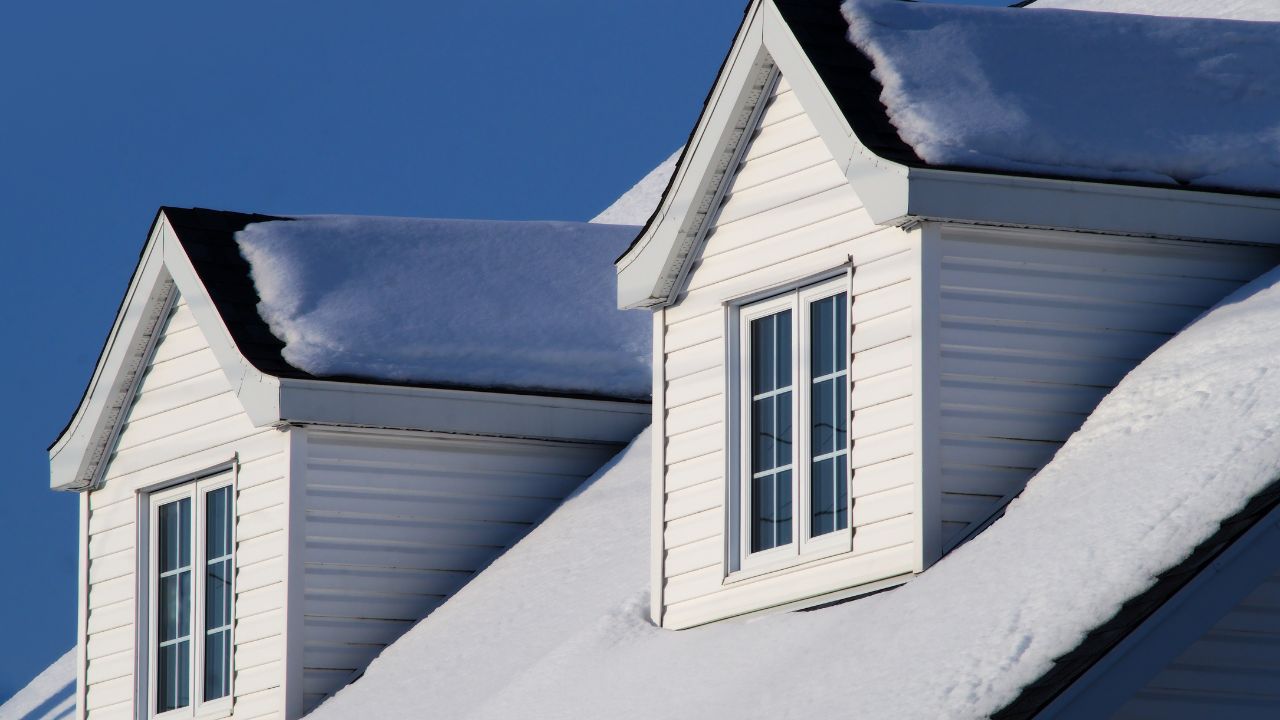
Snow and ice are the most visible winter threats to your roof. Their weight, movement, and melting patterns directly determine how much damage your home sustains. Effective winter roofing care starts with understanding how these elements interact with your roofing system.
How Does Snow Accumulation Impact Your Roof's Integrity?
Illinois building codes require roofs to support a minimum of 25 pounds per square foot of snow load. This threshold varies by location, but every roof has structural limits. Exceeding them risks serious damage.
Roof pitch plays a critical role. Low-sloped roofs retain snow longer, increasing sustained weight and extending exposure to moisture. Steeper roofs shed snow more readily, reducing both load stress and the time available for damaging melt-refreeze cycles. If you have a low-slope roof, seasonal roof preparation should include a snow removal plan.
What Causes Ice Dams and How Can You Prevent Them?
Ice dams form through a predictable chain reaction. First, warm air leaks into the attic through unsealed penetrations. This heat warms the roof deck from below, melting snow above. The meltwater flows downward until it reaches the colder eave overhang, where it refreezes into a ridge of ice. Water then pools behind this barrier and seeps under shingles.
The root cause is thermal imbalance—not simply poor insulation. Prevention requires air sealing attic penetrations and ensuring proper ventilation. For Illinois roofing upgrades, standing seam metal roofs offer excellent protection. Their slick surfaces let snow and ice slide off before dams can form.
Why Are Icicles on Roofs a Sign of Potential Roof Damage?
Icicles look picturesque but signal trouble. They indicate heat is escaping from your living space into the attic, warming the roof deck above. This warmth melts snow that refreezes at the cold roof edge.
When you see icicles, the melt-refreeze cycle is already active. Ice dam formation may be underway. The roof impact can escalate quickly from cosmetic icicles to interior water damage. Treat visible icicles as an early warning that demands prompt inspection and winter roofing care.
What Are the Risks of Roof Damage During Winter in Illinois?
Winter inflicts cumulative damage that compounds over time. Each freeze-thaw cycle, ice dam, and storm event adds stress to your roofing system. Understanding these risks—and their costs—makes the case for proactive seasonal roof preparation.
How Does the Freezing and Thawing Cycle Affect Roof Shingles?
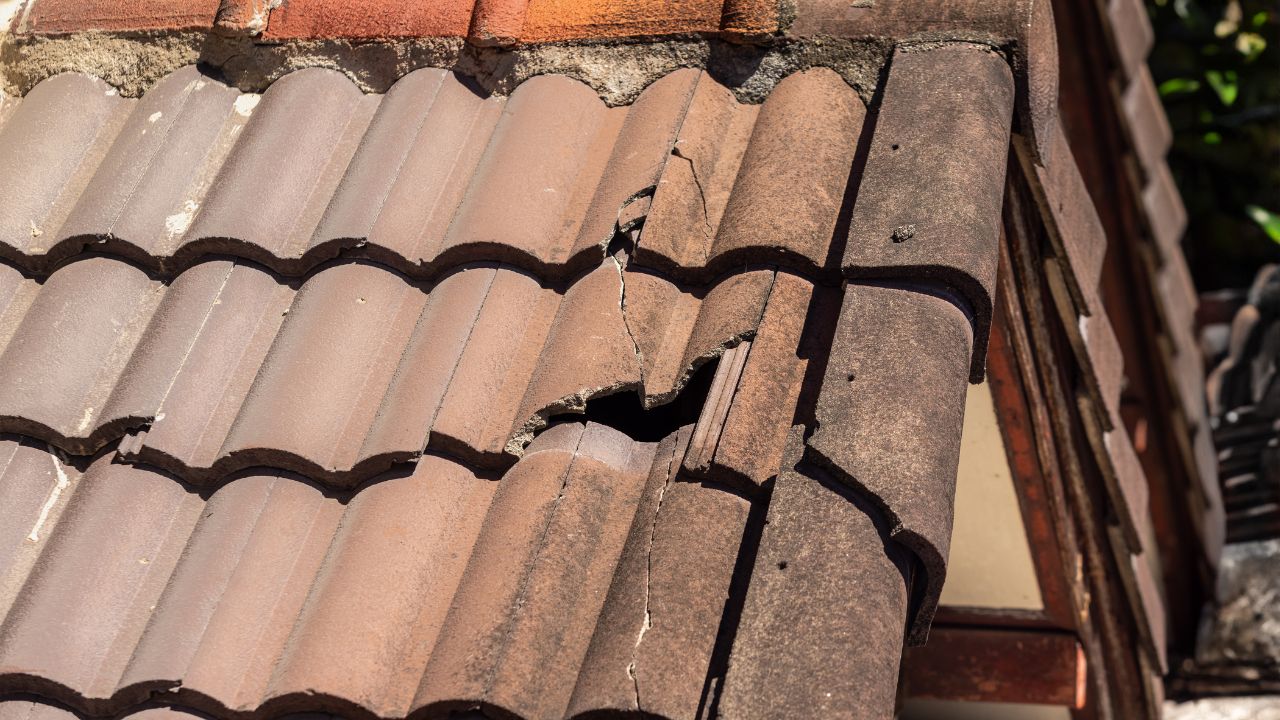
Freeze-thaw cycles destroy shingles from the inside out. Water penetrates microscopic cracks and pores in shingles, flashing, and masonry. When temperatures drop, that water expands as ice, widening every fissure it occupies.
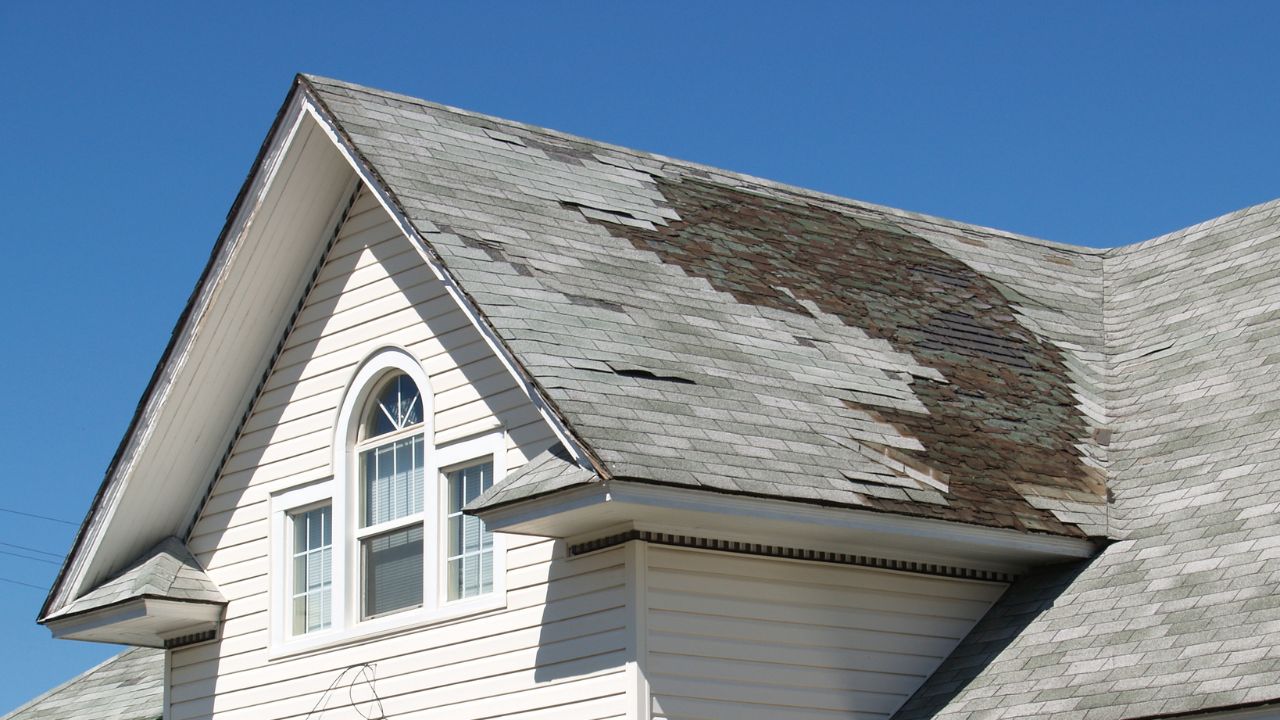
This mechanical stress is called frost weathering. Over repeated cycles, it causes cracking, blistering, and eventual membrane failure. The roof impact is gradual but relentless. Shingles that looked fine in the fall can show serious deterioration by spring without proper winter roofing care.
Can Winter Storms Lead to Roof Leaks or Structural Damage?
Winter storms cause immediate damage and expensive repairs. Professional ice dam removal averages $1,200, with costs ranging from $400 to $4,000 depending on severity. Emergency services can charge up to $725 per hour with a two-hour minimum.
The real expense often comes after removal. Repairing internal damage—soggy insulation, warped drywall, mold mitigation—typically costs $400 to $2,000 or more. For Illinois roofing, prevention through proper insulation and ventilation costs far less than emergency response.
What Are the Signs That Your Roof Might Be at Risk During Winter?
Skylights are particularly vulnerable. They leak five times more frequently during the winter months compared to other seasons. Average repair costs hit $3,000—a steep price for a preventable problem.
Watch for warning signs throughout the season. Water stains on ceilings indicate active leaks. Moisture or frost in attic spaces signals ventilation problems. Visible ice dam formation at the roof edges demands immediate attention. Catching these signs early transforms expensive emergencies into manageable winter roofing care tasks.
How to Prepare Your Roof for Winter and the Winter Solstice
Preparation is the most cost-effective form of winter roofing care. The work you do before the winter solstice determines how well your roof weathers the season. Timing matters—both for effectiveness and your budget.
What Are the Best Practices for Winter Roof Inspections?
Fall inspections prevent winter disasters. Without proper preparation, skylights face a 30% probability of leaking during the winter months. That risk applies to other vulnerable areas, too.
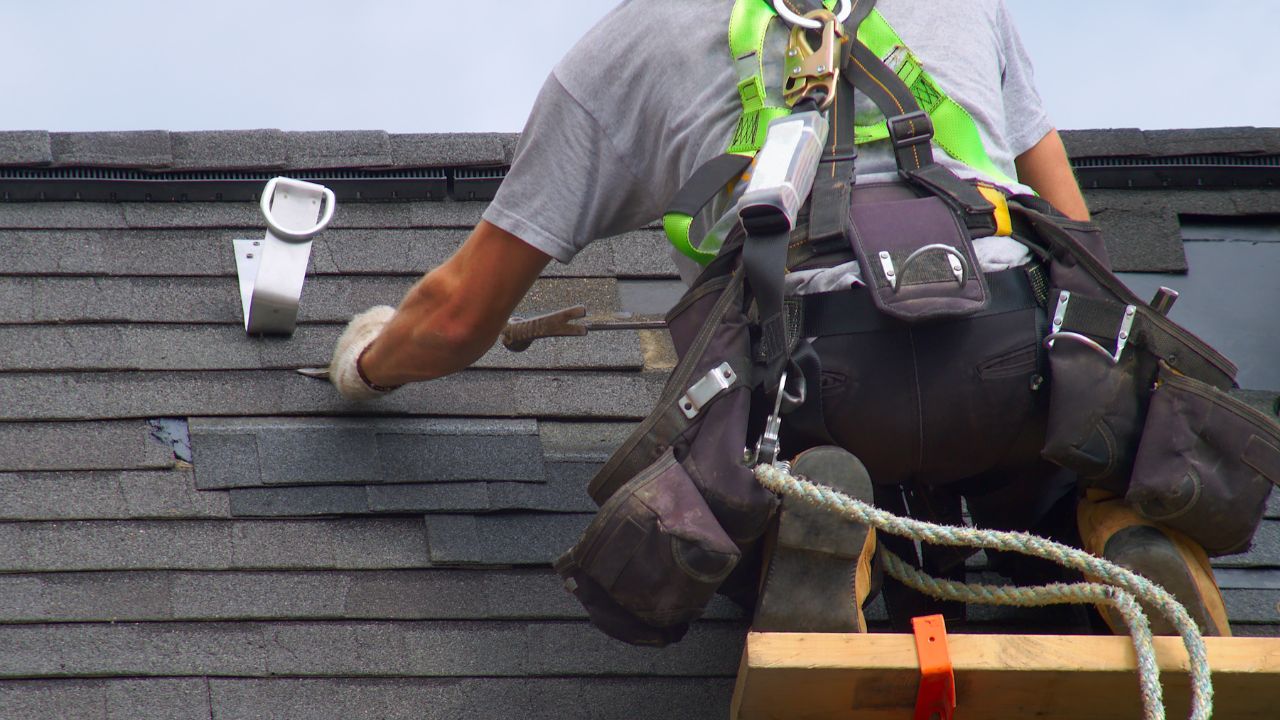
Focus your inspection on three priorities. First, seal all air leaks and penetrations in the ceiling plane—around chimneys, electrical wiring, and plumbing stacks. Second, examine flashing at valleys, vents, and roof edges. Third, check shingles for existing cracks or lifting. Complete this seasonal roof preparation before temperatures drop below freezing.
How to Clear Snow from Your Roof Safely?
Professional snow and ice removal protects both you and your roof. Experts use specialized steaming equipment that removes ice dams without damaging shingles. This precision matters for Illinois roofing longevity.
DIY removal carries serious risks. Cold shingles are brittle and crack easily under foot traffic or aggressive raking. Improper technique can void warranties and cause more roof impact than the snow itself. When accumulation exceeds safe limits, call a professional.
What Roof Repairs Should Be Done Before Winter Sets In?
Complete all repairs before the winter solstice arrives. Fall roof replacement saves homeowners approximately 17.4% compared to summer peak pricing. You get better rates and optimal installation conditions.
Temperature drives this urgency. Asphalt shingle sealants require a minimum of 40°F to activate properly. Chicago's December highs frequently fall below this threshold. Winter installation demands hand-sealing techniques and extends timelines from 2-4 days to 3-6 days. For Illinois roofing projects, fall completion avoids these complications entirely.
Why Is Proper Insulation and Ventilation Critical for Winter Roof Health?
Insulation and ventilation work as a system to protect your roof. Neither works optimally alone. Together, they prevent the thermal imbalances that cause ice dams, condensation, and premature material failure. This is the foundation of effective winter roofing care.
How Does Insulation Protect Your Roof from Winter Damage?
Proper insulation keeps heat where it belongs—inside your living space. For Illinois roofing standards, the recommended R-value is R-49 to R-60, which translates to 16-20 inches of blown-in material. Meeting this threshold dramatically reduces heat transfer to your roof deck.
Insulation only works when dry. Wet insulation loses up to 50% of its thermal resistance, triggering a destructive cycle. More heat escapes, causing more condensation, which further degrades insulation performance. However, air sealing penetrations in the ceiling plane often matters more than insulation depth. Unsealed gaps around chimneys, wiring, and plumbing allow warm air to bypass insulation entirely.
Why Is Attic Ventilation Key During the Winter Months?
The goal is creating a "cold roof"—a roof deck that stays at or near outdoor temperature. This prevents snow from melting prematurely and eliminates the conditions that form ice dams after the winter solstice.
Building codes require a minimum ventilation of 1 square foot of net free area per 150 square feet of attic floor space. A balanced system delivers the best results: continuous soffit vents for intake and a ridge vent for exhaust. This configuration flushes warm air from the attic and keeps the roof deck uniformly cold. For seasonal roof preparation, verify both intake and exhaust vents are clear of debris and insulation blockage.
How Can You Extend the Lifespan of Your Roof After the Winter Solstice?
Your roof's longevity depends on what happens after winter ends. The cumulative roof impact of freeze-thaw cycles, ice dams, and moisture intrusion demands attention. Strategic maintenance and timely inspections protect your investment for decades.
How Does Regular Maintenance Help Prevent Long-Term Winter Damage?
Consistent winter roofing care extends material lifespan significantly. Standing seam metal roofs last 40-70 years thanks to excellent durability and superior snow shedding. SBS-modified asphalt shingles deliver 20-30 years of good winter performance at moderate cost. Composite shingles split the difference at 30-50 years, offering high freeze-thaw resistance and often carrying Class 4 impact ratings.
Material choice matters, but maintenance matters more. Even premium Illinois roofing materials fail prematurely without regular attention. Clear debris from valleys and gutters. Address minor flashing issues before they grow. Replace damaged shingles promptly. These simple steps maximize whatever lifespan your materials can deliver.
Why Should You Schedule a Post-Winter Roof Inspection?
Spring inspections catch damage before it compounds. Professional attic mold remediation costs $3.50 to $7.50 per square foot in 2025. Early detection of moisture intrusion avoids these expenses entirely.
Schedule inspections immediately after the winter solstice season ends. Look for freeze-thaw damage to shingles, signs of past ice dam activity, and any moisture in attic spaces. Check insulation for wetness or compression. This seasonal roof preparation—yes, spring counts too—prevents small problems from becoming major repairs by next winter.
Winter-Proof Your Roof with Advanced Roofing Inc.
The winter solstice may signal the beginning of cold weather, but with proper preparation, your roof can withstand the season’s challenges. From scheduling inspections to ensuring proper insulation and ventilation, proactive roof care is essential. At Advanced Roofing Inc., we are committed to helping you safeguard your home against the harsh winter months. Reach out today to learn more about our roofing services, or schedule an inspection to ensure your roof is ready for whatever winter throws its way. Contact us now to protect your home.