Key Takeaways
- Start at the roof to isolate the biggest heat loss, air leaks, and moisture risks.
- Use blower-door, zonal pressure, and thermal imaging to separate roof issues from walls and basements.
- Fix sequence matters—air seal first, then add the right R-value, then balance ventilation.
- Watch the usual suspects—attic hatches, can lights, chimney chases, knee walls, and failed flashings.
- Turn audit data into a phased scope that fits Illinois incentives and winter weather windows.
If your audit starts at the thermostat and stops at the furnace, you’re overlooking the largest heat, air, and moisture pathway in an Illinois home—the roof. Freeze–thaw swings, lake-effect snow, and winter winds magnify tiny roofing defects into outsized energy losses, ice dams, and wet insulation. This article explains how pros frame the roof within the four control layers (water, air, vapor, thermal), why blower-door testing, zonal pressure diagnostics, and thermal imaging should isolate attic and roof issues first, and how material-specific fixes—air sealing, right-sized insulation, and balanced ventilation—turn your audit into measurable savings. It also answers the core question, Why is the roof a critical component of an energy audit in Illinois homes?, and shows how to turn findings into a phased, code-smart work plan that qualifies for incentives.
What Is an Energy Audit—and Why Does the Roof Define Your Building Envelope?
An energy audit in Illinois starts with understanding your building envelope—the barrier between conditioned indoor space and the outside world. Your roof sits at the top of this envelope and controls more heat transfer than any other component. When auditors assess roofing and energy efficiency, they're measuring how well this critical assembly manages four control layers: water, air, vapor, and thermal resistance.
How Do Audits Measure Heat Loss, Air Leakage, and Moisture Risk?
Auditors use three diagnostic tools to quantify roof performance. Blower door tests mount a powerful fan to your door frame, creating negative pressure that pulls air through hidden cracks and gaps. This pinpoints exactly where air escapes through attic bypasses and roof penetrations. Thermal imaging cameras detect temperature variations, revealing where heat bleeds out during winter or floods in during summer. Comprehensive systems analysis examines furnaces, air conditioners, ventilation equipment, ductwork, and insulation conditions against baseline performance standards.
These tools work together. Blower doors quantify total air leakage. Infrared scans locate specific problem areas. Systems analysis confirms whether HVAC equipment wastes energy compensating for poor roof performance. The data reveals whether you need air sealing, insulation upgrades, or both.
Where Does the Roof Sit in the "Control Layers" (Water, Air, Vapor, Thermal)?
The roof serves as your first line of defense against external temperatures and weather conditions. It directly affects how much energy you need to maintain comfortable indoor temperatures throughout the year. This isn't just about comfort—poor roof performance permits accelerated deterioration of building material, including masonry, wood, plaster, and paint. Left unchecked, it causes the general disintegration of your building's structural integrity.
Each control layer serves a specific function. Water barriers keep precipitation out. Air barriers stop infiltration that bypasses insulation. Vapor retarders manage moisture migration. Thermal insulation resists heat flow. When any layer fails, the entire envelope suffers.
Why Energy Audits Prioritize Roof Assessment
Professional Chicago energy audits help property owners save an average of 15-30% on utility expenses through targeted improvements. Roof systems appear first in assessment protocols because they represent the major source of heat loss and gain in most buildings. Thermal imaging proves particularly effective during extreme temperature conditions, making Chicago's climate ideal for accurate roof diagnostics.
Starting with roof insulation for energy savings makes financial sense. Fix the biggest heat leak first, and every downstream improvement performs better. Skip the roof, and you'll waste money treating symptoms while the real problem hides overhead.
Why Is the Roof a Critical Component of an Energy Audit in Illinois in Homes?
Illinois weather doesn't just test your roof—it exploits every weakness. Extreme temperature swings, punishing winds off Lake Michigan, and heavy snow loads create conditions that amplify minor defects into major energy drains. What works for sustainable roofing Illinois projects requires understanding how local climate turns roof problems into budget killers.
How Do Freeze–Thaw Cycles, Wind, and Lake-Effect Snow Amplify Roof Losses?
Chicago temperatures swing from below-zero winters to sweltering summers above 90°F. During peak winter months, heating systems work overtime to combat frigid Lake Michigan winds. Summer humidity forces cooling systems to operate at maximum capacity. Recent climate trends show more frequent extreme weather events, and the city's aging building infrastructure often struggles to maintain efficiency under these conditions.
Each freeze-thaw cycle tests every roof detail. Water penetrates minor gaps, freezes, expands, and widens cracks. Wind-driven snow finds soffit vents and ridge gaps. Heavy snow loads compress insulation, reducing R-values when you need them most. The result: improving energy efficiency with roofs becomes essential, not optional, for Illinois homeowners.
Which Roof Defects (Ice Dams, Failed Flashings, Wet Insulation) Dominate Winter Waste?
Inadequate insulation allows heat to escape in winter and enter in summer, causing heating and cooling systems to work harder while increasing energy consumption and utility bills. Poor ventilation prevents heat buildup management in attics, creating temperature imbalances that melt snow and form ice dams. The urgency in repairing leaky roofs escalates quickly—repair costs become prohibitive once water infiltration damages structural components.
Ice dams signal failed roof insulation for energy savings strategies. Escaped heat melts the roof snow. Meltwater refreezes at cold eaves. Backed-up water penetrates shingles, soaking insulation and destroying its thermal resistance. Failed flashings around chimneys and skylights leak directly into wall cavities. Wet insulation loses up to 50% of its R-value, turning your attic into a thermal sieve.
How Does Attic/Roof Performance Distort Blower-Door and IR Scan Results?
Thermal imaging scans identify issues in hard-to-reach areas, including roof systems, electrical panels, and HVAC components. These detailed scans ensure comprehensive evaluation of property's thermal performance. Blower door tests prove particularly important in Chicago's climate with extreme temperature variations, but attic air leakage can mask other envelope defects.
Here's the problem: massive attic bypasses dominate blower door readings, hiding wall and foundation leaks. Infrared scans show temperature variations, but wet insulation creates false positives that mimic air leakage. Experienced auditors conducting an energy audit in Illinois know to isolate attic performance first. They use zonal pressure testing to separate roof losses from wall and basement infiltration, ensuring accurate diagnosis and cost-effective retrofit strategies.
Which Roof Types Do Illinois Homes Use—and How Does Each Affect Audit Priorities?
Illinois homes feature diverse roof assemblies, each with unique energy performance characteristics. Auditors adjust diagnostic protocols based on roof type because leakage paths, ventilation strategies, and insulation methods vary dramatically between vented attics, cathedral ceilings, and historic tile installations. Understanding these differences ensures accurate diagnosis and cost-effective improvements.
Asphalt Shingle & Vented Attic: What Are the Common Leakage Paths?
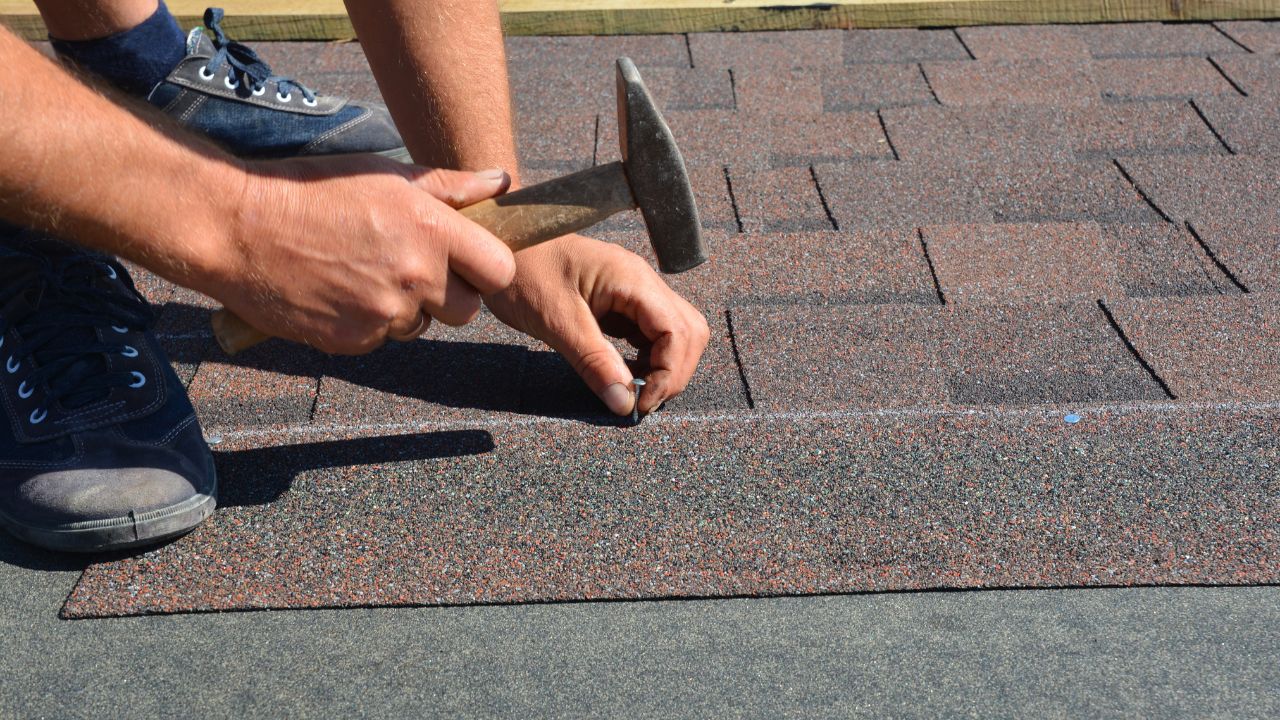
Light-colored asphalt shingles with reflective granules help minimize heat absorption, while dark-colored asphalt shingles may absorb more heat and lead to higher cooling costs. Proper ventilation systems, including ridge vents and gable vents, help maintain balanced temperature throughout the structure. These are the most common roofing and energy efficiency concerns for Illinois homes with traditional attic spaces.
Common leakage paths include attic hatches, recessed lighting penetration ons, plumbing and electrical chases, and gaps at top plates where walls meet ceilings. Chimney chases and knee walls in Cape Cod-style homes leak air continuously. Pull-down attic stairs create massive thermal bypasses. During an energy audit Illinois technicians focus blower door and infrared diagnostics on these known problem areas before testing less obvious defects.
Low-Slope & Cathedral Ceilings: How Do You Test Where You Can't Vent?
Silicone roof coatings reflect up to 90% of UV rays, increasing energy efficiency while protecting membrane systems. These coatings expand and contract in response to thermal movement of larger roofs with flexible membranes. They work great for low-slope and flat roofs, commonly applied over metal roofing and modified bitumen assemblies where traditional ventilation isn't possible.
Testing unvented assemblies requires different protocols. Auditors use infrared thermography to detect moisture accumulation and thermal bridging through roof decks. Since you can't isolate these spaces with zonal pressure testing, thermal imaging becomes the primary diagnostic tool. Cathedral ceilings demand careful attention to vapor control and insulation continuity—any gap creates condensation risk that compromises both roof insulation for energy savings and structural integrity.
Slate/Metal/Clay Tile: What Preservation Limits Change the Audit Plan?
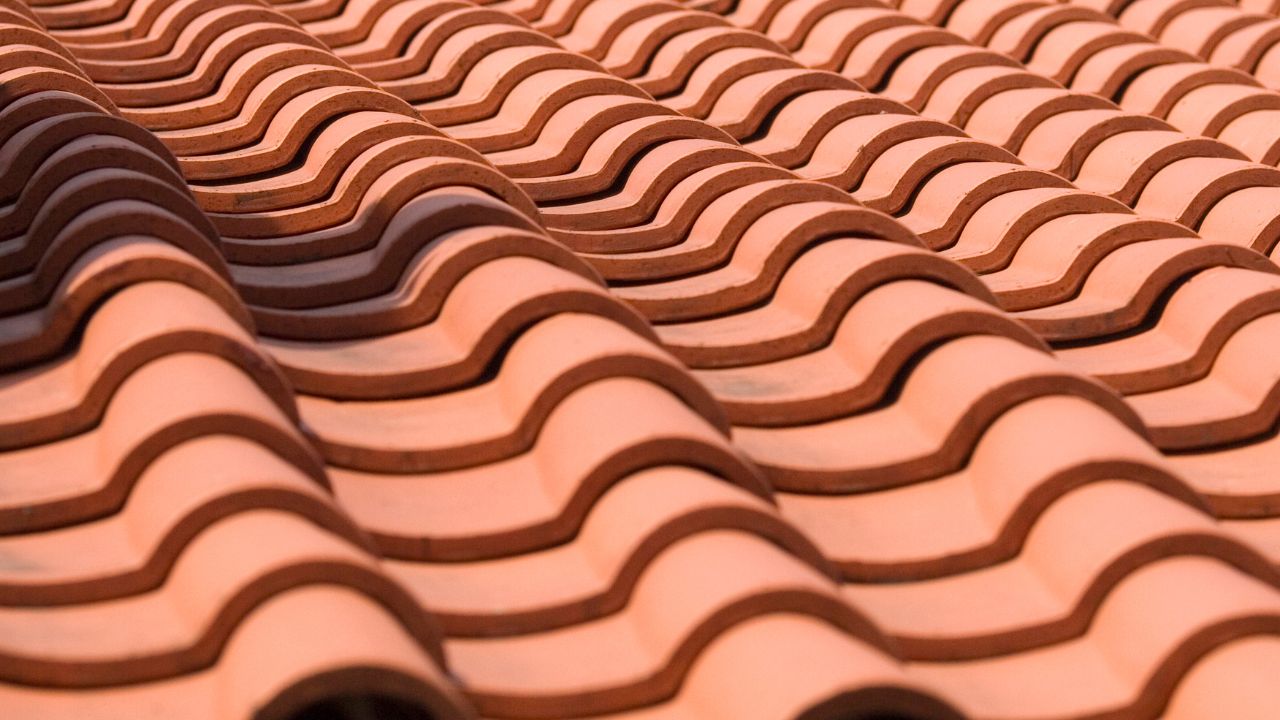
Clay tile roofing dates to the mid-17th century in America, with evidence from Jamestown, Virginia. Slate appears in the same period. In cities like New York and Boston, clay became popular as a fire precaution during the 1800s. Metal roofs with reflective coatings offer excellent choices for sustainable roofing Illinois projects, delivering superior reflectivity and exceptional durability while respecting historic character.
Preservation constraints limit improvement options. You can't remove historic slate or clay tile to upgrade insulation from above without damaging irreplaceable materials. Auditors focus on air sealing and insulation improvements from below, working within existing roof cavities. Metal roofs with reflective coatings provide modern energy performance while maintaining traditional aesthetics. The audit plan prioritizes attic floor insulation, air barrier continuity, and ventilation optimization rather than roof replacement—protecting historic materials while improving energy efficiency with roofs that have cultural significance.
How Do Pros Diagnose Roof-Related Energy Problems During an Audit?
Professional energy audits follow a systematic protocol that starts with visual inspection and progresses to advanced diagnostics. Experienced auditors know that roof-related energy problems reveal themselves through specific patterns—but only when you know where to look and which tools expose hidden defects. The diagnostic sequence matters as much as the tools themselves.
What Does an Exterior Walk-Through Catch Before Testing Starts?
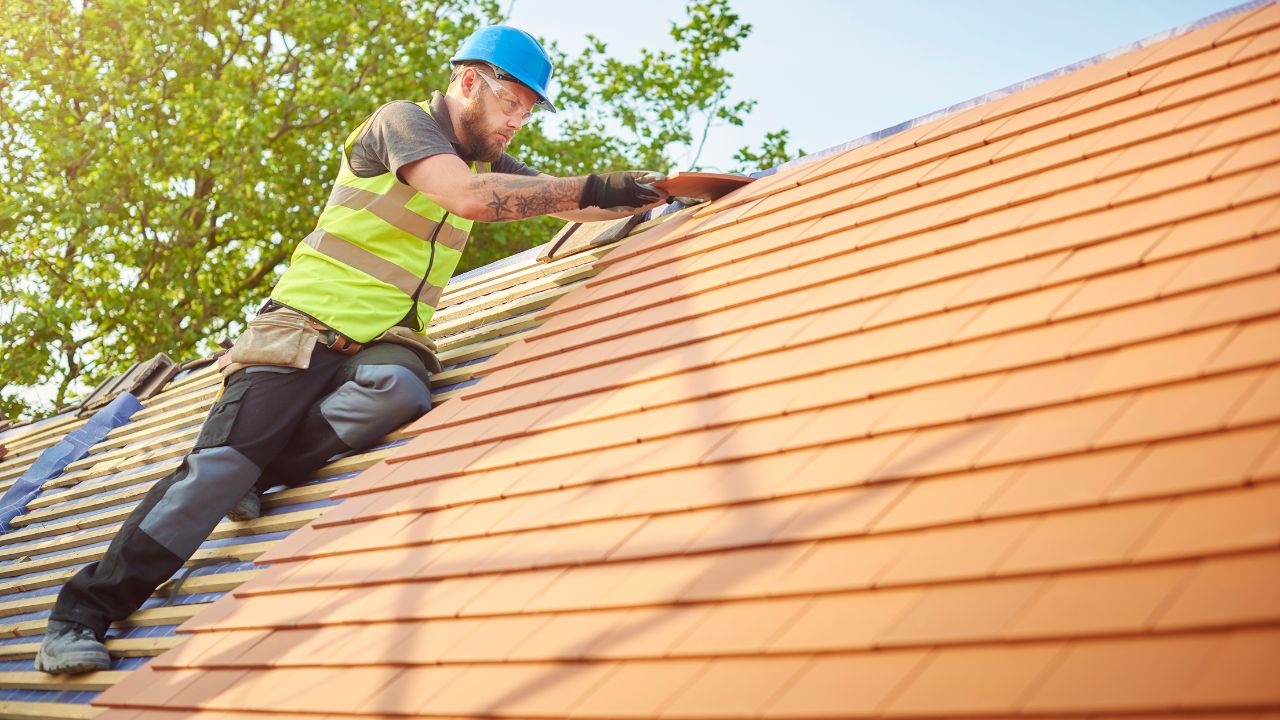
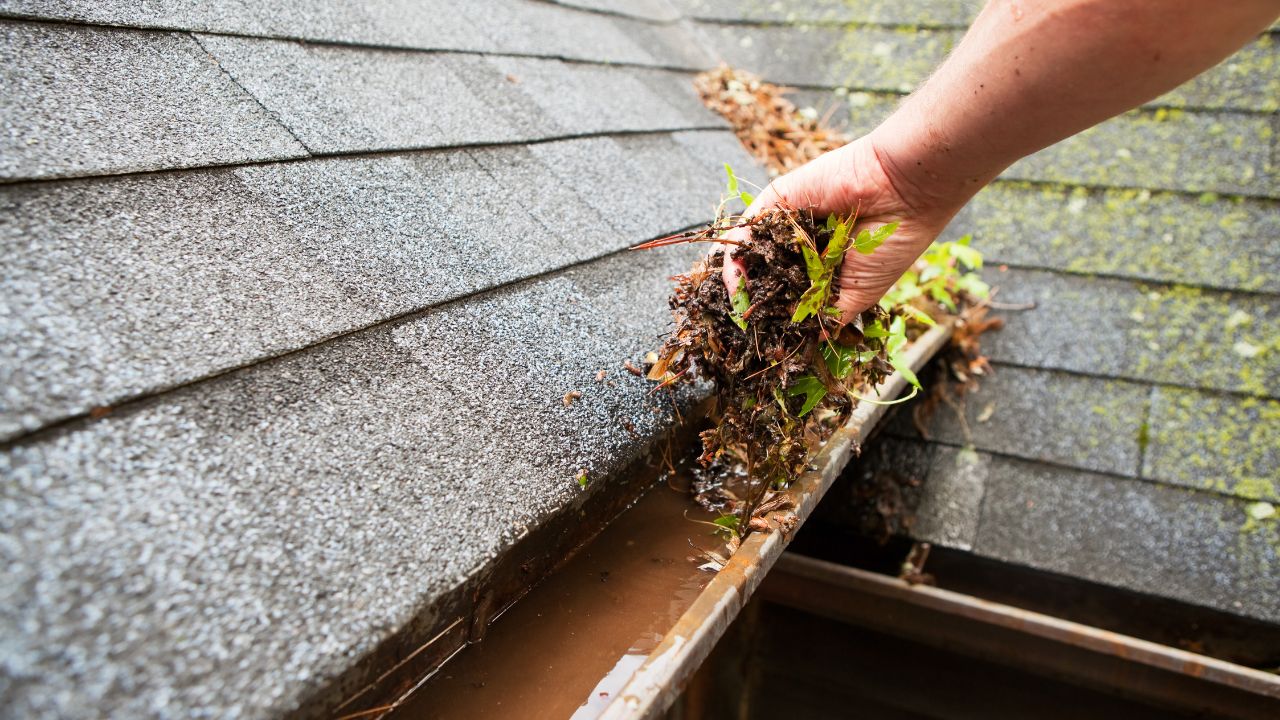
Auditors check roofs for damaged or missing shingles and roof flashing for leaks before deploying diagnostic equipment. They ensure gutters and downspouts are securely attached and free of debris, and verify building's external cladding remains intact—damaged components need prompt replacement. They inspect trees and foliage overhanging or near the building for dead or weak branches that could damage the building under snow weight.
This visual inspection establishes the roof's baseline condition. Ice dam staining on fascia boards signals attic air leakage. Sagging roof decking indicates wet insulation. Missing shingles point to wind damage that compromises the water barrier. These observations guide subsequent diagnostic testing, ensuring auditors focus blower door and thermal imaging on areas most likely to fail.
How Do Blower-Door, Smoke, and Zonal Pressure Reveal Attic Bypasses?
Blower door testing provides a clear picture of your home's air infiltration rate, determines the most cost-effective improvements, and pinpoints exactly where air escapes through hidden cracks and gaps. During depressurization, auditors use theatrical smoke to visualize air movement at suspected bypass locations—chimney chases, recessed lights, and plumbing penetrations.
Zonal pressure testing isolates the attic from living spaces using temporary barriers. Auditors compare whole-house infiltration to attic-isolated readings, quantifying how much leakage originates above the ceiling plane. This data proves critical for improving energy efficiency with roofs—if 60% of your air leakage comes from attic bypasses, that's where retrofit dollars should go first.
What Does Thermal Imaging Prove About Insulation Voids and Ice-Dam Patterns?
Infrared cameras provide clear, color-coded visual evidence of energy inefficiencies. They visualize invisible issues like inadequate insulation, air leaks around windows and doors, and problems within wall cavities. Most importantly, thermal imaging identifies issues in roof systems that serve as primary sources of heat loss and gain.
Ice dam patterns show up as warm spots on exterior roof surfaces during cold weather—escaped heat melts snow from below. Insulation voids appear as temperature anomalies on interior ceiling surfaces. Missing insulation around recessed lights creates distinct thermal signatures. The images document problems that utility bills suggest but visual inspection can't confirm, providing irrefutable evidence for roof insulation for energy savings investments.
When Should Moisture Meters and Core Samples Confirm Wet Insulation?
Moisture testing becomes necessary when thermal imaging shows anomalies that could indicate either air leakage or water intrusion. Utility bill analysis reviews 12-24 months of statements to identify seasonal fluctuations, peak usage periods, and cost variations—establishing a baseline for energy improvements. This analysis measures actual energy consumption against manufacturer specifications, flagging performance gaps that suggest moisture-compromised insulation.
Auditors use pin-type or pinless moisture meters to test suspect areas non-destructively. When readings exceed 15-20% moisture content, core sampling confirms the extent of saturation. Wet insulation must be removed and replaced—it can't be dried in place effectively. During an energy audit in Illinois, moisture testing often reveals ice dam damage that compressed or soaked attic insulation during previous winters, explaining mysteriously high heating bills despite adequate R-values on paper.
Where Do Air Leaks and Thermal Bridges Hide in Typical Illinois Roofs?
Attic air leakage rarely occurs where homeowners expect. The obvious culprits—hatches and recessed lights—account for only a fraction of total heat loss. The biggest thermal bypasses hide in framing cavities, behind finished surfaces, and at the intersection of different building assemblies. Understanding these hidden leakage paths separates effective roofing and energy efficiency retrofits from cosmetic improvements that waste money.
Which Bypasses (Chimney Chases, Knee Walls, Top Plates, Can Lights) Leak Most?
Air sealing and weather stripping around windows and doors combat harsh winter winds off Lake Michigan, but attic bypasses waste more energy. Focus on attics, walls, and basements for insulation upgrades—these areas frequently top recommendation lists during an energy audit in Illinois due to extreme weather patterns.
Chimney chases create massive vertical leakage paths from the basement to the attic. The gap between framing and masonry acts like a chimney within a chimney, pulling conditioned air upward through the stack effect. Knee walls in Cape Cod homes leak continuously because builders rarely air-seal the back side. Top plates—the horizontal framing where walls meet ceilings—leak through gaps in drywall and penetrations for wiring. Recessed can lights penetrate the air barrier completely, dumping heat directly into attic spaces. These four bypass types account for 40-60% of attic air leakage in typical Illinois homes.
How Do Pull-Down Stairs, Bath Fans, and Soffit–Attic Gaps Show Up on IR?
Thermal imaging reveals temperature variations in hard-to-reach areas where conventional inspection fails. Infrared cameras detect where heat escapes during winter or enters during summer. Detailed scans ensure comprehensive evaluation of the property's thermal performance, exposing leaks that blower door tests quantify but can't locate.
Pull-down attic stairs show up as bright rectangles on thermal images—massive temperature differentials where minimal insulation meets living space. Bath fans appear as hot or cold spots depending on the season, especially when backdraft dampers fail or ducts disconnect in attics. Soffit-attic gaps display as linear thermal anomalies along exterior walls where insulation doesn't extend to the roof deck. During winter scans, these areas glow warm on exterior shots and cold on interior ceiling views, proving air movement through the building envelope.
Why Do Uninsulated Attic Hatches and Recessed Cans Sabotage R-Values?
Inadequate insulation allows heat to escape in winter and enter in summer, causing heating and cooling systems to work harder. High-quality insulation solutions including spray foam and fiberglass significantly improve roof's thermal performance—but only when properly detailed around penetrations.
A 2'x2' uninsulated attic hatch negates the benefit of 200 square feet of R-60 insulation. The math proves brutal: that single opening creates more heat loss than the surrounding insulated area prevents. Recessed can lights do worse. Each fixture creates a 6"-12" diameter hole in your thermal barrier, often required by fire code to remain uninsulated. Twenty recessed lights equal 10-20 square feet of missing insulation—the equivalent of leaving a window open all winter. For sustainable roofing Illinois projects, sealed IC-rated can lights and insulated hatch covers aren't optional upgrades. They're prerequisites for achieving rated R-values and capturing roof insulation for energy savings that your utility bills will actually reflect.
Start at the Top, Save From the Bottom Line
Ready to stop heating the outdoors and start seeing lower bills? We perform roof-first diagnostics, seal the real leaks, right-size insulation, and balance ventilation so your Illinois home stays warm without waste. Call Advanced Roofing Inc. at (630) 553-2344 for a roof-centered energy evaluation and a clear, incentive-ready plan. Let’s turn your roof from the weak link into your strongest asset—contact us today at (630) 553-2344.