Key Takeaways
- Fall roof replacement saves 17.4% compared to summer peak pricing—approximately $3,600 for a typical home.
- Illinois fall weather consistently delivers the 40-85°F temperature range required for proper asphalt shingle installation.
- Delaying fall maintenance costs homeowners an average of $6,850 in preventable winter damage from ice dams, leaks, and storm damage.
- Contractor availability and attention to quality significantly improve during the fall months compared to rushed summer installations.
- The optimal installation window runs September through October—early scheduling maximizes weather reliability and secures prime dates.
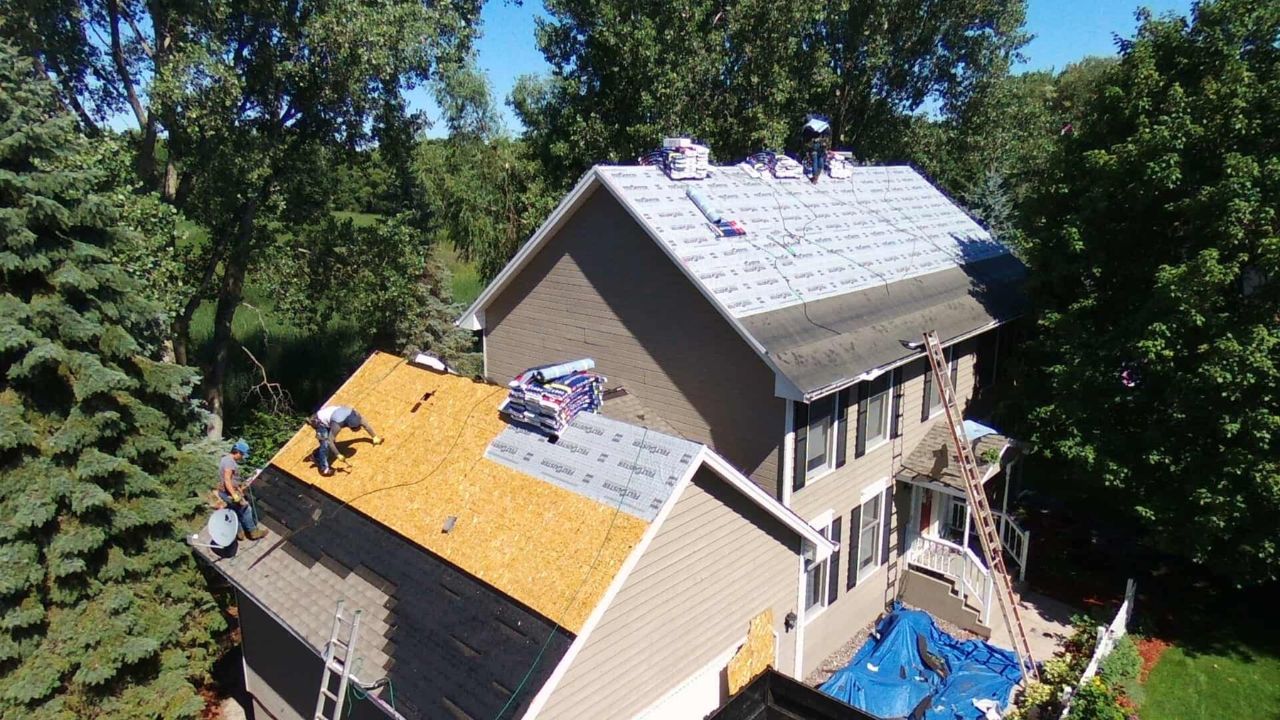
Roof replacement timing depends on three critical factors: weather conditions, roof condition, and contractor availability. Each influences installation quality, project cost, and long-term performance. Understanding these factors helps homeowners schedule replacements strategically.
How do seasonal weather patterns impact roof installation in Illinois?
Asphalt shingles require 40-85°F for proper installation. Illinois fall weather from September through October consistently delivers these ideal temperatures. This range allows adhesive strips to activate correctly and materials to remain pliable for proper handling.
October and November bring peak storm season with winds exceeding 55 mph. However, completing installation before storms arrive protects homes through winter. Fall temperatures ensure proper material curing—unlike summer heat that makes shingles too soft or winter cold that makes them brittle.
Why does roof condition and age determine the best replacement season?
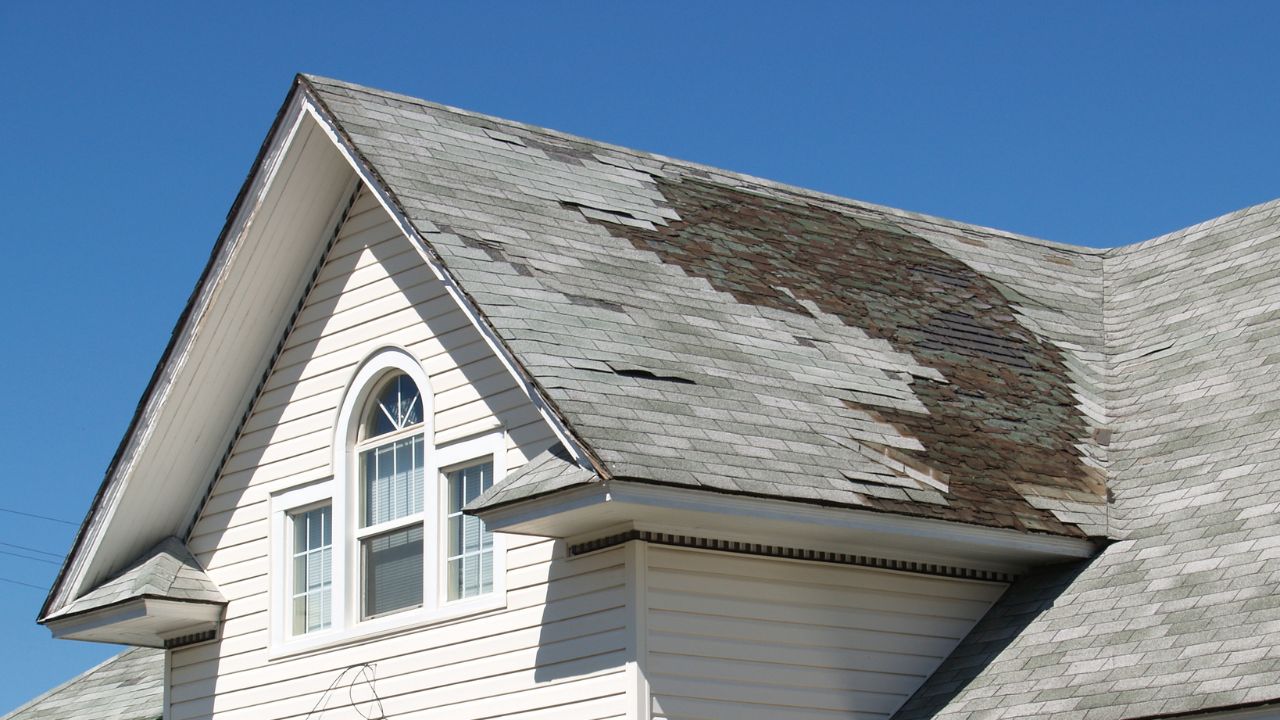
Aging roofs fail fastest during fall storms. Winds of 45-55 mph easily damage compromised materials. Ninety percent of Illinois chimney leaks start in the fall from mortar deterioration. Delaying replacement costs homeowners an average of $6,850 in preventable damage.
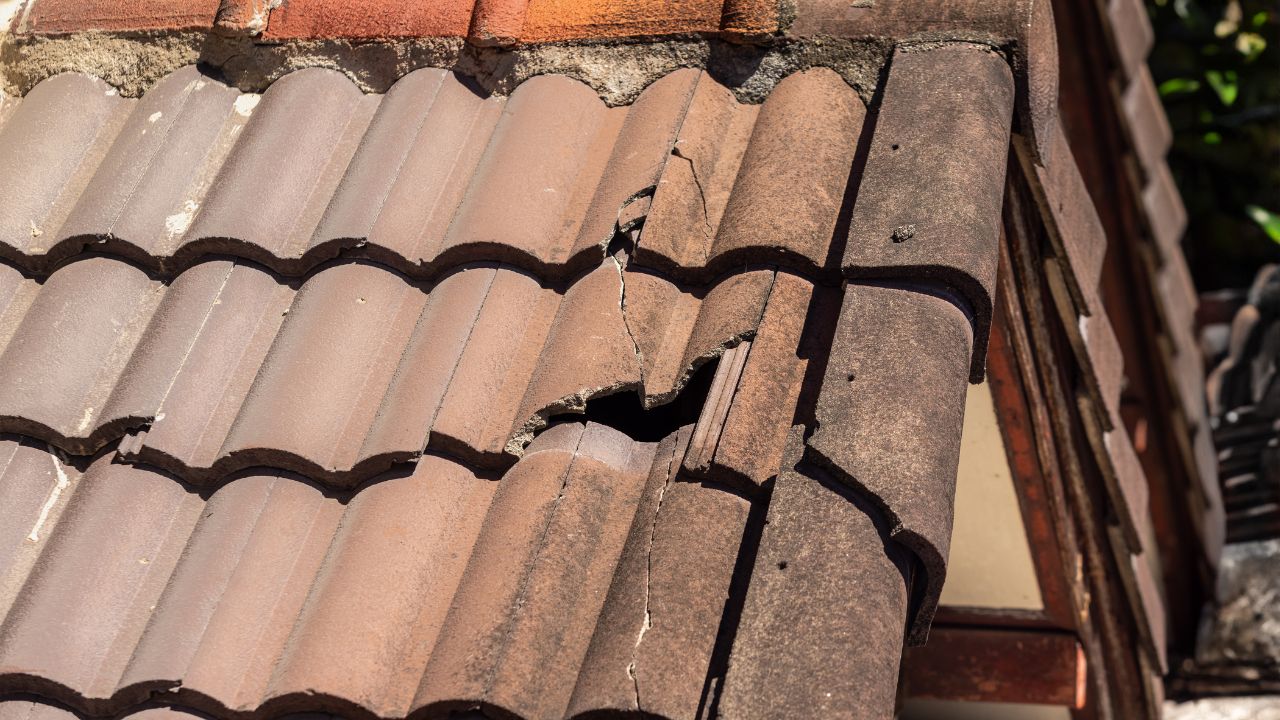
Ice dams form with 70% probability during winter, averaging $2,500 in repairs. Replacing roofs in the fall prevents these issues. Older roofs with visible wear—curled shingles, missing granules, or damaged flashing—need immediate fall replacement before winter weather compounds existing problems.
How do contractor schedules and material availability affect timing?
Fall offers superior contractor availability compared to summer's peak season. September through late October provides the optimal installation window. Summer demand creates scheduling bottlenecks and rushed work. Fall projects receive dedicated attention and flexible scheduling.
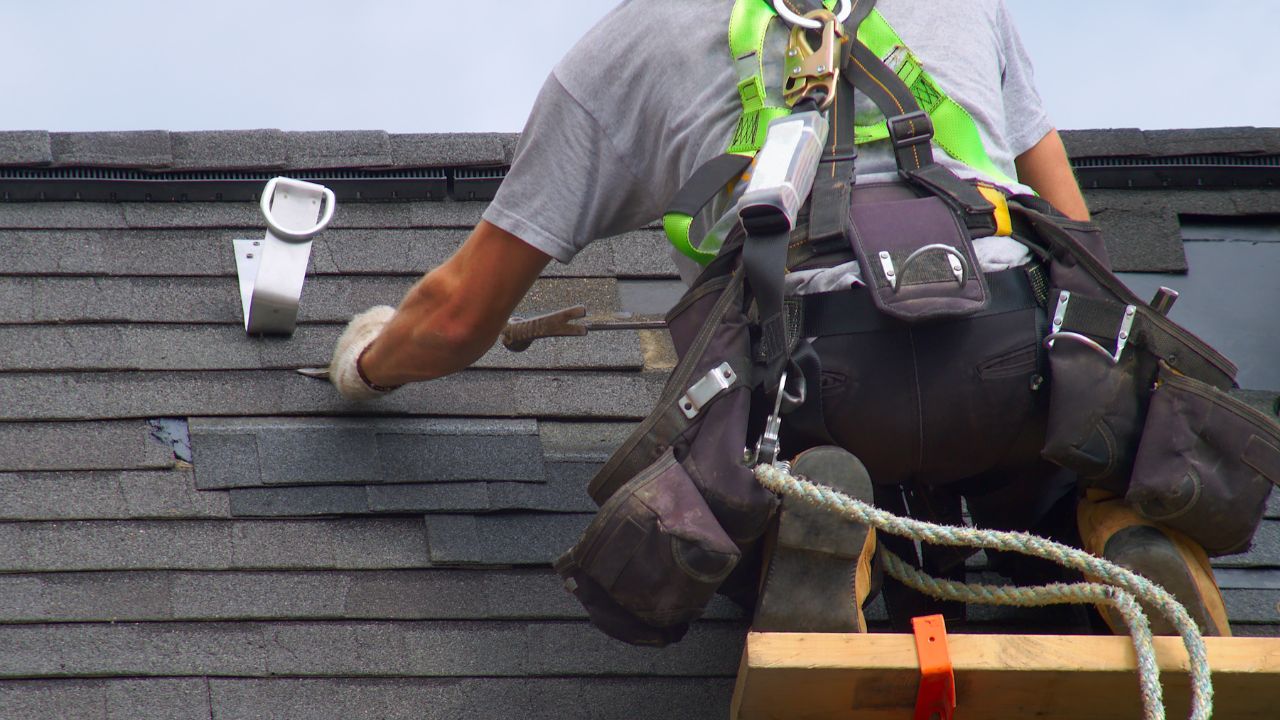
Contractors focus entirely on quality during the slower fall months. This means better workmanship, thorough inspections, and proper installation techniques. Homeowners avoid weeks-long waits common in summer and secure experienced crews when they're most available.
What Are the Benefits of Scheduling Roof Replacement in the Fall?
Fall roof replacement delivers superior installation quality, minimal disruption, and enhanced energy efficiency. Moderate temperatures optimize material performance while reduced demand streamlines scheduling. These advantages translate to better value and longer-lasting results.
How does cooler, drier weather improve roofing installation quality?
Fall temperatures provide optimal conditions for shingle installation. GAF recommends temperatures below 90°F for the easiest handling. Owens Corning advises extra care below 40°F. Illinois fall weather sits perfectly within this ideal range.
Summer heat makes shingles overly pliable and prone to installation damage. Winter cold makes them brittle and difficult to work with. Fall's moderate temperatures allow proper handling, accurate placement, and correct adhesive activation—ensuring shingles seal properly for maximum weather protection.
Why does fall provide less disruption to homeowners and businesses?
Building departments process permits faster in the fall. Reduced volume means quicker approvals and inspections. Contractors schedule work more flexibly, dedicating full attention to each project without rushing to the next job.
These efficiency improvements reduce project timelines and costs. Homeowners experience shorter construction periods with less noise and disruption. Faster completion means homes are protected before winter weather arrives—without the delays common during busy summer months.
How can fall replacements improve long-term energy efficiency and protection?
Proper ventilation installed during fall replacement saves over $1,000 annually. The recommended ratio is one square foot of ventilation per 150 square feet of attic space. Balanced systems need equal intake (soffit vents) and exhaust (ridge vents) capacity.
Fall installation allows contractors to optimize ventilation before the heating season begins. Proper ventilation maintains consistent roof temperatures, preventing ice dam formation. This protects against winter damage while reducing heating and cooling costs year-round—making fall replacement an investment in long-term efficiency.
What Are the Challenges of Replacing a Roof in Fall in Illinois?
Fall roof replacement faces weather unpredictability, material handling requirements, and warranty considerations. While these challenges exist, proper planning and experienced contractors mitigate risks effectively. Understanding limitations helps homeowners prepare for successful fall installations.
How can early winter storms or sudden temperature drops delay projects?
Installation windows run from early September through late October. Weather-related setbacks include sudden temperature drops, unexpected precipitation, and high wind events. These conditions can pause work temporarily until safe installation conditions return.
Experienced contractors monitor weather forecasts constantly and maintain flexible scheduling. They capitalize on favorable conditions and adjust timelines when necessary. Starting projects in September rather than October provides buffer time against early winter weather—ensuring completion before harsh conditions arrive.
Are there limitations on roofing materials or contractors during the fall?
Asphalt shingles become brittle below 40°F. This requires careful handling and sometimes warming materials before installation. Some manufacturers void warranties for installations below the specified temperatures. Material limitations become more pronounced as temperatures drop.
Cold-weather installations demand special procedures and experienced contractors. Not all roofing companies have the expertise for late-season work. Homeowners must choose contractors familiar with cold-weather techniques who follow manufacturer specifications precisely to maintain warranty coverage and ensure proper installation.
How should homeowners plan for potential weather-related risks?
Project complexity determines weather risk level. Complex roofs with multiple penetrations or steep slopes need additional weather protection and safety measures. Risk assessment should evaluate roof design, weather exposure, and realistic completion timelines.
Homeowners must verify warranty compliance requirements before installation begins. Document all installation conditions—temperature readings, weather reports, and contractor certifications. This documentation protects warranty coverage and proves that proper installation procedures were followed. Early scheduling in September minimizes weather risks compared to late October starts.
How Does Advanced Roofing Inc. Ensure Successful Fall Roof Replacements?
Advanced Roofing Inc. specializes in fall installations with proven systems for managing seasonal challenges. Three decades of Illinois experience mean understanding local weather patterns, material requirements, and optimal installation windows. This expertise translates to on-time completion and superior results.
What services does Advanced Roofing provide to manage fall-specific challenges?
Advanced Roofing provides comprehensive weather monitoring and project management. Their teams track forecasts continuously and adjust schedules to maximize favorable conditions. Material storage protocols ensure shingles remain at proper temperatures for installation.
The company implements cold-weather installation procedures that maintain manufacturer warranty compliance. This includes temperature documentation, proper material handling, and specialized techniques for cooler conditions. Homeowners receive detailed project timelines with built-in weather contingencies—ensuring realistic expectations and reliable completion dates.
How do Advanced Roofing's local crews leverage 30+ years of Illinois experience for timely installations?
Local crews understand Illinois fall weather intimately. Thirty years of experience means knowing when storms arrive, how quickly temperatures drop, and which weeks offer the most reliable conditions. This knowledge drives strategic scheduling that minimizes weather delays.
Experienced teams work efficiently without sacrificing quality. They've completed thousands of fall installations and know exactly how to handle September's warmth versus October's cooling temperatures. Local expertise means faster permits, established supplier relationships, and crews who understand regional building codes—all contributing to smoother, faster project completion.
What financing and scheduling options help homeowners plan fall projects efficiently?
Flexible financing removes budget barriers to fall replacement. Advanced Roofing offers multiple payment plans that spread costs over time. This allows homeowners to proceed with necessary fall replacements without delaying until spring, when damage costs escalate.
Priority scheduling for fall projects ensures early completion within the optimal September-October window. The company books fall installations months in advance, securing prime weather dates before peak season ends. Online scheduling tools and dedicated project coordinators streamline communication—keeping homeowners informed at every stage while minimizing disruption.
How Does Fall Compare to Other Seasons for Roof Replacement in Illinois?
Each season offers distinct advantages and drawbacks for roof replacement. Cost, weather conditions, and contractor availability shift throughout the year. Fall consistently delivers the best combination of savings, quality, and reliability for Illinois homeowners.
How do spring and summer installations differ in terms of cost, quality, and project duration?
Fall installations cost 17.4% less than peak summer projects. This translates to approximately $3,600 in savings for a typical 1,500 square foot home. Summer represents the highest-cost season due to peak contractor demand and rushed schedules.
Spring offers moderate savings of 8.7% with good weather conditions. However, spring demand remains high as homeowners address winter damage. Both spring and summer feature longer wait times and compressed schedules—contractors juggle multiple projects simultaneously, reducing the attention each receives.
Why might fall offer better value for homeowners in Illinois?
The average Illinois roof replacement costs $6,525 (range: $5,081-$16,643). Asphalt shingles cost $4.50-$7.50 per square foot installed. Labor runs $4-$8 per square foot, reaching $6-$10+ in high-cost areas.
Fall balances significant cost savings with favorable installation conditions. Homeowners pay less while receiving superior attention and workmanship. Lower demand means competitive pricing without sacrificing quality—contractors can afford careful work without pressure to rush to the next job. This combination delivers maximum value.
How do seasonal weather risks impact long-term roof performance?
Winter offers maximum savings at 21.7% compared to summer. However, weather challenges significantly increase project risk. Installation below 40°F requires special procedures and may void warranties. Frequent delays extend project timelines unpredictably.
Fall provides optimal balance—substantial savings with weather reliability. Illinois consistently delivers the 40-85°F range needed for proper shingle adhesive curing. Proper fall installation ensures materials seal correctly, creating watertight barriers. This weather sweet spot protects long-term performance while delivering cost advantages that winter's extra savings can't justify, given the added risks.
What Should Homeowners Consider Before Scheduling a Fall Roof Replacement?
Successful fall replacement requires careful planning beyond choosing installation dates. Roof condition, contractor qualifications, and property preparation all impact project outcomes. Addressing these factors upfront prevents delays and ensures quality results.
How does roof type and condition influence the decision to replace in the fall?
Heavy October rainfall tests drainage capacity severely. A 1,500 square foot roof experiencing a 6-inch rainfall event generates approximately 94 gallons per minute of runoff. Gutter systems need at least three 3x4-inch downspouts—one per 600 square feet of roof area.
Standard 5-inch K-style gutters handle approximately 1.2 gallons per minute per linear foot. Homes need at least 78 feet of properly functioning gutters for heavy October rainfall events. Before fall replacement, assess whether existing drainage systems handle this volume. Inadequate gutters undermine even the best new roof installation.
What questions should homeowners ask their contractors to ensure a smooth fall installation?
Verify manufacturer-specific warranty requirements for cold-weather installation. Confirm contractor experience with material handling procedures below 40°F. Different manufacturers have different temperature thresholds—contractors must know and follow these specifications.
Discuss documentation protocols for maintaining warranty coverage. Ask how the contractor records installation temperatures and conditions. Ensure all work will be performed in accordance with manufacturer specifications for fall temperatures. Request references from previous fall projects and verify the contractor's track record with cold-weather installations.
How can homeowners prepare their property to minimize delays and maximize efficiency?
Complete a comprehensive 47-point roof inspection in October. This identifies potential problems before installation begins. Skylight leaks occur 5 times more frequently in winter—30% probability with $3,000 average repair cost. Address these vulnerabilities during replacement.
Chimney leaks have a 50% probability with $2,200 average cost if ignored in the fall. October represents the optimal window for debris removal before winter weather makes roof access dangerous. Clear gutters, trim overhanging branches, and remove obstacles from around the home's perimeter. This preparation allows contractors to work efficiently without weather-related delays.
Is Fall the Optimal Time for Roof Replacement in Illinois?
Fall emerges as the clear winner for Illinois roof replacement. The season combines cost savings, ideal weather conditions, and superior contractor availability. For most homeowners, fall replacement delivers maximum value and long-term protection.
How should homeowners decide if fall is the right time for their roof replacement?
Moss growth triples during winter months—making fall treatment essential for long-term roof health. Comprehensive fall preparation costing $800-$1,200 prevents expected damage costs exceeding $6,800. That's a 5:1 return on investment minimum.
High-severity risks include skylight leaks (30% probability, $3,000 cost), chimney leaks (50% probability, $2,200 cost), and ice dams (70% probability, $2,500 cost). Fall represents the convergence of optimal weather conditions, contractor availability, and cost advantages. Homeowners with aging roofs, visible damage, or approaching winter should prioritize fall replacement—delaying increases both risk and cost.
Partnering with Advanced Roofing Inc. ensures timely, high-quality fall installations.
Advanced Roofing Inc. specializes in fall installations with proven systems for Illinois weather. Thirty years of local experience means understanding exactly when to schedule projects for optimal conditions. Their teams complete installations before the weather deteriorates—protecting homes through winter.
Flexible financing removes budget barriers while priority scheduling secures prime installation dates. Comprehensive warranty documentation and manufacturer-compliant procedures ensure long-term coverage. For Illinois homeowners seeking fall replacement, Advanced Roofing delivers the expertise, reliability, and value that turn fall's seasonal advantages into lasting roof performance. Contact Advanced Roofing today to schedule your fall roof replacement consultation.
Schedule Your Fall Roof Replacement Before Winter Arrives
Time is running out for fall installations. September and October offer the perfect window—but that window closes fast. Every day delayed increases your risk of winter damage and pushes your project into less favorable conditions.
Don't wait until emergency repairs cost you $6,800 or more. Advanced Roofing's experienced crews are scheduling fall projects now, securing optimal installation dates before cold weather arrives. With 30+ years of Illinois roofing expertise, flexible financing options, and proven fall installation systems, Advanced Roofing transforms your aging roof into winter-ready protection.
Contact Advanced Roofing today for your free fall roof inspection and estimate. Protect your home, save thousands on installation costs, and enter winter with confidence. Your roof won't wait—and neither should you.