Key Takeaways
- Illinois' 2025 building code requires R-38 minimum attic insulation (14-15 inches depth) with R-49 recommended for northern zones—roof replacement provides ideal timing coordinating insulation upgrades achieving code compliance.
- Metal roofing demands upgraded insulation to R-49 plus radiant barriers reducing attic temperatures 20-30°F—proper pairing delivers 25-40% greater energy savings versus asphalt roofs with standard R-30 insulation.
- Blocked soffit vents from missing baffles reduce roof life 20-30% through premature shingle aging, ice dam formation, and mold growth—$2-$5 baffles prevent thousands in damage when installed correctly.
- Proper ventilation using balanced intake-exhaust systems (NFA = attic sq ft ÷ 150) prevents ice dams by keeping attics cold—eliminating snow melt-refreeze cycles destroying gutters and fascia.
- Coordinating roofing and insulation contractors during a single project yields 5-10% cost savings through shared scaffolding, unified timelines, and proper baffle-ventilation integration preventing performance failures.
Roof replacement disrupts the sealed envelope protecting attic insulation from weather, debris, and temperature extremes. The tear-off process exposes hidden deficiencies while creating opportunities for moisture intrusion and insulation damage. Illinois' extreme climate amplifies these impacts—inadequate insulation fails catastrophically when temperatures swing 140°F between winter and summer extremes.
How does removing old roofing expose heat loss and air leaks between the attic and living space?
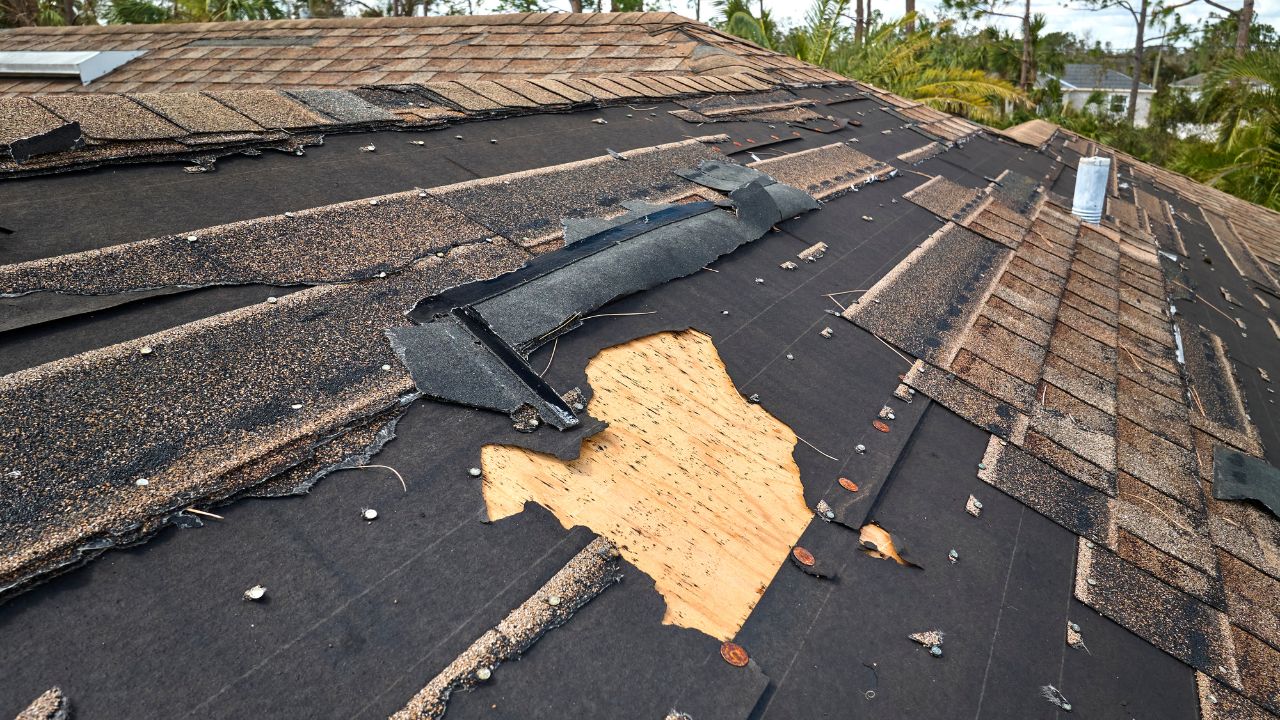
Tear-off creates a temporary assessment window revealing problems hidden for decades—35% of home heat loss occurs through roof and attic spaces previously concealed by old roofing materials. Contractors and homeowners discover inadequate coverage, mold growth, pest damage, and settled insulation compressed to a fraction of original thickness. Temporary exposure during removal introduces moisture risk if weather changes unexpectedly, but simultaneously enables identification of air leaks, gaps in coverage, and thermal bridging invisible during normal conditions.
This disruption forces critical evaluation. Insulation compressed by roof deck movement, darkened by moisture infiltration, or displaced by pests requires replacement rather than supplementation. Assessment during replacement prevents reinstalling new expensive roofing over compromised thermal barriers delivering substandard performance and shortened material lifespans.
Why do Illinois' temperature extremes—from sub-zero winters to 90°F summers—magnify insulation issues?
Illinois experiences temperature ranges from -10°F to 95°F typical with historical extremes reaching -36°F (Congerville 1999, Mount Carroll 2019) and 117°F (East St. Louis 1954)—creating 140°F+ swings stressing inadequate insulation systems catastrophically. Summer attic temperatures reach 150-160°F without proper insulation and ventilation, cooking roofing materials from below while forcing HVAC systems into constant operation. Winter reveals insulation failures dramatically through attic floor temperature variations at -10°F outside: R-19 insulation allows floors warming to only 45-50°F indicating massive heat loss, R-38 improves retention maintaining 60-65°F, while optimal R-49 sustains 65-70°F minimizing energy waste.
These extremes amplify marginal insulation deficiencies into expensive failures. Inadequate coverage tolerable in moderate climates proves disastrous in Illinois—ice dams form from heat escaping through insufficient insulation melting snow that refreezes at eaves, summer cooling costs skyrocket as superheated attics radiate into living spaces, and humidity condensing on cold surfaces creates mold growth destroying building materials. Roof replacement without addressing insulation wastes the opportunity preventing these recurring problems.
How can new roofing materials alter the attic's heat load and moisture balance?
Metal roofing's minimal inherent insulation (R-value ~0.01 versus asphalt's ~0.4) dramatically alters attic thermal dynamics—metal reflects 70% solar energy reducing attic temperatures 10-12°F but conducts heat rapidly creating extreme conditions when insulation proves inadequate. Poor insulation beneath metal roofing creates summer attic temperatures exceeding 160°F as conducted heat overwhelms insufficient thermal barriers. Winter brings opposite problems: metal's cold surface increases condensation risk when warm moist air contacts inadequately insulated roof decks, creating conditions for mold growth and structural damage.
Material choice mandates insulation strategy adjustments. Metal roofing demands upgrading insulation minimum R-38 to R-49 in northern Illinois, often requiring radiant barriers reflecting 95% radiant heat and reducing attic temperatures additional 20-30°F in summer. Asphalt shingles' modest insulation value (~0.4 R-value per inch) provides minor thermal contribution but doesn't compensate for inadequate attic insulation. Roof replacement using different materials than original installation requires reassessing the entire attic thermal envelope—failing to coordinate roofing and insulation upgrades wastes investment and guarantees performance problems.
What Happens to Existing Insulation During Roof Tear-Off and Deck Replacement?
Physical roof removal creates violent disruptions compromising existing insulation performance through compression, displacement, and contamination. Vibrations, foot traffic, and debris penetration reduce insulation effectiveness 5-15% even when material remains in place. Understanding disturbance patterns determines whether topping up suffices or complete removal becomes necessary.
How do vibrations, decking removal, or nail pull-through disturb blown-in and batt insulation layers?
Tear-off vibrations compress blown insulation reducing R-value 5-15% as settling eliminates air pockets providing thermal resistance—every inch of compressed depth represents lost insulation value requiring compensation. Walking in the attic during ventilation work displaces loose-fill material creating gaps and uneven coverage where none existed previously. Debris falling through gaps during removal—nails, shingle fragments, wood splinters—disturbs uniform coverage puncturing vapor barriers and creating thermal bridging paths.
These disturbances prove cumulative and irreversible. Blown insulation compressed by vibrations never fully rebounds to original loft, batt insulation stepped on remains permanently flattened, and displaced material concentrates in some areas while leaving others exposed. Post-replacement inspection often reveals 2-4 inch depth reductions across attic floors representing 15-25% performance loss from installation work alone before considering age-related degradation.
When should compressed or contaminated insulation be removed instead of topped up?
Remove existing insulation completely when contaminated by mold, pests, or water damage—topping contaminated material traps problems beneath new layers creating ongoing air quality and structural threats. Insulation exceeding 15 years old without upgrades suffers settling reducing effectiveness 20-30% making removal and replacement more cost-effective than topping insufficient base layers. Visible gaps, compression, or uneven coverage indicate removal necessity as adding material over compromised bases delivers substandard performance.
Financial incentives favor removal when current insulation measures below R-19—utility rebates provide $0.27 per square foot up to $700 for upgrades from inadequate levels to code-compliant R-38 minimums. Complete removal enables proper air sealing, vapor barrier installation, and uniform coverage impossible when working around existing material. Topping proves tempting for cost savings but fails when base insulation harbors moisture, pests, or compression preventing new material achieving rated R-values.
How can contractors protect the attic from debris and moisture intrusion during roof removal?
Cover belongings in attic space with tarps providing dust protection from vibrations dislodging decades of accumulated particles during tear-off—debris penetration through gaps proves inevitable, requiring protective barriers. Inspect for wet insulation before covering with tarps or new materials, replacing saturated sections immediately rather than trapping moisture causing mold growth and structural rot. Ensure adequate drying time if insulation becomes wet during removal—installing new roofing over damp insulation guarantees long-term problems regardless of material quality.
Roof removal temporarily exposes attic creating rain risk if weather changes unexpectedly during multi-day projects. Contractors should schedule tear-offs when forecasts show extended dry periods, maintain emergency tarps ready for unexpected precipitation, and complete sections progressively rather than exposing the entire roof simultaneously. Condensation from temperature differentials during multi-day projects—cold nights following hot days—introduces moisture even without precipitation. Proper protection requires active monitoring, immediate response to weather changes, and willingness delaying installation when conditions threaten insulation integrity rather than rushing completion risking permanent damage.
How Does Roof Replacement Affect Attic Ventilation and Moisture Control?
Roof replacement provides a critical opportunity correcting ventilation deficiencies causing premature material failure and moisture damage. Balanced airflow systems installed during re-roofing prevent ice dams, extend roof life 20-30%, and satisfy manufacturer warranty requirements most original installations ignore. Illinois' freeze-thaw cycles punish inadequate ventilation mercilessly—proper integration during replacement proves essential rather than optional.
Why is balanced ventilation (intake vs. exhaust) critical for Illinois' freeze-thaw cycles?
Proper ventilation prevents ice dams by keeping attics cold—eliminating temperature differentials causing snow melt and refreeze cycles destroying gutters, fascia, and roof edges while extending roof life 20-30%. Calculate Net Free Area (NFA) by dividing attic square footage by 150 for balanced systems with vapor barriers: 1,500 sq ft attic requires 10 sq ft NFA equaling 720 square inches split equally between intake (360 sq in) and exhaust (360 sq in). Most manufacturer warranties require adequate ventilation as coverage conditions—inadequate systems void warranties regardless of installation quality.
Illinois' extreme temperature swings magnify ventilation failures. Unventilated attics trap heat melting snow from below creating water running to cold eaves refreezing into destructive ice dams. Summer heat buildup reaching 150-160°F without ventilation cooks shingles from beneath accelerating degradation, warping decking, and forcing HVAC systems into constant operation. Balanced ventilation maintains attic temperatures near outdoor ambient, preventing both ice dam formation and excessive heat accumulation, extending material lifespans while reducing energy costs.
How do new ridge vents, soffit openings, or deck-mounted vents influence attic airflow?
Ridge vents provide best continuous exhaust when installed along the entire ridge length in shingle-over style—paired with soffit intake vents creating natural convection driving hot air out while drawing cool air in. Box or turtle vents spaced per NFA calculations serve as alternatives but provide less uniform exhaust than continuous ridge systems. Avoid power vents when using ridge vents as mechanical exhaust creates pressure imbalances short-circuiting natural airflow patterns. Turbine vents function adequately but moving parts require maintenance and fail during winter ice accumulation.
Balanced systems demand equal intake and exhaust—excess exhaust without adequate intake pulls conditioned air from living spaces through gaps and penetrations wasting energy, while excess intake without sufficient exhaust traps hot moist air causing condensation and mold. Avoid mixing exhaust types as combining ridge vents with power vents or multiple box vent styles creates competing airflow patterns preventing proper circulation. Proper airflow prevents moisture and heat buildup protecting both roofing materials and attic insulation from premature degradation through consistent temperature and humidity control.
What happens when insulation blocks soffits or restricts vent chutes after re-roofing?
Insulation must NOT block soffit vents—install rigid foam or cardboard baffles between rafters at eaves creating 2-inch air channels maintaining airflow from soffit intake to attic space. Blocked soffits eliminate intake airflow creating unbalanced systems where exhaust vents pull against resistance causing inadequate circulation. Poor ventilation from inadequate NFA, blocked soffits, or unbalanced systems causes premature shingle aging reducing lifespans 20-30%, ice dam formation from trapped heat melting snow, and mold growth from moisture accumulation.
Continuous or individual soffit vents become worthless when insulation contact blocks airflow—blown insulation settling against eaves or batt insulation stuffed into rafter bays without baffles eliminates intended ventilation rendering exhaust vents ineffective. Contractors must install baffles before insulation ensuring permanent airflow channels immune to settling or displacement. Cost proves minimal—baffles run $2-$5 each with typical homes requiring 20-40 units—but benefits prove substantial, preventing thousands in premature roof replacement, ice dam damage, and mold remediation from ventilation failures easily prevented during initial installation.
What Are the Best Insulation Materials to Pair With a New Roof in Illinois?
Material selection determines long-term energy performance, moisture control, and cost-effectiveness when coordinating roof replacement with insulation upgrades. Five primary insulation types offer distinct advantages for Illinois' extreme climate—R-value per inch, installation cost, moisture tolerance, and air-sealing capability vary dramatically affecting total system performance. Matching insulation to roofing material and climate zone maximizes energy savings while minimizing moisture problems.
How do fiberglass, cellulose, and spray foam differ in moisture tolerance and air-sealing capability?
Fiberglass batts (R-3.0-4.3 per inch, $0.40-$0.70/sq ft) provide affordable DIY-friendly installation between joists but gaps reduce effectiveness dramatically while material settles over time losing 10-15% R-value. Blown-in fiberglass (R-3.0-4.0 per inch, $0.50-$1.00/sq ft) fills gaps better delivering superior coverage for attic floors but settles 10-20% and compresses underfoot during attic access. Blown-in cellulose (R-3.2-3.8 per inch, $0.50-$1.00/sq ft) offers eco-friendly recycled material with dense coverage but retains moisture when wet and contains fire-treated chemicals requiring proper ventilation.
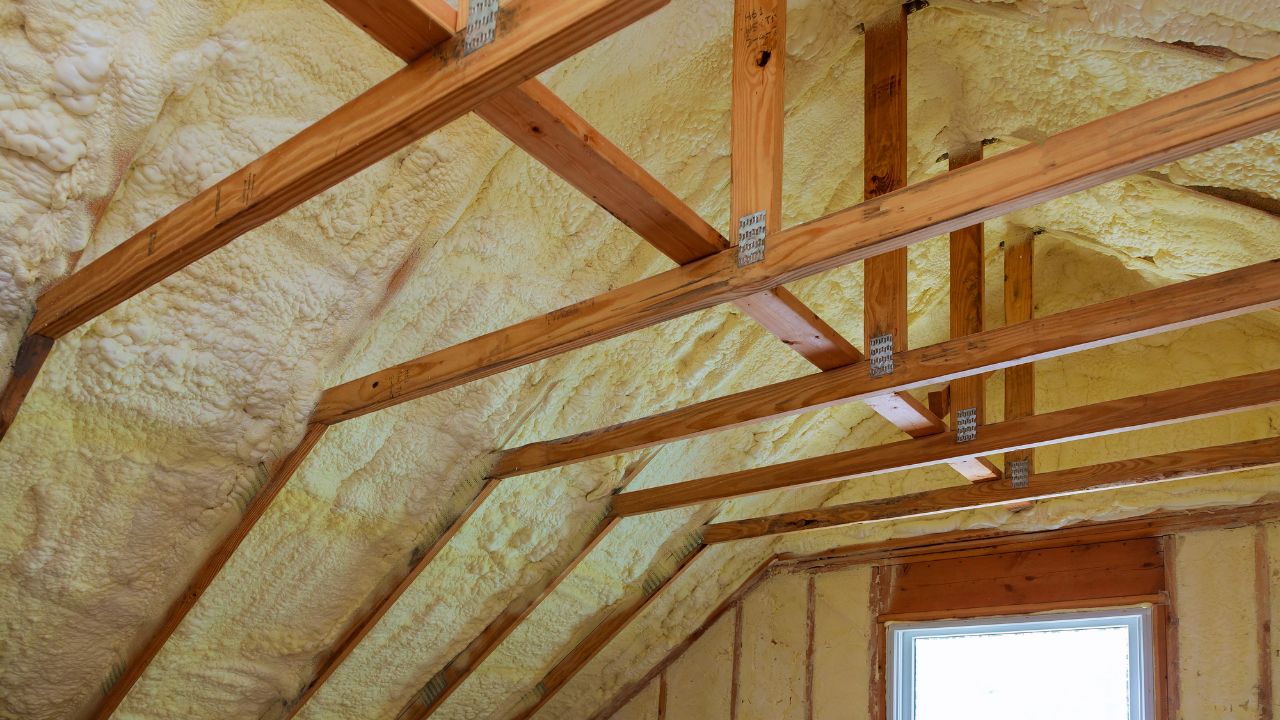
Spray foam delivers superior air-sealing unavailable with fibrous insulation. Open-cell spray foam (R-3.6-3.8 per inch, $1.50-$2.50/sq ft) provides air sealing and moisture barrier properties for roof decks and walls but requires professional installation and costs triple fiberglass alternatives. Closed-cell spray foam (R-6.0-7.0 per inch, $2.00-$4.00/sq ft) offers highest R-value per inch with structural strength and vapor barrier properties eliminating separate vapor barrier requirements—most expensive option proving permanent and hard to remove if modifications become necessary. Material choice depends on budget, moisture concerns, and whether air sealing justifies premium costs over traditional fibrous insulation requiring separate air barrier installation.
Should homeowners consider hybrid systems (air seal + blown-in top-off) for energy efficiency?
Hybrid systems combining spray foam air sealing with blown cellulose top-off deliver optimal cost-performance balance—spray foam seals penetrations, top plates, and gaps preventing air leakage while inexpensive cellulose provides bulk R-value reaching code-required depths. Blown cellulose proves most cost-effective for attics when proper air sealing occurs first, filling large areas efficiently at $0.50-$1.00 per square foot versus $2.00-$4.00 for closed-cell spray foam achieving equivalent R-values. Closed-cell spray foam acts as its own vapor barrier eliminating additional vapor barrier installation costs and complexity.
Calculate insulation type based on measured square footage, target R-values, and air sealing requirements. Typical hybrid approach applies 2-3 inches closed-cell spray foam (R-12 to R-21) sealing all penetrations and gaps, then tops with 10-12 inches blown cellulose (R-35 to R-42) achieving combined R-49 for northern Illinois. This strategy costs 40-50% less than spray foam alone while delivering comparable air sealing and superior bulk insulation. Choose insulation combinations matching specific home conditions—older homes with numerous penetrations benefit from spray foam air sealing, newer construction with tight envelopes may achieve adequate performance with blown insulation alone when proper air barriers exist.
How does roofing color and underlayment type influence insulation choice in different Illinois regions?
Metal roofing demands upgraded insulation—minimum R-38 per Illinois code with R-49 recommended for northern Illinois superior winter performance, plus radiant barriers reflecting 95% radiant heat reducing summer attic temperatures additional 20-30°F. Metal roofing paired with R-49 insulation delivers 25-40% greater energy savings versus asphalt with R-30 insulation. Radiant barriers cost $0.40-$0.50 per square foot providing foil-faced insulation or separate barrier installations beneath metal roofing preventing conducted heat from overwhelming thermal barriers during summer extremes.
Energy savings justify insulation upgrades when installing metal roofing. Baseline 2,000 sq ft northern Illinois home with asphalt roof plus R-30 insulation averages $2,400 yearly HVAC costs. Upgrading to metal roof with R-49 insulation reduces costs to $1,680-$1,800 annually—$600-$720 annual savings offsetting $1,500-$2,500 insulation upgrade costs within 2-4 year payback period. Metal's minimal inherent insulation (R-0.01) and rapid heat conduction create extreme attic conditions when insulation proves inadequate—proper pairing proves essential rather than optional. Southern Illinois with milder winters may satisfy code at R-38, but northern zones approaching Wisconsin border require R-49 minimum preventing heat loss through long severe winters while radiant barriers combat summer heat gain from intense solar exposure.
What Steps Ensure Proper Air Sealing Before and After Roof Installation?
Air sealing proves more critical than insulation depth—unsealed penetrations waste energy regardless of R-value thickness above them. Roof replacement exposes hidden leak paths requiring sealing before reinsulating. Illinois' heating-dominated climate demands interior vapor barriers preventing moisture migration into insulation causing mold growth and structural damage.
Where do most attic leaks occur—top plates, recessed lights, plumbing chases, or HVAC penetrations?
Penetrations create primary air leakage paths—check sealant integrity around vents, chimneys, and skylights where roof deck meets vertical penetrations creating gaps allowing conditioned air escaping into attics. Proper soffit baffle installation prevents vent blocking but creates potential leak paths where baffles meet roof decks requiring careful sealing. Ventilation installation requires repositioning insulation exposing previously covered areas revealing unsealed top plates, wire penetrations, and plumbing chases allowing air movement between living spaces and attics.
Electrical and structural work during roof replacement exposes leak locations invisible under existing insulation. Recessed lights without airtight housings (IC-AT rated) create chimneys pulling conditioned air into attics—each unsealed fixture leaks equivalent to 2-4 square inch hole operating continuously. Plumbing chases running from basement to attic create stack effects drawing air through floors when unsealed at attic penetration points. HVAC penetrations including ductwork boots, furnace flues, and air handler platforms require fire-rated sealants preventing both air leakage and maintaining code-required fire separations between living spaces and attics.
Which air-sealing materials (fire-rated foam, caulk, gasket systems) meet Illinois standards?
Vapor barriers prevent interior moisture from cooking, bathing, and breathing migrating into insulation—install on the warm side (ceiling side in Illinois) using 6 mil minimum polyethylene sheeting, kraft-faced batts, or foil-faced foam. Illinois' heating-dominated climate mandates vapor barriers on interior sides preventing warm moist air contacting cold surfaces causing condensation and mold growth. Never install vapor barriers on both sides trapping moisture between impermeable layers—single interior barrier allows outward drying during summer months when vapor drive reverses.
Closed-cell spray foam acts as its own vapor barrier eliminating separate polyethylene installation requirements—minimum 2 inches provides adequate vapor impermeability while sealing air leaks simultaneously. Fire-rated foam sealants meet code requirements for penetrations requiring fire separation—regular expanding foam voids fire ratings around flues, chimneys, and recessed light housings. Acoustic sealant or fire-rated caulk seals smaller gaps around wiring and plumbing penetrations maintaining air barriers without compromising fire safety. Gasket systems using compression foam between top plates and drywall prevent air leakage at critical junctions where walls meet attics—these pre-formed gaskets are installed during construction but retrofit applications require spray foam or acoustic sealant achieving comparable sealing.
How can post-installation blower-door testing confirm effective sealing before reinsulating?
Blower-door testing quantifies air leakage identifying unsealed penetrations before covering with insulation—depressurizing homes to 50 pascals reveals leak locations through infrared imaging or smoke pencil tests showing air movement paths. Testing before reinsulating enables correcting identified leaks while access remains easy versus discovering problems after insulation installation requiring removal for repairs. Effective sealing reduces air changes per hour (ACH) to 3-5 ACH50 in existing homes, with new construction achieving 1-3 ACH50 through comprehensive air barrier strategies.
Post-installation verification confirms work quality and warranty compliance. Many utility rebate programs require blower-door testing documenting air sealing effectiveness before approving incentive payments. Testing costs $200-$400 but identifies thousands in potential energy waste from overlooked penetrations and improper sealing. Schedule testing after air sealing completion but before insulation installation enabling efficient correction of any deficiencies discovered—reinsulating then discovering major leaks requires expensive insulation removal, correction, and reinstallation versus simple sealing during exposed conditions.
What Are the Key Coordination Steps Between Roofing and Insulation Contractors?
Successful roof-insulation integration requires precise timing coordination between separate trades working in the same spaces during overlapping timeframes. Four critical steps—pre-project assessment, baffle placement coordination, reinsulation timing, and documentation verification—prevent conflicts, damage, and performance failures. Poor coordination wastes both trades' work when roofing crews damage new insulation or insulation contractors block ventilation pathways roofers installed.
Step 1: When should attic prep and air sealing occur relative to deck inspection?
Schedule insulation contractor attic inspection 2-3 weeks before roof work begins—identifying current R-value, coverage gaps, moisture issues, and calculating required depth for R-38 or R-49 targets enabling material ordering and installation planning. Determine ventilation upgrade needs including baffles and additional soffit vents during pre-project assessment allowing coordination with roofing scope preventing duplicate work or missed requirements. Early assessment reveals whether insulation removal becomes necessary versus topping existing material—a decision affecting both trades' schedules and material quantities.
Day before roof tear-off begins, complete attic preparation: cover belongings with tarps providing dust protection, install additional soffit vents if assessment identifies inadequate intake, and place baffles between rafters at eaves before roofing work exposes the deck. This sequencing prevents roofing debris contaminating new insulation while ensuring ventilation components install before deck covering makes access difficult. Contractors must communicate daily—weather delays affecting roofing schedules require adjusting insulation contractor timing preventing crews arriving while tear-off remains incomplete or precipitation threatens exposed attics.
Step 2: How do both trades align on vent baffle placement and soffit clearance?
Install rigid foam or cardboard baffles between rafters at eaves before insulation creating permanent 2-inch air channels from soffit intake to attic space preventing insulation blocking ventilation pathways. Baffles cost $2-$5 each with typical homes requiring 20-40 units depending on eave length and rafter spacing—minimal investment preventing thousands in ventilation failure damage. Ensure 2-inch minimum clearance from roof deck maintaining airflow above insulation throughout the entire path from soffit to ridge exhaust.
Both trades must verify baffle placement aligns with soffit vent locations—misaligned baffles create dead zones where intake vents exist but insulation blocks airflow or baffles channel air where no vents provide intake. Roofers installing ridge vents must confirm adequate intake exists below; insulation contractors must never cover soffit vents regardless of insulation depth targets. Joint walkthrough before insulation installation confirms vent pathways remain clear with baffles properly positioned, adequate NFA calculations met through combined soffit and ridge vent areas, and no conflicts between roofing penetrations and planned insulation coverage.
Step 3: When is the right time to reinsulate—immediately after roof completion or post-drying period?
Install insulation same day or next day after roofing completion when decking remains dry and all penetrations sealed—delays risk moisture intrusion from precipitation or condensation compromising new insulation before installation. Remove old contaminated insulation containing mold, pests, or water damage before roofing begins preventing recontamination. Inspect for wet insulation before covering with new material—replace any saturated sections rather than trapping moisture causing ongoing mold growth and structural deterioration.
Coordinate attic access with roofing crew avoiding interference during simultaneous work—roofers completing tear-off, decking repairs, and underlayment installation while insulation contractors stage materials and prepare workspace. Inspect attic after decking work identifying any new damage from roof removal requiring repair before reinsulating. Install vapor barrier if needed over drywall ceiling before blowing insulation to target depth. Ensure adequate drying time if insulation becomes wet during multi-day roofing projects—moisture meters confirm insulation moisture content below 15% before covering with additional layers trapping dampness. Rushing reinsulation over damp materials wastes investment guaranteeing mold problems regardless of material quality.
Step 4: What documentation should confirm ventilation ratios and insulation depth targets?
Mark insulation depth with rulers or stakes every 10 feet verifying uniform coverage achieving specified R-values—photographic documentation proves compliance for warranties, rebates, and future resale verification. Document ventilation ratios through photographs showing soffit vent quantity and sizing, ridge vent installation length, and baffle placement maintaining airflow pathways. Calculate and record NFA demonstrating balanced intake-exhaust meeting manufacturer warranty requirements and building code minimums.
Schedule municipal inspection if jurisdiction requires permits for insulation upgrades—inspector verification confirms code compliance protecting homeowners from future sale complications. Receive written warranties from both roofing and insulation contractors specifying materials installed, R-values achieved, ventilation specifications met, and coverage periods. Comprehensive documentation package includes: pre-installation photos showing existing conditions, during-installation images proving proper baffle placement and air sealing, post-installation depth verification photos, invoice receipts with material specifications, warranty certificates from manufacturers and contractors, and municipal inspection approval if applicable. Store documentation permanently—future buyers, insurance adjusters, and warranty claims require proof of proper installation meeting specifications both trades agreed to deliver.
How Do Roof Design and Material Choices Influence Attic Thermal Behavior?
Roofing material selection dramatically alters attic thermal loads independent of insulation quality—reflective surfaces reduce cooling demands while dark absorptive materials increase heat gain requiring compensating insulation upgrades. Design choices including slope, color, and ceiling configuration determine ventilation requirements and insulation strategies. Understanding material thermal properties prevents mismatched roof-insulation combinations wasting energy despite meeting code minimums.
Do cool-roof shingles or reflective metal panels reduce attic temperature enough to modify insulation needs?
Metal roofing reflects 70% solar energy reducing attic temperatures 10-12°F compared to asphalt—light-colored metal achieves Solar Reflectance Index (SRI) 60-80 versus cool asphalt shingles' SRI 25-40 and standard dark asphalt's SRI 5-15. Summer attic temperature reductions prove substantial: R-19 insulation allows attics reaching 140-150°F with standard roofing, R-38 reduces peaks to 125-135°F, while R-49 maintains 115-125°F. Proper insulation combined with ventilation delivers 20-30% cooling load reduction regardless of roofing material—reflective roofing amplifies these savings but doesn't eliminate insulation requirements.
Cool-roof materials reduce but don't replace insulation needs. Illinois code minimum R-38 applies regardless of roofing reflectivity, though northern zones benefit from R-49 upgrades even with metal roofing. Metal's superior reflectivity justifies standard insulation rather than premium upgrades in budget-constrained projects—homeowners choosing metal roofing may achieve adequate performance at R-38 where dark asphalt demands R-49 reaching equivalent comfort and efficiency. However, metal roofing's minimal inherent insulation (R-0.01) requires adequate attic insulation compensating for lack of material thermal resistance—reflectivity addresses solar gain but doesn't prevent conductive heat transfer when temperature differentials exist between attic and outdoor air.
How do darker shingles increase melt-freeze cycles that threaten vapor control layers?
Darker shingles absorb solar radiation creating localized heating melting snow from below while ambient temperatures remain freezing—meltwater running to cold eaves refreezes creating ice dams threatening vapor control layers through moisture infiltration. Illinois experiences numerous freeze-thaw cycles throughout winter as temperatures fluctuate above and below freezing daily. Dark roofing amplifies cycling by absorbing daytime solar heat, melting accumulated snow even when air temperatures stay below 32°F—water migrates to unheated eave areas refreezing overnight creating destructive ice buildup.
Proper ventilation prevents ice dams by keeping attics cold eliminating temperature differentials causing snow melt from below—cold attic temperatures regardless of roofing color prevent melting until outdoor temperatures rise naturally. Ventilation proves more critical than roofing color for ice dam prevention: adequately ventilated attics with dark shingles outperform poorly ventilated attics with light shingles. However, dark roofing increases ventilation importance as absorbed solar heat conducts through decking into attics—undersized ventilation systems barely adequate with light roofing fail completely with dark materials creating thermal loads exceeding exhaust capacity. Vapor control layers protect against moisture migration from interior spaces but ice dams attack from exterior creating water infiltration pathways vapor barriers don't address—proper ventilation and insulation prevent ice dam formation protecting both vapor barriers and building structures.
Why do low-slope and cathedral ceilings require continuous insulation and vent channels?
Cathedral ceilings eliminate attic spaces requiring insulation installed directly against roof decks with continuous 2-inch air gaps above insulation maintaining ventilation from soffit to ridge—ENERGY STAR recommends R-38 to R-60 for Zone 5 cathedral applications. Low-slope roofs trap heat more effectively than steep pitches reducing natural convection requiring mechanical ventilation assistance or enhanced insulation compensating for reduced airflow. Cathedral ceiling configurations create unique challenges: insulation depth limited by rafter depth, ventilation pathways restricted by tight spaces, and any installation gaps create thermal bridging visible as temperature differentials on interior ceiling surfaces.
Continuous insulation without gaps proves essential as cathedral ceilings lack attic buffer spaces hiding installation defects—poor insulation shows immediately through cold spots, condensation, and ice dam formation at specific locations. Vent channels using rigid baffles maintain airflow pathways from soffit intake through entire rafter bay length to ridge exhaust preventing insulation contact with roof decking blocking ventilation. Spray foam applications in cathedral ceilings often eliminate ventilation creating "hot roof" assemblies where insulation contacts decking directly—these designs require careful vapor barrier management and sufficient insulation thickness preventing condensation on cold surfaces. Low-slope and cathedral designs demand higher installation precision than conventional attic applications as mistake consequences prove immediately visible and expensive correcting after interior finishes installation.
What Mistakes Commonly Compromise Insulation After Roof Replacement?
Three critical errors destroy insulation performance despite proper material selection and adequate R-values—blocked ventilation, retained contaminated insulation, and contractor shortcuts eliminating essential components. These mistakes appear minor during installation but create catastrophic long-term failures requiring expensive corrections. Understanding common errors enables homeowners monitoring installation quality, preventing problems before covering evidence with finish materials.
Why does covering soffit vents or compressing insulation reduce performance dramatically?
Blocked soffit vents eliminate intake airflow creating unbalanced ventilation systems causing premature shingle aging reducing roof life 20-30%, ice dam formation from trapped heat melting snow, and mold growth from moisture accumulation destroying structures and creating health hazards. Insulation must never block soffit vents—install baffles maintaining 2-inch air channels from soffit intake through the entire rafter bay preventing insulation contact regardless of settling or displacement. Proper ventilation extends roof life 20-30% by maintaining attic temperatures near outdoor ambient, preventing thermal cycling stress and moisture buildup accelerating material degradation.
Compressed insulation loses R-value proportionally to thickness reduction—insulation rated R-49 at 14-inch depth compressed to 10 inches delivers only R-35 performance regardless of material quality. Inadequate Net Free Area (NFA) from blocked soffits, missing exhaust vents, or unbalanced intake-exhaust ratios creates stagnant humid conditions perfect for mold colonization. Visible symptoms appear gradually: dark streaks on shingles indicating algae growth from excessive moisture, ice dams forming at eaves each winter, and musty odors in living spaces from mold spores circulating through HVAC systems. Prevention costs minimal—baffles run $2-$5 each, preventing thousands in premature roof replacement, ice dam damage, and mold remediation expenses.
How does failing to replace wet or moldy insulation create long-term attic humidity issues?
Contaminated insulation harboring mold, pests, or water damage must be removed completely—topping saturated material traps moisture beneath new layers creating ongoing mold growth, structural rot, and air quality problems regardless of new insulation quality above. Inspect for wet insulation before covering with additional material or new roofing, replacing any saturated sections immediately rather than allowing dampness migrating into new installations. Roof removal temporarily exposes attics creating rain risk if weather changes unexpectedly—moisture intrusion during tear-off saturates insulation requiring replacement before proceeding.
Condensation from temperature differentials during multi-day projects introduces moisture even without precipitation—cold nights following hot days create conditions for water vapor condensing on cool surfaces wetting insulation. Ensure adequate drying time if insulation becomes wet rather than rushing installation trapping moisture causing permanent problems. Wet insulation loses R-value dramatically as water displaces insulating air—saturated fiberglass or cellulose delivers near-zero thermal resistance until completely dried. Mold colonizes damp insulation within 24-48 hours creating spore contamination requiring removal rather than simple drying. Moisture problems compound over time as trapped dampness wets surrounding materials, supports ongoing mold growth releasing spores into living spaces, and rots wood framing requiring expensive structural repairs far exceeding insulation replacement costs avoided initially.
What contractor shortcuts (reusing old flashing, skipping baffles) cause attic heat buildup?
Contractors skipping ventilation calculations create disasters—inadequate NFA from undersized intake or exhaust vents causes attic heat buildup reaching 150-160°F cooking roofing materials from below while forcing HVAC systems into constant operation. Skipping baffle installation saves contractors $40-$200 in material costs but causes failures homeowners discover through premature shingle aging, ice dams, and mold growth appearing years after installation when warranty disputes prove difficult resolving. Missing baffles leave intake vents blocked by insulation eliminating intended airflow rendering expensive exhaust vents worthless without balanced intake.
Improper ventilation from skipped calculations or baffle installation causes premature shingle aging reducing lifespans 20-30%, ice dam formation destroying gutters and fascia, and mold growth creating health hazards and structural damage. Contractors rushing installation avoid time-consuming ventilation measurements and baffle placement—shortcuts invisible until problems emerge after final payment is received and contractors moved to next projects. Reusing old flashing instead of installing new materials saves material costs but creates leak paths as degraded sealants and metal fatigue fail under new roofing loads. Homeowners should verify ventilation calculations documented, baffles installed at every rafter bay, and all flashing components replaced during roof replacement—accepting contractor assurances without physical verification enables shortcuts causing expensive failures discovered only after correction becomes difficult and expensive.
How Should Illinois Homeowners Maintain Attic Performance After Roof Replacement?
Post-installation maintenance determines whether roof-insulation systems deliver rated performance throughout expected lifespans or degrade prematurely requiring expensive corrections. Three maintenance protocols—regular inspections, ice dam prevention, and performance upgrades—preserve energy efficiency while preventing moisture damage and premature failures. Neglected attics lose 15-25% efficiency within 5 years through insulation settling, vent blockage, and air seal deterioration.
How often should homeowners inspect ventilation, insulation depth, and attic humidity?
Inspect attics spring and fall annually—fall asphalt installations require spring inspection once temperatures consistently exceed 60°F verifying sealant activation by gently lifting shingle tabs checking bonds formed properly. If tabs lift easily indicating incomplete sealing, hand-seal loose areas immediately preventing wind damage during next storm season. Normal sealant activation requires 4-6 weeks warm sun exposure—installations completed October through November may not fully seal until April or May requiring spring follow-up confirmation.
Annual inspections verify critical performance elements: check proper soffit baffle installation confirming baffles remain in place with insulation not blocking vents, measure insulation depth at multiple locations ensuring settling hasn't reduced R-values below targets, inspect for moisture stains on decking or rafters indicating ventilation failures or roof leaks, and verify pest intrusion hasn't displaced or contaminated insulation. Use moisture meter checking humidity levels—readings exceeding 60% relative humidity indicate ventilation inadequacy requiring immediate correction preventing mold colonization. Document inspection findings photographically tracking performance over time identifying degradation trends before they become expensive problems.
What maintenance steps prevent ice dam recurrence each winter?
Proper ventilation prevents ice dams by keeping attics cold eliminating temperature differentials causing snow melt and refreeze cycles—ensure 2-inch clearance from roof deck to insulation top maintaining airflow throughout winter. Never cover soffit vents with insulation, stored items, or seasonal decorations blocking intake airflow creating unbalanced systems. Check for insulation blocking soffit vents before each heating season—settling, pest activity, or storage habits displace insulation into vent pathways eliminating intended airflow.
Pre-winter maintenance prevents ice dam formation: clear leaves and debris from gutters and downspouts ensuring meltwater drainage when snow does melt, trim overhanging tree branches preventing snow accumulation exceeding roof load ratings, verify attic hatches seal tightly with weatherstripping preventing warm air leakage into attics, and check attic temperatures during cold snaps—attics warmer than 5-10°F above outdoor temperatures indicate heat loss through inadequate insulation or air leaks requiring correction. Ice dams form from heat escaping living spaces, warming attics melting snow from below—addressing root causes through proper insulation and ventilation proves more effective than reactive measures like roof heating cables treating symptoms rather than problems.
When should additional insulation top-ups or air-sealing repairs be scheduled post-install?
Schedule spring inspection for fall installations verifying sealant activation—if tabs remain unsealed, hand-seal immediately before summer storms test wind resistance. Consider insulation top-ups when current R-19 to R-30 levels fall below code-required R-38 minimums—homeowners planning staying in homes exceeding 5 years justify upgrade investments through energy savings offsetting costs within payback periods. Insulation settles 10-20% over the first 5 years depending on material type—blown fiberglass and cellulose compress reducing initial R-values requiring topping to maintain target performance.
Air-sealing repairs become necessary when energy bills increase without corresponding rate changes, visible drafts appear around attic hatches or penetrations, or ice dams form despite adequate insulation depth. Blower-door testing every 5-10 years quantifies air leakage identifying degraded seals requiring attention—acoustic sealants dry and crack, spray foam shrinks creating gaps, and building settlement opens pathways sealed during original installation. Top-up timing depends on insulation type: fiberglass requires attention every 5-7 years, cellulose every 7-10 years, while spray foam maintains performance 15-20 years before requiring supplementation. Schedule inspections and upgrades during shoulder seasons—spring and fall—when attic temperatures remain moderate enabling comfortable working conditions and contractors maintain lighter schedules offering better availability and potentially lower pricing than peak summer or winter emergency service rates.
What Should Be Included in a Post-Project Documentation and Warranty Package?
Complete documentation protects homeowner investments through warranty claims, insurance disputes, rebate applications, and resale negotiations. Missing paperwork voids warranties, eliminates rebate eligibility, and reduces property values when buyers cannot verify installation quality. Comprehensive records prove compliance with building codes, manufacturer specifications, and energy standards—documentation worth thousands in avoided disputes and enhanced resale value.
What proof of attic R-value and material brand should accompany roofing warranties?
Material specification sheets documenting insulation type, manufacturer, R-value per inch, and coverage depth provide essential warranty compliance proof—most manufacturer warranties require proper insulation and ventilation as coverage conditions. Document installation with photographs showing insulation depth at multiple locations using rulers or stakes placed every 10 feet verifying uniform coverage. Tape measures in photos displaying 14-15 inch depth prove R-38 achievement meeting Illinois minimum code requirements effective January 2025.
Photograph blown cellulose, fiberglass, or spray foam installation showing uniform coverage without gaps, proper baffle placement maintaining ventilation channels, and depth markers confirming specified R-values achieved throughout attic spaces. Material specification sheets include: manufacturer name and product line, R-value per inch rating, fire resistance classification, vapor permeability rating, and installation date with contractor information. Manufacturers void warranties when installations use unapproved materials, inadequate depths, or improper ventilation—documentation proving compliance prevents warranty denial during claims. Keep specifications with roofing warranty packages as integrated roof-insulation systems require both components meeting standards for either warranty remaining valid.
How can photo logs and airflow test reports validate compliance for resale or insurance?
Comprehensive photo documentation before, during, and after installation creates visual proof validating compliance for future buyers, insurance underwriters, and warranty administrators—three-stage photographic records prevent disputes about work quality and specification achievement. Before photos establish baseline conditions showing existing insulation inadequacy, moisture damage, or ventilation deficiencies justifying upgrades. During photos document proper baffle installation maintaining ventilation channels, air sealing around penetrations, vapor barrier placement, and progressive insulation installation. After photos show completed uniform coverage at specified depths, unobstructed ventilation pathways, and clean professional finish.
Schedule municipal inspection if jurisdiction requires permits—inspector approval provides third-party verification meeting building codes protecting against future sale complications or insurance claim disputes. Photograph soffit baffles visible from the attic showing proper installation maintaining 2-inch ventilation channels from intake to ridge exhaust. Airflow testing reports quantifying Net Free Area (NFA) calculations, blower-door results measuring air leakage rates, and ventilation balance confirming equal intake-exhaust ratios validate system design meeting manufacturer warranty requirements and energy code standards. Keep all paperwork in a dedicated home file accessible for future buyers—organized documentation increases property values as buyers pay premiums for homes with verified quality installations versus those lacking proof requiring faith in seller claims.
Why should homeowners keep contractor certifications and rebate claim records?
Contractor licenses, insurance certificates, and manufacturer certifications prove installation quality while protecting against liability—unlicensed contractor work voids warranties, creates liability for property damage, and complicates insurance claims regardless of actual work quality. Receive written warranties from both roofing and insulation contractors specifying materials installed, coverage periods, and claim procedures. Federal tax credit documentation supporting $1,200 insulation tax credit claims under Inflation Reduction Act requires contractor certification, material specifications, and installation invoices—missing documentation eliminates tax benefits worth substantial savings.
Utility rebate documentation proving $0.25-$0.31 per square foot payments requires pre-installation R-value verification, contractor certifications, material receipts, and post-installation depth confirmation—incomplete records forfeit rebates totaling $400-$800 for typical attic upgrades. Documentation stored permanently for future buyers adds resale value as transferable warranties, verified installations, and energy upgrade records command premium pricing. Comprehensive packages include: contractor Illinois state roofing licenses and insulation certifications, liability insurance certificates, manufacturer warranty registrations, itemized invoices with material specifications, payment receipts, permit approvals, inspection reports, before-during-after photographs, rebate approval letters, and tax credit substantiation. Missing single documents can void warranties, eliminate rebates, or create buyer objections reducing sale prices thousands below market value—complete organized documentation protects investments throughout ownership and maximizes returns at resale.
What Is the Final Checklist for Illinois Roof and Attic Integration in 2025?
Systematic verification at three project stages—pre-project planning, during-project execution, and post-project validation—prevents expensive mistakes and warranty voids. This checklist ensures code compliance, contractor coordination, and performance verification protecting investments throughout roof-insulation integration. Missing a single verification step creates problems costing thousands correcting after final payment releases contractor leverage.
Pre-project: Have permits, R-value targets, and contractor credentials been verified?
Complete pre-project assessment 2-3 weeks before roof work begins: hire insulation contractor for attic inspection identifying current R-value, coverage gaps, and moisture issues while calculating required depth achieving R-38 minimum or R-49 northern Illinois targets. Determine ventilation upgrade needs including baffle quantity and additional soffit vents enabling material ordering and contractor coordination. Submit building permit applications to local municipalities—processing requires 1-2 weeks and installation without permits risks failed inspections, fines, and future sale complications.
Verify contractor credentials before signing contracts: confirm Illinois state roofing licenses through IDFPR database, request certificates of insurance naming homeowner as certificate holder with $500,000 general liability minimum, check manufacturer certifications (GAF Master Elite, CertainTeed Select, Owens Corning Platinum) unlocking enhanced warranties, and review Better Business Bureau ratings identifying complaint patterns. Calculate project costs requesting itemized quotes from three contractors comparing material specifications, ventilation designs, and warranty terms. Negotiate combined roof-insulation discounts—bundling projects typically yields 5-10% savings through single scaffolding setup, coordinated material delivery, and unified project timeline versus separate disruptions.
During project: Are vents unobstructed and insulation protected from debris and moisture?
Monitor installation daily verifying critical elements: cover attic belongings with tarps providing dust protection from tear-off vibrations, confirm baffles placed between every rafter at eaves before insulation installation, and ensure 2-inch minimum clearance from roof deck to insulation to maintain ventilation pathways. Never allow insulation covering soffit vents—baffles maintain permanent air channels regardless of settling or future disturbances. Coordinate attic access with roofing crew preventing interference as simultaneous work progresses—insulation contractors staging materials while roofers complete tear-off and decking repairs.
Weather monitoring proves essential during multi-day projects. Verify contractors tarp exposed areas before precipitation, inspect for moisture intrusion after unexpected weather, and ensure adequate drying time if insulation becomes wet rather than rushing installation trapping dampness. Check ventilation component installation: confirm soffit vents unobstructed by debris or displaced insulation, verify ridge vent installation spans entire ridge length, and inspect valley and penetration flashing integration maintaining weathertight seals. Daily site visits during active work enable immediate correction of observed deficiencies versus discovering problems after covering with finish materials eliminating correction access.
Post-project: Were R-values tested, vents balanced, and warranties registered correctly?
Schedule municipal inspection if jurisdiction requires permits—inspector approval confirms code compliance protecting against future complications while validating contractor work quality through third-party verification. Document completed installation photographically: capture insulation depth using rulers or stakes placed every 10 feet verifying uniform coverage, photograph baffle installations showing proper ventilation channel maintenance, and record overall attic conditions proving professional completion meeting specifications. Receive written warranties from roofing and insulation contractors plus manufacturer warranty certificates—register warranties within required timeframes (typically 30-60 days) activating coverage.
Verify final performance: physically check ventilation airflow by feeling air movement at soffit vents confirming intake functionality, inspect ridge vents from exterior confirming unobstructed exhaust, and confirm baffles remain in place with insulation not blocking vent pathways. Measure insulation depth at multiple locations using tape measure or depth gauges verifying achievement of specified R-values—14-15 inches blown fiberglass equals R-38, 16-18 inches achieves R-49. Test attic conditions: check for proper vapor barrier placement on warm side (ceiling side), inspect for moisture stains indicating leaks or condensation, and verify no daylight visible through roof deck signaling installation gaps. Collect complete documentation package: material specifications, contractor licenses, insurance certificates, permits, inspection approvals, warranties, invoices, rebate applications, and comprehensive photographs—store permanently in home files for warranty claims, insurance documentation, and future resale validation.
Partner With Advanced Roofing for Seamless Roof-Insulation Integration in Illinois
Advanced Roofing understands Illinois' unique climate challenges—from -36°F winters to 117°F summer extremes demanding coordinated roof-insulation systems preventing ice dams, moisture damage, and energy waste costing thousands annually. Their comprehensive approach integrates roofing installation with insulation upgrades, proper ventilation design, and air sealing strategies maximizing performance while satisfying 2025 Illinois building code R-38 minimums. Advanced Roofing coordinates both trades eliminating communication gaps causing blocked vents, compressed insulation, and warranty voids—delivering turnkey solutions homeowners trust for long-term reliability.
Contact Advanced Roofing today for complete roof-insulation assessments identifying improvement opportunities during replacement projects—their manufacturer certifications unlock enhanced warranties while proper documentation supports rebate claims and resale value. Don't waste roof replacement opportunities leaving inadequate insulation reducing new material lifespans 20-30% through ventilation failures and moisture problems. Advanced Roofing's systematic approach ensures proper baffle installation, balanced ventilation meeting NFA calculations, verified R-value achievement, and comprehensive documentation protecting investments. Schedule your consultation now before Illinois' extreme weather exposes hidden insulation deficiencies requiring expensive emergency corrections—proactive integration during planned roof replacement delivers maximum value through coordinated professional execution.