Key Takeaways
- Premium roofs offer durability and aesthetics but are increasingly being replaced by more advanced materials and technologies.
- Solar roof integration is replacing traditional systems, offering energy generation and a higher home value.
- Green roofs provide unmatched energy savings and environmental benefits, making conventional roofs obsolete.
- Advanced roofing materials, like synthetic shingles and cool roofs, offer superior impact resistance and efficiency.
- Smart roofs with IoT technology will transform roof maintenance by providing predictive data and early damage detection.
Roofing trends are evolving quickly, and what is considered "premium" today may soon be outdated. As technological innovations in solar energy, green roofs, and smart monitoring become more accessible, homeowners are increasingly seeking roofs that offer more than just protection. The future of roofing will focus on energy efficiency, sustainability, and cutting-edge materials, reshaping what we consider a premium roof. Understanding these shifts can help homeowners stay ahead of the curve and choose roofs that provide lasting value and environmental benefits.
What Are Premium Roofs and Why Are They So Popular Today?
Premium roofs have long been the gold standard for homeowners who want more than basic protection. They combine visual appeal with extended durability. But as roofing trends evolve and future roofing technology advances, what counts as "premium" is shifting fast.
What Defines a Premium Roof?
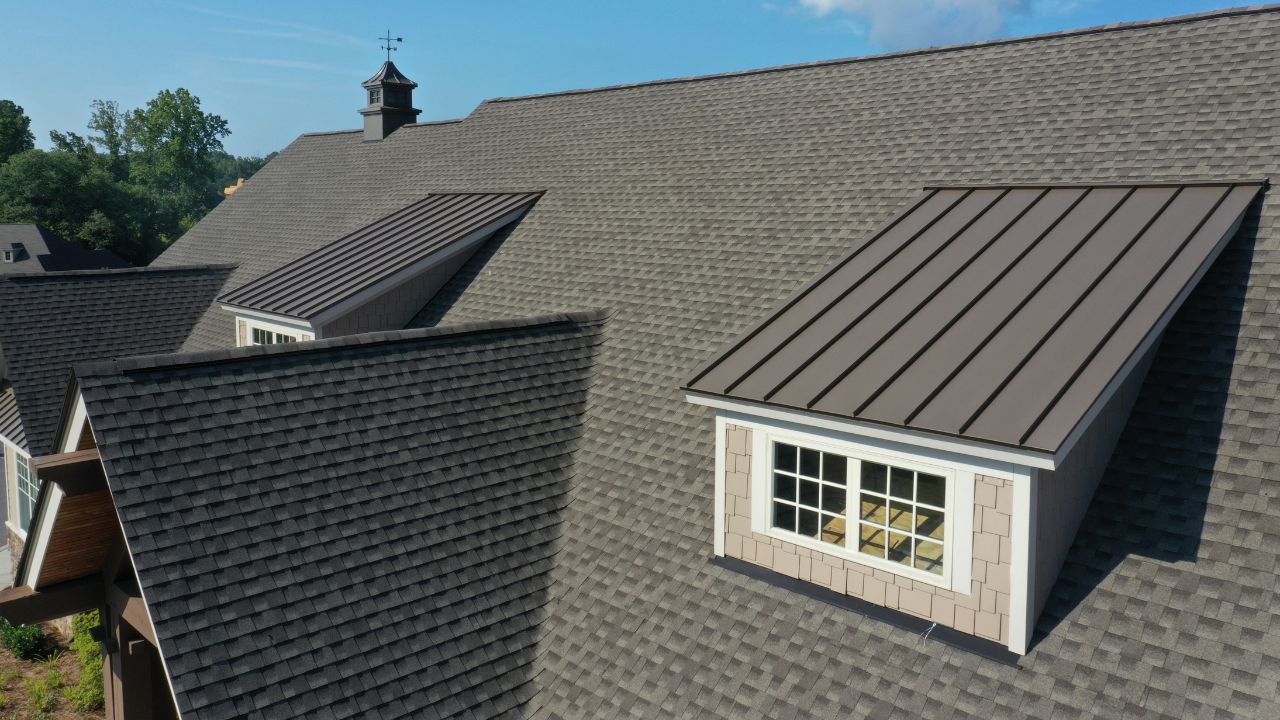
Premium roofs are defined by superior materials, longer lifespans, and enhanced aesthetics. Architectural asphalt shingles cost $5-8 per square foot and last 25-30 years. Wood shake and cedar options run $6-9 per square foot with a 20-25 year lifespan. These materials prioritize curb appeal, durability, and weather protection over budget considerations.
Why Are Premium Roofs Chosen Over Standard Options?
Homeowners choose premium roofs because they outlast cheaper alternatives and look better doing it. Standard 3-tab asphalt shingles cost just $2.50-5.50 per square foot but only last 15-20 years. Premium materials offer nearly double the lifespan plus stronger warranties. With 55% of American homeowners preferring to renovate rather than move, investing in quality roof materials is trending upward.
What Are the Most Common Materials Used for Premium Roofs?
Architectural shingles dominate today's premium market with stable demand and a 56.9% ROI at resale. Cedar shakes were once the pinnacle of premium roofs, but now carry a Class C fire rating—the poorest classification. This makes them increasingly outdated roofing in fire-prone regions. The shift is already visible: U.S. asphalt shingle shipments dropped 10% in Q3 2025 alone. Homeowners are looking beyond traditional options as roof materials trends point toward newer technologies.
What Are the Key Roofing Trends Driving Innovation Today?
The roofing industry is transforming rapidly. Energy generation, efficiency, and sustainability now drive purchasing decisions as much as durability. These roofing trends are reshaping what homeowners expect from their roofs.
How Are Solar Roofs Changing the Game?
Solar roofs are moving from novelty to necessity. The world added 292 GW of solar capacity before July 2024 alone. The solar roof tiles market is growing ata 10.6% CAGR from 2025-2033—the fastest of any roofing segment. California's solar mandate expansions now prioritize building-integrated photovoltaics over traditional rack-mounted panels. This future roofing technology turns passive protection into active energy production.
What Role Does Energy Efficiency Play in Modern Roofing?
Energy efficiency has become a primary driver of roof materials trends. Cool roof coatings are projected to hit $7.02 billion by 2030, growing at 7.2% annually. Phase-change materials (PCMs) embedded in roofing achieve a 28% reduction in annual energy use. Rising energy costs and climate awareness push homeowners toward materials that lower utility bills. A roof that only protects is increasingly seen as outdated roofing.
How Is the Demand for Sustainability Shaping Roofing Choices?
Sustainability now commands serious market share. The global roofing market reaches $306 billion in 2025 with 3.6% annual growth through 2029. Green roofs lead all segments at 14.1% CAGR from 2024-2030. Insurance companies reinforce this shift by offering up to 35% premium discounts for fire-resistant roofing. Premium roofs today must deliver environmental benefits—not just weather protection.
What Are the Roofing Trends That Will Make Today's Premium Roofs Look Outdated?
Seven emerging technologies are poised to make current premium roofs look like relics. These roofing trends combine energy generation, smart monitoring, and extreme durability. What passes as high-end today will soon become outdated roofing.
How Will Solar Panels Integrated Directly Into Roofs Outshine Current Options?
Building-integrated solar shingles eliminate the bulky panel aesthetic. GAF Timberline Solar costs $21-25 per square foot installed but generates $40,000-50,000 in electricity savings over 25 years. These shingles maintain 92% rated output on hot days above 90°F—outperforming traditional panels at 88%. Solar integration also increases home values by 4-6%. This future roofing technology makes non-generating premium roofs seem incomplete.
Why Will Green Roofs (Living Roofs) Replace Traditional Premium Roofs?
Green roofs deliver unmatched energy performance. They reduce building cooling energy by up to 75%. In humid climates, expect 30.7% energy reduction. Mediterranean climates see 43.8% cooling savings. At $15-25 per square foot with 30-50 year lifespans, they cost more upfront but deliver long-term value. Green roofs also mitigate Urban Heat Island effects and manage stormwater runoff—benefits no conventional roof can match.
How Will Advanced Coatings and Materials Make Conventional Roofs Obsolete?
Synthetic composite shingles last 40-50 years—double traditional asphalt. They achieve Class 4 Impact Resistance, the highest rating available, with wind resistance up to 130 mph. The synthetic roof shingle market grows at a 4.7% CAGR through 2033. These roof materials trends make standard architectural shingles look fragile by comparison. Premium roofs that can't withstand extreme weather are becoming outdated.
What Role Will Smart Roofs With IoT Technology Play in the Future?
Smart roofs transform maintenance from reactive to predictive. IoT sensors detect moisture, monitor temperature, and identify early damage before problems escalate. Drone-based inspections use thermal imaging for comprehensive assessments without ladder risks. AI platforms analyze this data to predict remaining lifespan and recommend preventative action. This documentation proves valuable for insurance claims and resale negotiations. Future roofing technology makes "dumb" roofs a liability.
Why Will Energy-Efficient and Sustainable Designs Outperform Premium Roofs of Today?
Metal roofing delivers lifespans of 50-70 years—a true "lifetime roof." At $8-14 per square foot, it costs more upfront but offers the lowest lifetime expense. The metal roofing market is projected to grow at a 4.8% CAGR through 2030. Metal roofs contain high percentages of recycled content and remain fully recyclable at the end of life. These roofing trends make 25-year shingles seem like a compromise.
How Will Modular Roof Systems and Easy-to-Replace Tiles Revolutionize Roofs?
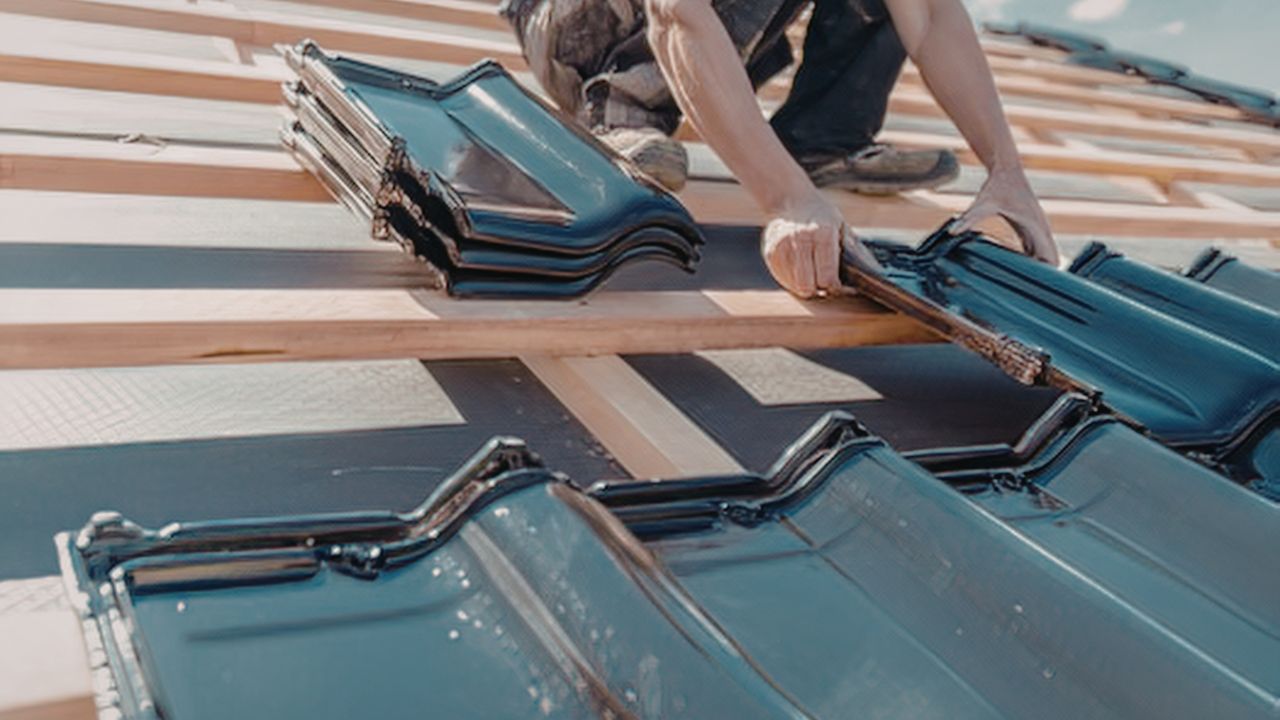
Modular solar shingles integrate seamlessly with traditional rooflines. Major manufacturers—GAF (Timberline Solar), CertainTeed (Solstice), and Tesla (Solar Roof)—now offer systems lasting 25-30 years as both energy generators and protective roofing. Installation is faster with less waste than traditional methods. Individual tiles can be replaced without disrupting the entire system. This flexibility makes rigid, single-purpose roofs feel outdated.
What Makes Cool Roofs (Reflective Roofing Materials) the Next Big Trend?
Cool roofs lower surface temperatures by up to 50°F compared to conventional dark materials. Homeowners see a 10-30% reduction in air conditioning usage during peak summer months. Annual cooling load drops by 52.5 kWh/m² per year. Cool roof coatings cost just $2-5 per square foot with 20-30 year lifespans—the most cost-effective upgrade available. As roof materials trends prioritize efficiency, heat-absorbing premium roofs become obsolete.
How Are Technological Innovations in Roofing Advancing Faster Than Premium Roofs Can Keep Up?
Technology is accelerating beyond what traditional premium roofs can offer. From 3D printing to AI-driven maintenance, future roofing technology is redefining industry standards. Today's high-end materials risk becoming outdated roofing before they reach end of life.
What Is the Role of 3D Printing in the Future of Roofing?
3D printing enables custom roof component manufacturing with precision impossible through traditional methods. The technology reduces material waste and cuts installation time significantly. It remains in early adoption phase with mainstream use expected between 2028-2032. Once scaled, 3D printing will allow roof materials trends to shift toward fully customized solutions. Standard manufactured shingles will feel generic by comparison.
How Will Smart Roofs Evolve With the Internet of Things (IoT)?
Smart roofs are moving from early adopter phase to mainstream adoption projected for 2026-2028. IoT sensors paired with AI enable predictive maintenance that catches problems before they escalate. Real-time alerts notify homeowners of moisture intrusion, temperature anomalies, or structural stress instantly. Emergency repairs become rare when small issues get flagged early. Premium roofs without monitoring capabilities will seem incomplete as these roofing trends mature.
How Are AI and Automation Changing Roof Construction and Design?
AI now powers project timeline forecasting with unprecedented accuracy. Robotic systems monitor shingle installation for consistency and quality control. Automated pre- and post-inspection reports document every detail without human error. AI roof measurements still require human verification, but accuracy improves yearly. This future roofing technology streamlines the entire construction process. Manual-only installation methods are becoming outdated roofing practices.
How Will Consumer Preferences and Eco-Consciousness Shape the Future of Roofing?
Homeowner priorities are shifting dramatically. Environmental impact now influences purchasing decisions alongside cost and aesthetics. These changing preferences are accelerating roofing trends toward sustainability and efficiency.
Why Are Homeowners Opting for More Eco-Friendly Roofing Solutions?
Eco-friendly roofing delivers both personal and community benefits. Widespread cool roof adoption could lower urban summer afternoon temperatures by more than 2°F. Younger homeowners especially prioritize sustainable options and willingly spend more on personalization—including green roofs. Labor shortages compound this shift: 439,000 new construction workers are needed in 2025 alone, pushing the industry toward automated, efficient installation methods. Roof materials trends now favor solutions that require less labor and deliver environmental returns.
How Will the Increased Focus on Carbon Footprints Affect Roofing Choices?
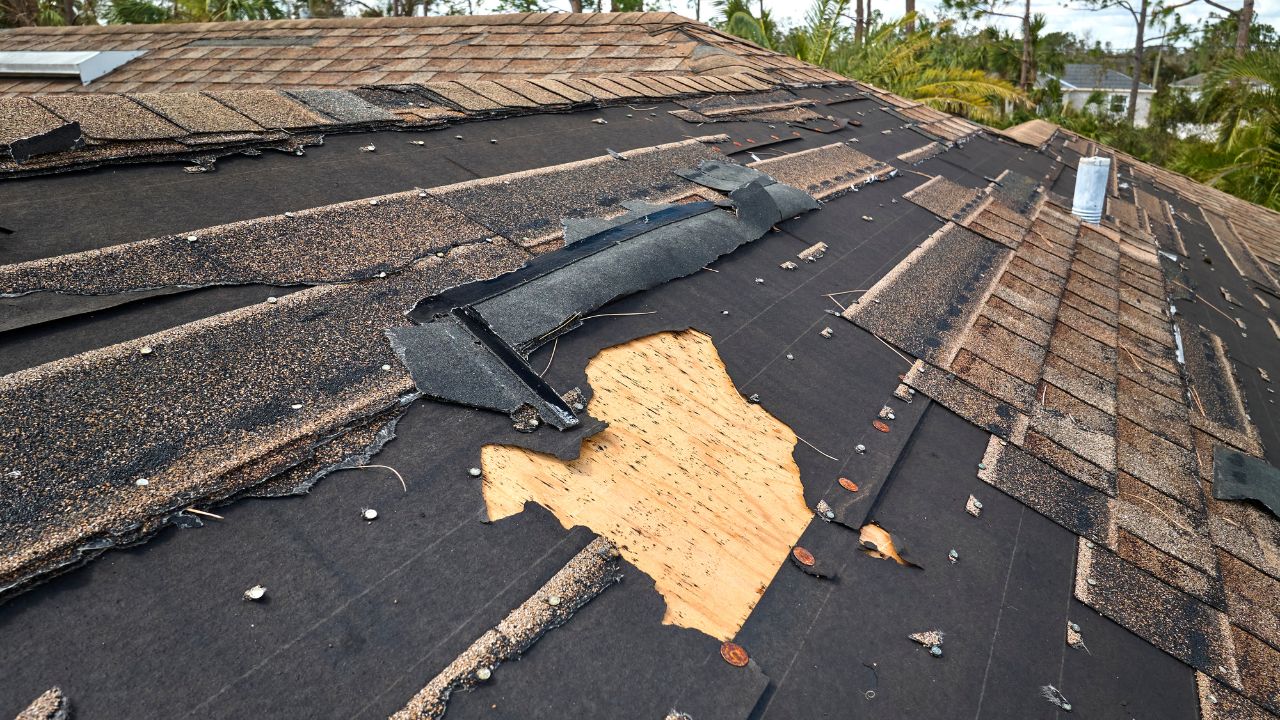
Carbon-conscious consumers are abandoning high-maintenance materials. Traditional wood shake now carries liability status due to poor fire resistance and intensive upkeep requirements. Insurance carriers increasingly decline coverage for roofs over 15 years old. FHA loans require roofs with a minimum of 2 years remaining useful life—pushing buyers away from aging premium roofs. Materials once considered high-end are now viewed as outdated roofing when they lack sustainability credentials.
What Impact Will Green Building Certifications Have on Roofing Choices?
Building codes increasingly mandate energy efficiency and sustainability standards. Flat roofs—ideal for solar and green roof applications—saw 41% sales increases as commercial properties pursue certification. Energy-generating roofs are transitioning from luxury upgrades to baseline requirements. Future roofing technology that meets certification standards will dominate new construction. Premium roofs that only protect without contributing to energy goals will fail to meet code within the decade.
The Future of Roofing is Here – Act Now!
As roofing technologies continue to advance, what was once the gold standard in premium roofs is becoming outdated. From energy-efficient solutions to smart roofing systems, the future is clear: roofs need to do more than just protect. At Advanced Roofing Inc., we’re ready to help you upgrade to the latest in roofing technology. Contact us today to explore how we can help you stay ahead with the best solutions for your home!